Blooming Brilliance: Your Flower Shop Employee Training Checklist Template
Published: 10/12/2025 Updated: 07/02/2026
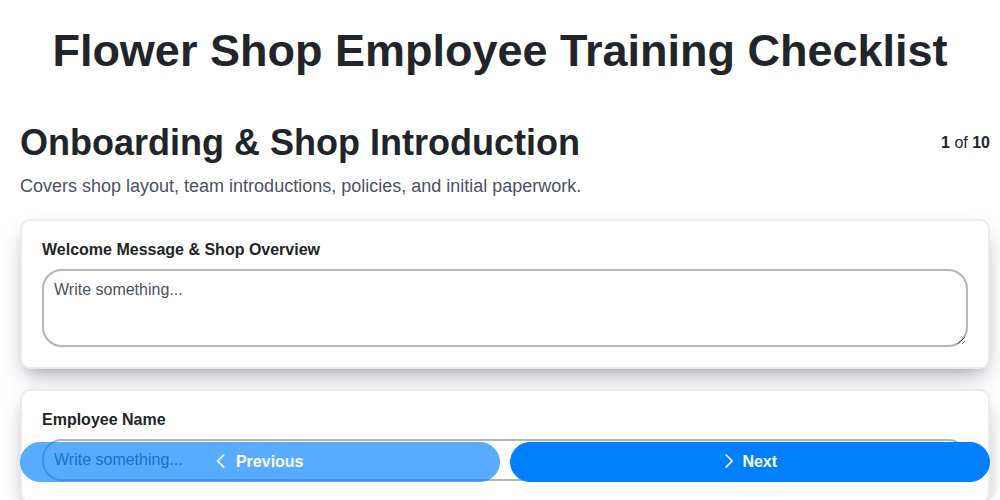
Table of Contents
- Welcome to Blooming Brilliance: Setting the Stage for Success
- Why a Structured Training Checklist is Essential
- Phase 1: Onboarding & Foundational Knowledge
- Phase 2: The Art & Science of Floral Care
- Phase 2.1: Mastering the Point of Sale System
- Phase 3: Order Fulfillment & Customer Engagement
- Phase 4: Safety, Security & Ongoing Development
- Template Download & Implementation Tips
- Resources & Links
TLDR: Need to train new flower shop employees? This free checklist template covers everything from flower care & design to POS & safety. It's customizable to fit *your* shop's needs, ensuring consistent quality, happy customers, and legally compliant operations - download it and start blooming!
Welcome to Blooming Brilliance: Setting the Stage for Success
Starting a new role in a flower shop is a unique and rewarding experience! It's a blend of artistry, customer interaction, and a deep appreciation for the beauty of nature. But beyond the fragrant blooms and elegant arrangements, success hinges on a strong foundation of knowledge and skill. This training checklist is designed to be your roadmap to becoming a valuable and confident member of the Blooming Brilliance team. We're excited to share our expertise and passion with you, and we believe this structured approach will empower you to thrive. Consider this more than just a set of rules; it's an investment in your growth, our team's success, and the exceptional service we provide to our customers. Let's cultivate brilliance together!
Why a Structured Training Checklist is Essential
A haphazard approach to employee training can be costly - think wasted product, frustrated customers, and ultimately, a hit to your shop's reputation. A structured training checklist isn't just a nice-to-have; it's a vital investment in your team and your business. Without it, you risk inconsistencies in flower care and design, errors in order processing, and a lack of confidence among your employees. A checklist ensures everyone receives the same foundational knowledge, leading to predictable quality, improved efficiency, and a more positive customer experience. It's about setting your team up for success from day one, fostering a culture of excellence, and protecting your business from potential risks.
Phase 1: Onboarding & Foundational Knowledge
The first few days are critical. Phase 1 focuses on making your new employee feel welcome and laying the groundwork for their success within your flower shop. It's more than just paperwork; it's about building a positive first impression and ensuring they understand the shop's core values and operations.
Here's what this initial phase should cover:
- Welcome & Introductions: Facilitate introductions to the team, outlining roles and responsibilities to foster collaboration.
- Shop Culture & Values: Clearly communicate your shop's mission, vision, and the principles that guide your work. Explain what sets your business apart and how your team contributes to the overall experience.
- Essential Paperwork & Policies: Complete all necessary HR paperwork and thoroughly review key company policies, including dress code, attendance, and confidentiality. Ensure understanding and address any questions.
- Shop Tour & Layout: Provide a comprehensive tour of the shop, highlighting key areas like the flower coolers, design stations, POS system, and storage spaces. Explain the flow of operations and the location of essential supplies.
- Initial Role Overview: While detailed role-specific training comes later, provide a high-level overview of the employee's initial responsibilities and how their work contributes to the shop's goals. This helps them understand the bigger picture and feel more engaged from the start.
Phase 2: The Art & Science of Floral Care
Beyond simply placing flowers in water, mastering floral care is a blend of artistic understanding and scientific principles. It's the foundation of extending their lifespan and ensuring they look their best for your customers - and ultimately, reflects positively on your shop's reputation. Let's dive into the essentials.
Hydration is Key: It's more than just adding water! Proper hydration starts with understanding the flower's needs. Different flower varieties require varying levels of hydration and benefit from different floral preservatives. Learn the common hydration techniques: stem re-cutting (at an angle, under water to prevent air bubbles), removing foliage below the waterline (to prevent bacterial growth), and using the appropriate floral preservative solution (which balances pH, provides nutrients, and inhibits bacterial growth). Regularly check water levels and refresh the solution every 1-2 days.
Environmental Factors: Temperature and humidity play a significant role. Avoid direct sunlight and drafts, which can dehydrate flowers quickly. A slightly cooler environment generally extends their lifespan. Maintain adequate humidity by misting flowers regularly (avoiding blooms prone to spotting) or using a humidifier in the shop.
Recognizing & Addressing Issues: Learn to identify common problems like wilting, drooping, or premature browning. These signs often indicate dehydration, bacterial infection, or ethylene exposure (more on that later!). Prompt action, like re-cutting stems, changing water, or removing affected blooms, can often revive the arrangement.
Ethylene Sensitivity: Ethylene is a natural plant hormone that accelerates ripening and senescence (aging). Many popular flowers, like lilies, carnations, and roses, are highly sensitive to ethylene. Sources of ethylene include ripening fruits, exhaust fumes, and even some cleaning products. Minimize exposure to ethylene by separating sensitive flowers from these sources.
The Science of Preservatives: Don't just dump in any old sugar water! Quality floral preservatives are carefully formulated to provide a balanced nutrient mix, maintain pH levels, and inhibit bacterial growth - all crucial for maximizing flower longevity. Understand the different components of a preservative and how they contribute to flower health.
Phase 2.1: Mastering the Point of Sale System
The Point of Sale (POS) system is the backbone of any flower shop's transactions, and confidence here translates directly to efficiency and a positive customer experience. This isn't just about ringing up sales; it's about managing inventory, tracking orders, and providing valuable data for your business.
Let's break down the key skills to conquer:
- System Navigation: Become intimately familiar with the interface. Know where to find key functions like product searches, discount applications, and order modifications. Don't be afraid to ask questions - even experienced users encounter unexpected quirks!
- Transaction Processing: Practice processing various transaction types: cash, credit/debit cards, gift cards, and online payments. Understand how to handle returns, exchanges, and voids.
- Discount Application: Master the art of applying discounts accurately and efficiently. Learn about different discount types (percentage, fixed amount, promotional codes) and how they affect the final sale.
- Inventory Management Basics: While a dedicated inventory manager may handle in-depth stock control, learn how the POS system tracks inventory levels and how to identify low-stock items.
- Reporting & Data Entry: Familiarize yourself with basic reporting functions, such as daily sales summaries and popular product reports. Ensure accurate data entry is maintained.
- Troubleshooting Common Errors: Learn to recognize and address common POS errors, such as payment processing issues or system freezes. Knowing when to escalate a problem to a senior team member is also crucial.
Pro Tip: Create a sandbox or practice environment within your POS system (if available) to experiment with functions and features without impacting real sales data. Spend time going through all menu options and practice scenarios to build a solid foundation. Consistent practice and a willingness to learn are your best tools for POS proficiency!
Phase 3: Order Fulfillment & Customer Engagement
Order fulfillment isn't just about getting flowers out the door; it's a critical touchpoint that shapes a customer's overall experience. A smooth, efficient process, coupled with genuine engagement, transforms a transaction into a lasting positive impression and encourages repeat business. This phase blends operational efficiency with heartfelt customer service.
From Click to Curb: Mastering the Fulfillment Flow
We're moving beyond simply processing orders. Let's delve into the nuanced steps that ensure accuracy and delight:
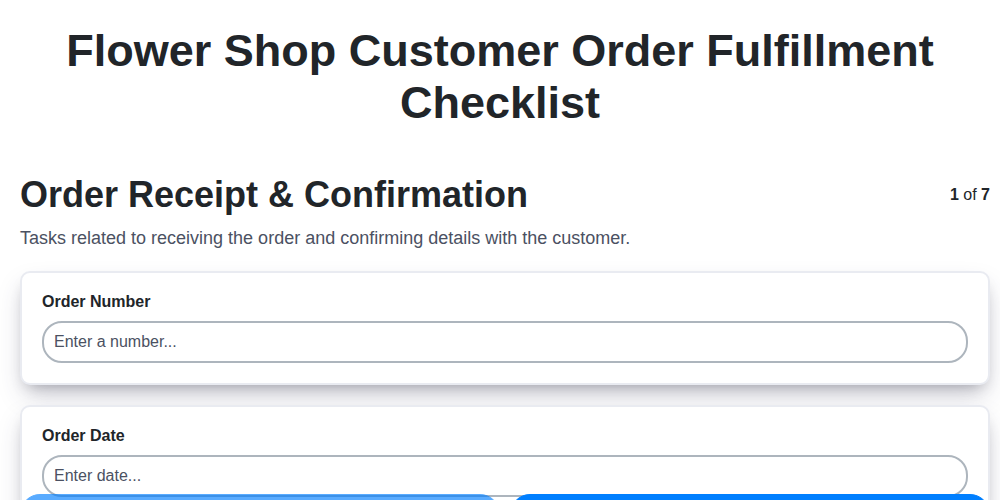
- Order Verification & Prioritization: Immediately upon receiving an order (whether online, phone, or in-person), verify all details - flower selections, quantities, delivery address, special requests - to eliminate errors. Implement a prioritization system to handle urgent orders promptly.
- Careful Assembly & Presentation: Flowers should be handled with care during assembly. Double-check the design against the order specifications and ensure proper packaging to prevent damage during transit. Consider adding a personal touch like a handwritten card with a brief, sincere message, especially for deliveries.
- Delivery Logistics & Communication: Optimize delivery routes for efficiency. Provide customers with estimated delivery windows and proactively communicate any unexpected delays. A quick phone call or text message informing them of a few minutes' difference can significantly reduce frustration.
- Post-Delivery Follow-Up: This is often overlooked! A brief email or text a day or two after delivery - simply asking How are your flowers looking? - demonstrates genuine care and an investment in their satisfaction. This also provides an opportunity to address any concerns.
Turning Delivery into a Delightful Experience
- Driver as Brand Ambassador: Train delivery drivers to be courteous, professional, and knowledgeable about flowers. They're often the face of your business.
- Signature Presentation: Even for deliveries, the presentation matters. Ensure the arrangement looks beautiful upon arrival.
- Personalized Touches (Where Possible): Recognizing special occasions (birthdays, anniversaries) and adding a small, thoughtful element can elevate the experience.
- Feedback Loop: Actively solicit and analyze customer feedback regarding the fulfillment process. Use this information to identify areas for improvement and refine your procedures.
Phase 4: Safety, Security & Ongoing Development
Beyond the core skills of floral design and customer service, prioritizing safety and security is paramount in a flower shop environment. This phase focuses on creating a secure workplace for your team and safeguarding your business from potential risks.
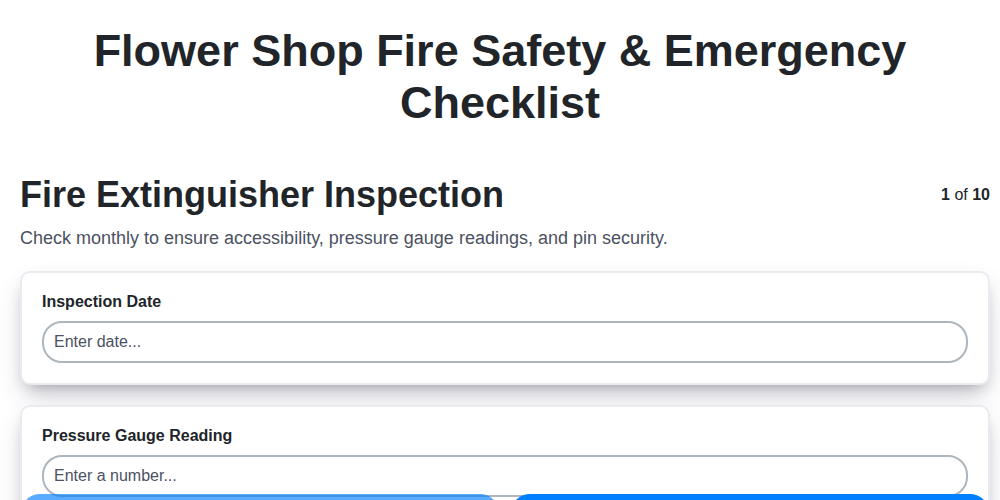
Safety First: We've covered the basics - proper lifting, sharp tool handling, and chemical safety - but consistent reinforcement is key. Regular refresher courses, safety reminders posted around the shop, and open communication channels for reporting concerns all contribute to a culture of safety. Don't underestimate the power of simple reminders - a quick huddle before opening to review safety protocols can make a big difference.
Securing Your Shop: Loss prevention isn't just about cash handling; it's about protecting your inventory and assets. Reviewing security procedures, reinforcing the importance of vigilance, and ensuring proper camera placement are crucial. Train employees to recognize and report suspicious activity, both inside and outside the shop. Regularly assess your shop's vulnerability and make necessary adjustments to your security measures.
Continuous Learning & Growth: The floral industry is ever-evolving - new varieties emerge, design trends shift, and customer expectations change. Commitment to ongoing development for your team isn't just about keeping up; it's about fostering a passionate and engaged workforce. This includes:
- Product Knowledge Updates: Regularly updating employees on new flower varieties, seasonal availability, and add-on products.
- Design Trend Workshops: Offering workshops to learn new design techniques and stay ahead of the curve.
- Cross-Training Opportunities: Expanding employee skillsets by cross-training in different areas of the business (e.g., delivery, design, point of sale).
- Encouraging Creativity: Providing opportunities for employees to experiment with new designs and contribute their own ideas.
Investing in ongoing development isn't just about improving employee skills; it's about cultivating a team that's passionate about flowers, dedicated to excellence, and committed to the success of your flower shop.
Template Download & Implementation Tips
Ready to streamline your flower shop employee training? We're offering a handy, printable checklist template to get you started!
Here's how to make the most of it:
- Customize it! This template is a framework. Add, remove, or modify sections to perfectly match your shop's specific operations, products, and company policies. Don't be afraid to add details relevant to your unique offerings.
- Break it into Phases: Implement the checklist in phases. Don't overwhelm new hires with everything at once. Focus on core skills initially, and gradually introduce more advanced topics.
- Assign Ownership: Designate a training manager or mentor to oversee the process and ensure consistency.
- Track Progress: Use the checklist as a tracking tool. Mark off completed sections and document employee progress. This is invaluable for performance reviews and identifying areas needing extra attention.
- Regular Review: Training isn't a set it and forget it process. Schedule periodic reviews of the checklist and your training program to ensure it remains relevant and effective. Ask for feedback from your team - they've often got the best insights!
Resources & Links
- Society for Human Resource Management (SHRM): SHRM offers comprehensive resources on onboarding, employee development, performance management, and legal compliance - all crucial elements for a robust employee training program. Their articles, templates, and certifications are valuable for establishing best practices in HR.
- Indeed - Employee Training Resources: Indeed provides articles and guides specifically focused on employee training, including checklists, examples, and advice on various training topics. Useful for understanding different training methodologies.
- TalentLanes (TLNT): TLNT focuses on talent management and employee development. Their articles cover topics like creating effective training programs, onboarding, and performance management. They often have data-driven insights and industry trends.
- HR Dive: HR Dive provides news and insights on HR topics, including training and development. Stay updated on legal changes, emerging trends, and best practices in employee training within the retail and service industries.
- GrowMark - Employee Training: While specific to GrowMark, their employee training examples and philosophies (accessible through their website) offer excellent ideas on how to structure a comprehensive training experience, especially for a customer-facing role.
- Square for Retail: Square offers point-of-sale (POS) solutions and provides resources, including guides and support documentation, on using their system effectively. Valuable for Phase 2.1 focused on mastering the POS.
- National Institute of Standards and Technology (NIST): NIST offers guidance on cybersecurity and physical security best practices, relevant to Phase 4: Safety, Security & Ongoing Development. Can provide a foundation for safety protocols.
- Flowers from Mexico - Floral Care Guide: Although a marketing site, Flowers from Mexico provides helpful (and beautifully illustrated) guides on flower care and handling, which can be integrated into the 'Art & Science of Floral Care' section (Phase 2).
- FTD - Resources for Florists: FTD, a major flower distributor, often provides resources and guides for florists, including some aspects of floral design and business operations. While promotional, there can be useful information.
- The Balance Small Business: Offers practical advice and templates for small businesses, covering topics like customer service, employee management, and operational efficiency - all elements relevant to a flower shop.
Frequently Asked Questions
What is this training checklist template for?
This template is designed to guide flower shop owners and managers in creating a comprehensive training program for new flower shop employees. It covers essential skills and knowledge from basic shop operations to floral design and customer service.
Who is this checklist for?
This checklist is for flower shop owners, managers, trainers, and anyone responsible for onboarding and training new employees in a flower shop environment.
What areas does the checklist cover?
The checklist covers various areas, including shop operations (cash handling, inventory management), floral care & handling, floral design basics, customer service, POS system usage, and safety procedures.
Is this a one-size-fits-all checklist?
No, this is a template. It's designed to be customized. You should adapt it to your specific flower shop's operations, products, and service style. Add or remove items as needed.
Can I download and print this checklist?
Yes! The article contains a downloadable and printable checklist template for your convenience. Simply follow the instructions provided in the article.
What if I need more detailed instructions for a specific skill?
The checklist highlights key skills. You'll need to supplement it with more detailed training resources, demonstrations, and hands-on practice for each skill area. Consider creating separate training manuals or videos.
How often should employees review this checklist?
New employees should review the entire checklist during their initial training. Existing employees should revisit the checklist periodically, especially when new products, services, or procedures are introduced.
Can I use this checklist for existing, experienced employees?
While primarily designed for new hires, the checklist can be a useful refresher for experienced employees to ensure consistency and identify any knowledge gaps.
What is the benefit of using a training checklist?
Using a checklist ensures consistent training, reduces errors, improves employee performance, promotes a professional work environment, and supports employee confidence and development.
Are there any legal or compliance requirements I should consider when using this checklist?
Yes. Be sure to incorporate any relevant legal or compliance requirements specific to your location and business, particularly regarding safety, handling of pesticides, and employee rights.
Comments
There are no comments yet. Be the first to add one!
Flower Shop Management Solution Demo
Bloom with efficiency! ChecklistGuro simplifies flower shop management - from order tracking to inventory control and delivery scheduling. Enhance customer service, reduce waste, & boost profits. Manage it all with our Work OS.
Related Articles
The Ultimate Flower Shop Order Fulfillment Checklist Template
Blooming Safe: Your Flower Shop Fire Safety & Emergency Checklist Template

Excel vs ChecklistGuro in Flower Shop Management
Blooming Business: Your Free Flower Shop Daily Operations Checklist Template
The Ultimate Flower Shop Website & Online Orders Checklist Template
Florist Flower Inventory Management Checklist Template: Your Guide to Freshness & Profitability

Paper vs ChecklistGuro in Flower Shop Management
The Ultimate Flower Shop Mother's Day Promotion Checklist Template
We can do it Together
Need help with
Flower Shop Management?
Have a question? We're here to help. Please submit your inquiry, and we'll respond promptly.