The Ultimate Guest Check-in/Out Checklist Template
Published: 09/02/2025 Updated: 04/06/2026
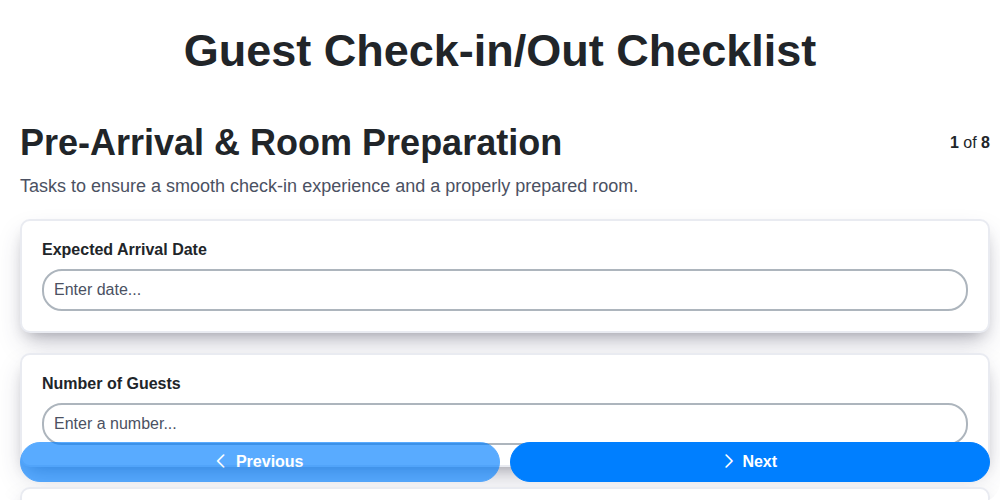
Table of Contents
- Introduction: Why a Guest Check-in/Out Checklist Matters
- 1. Pre-Arrival: Setting the Stage for a Seamless Experience
- 2. Guest Check-in: First Impressions & Efficient Processing
- 3. Room Assignment & Key Handling: Accuracy & Security
- 4. Payment & Security Deposits: Transparency & Record Keeping
- 5. Welcoming Your Guest: Information & Personalized Service
- 6. The Check-Out Process: Speed & Accuracy
- 7. Room Inspection: Ensuring Cleanliness & Functionality
- 8. Lost & Found Protocol: Handling Guest Belongings
- 9. Data Collection & Analysis: Identifying Areas for Improvement
- 10. Staff Training: Consistency in Service
- 11. Legal & Compliance Considerations
- 12. Customizing Your Checklist: Adapting to Your Property Type
- Resources & Links
TLDR: Get a free, detailed checklist template for flawless guest check-in/out experiences! It covers everything from room prep to post-departure tasks, ensuring smooth operations, happy guests, and a boost to your hospitality business - easy to customize for any property.
Introduction: Why a Guest Check-in/Out Checklist Matters
In today's hospitality landscape, a seamless guest experience isn't a luxury-it's an expectation. First impressions are everything, and the check-in/out process is often the first and last direct interaction a guest has with your team. A disorganized or inefficient process can instantly derail that positive perception, leading to frustration, negative reviews, and lost business. Conversely, a well-executed check-in/out demonstrates professionalism, respect for your guests' time, and a commitment to providing exceptional service. This isn't just about ticking boxes; it's about building rapport, creating a memorable stay, and fostering loyalty that encourages repeat bookings and positive word-of-mouth. A clear checklist ensures consistency, reduces errors, and empowers your staff to deliver a consistently outstanding experience, regardless of who's at the front desk.
1. Pre-Arrival: Setting the Stage for a Seamless Experience
The guest experience truly begins before they even step foot in your lobby. Proactive pre-arrival communication and preparation are critical for setting a positive tone and anticipating their needs. Start with confirming the booking details - dates, room type, any special requests - a few days prior to arrival. This demonstrates attentiveness and allows for quick resolution of any discrepancies. Utilize this opportunity to personalize their experience: a simple email referencing a specific request (e.g., "We're happy to confirm your request for a hypoallergenic room.") goes a long way. Segment your guest database to tailor future communications based on past stays and preferences. Finally, ensure your team is briefed on upcoming arrivals, particularly those with VIP status, special requests, or returning guests - a warm welcome starts with knowing your guests.
2. Guest Check-in: First Impressions & Efficient Processing
The guest check-in experience is arguably the most crucial touchpoint in shaping their perception of your establishment. It's your chance to make a lasting first impression - one that sets the tone for the entire stay. But a warm welcome isn't enough; efficiency is equally vital. Long wait times and confusing processes can quickly sour even the most enthusiastic traveler.
Here's how to nail both the warmth and the efficiency:
- Anticipate Arrival: Have a system in place to anticipate guest arrivals, especially during peak seasons. Pre-populating registration forms (with consent, of course) and having multiple check-in stations can significantly reduce wait times.
- Personalized Greeting: Address guests by name whenever possible. A genuine smile and a welcoming tone go a long way. Train your front desk staff to actively listen and acknowledge guests' needs.
- Streamlined Verification: Simplify the ID verification process. Ensure your equipment is functional and your staff is well-trained in verifying documents quickly and accurately.
- Digital Check-in Options: Consider offering a digital check-in option through your website or app. This allows guests to complete much of the process before they even arrive, freeing up front desk time and increasing convenience.
- Clear Communication: Explain all relevant information clearly and concisely - Wi-Fi password, breakfast hours, parking instructions. Don't overwhelm them with unnecessary details.
- Be Proactive: Anticipate common questions and have readily available answers. This demonstrates attentiveness and expertise.
- Upselling with Sensitivity: While suggestive selling can be beneficial, avoid aggressive or pushy tactics. Offer upgrades or amenities subtly and respect the guest's decision.
3. Room Assignment & Key Handling: Accuracy & Security
Accurate room assignment and secure key handling are foundational to a positive guest experience and the overall security of your property. A simple error in room allocation can lead to frustration and inconvenience, while lax key management can compromise guest safety and potentially expose your hotel to security risks.
Here's a breakdown of best practices:
- Strategic Room Allocation: Don't just assign rooms sequentially. Consider guest preferences (floor requests, view, accessibility needs), room type (ensuring they receive what they booked), and potential for upgrades. Note any special requests in the PMS and ensure they are fulfilled.
- Double-Check Verification: Before handing over the key or access card, verbally confirm the room number with the guest. This reduces the chance of error and demonstrates attention to detail.
- Secure Key/Card Distribution: Always hand keys or access cards directly to the guest. Never leave them unattended or place them on the front desk.
- Key/Card Explanation: Briefly explain how to use the key or access card, including any specific instructions for doors or elevators.
- Audit Trails: Your PMS should automatically create an audit trail of key/card distribution. Regularly review these logs to identify any discrepancies or unauthorized access.
- Lost/Stolen Key Protocol: Have a clear protocol for handling lost or stolen keys. Immediately deactivate the compromised key/card and issue a replacement. Investigate the incident to prevent future occurrences.
- Key Recycling: Implement a system for recycling deactivated keys/cards and ensuring they are securely disposed of or reprogrammed.
- Consider Mobile Keys: If your PMS and door lock system support it, explore offering mobile key access to enhance guest convenience and reduce physical key handling.
4. Payment & Security Deposits: Transparency & Record Keeping
Payment and security deposits are critical financial transactions that, if handled poorly, can lead to guest dissatisfaction and potential legal issues. Transparency and meticulous record-keeping are paramount.
Clear Communication is Key: Before arrival, clearly communicate your payment policies, including accepted payment methods, due dates, and any applicable fees. This proactive approach minimizes surprises and builds trust. Upon check-in, reiterate the total amount due and the purpose of any security deposit. Avoid ambiguity - a simple, "Your total is [amount], and a security deposit of [amount] will be held on your card until [date] to cover any incidental expenses" goes a long way.
Accepted Payment Methods: Clearly list all accepted payment methods - credit cards (Visa, Mastercard, American Express, Discover), debit cards, and potentially mobile payment options (Apple Pay, Google Pay). Ensure your staff is trained to process these payments accurately.
Security Deposit Details: Explain the purpose of the security deposit - to cover potential damages beyond normal wear and tear, lost items, or excessive cleaning needs. Specify the timeframe within which the deposit will be returned (typically within 14-30 days), and outline the process for deductions if necessary. Document everything related to a security deposit claim, including photos, repair estimates, and communication with the guest.
Meticulous Record Keeping: Every transaction should be meticulously recorded in your PMS or accounting system. Include:
- Guest Name
- Room Number
- Date of Transaction
- Payment Method
- Amount Paid
- Security Deposit Amount (if applicable)
- Any Applicable Discounts or Fees
- Receipt Number
Regularly reconcile payment records to ensure accuracy and identify any discrepancies. Strong financial records protect your business and provide a clear audit trail in case of disputes.
5. Welcoming Your Guest: Information & Personalized Service
The first impressions you make set the tone for your guest's entire stay. It's more than just handing over keys; it's about making them feel genuinely welcomed and prepared for a positive experience. This is where personalized service truly shines.
Beyond the standard information - Wi-Fi password, breakfast hours, pool location - consider proactively offering tailored recommendations. Did they mention traveling for business? Suggest nearby co-working spaces or quick lunch options. Are they celebrating a special occasion? A small, thoughtful gesture like a welcome amenity or a personalized note can create a lasting memory.
Don't underestimate the power of anticipating needs. Have menus readily available for room service, local maps highlighting key attractions, and readily accessible information about transportation options. A quick Is there anything else I can assist you with? demonstrates genuine care and opens the door for further personalized recommendations. Empower your front desk staff to go the extra mile - a little extra effort can transform a good stay into an exceptional one and foster guest loyalty. Remember, hospitality is about creating connections, not just processing transactions.
6. The Check-Out Process: Speed & Accuracy
A smooth check-out is the final, crucial touchpoint in a guest's experience - a chance to leave a lasting positive impression and encourage repeat bookings. Rushing through this stage, or making errors, can negate all the hard work put into creating a welcoming stay. Here's how to streamline the process for both your guests and your team:
Prioritize Speed Without Sacrificing Accuracy: Guests value efficiency, especially when eager to begin their journey home or to their next destination. Minimize wait times by strategically staffing the front desk and utilizing technology. Consider offering express check-out options - allowing guests to review and settle their bill online, then simply collect keys upon departure - a massive convenience booster.
Reviewing the Bill: Clarity is Key: Present a clear and concise bill, detailing all charges. Encourage guests to review it carefully. Be prepared to address any discrepancies or questions promptly and professionally. A small error can quickly turn into a negative review, so double-checking is vital.
Payment Processing & Security Deposits: Ensure secure and efficient payment processing. If a security deposit was collected, initiate the refund process promptly, as per your established policies. Provide a final receipt, clearly stating the total amount and method of payment.
Gathering Feedback: The Gift of Improvement: Before the guest departs, subtly encourage feedback. A simple, We hope you enjoyed your stay! We're always looking for ways to improve - would you mind taking a moment to leave us a review? can go a long way.
The Final Farewell: Lasting Impressions: End the interaction with a warm and sincere farewell, thanking the guest for their visit and wishing them a safe journey. This small gesture leaves a positive, memorable conclusion to their experience, encouraging them to return and recommend your property to others.
7. Room Inspection: Ensuring Cleanliness & Functionality
A thorough room inspection isn't just about ticking boxes; it's about upholding your brand's commitment to quality and ensuring a positive guest experience. This inspection should be conducted immediately after a guest checks out, before housekeeping begins the full cleaning process. Here's what to look for:
Visual Sweep - Initial Assessment (2-3 minutes)
- Overall Appearance: A quick scan for any obvious signs of damage, excessive mess, or unusual odors.
- Bed Presentation: Ensure the bed linens are visibly disheveled and ready for washing (not neatly folded!).
- Trash Levels: Note the amount of trash present - this informs housekeeping's workload.
- Forgotten Items: Identify any items left behind by the guest (toiletries, electronics, clothing). Document these items immediately for lost & found procedures.
Detailed Check - Room Functionality (5-7 minutes):
- HVAC: Briefly test the heating/cooling unit to ensure it's functioning.
- Lighting: Check all light fixtures - are any bulbs out or flickering?
- Electronics: Verify the TV, radio, and any other electronics are working (or note malfunction).
- Plumbing: A quick check for leaks under the sink or in the shower.
- Furniture: Inspect chairs, tables, and other furniture for any signs of damage.
- Window/Door Operation: Ensure windows and doors open and close smoothly and lock securely.
- Safety Equipment: Confirm the presence and functionality of smoke detectors and any other safety devices.
Documentation is Key:
Create a simple form (paper or digital) to record your observations. Note any issues found and assign responsibility for repairs or replacements. This proactive approach prevents minor problems from escalating and impacting future guest stays.
8. Lost & Found Protocol: Handling Guest Belongings
Discovering they've left something behind is a frustrating experience for guests. A well-defined Lost & Found protocol demonstrates care and professionalism, turning a potential negative into a positive reflection of your establishment. Here's how to handle guest belongings responsibly and efficiently.
Immediate Action is Key:
- Designated Area: Establish a secure, clearly marked Lost & Found area accessible only to authorized personnel.
- Prompt Reporting: Front desk staff should immediately report any found items to the designated Lost & Found manager.
- Detailed Documentation: Record every item in a logbook or digital system, including: date/time found, location found, a detailed description of the item, and the name of the staff member who found it. Photos are highly recommended!
Holding Period & Attempted Contact:
- Standard Holding Period: Implement a standard holding period (typically 30-90 days). Clearly communicate this timeframe to guests if they inquire about missing items.
- Guest Communication: Attempt to contact the guest directly if possible, using information from the registration form. Be mindful of data privacy regulations. A polite and professional email or phone call is crucial.
- Description & Verification: When contacting a guest, only provide a general description of the item to verify ownership. Avoid disclosing specific details that anyone could easily guess.
Disposal & Donation:
- Unclaimed Items: After the holding period, unclaimed items are typically disposed of or donated to a local charity.
- Record Disposal: Document the disposal method and date in the Lost & Found log.
- Tax Deductibility: If donating, obtain a receipt for potential tax deductions.
A well-managed Lost & Found system not only helps reunite guests with their belongings, but also reinforces your commitment to exceptional service.
9. Data Collection & Analysis: Identifying Areas for Improvement
A well-executed checklist is a fantastic foundation, but it's only the beginning of optimizing your guest check-in/out experience. To truly elevate service and efficiency, you need to move beyond simply following the steps and start analyzing the data generated by them.
This involves systematically collecting information at each stage of the process. What metrics should you track? Consider these:
- Check-in Time: Average time from arrival to room access. Longer times often signal bottlenecks in your process.
- Check-out Time: Similarly, track how long it takes guests to complete check-out.
- Guest Wait Times: Monitor wait times at the front desk during peak hours.
- Payment Processing Errors: Record any issues related to payment collection or security deposits.
- Guest Feedback Scores (Check-in & Check-out): Analyze scores from guest surveys specifically addressing these touchpoints.
- Lost & Found Item Frequency: This can subtly indicate issues with room cleanliness or guest carelessness.
- Staff Performance Metrics: Track the number of guests assisted per front desk staff member.
Your Property Management System (PMS) is often your biggest asset here. Leverage its reporting capabilities to generate these metrics. However, don't underestimate the power of simple spreadsheets or even handwritten notes in the beginning.
Once you're collecting this data, the real work begins: interpretation. Look for trends, identify pain points, and ask why? For example, consistently high check-in times might indicate a need for more staff during busy periods or a simpler registration process. Negative feedback regarding check-out could highlight a lack of clarity on billing practices or long queues.
Don't be afraid to experiment with changes based on your findings. A/B test different approaches to see what works best. Regularly review your data and adjust your processes accordingly. Data collection and analysis isn't a one-time task; it's an ongoing cycle of improvement that will continuously enhance the guest experience and streamline your operations.
10. Staff Training: Consistency in Service
Exceptional guest experiences aren't accidents; they're the result of well-trained, confident, and empowered staff. A robust training program isn't just about teaching procedures-it's about instilling a service-oriented mindset and ensuring every interaction, from check-in to check-out, reflects your brand's commitment to excellence.
Beyond the Basics: While covering essential skills like operating the PMS, handling payments, and addressing common guest inquiries is crucial, training should go deeper. Role-playing scenarios, particularly those addressing difficult guest situations (e.g., complaints, unexpected issues), build confidence and problem-solving abilities. Regular refresher courses reinforce best practices and introduce updates to policies or procedures.
Empowerment and Decision-Making: Empowering staff to make decisions within pre-defined parameters reduces resolution times and demonstrates a commitment to guest satisfaction. Training should include guidelines for handling minor issues independently, fostering a proactive approach to service recovery.
Brand Immersion: Your staff are ambassadors for your brand. Training should encompass your hotel's story, values, and service philosophy, ensuring they can authentically represent your establishment.
Ongoing Evaluation: Training isn't a one-time event. Implement ongoing evaluation through mystery shopper programs, guest feedback analysis, and regular performance reviews to identify areas for improvement and ensure sustained service consistency. A continuous learning culture benefits both the staff and your guests.
11. Legal & Compliance Considerations
Running a hospitality business means operating within a complex web of legal and compliance regulations. Ignoring these can lead to significant penalties, damage your reputation, and even expose you to liability. Here's a breakdown of key areas to be aware of during the guest check-in/out process.
1. Data Privacy & GDPR/CCPA: The collection and storage of guest data (names, contact details, payment information) are subject to stringent privacy laws. Ensure you have a clear and concise privacy policy readily available to guests, outlining how you collect, use, and protect their information. Comply with regulations like the General Data Protection Regulation (GDPR) if you serve European guests, and the California Consumer Privacy Act (CCPA) if you operate in California. Obtain explicit consent for marketing communications.
2. Payment Card Industry Data Security Standard (PCI DSS): If you process credit card payments, adhering to PCI DSS is mandatory. This standard sets requirements for secure handling of cardholder data to prevent fraud. Regularly update your systems, encrypt sensitive information, and train staff on PCI compliance.
3. Accessibility Laws (ADA): Ensure your check-in/out procedures and facilities are accessible to guests with disabilities, as mandated by the Americans with Disabilities Act (ADA). This includes accessible registration forms, check-in counters, and communication methods.
4. Contract Law: The booking process essentially creates a contract between you and the guest. Clearly outline cancellation policies, fees, and other terms and conditions in your booking terms and conditions and make them easily accessible to guests before they confirm their reservation.
5. Security Deposit Regulations: State and local laws often govern the handling of security deposits. Comply with regulations regarding the maximum amount you can charge, the timeframe for returning the deposit, and the documentation required for deductions.
6. Consumer Protection Laws: Be truthful and accurate in your advertising and booking descriptions. Avoid deceptive practices and ensure you fulfill the promises you make to guests.
7. Local Ordinances & Permits: Familiarize yourself with all applicable local ordinances, permits, and licenses required to operate your business legally. This may include business licenses, health permits, and occupancy permits.
Disclaimer: This information is for general guidance only and does not constitute legal advice. Consult with a qualified legal professional for advice tailored to your specific situation.
12. Customizing Your Checklist: Adapting to Your Property Type
The beauty of a comprehensive checklist is its adaptability. However, a one-size-fits-all approach simply won't work in the diverse world of hospitality. How you customize your checklist should be driven by the specific nuances of your property type and the expectations of your target guest. Let's break down how to tailor it based on common property types:
Boutique Hotels & Bed & Breakfasts: Here, personalization is key. Expand your Guest Welcome & Information section to include handwritten welcome notes, curated local recommendations (beyond the standard tourist traps), and a focus on creating a home-away-from-home experience. Consider adding a Departure Gift step to solidify a lasting impression.
Vacation Rentals (Airbnb, VRBO): Shift the emphasis towards pre-arrival communication. Add steps for sending detailed arrival instructions, security code distribution, and appliance/amenity usage guides. Post-departure, focus on collecting detailed feedback regarding cleanliness and functionality - guests renting homes expect a high level of upkeep. A 'Property Walk-Through' upon arrival can also set expectations and minimize future issues.
Large Hotels & Resorts: While efficiency is paramount, don't sacrifice personalization entirely. Delegate specific tasks to concierges or guest relations to provide more attentive service. A streamlined 'Luggage Handling' step becomes crucial. Consider adding a 'Loyalty Program Enrollment' step for returning guests.
Hostels: The focus here is on efficiency and cost-effectiveness. A group check-in process is essential. A 'Briefing on Hostel Rules & Facilities' step becomes critical. A 'Security Check' relating to lockers or shared spaces may be necessary.
Glamping & Unique Accommodations: Detailed pre-arrival information about the location, terrain, and what to expect is vital. Consider a 'Site Orientation' during check-in. Post-departure, focus on collecting feedback on the experience-novelty accommodations thrive on exceeding expectations.
Remember, continuous evaluation and adjustment are key to a truly customized checklist. Regularly solicit feedback from both guests and staff to refine your processes and deliver exceptional hospitality.
Resources & Links
- Hospitality Technology: Stay up-to-date on the latest technology trends impacting check-in/out processes, including mobile check-in and automation.
- Hotel Management: Offers industry news, articles, and insights on guest services and operational efficiency, valuable for refining your checklist.
- Lodging Magazine: Features articles on property management, guest satisfaction, and operational best practices relating to guest flow.
- American Hotel Online: Provides news and analysis of the hospitality industry, with content relevant to improving guest experiences and operational efficiency.
- Smartsheet: While not hospitality-specific, Smartsheet is a powerful platform for creating and managing checklists, which is central to this topic. They offer templates and tutorials.
- Monday.com: Similar to Smartsheet, Monday.com is a work OS that can be used to manage guest check-in/out workflows and checklists, promoting collaboration and organization.
- Property Room Software: Offers property management software with check-in/out features; useful for understanding how tech can streamline the process.
- ResNexus: Another property management system provider. Their blog and resources can offer insights into best practices.
- TripAdvisor: Analyze guest reviews on TripAdvisor to identify pain points in the check-in/out process and areas where improvement is needed. Pay attention to comments about efficiency and staff interactions.
- Legal Sifter: While not specific to checklists, Legal Sifter helps businesses understand legal compliance, particularly important for security deposits and data privacy - check for state-specific requirements.
- IRS (Internal Revenue Service): Relevant if you're dealing with payments and sales tax. Understand reporting obligations.
- ADA (Americans with Disabilities Act): Ensure your check-in/out process is accessible to guests with disabilities. Review ADA guidelines.
- Center for Democracy & Technology: Provides information on data privacy and security regulations; crucial when collecting guest information.
- StaySafeOnline: Provides resources for online security and data protection, vital for safeguarding guest information and maintaining trust.
Frequently Asked Questions
What is a guest check-in/out checklist and why do I need one?
A guest check-in/out checklist is a detailed list of tasks to be completed during a guest's arrival and departure. It ensures consistency, minimizes errors, improves guest satisfaction, and provides a record of what has been done. It's especially important for vacation rentals, hotels, and B&Bs.
What does the checklist template include?
Our template includes sections for pre-arrival preparation, guest welcome & check-in (key handover, property orientation, welcome amenities), during-stay support, check-out procedures (key return, inventory check, cleaning instructions), and post-departure tasks. Specific tasks within each section are detailed and customizable.
Is the checklist template customizable?
Yes! The template is designed to be highly customizable. You can add, remove, or modify tasks to align with your specific property, policies, and guest needs. There are designated areas for adding notes and special instructions.
What file format is the checklist template available in?
The template is provided as a downloadable Microsoft Word (.docx) file. This allows for easy editing and printing.
Can I use this checklist for a hotel, vacation rental, or B&B?
Yes, the checklist is versatile and applicable to all types of lodging businesses, including hotels, vacation rentals, and bed & breakfasts. It's adaptable to various property sizes and service levels.
How can the checklist help me improve guest satisfaction?
By ensuring a smooth and consistent check-in/out experience, the checklist minimizes potential frustrations and demonstrates your attention to detail. It also ensures important information is communicated clearly, leading to a more positive guest experience.
What's the difference between a pre-arrival checklist and the check-in checklist?
The pre-arrival checklist focuses on tasks completed *before* the guest arrives (cleaning, repairs, stocking supplies). The check-in checklist covers actions taken during the guest's arrival and initial orientation to the property.
What type of information should I record during the check-out process?
The checklist prompts you to record key return confirmation, an inventory check (to note any missing items), cleanliness assessments, and guest feedback. This documentation can be valuable for future improvements and resolving any issues.
Are there any legal considerations I should be aware of when using a guest check-in/out checklist?
While the checklist itself doesn't provide legal advice, it's essential to ensure your policies and procedures comply with local laws and regulations. Documenting the checklist completion can serve as evidence of your diligence and adherence to agreements.
Comments
There are no comments yet. Be the first to add one!
Hospitality Management Solution Demo
Running a hotel, restaurant, or other hospitality business is demanding. ChecklistGuro's Work OS platform simplifies management, from reservations and guest services to inventory and staff scheduling. Improve efficiency, enhance guest experience, and boost profitability! See how ChecklistGuro can transform your hospitality operations.
Related Articles
Your Ultimate Security Camera Monitoring Log Checklist Template
Payroll Processing Verification Checklist Template: Your Guide to Accuracy
Complaint Handling Checklist Template: Resolve Issues & Retain Customers

Emergency Evacuation Drill Documentation: Your Checklist Template Guide

Mastering Incident Response: Your Free Reporting Protocol Checklist Template
Conquer Your Kitchen: A Monthly Deep Cleaning Checklist Template
Mastering Food Safety: Your Free Temperature Control Checklist Template
Mastering Hand Hygiene: Your Compliance Checklist Template
We can do it Together
Need help with
Hospitality?
Have a question? We're here to help. Please submit your inquiry, and we'll respond promptly.