Navigating Consent: A Healthcare Consent Management Checklist for Patient Rights & Documentation
Published: 11/28/2025 Updated: 07/02/2026
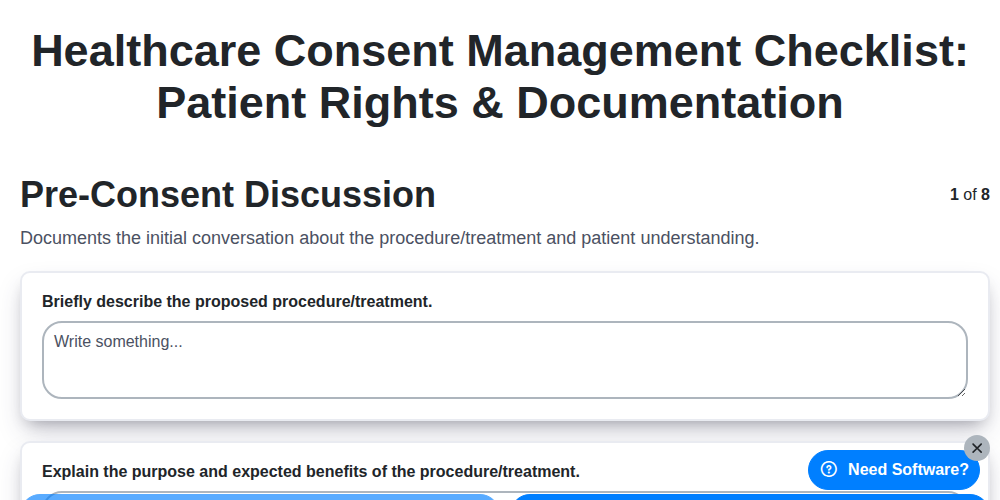
Table of Contents
- Understanding Healthcare Consent: Why It Matters
- 1. Pre-Consent Discussion: Building Trust and Understanding
- 2. Consent Form Review: Ensuring Comprehension
- 3. Capacity Assessment: Evaluating Decision-Making Ability
- 4. Exploring Alternatives: Presenting All Available Options
- 5. Patient Questions & Clarification: Addressing Concerns
- 6. Consent Signatures & Witnessing: Formalizing the Agreement
- 7. Meticulous Documentation & Secure Storage: Protecting Records
- 8. Handling Revocation/Amendment: Respecting Changing Decisions
- 9. Staff Training & Ongoing Compliance
- 10. Legal & Ethical Considerations
- 11. Regularly Reviewing and Updating Your Consent Processes
- Resources & Links
TLDR: Juggling patient consent can be tricky! This checklist ensures you cover all bases - from explaining treatment options and assessing understanding to securing signatures and storing documents - protecting both your practice and patient rights. It's your shortcut to compliant and ethical consent management.
Understanding Healthcare Consent: Why It Matters
At its core, healthcare consent is about respecting patient autonomy and ensuring they are actively involved in decisions about their care. It's far more than just a signature on a form; it's a process rooted in open communication, shared understanding, and the patient's right to choose.
Why is this so vital? Well, it acknowledges that individuals have the right to control what happens to their bodies and health. Informed consent ensures patients are aware of the proposed treatment, potential risks and benefits, and any available alternatives. Without it, healthcare decisions are made to a patient, rather than with them, potentially leading to feelings of disempowerment, distrust, and even harm.
A robust consent process builds a foundation of trust between patient and provider, fostering a more collaborative and ultimately more effective healthcare experience. It protects patient rights, minimizes legal risks for healthcare providers, and most importantly, puts the individual at the center of their care journey. Understanding and diligently following the consent process isn't just a procedural requirement; it's a fundamental ethical obligation in healthcare.
1. Pre-Consent Discussion: Building Trust and Understanding
The pre-consent discussion is far more than just a formality; it's the foundation of informed consent. This initial conversation should be a comfortable and open dialogue, focusing on building trust and ensuring the patient feels heard and respected. Start by explaining why consent is required and its importance in their care. Avoid medical jargon and use clear, understandable language. Focus on fostering a two-way communication where the patient feels empowered to ask questions and express any concerns. This isn't about delivering a monologue; it's about creating an environment where they feel comfortable sharing their understanding (or lack thereof) of the proposed treatment or procedure. Consider their emotional state and preferred communication style, adapting your approach to ensure they feel at ease and are receptive to the information to follow. A rushed or dismissive initial discussion can significantly undermine the entire consent process.
2. Consent Form Review: Ensuring Comprehension
The consent form itself is a critical component of the entire process. It's not enough to simply present a document and ask for a signature. The review phase is about ensuring the patient genuinely understands what they're agreeing to.
Here's what that review should entail:
- Plain Language: The form should be written in clear, understandable language, avoiding complex medical jargon. If translations are necessary, ensure accuracy and cultural sensitivity.
- Key Information Highlighted: Important details like the procedure itself, potential benefits, risks, and alternatives should be prominently displayed. Using bolding, bullet points, or short paragraphs can aid comprehension.
- Verification of Understanding: Don't assume understanding just because the patient has the form. Engage in a conversation about the form's contents. Ask open-ended questions such as, Can you tell me in your own words what this procedure involves? or What are your expectations regarding the outcome?
- Opportunity for Questions: Explicitly encourage the patient to ask questions during the review. Address any concerns they raise thoroughly and patiently.
- Addressing Financial and Insurance Information: If relevant, clarify costs associated with the procedure and how insurance coverage may apply. This transparency is vital for informed consent.
Ultimately, the goal is to ensure the patient isn't just signing a document, but actively participating in a shared understanding of their healthcare choices.
3. Capacity Assessment: Evaluating Decision-Making Ability
Assessing a patient's capacity to provide consent is a critical, and often nuanced, step in the consent management process. It's not simply about whether a patient can understand information; it's about their ability to use that information to make a reasoned and voluntary decision.
This assessment must be conducted with sensitivity and respect. Here's a breakdown of key considerations:
- What is Capacity? Legally and ethically, capacity isn't an all-or-nothing determination. It's decision-specific. A patient might lack capacity for one complex procedure but have capacity to make decisions about their medication.
- The Four Key Elements: Generally, capacity assessment focuses on four elements:
- Understanding: Does the patient comprehend the information being presented about the procedure, treatment, or intervention?
- Retention: Can the patient retain that information long enough to make a decision?
- Appreciation: Does the patient understand how the information applies to their own situation and potential consequences?
- Reasoning: Can the patient weigh the pros and cons and form a logical decision?
- Methods of Assessment: While formal neuropsychological evaluations may be needed in some cases, often a clinical assessment by a healthcare professional familiar with the patient is sufficient. This involves clear, simple language and checking for comprehension.
- Documentation is Key: Clearly document the assessment process, findings, and the rationale behind the decision regarding capacity. This includes who performed the assessment, the methods used, and the patient's responses.
- Involving Others: If concerns arise, involving a designated healthcare professional, a social worker, or an ethics committee can be crucial for a more comprehensive assessment and to ensure a fair and supportive process.
- Respect and Support: Remember to approach the assessment with empathy and provide opportunities for the patient to express their thoughts and concerns.
4. Exploring Alternatives: Presenting All Available Options
It's crucial to ensure patients feel truly informed and empowered when making healthcare decisions. Simply presenting the recommended treatment isn't sufficient; a thorough consent process involves exploring all viable alternatives. This includes discussing the benefits, risks, and potential outcomes of each option, alongside the consequences of declining treatment or choosing an alternative.
Consider these points when explaining alternatives:
- Clearly Outline Options: Don't assume patients understand all available paths. Explicitly list and describe each option.
- Honest Assessment: Be upfront about the pros and cons of each alternative, even those you might not favor.
- Watchful Waiting: If appropriate, explain the option of observation and periodic review, and what the potential risks and benefits are.
- No Pressure: Emphasize that the patient is in control of their decision, and that exploring alternatives is a supportive process, not a tactic to influence their choice.
- Patient Understanding: Confirm the patient grasps the differences between the options and their potential impact. Use plain language and visual aids if helpful.
5. Patient Questions & Clarification: Addressing Concerns
This is arguably one of the most critical steps in the consent process. A rushed or superficial explanation leaves patients feeling unheard and potentially uninformed, jeopardizing the validity of the consent. Encourage patients to ask questions - any questions - no matter how small they may seem.
Be prepared to answer questions in a clear, understandable language, avoiding medical jargon. If a patient expresses confusion or concern, take the time to re-explain the procedure, its risks, and the alternatives. Acknowledge and validate their feelings. Statements like, "I understand you're worried about..." or "That's a very good question" can build trust and demonstrate genuine care.
Don't be afraid to admit if you don't know the answer - and commit to finding it. Document any questions asked and the responses given. This not only provides a record of the discussion but also reinforces that the patient's concerns were addressed and taken seriously. A satisfied and informed patient is far more likely to provide truly voluntary consent.
6. Consent Signatures & Witnessing: Formalizing the Agreement
Once the patient demonstrates understanding and actively consents, the next crucial step is formalizing their agreement through signatures and witnessing. This isn't just about ticking a box; it's about creating a legally sound and auditable record of the patient's informed consent.
Key Considerations:
- Patient Signature: The patient must sign the consent form themselves, unless they are legally deemed incapable and a legally authorized representative signs on their behalf. Ensure the patient understands they are signing and the implications of doing so.
- Witness Signature: A witness should be present during the signing process. This witness shouldn't be directly involved in the care being provided or have a vested interest in the outcome. Their role is to verify that the patient appeared to understand the information and signed voluntarily. Typically, a nurse or another healthcare professional not directly involved in the procedure is ideal.
- Date & Time: The date and time of signing are essential for establishing a clear timeline of the consent process.
- Legibility: Ensure all signatures are legible.
- Representative Signatures: If a legally authorized representative is signing, their relationship to the patient must be clearly documented.
- Electronic Signatures: If using electronic consent, ensure the platform used meets regulatory standards for secure and verifiable electronic signatures.
Properly executed signatures and witnessing provide a strong foundation for accountability and protect both the patient and the healthcare provider.
7. Meticulous Documentation & Secure Storage: Protecting Records
Comprehensive and secure record-keeping is the cornerstone of ethical and legally compliant consent management. Every step of the consent process-from the initial discussion to the final signature-must be meticulously documented. This isn't just about having a signed form; it's about capturing the process that led to it.
What to Document:
- Pre-Consent Discussion: Briefly record the topics discussed, including risks, benefits, and potential alternatives.
- Capacity Assessment: Document the assessment process, observations, and reasoning behind the determination of capacity (or lack thereof).
- Patient Questions & Clarifications: Note any questions the patient asked and the answers provided. This demonstrates transparency and understanding.
- Consent Form Version: Always document the specific version of the consent form used.
- Witness Details: Record the witness's name, role, and signature.
Secure Storage is Paramount:
- Electronic vs. Physical: Whether storing documents electronically or physically, ensure compliance with HIPAA and relevant privacy regulations.
- Access Control: Limit access to consent records to authorized personnel only. Implement robust password protection and audit trails.
- Backup & Disaster Recovery: Regularly back up electronic records to prevent data loss and ensure business continuity. Physical records should be stored in a secure, fire-resistant location.
- Retention Policy: Establish and adhere to a clear record retention policy that complies with legal and regulatory requirements.
Proper documentation and secure storage aren't just best practices; they're vital for patient safety, legal protection, and maintaining trust.
8. Handling Revocation/Amendment: Respecting Changing Decisions
Patient autonomy is paramount, and that includes the right to change their mind. Consent isn't a one-time event; it's an ongoing process. This section details how to handle consent revocation or amendment respectfully and compliantly.
What to Expect: Patients may wish to revoke or amend their consent for various reasons - new information, changing circumstances, or simply a change of heart. It's crucial to have a clear, documented procedure in place to address these requests promptly and effectively.
Key Steps:
- Immediate Acknowledgment: When a patient expresses a desire to revoke or amend consent, acknowledge their request immediately and without judgment. Let them know you understand their right to do so.
- Understanding the Reason: Gently inquire (where appropriate and with sensitivity) about the reason for the change. This allows for potential clarification or address underlying concerns, although it isn't mandatory. Avoid pressuring the patient to justify their decision.
- Formally Record the Revocation/Amendment: Document the patient's revocation or amendment in detail, including the date, time, and who was present. Note the specific aspects of the original consent that are being changed or withdrawn.
- Update Records: Immediately update all relevant patient records to reflect the new consent status. Clearly mark the original consent as revoked or amended and include the updated details.
- Communication to Relevant Staff: Ensure all healthcare professionals involved in the patient's care are notified of the change in consent status. This prevents any unintentional actions based on outdated information.
- Discontinuation of Treatment (if applicable): If the revocation or amendment impacts ongoing treatment, arrange for a respectful discontinuation of that treatment, following established protocols.
- Re-Consent Options: Offer the patient the opportunity to re-consider and re-consent at a later date, should they desire.
- Training & Awareness: Regularly train staff on the importance of respecting patient decisions regarding revocation and amendment of consent, and how to handle these situations with empathy and professionalism.
Important Note: Always prioritize the patient's wishes and adhere to relevant legal and ethical guidelines regarding consent revocation and amendment.
9. Staff Training & Ongoing Compliance
Consent management isn't a set it and forget it process. It requires consistent, ongoing effort from your entire team. Regular staff training is paramount to ensuring adherence to best practices and staying updated on evolving legal requirements.
Here's what that training should cover:
- Understanding Consent Principles: A clear explanation of patient rights, autonomy, and the legal and ethical foundations of informed consent.
- Checklist Navigation: Hands-on training on how to effectively use the consent management checklist, step-by-step.
- Capacity Assessment Techniques: Practical guidance on recognizing signs of capacity and appropriately handling situations where capacity is uncertain.
- Communication Skills: Role-playing exercises to improve staff communication skills when explaining complex medical information and alternatives to patients.
- Documentation Best Practices: Reinforcing the importance of accurate and thorough documentation, including what needs to be recorded and how.
- Legal Updates: Regular updates on changes to consent laws, regulations, and professional guidelines.
Beyond initial training, consider refresher courses annually or whenever there are significant policy or legal changes. Implementing competency assessments can also help verify understanding and ensure consistent application of consent procedures across your organization. This ongoing commitment to training and compliance strengthens patient trust and minimizes risk.
10. Legal & Ethical Considerations
Healthcare consent management isn't just about ticking boxes; it's a cornerstone of patient autonomy and legal compliance. Navigating the legal and ethical landscape requires meticulous attention to detail and a deep understanding of patient rights.
Several key considerations are paramount. Firstly, adhering to relevant legislation is crucial - this varies globally but often includes principles of informed consent, right to refuse treatment, and data privacy regulations (like GDPR or HIPAA). Failure to comply can lead to legal repercussions and erode patient trust.
Ethically, respect for patient autonomy is fundamental. This means acknowledging the patient's right to make their own decisions, even if those decisions differ from medical recommendations. It requires avoiding coercion or undue influence.
Furthermore, special populations - children, individuals with cognitive impairments, or those experiencing distress - necessitate a particularly sensitive approach. Guardianship or substitute decision-making processes must be handled with extreme care, ensuring the patient's best interests are prioritized and legally validated.
Finally, maintaining transparency is vital. Explain the process clearly, acknowledge potential biases, and promote open communication to foster a trusting relationship and ensure the patient feels empowered to make informed choices. Consistent review of consent management practices against evolving legal precedents and ethical guidelines is also essential for ongoing compliance and best practice.
11. Regularly Reviewing and Updating Your Consent Processes
Consent management isn't a set it and forget it endeavor. Healthcare regulations, ethical guidelines, and best practices evolve constantly. To ensure you remain compliant and continue to prioritize patient autonomy, regular review and updates to your consent processes are essential. This includes:
- Regulatory Updates: Stay abreast of changes to relevant legislation (e.g., HIPAA, GDPR, state-specific consent laws).
- Best Practice Evolution: Keep current with emerging best practices in patient communication, shared decision-making, and consent management.
- Form Revisions: Regularly review and update your consent forms to reflect updated language, legal requirements, and patient needs. Ensure clarity and readability remain top priorities.
- Staff Training: Ensure ongoing training for all staff involved in the consent process, covering new regulations, updated forms, and best practices.
- Process Evaluation: Periodically evaluate the effectiveness of your consent process through patient feedback, audits, and error tracking. Identify areas for improvement and implement necessary changes.
Resources & Links
- U.S. Department of Health & Human Services - HIPAA: Provides comprehensive information on the Health Insurance Portability and Accountability Act (HIPAA), which governs patient privacy and data security, directly impacting consent management. Includes rules, guidance, and resources related to patient rights.
- Centers for Medicare & Medicaid Services (CMS): CMS provides information and regulations related to healthcare consent, especially as it pertains to Medicare and Medicaid beneficiaries. Important for understanding compliance requirements for many healthcare providers.
- American Society of Anesthesiologists (ASA): ASA provides resources and guidelines on informed consent specifically related to anesthesia, a crucial area often requiring detailed consent processes. Useful for specialized consent requirements.
- American Medical Association (AMA): The AMA offers ethical guidance and resources for physicians, including information on informed consent and patient autonomy. Provides a broader perspective on ethical considerations.
- Nolo - Legal Information: Offers accessible legal information and resources on various legal topics, including healthcare law and patient rights. Useful for understanding legal implications of consent management.
- Patient Rights & Patient Advocate Foundation: Provides information and advocacy for patient rights, including the right to informed consent. Offers valuable perspective on patient empowerment and understanding their rights.
- Centers for Disease Control and Prevention (CDC): While not directly about consent *management*, the CDC offers resources on communication strategies and health literacy, crucial for ensuring patients understand consent information. This impacts the 'Pre-Consent Discussion' and 'Consent Form Review' sections.
- Public Responsibility in Research (PRIM&R): PRIM&R (formerly PRIM&R) focuses on research ethics and informed consent for research studies. Relevant if your facility conducts clinical trials or research involving patients.
- Association of American Medical Colleges (AAMC): The AAMC provides resources for medical education and healthcare policy. Their information on patient-centered care is helpful in framing consent discussions and fostering patient trust.
- World Health Organization (WHO): Offers a global perspective on health rights and patient autonomy, including principles of informed consent that underpin healthcare practices worldwide. Provides a broader ethical and human rights framework.
- National Audit Office (UK): Although UK based, this site provides examples of consent failings in the NHS, useful for demonstrating the importance of robust consent processes to avoid repercussions.
Frequently Asked Questions
What is the difference between 'implied consent' and 'explicit consent'?
Explicit consent is a clear, affirmative agreement, often documented in writing or recorded. Implied consent is inferred from a patient's actions or circumstances (e.g., extending an arm for a blood draw). The checklist clarifies when explicit consent is mandatory.
Comments
There are no comments yet. Be the first to add one!
Healthcare Management Solution Demo
Streamlining healthcare operations and improving patient care? ChecklistGuro's Work OS platform simplifies everything from patient scheduling and billing to compliance and staff management. Enhance efficiency, reduce administrative burden, and focus on what matters most: your patients. Learn how ChecklistGuro can transform your healthcare organization!
Related Articles
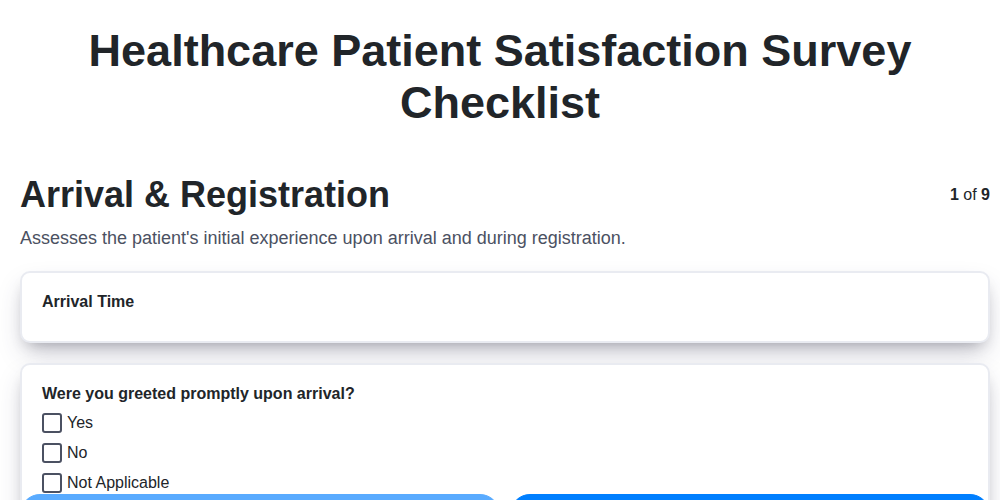
The Ultimate Healthcare Patient Satisfaction Survey Checklist Template
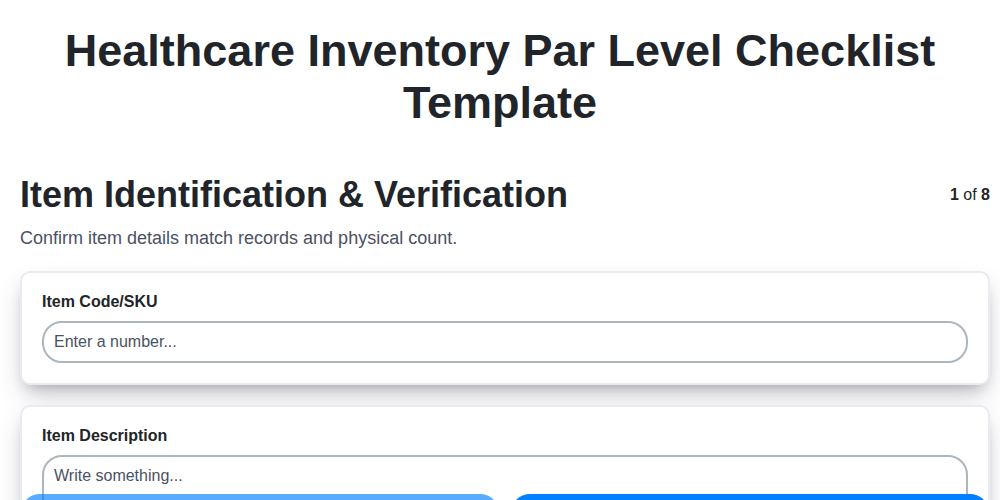
Mastering Healthcare Inventory: Your Par Level Checklist Template
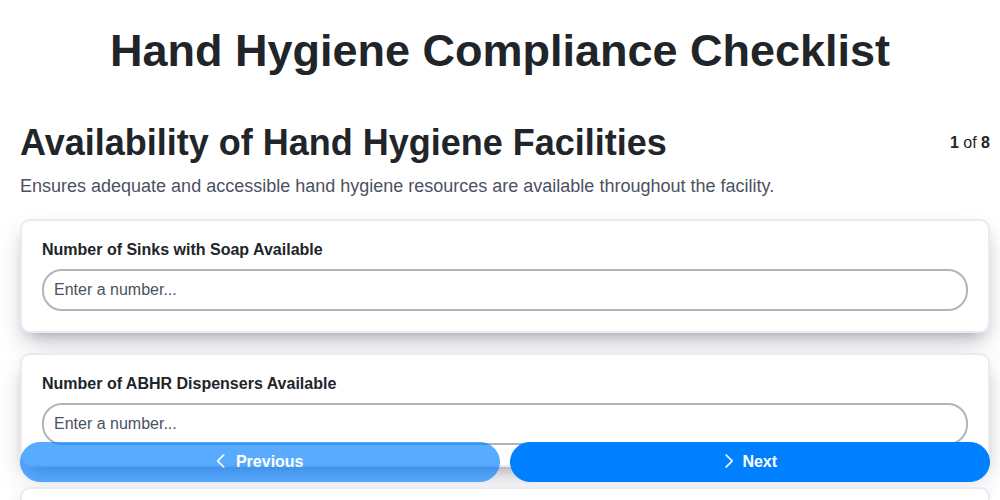
Mastering Hand Hygiene: Your Compliance Checklist Template
Protecting Patients: Your Fire Safety Checklist for Patient Areas
Your Ultimate Healthcare Construction Checklist Template
Mastering Hand Hygiene: Your Compliance Checklist Template
Your Radiology Equipment Maintenance Checklist Template

Your Ultimate Guide to Healthcare Waste Management: A Checklist Template
Need help with
Healthcare?
Have a question? We're here to help. Please submit your inquiry, and we'll respond promptly.