Healthcare Cybersecurity Incident Response Checklist: Your Essential Guide
Published: 28.11.2025 Updated: 02.07.2026
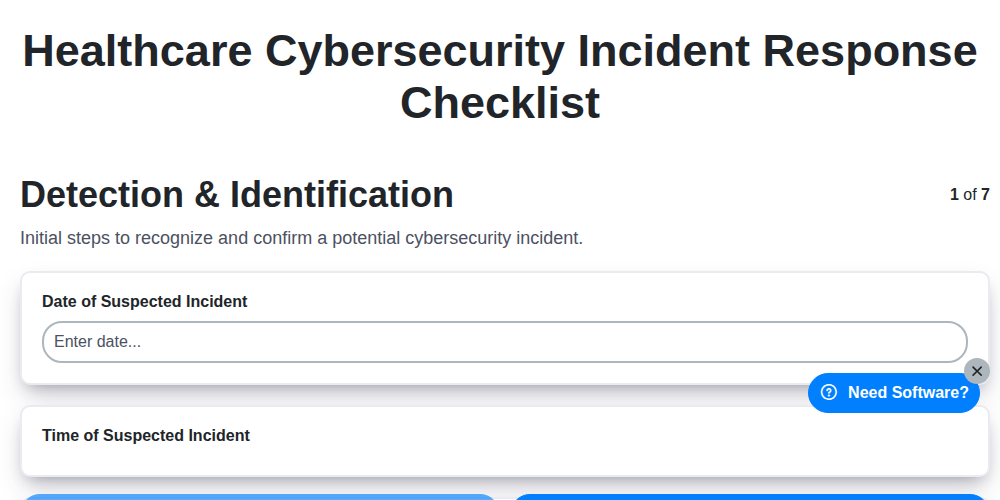
Table of Contents
- Introduction: Why a Healthcare Cybersecurity Incident Response Checklist is Crucial
- Understanding the Unique Challenges of Healthcare Cybersecurity
- The Phases of Incident Response: A Healthcare Focus
- 1. Detection & Identification: Recognizing the Signs
- 2. Containment: Limiting the Damage
- 3. Eradication: Eliminating the Threat
- 4. Recovery: Restoring Systems and Data
- 5. Post-Incident Activity: Lessons Learned and Improvements
- 6. Communication & Reporting: Keeping Stakeholders Informed
- 7. Legal & Regulatory Compliance: Navigating HIPAA and Beyond
- 8. Building and Maintaining Your Incident Response Team
- Conclusion: Proactive Cybersecurity for Healthcare
- Resources & Links
TLDR: A cybersecurity incident can cripple a healthcare organization. This checklist provides a step-by-step guide - Detection, Containment, Eradication, Recovery, Post-Incident Activity, Communication, Legal Compliance - to help you effectively respond to and recover from attacks, minimizing disruption and protecting patient data. Think of it as your go-to playbook for cybersecurity emergencies.
Introduction: Why a Healthcare Cybersecurity Incident Response Checklist is Crucial
The healthcare industry faces increasingly sophisticated and frequent cyberattacks. Patient data is incredibly valuable - a prime target for malicious actors - and the disruption caused by an incident can impact patient care, damage reputation, and lead to significant financial losses. Simply having antivirus software isn't enough anymore. A well-defined and practiced Cybersecurity Incident Response Plan (IRP) is essential, and a checklist is a critical component of that plan. This checklist serves as a practical guide, ensuring your team follows a consistent and effective process when responding to a security breach, minimizing damage, and facilitating a swift return to normal operations. It's not just about reacting; it's about proactively preparing to defend against, and recover from, the inevitable.
Understanding the Unique Challenges of Healthcare Cybersecurity
Healthcare organizations face a particularly complex landscape when it comes to cybersecurity. Unlike many industries, patient safety and well-being are inextricably linked to the security of data and systems. A successful cyberattack can have devastating consequences, not just financially, but in terms of compromised patient care, reputational damage, and even loss of life.
Several factors contribute to this unique challenge. Firstly, the sheer volume and sensitivity of Protected Health Information (PHI) make healthcare a prime target for malicious actors. This data, including medical records, insurance information, and personally identifiable information, is valuable on the dark web.
Secondly, healthcare environments often involve a blend of legacy systems and cutting-edge technologies. Older systems, vital for critical patient care, are frequently vulnerable and difficult to patch or upgrade. The proliferation of Internet of Things (IoT) devices, such as connected medical equipment and monitoring systems, expands the attack surface significantly.
Finally, many healthcare organizations operate on tight budgets, often prioritizing patient care over cybersecurity investments. This can result in inadequate security infrastructure, limited staff training, and delayed updates, creating opportunities for attackers to exploit vulnerabilities. Addressing these specific challenges requires a layered security approach and a deep understanding of the healthcare ecosystem.
The Phases of Incident Response: A Healthcare Focus
Healthcare organizations face a particularly challenging cybersecurity landscape. The sensitivity of patient data, the increasing reliance on interconnected devices (IoT), and the pressure of maintaining uninterrupted patient care make a robust incident response plan critical. This isn't just about technical steps; it's about protecting lives and trust. Let's break down the key phases of a healthcare cybersecurity incident response checklist, highlighting the nuances specific to the healthcare environment.
1. Detection & Identification: This phase is about recognizing something is wrong. In healthcare, this could manifest as unusual network activity, suspicious login attempts (especially after hours), ransomware notes appearing on systems, or reports from staff about odd system behavior. Automated security information and event management (SIEM) systems are vital here, but staff training to recognize and report potential incidents is equally important. Don't underestimate the human firewall. Healthcare-specific considerations: Be mindful of legitimate, but potentially high-volume, data transfers (e.g., scheduled backups) to avoid false positives.
2. Containment: The immediate goal is to limit the damage. This often involves isolating affected systems, segmenting networks, and disabling compromised accounts. Healthcare-specific considerations: Patient safety is paramount. Rapid containment might involve temporarily restricting access to certain systems that impact critical patient care - a decision requiring careful consideration and potentially involving clinical leadership. Have contingency plans ready (manual charting, backup systems) to ensure continuous care.
3. Eradication: This involves removing the root cause of the incident. This could be deleting malware, patching vulnerabilities, or resetting compromised credentials. Healthcare-specific considerations: Thorough eradication is vital. Hidden malware or backdoors can lie dormant, ready to reactivate. Implement robust vulnerability management practices and consider threat hunting to proactively identify lingering threats.
4. Recovery: Bringing systems and data back online. This includes restoring data from backups, rebuilding compromised systems, and verifying functionality. Healthcare-specific considerations: Prioritize restoration of systems essential for patient care. Phased recovery, starting with critical systems, is often necessary. Carefully validate restored data integrity to avoid reintroducing vulnerabilities.
5. Post-Incident Activity (Lessons Learned): A critical but often overlooked phase. This involves a thorough review of the incident - what happened, how was it detected, how effective was the response? This analysis informs improvements to prevention strategies and response procedures. Healthcare-specific considerations: Include clinical staff in the post-incident review. Their perspectives are invaluable for understanding the impact on patient care and identifying areas for improvement in workflows.
6. Communication & Reporting: Keeping stakeholders informed - patients, staff, regulatory bodies, and the public (if required). Transparency is vital for maintaining trust. Healthcare-specific considerations: Develop pre-approved communication templates for different incident scenarios. Coordinate messaging with legal and public relations teams. Be prepared to answer patient inquiries regarding data security.
7. Legal & Regulatory Compliance: Healthcare organizations operate under strict regulations like HIPAA and HITECH. The incident response must adhere to these requirements, including reporting breaches to authorities and affected individuals. Healthcare-specific considerations: Engage legal counsel early in the process to ensure compliance. Maintain meticulous documentation of all actions taken. Understand state-specific breach notification laws.
1. Detection & Identification: Recognizing the Signs
The first line of defense against a cybersecurity incident is knowing what to look for. Detection & Identification isn't just about finding an active attack; it's about recognizing the subtle indicators that something is amiss. Ignoring these early warning signs can allow an attacker to move deeper into your systems, significantly increasing the damage.
Here's what to be aware of:
- Unusual Network Activity: Look for spikes in outbound traffic, connections to unfamiliar IP addresses or domains, and unexpected changes in network protocols. Security Information and Event Management (SIEM) systems are invaluable here.
- System Anomalies: Monitor for unexpected process executions, unusual login attempts (especially outside of typical working hours or from unusual locations), and modifications to critical system files.
- User Behavior Changes: Pay attention to users reporting phishing emails, unusual account activity, or difficulty accessing systems. User and Entity Behavior Analytics (UEBA) tools can help identify deviations from normal user patterns.
- Malware Alerts: Antivirus and endpoint detection and response (EDR) solutions provide critical alerts. Don't dismiss these as false positives - investigate each one thoroughly.
- Ransomware Indicators: Look for encrypted files, ransom notes, and communication attempts from unknown email addresses.
- Log Analysis: Regularly review security logs from various systems and applications. Automated log analysis tools can help surface anomalies.
- Honeypots and Deception Technology: Employing these can lure attackers and provide early warning signs of intrusion.
Don't wait for a full-blown crisis to start looking. Proactive monitoring and a culture of vigilance are key to early detection.
2. Containment: Limiting the Damage
Once an incident is confirmed, the immediate priority shifts to containment - preventing further spread and limiting the damage. This phase is critical and often requires rapid, decisive action. A well-defined containment strategy minimizes the potential impact and buys time for deeper investigation and remediation.
Here's what containment should involve:
- Isolate Affected Systems: Immediately disconnect infected systems from the network. This might involve physically unplugging cables, disabling Wi-Fi, or utilizing network segmentation techniques. Prioritize systems housing sensitive data or critical infrastructure.
- Segment the Network: Employ firewall rules and VLANs to restrict lateral movement of the threat. This helps contain the incident within a smaller portion of the network.
- Disable Compromised Accounts: Take immediate action to disable or lock down any user accounts suspected of compromise. This prevents the attacker from using those credentials to access other resources. Consider forcing password resets for all users, especially those potentially affected.
- Block Malicious Traffic: Identify and block malicious traffic patterns at your perimeter defenses (firewalls, intrusion detection systems). This prevents communication with command-and-control servers and blocks further data exfiltration.
- Temporary Service Shutdown: In some cases, temporarily shutting down affected services or applications might be necessary to prevent further propagation. Clearly communicate the reason and expected downtime to affected users.
- Dynamic Asset Freezing: Consider freezing or temporarily disabling certain assets (servers, applications) to prevent further exploitation.
- Document Actions: Meticulously document every containment action taken, including the specific systems affected, actions performed, and the individuals responsible. This documentation is vital for later analysis and potential legal proceedings.
Remember: Containment isn's about solving the problem - it's about stopping it from getting worse. It's a crucial step to pave the way for effective eradication and recovery.
3. Eradication: Eliminating the Threat
Once containment is confirmed and the immediate damage is limited, the focus shifts to eradicating the root cause of the incident. This isn't just about removing the visible symptoms; it's about eliminating the threat actor's presence and preventing recurrence. This phase can be the most technically challenging and requires meticulous effort.
Here's what eradication typically involves:
- Identify the Root Cause: Thorough investigation is paramount. Forensic analysis of infected systems, network logs, and user activity is critical to understand the initial point of entry and the attacker's methods. This could involve malware analysis, vulnerability assessment, and identifying compromised accounts.
- Remove Malware & Malicious Code: Utilizing updated antivirus/anti-malware solutions, specialized removal tools, and manual cleanup, all instances of malware must be identified and eliminated from affected systems. This includes removing backdoors, rootkits, and any associated malicious code.
- Patch Vulnerabilities: The identified vulnerabilities exploited during the attack must be patched immediately. This goes beyond just updating software; it might involve configuration changes, enhanced security protocols, and application whitelisting. Prioritize remediation based on vulnerability severity.
- Reset Compromised Credentials: Any user accounts known to be compromised must have their passwords reset. Consider enforcing multi-factor authentication (MFA) to prevent future credential theft. Implement account lockout policies where appropriate.
- Harden Systems: Implement additional security measures to prevent future exploitation. This could include strengthening access controls, tightening network segmentation, and implementing endpoint detection and response (EDR) solutions.
- Verify Eradication: Thoroughly scan systems and networks to confirm that all traces of the attacker and the malware are gone. Utilize multiple verification methods to increase confidence in eradication.
Proper eradication is not a one-time action; it's an ongoing process of vigilance and continuous improvement.
4. Recovery: Restoring Systems and Data
The recovery phase is where the focus shifts from containing the threat to getting operations back to normal. This isn't just about flipping a switch; it's a carefully orchestrated process demanding meticulous verification and validation.
Prioritization is Key: Not all systems are created equal. Determine which systems are critical for business continuity and prioritize their restoration. Document the rationale behind this prioritization.
Data Restoration: This is often the most complex and time-consuming part of recovery. Verify the integrity of backups before restoration. Employ a phased approach, starting with the most critical data and systems. Maintain detailed records of what data is restored, from where, and when. Consider data validation to ensure restored data is accurate and untainted.
System Rebuilding & Reconfiguration: If systems were destroyed or significantly compromised, rebuilding from secure, known-good images is preferable. Reconfiguration should include applying all necessary security patches and hardening measures, learning from the vulnerabilities exploited during the incident.
Testing & Validation: Rigorous testing is essential before systems are brought back online. This includes functionality testing, performance testing, and security testing to confirm everything is operating correctly and securely. Engage key stakeholders in the validation process.
Phased Rollout: Avoid a big bang restoration. Implement a phased rollout, gradually bringing systems back online and closely monitoring performance and security. This allows for early detection of any lingering issues.
Documentation: Document every step of the recovery process, including timelines, challenges encountered, and solutions implemented. This information will be invaluable for future incident response efforts and continuous improvement.
5. Post-Incident Activity: Lessons Learned and Improvements
The dust has settled, systems are (hopefully) back online, and the immediate crisis is averted. But declaring victory prematurely would be a critical mistake. The post-incident phase is arguably the most crucial for long-term cybersecurity resilience. This is where we proactively learn from what happened and prevent future incidents from occurring or minimizing their impact.
Here's what this phase entails:
- Conduct a Thorough Post-Mortem: Gather the incident response team - including IT, security, legal, and potentially business stakeholders - to meticulously review every stage of the incident. Don't shy away from identifying shortcomings in processes, technology, or training. Focus on what happened, why it happened, and how we could have done things differently.
- Identify Root Causes: Dig deeper than the immediate trigger. Were there underlying vulnerabilities in systems, weaknesses in security controls, or gaps in employee awareness that contributed to the incident?
- Document Findings & Recommendations: Clearly and concisely document all findings from the post-mortem, along with specific, actionable recommendations for improvement. Assign owners and deadlines for each recommendation.
- Update Incident Response Plan (IRP): Based on the findings and recommendations, revise the IRP. This is not a set it and forget it document; it needs to be a living document that evolves with the threat landscape and your organization's needs.
- Enhance Training & Awareness: Address any gaps in employee knowledge or awareness identified during the incident. Targeted training programs, simulations, and awareness campaigns can significantly strengthen your human firewall.
- Review and Update Security Controls: Implement necessary improvements to your security controls - whether that involves patching vulnerabilities, strengthening authentication, improving network segmentation, or investing in new technologies.
- Monitor and Validate Changes: After implementing changes, continuously monitor their effectiveness and validate that they are contributing to improved security posture.
The post-incident activity isn't just about fixing what went wrong; it's about building a stronger, more resilient organization.
6. Communication & Reporting: Keeping Stakeholders Informed
Effective incident response isn't just about technical remediation; it's about clear, consistent communication. During a cybersecurity incident, maintaining trust and managing expectations requires proactive and transparent reporting to a diverse range of stakeholders.
Who needs to know? This includes patients (where applicable and legally mandated), employees, leadership, board members, business associates, insurance providers, law enforcement, regulatory bodies (like HIPAA or state-specific agencies), and potentially the public, depending on the nature and scope of the breach.
What to communicate: Information should be timely, accurate, and appropriate for the audience. Avoid technical jargon when communicating with non-technical stakeholders. Clearly explain the nature of the incident, the potential impact, steps being taken to contain and resolve the issue, and any immediate actions stakeholders need to take (e.g., password resets, monitoring accounts).
Channels & Cadence: Establish clear communication channels before an incident occurs. This might include email updates, a dedicated incident website, or regular briefings. The frequency of updates will depend on the severity and evolving nature of the incident. Err on the side of over-communication, especially in the initial stages.
Designated Spokesperson: Identify and train a designated spokesperson to handle external communications and media inquiries. This ensures consistent messaging and avoids conflicting information.
Documentation is Key: Meticulously document all communication efforts, including who was notified, when, and what information was shared. This record is vital for legal and regulatory compliance and helps demonstrate a responsible response.
Remember, clear and consistent communication isn't just a "nice-to-have" - it's a critical component of a successful cybersecurity incident response plan.
7. Legal & Regulatory Compliance: Navigating HIPAA and Beyond
A cybersecurity incident isn't just a technical problem; it's a legal and regulatory minefield. Failing to adhere to applicable laws and regulations can lead to substantial fines, reputational damage, and even criminal charges.
The Health Insurance Portability and Accountability Act (HIPAA) is the cornerstone of healthcare data protection in the US. Following a security incident, you must assess whether Protected Health Information (PHI) has been compromised. This includes understanding your reporting obligations under HIPAA's Breach Notification Rule. Key considerations include:
- Risk Assessment: Did the incident pose a significant risk of harm to individuals? This assessment drives the level of notification required.
- Notification Timeline: Understand the strict deadlines for notifying affected individuals, the Department of Health and Human Services (HHS), and potentially state attorneys general.
- Documentation: Meticulously document your risk assessment, notification efforts, and justifications for decisions made. This is crucial for demonstrating compliance.
However, HIPAA isn't the only consideration. Depending on your organization's location, services offered, and the nature of the incident, other regulations may apply:
- State Data Breach Notification Laws: Many states have their own, often stricter, data breach notification laws.
- GDPR (for organizations handling EU citizen data): The General Data Protection Regulation has broad application and imposes significant penalties for non-compliance.
- CCPA/CPRA (California Consumer Privacy Act/California Privacy Rights Act): California residents have specific rights regarding their data, which must be respected during incident response.
- Federal Trade Commission (FTC) Act: The FTC has authority to pursue deceptive or unfair business practices, including failing to adequately protect consumer data.
Proactive Legal Consultation is Essential: Engage legal counsel specializing in healthcare privacy and cybersecurity immediately following an incident. They can provide guidance on navigating complex legal requirements, interpreting regulations, and minimizing legal exposure. Don't attempt to navigate these complex matters alone.
8. Building and Maintaining Your Incident Response Team
A robust incident response plan is only as good as the team executing it. Building and maintaining a skilled and prepared incident response (IR) team is paramount to effectively handling cybersecurity incidents. This isn't just about having individuals assigned; it's about fostering a collaborative and adaptable unit.
Composition & Skillsets: Your team shouldn't be a one-size-fits-all solution. Consider a blended approach including representatives from:
- IT Operations: Deep technical understanding of your infrastructure.
- Security: Cybersecurity expertise including threat intelligence and vulnerability management.
- Legal: Expertise in legal ramifications, data breach notifications, and compliance requirements.
- Communications/Public Relations: Handling external and internal communications.
- Executive Management: Providing strategic direction and decision-making authority.
- Business Units: Representatives who understand specific departmental processes and data sensitivities.
Training and Drills: Regular training and tabletop exercises are crucial. These drills simulate incident scenarios, allowing the team to practice procedures, identify gaps in the plan, and improve communication. Consider incorporating different incident types (ransomware, data exfiltration, insider threat) into your drills.
Roles & Responsibilities: Clearly defined roles and responsibilities are essential. Everyone needs to know their specific tasks during an incident, eliminating confusion and ensuring accountability. Document these roles within the incident response plan.
Cross-Training & Succession Planning: Avoid single points of failure. Cross-train team members so that essential roles can be filled even if a key individual is unavailable. Implement succession planning to ensure continuity.
Team Maintenance & Updates: The IR team isn't a set-and-forget entity. Regularly review and update team contact information, skills matrices, and training records. Schedule periodic team meetings to discuss lessons learned and emerging threats.
Conclusion: Proactive Cybersecurity for Healthcare
Healthcare organizations face a relentless and evolving cyber threat landscape. This Incident Response Checklist isn't a one-time fix; it's a living document that must be regularly reviewed, updated, and practiced through tabletop exercises and simulations. The steps outlined here - Detection & Identification, Containment, Eradication, Recovery, Post-Incident Activity, Communication & Reporting, Legal & Regulatory Compliance - represent a framework for navigating the chaos of a cybersecurity incident.
Ultimately, the most effective defense isn't just reacting to attacks, but preventing them. Investing in proactive cybersecurity measures - robust vulnerability scanning, employee training on phishing awareness, strong access controls, and continuous monitoring - is paramount. By embedding this Incident Response Checklist into a broader, proactive security posture, healthcare providers can significantly reduce their risk, protect patient data, and maintain the trust of the communities they serve. Remember, vigilance and preparedness are the cornerstones of a resilient healthcare cybersecurity strategy.
Resources & Links
- National Institute of Standards and Technology (NIST): NIST provides a wealth of cybersecurity frameworks and guidance, including the Cybersecurity Framework (CSF) which is highly relevant for healthcare incident response. They also offer resources on incident handling.
- U.S. Department of Health and Human Services (HHS): HHS provides information, resources, and guidance related to HIPAA compliance, data security, and cybersecurity in the healthcare sector. Includes breach reporting and support.
- HIPAA Bear: A comprehensive resource for HIPAA compliance information, including breach notification rules, security assessments, and related updates. Useful for understanding the legal context of incident response.
- Cybersecurity and Infrastructure Security Agency (CISA): CISA offers alerts, advisories, and best practices for cybersecurity, including specific resources for critical infrastructure like healthcare. Provides information on threat intelligence and incident response.
- American Hospital Association (AHA): The AHA provides resources and advocacy for hospitals and health systems, including guidance on cybersecurity and incident response specific to healthcare operations.
- Healthcare Information and Management Systems Society (HIMSS): HIMSS offers education, research, and networking opportunities for healthcare IT professionals, including information on cybersecurity and incident response best practices.
- European Union Agency for Cybersecurity (ENISA): ENISA provides guidance and best practices for cybersecurity, including incident response, with a European perspective. Provides insight into international standards and frameworks.
- SANS Institute: SANS Institute offers cybersecurity training and certifications, including courses specifically focused on incident response. A good resource for team training and development.
- New Jersey Cybersecurity Excellence Center (NJC3): NJC3, a leader in healthcare cybersecurity, provides incident response resources and training tailored to the unique challenges of healthcare organizations. Their threat intelligence reports can be valuable.
- RSA Conference: RSA Conference hosts an annual cybersecurity conference with presentations and resources on emerging threats and incident response strategies. Access recordings and articles from past events.
- Splunk: Splunk is a leading platform for security information and event management (SIEM) and incident response. Their website offers resources on threat detection and response.
- Palo Alto Networks: Palo Alto Networks, a cybersecurity company, provides threat intelligence and incident response resources, including reports and best practices guides, to help organizations proactively defend against cyberattacks.
Frequently Asked Questions
What is a cybersecurity incident response checklist and why do I need one?
A cybersecurity incident response checklist is a step-by-step guide outlining the actions to take when a security incident occurs. It's crucial for healthcare organizations because patient data is highly valuable and sensitive, making you a prime target for cyberattacks. A checklist ensures a swift, organized, and effective response, minimizing damage and downtime.
What types of incidents should this checklist cover?
The checklist should cover a wide range of incidents including ransomware attacks, data breaches, phishing scams, malware infections, denial-of-service attacks, and insider threats. It should be adaptable to evolving threat landscapes.
Who should be involved in healthcare cybersecurity incident response?
A multidisciplinary team is essential, including IT security personnel, legal counsel, compliance officers, public relations, and potentially external cybersecurity experts. Clearly defined roles and responsibilities are key.
What are the key phases of a cybersecurity incident response plan?
Typically, the phases include Preparation, Identification, Containment, Eradication, Recovery, and Lessons Learned. The checklist should guide actions within each phase.
How does HIPAA impact incident response in healthcare?
HIPAA mandates that healthcare organizations report data breaches affecting protected health information (PHI) to affected individuals and the Department of Health and Human Services (HHS). The checklist should include steps to ensure HIPAA compliance throughout the response process, including breach notification requirements.
What is the difference between containment and eradication?
Containment focuses on preventing the incident from spreading further, such as isolating infected systems. Eradication involves removing the root cause of the incident, like eliminating malware or patching vulnerabilities.
What should be included in the 'Lessons Learned' phase of incident response?
This phase involves a thorough review of the incident and the response efforts. Document what worked well, what could have been done better, and how to prevent similar incidents in the future. Updating security controls and training based on these findings is vital.
How often should I review and update my incident response checklist?
Your checklist should be reviewed and updated at least annually, or more frequently if there are significant changes to your IT environment, threat landscape, or regulatory requirements. Regular tabletop exercises are also recommended.
What role does communication play during a cybersecurity incident?
Clear and consistent communication is critical. This includes internal communication among the response team, communication with leadership, and potentially external communication with patients, regulators, and the public. A communication plan should be part of the overall incident response plan.
Are there any specific tools or technologies that can help with incident response?
Tools like Security Information and Event Management (SIEM) systems, Endpoint Detection and Response (EDR) solutions, threat intelligence platforms, and forensic analysis tools can significantly improve incident detection, response, and recovery capabilities.
Comments
There are no comments yet. Be the first to add one!
Healthcare Management Solution Demo
Streamlining healthcare operations and improving patient care? ChecklistGuro's Work OS platform simplifies everything from patient scheduling and billing to compliance and staff management. Enhance efficiency, reduce administrative burden, and focus on what matters most: your patients. Learn how ChecklistGuro can transform your healthcare organization!
Related Articles
The Ultimate Healthcare Patient Satisfaction Survey Checklist Template
Mastering Healthcare Inventory: Your Par Level Checklist Template
Mastering Hand Hygiene: Your Compliance Checklist Template
Protecting Patients: Your Fire Safety Checklist for Patient Areas
Your Ultimate Healthcare Construction Checklist Template
Mastering Hand Hygiene: Your Compliance Checklist Template
Your Radiology Equipment Maintenance Checklist Template

Your Ultimate Guide to Healthcare Waste Management: A Checklist Template
Need help with
Healthcare?
Have a question? We're here to help. Please submit your inquiry, and we'll respond promptly.