Healthcare Infection Control Checklist: Your Guide to Prevention & Protocol
Published: 11/28/2025 Updated: 07/02/2026
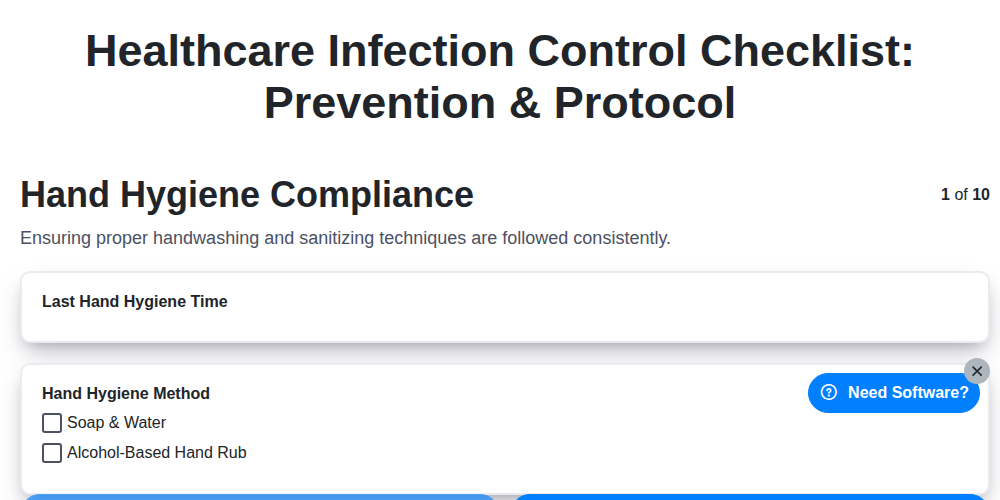
Table of Contents
- Introduction: Why Infection Control Matters
- 1. Hand Hygiene Compliance: The Foundation of Safety
- 2. Personal Protective Equipment (PPE) Usage: Protecting Staff and Patients
- 3. Environmental Cleaning & Disinfection: A Clean Facility, A Safe Environment
- 4. Sterilization & High-Level Disinfection: Ensuring Instrument Integrity
- 5. Waste Management & Disposal: Handling Biohazardous Materials Safely
- 6. Patient Isolation Procedures: Containing Potential Threats
- 7. Employee Health & Vaccination: A Healthy Team, A Safer Workplace
- 8. Surveillance & Reporting of Infections: Tracking and Responding to Trends
- 9. Education & Training of Staff: Continuous Learning for Enhanced Safety
- 10. Equipment Maintenance & Calibration: Reliable Equipment, Consistent Performance
- Resources & Links
TLDR: This checklist is your essential tool for keeping your healthcare facility safe! It covers everything from hand hygiene and PPE to sterilization, waste disposal, and staff training - ensuring you're following best practices to prevent infections and keep patients and staff healthy. Use it to regularly assess and improve your infection control program.
Introduction: Why Infection Control Matters
Healthcare-associated infections (HAIs) pose a significant threat to patient safety and well-being, impacting recovery times, increasing healthcare costs, and tragically, contributing to patient mortality. These infections, acquired during healthcare settings, are often preventable. A robust infection control program isn't just a regulatory requirement; it's a moral imperative. It demonstrates a commitment to providing the highest quality of care and protecting vulnerable individuals. This checklist and the detailed protocols it encompasses are designed to be a practical guide for healthcare facilities striving to minimize infection risk and create a safer environment for patients, staff, and visitors alike. By proactively addressing potential vulnerabilities, we can collectively work towards a future where HAIs are significantly reduced.
1. Hand Hygiene Compliance: The Foundation of Safety
Hand hygiene is undeniably the cornerstone of infection control in any healthcare setting. It's the simplest, yet most effective, measure to prevent the spread of healthcare-associated infections (HAIs). But compliance isn't just about providing hand sanitizer or soap - it's about ensuring every healthcare worker consistently and correctly performs hand hygiene at the crucial moments.
This checklist item isn't just about following steps; it's about fostering a culture of awareness and accountability. We're looking at several key areas:
- The 5 Moments: Are staff consistently performing hand hygiene before touching a patient, before clean/sterile procedures, after risk of exposure to body fluids, after touching a patient, and after touching surfaces in the patient's environment?
- Accessibility: Are hand sanitizing stations readily available and appropriately positioned throughout the facility, especially near patient care areas?
- Product Availability & Quality: Are the sanitizers/soaps effective, well-stocked, and in good working order?
- Technique: Are healthcare workers trained and observed to ensure they are using the correct handwashing or sanitizing technique, covering all surfaces of the hands for the recommended duration?
- Observation & Feedback: Is there a system in place to regularly observe hand hygiene practices and provide constructive feedback to staff, both positive reinforcement and corrective action when needed?
- Patient & Visitor Education: Are patients and visitors educated about the importance of hand hygiene and encouraged to participate in maintaining a clean environment?
Consistent adherence to proper hand hygiene protocols drastically reduces the risk of transmission and is the critical first step in upholding patient safety.
2. Personal Protective Equipment (PPE) Usage: Protecting Staff and Patients
Proper PPE usage is a cornerstone of infection control. It acts as the first line of defense, shielding healthcare workers and vulnerable patients from potential exposure to infectious agents. This isn't just about donning gloves; it's a comprehensive approach encompassing selection, correct application, use, and disposal.
Key Considerations for PPE Usage:
- Risk Assessment: Identify potential exposure risks for each task. This dictates the appropriate PPE required. Tasks involving bodily fluids, respiratory secretions, or contaminated surfaces necessitate a higher level of protection.
- Standard Precautions: Always adhere to standard precautions when caring for all patients, regardless of suspected or confirmed infection status. This typically includes gloves, gowns, and eye protection (face shield or mask).
- Transmission-Based Precautions: For patients with known or suspected infections spread via airborne, droplet, or contact routes, specific PPE protocols must be implemented. These may include N95 respirators, powered air-purifying respirators (PAPRs), and dedicated gowns.
- Donning and Doffing Procedures: Strict adherence to proper donning (putting on) and doffing (taking off) sequences is crucial to prevent self-contamination. Detailed protocols with visual aids should be readily available and staff trained accordingly. Doffing is a particularly high-risk area and requires careful attention.
- Fit Testing & Training: Respirators (like N95s) require fit testing to ensure a proper seal. All staff must receive comprehensive training on the selection, use, limitations, and proper disposal of all PPE.
- Regular Inspection: PPE should be inspected before each use for defects or damage. Damaged PPE must be replaced immediately.
- Patient Comfort: While safety is paramount, patient comfort should also be considered when selecting PPE that minimizes discomfort or anxiety.
Consistent adherence to these principles minimizes the risk of healthcare-associated infections and contributes to a safer environment for everyone.
3. Environmental Cleaning & Disinfection: A Clean Facility, A Safe Environment
The surfaces in healthcare facilities are potential reservoirs for pathogens, making meticulous environmental cleaning and disinfection absolutely critical to infection prevention. This isn't just about aesthetics; it's about actively reducing the risk of Healthcare-Associated Infections (HAIs).
Our checklist emphasizes a layered approach:
- Regular Cleaning Schedules: Establish and rigorously adhere to cleaning schedules for all areas, prioritizing high-touch surfaces like doorknobs, light switches, bed rails, bedside tables, and medical equipment. Frequency should be based on the level of patient contact and risk assessment.
- Approved Disinfectants: Utilize EPA-registered disinfectants with documented efficacy against a broad spectrum of pathogens, following manufacturer's instructions precisely regarding contact time and dilution. Regularly review disinfectant effectiveness based on emerging pathogens.
- Proper Technique: Train staff in proper cleaning and disinfection techniques, emphasizing the importance of using appropriate cleaning cloths and mops (ideally, color-coded to prevent cross-contamination between clean and soiled areas). Single-use cloths are preferred where possible.
- Specialized Cleaning for Outbreaks: Develop and implement specific cleaning protocols for situations involving known or suspected infections. This may include enhanced disinfection procedures and terminal cleaning.
- Monitoring & Auditing: Regularly monitor cleaning effectiveness through visual inspection and, where appropriate, using ATP (adenosine triphosphate) testing to measure surface cleanliness. Conduct periodic audits to ensure adherence to established protocols.
- Documentation: Maintain detailed records of cleaning and disinfection activities, including dates, times, disinfectants used, and any issues encountered.
4. Sterilization & High-Level Disinfection: Ensuring Instrument Integrity
The bedrock of infection prevention in healthcare lies in meticulously sterilizing and high-level disinfecting reusable instruments and equipment. This isn't just a procedural step; it's a critical safety measure protecting both patients and healthcare workers. Understanding the difference between these two processes and adhering to established protocols is paramount.
Sterilization eliminates all microorganisms, including bacterial spores - the most resistant form. This is generally reserved for surgical instruments, implants, and other critical items that directly enter sterile tissue or the vascular system. Common sterilization methods include autoclaving (moist heat), ethylene oxide gas sterilization, hydrogen peroxide plasma sterilization, and irradiation. Strict adherence to validated sterilization cycles and regular monitoring (biological indicators to test for spore destruction and chemical indicators to verify parameters) are essential. Deviation from these standards renders sterilization ineffective.
High-Level Disinfection (HLD), on the other hand, kills most microorganisms, including vegetative bacteria, viruses, and fungi. However, it does not eliminate bacterial spores. HLD is appropriate for semi-critical devices that come into contact with mucous membranes or non-intact skin, such as endoscopes and respiratory therapy equipment. The choice of disinfectant is critical; it must be EPA-registered and demonstrably effective against the target organisms. Contact times must be strictly adhered to, and proper cleaning before disinfection is absolutely vital. Organic material can inactivate many disinfectants, so thorough pre-cleaning is non-negotiable.
Key Considerations:
- Clear Differentiation: Understand which instruments require sterilization versus HLD based on device classification.
- Pre-Cleaning: Thorough manual or automated cleaning always precedes sterilization or HLD.
- Validation & Monitoring: Regularly validate sterilization and disinfection processes and implement robust monitoring programs.
- Documentation: Meticulous record-keeping of cycles, indicator results, and maintenance is crucial for traceability and quality assurance.
- Staff Training: Ensure all staff involved in these processes are adequately trained and competent.
5. Waste Management & Disposal: Handling Biohazardous Materials Safely
Proper waste management is a critical, often overlooked, pillar of infection control. Incorrect handling and disposal of biohazardous waste poses a significant risk to healthcare workers, patients, and the environment. This section outlines essential protocols for safe waste management within healthcare facilities.
What constitutes biohazardous waste? This includes items contaminated with blood, body fluids, tissue, microorganisms, or other potentially infectious materials. Common examples include sharps (needles, syringes), contaminated dressings, cultures, and laboratory waste.
Key Practices:
- Segregation is Paramount: Immediately segregate biohazardous waste into appropriately labeled, puncture-resistant containers. Use red bags or containers with biohazard symbols. Do not mix biohazardous waste with general trash or recyclable materials.
- Sharps Containers: Use rigid, puncture-resistant sharps containers that are readily accessible at points of care. Never overfill sharps containers. Replace them when they are ¾ full, or according to facility policy.
- Proper Labeling: Ensure all containers are clearly and accurately labeled with the universal biohazard symbol and a description of the waste type (e.g., Biohazardous Waste - Sharps).
- Secure Storage: Store biohazardous waste in a designated, secure area until pickup by a licensed medical waste disposal company. This area should be accessible only to authorized personnel.
- Training and Awareness: All staff members involved in waste handling must receive comprehensive training on proper segregation, labeling, and handling procedures. Regular refreshers are essential.
- Regulatory Compliance: Adhere strictly to all local, state, and federal regulations regarding medical waste disposal. This often includes specific requirements for tracking and manifesting waste.
- Spill Response: Establish and practice spill response procedures for biohazardous materials, including the availability of appropriate cleaning supplies and personal protective equipment.
Failure to follow these guidelines can lead to serious consequences, including exposure to infectious agents and legal penalties.
6. Patient Isolation Procedures: Containing Potential Threats
Patient isolation is a cornerstone of infection control, acting as a vital barrier to prevent the spread of infectious diseases within a healthcare setting. It's more than just separating a patient; it's a meticulously planned and consistently enforced protocol designed to protect both vulnerable individuals and the wider healthcare team.
Our checklist emphasizes a layered approach to isolation, encompassing various levels based on the mode of transmission. This includes:
- Standard Precautions: These are the foundational practices applied to all patients, regardless of suspected or confirmed infection. They include hand hygiene, PPE use, and safe injection practices.
- Transmission-Based Precautions: These are implemented in addition to standard precautions when a patient is known or suspected to have an infection spread via airborne, droplet, or contact routes. This involves specialized PPE, dedicated equipment, and environmental controls.
Our checklist covers essential aspects of effective patient isolation:
- Appropriate Isolation Category Selection: Ensuring the correct isolation type (e.g., Airborne, Droplet, Contact, Protective) is assigned based on the pathogen and its transmission route.
- Room Assignment & Signage: Proper room placement to minimize exposure risk and clear signage indicating isolation precautions.
- Patient & Family Education: Clear communication with patients and their families about the purpose and importance of isolation procedures. Addressing concerns and providing guidance on adhering to protocols.
- Visitor Restrictions & Management: Implementing and enforcing visitor limitations to prevent potential spread.
- Dedicated Equipment Protocols: Ensuring dedicated equipment (e.g., stethoscopes, blood pressure cuffs) is used for isolated patients and properly disinfected between uses.
- Exit Strategies: Defining clear criteria and procedures for discontinuing isolation precautions, based on clinical improvement and laboratory results.
Consistent adherence to these procedures, as outlined in our checklist, is crucial for minimizing the risk of healthcare-associated infections and maintaining a safe environment for everyone.
7. Employee Health & Vaccination: A Healthy Team, A Safer Workplace
Protecting patients and colleagues from healthcare-associated infections (HAIs) starts with a healthy workforce. A robust employee health and vaccination program is a cornerstone of any effective infection control strategy. It's not just about individual well-being; it's about creating a collective shield against preventable infections.
Why Vaccination Matters:
Vaccination significantly reduces the risk of employees contracting and spreading common infectious diseases, including influenza, measles, mumps, rubella, varicella, and pertussis. Immunization not only protects the employee but also minimizes the potential for transmission to vulnerable patients. Regularly updating vaccination status based on current CDC guidelines and local health regulations is vital.
Beyond Vaccination - Comprehensive Employee Health:
Employee health extends beyond vaccinations. This includes:
- Screening & Monitoring: Implementing regular health screenings for communicable diseases, particularly for employees with direct patient contact.
- Sick Leave Policies: Encourage employees experiencing symptoms of illness to stay home to prevent workplace transmission. Clear, supportive sick leave policies are crucial.
- Exposure Control Plans: Having a detailed plan in place for managing potential exposures to infectious agents, including procedures for reporting, testing, and follow-up care.
- Health Promotion: Promoting overall employee wellness through education and resources on healthy lifestyles, hygiene practices, and disease prevention.
- Confidentiality: Maintaining strict confidentiality regarding employee health information, adhering to HIPAA regulations.
A proactive and supportive employee health program demonstrates a commitment to a safer healthcare environment for everyone.
8. Surveillance & Reporting of Infections: Tracking and Responding to Trends
Effective infection control isn't just about implementing protocols; it's about actively monitoring their impact and identifying potential problem areas. Surveillance and reporting are vital components of a robust infection control program. This isn't simply about documenting cases; it's about understanding trends, identifying root causes, and driving targeted improvement.
What Does Infection Surveillance Entail?
Infection surveillance involves systematically collecting, analyzing, and interpreting data related to healthcare-associated infections (HAIs). This includes:
- Identifying Potential Infections: Actively looking for signs and symptoms of infection in patients, often utilizing electronic health records and patient charts.
- Confirming Diagnoses: Ensuring suspected infections are definitively diagnosed through laboratory testing.
- Data Collection: Recording details such as patient demographics, infection type, date of onset, location of infection, and potential risk factors.
- Trend Analysis: Regularly reviewing infection data to identify patterns, clusters, and increasing or decreasing rates.
- Benchmarking: Comparing infection rates to national or regional benchmarks to assess performance.
Why is Reporting Crucial?
Reporting infection data is essential for several reasons:
- Early Detection of Outbreaks: Identifying unusual clusters of infections allows for rapid implementation of control measures to prevent wider spread.
- Evaluation of Control Measures: Monitoring infection rates provides feedback on the effectiveness of existing protocols and identifies areas needing adjustment.
- Regulatory Compliance: Many healthcare facilities are mandated to report infection data to public health agencies.
- Transparency and Accountability: Openly sharing infection data with stakeholders - including patients, staff, and leadership - fosters trust and accountability.
Key Considerations for Effective Surveillance & Reporting:
- Clearly Defined Protocols: Establish clear guidelines for identifying, confirming, and reporting infections.
- Designated Personnel: Assign trained infection control professionals to manage the surveillance program.
- Data Security & Confidentiality: Implement robust measures to protect patient data.
- Regular Audits: Conduct periodic audits of the surveillance system to ensure accuracy and completeness.
- Actionable Insights: Data must be translated into actionable insights to drive meaningful improvement efforts. Simply collecting data is not enough; it must be used to inform practice and policy.
9. Education & Training of Staff: Continuous Learning for Enhanced Safety
Infection control isn't a one-time lesson; it's an ongoing journey that requires consistent reinforcement and adaptation. Our staff are our first line of defense, and their knowledge and adherence to protocols are paramount to patient and staff safety.
This section of the checklist emphasizes the critical need for continuous education and training. This isn't just about the initial onboarding process. It includes:
- Regular Refresher Courses: Covering all aspects of infection control, from hand hygiene techniques to isolation precautions.
- New Protocol Updates: Promptly communicating and training on any changes to guidelines, equipment, or procedures. This ensures everyone is operating with the most current and effective methods.
- Specialized Training: Providing targeted education for specific roles and areas of responsibility (e.g., sterile processing technicians, nurses in high-risk units).
- Interactive Learning: Utilizing varied training methods such as simulations, case studies, and demonstrations, to enhance engagement and knowledge retention.
- Competency Assessments: Regularly evaluating staff understanding and skill through observation, testing, and feedback.
- Accessible Resources: Providing easy-to-understand resources like quick reference guides, posters, and online modules for ongoing support.
A well-trained and informed staff fosters a culture of safety, promotes adherence to protocols, and ultimately contributes to a safer environment for everyone. This ongoing commitment to education is an integral part of our comprehensive infection control strategy.
10. Equipment Maintenance & Calibration: Reliable Equipment, Consistent Performance
Infection control hinges on the consistent and reliable performance of medical equipment. Malfunctioning or improperly calibrated devices can compromise sterility, increase the risk of contamination, and ultimately jeopardize patient safety. This section of the checklist focuses on the vital processes that ensure equipment is functioning as intended.
Key Elements of Equipment Maintenance & Calibration:
- Scheduled Maintenance: Establish and adhere to a rigorous schedule for preventative maintenance on all critical equipment - this includes ventilators, sterilizers, autoclaves, diagnostic imaging devices, and more. Follow manufacturer recommendations and document all maintenance activities.
- Calibration Verification: Regular calibration is crucial. For instruments measuring critical parameters (temperature, pressure, etc.), consistent and accurate readings are non-negotiable. Document calibration dates and results.
- Performance Verification: Beyond calibration, periodically verify equipment performance under simulated use conditions. This helps identify potential issues that might not be revealed by standard calibration procedures.
- Record Keeping: Maintain detailed records of all maintenance, calibration, and performance verification activities. These records should include dates, technician signatures, findings, and corrective actions taken.
- Repair and Replacement: Establish a clear protocol for addressing malfunctioning equipment. Prompt repairs or replacements are essential to prevent prolonged downtime and potential patient risk.
- Staff Training: Ensure staff members are trained on proper equipment operation, basic troubleshooting, and recognizing signs of potential malfunction.
- Inspection Procedures: Implement regular inspection procedures, including visual checks and functional testing, to identify any wear and tear or performance deviations.
Consistent adherence to these practices guarantees that your equipment continues to deliver safe and effective patient care, minimizing the risk of healthcare-associated infections.
Resources & Links
- Centers for Disease Control and Prevention (CDC): The CDC is a primary source for infection control guidelines, resources, and data on healthcare-associated infections. Explore their website for detailed protocols, checklists, and training materials related to each section of the checklist.
- World Health Organization (WHO): The WHO provides international guidelines and resources for infection prevention and control, including hand hygiene protocols and guidelines for safe healthcare practices.
- Association for Professionals in Infection Control and Epidemiology (APIC): APIC is a professional organization dedicated to infection prevention. They offer evidence-based guidelines, education, and resources for infection control professionals and healthcare workers. Very useful for deeper dives into specific topics.
- Occupational Safety and Health Administration (OSHA): OSHA provides regulations and resources related to workplace safety, including guidelines for handling biohazardous materials and protecting healthcare workers. Relevant particularly to waste management, PPE usage, and employee health.
- The Joint Commission: The Joint Commission accredits healthcare organizations and sets standards for patient safety and quality of care, which includes infection control practices. Their standards provide a framework for a robust infection control program.
- American Society of Heating, Refrigerating and Air-Conditioning Engineers (ASHRAE): While not solely focused on infection control, ASHRAE provides guidance on HVAC systems and indoor air quality, both critical factors in preventing airborne infections. Relevant for overall facility cleanliness and containment.
- ECRI: ECRI (formerly the Emergency Care Research Institute) provides healthcare safety and risk management solutions, including infection control guidance, device evaluations, and event reporting resources.
- The National Patient Safety Network (NPSN): This network facilitates the sharing of patient safety data and practices, including infection prevention strategies. Useful for benchmarking and identifying areas for improvement.
- American Thoracic Society (ATS): For specific guidance on airborne infections and respiratory protection (PPE) - useful to include as a supplemental resource.
- Environmental Protection Agency (EPA): Provides information and lists of approved disinfectants and sanitizers for healthcare settings.
Frequently Asked Questions
What is healthcare infection control and why is it important?
Healthcare infection control refers to practices and procedures aimed at preventing the spread of infections within healthcare settings. It's crucial because healthcare-associated infections (HAIs) can lead to increased patient morbidity, mortality, prolonged hospital stays, higher healthcare costs, and reduced quality of life.
Who should use this checklist?
This checklist is designed for all healthcare professionals involved in patient care, including nurses, doctors, aides, environmental services staff, and administrators. Anyone responsible for implementing or monitoring infection control practices can benefit from using it.
What types of infections does this checklist address?
The checklist covers a wide range of common healthcare-associated infections, including but not limited to: surgical site infections, catheter-associated urinary tract infections (CAUTIs), central line-associated bloodstream infections (CLABSIs), ventilator-associated pneumonia (VAP), and Clostridioides difficile infection (CDI).
How often should this checklist be reviewed and updated?
This checklist should be reviewed and updated at least annually, or more frequently if there are changes in guidelines, protocols, or identified infection control challenges. It's essential to stay current with the latest best practices.
What is the difference between disinfection and sterilization?
Disinfection reduces the number of pathogens on an object, making it safer for handling. Sterilization eliminates all microorganisms, including bacterial spores. Sterilization is a higher level of cleaning required for surgical instruments and other critical items.
What is the proper hand hygiene technique?
Proper hand hygiene involves using either soap and water or an alcohol-based hand sanitizer. With soap and water, scrub all surfaces of the hands for at least 20 seconds. With hand sanitizer, apply enough to cover all surfaces and rub until dry. Follow the '5 moments for hand hygiene' as outlined by WHO.
What is PPE and when should it be used?
PPE (Personal Protective Equipment) includes items like gloves, gowns, masks, and eye protection. It should be used whenever there is a risk of exposure to infectious agents, such as when handling contaminated materials or performing procedures that could generate aerosols.
What are some common lapses in infection control and how can they be addressed?
Common lapses include inadequate hand hygiene, improper PPE use, failure to follow cleaning and disinfection protocols, and delayed recognition of infection signs. Addressing these requires ongoing education, reinforcement of protocols, and regular audits/feedback.
Where can I find more detailed information on infection control practices?
Several organizations provide comprehensive information and guidelines, including the Centers for Disease Control and Prevention (CDC), the World Health Organization (WHO), and professional organizations like the Association for Professionals in Infection Control and Epidemiology (APIC).
What is a break in technique and why is it important to avoid?
A break in technique refers to any action that could compromise sterility or cleanliness, such as touching a sterile surface with a non-sterile object, or improper handling of equipment. Avoiding breaks in technique is crucial to prevent contamination and infection.
Comments
There are no comments yet. Be the first to add one!
Healthcare Management Solution Demo
Streamlining healthcare operations and improving patient care? ChecklistGuro's Work OS platform simplifies everything from patient scheduling and billing to compliance and staff management. Enhance efficiency, reduce administrative burden, and focus on what matters most: your patients. Learn how ChecklistGuro can transform your healthcare organization!
Related Articles
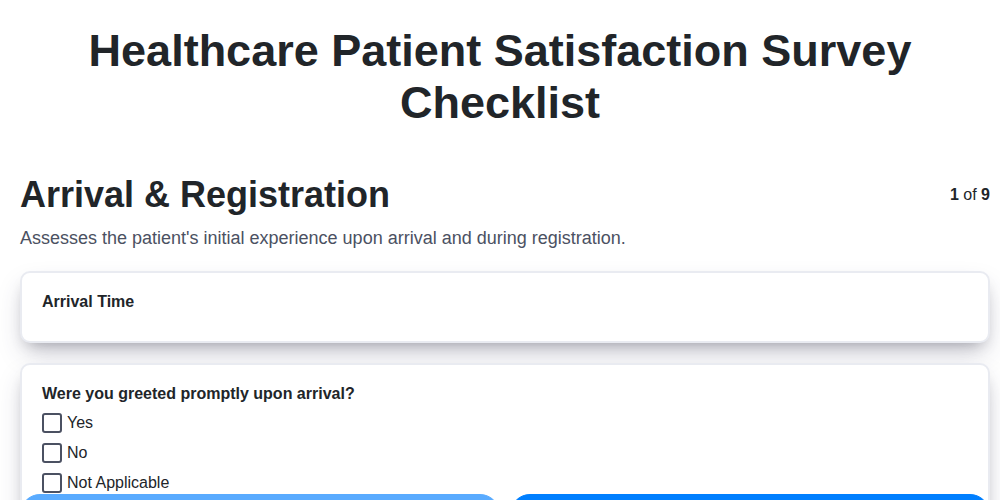
The Ultimate Healthcare Patient Satisfaction Survey Checklist Template
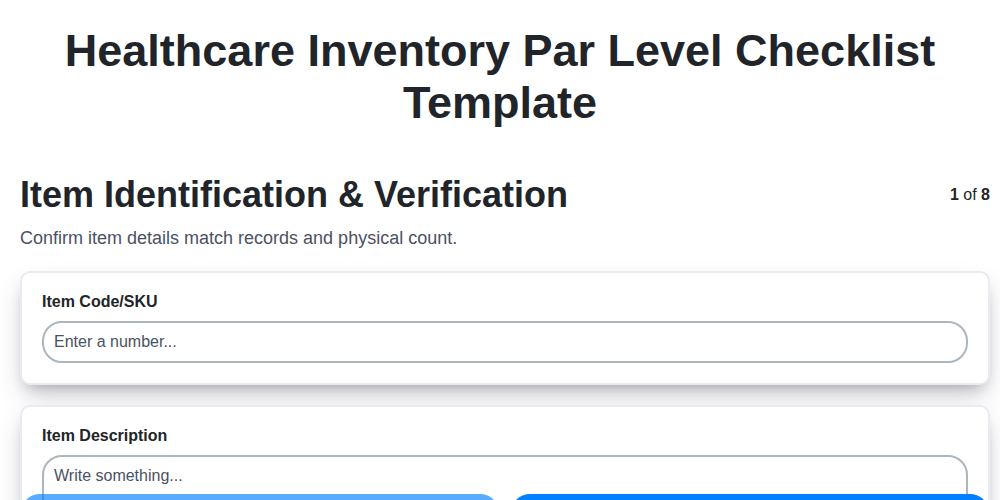
Mastering Healthcare Inventory: Your Par Level Checklist Template
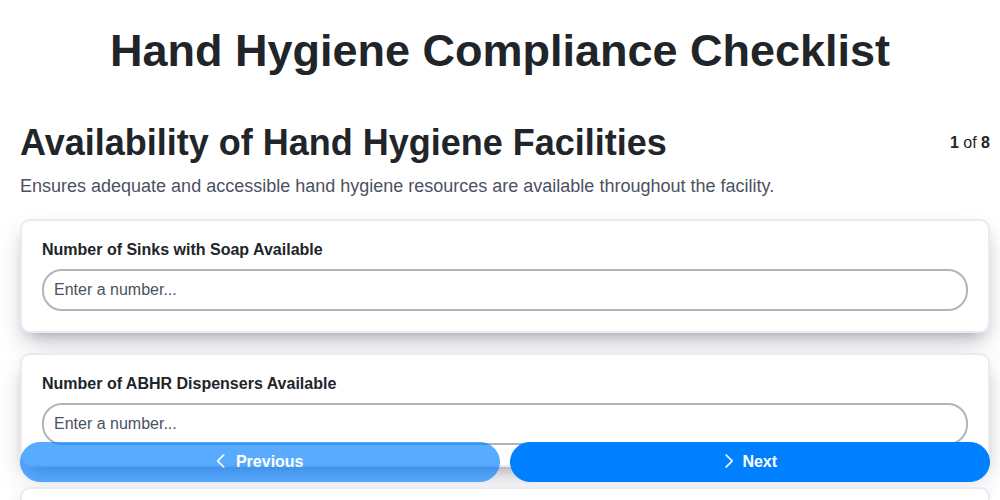
Mastering Hand Hygiene: Your Compliance Checklist Template
Protecting Patients: Your Fire Safety Checklist for Patient Areas
Your Ultimate Healthcare Construction Checklist Template
Mastering Hand Hygiene: Your Compliance Checklist Template
Your Radiology Equipment Maintenance Checklist Template

Your Ultimate Guide to Healthcare Waste Management: A Checklist Template
Need help with
Healthcare?
Have a question? We're here to help. Please submit your inquiry, and we'll respond promptly.