Elevating Care: Your Healthcare Patient Experience Checklist for Satisfaction & Feedback
Published: 11/28/2025 Updated: 07/02/2026

Table of Contents
- Introduction: Why Patient Experience Matters
- 1. Pre-Appointment Communication: Setting the Stage
- 2. Arrival & Check-In: First Impressions Count
- 3. The Clinical Encounter: Compassionate & Efficient Care
- 4. Facility Environment: Comfort & Accessibility
- 5. Billing & Financial Communication: Transparency and Clarity
- 6. Post-Visit Follow-Up: Ensuring Continued Wellbeing
- 7. Patient Feedback Mechanisms: Listening to Your Patients
- 8. Analyzing Feedback: Turning Insights into Action
- 9. Staff Training: Empowering Your Team
- 10. Technology's Role in Enhancing Patient Experience
- Conclusion: Continuous Improvement for Exceptional Care
- Resources & Links
TLDR: Want happier, more loyal patients? This checklist covers everything from pre-appointment communication to post-visit follow-up, highlighting key touchpoints that impact patient experience. Use it to identify areas for improvement and boost patient satisfaction through targeted action - it's your roadmap to delivering exceptional care!
Introduction: Why Patient Experience Matters
In today's healthcare landscape, clinical excellence is no longer the sole differentiator. Patients are increasingly seeking - and expecting - a positive, empathetic, and seamless experience. A great clinical outcome is significantly enhanced by a positive patient journey, and conversely, even the best medical care can be overshadowed by a frustrating or impersonal encounter. This isn's just about feeling good; it directly impacts patient loyalty, referral rates, and ultimately, the financial health of your practice or hospital. Focusing on patient experience is a strategic imperative, moving beyond simply treating illness to truly caring for the individual. This checklist will provide a framework for assessing and improving these vital touchpoints, ensuring patients feel heard, respected, and valued throughout their healthcare journey.
1. Pre-Appointment Communication: Setting the Stage
First impressions matter, and that journey often begins before a patient even walks through your doors. Effective pre-appointment communication significantly influences their overall experience and sets the tone for their visit. Are your patients feeling informed and prepared?
Consider these key areas:
- Clear & Accessible Information: Is your website easy to navigate? Can patients readily find information on appointment scheduling, accepted insurance, pre-appointment instructions (fasting, medication adjustments, etc.), and location/parking details?
- Appointment Reminders: Don't rely on patients to remember! Utilize multiple reminder methods - text, email, and phone calls - and allow patients to choose their preferred method. Ensure reminders include the date, time, location, and any necessary preparation instructions.
- Personalized Communication: Whenever possible, address patients by name in communications. A small touch that shows you value them.
- Pre-Visit Questionnaires: Sending digital forms prior to the appointment (medical history, demographics, etc.) streamlines the check-in process and reduces wait times.
- Confirmation & Instructions: After scheduling, send a confirmation email or text outlining appointment details and any necessary preparation.
By focusing on pre-appointment communication, you can proactively address potential anxieties, improve patient preparedness, and create a positive first impression that contributes to a better overall experience.
2. Arrival & Check-In: First Impressions Count
The initial moments a patient experiences upon arriving at your practice are critical. They set the tone for the entire visit and significantly impact their overall perception of your care. A smooth and welcoming check-in process can alleviate anxiety and build trust, while a frustrating experience can leave a lasting negative impression.
Here's what to consider for a positive arrival and check-in:
- Clear Signage & Navigation: Ensure your building and practice are easy to find, with clear and visible signage directing patients to the entrance and check-in area.
- Parking Accessibility: Consider parking availability and accessibility for patients with mobility challenges.
- Warm Welcome: A friendly greeting from the receptionist or front desk staff is paramount. A smile and a genuine inquiry about how they are doing can go a long way.
- Efficient Check-In Process: Minimize wait times and streamline the check-in process. Offer online check-in options, kiosks, or clearly organized paperwork.
- Minimize Noise & Clutter: A tidy and well-maintained waiting area demonstrates professionalism and respect for patients.
- Comfortable Waiting Area: Provide comfortable seating, reading materials, and potentially refreshments to make the wait more pleasant.
- Privacy: Ensure patient information is handled discreetly and privacy is maintained during check-in.
- Staff Training: Equip your front desk team with the training to handle various situations with empathy and efficiency.
By focusing on these elements, you can transform arrival and check-in from a potential source of stress into a positive and welcoming experience that sets the stage for exceptional patient care.
3. The Clinical Encounter: Compassionate & Efficient Care
This is arguably the heart of the patient experience. A clinical encounter goes beyond just a diagnosis or treatment; it's about the interaction between patient and provider, and how that interaction fosters trust and well-being. Here's what to assess:
- Active Listening & Empathy: Did the provider genuinely listen to the patient's concerns? Did they acknowledge feelings and demonstrate empathy? Patients want to feel heard and understood.
- Clear Communication: Was medical information explained in a way the patient could understand, avoiding jargon and complex terminology? Were questions encouraged and answered thoroughly?
- Respect for Patient Preferences: Did the provider respect the patient's values, beliefs, and preferences regarding treatment options? Shared decision-making is crucial.
- Provider Professionalism & Demeanor: Was the provider professional, approachable, and attentive? Did they maintain eye contact and demonstrate a genuine interest in the patient's health?
- Time Allocation: While efficiency is important, did the provider dedicate sufficient time to address the patient's needs without feeling rushed?
- Teamwork & Coordination: If multiple staff members were involved (e.g., nurses, assistants), did they work cohesively to provide seamless care?
- Explanation of Next Steps: Did the provider clearly outline the plan of care, including any medications, follow-up appointments, or lifestyle recommendations?
4. Facility Environment: Comfort & Accessibility
A welcoming and accessible facility is crucial for a positive patient experience. This goes beyond just cleanliness (though that's certainly important!). Consider these elements:
- Cleanliness & Odor: Is the waiting area, exam rooms, and restrooms impeccably clean and free from unpleasant odors?
- Waiting Area Comfort: Comfortable seating, appropriate temperature control, and adequate lighting can significantly reduce anxiety. Offer reading materials, Wi-Fi, and even a children's play area if applicable.
- Accessibility: Ensure compliance with ADA guidelines, including accessible parking, ramps, elevators, restrooms, and exam tables. Consider patients with visual or hearing impairments.
- Noise Levels: Minimize excessive noise from equipment or conversations. Soft music can be a calming addition.
- Décor & Aesthetics: While not essential, a pleasant and updated decor can create a more welcoming and less clinical atmosphere. Think about artwork, plants, and a cohesive design.
- Wayfinding: Clear and concise signage is essential to help patients easily navigate the facility.
5. Billing & Financial Communication: Transparency and Clarity
Navigating healthcare billing can be a significant source of anxiety and frustration for patients. Unexpected charges, confusing explanations of benefits, and a lack of transparency can quickly erode trust and negatively impact the overall patient experience. To address this, prioritize clear and proactive financial communication at every stage.
Here's what to include:
- Pre-Service Cost Estimates: Whenever possible, provide patients with estimated costs for procedures and services before they occur. Online tools, pre-appointment phone calls, or easily accessible information sheets can all contribute to this.
- Plain Language Explanations: Avoid medical jargon when explaining bills and insurance coverage. Use clear, concise language that patients can easily understand. Break down charges into understandable categories.
- Insurance Verification & Assistance: Offer assistance with insurance verification and understanding coverage details. Having a dedicated staff member to help patients navigate these complexities is invaluable.
- Payment Options & Financial Assistance: Provide a variety of payment options (online, mail, phone) and clearly communicate information about financial assistance programs or payment plans if available.
- Prompt and Accurate Billing: Ensure billing accuracy and address any discrepancies promptly. A dedicated point of contact for billing inquiries can significantly reduce patient stress.
- Regular Communication: Don't wait for patients to reach out with questions. Proactive outreach regarding billing updates and potential issues demonstrates care and builds trust.
6. Post-Visit Follow-Up: Ensuring Continued Wellbeing
The patient journey doesn't end when they leave your office. A thoughtful post-visit follow-up demonstrates care, reinforces positive experiences, and offers a valuable opportunity to address any lingering concerns. This isn't just about ticking a box; it's about solidifying the patient-provider relationship and contributing to long-term health outcomes.
Here's what to consider:
- Timely Communication: Reach out within a reasonable timeframe - often 24-72 hours is ideal. This allows for recall of the appointment and provides a fresh perspective.
- Personalized Messaging: Avoid generic emails. Reference the reason for the visit and any specific instructions given. A simple We hope you've been feeling well since your appointment regarding [condition/concern] goes a long way.
- Instruction Reinforcement: Briefly reiterate key instructions, medication reminders, or follow-up appointments. This combats potential forgetfulness and reinforces adherence to treatment plans. Consider linking directly to patient portal resources for easy access.
- Symptom Check-In: For certain conditions, a quick check-in to see how the patient is feeling can be invaluable. It shows proactive care and allows for early intervention if needed.
- Resource Provision: If applicable, provide links to relevant patient education materials, support groups, or community resources.
- Accessibility: Offer multiple communication channels - phone, email, patient portal - to accommodate patient preferences.
A well-executed post-visit follow-up demonstrates your commitment to patient well-being beyond the initial consultation.
7. Patient Feedback Mechanisms: Listening to Your Patients
Collecting patient feedback isn't just a "nice-to-have"; it's a vital component of continuous improvement and delivering exceptional healthcare. Without understanding what your patients really think, you're operating in the dark. Luckily, there are numerous ways to gather this valuable data, and implementing several options will give you a more comprehensive picture.
Beyond the Traditional Satisfaction Survey: While those standardized surveys still hold value, consider diversifying your approach. Here's a breakdown of effective methods:
- Digital Surveys (e.g., via email, SMS, portal): These are convenient for patients and offer easy data collection and analysis. Keep them concise and focused - shorter surveys get higher completion rates.
- Real-Time Feedback Kiosks: Strategically placed in waiting areas or near discharge points, these offer immediate feedback opportunities.
- Social Media Monitoring: Actively monitor platforms like Facebook, Twitter, and Google Reviews. Respond to comments and address concerns promptly.
- Online Review Platforms (Google, Healthgrades, etc.): Encourage patients to leave reviews - and respond to them, both positive and negative.
- Comment Cards: A simple, low-tech option that allows for quick, written feedback.
- Patient Advisory Councils (PACs): Form a group of diverse patients who can provide regular feedback and participate in decision-making.
- Phone Calls: Personalized phone calls can provide deeper insights and a more human connection.
Turning Feedback into Action: Collecting feedback is only half the battle. It's crucial to:
- Analyze the data: Look for trends and recurring themes.
- Share feedback with your team: Make feedback transparent and encourage discussion.
- Develop action plans: Based on the feedback, identify areas for improvement and create specific, measurable, achievable, relevant, and time-bound (SMART) goals.
- Close the loop: Let patients know that you've heard them and are taking action based on their feedback. This demonstrates that their voices matter.
By consistently seeking, analyzing, and acting on patient feedback, you'll foster a culture of continuous improvement and build a stronger, more patient-centered healthcare practice.
8. Analyzing Feedback: Turning Insights into Action
Collecting patient feedback is only half the battle. The real magic happens when you analyze that feedback and use it to drive meaningful improvements. Don't let those surveys and reviews languish in a spreadsheet! Here's how to turn insights into action:
1. Categorize and Quantify: Group feedback into recurring themes - communication breakdown, long wait times, friendly staff, etc. Assign numerical scores or ratings to these categories to easily identify areas needing the most attention. Sentiment analysis tools can be incredibly helpful here, especially with open-ended comments.
2. Look Beyond the Score: While overall satisfaction scores are important, dig deeper into the reasons behind them. Read through individual comments; look for specific examples of what patients are praising and what's causing frustration.
3. Identify Root Causes: Don't just address the symptoms; figure out the underlying problems. For instance, if multiple patients complain about long wait times, is it due to scheduling inefficiencies, inadequate staffing, or complex clinical processes?
4. Prioritize and Assign Ownership: Not every issue can be fixed immediately. Prioritize improvements based on impact (how many patients are affected?) and feasibility (how difficult will it be to implement a solution?). Assign responsibility for addressing each prioritized issue to specific team members or departments.
5. Develop Action Plans & Track Progress: Create a clear action plan with specific goals, timelines, and measurable outcomes. Regularly review progress and make adjustments as needed.
6. Close the Loop with Patients: Let patients know you're listening! Respond to feedback (especially negative comments) promptly and demonstrate how their input is leading to changes. This shows you value their opinions and builds trust.
7. Share Results Internally: Regularly share feedback trends and improvement efforts with the entire team. This fosters a culture of continuous improvement and ensures everyone is aligned on the patient experience goals.
9. Staff Training: Empowering Your Team
Your staff are the face and voice of your healthcare practice. Their interactions directly shape the patient experience, often more than any fancy equipment or beautiful waiting room. Investing in comprehensive and ongoing staff training isn't just about procedures; it's about cultivating empathy, communication skills, and problem-solving abilities.
This training should encompass several key areas:
- Active Listening & Empathy: Techniques for truly hearing patient concerns and responding with compassion. Role-playing scenarios focusing on difficult conversations can be invaluable.
- Communication Skills: Clear, concise, and patient-friendly language is crucial, especially when discussing complex medical information or billing details. Avoiding jargon is paramount.
- Conflict Resolution: Equipping staff with strategies to de-escalate tense situations and address patient complaints effectively.
- Cultural Sensitivity: Training should address diverse cultural backgrounds and communication styles to ensure inclusive care.
- System Proficiency: Ongoing training on electronic health records (EHRs), scheduling software, and other technology used in the practice.
- Process Updates: Regularly updating staff on changes to policies, procedures, and workflows impacting the patient experience.
Remember, empowered staff feel valued and are more likely to go the extra mile. Regularly solicit their feedback on ways to improve patient experience and integrate those insights into your training programs. A well-trained and motivated team translates directly into happier, more satisfied patients.
10. Technology's Role in Enhancing Patient Experience
Technology is no longer a luxury in healthcare; it's a vital tool for delivering exceptional patient experiences. From streamlining administrative tasks to fostering greater connection and personalization, its impact is undeniable. Let's explore some key applications:
- Online Portals & Mobile Apps: Empower patients with self-service capabilities. These platforms allow for appointment scheduling, secure messaging with providers, access to medical records, prescription refills, and educational resources - all at their convenience.
- Telehealth & Virtual Visits: Expanding access to care, especially for those in rural areas or with mobility challenges. Virtual consultations can be convenient and reduce wait times.
- Automated Reminders & Communication: Reduce no-show rates and keep patients informed with automated appointment reminders via text, email, or phone. Personalized communication about pre-appointment instructions or post-visit care plans strengthens the patient-provider relationship.
- Digital Check-In Kiosks: Speed up the check-in process and reduce wait times in the waiting room. These kiosks can also collect necessary information electronically, minimizing paperwork.
- Wearable Technology & Remote Monitoring: For chronic disease management, wearable devices can track vital signs and activity levels, allowing providers to proactively address potential issues.
- AI-Powered Chatbots: Offer instant support and answer frequently asked questions, freeing up staff to handle more complex inquiries.
- Interactive Patient Education: Utilize videos, animations, and other digital tools to explain medical procedures and conditions in an easy-to-understand format.
- Smart Waiting Rooms: Entertainment options, real-time updates on wait times, and improved aesthetics can create a more pleasant waiting environment.
Ultimately, successful implementation requires a patient-centric approach, ensuring technology enhances, rather than complicates, the overall care journey.
Conclusion: Continuous Improvement for Exceptional Care
Ultimately, the healthcare patient experience isn't a destination-it's a journey of continuous improvement. This checklist provides a solid framework, but its real value lies in consistent application and adaptation. Regularly reviewing responses gathered through your feedback mechanisms, analyzing trends, and actively seeking out opportunities to refine each touchpoint will cultivate a culture of patient-centered care. Don't view this as a one-time assessment; consider it an ongoing commitment to elevating the patient journey and building lasting relationships built on trust and exceptional care. The effort invested in optimizing these areas will yield substantial rewards - increased patient loyalty, positive word-of-mouth referrals, and a thriving practice that prioritizes the well-being of those it serves.
Resources & Links
- Agency for Healthcare Research and Quality (AHRQ) - Patient Experience: AHRQ offers a wealth of resources, tools, and data related to patient experience, including guides, toolkits, and research findings. Focuses on improving healthcare quality and safety.
- The Joint Commission - Patient Experience: The Joint Commission accredits healthcare organizations and has standards related to patient experience. Explore their resources, surveys, and guidance on achieving patient-centered care.
- U.S. Department of Health & Human Services (HHS): HHS provides information and programs related to healthcare quality and patient safety, including initiatives focused on patient experience. Check for reports and initiatives.
- Press Ganey: Press Ganey is a leading provider of patient experience measurement and improvement solutions. Explore their research, surveys, and insights (primarily a paid service, but offers some free content).
- Becker's Hospital Review: A leading healthcare business publication. Search for articles on patient experience, patient satisfaction, and related topics - provides practical insights and examples.
- Patient Experience Network: A community and resource hub focused on improving the patient experience. Features articles, webinars, and a directory of experts.
- Hospital Consumer Assessment of Healthcare Providers and Systems (HCAHPS): HCAHPS is a standardized survey used to measure patient perspectives of hospital care. Understanding this survey is crucial for any healthcare organization committed to improving patient experience. Includes links to survey questions and guidance.
- Patient Engagement HIT: Focuses on the intersection of patient engagement and healthcare technology. Provides articles and insights related to digital patient experience.
- Reliable Healthcare: Offers a variety of content, including articles and resources related to patient satisfaction, communication skills, and team dynamics - all important for elevating the patient experience.
- Consumer Reports - Healthcare: Provides independent ratings and reviews of hospitals and healthcare services, reflecting patient perspectives and highlighting areas for improvement.
- National Institute of Standards and Technology (NIST): While primarily focused on measurement, NIST's framework for measurement science and reliability can be applied to patient experience measurement and feedback, ensuring data accuracy and validity.
- Healthcare Information and Management Systems Society (HIMSS): HIMSS focuses on the role of technology in healthcare. Explore their resources regarding patient portals, telehealth, and other digital solutions that can enhance the patient experience.
Frequently Asked Questions
What is patient feedback and why is it valuable to healthcare providers?
Patient feedback is information patients provide about their experiences with healthcare services. It's valuable because it offers direct insights into the quality of care from the patient's perspective, allowing providers to make informed improvements and better meet patient needs.
Comments
There are no comments yet. Be the first to add one!
Healthcare Management Solution Demo
Streamlining healthcare operations and improving patient care? ChecklistGuro's Work OS platform simplifies everything from patient scheduling and billing to compliance and staff management. Enhance efficiency, reduce administrative burden, and focus on what matters most: your patients. Learn how ChecklistGuro can transform your healthcare organization!
Related Articles
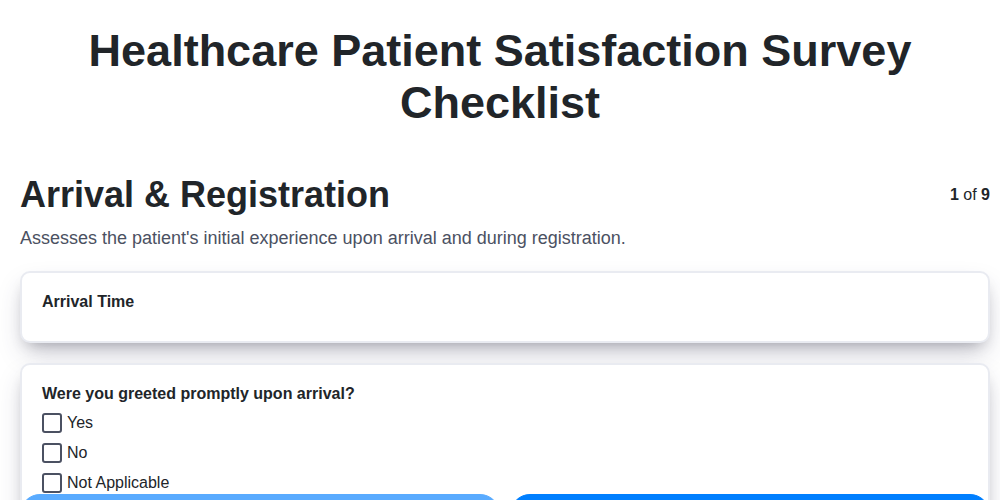
The Ultimate Healthcare Patient Satisfaction Survey Checklist Template
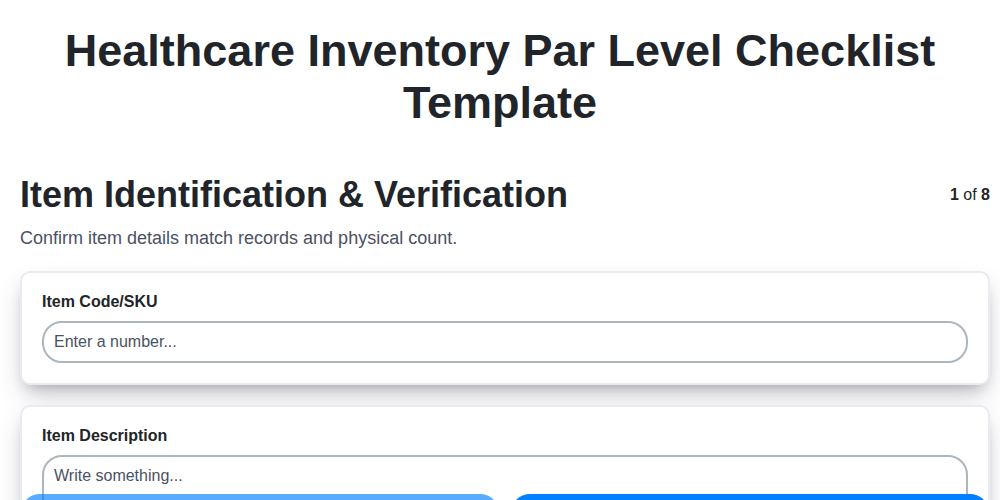
Mastering Healthcare Inventory: Your Par Level Checklist Template
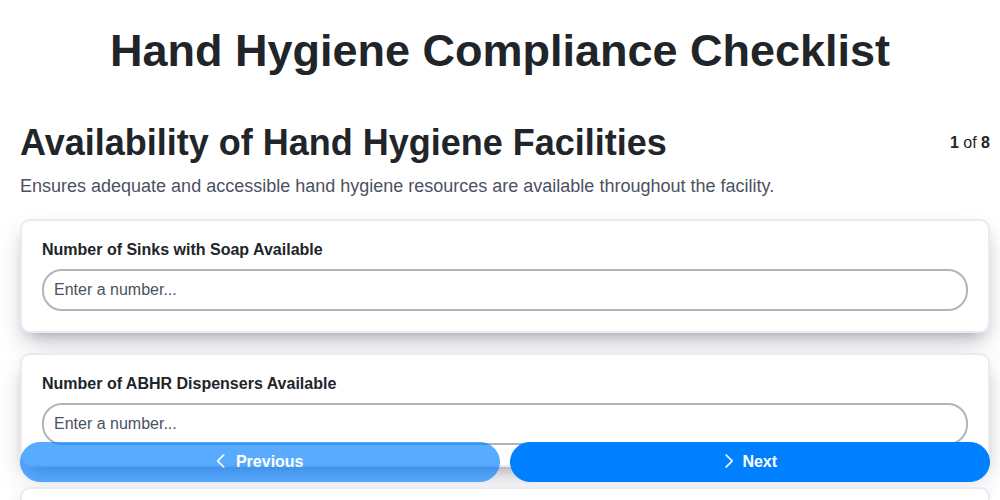
Mastering Hand Hygiene: Your Compliance Checklist Template
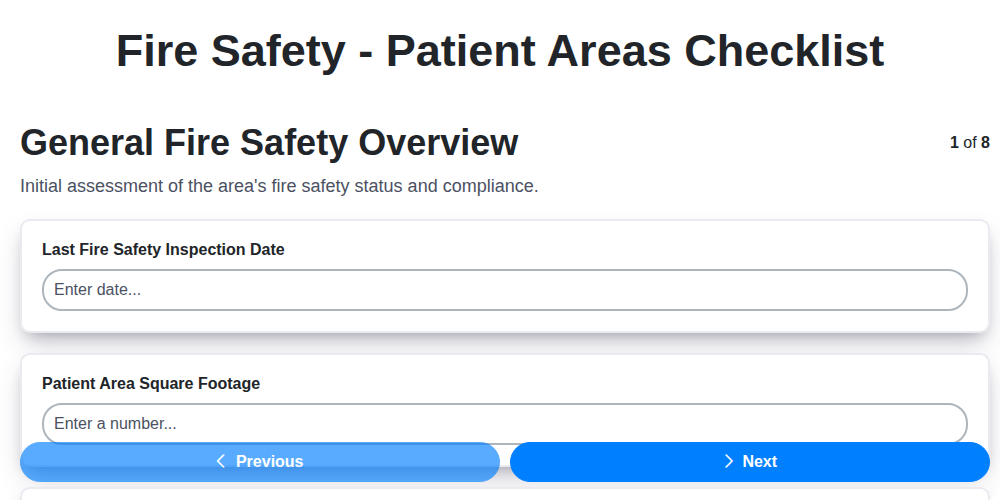
Protecting Patients: Your Fire Safety Checklist for Patient Areas
Your Ultimate Healthcare Construction Checklist Template
Mastering Hand Hygiene: Your Compliance Checklist Template
Your Radiology Equipment Maintenance Checklist Template

Your Ultimate Guide to Healthcare Waste Management: A Checklist Template
Need help with
Healthcare?
Have a question? We're here to help. Please submit your inquiry, and we'll respond promptly.