Ensuring Excellence: Your Healthcare Quality Assurance Checklist for Patient Outcomes
Published: 11/28/2025 Updated: 07/02/2026
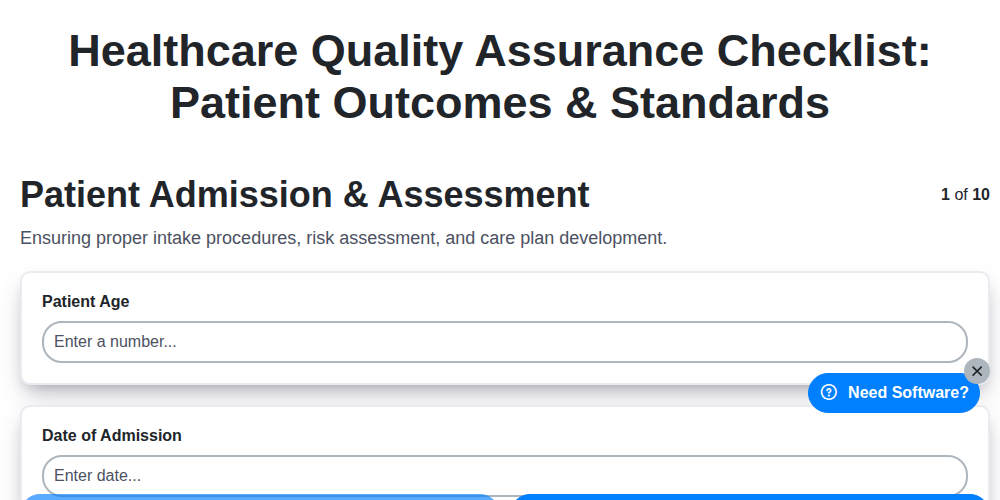
Table of Contents
- Introduction: The Importance of Healthcare Quality Assurance
- Why a Quality Assurance Checklist Matters
- 1. Patient Admission & Assessment: Setting the Foundation
- 2. Medication Management: Safety and Accuracy
- 3. Infection Control & Prevention: Protecting Patients and Staff
- 4. Care Plan Implementation & Monitoring: Personalized and Effective Care
- 5. Patient Communication & Education: Empowering Patients
- 6. Discharge Planning & Follow-Up: A Smooth Transition
- 7. Incident Reporting & Analysis: Learning from Experiences
- 8. Regulatory Compliance & Auditing: Meeting Standards
- 9. Staff Training & Competency: Building a Skilled Team
- 10. Patient Feedback & Satisfaction: The Voice of the Patient
- 11. Data Analysis & Performance Measurement
- Conclusion: Continuous Improvement in Healthcare Quality
- Resources & Links
TLDR: Want to boost patient outcomes and maintain top-notch healthcare quality? This checklist outlines key areas like admission, medication safety, infection control, and discharge planning. Use it to systematically evaluate your processes, identify gaps, and ensure you're meeting standards and keeping patients safe and satisfied - a vital tool for continuous improvement!
Introduction: The Importance of Healthcare Quality Assurance
In healthcare, quality assurance isn't just a buzzword; it's the bedrock of safe, effective, and patient-centered care. It's about consistently delivering the highest standard of care, minimizing errors, and actively striving for continuous improvement. Poor quality can lead to adverse patient outcomes, increased costs, and damage to a healthcare organization's reputation. A robust quality assurance program proactively identifies potential risks, promotes best practices, and ensures adherence to both internal protocols and external regulations. This checklist-driven approach outlined below provides a framework for assessing critical areas impacting patient outcomes and upholding the rigorous standards expected within the healthcare industry. Ultimately, a commitment to quality assurance is a commitment to the well-being of every patient.
Why a Quality Assurance Checklist Matters
In healthcare, errors can have devastating consequences. A robust Quality Assurance (QA) checklist isn't just a formality; it's a critical safeguard against those risks. It provides a structured, repeatable process for ensuring consistent adherence to established protocols and standards. Without a clear checklist, vital steps can be overlooked, leading to potential patient harm, increased costs due to preventable complications, and erosion of trust. A well-designed QA checklist fosters a culture of safety, promotes continuous improvement, and provides documented evidence of commitment to delivering the highest quality of care. It shifts focus from reactive problem-solving to proactive prevention, ultimately benefitting both patients and healthcare providers.
1. Patient Admission & Assessment: Setting the Foundation
The initial patient admission and assessment phase is paramount to ensuring positive patient outcomes and upholding healthcare quality. This isn't just about paperwork; it's about establishing a comprehensive understanding of the patient's needs, risks, and goals. A thorough assessment sets the stage for effective and individualized care.
Key Checklist Items & Considerations:
- Verification of Identity & Insurance: Confirming patient identity prevents medical errors and ensures accurate billing.
- Comprehensive Health History: A detailed review of past medical conditions, allergies, medications, family history, and social determinants of health is essential. Don't just collect the information; actively listen and clarify any ambiguities.
- Physical Assessment: A complete physical exam should be documented accurately, noting any abnormalities or concerns.
- Risk Assessment: Identify potential risks, including fall risk, pressure ulcer risk, and risk for adverse drug reactions. Implement preventative measures accordingly.
- Functional Assessment: Evaluate the patient's ability to perform activities of daily living (ADLs) to determine their level of independence and necessary support.
- Psychosocial Assessment: Consider the patient's emotional and mental well-being, as well as any social or environmental factors that may influence their health.
- Goal Setting (Patient-Centered): Collaborate with the patient (and their family, when appropriate) to establish clear, achievable goals for their care.
- Documentation: Ensure all assessments and findings are accurately and completely documented in the patient's medical record, accessible to the care team.
2. Medication Management: Safety and Accuracy
Medication errors are a significant contributor to adverse patient outcomes and represent a serious quality concern within healthcare. This section of the quality assurance checklist focuses on ensuring the safe and accurate administration of medications. Our checklist emphasizes a multi-faceted approach, encompassing prescribing, dispensing, administration, and monitoring.
Key Areas of Focus:
- Prescription Verification: Rigorous verification of all prescriptions, including checks for allergies, drug interactions, appropriate dosage, and route of administration. A double-check system involving two qualified personnel is crucial for high-risk medications.
- Medication Reconciliation: Comprehensive and accurate medication reconciliation upon admission, transfer, and discharge. This includes a thorough comparison of the patient's home medication list with orders.
- Dispensing Accuracy: Strict adherence to pharmacy protocols for dispensing medications, including verification of drug, dosage, form, and route. Utilizing barcode scanning systems is highly recommended.
- Administration Procedures: Implementing standardized procedures for medication administration, including the "five rights" (right patient, right drug, right dose, right route, right time). Patient identification protocols must be consistently followed.
- Monitoring & Evaluation: Careful monitoring of patients for adverse drug reactions and therapeutic effectiveness. Documenting any observed effects and adjusting treatment plans as needed.
- High-Alert Medication Handling: Special precautions and protocols for managing high-alert medications (e.g., insulin, anticoagulants, opioids) to minimize the risk of errors.
- Controlled Substance Management: Adherence to all regulations and protocols for the storage, dispensing, and documentation of controlled substances.
- Documentation: Accurate and complete documentation of all medication administration, including time, dose, route, and patient response.
Regular audits of medication management processes, along with staff training and competency assessments, are essential components of this checklist to consistently uphold patient safety.
3. Infection Control & Prevention: Protecting Patients and Staff
Infection control is paramount in any healthcare setting, directly impacting patient safety, staff well-being, and overall quality of care. A robust infection prevention program isn't just about following procedures; it's about cultivating a culture of vigilance and proactive risk mitigation. Our checklist focuses on key areas to minimize the risk of Healthcare-Associated Infections (HAIs).
Key Checklist Points:
- Hand Hygiene Compliance: Frequent and correct handwashing remains the single most effective infection prevention measure. Audit adherence rates and identify areas for improvement with clear signage and readily accessible hand sanitizer stations.
- Personal Protective Equipment (PPE) Usage: Ensuring appropriate PPE (gloves, masks, gowns, eye protection) is available and consistently used when interacting with patients or handling potentially infectious materials is critical. Regular training and monitoring are vital.
- Environmental Cleaning & Disinfection: Scheduled and terminal cleaning of patient rooms, equipment, and common areas using appropriate disinfectants, following established protocols, is essential. Verification of cleaning efficacy should be implemented.
- Sterilization & Disinfection of Medical Equipment: Strict adherence to guidelines for the proper sterilization and disinfection of instruments and equipment is non-negotiable. Documentation of processes is required.
- Isolation Precautions: Implementing and enforcing appropriate isolation precautions (e.g., contact, droplet, airborne) based on patient conditions is vital to prevent the spread of infection.
- Ventilation and Air Quality: Maintain adequate ventilation and consider air filtration systems, especially in areas prone to airborne transmission.
- Surveillance and Reporting: Active surveillance for HAIs (e.g., CLABSI, CAUTI, MRSA) allows for early detection and targeted interventions. Prompt reporting of suspected infections is vital.
- Waste Management: Proper handling and disposal of infectious waste according to established protocols is essential to prevent environmental contamination.
By consistently reviewing and adhering to these infection control practices, healthcare facilities can significantly reduce the risk of HAIs and contribute to a safer environment for all.
4. Care Plan Implementation & Monitoring: Personalized and Effective Care
A meticulously crafted care plan is only as valuable as its consistent and effective implementation. This section of the quality assurance checklist focuses on ensuring that care plans translate from documented intentions to tangible actions that demonstrably improve patient outcomes.
Key Considerations & Checklist Items:
- Regular Review & Updates: Are care plans reviewed at least weekly, and more frequently if the patient's condition changes? Documentation of these reviews is crucial.
- Interdisciplinary Collaboration: Does the implementation involve consistent communication and coordination among all relevant disciplines (nurses, physicians, therapists, dieticians, etc.)? Are care team meetings productive and focused on patient needs?
- Goal Attainment Monitoring: Are patient goals (both short-term and long-term) being tracked and evaluated? Are adjustments made to the care plan when goals are not being met, and is this documented?
- Observation & Data Collection: Are nurses and other staff consistently observing patient responses to interventions and documenting these observations objectively? This includes vital signs, behavior, and patient-reported outcomes.
- Patient Participation: Is the patient actively involved in the care plan implementation and monitoring process? Are their preferences and concerns genuinely considered and incorporated?
- Technology Integration: Are electronic health records (EHRs) utilized effectively to track care plan tasks, document progress, and alert care team members to potential issues?
- Deviation Reporting: Is there a clear process for reporting deviations from the care plan, including reasons for the deviation and corrective actions taken?
- Goal Re-evaluation: Are goals regularly re-evaluated to ensure they remain relevant, realistic, and patient-centered?
Effective care plan implementation and monitoring requires vigilance, communication, and a commitment to patient-centered care. Continuous improvement in this area contributes directly to positive patient outcomes and a higher quality of care.
5. Patient Communication & Education: Empowering Patients
Effective communication and education are cornerstones of high-quality healthcare. It's not enough to do the right things; patients need to understand why those things are being done, what to expect, and how they can actively participate in their care. This section of the quality assurance checklist focuses on ensuring patients are informed, engaged, and empowered.
Key Checklist Points:
- Clear and Understandable Explanations: Are medical terminology and procedures explained in layman's terms? Do we consistently use visual aids, diagrams, or other resources to enhance comprehension, especially for patients with diverse literacy levels or language barriers?
- Shared Decision-Making: Are patients actively involved in treatment decisions? Do we encourage them to ask questions, voice concerns, and express their preferences? Are we documenting these discussions and patient choices?
- Medication Education: Beyond simply dispensing medication, do we provide comprehensive information on dosage, purpose, potential side effects, and interactions? Is this information provided in writing and verbally?
- Disease Management Education: For patients with chronic conditions, are we providing education on self-management techniques, lifestyle modifications, and potential complications?
- Post-Discharge Instructions: Are discharge instructions clear, concise, and accessible (in multiple languages if needed)? Do we ensure patients understand follow-up appointments, medication refills, and potential warning signs?
- Assessment of Understanding: Do we routinely assess patient understanding of provided information, using techniques like teach-back methods to confirm comprehension?
- Accessibility for All: Do we offer communication methods and materials that cater to patients with disabilities, language differences, or other specific needs?
By consistently focusing on patient communication and education, we contribute directly to improved health outcomes, increased patient satisfaction, and a culture of shared responsibility for care.
6. Discharge Planning & Follow-Up: A Smooth Transition
Discharge planning isn't just a final task; it's a critical component of holistic patient care and a cornerstone of quality assurance. A poorly planned discharge can lead to readmissions, complications, and patient dissatisfaction. This section of the checklist focuses on ensuring a seamless transition from the healthcare setting to the patient's home or next level of care.
Key Elements of Effective Discharge Planning:
- Early Initiation: Discharge planning should begin at the time of admission, not just before the patient is leaving. This allows ample time to assess needs and coordinate resources.
- Comprehensive Assessment: Beyond physical needs, this includes assessing the patient's social support system, financial constraints, and understanding of their care plan. Are there family members or caregivers who can assist? Do they have access to necessary equipment or transportation?
- Clear Care Instructions: Verbal instructions alone are often insufficient. Written discharge instructions, in language the patient understands, are essential. These should include medication schedules, diet restrictions, follow-up appointments, and warning signs to watch for.
- Medication Reconciliation: A thorough review of all medications-including over-the-counter drugs and supplements-is crucial to prevent adverse interactions and ensure continuity of care.
- Follow-Up Appointments: Confirm and schedule follow-up appointments with primary care physicians and specialists. Provide patients with necessary referrals and contact information.
- Home Health Services Coordination: If home health services are required, arrange for timely initiation and appropriate skilled care.
- Patient and Family Education: Empower patients and their families with the knowledge and skills to manage their health conditions effectively post-discharge.
- Discharge Summary: Provide a detailed discharge summary to the patient's primary care physician, outlining the patient's hospital stay, procedures performed, medications administered, and follow-up recommendations.
Regularly reviewing and updating discharge planning protocols based on patient feedback and outcomes is vital for continuous improvement.
7. Incident Reporting & Analysis: Learning from Experiences
No healthcare facility can claim to be flawless. Incidents, adverse events, and near misses are, unfortunately, a reality. However, how we respond to these occurrences is what truly defines our commitment to patient safety and continuous improvement. A robust incident reporting and analysis system isn't about blame; it's about identifying vulnerabilities, understanding root causes, and implementing changes to prevent recurrence.
Our checklist emphasizes a structured approach to incident management. This includes not only documenting the event (who, what, when, where, how) but also thoroughly investigating why it happened. We go beyond surface-level observations to explore systemic factors, communication breakdowns, or process failures that might have contributed.
Key elements of our incident reporting and analysis process include:
- Easy and Accessible Reporting: Creating a non-punitive environment where staff feel comfortable reporting incidents, regardless of their perceived severity. This means providing clear reporting channels and ensuring anonymity where possible.
- Root Cause Analysis (RCA): Utilizing established methodologies (like the "5 Whys" or Fishbone diagrams) to delve deep and identify the underlying causes - not just the immediate trigger.
- Corrective Action Planning: Developing specific, measurable, achievable, relevant, and time-bound (SMART) actions to address identified root causes.
- Action Verification: Regularly monitoring the effectiveness of corrective actions and making adjustments as needed.
- Sharing Learnings: Disseminating findings and lessons learned across the organization to promote a culture of safety and prevent similar incidents from occurring elsewhere.
Remember, every incident represents an opportunity to learn and grow. By embracing a proactive and analytical approach to incident management, we strengthen our commitment to patient safety and uphold the highest standards of quality care.
8. Regulatory Compliance & Auditing: Meeting Standards
Healthcare quality assurance isn't just about best practices; it's about demonstrating adherence to legal and regulatory mandates. This section focuses on the critical processes of regulatory compliance and auditing.
Understanding the Landscape: Healthcare facilities operate within a complex web of regulations at the federal, state, and local levels. These encompass everything from patient privacy (HIPAA) and safety protocols to billing practices and quality reporting requirements. Staying abreast of these ever-evolving regulations is paramount.
The Audit Process: Regular internal and external audits are essential. These should:
- Identify Gaps: Uncover areas where current practices don't meet regulatory standards.
- Verify Documentation: Confirm that procedures are properly documented and accessible for review. This includes policies, protocols, and record-keeping practices.
- Assess Processes: Evaluate the effectiveness of processes designed to ensure compliance.
- Track Corrective Actions: Implement and meticulously track corrective actions taken to address identified deficiencies.
- Review Reporting: Confirm accuracy and timeliness of all required reporting to regulatory bodies.
Beyond Compliance - Proactive Measures: Don't wait for an audit to reveal issues. Implement proactive strategies such as:
- Policy Updates: Regularly review and update policies and procedures to reflect regulatory changes and evolving best practices.
- Compliance Training: Incorporate compliance-specific training into staff development programs.
- Data Analysis: Utilize data analytics to identify trends and potential compliance risks.
- Mock Audits: Conduct internal mock audits to prepare for external assessments and identify weaknesses.
Maintaining rigorous regulatory compliance not only minimizes legal and financial risks but also reinforces a culture of quality and patient safety.
9. Staff Training & Competency: Building a Skilled Team
The cornerstone of any robust healthcare quality assurance program is a highly trained and competent workforce. It's not enough to simply hire qualified individuals; ongoing training and competency assessments are critical to ensuring consistent, high-quality patient care.
This section of the checklist focuses on ensuring that all staff members - from physicians and nurses to support personnel - possess the knowledge, skills, and abilities required to perform their roles safely and effectively. This includes:
- Initial Onboarding & Orientation: A comprehensive program introducing new hires to policies, procedures, equipment, and patient safety protocols.
- Role-Specific Training: Targeted instruction addressing the unique demands and responsibilities of each position. This can encompass clinical skills, documentation procedures, and ethical considerations.
- Continuing Education: Mandatory and encouraged participation in ongoing educational opportunities to stay abreast of advancements in medicine, technology, and best practices.
- Competency Assessments: Regular evaluations - including skills demonstrations, written exams, and performance reviews - to verify the application of learned skills and identify areas for improvement.
- Specialized Training: Opportunities for staff to deepen expertise in specific areas, such as critical care, wound care, or emergency response.
- Record Keeping: Meticulous tracking of all training activities, assessments, and certifications for each staff member.
- Refresher Courses: Periodic review of essential skills and procedures to reinforce knowledge and prevent skill decay.
Regularly reviewing and updating training programs based on patient outcomes, incident reports, and regulatory changes is essential. Investing in staff training isn't just about compliance; it's about cultivating a team of skilled professionals committed to providing exceptional patient care and upholding the highest standards of quality.
10. Patient Feedback & Satisfaction: The Voice of the Patient
In healthcare quality assurance, patient feedback isn't just a nice-to-have - it's a vital component. It provides invaluable insights into the patient experience and directly impacts the overall quality of care delivered. A proactive approach to gathering and acting upon patient feedback demonstrates a commitment to patient-centered care and continuous improvement.
Why is Patient Feedback So Important?
- Identifies Areas for Improvement: Patients often notice details that staff may overlook, highlighting inefficiencies or areas where the patient journey can be smoother and more supportive.
- Enhances Patient Experience: Feeling heard and valued increases patient satisfaction and fosters a stronger relationship between patients and providers.
- Impacts Clinical Outcomes: Positive patient experiences are linked to better adherence to treatment plans and improved overall health outcomes.
- Drives Quality Assurance: Patient feedback provides data points for ongoing quality improvement initiatives.
Methods for Gathering Patient Feedback:
- Surveys: Utilize paper, online, or tablet-based surveys, tailored to specific touchpoints in the care journey.
- Patient Interviews: Conduct one-on-one interviews to delve deeper into specific concerns and experiences.
- Suggestion Boxes: Provide a simple, accessible avenue for patients to offer suggestions anonymously.
- Focus Groups: Facilitate group discussions to gather diverse perspectives on specific aspects of care.
- Online Reviews: Monitor and respond to reviews on platforms like Google and Healthgrades.
Turning Feedback into Action:
- Establish a Clear Process: Designate a team or individual responsible for collecting, analyzing, and responding to feedback.
- Analyze Feedback Regularly: Look for trends and patterns to pinpoint areas needing improvement.
- Communicate Results & Actions: Share feedback and resulting actions with staff to foster a culture of transparency and accountability.
- Close the Loop: Inform patients about how their feedback led to changes - this demonstrates that their voices are truly heard and valued.
11. Data Analysis & Performance Measurement
Healthcare quality assurance isn't just about ticking boxes on a checklist; it's about continuously improving patient care through informed decisions. This requires robust data analysis and performance measurement. We need to move beyond simply documenting compliance and actively use collected data to identify trends, pinpoint areas for improvement, and validate the effectiveness of implemented changes.
Here's what effective data analysis & performance measurement should encompass:
- Key Performance Indicators (KPIs): Establish clear, measurable KPIs aligned with the checklist items. Examples include readmission rates (linked to discharge planning), infection rates (linked to infection control), medication error rates, patient satisfaction scores, and adherence to care plans.
- Trend Identification: Regularly review data to identify patterns and trends. Are readmissions increasing? Are certain infection rates spiking? Early detection allows for proactive intervention.
- Benchmarking: Compare performance against industry benchmarks and best practices. This provides context and highlights areas where we can strive for excellence.
- Root Cause Analysis: When performance dips below acceptable levels, conduct thorough root cause analyses to understand the underlying issues. Don't just address the symptom; fix the cause.
- Data Visualization: Utilize dashboards and visual representations of data to make it accessible and understandable for all stakeholders.
- Regular Reporting: Generate regular reports for leadership and staff, highlighting performance trends, areas of concern, and successful interventions.
- Feedback Loop: Use performance data to inform and adjust quality assurance processes and training programs - creating a continuous cycle of improvement.
Data-driven decision-making is paramount to ensuring consistently high-quality patient care and achieving our quality assurance goals.
Conclusion: Continuous Improvement in Healthcare Quality
Ultimately, the healthcare quality assurance checklist isn't a one-and-done solution; it's a living document that demands consistent review and adaptation. By diligently working through each element - from the initial patient admission to post-discharge follow-up - and proactively addressing any identified gaps, healthcare facilities can demonstrably improve patient outcomes and adhere to ever-evolving standards. Remember, a robust quality assurance program fosters a culture of safety, transparency, and continuous learning, benefiting both patients and the entire care team. Embracing this checklist as a foundation for ongoing improvement is an investment in the long-term success and reputation of any healthcare organization.
Resources & Links
- Centers for Medicare & Medicaid Services (CMS): CMS provides information on quality reporting programs, value-based care initiatives, and quality measures for healthcare providers. Essential for understanding regulatory expectations and quality improvement programs.
- The Joint Commission: The Joint Commission is a major accrediting body in healthcare. Their website offers standards, resources, and tools for improving patient safety and quality of care, including accreditation requirements and quality improvement resources.
- Agency for Healthcare Research and Quality (AHRQ): AHRQ conducts research and disseminates information on healthcare quality, patient safety, and effectiveness. Offers tools, guides, and data on various quality improvement topics.
- Centers for Disease Control and Prevention (CDC): Specifically relevant to Infection Control & Prevention, the CDC provides guidelines, resources, and data on preventing and controlling infections in healthcare settings.
- National Patient Safety Foundation (NPSF): NPSF focuses on patient safety initiatives and provides resources for healthcare professionals, including tools, publications, and events.
- American Society of Anesthesiologists (ASA): Relevant to medication management and patient safety, ASA offers guidelines, resources, and continuing education for anesthesiologists and other healthcare professionals. Useful in understanding best practices related to medication safety.
- National Institute on Aging (NIA): Focuses on improving care for older adults. Important for understanding age-related considerations in assessment, care planning and discharge - crucial for individualized care and effective communication.
- Patient Education: Provides patient education materials on various health conditions and procedures. Useful for supporting Patient Communication & Education, ensuring patients understand their conditions and treatments.
- Institute for Healthcare Improvement (IHI): IHI is a leading organization promoting healthcare improvement. Their website offers resources, frameworks (like the Model for Improvement), and tools for quality improvement initiatives, covering a wide range of topics.
- HCP - Healthcare Professionals: HCP provides compliance resources, regulatory updates, and training materials for healthcare professionals. Useful for understanding regulatory compliance and auditing requirements.
- American Society of Anesthesiologists - Patient Safety: Directly addresses patient safety, with focused resources, checklists, and guidelines. Relevant to multiple checklist sections including medication safety and incident reporting.
- World Health Organization - Patient Safety: Global perspective on patient safety and quality improvement. Provides guidelines, tools, and resources applicable to diverse healthcare settings.
Frequently Asked Questions
What is healthcare quality assurance and why is it important?
Healthcare quality assurance (QA) is a systematic process of evaluating and improving healthcare services to ensure they meet established standards and consistently produce positive patient outcomes. It's crucial for patient safety, satisfaction, and overall healthcare system efficiency. It helps identify areas for improvement, reduces errors, and promotes best practices.
Who is responsible for quality assurance in a healthcare setting?
Quality assurance is a shared responsibility. It involves leadership, clinicians, support staff, and patients. While a quality assurance team or department often coordinates efforts, everyone plays a role in identifying and reporting concerns, participating in improvement initiatives, and adhering to established protocols.
What are some key areas to include in a healthcare quality assurance checklist?
A comprehensive checklist should cover areas such as patient safety (medication errors, infection control), clinical outcomes (treatment effectiveness, readmission rates), patient satisfaction, adherence to clinical guidelines, staff training and competency, and process efficiency. Specifics will vary by specialty and setting.
How can patient feedback be incorporated into the quality assurance process?
Patient feedback is essential. This can be gathered through surveys (patient satisfaction surveys, comment cards), focus groups, interviews, and online reviews. Analyze feedback to identify trends, areas of concern, and opportunities for improvement. Act on the feedback and communicate changes to patients.
What role do data analytics play in quality assurance?
Data analytics are vital for identifying trends, measuring performance, and tracking improvement efforts. Key metrics should be tracked regularly (e.g., infection rates, mortality rates, readmission rates). Statistical process control charts can help monitor performance and identify deviations from expected levels.
How often should a healthcare quality assurance checklist be reviewed and updated?
The checklist should be reviewed and updated at least annually, or more frequently if there are significant changes in clinical practice, regulations, or identified quality concerns. Regular updates ensure the checklist remains relevant and effective.
What are some common challenges in implementing a quality assurance program?
Challenges can include lack of resources (time, personnel, funding), resistance to change, difficulty in collecting and analyzing data, and lack of engagement from staff. Addressing these requires strong leadership, clear communication, and a commitment to continuous improvement.
How can technology be leveraged to improve quality assurance processes?
Technology can automate data collection, streamline workflows, facilitate communication, and provide real-time monitoring of key metrics. Examples include electronic health records (EHRs), clinical decision support systems, and patient portals.
What is the difference between quality assurance and quality improvement?
Quality assurance focuses on preventing errors and maintaining standards. Quality improvement builds upon QA by actively seeking ways to enhance processes and outcomes, often through testing and implementing new approaches. QA provides the baseline, while quality improvement strives for ongoing progress.
What are some regulatory requirements related to healthcare quality assurance?
Healthcare organizations must comply with various regulatory requirements, such as those from The Joint Commission, CMS (Centers for Medicare & Medicaid Services), and state licensing agencies. These regulations often mandate specific quality assurance processes and reporting requirements.
Comments
There are no comments yet. Be the first to add one!
Healthcare Management Solution Demo
Streamlining healthcare operations and improving patient care? ChecklistGuro's Work OS platform simplifies everything from patient scheduling and billing to compliance and staff management. Enhance efficiency, reduce administrative burden, and focus on what matters most: your patients. Learn how ChecklistGuro can transform your healthcare organization!
Related Articles
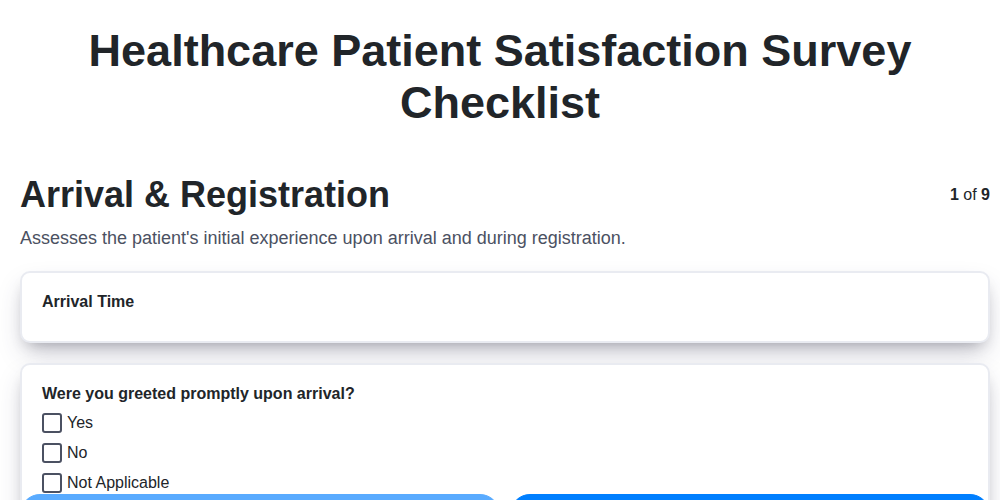
The Ultimate Healthcare Patient Satisfaction Survey Checklist Template
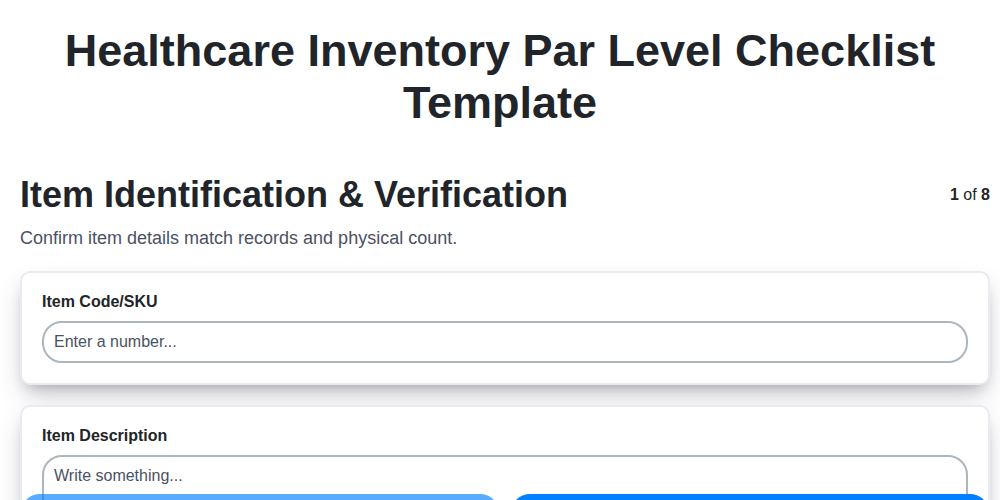
Mastering Healthcare Inventory: Your Par Level Checklist Template
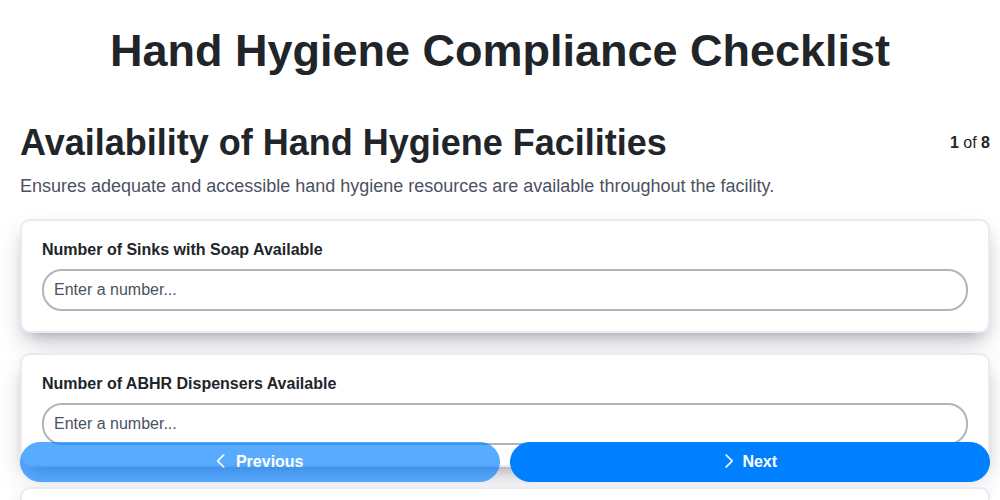
Mastering Hand Hygiene: Your Compliance Checklist Template
Protecting Patients: Your Fire Safety Checklist for Patient Areas
Your Ultimate Healthcare Construction Checklist Template
Mastering Hand Hygiene: Your Compliance Checklist Template
Your Radiology Equipment Maintenance Checklist Template

Your Ultimate Guide to Healthcare Waste Management: A Checklist Template
Need help with
Healthcare?
Have a question? We're here to help. Please submit your inquiry, and we'll respond promptly.