Healthcare Risk Management Checklist: Your Guide to Incident Prevention
Published: 11/28/2025 Updated: 07/02/2026
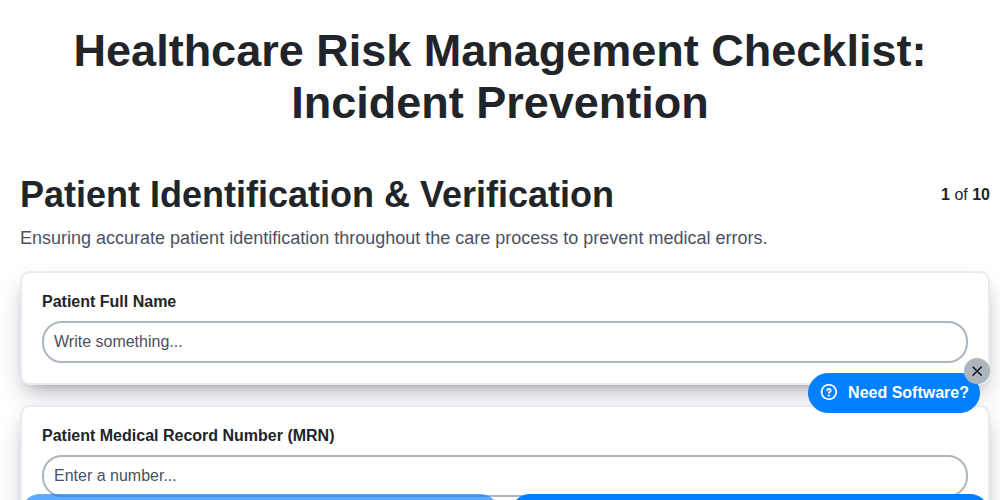
Table of Contents
- Introduction: Why a Risk Management Checklist is Essential
- 1. Patient Identification & Verification: A Foundation of Safety
- 2. Medication Management: Reducing Errors and Ensuring Accuracy
- 3. Infection Control & Prevention: Minimizing Healthcare-Associated Infections
- 4. Equipment Maintenance & Calibration: Ensuring Reliable Function
- 5. Emergency Preparedness: Ready for the Unexpected
- 6. Staff Training & Competency: Building a Skilled Workforce
- 7. Incident Reporting & Analysis: Learning from Mistakes
- 8. Security & Access Control: Protecting Patients and Personnel
- 9. Fall Prevention: Addressing a Common Risk
- 10. Communication & Handoff Procedures: Preventing Misunderstandings
- 11. Checklist Implementation & Review: Maintaining Effectiveness
- Conclusion: Proactive Risk Management for a Safer Healthcare Environment
- Resources & Links
TLDR: Feeling overwhelmed by healthcare risks? This checklist template covers everything from patient ID to emergency prep, helping you proactively prevent incidents, boost safety, and streamline compliance. It's your essential guide to a safer healthcare environment - easily customizable and ready to use!
Introduction: Why a Risk Management Checklist is Essential
Healthcare is inherently complex, demanding meticulous attention to detail and a proactive approach to safety. A single lapse in protocol can lead to adverse patient outcomes, financial repercussions, and reputational damage. That's why a robust risk management program is no longer a nice-to-have, but a must-have for any healthcare facility.
At its core, effective risk management relies on consistent, repeatable processes. This is where a comprehensive checklist becomes invaluable. Think of it as your safety net, a structured tool to guide staff through essential practices and minimize potential incidents before they happen. It's more than just ticking boxes; it's a reminder of critical steps, a facilitator of standardized procedures, and a powerful tool for continuous improvement. Ignoring these proactive measures is simply not an option in today's healthcare landscape.
1. Patient Identification & Verification: A Foundation of Safety
Mistakes happen. But when they involve healthcare, even seemingly minor errors in patient identification can have devastating consequences. A misidentified patient can lead to incorrect medication administration, wrong-site surgery, misdiagnosis, and a cascade of detrimental effects. This is why a robust patient identification and verification process isn't just a 'best practice' - it's a cornerstone of a strong risk management strategy.
Your checklist should emphasize more than just a name and date of birth. Consider these key points:
- Two Patient Identifiers: Always require at least two unique identifiers - beyond just name and date of birth. This might include medical record number, photograph, or other facility-specific identifiers.
- Active Verification: Don't rely solely on wristband information. Actively ask patients to state their name and date of birth, comparing it to their records.
- Point-of-Care Verification: This verification process must occur at every stage of care, from admission to discharge and throughout every procedure.
- Electronic Health Record (EHR) Integration: Utilize EHR features for patient matching and verification where available, but never blindly accept automated matches. Human verification is essential.
- Special Considerations: Patients with similar names or who are visually impaired require extra diligence.
- Documentation: Clearly document the verification process in the patient's record.
Consistent, rigorous adherence to a patient identification and verification checklist significantly reduces the risk of errors and helps create a culture of patient safety.
2. Medication Management: Reducing Errors and Ensuring Accuracy
Medication errors are a significant concern in healthcare, impacting patient safety and potentially leading to serious adverse events. A robust medication management system is crucial for minimizing these risks. This checklist item focuses on proactively preventing medication-related incidents.
Key Areas to Review & Implement:
- Order Verification: Implement a double-check process for all medication orders, especially those with high-risk medications. This should involve independent verification by a pharmacist or qualified healthcare professional.
- Right Patient, Right Drug, Right Dose, Right Route, Right Time: Reinforce the 5 Rights of medication administration with regular training and reminders at the point of care. Utilize technology (e.g., barcode scanning) to support this process.
- High-Alert Medication Management: Establish specific protocols for handling high-alert medications (e.g., insulin, anticoagulants, opioids). This includes secure storage, independent double-checks, and meticulous documentation.
- Reconciling Medications: Conduct thorough medication reconciliation upon admission, transfer, and discharge. Identify and resolve discrepancies between patient's home medications and those prescribed during their hospital stay.
- Patient Education: Educate patients about their medications, including purpose, dosage, potential side effects, and proper administration. Encourage patients to actively participate in their medication management.
- Storage and Handling: Ensure medications are stored properly, protected from damage, and readily accessible. Regularly check expiration dates and dispose of expired medications appropriately.
- Automated Dispensing Cabinets (ADCs): If utilizing ADCs, ensure they are properly stocked, maintained, and access is controlled. Regularly audit ADC usage and reconcile discrepancies.
- Reporting & Analysis: Encourage open reporting of near misses and medication errors. Analyze these reports to identify trends and implement corrective actions.
3. Infection Control & Prevention: Minimizing Healthcare-Associated Infections
Healthcare-associated infections (HAIs) pose a significant threat to patient safety and institutional reputation. A robust infection control program isn't just a best practice; it's a necessity. This section of the risk management checklist focuses on proactive measures to minimize the risk of HAIs.
Checklist Items & Considerations:
- Hand Hygiene Compliance: Regularly assess and monitor staff adherence to hand hygiene protocols. This includes ensuring readily available hand sanitizer stations and providing ongoing education on proper handwashing techniques. Track compliance rates and identify areas for improvement.
- Personal Protective Equipment (PPE) Usage: Verify consistent and correct use of gloves, gowns, masks, and eye protection. Ensure adequate supplies are readily available and staff are trained on proper donning and doffing procedures to avoid self-contamination.
- Environmental Cleaning and Disinfection: Implement and enforce rigorous cleaning and disinfection protocols for patient rooms, equipment, and high-touch surfaces. Use EPA-registered disinfectants and maintain a documented cleaning schedule.
- Sterilization and Disinfection of Medical Devices: Strictly adhere to established protocols for the sterilization and disinfection of reusable medical equipment. Regularly inspect and maintain sterilization equipment.
- Isolation Precautions: Ensure staff accurately implement and adhere to appropriate isolation precautions (e.g., contact, droplet, airborne) for patients with known or suspected infections.
- Antimicrobial Stewardship Program: Implement and actively participate in a program to optimize antibiotic use and prevent antimicrobial resistance.
- Surveillance and Monitoring: Regularly monitor infection rates and trends. Utilize data to identify potential outbreaks and target prevention efforts.
- Ventilation and Air Quality: Ensure adequate ventilation and air filtration systems are in place and functioning properly.
- Linen Management: Follow established protocols for the handling, storage, and laundering of linens.
- Waste Management: Implement a safe and compliant medical waste management system.
Regular audits, staff education, and a commitment to continuous improvement are crucial for maintaining a strong infection control program and safeguarding patient health.
4. Equipment Maintenance & Calibration: Ensuring Reliable Function
Medical equipment failures can have devastating consequences, impacting patient safety and potentially leading to significant legal ramifications. A robust equipment maintenance and calibration program is therefore a cornerstone of any effective healthcare risk management strategy. This isn't just about fixing broken machines; it's about proactively preventing failures and ensuring accuracy.
Here's what your checklist should include:
- Regular Inspections: Implement scheduled inspections for all critical equipment, documented meticulously. Frequency should be dictated by manufacturer recommendations, regulatory requirements, and historical performance data.
- Preventative Maintenance: Adhere strictly to manufacturer-recommended preventative maintenance schedules. This often involves cleaning, lubrication, and replacement of consumable parts.
- Calibration Procedures: Establish and follow precise calibration protocols for equipment requiring it - think scales, monitors, and infusion pumps. Calibration should be performed by qualified personnel and tracked with certificates.
- Maintenance Records: Maintain detailed records of all maintenance and calibration activities, including dates, findings, corrective actions, and technician signatures. Electronic maintenance management systems are increasingly valuable for this purpose.
- User Training: Ensure all staff members are trained on proper equipment operation, basic troubleshooting, and reporting equipment malfunctions.
- Risk Assessment of New Equipment: Before introducing new medical equipment, conduct a risk assessment to identify potential hazards and develop mitigation strategies.
- Recall Management: Establish a system for tracking and responding to medical device recalls promptly.
A well-executed equipment maintenance and calibration program is an investment in patient safety and institutional reputation.
5. Emergency Preparedness: Ready for the Unexpected
Healthcare facilities face a wide range of potential emergencies, from natural disasters and power outages to active shooter situations and medical emergencies within the facility. A robust emergency preparedness plan isn't just a regulatory requirement; it's a critical component of patient and staff safety.
This checklist item goes beyond simply having a plan on paper. It's about actively ensuring its effectiveness through regular drills, assessments, and updates. Here's what needs to be covered:
- Comprehensive Plan Development: Your emergency plan should address various scenarios, outlining specific roles, responsibilities, and procedures. Consider evacuation routes, shelter-in-place protocols, and communication strategies.
- Regular Drills & Exercises: Conducting drills (fire drills, active shooter drills, etc.) allows staff to practice procedures and identify areas for improvement. Frequency should align with regulatory requirements and potential risks. Document these drills, including observations and corrective actions.
- Backup Power & Systems: Ensure generators are properly maintained and tested to provide power during outages. Verify the functionality of backup communication systems (phones, radios).
- Supply Chain Resilience: Maintain adequate stock of essential supplies (medications, oxygen, personal protective equipment) and have contingency plans for resupply in case of disruption.
- Communication Protocols: Establish clear communication channels for staff, patients, and external agencies (emergency services, public health departments). This includes backup communication methods.
- Plan Review & Updates: Emergency plans aren't static. Review and update them at least annually, or more frequently after incidents or significant changes in operations.
6. Staff Training & Competency: Building a Skilled Workforce
A robust risk management program isn't built on policies alone; it thrives on a well-trained and competent staff. Consistent, targeted training is crucial for proactively preventing incidents and responding effectively when they do occur. This goes beyond basic onboarding - it's an ongoing commitment to professional development.
Key Areas for Staff Training & Competency:
- Regular Refresher Courses: Schedule periodic reviews of core skills, protocols, and new procedures. Don't assume knowledge retention; reinforce best practices.
- Role-Specific Training: Tailor training to each staff member's responsibilities. A nurse's training will differ from a maintenance technician's, and both will differ from an administrative staff member's.
- New Technology and Process Training: When new equipment, software, or processes are implemented, provide comprehensive training before they are put into use.
- Competency Assessments: Implement regular competency assessments (written tests, skills demonstrations, direct observation) to validate staff understanding and skills. Document results and address any identified gaps.
- Simulation Exercises: Utilize simulation exercises (e.g., mock codes, patient safety scenarios) to provide hands-on practice in a safe, controlled environment.
- Incident Debriefing and Learning: Incorporate incident debriefings into training, utilizing real-life events as learning opportunities. Focus on system failures, not blame.
- Continuous Improvement: Regularly evaluate training programs and update content based on feedback, incident data, and industry best practices.
Investing in staff training and competency isn't just a compliance requirement; it's an investment in patient safety and overall organizational resilience.
7. Incident Reporting & Analysis: Learning from Mistakes
No healthcare facility wants incidents to happen. But when they do - whether a near miss, adverse event, or actual harm - the crucial response isn't blame, but robust investigation and analysis. A strong incident reporting and analysis system is a cornerstone of proactive risk management.
Why is it vital?
- Identify Root Causes: Simply documenting an incident isn't enough. Thorough investigation digs deeper, uncovering the underlying systemic issues that contributed to the event. This moves beyond surface-level explanations.
- Prevent Recurrence: Addressing root causes prevents similar incidents from happening again. This improves patient safety and reduces potential liability.
- Continuous Improvement: Incident data provides valuable insights into areas needing improvement in processes, training, and equipment.
- Compliance & Accreditation: Accreditation bodies and regulatory agencies mandate incident reporting and analysis as part of quality assurance.
Key Components of a Robust System:
- Easy Reporting: Make reporting simple and accessible. Reduce barriers to reporting - fear of repercussions should be minimized. Utilize a clear, standardized reporting form (paper or electronic).
- Confidentiality & Non-Punitive Approach: Ensure anonymity for reporters whenever possible. Emphasize that reporting is about learning and improving, not assigning blame.
- Standardized Investigation Process: Implement a clear, consistent process for investigating incidents, including identifying individuals involved, collecting data, and analyzing contributing factors.
- Data Analysis & Trending: Regularly analyze reported incidents to identify trends, patterns, and high-risk areas. Statistical analysis can help pinpoint areas for targeted interventions.
- Action Planning & Implementation: Based on the analysis, develop action plans with specific, measurable, achievable, relevant, and time-bound (SMART) goals. Assign responsibility for implementation and follow up on progress.
- Feedback & Communication: Share findings and action plans with staff to promote transparency and engagement. Communicate lessons learned and best practices across the organization.
A culture of open reporting and learning from mistakes is essential for creating a safer healthcare environment.
8. Security & Access Control: Protecting Patients and Personnel
Healthcare facilities are unfortunately attractive targets for theft, vandalism, and even malicious acts. Robust security and access control measures are crucial, not only to safeguard assets but, most importantly, to protect patients and staff. This isn't just about locked doors; it's a multifaceted approach.
Key Considerations:
- Controlled Entry Points: Limit entry points and implement secure access systems like keycards, biometric scanners, or PIN codes. Regularly review and update access privileges.
- Visitor Management: Implement a strict visitor policy with registration, identification checks, and escort requirements. Ensure visitors understand and adhere to facility rules.
- Restricted Areas: Clearly define and secure areas with sensitive information or high-value equipment (e.g., pharmacies, medical records departments, IT server rooms).
- Electronic Security Systems: Utilize surveillance cameras, alarm systems, and intrusion detection to monitor activity and deter unauthorized access. Regularly review camera footage.
- IT Security: Implement strong password policies, firewalls, and data encryption to protect electronic health records (EHRs) and other sensitive data. Regularly update software and conduct vulnerability scans.
- Staff Awareness: Educate staff on security protocols, reporting suspicious activity, and recognizing potential threats. Conduct drills and simulations to reinforce procedures.
- Inventory Control: Implement systems for tracking medications, equipment, and supplies to prevent theft and diversion.
- Regular Audits: Conduct periodic security audits to identify vulnerabilities and ensure compliance with policies and regulations.
A proactive security posture fosters a safer environment for everyone within the healthcare facility and demonstrates a commitment to patient and staff wellbeing.
9. Fall Prevention: Addressing a Common Risk
Falls are a significant and often preventable risk in healthcare settings, leading to patient injury, extended hospital stays, and increased costs. A proactive fall prevention program is crucial for patient safety. Here's a breakdown of essential checklist items to address fall risk:
Risk Assessment & Identification:
- Regular Fall Risk Assessments: Conduct comprehensive fall risk assessments upon admission and regularly thereafter (e.g., daily, weekly, or with significant changes in condition). Utilize a validated risk assessment tool (Morse Fall Scale, Hendrich II Fall Risk Assessment Tool, etc.).
- Patient History Review: Thoroughly review patient history, including previous falls, balance problems, visual impairments, and medications known to increase fall risk (sedatives, diuretics, antihypertensives).
- Environmental Assessment: Identify potential hazards in the patient's room and bathroom (e.g., clutter, inadequate lighting, wet floors).
Interventions & Precautions:
- Assistive Devices: Ensure patients requiring assistive devices (walkers, canes, wheelchairs) have properly fitted equipment and are trained in their safe use.
- Bed/Chair Alarms: Utilize bed and chair alarms for patients at high risk for falls. Ensure staff understands alarm protocols.
- Bathroom Safety: Implement bathroom safety measures such as grab bars, non-slip mats, and raised toilet seats.
- Adequate Lighting: Ensure adequate lighting in patient rooms and hallways, especially at night. Consider nightlights.
- Call Light Accessibility: Ensure call lights are within easy reach and patients are instructed on their use.
- Floor Safety: Regularly inspect floors for wetness or hazards. Implement a quick-response cleaning protocol.
Ongoing Monitoring & Education:
- Patient/Family Education: Educate patients and their families about fall risks and safety precautions.
- Staff Reminders: Regularly remind staff about fall prevention protocols and the importance of vigilant observation.
- Review & Adjust: Regularly review the effectiveness of fall prevention strategies and make adjustments as needed, based on incident data and patient feedback.
10. Communication & Handoff Procedures: Preventing Misunderstandings
Poor communication is a surprisingly common thread in many healthcare incidents. Handoffs, in particular - the transfer of patient care responsibility between shifts, departments, or individuals - are especially vulnerable points. A missed detail, a misinterpreted instruction, or a rushed explanation can have serious consequences.
This checklist item isn't just about having handoffs; it's about ensuring they're effective. We need robust, standardized procedures that minimize ambiguity and maximize clarity.
Here's what's critical:
- Standardized Handoff Tools: Implement structured handoff reports (paper or electronic) that address key information like patient history, current status, medications, pending tasks, and concerns. "Read-back" processes for critical information (medications, orders) should be mandatory.
- Two-Way Communication: Handoffs shouldn't be one-way lectures. Encourage questions, clarifications, and active listening from both the outgoing and incoming care providers.
- SBAR Technique: Utilize the SBAR framework (Situation, Background, Assessment, Recommendation) to structure handoff conversations, ensuring a comprehensive and organized exchange of information.
- Verification & Confirmation: Incoming staff should verbally confirm understanding of all essential information before assuming responsibility.
- Documentation: Ensure all handoff information is accurately documented in the patient's record.
- Technology Integration: Leverage electronic health records (EHRs) to facilitate communication and provide a centralized repository for patient information.
- Regular Audits & Feedback: Periodically review handoff procedures, solicit feedback from staff, and make adjustments as needed.
By prioritizing clear, consistent, and comprehensive communication and handoff procedures, we can significantly reduce the risk of errors and improve patient safety.
11. Checklist Implementation & Review: Maintaining Effectiveness
Creating a comprehensive risk management checklist is just the first step. Its true value lies in consistent implementation and regular review. A checklist gathering dust in a file cabinet does nothing to mitigate risks. Here's how to ensure your checklist remains a powerful tool for patient safety and operational efficiency:
Initial Rollout & Training: Don't just distribute the checklist; train your staff on its purpose, the importance of each item, and how to accurately document completion. Explain why each step is crucial for risk prevention.
Regular Audits: Schedule periodic audits, both announced and unannounced, to observe checklist adherence. This isn't about blame; it's about identifying gaps and reinforcing best practices. Use audit findings to drive targeted training and process improvements.
Feedback Loop: Encourage staff to provide feedback on the checklist itself. Are items unclear? Are any steps missing? Frontline staff often have valuable insights into potential improvements.
Annual Review & Updates: Risk landscapes change. New regulations emerge, technologies evolve, and incidents can reveal previously unforeseen vulnerabilities. Review the entire checklist annually (or more frequently after significant incidents) to ensure it remains current and relevant. This includes reassessing the frequency of tasks (daily, weekly, monthly) based on experience.
Documentation & Trending: Maintain records of checklist completion and audit findings. Analyzing trends can highlight recurring issues or areas requiring additional attention.
Continuous Improvement: View the checklist as a living document, continuously refined based on data, experience, and evolving best practices. By embedding a culture of ongoing evaluation and adjustment, you're maximizing your risk management efforts and fostering a proactive safety environment.
Conclusion: Proactive Risk Management for a Safer Healthcare Environment
The healthcare landscape is inherently complex, demanding unwavering attention to patient safety and risk mitigation. This checklist, encompassing crucial areas from patient identification to emergency preparedness, serves as a vital framework for continuous improvement. Implementing and regularly updating these practices isn't just about ticking boxes; it's about fostering a culture of safety where every team member is empowered to identify and address potential hazards.
Remember, risk management is not a one-time project but an ongoing commitment. Regularly reviewing this checklist, incorporating feedback from staff, and staying abreast of evolving best practices are essential. By embracing a proactive and vigilant approach, healthcare organizations can significantly reduce incidents, improve patient outcomes, and cultivate a safer, more trustworthy environment for everyone. Ultimately, a robust risk management program is an investment in the well-being of patients, staff, and the entire healthcare system.
Resources & Links
- American Hospital Association (AHA): The AHA provides resources, advocacy, and data related to healthcare risk management, patient safety, and quality improvement. Offers publications, best practices, and benchmarking data.
- The Joint Commission: A leading healthcare accreditation organization. Their standards and resources cover risk management, patient safety, and quality measures - a key reference for compliance and improvement.
- Centers for Disease Control and Prevention (CDC): Provides data, guidelines, and resources on infection control, patient safety, and emergency preparedness - critical for infection prevention and managing public health threats.
- Occupational Safety and Health Administration (OSHA): Provides regulations and resources related to workplace safety, including healthcare settings. Relevant for staff safety, equipment maintenance, and incident prevention.
- Agency for Healthcare Research and Quality (AHRQ): AHRQ conducts research and provides resources for improving the quality, safety, and effectiveness of healthcare. Look for their patient safety and healthcare quality improvement resources.
- Healthcare.gov: Provides information and resources related to patient rights and protections, which are important considerations in risk management strategies.
- Centers for Medicare & Medicaid Services (CMS): CMS sets standards and regulations for healthcare providers, including those participating in Medicare and Medicaid programs. Their website offers insights into compliance requirements.
- American Nurses Association (ANA): Provides resources and guidance for nurses, a vital component of healthcare risk management. Focuses on safety, ethics, and professional practice.
- National Society of Healthcare Risk Management & Patient Safety: This professional organization specifically focuses on risk management and patient safety in healthcare, providing resources, education, and networking opportunities.
- ECRI: ECRI (formerly the Eastern Healthcare Network) offers risk management services, consulting, and data analytics to help healthcare organizations identify and mitigate risks, particularly related to medical devices and technology.
- U.S. Department of Health and Human Services (HHS): HHS provides oversight and resources related to healthcare quality, patient safety, and public health. Explore their initiatives and reports.
- World Health Organization (WHO): The WHO provides global leadership on health matters, including patient safety and risk management. Useful for understanding international best practices and emerging risks.
- LexisNexis Healthcare: Provides legal and regulatory resources related to healthcare, including risk management and compliance - useful for understanding legal obligations.
- American Health Information Management Association (AHIMA): Focuses on health information management, which is crucial for accurate record-keeping and incident reporting - essential for risk analysis.
- International Association for the Prevention of Falls (IAFP): Specifically geared to fall prevention resources, strategies, and best practices, covering all aspects of fall risk assessment and intervention.
Frequently Asked Questions
What is Healthcare Risk Management?
Healthcare Risk Management is the process of identifying, assessing, and mitigating risks within a healthcare organization to prevent adverse events and improve patient safety. It encompasses everything from equipment failures and medication errors to cybersecurity breaches and legal compliance.
Why is a risk management checklist important for healthcare facilities?
A checklist provides a structured, consistent approach to identifying and addressing potential risks, ensuring that no crucial areas are overlooked. It promotes proactive prevention rather than reactive response, ultimately contributing to safer patient care and reduced liabilities.
Who should use this checklist?
This checklist is beneficial for a wide range of healthcare professionals including risk managers, administrators, department heads, safety officers, clinical staff, and anyone involved in healthcare delivery.
How often should this checklist be reviewed and updated?
The checklist should be reviewed and updated at least annually, or more frequently if there are changes in regulations, processes, or incident trends. Regularly updating it ensures its relevance and effectiveness.
What types of risks are covered in this checklist?
The checklist covers a broad spectrum of risks including patient safety, infection control, equipment safety, medication management, cybersecurity, regulatory compliance, and facility safety. Specific categories may vary based on the organization's unique profile.
What do I do if I identify a risk during the checklist review?
Document the identified risk, assess its potential impact and likelihood, and develop a mitigation plan with assigned responsibilities and timelines. Prioritize risks based on severity and allocate resources accordingly.
How does this checklist relate to Joint Commission standards or other regulatory requirements?
The checklist is designed to help healthcare organizations meet Joint Commission standards and other regulatory requirements related to risk management. However, it's crucial to consult the specific requirements of each accreditation body.
Can I customize this checklist to fit my specific facility's needs?
Yes, absolutely. This checklist is intended as a template. Feel free to add, remove, or modify items to reflect the unique risks and processes specific to your healthcare facility.
What is the difference between risk assessment and risk mitigation?
Risk assessment is the process of identifying and evaluating potential risks. Risk mitigation is the process of developing and implementing strategies to reduce the likelihood or impact of those risks.
Where can I find more information about healthcare risk management?
Resources include The Joint Commission, the Healthcare Risk Management Association (HRMA), professional risk management journals, and regulatory agency websites.
Comments
There are no comments yet. Be the first to add one!
Healthcare Management Solution Demo
Streamlining healthcare operations and improving patient care? ChecklistGuro's Work OS platform simplifies everything from patient scheduling and billing to compliance and staff management. Enhance efficiency, reduce administrative burden, and focus on what matters most: your patients. Learn how ChecklistGuro can transform your healthcare organization!
Related Articles
The Ultimate Healthcare Patient Satisfaction Survey Checklist Template
Mastering Healthcare Inventory: Your Par Level Checklist Template
Mastering Hand Hygiene: Your Compliance Checklist Template
Protecting Patients: Your Fire Safety Checklist for Patient Areas
Your Ultimate Healthcare Construction Checklist Template
Mastering Hand Hygiene: Your Compliance Checklist Template
Your Radiology Equipment Maintenance Checklist Template

Your Ultimate Guide to Healthcare Waste Management: A Checklist Template
Need help with
Healthcare?
Have a question? We're here to help. Please submit your inquiry, and we'll respond promptly.