Healthcare Vendor Management Checklist: Risk & Compliance - Your Guide to Avoiding Pitfalls
Published: 11/28/2025 Updated: 07/02/2026
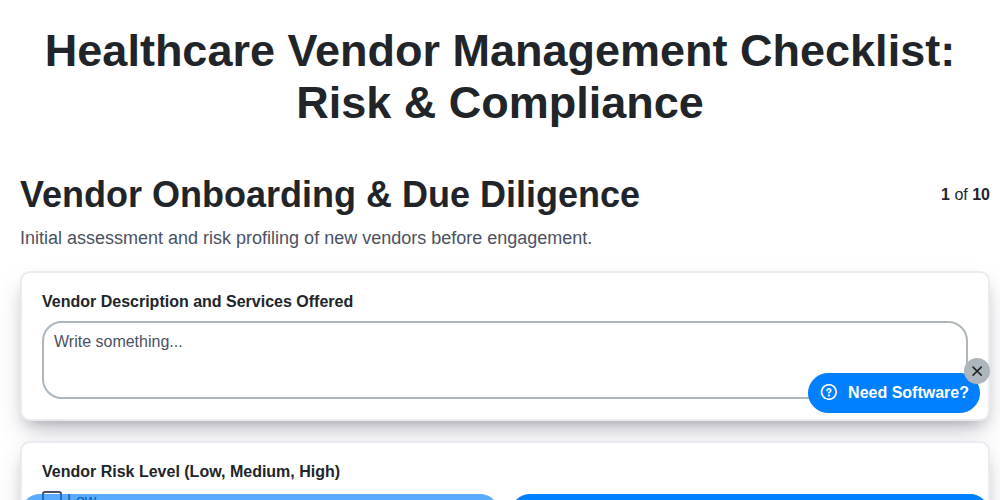
Table of Contents
- Introduction: Why Vendor Management Matters in Healthcare
- 1. Vendor Onboarding & Due Diligence: Setting the Foundation
- 2. Contract Review & Legal Compliance: Ensuring Alignment
- 3. Financial Stability Assessment: Mitigating Business Risk
- 4. Security & Data Protection: A Critical Imperative
- 5. Business Associate Agreement (BAA) Compliance: The Legal Framework
- 6. Performance Monitoring & Reporting: Tracking Success
- 7. Audit & Risk Assessments: Proactive Identification
- 8. Vendor Relationship Management: Building Strong Partnerships
- 9. Offboarding and Data Retrieval: Secure Exit Strategy
- Conclusion: Ongoing Vigilance for Healthcare Vendor Management
- Resources & Links
TLDR: Juggling healthcare vendors? This checklist is your lifeline! It covers everything from initial due diligence and legal reviews to ongoing performance monitoring and offboarding, ensuring you meet compliance requirements (like HIPAA) and minimize risk. Download it to streamline your vendor management process and avoid costly mistakes.
Introduction: Why Vendor Management Matters in Healthcare
Healthcare organizations operate within a complex and highly regulated environment. Increasingly, critical functions, data, and services are outsourced to vendors, ranging from cloud storage providers to specialized software developers. While vendor partnerships offer benefits like cost savings and access to expertise, they also introduce significant risk. A robust vendor management program isn't just a best practice; it's a necessity for maintaining patient safety, safeguarding sensitive data, and ensuring regulatory compliance. Failing to properly vet and manage vendors can lead to data breaches, HIPAA violations, service disruptions, and ultimately, damage to your organization's reputation and financial stability. This checklist provides a framework to proactively address these risks and build a resilient vendor management strategy.
1. Vendor Onboarding & Due Diligence: Setting the Foundation
The journey of effective vendor management begins long before a service is rendered or data is exchanged. Thorough vendor onboarding and due diligence are crucial for establishing a solid foundation, mitigating risk, and ensuring compliance. This initial phase isn't just about paperwork; it's about understanding the vendor's capabilities, processes, and potential vulnerabilities.
Here's what this critical stage should encompass:
- Needs Assessment & Vendor Identification: Clearly define your organization's requirements and identify potential vendors that can fulfill them. Go beyond simply searching; analyze if the vendor's core competencies align with your needs.
- Preliminary Screening: Conduct initial background checks, reviews of online reputation, and industry recognition. Look for red flags early on.
- Risk Categorization: Categorize vendors based on the level of risk they pose, considering factors like data sensitivity, criticality of services, and regulatory exposure. Higher-risk vendors require more intensive due diligence.
- Questionnaires & Self-Assessments: Implement detailed questionnaires to gauge the vendor's security posture, compliance practices, and overall operational capabilities.
- Reference Checks: Contact the vendor's references to verify their claims and assess their performance with other clients.
- Site Visits (When Applicable): For high-risk vendors, consider on-site visits to assess their physical security measures and operational environment.
- Documentation Review: Gather and review key vendor documentation, including security policies, certifications (e.g., SOC 2, ISO 27001), and disaster recovery plans.
A robust onboarding process establishes transparency, lays the groundwork for ongoing monitoring, and ultimately contributes to a strong and secure vendor relationship.
2. Contract Review & Legal Compliance: Ensuring Alignment
The vendor contract isn't just a document; it's the foundation of a compliant and mutually beneficial relationship. A rushed or superficial contract review can leave your organization vulnerable to legal and regulatory risks. This phase goes beyond simply signing a document; it's about meticulous alignment between your needs, the vendor's capabilities, and applicable laws.
Here's what a robust contract review & legal compliance process involves:
- Scope of Services Clarity: Ensure a crystal-clear definition of the services the vendor will provide, deliverables, and expected outcomes. Ambiguity breeds disputes.
- Regulatory Alignment: Verify the contract explicitly addresses relevant regulations like HIPAA, GDPR, CCPA (depending on data handled), and any industry-specific mandates. This goes beyond just mentioning them - it's about demonstrating how the vendor will ensure compliance.
- Liability and Indemnification: Thoroughly examine clauses related to liability, indemnification, and insurance. Define clear responsibilities in case of breaches or incidents.
- Data Ownership & Usage Rights: Detail ownership of data generated, processed, or stored by the vendor. Restrict usage rights to explicitly defined purposes.
- Termination Clauses: Clearly define conditions for termination, including penalties and procedures for both parties. This provides crucial flexibility and protection.
- Subcontractor Management: If the vendor uses subcontractors, the contract must outline their accountability and compliance obligations.
- Legal Review: Crucially, engage your legal counsel for a comprehensive review to identify potential risks and ensure contractual integrity. Don't skip this step!
A well-vetted contract isn't just a legal shield; it's a framework for a successful and responsible vendor partnership.
3. Financial Stability Assessment: Mitigating Business Risk
Relying on a vendor experiencing financial distress can cripple your organization. A vendor's insolvency can disrupt services, compromise data, and potentially expose your healthcare practice to legal and regulatory repercussions. A thorough financial stability assessment isn't just good practice; it's a crucial risk mitigation strategy.
Here't what to consider:
- Review Financial Statements: Request and analyze audited financial statements (balance sheets, income statements, cash flow statements) for the past 3-5 years. Look for trends indicating instability, such as declining revenue, increasing debt, or losses.
- Credit Ratings: Check the vendor's credit rating from reputable agencies (e.g., Standard & Poor's, Moody's, Fitch). Lower ratings signify higher risk.
- Debt Levels: Evaluate the vendor's debt-to-equity ratio. A high ratio indicates excessive borrowing and potential difficulty in meeting obligations.
- Key Performance Indicators (KPIs): Inquire about and review the vendor's key financial KPIs. These should align with their stated business model and reveal performance trends.
- Ownership and Funding: Understand the vendor's ownership structure and funding sources. A vendor heavily reliant on a single investor presents a higher risk.
- Contingency Planning: Inquire about the vendor's own business continuity and disaster recovery plans, specifically how they would handle a financial downturn.
- Regular Monitoring: Financial stability isn't a one-time assessment. Establish a process for ongoing monitoring of the vendor's financial health.
Ignoring this step can leave your organization vulnerable - proactively assess and continuously monitor your vendor's financial health to ensure operational resilience.
4. Security & Data Protection: A Critical Imperative
In healthcare, data is more than just information - it's a lifeline. Protecting patient data isn't just a legal obligation; it's a fundamental ethical responsibility. Your vendors handle sensitive data, making robust security & data protection practices absolutely critical to your overall risk posture. This checklist item delves beyond basic compliance; it demands a proactive approach.
Here's what to scrutinize during vendor assessment:
- Security Certifications & Frameworks: Does the vendor possess recognized certifications like HITRUST, SOC 2, ISO 27001, or HIPAA Security Rule expertise? While not a guaranteed solution, these demonstrate a commitment to security best practices.
- Data Encryption: Verify data is encrypted both in transit and at rest. Understand the encryption methods used and key management procedures.
- Access Controls & Identity Management: How does the vendor control access to data? Review their user access management policies, multi-factor authentication protocols, and least privilege principles.
- Vulnerability Management: What processes are in place to identify, assess, and remediate vulnerabilities? Request vulnerability scan reports and penetration testing results.
- Incident Response Plan: A robust incident response plan is essential. Assess their ability to detect, contain, and recover from data breaches. Request a copy and understand their notification procedures.
- Physical Security: Especially important for vendors handling physical media or operating data centers, ensure adequate physical security measures are in place.
- Data Residency & Location: Be aware of where data is stored and processed, considering legal and regulatory implications.
- Employee Training: Confirm employees receive regular security awareness training and are held accountable for adherence to security policies.
Don't just accept assurances; demand concrete evidence and ongoing validation of their security posture.
5. Business Associate Agreement (BAA) Compliance: The Legal Framework
The Health Insurance Portability and Accountability Act (HIPAA) mandates specific protections for Protected Health Information (PHI). When healthcare organizations share PHI with vendors, those vendors become Business Associates (BAs) and are legally obligated to uphold HIPAA standards. This is where the Business Associate Agreement (BAA) becomes crucial.
A BAA is a contract outlining the vendor's responsibilities regarding PHI. It's not just a formality; it's a legal requirement. Key components of a robust BAA include:
- Permitted Uses and Disclosures: Clearly defining what the vendor is allowed to do with the PHI and when.
- Security Safeguards: Specifying the security measures the vendor must implement to protect PHI, aligning with HIPAA Security Rule requirements.
- Reporting Obligations: Outlining the vendor's responsibility to promptly report any data breaches or security incidents to the healthcare organization.
- Subcontractor Agreements: Ensuring that any subcontractors the vendor uses also agree to abide by the BAA's stipulations.
- HIPAA Training: Confirming the vendor provides HIPAA training to its employees who will be handling PHI.
- Termination Provisions: Defining the process for termination of the agreement and return/destruction of PHI upon termination.
Going Beyond the Basics: Don't just use a generic BAA template. Tailor it to the specific services your vendor provides and the level of access they have to PHI. Regularly review and update BAAs to reflect changes in regulations and the vendor's evolving responsibilities. Failure to maintain compliant BAAs can result in significant financial penalties and reputational damage.
6. Performance Monitoring & Reporting: Tracking Success
Vendor performance isn't a "set it and forget it" endeavor. Consistent monitoring and reporting are crucial for ensuring your vendors continue to meet agreed-upon service levels and align with your evolving needs. This section moves beyond initial onboarding and delves into the ongoing measurement of their effectiveness.
What to Track: Define key performance indicators (KPIs) before the contract begins. These should be quantifiable, relevant to the services provided, and tied directly to the vendor's contractual obligations. Examples include:
- Service Level Agreement (SLA) Adherence: Track uptime, response times, resolution rates, and other metrics outlined in the SLA.
- Data Accuracy & Completeness: Especially vital for data-driven vendors, monitor the accuracy and completeness of delivered data.
- User Satisfaction: Employ surveys or feedback mechanisms to gauge satisfaction among internal teams using the vendor's services.
- Project Milestones & Timelines: For project-based services, track adherence to agreed-upon milestones and deadlines.
- Compliance with Regulatory Requirements: Ensure the vendor's performance directly supports your organization's compliance obligations.
Reporting & Review: Establish a regular reporting cadence (e.g., monthly, quarterly) with the vendor. This should include:
- Data-Driven Reports: Provide clear, concise reports outlining performance against KPIs.
- Exception Reporting: Highlight any breaches of SLAs or significant deviations from expected performance.
- Collaborative Review Meetings: Schedule regular meetings with the vendor to discuss performance, identify areas for improvement, and proactively address potential issues.
Escalation Procedures: Outline clear escalation procedures for handling performance failures. These should specify timelines and responsible parties. Document everything - performance data, review meeting notes, and any corrective actions taken. This detailed record provides valuable insights for future vendor evaluations and negotiations.
7. Audit & Risk Assessments: Proactive Identification
Audits and risk assessments are not a nice to have - they've moved to a must-have in modern healthcare vendor management. They represent a crucial shift from reactive problem-solving to proactive risk mitigation. Regularly scheduled audits, both internal and potentially through third-party specialists, provide an objective view of your vendors' compliance with contractual obligations, industry regulations (HIPAA, PCI DSS, etc.), and your internal security policies.
These assessments shouldn't be limited to initial onboarding. A robust program includes:
- Periodic Audits: Conduct audits at least annually, or more frequently depending on the vendor's risk profile and criticality.
- Risk-Based Approach: Prioritize vendors based on their potential impact to patient data, financial stability, and operational continuity. Higher-risk vendors demand more frequent and in-depth assessments.
- Assessment Scope: Cover areas like data security practices, incident response plans, business continuity measures, and compliance certifications.
- Documentation & Remediation: Meticulously document audit findings, outlining specific deficiencies. Establish clear remediation plans with timelines and track progress. Don't simply identify issues - resolve them.
- Independent Verification: Consider utilizing third-party audit firms for unbiased evaluations, particularly for vendors handling sensitive data.
- Vulnerability Scanning: Regularly perform vulnerability scans of vendor systems and applications (with their consent, of course!) to identify potential security weaknesses.
By embedding audit and risk assessments into your ongoing vendor management process, you move beyond simple compliance and build a culture of continuous improvement, ultimately strengthening your organization's overall security posture.
8. Vendor Relationship Management: Building Strong Partnerships
Vendor Relationship Management (VRM) isn't just about ensuring compliance; it's about building a strong, mutually beneficial partnership. A reactive approach to vendor interactions can lead to misunderstandings, missed opportunities, and ultimately, increased risk. Proactive VRM fosters collaboration and creates a smoother, more efficient process for everyone involved.
Here's how to nurture positive vendor relationships:
- Regular Communication: Don't wait for issues to arise. Schedule regular check-in calls or meetings to discuss performance, address concerns, and share updates.
- Designated Points of Contact: Assign clear points of contact on both sides to streamline communication and accountability.
- Feedback Mechanisms: Implement systems for providing and receiving feedback, both formal and informal. This allows for continuous improvement and helps vendors understand your expectations.
- Value-Added Collaboration: Explore opportunities for collaborative innovation and problem-solving. A vendor who feels valued is more likely to go the extra mile.
- Conflict Resolution: Establish a clear process for resolving disagreements fairly and efficiently. Addressing issues promptly prevents escalation.
- Relationship Building: Encourage relationship building between team members on both sides, beyond just the assigned points of contact. This fosters trust and mutual respect.
By prioritizing strong vendor relationships, you're not only mitigating risk but also maximizing the value your vendors bring to your healthcare organization.
9. Offboarding and Data Retrieval: Secure Exit Strategy
Vendor relationships, like all partnerships, eventually come to an end. A well-defined offboarding process is just as crucial as onboarding to mitigate risk and ensure business continuity. This isn't just about cutting off access; it's about a controlled and secure exit strategy.
Key Steps for a Robust Vendor Offboarding Process:
- Formal Notification & Transition Planning: Initiate the offboarding process with formal written notification to the vendor, outlining the termination date and transition requirements. Collaborate to create a detailed transition plan, assigning responsibilities and timelines for data transfer and service cessation.
- Access Revocation & System Lockdown: Immediately revoke all vendor access to your systems, applications, and data. This includes removing user accounts, API keys, and any other credentials. Implement a last access audit trail to confirm complete access removal.
- Data Retrieval & Secure Transfer: This is paramount. Outline specific data retrieval requirements in the contract, specifying formats, timelines, and secure transfer methods (e.g., encrypted drives, secure file transfer protocol - SFTP). Verify the integrity and completeness of retrieved data.
- Data Destruction & Certification: Require the vendor to permanently delete or securely destroy all your data in their possession. Obtain written certification from the vendor confirming the destruction process and ensuring compliance with your data retention policies.
- Return of Assets: Ensure all physical and digital assets (devices, software licenses, documentation) are returned to your organization.
- Contract Closure & Final Reconciliation: Officially close out the vendor contract, resolving any outstanding financial obligations and documenting the entire offboarding process.
- Documentation and Record Keeping: Meticulously document the entire offboarding process, including dates, actions taken, certifications received, and any issues encountered. Retain these records for the duration specified by regulatory requirements.
A poorly executed offboarding process can leave your organization vulnerable to data breaches, compliance violations, and legal liabilities. A proactive and structured approach guarantees a secure exit and protects your sensitive information.
Conclusion: Ongoing Vigilance for Healthcare Vendor Management
Healthcare vendor management isn't a set it and forget it process. The dynamic regulatory landscape, evolving cyber threats, and the inherent complexities of healthcare delivery demand continuous vigilance. This checklist provides a robust framework, but it's a living document, requiring regular review and updates. Staying proactive - revisiting assessments, refreshing BAAs, and fostering strong vendor relationships - is paramount to mitigating risk, ensuring compliance, and safeguarding patient data. Embrace a culture of ongoing assessment and improvement, and your organization will be well-positioned to navigate the challenges of healthcare vendor management successfully.
Resources & Links
- U.S. Department of Health and Human Services - HIPAA: The official HHS website for HIPAA information, regulations, and guidance. Essential for understanding legal requirements related to patient data and vendor obligations.
- National Institute of Standards and Technology (NIST): Provides cybersecurity frameworks and standards, including the Cybersecurity Framework, which is crucial for assessing vendor security posture and risk management.
- HITRacks: Offers vendor risk management software and resources tailored for the healthcare industry. Provides templates, assessments, and best practices for vendor due diligence.
- American Health Information Management Association (AHIMA): Provides resources, training, and standards related to health information management, including vendor management considerations and data security.
- Information Security Continuous Monitoring (ISCM): Vendor Risk Management Solutions. Provides risk scoring and ongoing monitoring of vendor security posture.
- Healthcare Information and Management Systems Society (HIMSS): A global advisor, HIMSS offers resources, events, and expertise related to healthcare IT, including vendor management and cybersecurity.
- Government Publishing Office (GPO): Provides access to federal laws, regulations, and guidance documents, including those relevant to healthcare vendor management.
- U.S. Small Business Administration (SBA): Offers resources and guidance for assessing the financial stability of smaller vendors, particularly useful if working with startups or niche providers. Relevant for Section 3. Financial Stability Assessment.
- ISACA (Information Systems Audit and Control Association): Provides resources and certifications related to IT governance, risk management, and compliance, useful for establishing robust audit and risk assessment processes. Relevant for Section 1, 7 & 8.
- LexisNexis: Provides legal research tools and resources to support contract review and legal compliance - essential for Section 2. Can help with understanding specific contract clauses and legal precedents.
- Dun & Bradstreet (D&B): Offers business credit reports and financial information, which can be a valuable tool for assessing vendor financial stability - directly supports Section 4.
- Cybersecurity and Infrastructure Security Agency (CISA): Provides resources and alerts regarding cybersecurity threats and best practices, critical for maintaining ongoing vigilance - relates to all sections, especially 4, 5, and Conclusion.
- ComplianceGRID: Offers a variety of resources related to HIPAA compliance and vendor management, and vendor risk assessments - a useful place to understand legal requirements and vendor requirements.
Frequently Asked Questions
What is Healthcare Vendor Management and why is it important?
Healthcare Vendor Management (HVM) is the process of identifying, assessing, contracting with, monitoring, and managing third-party vendors who provide services or access to sensitive data. It's crucial because vendors often handle Protected Health Information (PHI), making robust management essential to maintain compliance with regulations like HIPAA, avoid data breaches, and mitigate financial and reputational risks.
Why should I use a checklist for vendor management?
A checklist provides a structured and consistent approach to vendor management. It ensures that all necessary steps are taken, reduces the risk of overlooking critical details, and helps standardize the process across your organization, improving efficiency and compliance.
What are the key risks associated with healthcare vendor management?
Key risks include data breaches, non-compliance with HIPAA and other regulations, service disruptions, inadequate security controls, financial instability of the vendor, and reputational damage. Failure to adequately assess and manage these risks can lead to significant penalties and business interruptions.
What regulations impact healthcare vendor management?
The primary regulation is HIPAA (Health Insurance Portability and Accountability Act), specifically the HIPAA Business Associate Agreement (BAA). Other relevant regulations may include state-specific data breach notification laws, PCI DSS (if handling payment card information), and GDPR (if dealing with data of EU citizens).
What should be included in a Business Associate Agreement (BAA)?
A BAA outlines the vendor's responsibilities for protecting PHI. It should include details on permitted uses and disclosures of PHI, security safeguards, breach notification procedures, termination provisions, and compliance with HIPAA's Privacy and Security Rules.
What are the essential steps in the vendor risk assessment process?
Risk assessment includes identifying potential risks, analyzing the likelihood and impact of those risks, and developing mitigation strategies. It involves reviewing the vendor's security policies, performing due diligence, verifying certifications (e.g., SOC 2), and assessing their data security practices.
How often should vendor risk assessments be performed?
Risk assessments should be performed at least annually, and more frequently for high-risk vendors or those experiencing significant changes (e.g., a data breach, change in security controls). Ongoing monitoring is also crucial between formal assessments.
What is continuous vendor monitoring and why is it important?
Continuous vendor monitoring involves ongoing assessment of a vendor's compliance and security posture, often using automated tools and regular reporting. It helps identify emerging risks and ensure continued adherence to agreed-upon standards.
What documentation is essential for healthcare vendor management?
Essential documentation includes vendor contracts (including BAAs), risk assessment reports, vendor questionnaires, security policies, audit reports, incident response plans, and vendor performance reviews. This documentation demonstrates due diligence and compliance efforts.
How do I handle a vendor data breach?
Immediately implement your incident response plan. Notify affected individuals and regulatory bodies as required by HIPAA and relevant laws. Conduct a thorough investigation to determine the cause and scope of the breach and implement corrective actions. Communicate transparently with stakeholders.
Comments
There are no comments yet. Be the first to add one!
Healthcare Management Solution Demo
Streamlining healthcare operations and improving patient care? ChecklistGuro's Work OS platform simplifies everything from patient scheduling and billing to compliance and staff management. Enhance efficiency, reduce administrative burden, and focus on what matters most: your patients. Learn how ChecklistGuro can transform your healthcare organization!
Related Articles
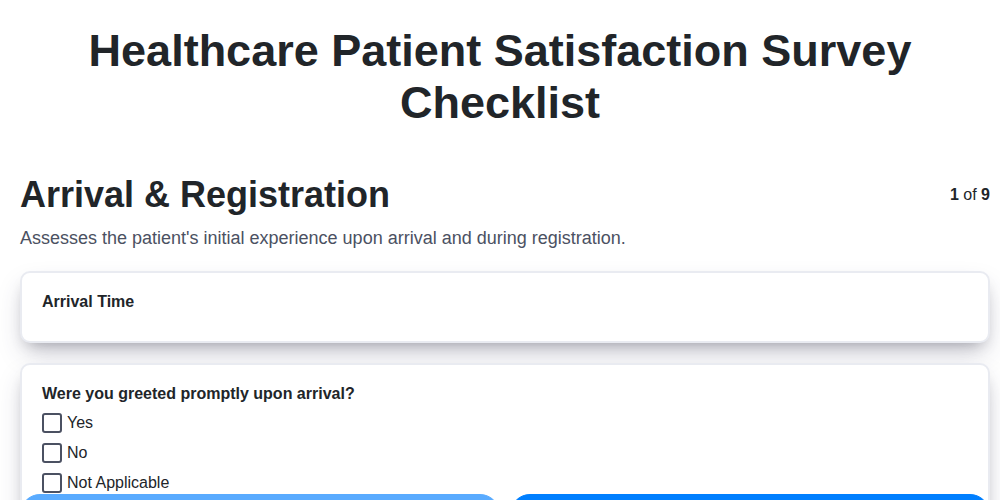
The Ultimate Healthcare Patient Satisfaction Survey Checklist Template
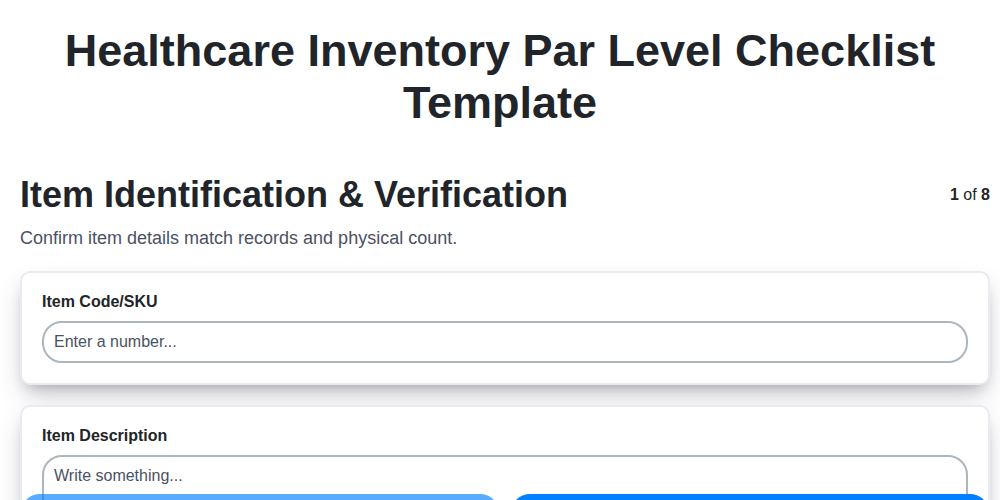
Mastering Healthcare Inventory: Your Par Level Checklist Template
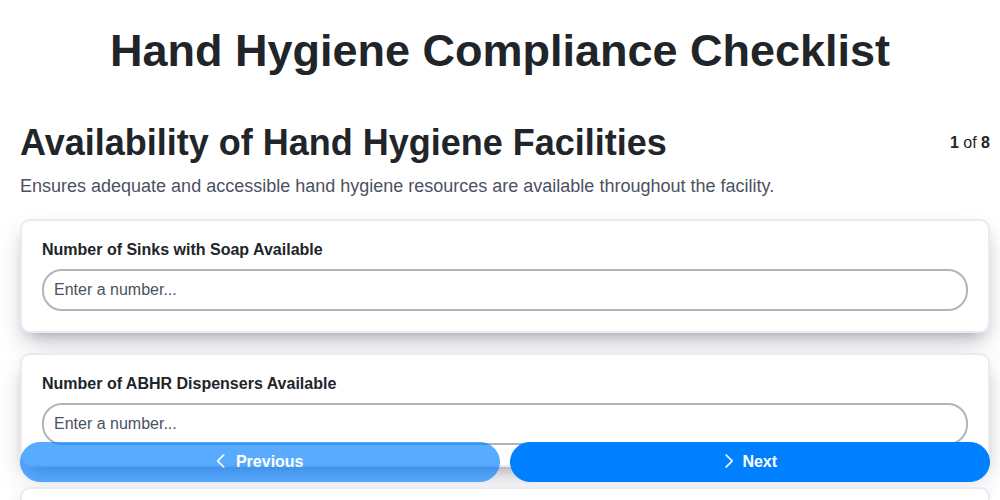
Mastering Hand Hygiene: Your Compliance Checklist Template
Protecting Patients: Your Fire Safety Checklist for Patient Areas
Your Ultimate Healthcare Construction Checklist Template
Mastering Hand Hygiene: Your Compliance Checklist Template
Your Radiology Equipment Maintenance Checklist Template

Your Ultimate Guide to Healthcare Waste Management: A Checklist Template
Need help with
Healthcare?
Have a question? We're here to help. Please submit your inquiry, and we'll respond promptly.