How to improve your Healthcare Management
Published: 11/28/2025 Updated: 07/02/2026
Table of Contents
- The Challenges of Healthcare Management Today
- Why Streamlined Processes Are Crucial
- Introducing ChecklistGuro for Healthcare Management
- Key Healthcare Management Checklists You Need
- Patient Onboarding: A Smooth First Impression
- Compliance and Regulatory Adherence: Staying on the Right Side of the Law
- Staff Training and Development: Building a Skilled Team
- Inventory Management: Optimizing Resources
- Emergency Preparedness: Being Ready for Anything
- How to Customize Checklists for Your Specific Needs
- Measuring the Impact: Tracking Your Progress
- Resources & Links
TLDR: Overwhelmed by healthcare management? Our checklist templates streamline vital processes like patient onboarding, compliance checks, and staff training. Easily customize and implement these templates to boost efficiency, reduce errors, and ensure regulatory adherence - all directly within ChecklistGuro. Stop managing chaos and start managing with clarity!
The Challenges of Healthcare Management Today
The healthcare landscape is constantly evolving, presenting a unique and complex set of challenges for business owners and managers. It's no longer simply about providing excellent patient care; it's about navigating a complex web of regulations, managing escalating costs, and adapting to rapidly changing technology.
Many face difficulties in maintaining compliance with regulations like HIPAA, constantly updating protocols to reflect the latest guidelines, and ensuring data security in an increasingly digital world. Patient satisfaction, while paramount, is often intertwined with administrative efficiency - long wait times, confusing paperwork, and communication breakdowns can all negatively impact the patient experience.
Furthermore, staffing shortages and high turnover rates place a significant strain on existing teams, often leading to burnout and increased operational inefficiencies. The pressure to optimize resource allocation, control costs without sacrificing quality of care, and accurately track key performance indicators (KPIs) adds another layer of complexity. Finally, integration of new technologies, while promising, can be disruptive and require significant investment in training and infrastructure. Failing to address these challenges proactively can lead to increased costs, legal liabilities, and ultimately, a decline in the quality of care provided.
Why Streamlined Processes Are Crucial
In healthcare, margins are tight, patient safety is paramount, and compliance is non-negotiable. Disorganized processes aren't just inconvenient; they're costly. Think about the time wasted searching for lost paperwork, the potential for medication errors due to rushed procedures, or the risk of failing a compliance audit because documentation is incomplete.
Inefficiencies breed frustration for both staff and patients. Burnout among healthcare professionals is a serious issue, and streamlined workflows can significantly alleviate stress by reducing repetitive tasks and clarifying responsibilities. Happy, well-supported staff provide better patient care, fostering a more positive and productive environment.
Moreover, efficient processes directly impact your bottom line. Reducing errors minimizes costly rework and potential legal issues. Optimizing workflows frees up valuable time for your team to focus on higher-value activities, contributing to revenue growth and improved overall performance. Ultimately, a well-oiled machine translates to better patient outcomes and a stronger, more resilient healthcare practice.
Introducing ChecklistGuro for Healthcare Management
At ChecklistGuro, we understand the unique challenges healthcare organizations face. Juggling patient care, regulatory compliance, staff training, and operational efficiency can feel like an impossible task. That's why we've developed a powerful BPM platform specifically designed to simplify and optimize your healthcare management processes.
Our platform isn't just about creating checklists; it's about building workflows. You can easily design, automate, and track processes from initial patient intake to post-discharge follow-up. Forget scattered documents and manual tracking - ChecklistGuro centralizes everything in one accessible, secure location.
Think of it as your digital command center for healthcare operations. We provide pre-built, customizable healthcare checklist templates to get you started, but the real power lies in your ability to tailor them to your specific needs and workflows. Whether you're managing a small clinic or a large hospital system, ChecklistGuro offers the flexibility and scalability you need to succeed. We're more than a checklist tool; we're your partner in streamlining healthcare delivery.
Key Healthcare Management Checklists You Need
Here's a breakdown of essential healthcare management checklists, categorized by function, to help you pinpoint what's most relevant to your practice:
Patient Onboarding & Admission: This is the first impression, and it sets the tone for the entire patient journey. A robust checklist ensures you collect all necessary information accurately and efficiently, including demographic details, insurance verification, consent forms, and medical history. It also minimizes the risk of errors and ensures a positive experience from the start.
Compliance & Regulatory Checks: Healthcare is heavily regulated. Use checklists to track and manage adherence to HIPAA, OSHA, and other relevant guidelines. This includes equipment maintenance, incident reporting, and data security protocols. Regular checklist reviews provide a clear audit trail and demonstrate your commitment to compliance.
Clinical Procedure Checklists: Standardize clinical workflows with procedure-specific checklists. This ensures consistency in care, reduces the chance of human error, and promotes patient safety. Examples include checklists for medication administration, surgical procedures, and post-operative care.
Staff Training & Competency: Maintaining a skilled and knowledgeable staff is crucial. Use checklists to track employee training, certifications, and performance evaluations. Ensure all staff members are up-to-date on safety protocols, emergency procedures, and clinical best practices.
Emergency Preparedness: Be ready for anything. Develop checklists for responding to medical emergencies, natural disasters, and other unforeseen events. Regular drills and reviews ensure your team is equipped to handle critical situations effectively.
Inventory Management: Avoid shortages and waste. Implement inventory checklists to track supplies, medications, and equipment. Optimize ordering processes and minimize costs.
Quality Assurance: Continuously improve your services. Create checklists for patient satisfaction surveys, feedback analysis, and performance reviews. Identify areas for improvement and implement corrective actions.
Patient Onboarding: A Smooth First Impression
A positive first impression is crucial in healthcare. Patient onboarding isn't just about paperwork; it's about setting the tone for the entire patient experience. A disorganized or confusing onboarding process can lead to frustration, anxiety, and even patient attrition.
Our patient onboarding checklist tackles this head-on. It guides you through every step, from initial contact and registration to consent forms and insurance verification. Key elements include:
- Confirmation & Welcome: Automated welcome emails and phone calls to confirm appointments and provide essential information.
- Digital Forms: Streamline the paperwork process with readily accessible and easily completed digital forms, minimizing errors and maximizing efficiency.
- Insurance Verification: Automate insurance checks to reduce billing discrepancies and speed up the claims process.
- Consent Management: Ensure all necessary consents are obtained and properly documented.
- Patient Education: Provide patients with crucial information about their condition, treatment plan, and follow-up care.
By using this checklist, you can transform a potentially stressful experience into a welcoming and informative one, fostering trust and building lasting patient relationships. And the best part? ChecklistGuro lets you customize this checklist to fit your specific onboarding workflows and preferences.
Compliance and Regulatory Adherence: Staying on the Right Side of the Law
The healthcare industry operates under a complex and ever-evolving web of regulations. HIPAA, OSHA, Joint Commission standards - the list goes on. Non-compliance isn't just a matter of fines; it can severely damage your reputation and patient trust. Managing these requirements manually is a recipe for errors and omissions.
ChecklistGuro's healthcare management templates provide a structured approach to compliance. We've incorporated checklists to cover essential areas like:
- HIPAA Compliance: Patient privacy and security are paramount. Our templates help you track consent forms, data breach protocols, and security risk assessments.
- OSHA Safety Standards: Maintain a safe working environment for your staff and protect your patients with checklists for infection control, equipment maintenance, and emergency preparedness.
- Accreditation Readiness: Preparing for Joint Commission or other accreditation surveys? Our templates help you demonstrate adherence to standards across all departments.
- Incident Reporting & Management: Ensure prompt and accurate reporting of adverse events and near misses, a crucial aspect of quality improvement and risk mitigation.
- Document Retention Policies: Keep track of critical records and ensure compliance with retention schedules.
Using checklists promotes consistency and provides a clear audit trail, demonstrating due diligence when faced with regulatory scrutiny. The ability to assign responsibilities, set deadlines, and track completion provides a proactive approach to compliance, preventing issues before they arise.
Staff Training and Development: Building a Skilled Team
A well-trained staff is the backbone of any successful healthcare practice. Consistent and documented training isn't just about compliance; it's about ensuring quality patient care and fostering a positive work environment. This section focuses on optimizing your staff training programs.
Using checklists for staff training allows for a structured, repeatable process. Think about onboarding new hires, annual competency checks for nurses, or mandatory HIPAA training for all personnel. Our templates can cover everything from basic infection control procedures to complex equipment operation.
Here's how checklists can revolutionize your staff development:
- Standardized Curriculum: Ensure all staff receive the same essential information, reducing variability and potential errors.
- Track Progress: Easily monitor individual and team progress through training modules. Identify gaps and areas requiring additional support.
- Documentation & Compliance: Create a clear audit trail of completed training, crucial for regulatory compliance and demonstrating due diligence.
- Continuous Improvement: Regularly review training checklists based on feedback and updated protocols, ensuring relevance and effectiveness.
Our templates can be customized to reflect your specific training requirements, incorporating detailed steps, assessments, and sign-off procedures. This fosters a culture of continuous learning and empowers your team to provide the best possible care. Remember to update your checklists regularly to reflect changes in regulations, best practices, and organizational policies.
Inventory Management: Optimizing Resources
Managing healthcare resources - from medical supplies to pharmaceuticals - is a delicate balancing act. Too much, and you're tying up valuable capital. Too little, and you risk patient care disruptions and potentially life-threatening situations. Effective inventory management is crucial, and it goes far beyond simply counting items.
Here's how streamlined inventory management, powered by checklists, can benefit your healthcare facility:
- Reduce Waste & Spoilage: Checklists for expiry date tracking and regular stock rotation ensure that medications and supplies are used before they expire, minimizing financial losses and preventing the use of outdated products.
- Prevent Stockouts: Consistent monitoring and reorder point checklists help you anticipate demand and maintain adequate stock levels, avoiding frustrating delays for staff and potential harm to patients.
- Improve Accuracy & Reduce Errors: Manual inventory tracking is prone to human error. Checklists ensure consistent and accurate record-keeping, minimizing discrepancies and improving data reliability.
- Optimize Purchasing Decisions: Data collected through inventory checklists provides valuable insights into usage patterns and demand trends, allowing you to make informed purchasing decisions and negotiate better pricing.
- Simplify Audits & Compliance: Well-maintained inventory checklists provide a clear audit trail, simplifying regulatory inspections and demonstrating adherence to industry standards.
Implementing inventory management checklists within a platform like ChecklistGuro allows for real-time visibility, automated alerts for low stock, and integrated reporting, transforming your inventory management from a reactive task into a proactive, data-driven process.
Emergency Preparedness: Being Ready for Anything
Healthcare facilities face a constant barrage of potential emergencies - natural disasters, power outages, active shooter situations, and more. Having a robust emergency preparedness plan isn't just a best practice; it's a legal and ethical obligation. Reactive measures are rarely effective; proactive planning and regular drills are crucial.
Checklists are invaluable in this area. Imagine needing to evacuate a building - a checklist ensures you cover all critical steps: activating alarms, accounting for patients and staff, securing medical equipment, and notifying emergency services. Similarly, checklists can guide recovery efforts post-disaster, ensuring essential functions are restored swiftly and safely.
Our emergency preparedness checklists cover essential areas like:
- Disaster Response Plans: Detailed procedures for various scenarios.
- Communication Protocols: Ensuring clear and rapid communication internally and externally.
- Evacuation Procedures: Step-by-step guides for patient and staff safety.
- Supply Chain Management: Maintaining critical supplies during emergencies.
- Post-Emergency Assessment: Evaluating the event and identifying areas for improvement.
By incorporating these checklists into your emergency plan and conducting regular drills, you're not just preparing for the worst; you're building resilience and demonstrating a commitment to the safety of everyone under your care.
How to Customize Checklists for Your Specific Needs
While our pre-built healthcare management checklists offer a solid foundation, true efficiency comes from tailoring them to your organization's unique workflows and regulatory landscape. Here's how to customize them within ChecklistGuro:
- Add or Remove Steps: Not all checklist items are universally applicable. Add steps specific to your facility's procedures or remove those that don't apply. Consider variations in patient volume, specialty areas, or local regulations.
- Modify Descriptions: Clarify the purpose and expected outcome of each step. Add detail to ensure anyone completing the checklist understands their responsibilities.
- Add Attachments: Link relevant documents, forms, or training materials directly to checklist items. This provides instant access to critical information and promotes consistency.
- Add Assignees & Due Dates: Assign specific individuals to tasks and set deadlines to ensure accountability and timely completion.
- Conditional Logic (Advanced): Use conditional logic to show or hide checklist items based on previous answers or specific circumstances. For example, a specialized consent form might only appear if the patient indicates a particular medical condition.
- Create Variations: Develop different versions of the same checklist to account for different patient types, service lines, or departments.
- Leverage Custom Fields: Add fields to capture unique data points relevant to your operations, such as insurance information or specific medical device details.
Measuring the Impact: Tracking Your Progress
Simply implementing checklists isn't enough; you need to measure their impact to truly optimize your healthcare management processes. Key Performance Indicators (KPIs) provide quantifiable data to demonstrate the effectiveness of your checklist-driven improvements.
Here's what you should be tracking:
- Error Rates: Monitor reductions in medical errors, medication errors, and administrative mistakes. A well-designed checklist minimizes human error by ensuring steps are consistently followed.
- Compliance Adherence: Track completion rates for regulatory checklists (HIPAA, OSHA, etc.). Consistent compliance reduces legal risks and penalties.
- Process Completion Time: Measure the time it takes to complete critical processes, such as patient onboarding or discharge planning. Optimized checklists should shorten these times.
- Patient Satisfaction: While not directly tied to checklist completion, improved processes often lead to better patient experiences. Gather patient feedback to correlate process changes with satisfaction levels.
- Staff Efficiency: Observe changes in staff productivity and workload. Reduced errors and streamlined workflows should free up staff time for other crucial tasks.
Within ChecklistGuro, you can leverage built-in reporting features and customizable dashboards to track these KPIs in real-time. Regularly review this data, identify areas for further optimization, and demonstrate the tangible value of your checklist implementation to stakeholders. Don't just do checklists, prove their value.
Resources & Links
- American Hospital Association (AHA): The AHA is a leading voice for healthcare organizations. Their website offers insights on industry trends, policy updates, benchmarking data, and best practices in healthcare management. Useful for understanding the broader context of healthcare management challenges.
- Health Affairs: A peer-reviewed journal publishing original research and analysis on healthcare policy and management. Provides in-depth articles addressing current issues and emerging trends in the field.
- Centers for Medicare & Medicaid Services (CMS): CMS is the primary federal agency responsible for administering Medicare, Medicaid, and the Health Insurance Marketplace. Essential for understanding compliance regulations and payment models impacting healthcare management.
- The Joint Commission: An independent, non-profit organization that accredits and certifies healthcare organizations. Their standards promote patient safety and quality of care and are critical for healthcare management.
- U.S. Department of Health and Human Services (HHS): HHS is the U.S. government agency responsible for protecting the health of Americans. Provides information on public health, health care, and compliance regulations.
- Healthcare Information and Management Systems Society (HIMSS): HIMSS focuses on the use of technology to improve healthcare. Offers resources on digital transformation, data analytics, and healthcare IT best practices impacting management processes.
- National Center for Biotechnology Information (NCBI): NCBI offers access to a vast library of biomedical literature, including research on healthcare management, quality improvement, and patient safety. Useful for evidence-based practice and informed decision-making.
- McKinsey & Company - Healthcare: McKinsey provides management consulting services, and their healthcare section offers insights and reports on trends, challenges, and opportunities in the healthcare industry, often touching on management strategies.
- Becker's Hospital Review: A leading source of healthcare business and finance information. Covers hospital management, operations, and financial performance, offering practical insights for healthcare leaders.
- AHA - Importance of Checklists: An article from the American Hospital Association emphasizing the significance of checklists in improving safety and quality in healthcare - good context for the ChecklistGuro section.
- ChecklistGuro: Homepage of the solution mentioned in the post, allowing you to explore its capabilities for healthcare management checklists.
Frequently Asked Questions
What does 'Healthcare Management' encompass?
Healthcare management involves the planning, organizing, directing, controlling, and assessing of healthcare services. It covers a wide range of activities, from managing hospital operations and financial resources to ensuring patient satisfaction and quality of care, and navigating regulatory compliance.
Why is improving healthcare management important?
Effective healthcare management leads to better patient outcomes, increased operational efficiency, reduced costs, improved staff satisfaction, enhanced reputation, and ultimately, a more sustainable healthcare system. Poor management can result in errors, waste, and decreased quality of care.
What are the most common challenges in healthcare management today?
Common challenges include rising costs, regulatory complexities, workforce shortages and burnout, technological advancements requiring adaptation, evolving patient expectations, data security and privacy concerns, and increasing demand for value-based care.
What are some practical steps to improve healthcare management?
Several strategies can be implemented, including embracing data analytics for informed decision-making, streamlining workflows and processes, investing in staff training and development, improving communication, leveraging technology for automation, focusing on patient-centered care, and implementing robust quality improvement programs.
How can data analytics help improve healthcare management?
Data analytics can identify trends, predict patient needs, optimize resource allocation, improve clinical outcomes, reduce errors, and enhance financial performance. Examples include analyzing patient readmission rates, tracking operational efficiency, and identifying areas for cost reduction.
What role does technology play in improving healthcare management?
Technology such as electronic health records (EHRs), telehealth platforms, patient portals, and automation tools can streamline processes, improve communication, enhance patient engagement, reduce errors, and increase overall efficiency. However, implementation requires careful planning and training.
How can I address staff burnout and improve morale in my healthcare organization?
Addressing staff burnout requires a multi-faceted approach, including workload assessment and redistribution, providing opportunities for professional development, fostering a supportive work environment, promoting work-life balance, recognizing and rewarding employee contributions, and implementing strategies to reduce administrative burden.
What is value-based care, and how does it affect healthcare management?
Value-based care emphasizes delivering high-quality care while minimizing costs. Healthcare managers need to focus on outcomes, patient satisfaction, and cost-effectiveness, requiring changes in performance measurement, payment models, and care coordination strategies.
What is the role of leadership in improving healthcare management?
Leadership is crucial for setting the vision, creating a culture of continuous improvement, empowering employees, facilitating collaboration, and driving change. Effective leaders prioritize communication, provide support, and hold teams accountable for achieving performance goals.
Comments
There are no comments yet. Be the first to add one!
Healthcare Management Solution Demo
Streamlining healthcare operations and improving patient care? ChecklistGuro's Work OS platform simplifies everything from patient scheduling and billing to compliance and staff management. Enhance efficiency, reduce administrative burden, and focus on what matters most: your patients. Learn how ChecklistGuro can transform your healthcare organization!
Related Articles
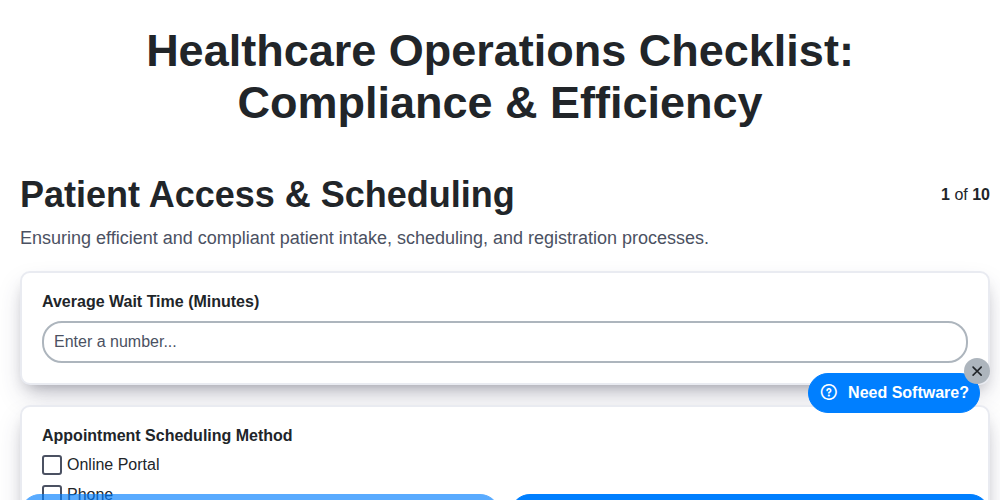
Healthcare Operations Checklist: Your Guide to Compliance & Efficiency
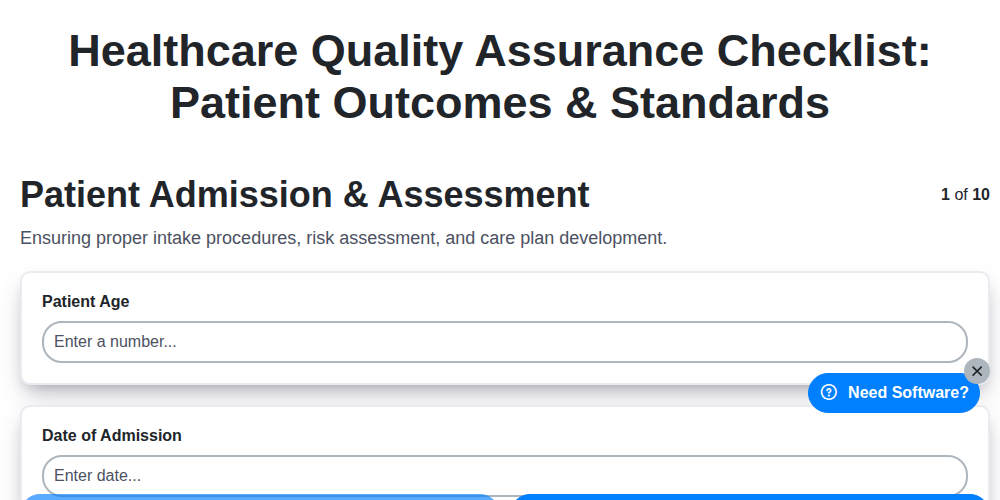
Ensuring Excellence: Your Healthcare Quality Assurance Checklist for Patient Outcomes
Excel vs ChecklistGuro in Healthcare Management
Paper vs ChecklistGuro in Healthcare Management
How to Improve your Healthcare Management with AI in 2026?
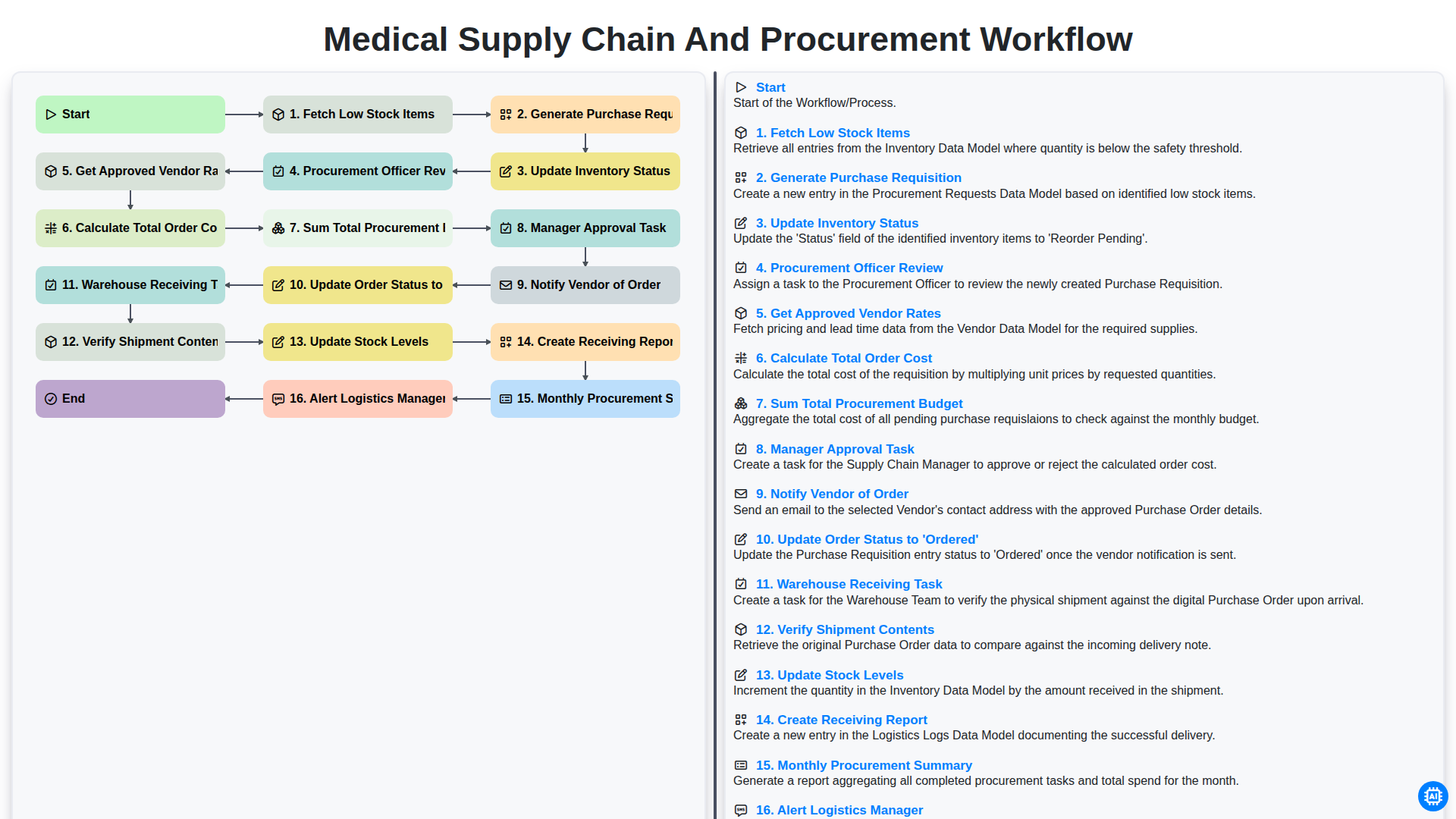
Optimizing Healthcare Operations: A Comprehensive Guide to the Medical Supply Chain and Procurement Workflow
Need help with
Checklists?
Have a question? We're here to help. Please submit your inquiry, and we'll respond promptly.