Healthcare Operations Checklist: Your Guide to Compliance & Efficiency
Published: 11/28/2025 Updated: 07/02/2026
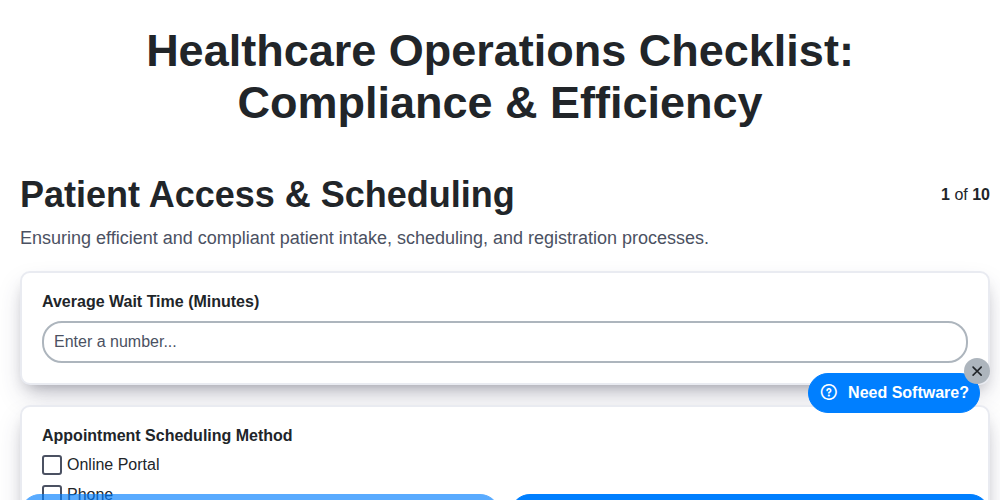
Table of Contents
- Introduction: Why a Healthcare Operations Checklist is Essential
- 1. Patient Access & Scheduling: Streamlining the Patient Journey
- 2. Clinical Workflow Optimization: Improving Patient Care & Staff Productivity
- 3. Regulatory Compliance (HIPAA, etc.): Protecting Patient Data & Avoiding Penalties
- 4. Revenue Cycle Management: Maximizing Financial Health
- 5. Facility Management & Safety: Creating a Secure & Functional Environment
- 6. Supply Chain Management: Ensuring Availability & Cost-Effectiveness
- 7. IT & Data Security: Safeguarding Sensitive Information
- 8. Staff Training & Competency: Building a Skilled Workforce
- 9. Risk Management & Incident Reporting: Proactive Safety and Accountability
- 10. Quality Assurance & Performance Improvement: Continuous Optimization
- Conclusion: Embracing Operational Excellence
- Resources & Links
TLDR: Feeling overwhelmed by healthcare operations? This checklist is your shortcut to ensuring compliance, boosting efficiency, and minimizing risk. It covers everything from patient scheduling and data security to staff training and quality assurance - a one-stop guide to keeping your healthcare facility running smoothly and legally.
Introduction: Why a Healthcare Operations Checklist is Essential
The healthcare landscape is complex and constantly evolving. From patient expectations and technological advancements to stringent regulations and financial pressures, healthcare organizations face a myriad of challenges daily. Juggling these demands while ensuring patient safety, quality care, and financial stability can feel overwhelming. That's where a robust healthcare operations checklist becomes absolutely essential.
Think of it as your operational compass, guiding you through the intricacies of running a successful healthcare practice. A well-designed checklist isn't just about ticking boxes; it's a proactive tool for identifying potential risks, ensuring consistent processes, and fostering a culture of continuous improvement. It helps standardize procedures, reduces errors, minimizes compliance gaps, and ultimately, allows your team to focus on what matters most: providing exceptional patient care. In this article, we'll explore the key operational areas covered by a comprehensive healthcare checklist and demonstrate how implementing one can significantly benefit your organization.
1. Patient Access & Scheduling: Streamlining the Patient Journey
Patient access and scheduling often represent a patient's first interaction with your healthcare organization, and a positive experience here is crucial for building trust and encouraging ongoing care. A disjointed or frustrating scheduling process can lead to patient dissatisfaction, missed appointments, and ultimately, a negative impact on your reputation.
This section of your operations checklist should focus on optimizing every touchpoint in the patient journey, from initial contact to appointment confirmation and reminders. Consider these key areas:
- Online Scheduling: Implement a user-friendly online portal where patients can easily book, reschedule, and cancel appointments. Ensure it's mobile-responsive and integrates with your existing EHR.
- Phone System Efficiency: Evaluate call wait times and staffing levels. Consider implementing call routing technology to direct patients to the appropriate department or specialist. Offer self-service options for common requests.
- Appointment Reminders: Automate appointment reminders via SMS, email, or phone. Tailor reminders to patient preferences and allow easy confirmation or cancellation.
- Pre-Registration: Offer online pre-registration forms to collect necessary patient information before the appointment, reducing paperwork and streamlining the check-in process.
- Wait Time Management: Implement strategies to minimize wait times, such as clear signage, digital check-in systems, and proactive communication about delays.
- Accessibility Considerations: Ensure scheduling processes are accessible to patients with disabilities, including offering alternative communication methods and accommodations.
- Patient Feedback: Regularly solicit feedback on the scheduling process and use it to identify areas for improvement.
2. Clinical Workflow Optimization: Improving Patient Care & Staff Productivity
Clinical workflow optimization isn't just about making things faster; it's about enhancing the entire patient experience and reducing burnout amongst your clinical staff. A disjointed workflow leads to frustration for patients, increased errors, and a drain on valuable time.
Where to Start:
- Map Your Current Process: Begin by visually mapping out your existing clinical workflow. This includes everything from patient intake and assessment to diagnosis, treatment planning, and follow-up. Identify bottlenecks, redundancies, and areas of friction.
- Standardize Procedures: Develop clear, standardized procedures for common tasks. This reduces variability and ensures consistent, high-quality care. Consider checklists and flowcharts to guide staff.
- Leverage Technology: Implement or optimize the use of Electronic Health Records (EHRs) and other technologies to automate tasks, improve communication, and reduce manual data entry. Think about automated appointment reminders, digital forms, and integrated lab results.
- Reduce Task Switching: Minimize interruptions and task switching for clinicians. Group similar tasks together to improve focus and reduce errors.
- Optimize Room Utilization: Analyze how rooms are used and optimize layouts to improve efficiency. Consider quick turnaround times for examination rooms and efficient bed management.
- Feedback Loops: Establish regular feedback loops with clinical staff to identify pain points and gather ideas for improvement. Their insights are invaluable.
- Patient-Centric Design: Remember that workflow optimization should ultimately benefit the patient. Streamline processes to reduce wait times, improve communication, and enhance their overall experience.
By focusing on continuous improvement and embracing a patient-centric approach, you can create a clinical workflow that delivers exceptional care while boosting staff productivity and reducing operational costs.
3. Regulatory Compliance (HIPAA, etc.): Protecting Patient Data & Avoiding Penalties
Staying compliant in healthcare isn't just about avoiding fines; it's about maintaining patient trust and upholding ethical standards. This section focuses on critical regulatory compliance areas, with a strong emphasis on HIPAA, but also touches upon other essential considerations.
HIPAA: The Cornerstone of Patient Data Security
The Health Insurance Portability and Accountability Act (HIPAA) sets the standard for protecting patient health information (PHI). It's not a one-and-done checklist - it's an ongoing process. Here's what to prioritize:
- Privacy Rule: Ensure proper authorization processes are in place for releasing PHI, and regularly review access controls to limit exposure to only those who require it. Implement strong data segregation practices.
- Security Rule: This governs the technical, administrative, and physical safeguards to protect electronic PHI (ePHI). Regularly update security software, conduct vulnerability assessments, and maintain robust access controls. Consider multi-factor authentication for all staff accessing ePHI.
- Breach Notification Rule: Understand your obligations in the event of a data breach. Develop a comprehensive breach response plan and ensure staff are trained to recognize and report potential breaches promptly.
- Business Associate Agreements (BAAs): Scrutinize and update BAAs with all third-party vendors who handle PHI. Ensure their security practices align with HIPAA requirements.
Beyond HIPAA: Other Important Regulations
While HIPAA is central, other regulations impact healthcare operations:
- State Privacy Laws: Many states have their own privacy laws that may be stricter than HIPAA. Be aware of and comply with these.
- HITECH Act: This incentivizes the adoption of electronic health records (EHRs) and addresses data security and breach notification.
- Anti-Kickback Statute & Stark Law: Understand and adhere to these laws regarding referrals and financial relationships.
- CMS Regulations: For facilities dealing with Medicare/Medicaid, stringent CMS regulations apply.
Ongoing Compliance: A Proactive Approach
- Regular Audits: Conduct annual security and privacy audits.
- Policy Updates: Keep policies and procedures up-to-date with regulatory changes.
- Employee Training: Provide ongoing HIPAA and regulatory compliance training for all staff.
- Documentation: Maintain thorough documentation of compliance efforts.
4. Revenue Cycle Management: Maximizing Financial Health
Revenue cycle management (RCM) isn't just about billing; it's the entire process from patient registration to final payment, and a critical component of a healthy healthcare operation. Inefficient RCM can lead to lost revenue, increased administrative costs, and frustrated staff. Let's break down key areas for optimization:
- Accurate Patient Registration & Insurance Verification: Upfront accuracy is paramount. Implement robust verification processes to ensure correct patient demographics, insurance details, and authorizations before services are rendered. This minimizes claim denials and rejections later.
- Coding Compliance: Accurate and compliant coding (ICD-10, CPT) is the foundation of successful billing. Regular audits and staff training are essential to avoid errors and potential penalties. Stay updated on coding changes and guidelines.
- Claim Submission & Tracking: Optimize claim submission processes through electronic data interchange (EDI) for faster processing and fewer errors. Implement a robust tracking system to monitor claim status and identify bottlenecks.
- Denial Management: Proactively address claim denials. Analyze denial trends to identify root causes - are they related to coding, authorization, or documentation? Implement corrective actions and appeal denied claims promptly.
- Patient Billing & Collections: Clear and understandable patient statements, along with flexible payment options, improve patient satisfaction and collection rates. Consider implementing patient portals for online bill pay and communication.
- Contract Negotiation: Regularly review and renegotiate contracts with payers to ensure favorable reimbursement rates.
- Performance Metrics: Track key RCM performance indicators (KPIs) such as days in AR, collection rate, and denial rate to identify areas for improvement and measure the effectiveness of implemented changes.
5. Facility Management & Safety: Creating a Secure & Functional Environment
A healthcare facility's physical environment profoundly impacts patient safety, staff wellbeing, and overall operational efficiency. Beyond aesthetics, a well-managed facility is a cornerstone of quality care. This checklist item goes beyond basic upkeep; it's about proactively creating and maintaining a secure and functional environment.
Key Considerations:
- Regular Inspections: Implement a schedule for routine inspections of all areas, including patient rooms, hallways, waiting areas, and utility spaces. This should cover structural integrity, fire safety equipment (sprinklers, extinguishers), lighting, and accessibility.
- Emergency Preparedness: Develop and regularly test emergency plans for fire, natural disasters, power outages, and active shooter situations. Ensure staff training aligns with these plans.
- HVAC and Environmental Controls: Maintain optimal temperature, humidity, and ventilation to prevent the spread of infection and ensure patient comfort. Monitor air quality and filtration systems.
- Security Systems: Ensure functionality and effectiveness of security cameras, access control systems, and alarm systems. Regularly review security protocols and respond to any incidents promptly.
- Accessibility Compliance: Maintain compliance with ADA (Americans with Disabilities Act) guidelines, including accessible entrances, restrooms, and pathways.
- Hazardous Material Management: Proper storage, handling, and disposal of hazardous materials are crucial. Ensure compliance with relevant regulations.
- Waste Management: Implement a robust waste management program, including segregation of medical waste and appropriate disposal methods.
- Preventative Maintenance: Schedule and execute preventative maintenance for all equipment and systems, from elevators to generators, to minimize downtime and extend their lifespan.
- Patient and Staff Safety: Address potential hazards like slippery floors, trip hazards, and inadequate signage. Implement strategies to minimize patient falls and staff injuries.
By prioritizing facility management and safety, healthcare organizations demonstrate a commitment to providing a healing and secure environment for everyone.
6. Supply Chain Management: Ensuring Availability & Cost-Effectiveness
Healthcare facilities rely on a constant flow of supplies - from bandages and medications to specialized equipment - to deliver quality patient care. A robust supply chain management process isn't just about keeping shelves stocked; it's about optimizing costs, mitigating risks, and ensuring the right resources are available when and where they're needed.
Common Challenges in Healthcare Supply Chains:
- Price Volatility: Fluctuations in raw material costs and market demand can significantly impact pricing.
- Product Recalls: Recalls are an unfortunate reality and require swift action and communication.
- Inventory Management: Balancing adequate stock levels to avoid shortages while minimizing waste and expiration is crucial.
- Vendor Management: Maintaining strong relationships with reliable vendors is vital for consistent supply.
- Traceability: Knowing the origin and journey of medical supplies is increasingly important for safety and accountability.
Key Checklist Items for Effective Supply Chain Management:
- Vendor Performance Reviews: Regularly assess vendor reliability, pricing, and delivery performance.
- Contract Management: Review and renegotiate contracts to ensure competitive pricing and favorable terms.
- Inventory Optimization: Implement strategies like ABC analysis and just-in-time inventory management where appropriate.
- Standardization: Standardize products across departments to reduce complexity and increase purchasing power.
- Recall Procedures: Establish clear protocols for handling product recalls, including communication and removal processes.
- Storage & Handling: Ensure proper storage conditions to prevent damage and maintain product integrity.
- Technology Integration: Explore using technology (e.g., automated inventory tracking, demand forecasting) to improve efficiency.
- Sustainability Considerations: Evaluate opportunities to source environmentally friendly and ethically produced supplies.
A well-managed supply chain translates to better patient care, improved financial performance, and enhanced operational resilience for your healthcare facility.
7. IT & Data Security: Safeguarding Sensitive Information
In healthcare, data is arguably the most valuable - and vulnerable - asset. A single breach can have devastating consequences, impacting patient trust, incurring hefty fines, and disrupting operations. This section focuses on the critical IT and data security measures your healthcare facility must have in place.
Key Checklist Items:
- Regular Vulnerability Scanning & Penetration Testing: Identify and remediate weaknesses in your systems before they are exploited. Schedule these assessments at least annually, and ideally more frequently for high-risk areas.
- Strong Password Policies & Multi-Factor Authentication (MFA): Enforce complex passwords and implement MFA across all systems, particularly for remote access and sensitive applications.
- Data Encryption (At Rest and In Transit): Protect patient data both when it's stored (at rest) and when it's being transmitted (in transit). This includes encrypting hard drives, email communications, and cloud storage.
- Endpoint Security: Implement robust antivirus, anti-malware, and firewall protection on all devices accessing your network - desktops, laptops, tablets, and mobile phones.
- Network Segmentation: Separate critical systems (e.g., EMR) from less sensitive areas to limit the impact of a potential breach.
- Data Backup & Disaster Recovery: Regularly back up data and have a tested disaster recovery plan in place to ensure business continuity in the event of a system failure or cyberattack.
- Incident Response Plan: Develop and regularly update a detailed plan outlining steps to be taken in the event of a data breach or security incident. This includes communication protocols, containment strategies, and recovery procedures.
- Vendor Risk Management: Evaluate the security practices of third-party vendors who have access to patient data and ensure they meet your security standards.
- Security Awareness Training: Conduct ongoing training for all staff members on identifying phishing scams, practicing safe browsing habits, and adhering to security policies.
Beyond the Basics:
Consider implementing advanced security measures like intrusion detection systems, data loss prevention (DLP) tools, and security information and event management (SIEM) solutions for enhanced protection. Remember, cybersecurity is an ongoing process, not a one-time fix. Continuous monitoring, updates, and adaptation are essential for maintaining a secure healthcare environment.
8. Staff Training & Competency: Building a Skilled Workforce
In healthcare, competence isn's just a nice-to-have - it's a critical safeguard for patient well-being and operational success. A well-trained, competent staff minimizes errors, boosts morale, and contributes to a culture of continuous improvement. But how do you ensure your team is truly equipped for the challenges of a dynamic healthcare environment?
This checklist section focuses on building and maintaining a skilled workforce through ongoing training and competency assessments. It's not just about initial onboarding; it's a commitment to lifelong learning.
Key Considerations:
- Needs Assessment: Regularly evaluate training needs based on role, departmental changes, regulatory updates, and performance data. Don't just assume everyone needs the same training.
- Comprehensive Training Programs: Develop structured training programs covering essential skills, new technologies, regulatory changes (HIPAA refresher courses are essential!), and specific departmental protocols. Consider blended learning approaches incorporating online modules, hands-on workshops, and mentorship programs.
- Competency Assessments: Implement robust competency assessments to objectively evaluate staff proficiency. This can include written exams, skills demonstrations, simulations, and peer reviews. Document all assessment results.
- Documentation & Tracking: Maintain meticulous records of all training and competency assessments. This is crucial for compliance and demonstrates due diligence.
- Refresher Training: Schedule regular refresher courses to reinforce knowledge and skills, particularly for procedures and regulations that change frequently.
- Specialized Training: Provide specialized training for roles requiring specific expertise, such as infection control, emergency preparedness, or medication administration.
- Performance Feedback & Improvement Plans: Integrate training gaps identified through competency assessments into performance review processes and develop targeted improvement plans for individual staff members.
- New Employee Onboarding: Ensure a standardized and comprehensive onboarding program covers essential healthcare policies, procedures, and legal requirements.
A continuous focus on staff training and competency is an investment in your organization's future, protecting both patients and your operational effectiveness.
9. Risk Management & Incident Reporting: Proactive Safety and Accountability
Healthcare is inherently complex, and with that complexity comes risk. A robust risk management and incident reporting system isn't just about reacting to problems; it's about proactively identifying potential hazards, mitigating them, and ensuring patient and staff safety.
This section of your checklist focuses on building a culture of open communication and continuous improvement. It moves beyond simply documenting errors to understanding why they occurred and preventing recurrence.
Key Elements to Address:
- Incident Reporting System: Implement an accessible, user-friendly, and non-punitive reporting system. Encourage all staff - from clinicians to administrative personnel - to report near misses, adverse events, and potential safety concerns without fear of reprisal. This fosters transparency and early detection.
- Risk Assessment: Regularly conduct comprehensive risk assessments encompassing clinical processes, facility operations, and IT systems. Identify potential hazards, evaluate their likelihood and severity, and prioritize mitigation efforts.
- Root Cause Analysis (RCA): When incidents occur, conduct thorough RCAs to determine underlying causes. Don't stop at identifying the immediate cause; dig deeper to understand systemic issues.
- Corrective Action Plans (CAPs): Based on RCA findings, develop and implement CAPs with clear timelines and assigned responsibilities. Track progress and evaluate effectiveness.
- Emergency Preparedness: Regularly review and update emergency preparedness plans, including fire drills, disaster response, and security protocols.
- Security Risk Assessments: Conduct regular security risk assessments to identify vulnerabilities and implement safeguards to protect patients, staff, and data.
- Continuous Monitoring: Regularly review incident reports and risk assessments to identify trends and adjust strategies as needed.
A strong risk management and incident reporting program isn's just about compliance; it's a critical investment in patient safety, staff well-being, and the long-term sustainability of your healthcare operation.
10. Quality Assurance & Performance Improvement: Continuous Optimization
Healthcare is a constantly evolving landscape. What worked yesterday might not be optimal today. That's why a robust Quality Assurance (QA) and Performance Improvement (PI) program isn't a one-time initiative, but a continuous cycle of assessment, analysis, and refinement.
Beyond Just Meeting Standards: While meeting regulatory requirements and accreditation standards is vital, a true QA/PI program delves deeper. It proactively seeks ways to enhance patient safety, improve outcomes, boost patient satisfaction, and streamline processes.
Key Elements to Include:
- Data Collection & Analysis: Implement systems for consistently collecting data on key performance indicators (KPIs) - patient satisfaction scores, infection rates, readmission rates, wait times, error rates, etc. Analyze this data to identify trends, bottlenecks, and areas needing improvement.
- Patient Feedback Mechanisms: Establish readily accessible channels for patient feedback - surveys, suggestion boxes, online reviews, and direct communication. Actively solicit and respond to this feedback.
- Root Cause Analysis: When issues or adverse events arise, conduct thorough root cause analyses to understand the underlying causes, not just the symptoms. The 5 Whys technique is a simple yet powerful tool.
- Plan-Do-Study-Act (PDSA) Cycles: Use PDSA cycles to test small-scale changes, evaluate their impact, and implement proven solutions. This iterative approach minimizes risk and fosters a culture of experimentation.
- Benchmarking: Compare your performance against industry benchmarks and best practices to identify opportunities for improvement.
- Regular Audits: Conduct both internal and external audits to assess compliance and identify areas for strengthening processes.
- Closed-Loop Reporting: Ensure that identified issues are tracked to resolution, with clear accountability and documentation of corrective actions. This prevents recurring problems.
A commitment to quality assurance and performance improvement is not just about avoiding penalties; it's about providing the best possible care and building a healthcare organization known for excellence.
Conclusion: Embracing Operational Excellence
Ultimately, healthcare operations are a complex tapestry woven from patient care, financial stability, and legal responsibility. This checklist isn't just about ticking boxes; it's a roadmap to building a resilient, efficient, and patient-centered healthcare organization. Consistent review and updates are crucial - the healthcare landscape is constantly evolving, demanding proactive adaptation. By integrating this checklist into your ongoing operational practices and fostering a culture of continuous improvement, you can minimize risk, maximize resources, and, most importantly, deliver exceptional care while upholding the highest standards of compliance and safety. Embrace these practices not as burdens, but as investments in a stronger, more effective future for your healthcare organization.
Resources & Links
- Centers for Medicare & Medicaid Services (CMS): CMS is the primary federal agency responsible for administering Medicare, Medicaid, and the Health Insurance Marketplace. Their website offers regulations, guidance, and resources crucial for healthcare operational compliance.
- U.S. Department of Health and Human Services (HHS): HHS provides information and resources related to healthcare policy, programs, and regulations. Crucial for understanding overall healthcare landscape and compliance requirements.
- HIPAA Bear: A comprehensive resource specifically dedicated to HIPAA compliance. Provides up-to-date information, training materials, and guides to assist healthcare organizations in navigating HIPAA regulations.
- American Health Information Management Association (AHIMA): AHIMA is a professional organization for health information professionals. They offer resources, standards, and education related to health data management, coding, and compliance.
- American Hospital Association (AHA): The AHA provides resources, advocacy, and information to hospitals and healthcare systems. Their site covers operational best practices, regulatory updates, and industry trends.
- The Joint Commission: An independent organization that accredits and certifies healthcare organizations. Their standards cover patient safety, quality of care, and performance improvement - essential for compliance and optimization.
- Medical Group Management Association (MGMA): MGMA provides resources and benchmarking data for medical group practices. Focuses on operational efficiency, revenue cycle management, and workforce optimization within physician practices.
- National Association of Healthcare Collections: Provides guidance and best practices on all aspects of revenue cycle management, focusing on ethical billing and collection practices.
- American Society for Healthcare Engineering (ASHE): ASHE focuses on facility management, engineering, and safety in healthcare settings. Their resources cover building design, equipment maintenance, and risk mitigation.
- U.S. Government Publishing Office (GPO): The GPO provides access to federal regulations and official publications. Important for staying current with regulatory changes affecting healthcare operations.
- National Institute of Standards and Technology (NIST): NIST develops standards and guidelines related to cybersecurity and data protection. Their resources are valuable for strengthening IT and data security practices within healthcare organizations.
- Health Resources & Services Administration (HRSA): HRSA provides resources and programs related to workforce development and training in healthcare. Useful for ensuring staff competency and addressing workforce challenges.
- Patient Safety Network: A federal initiative focused on improving patient safety and reducing medical errors. Provides tools, resources, and best practices for creating a culture of safety.
- American Health Record Association (AHRA): Resources and best practices on patient access, scheduling, and overall patient journey management.
Frequently Asked Questions
What is a Healthcare Operations Checklist and why do I need one?
A Healthcare Operations Checklist is a detailed list of tasks and processes essential for running a compliant and efficient healthcare organization. It helps ensure adherence to regulations (HIPAA, OSHA, etc.), optimizes workflows, minimizes risks, and improves overall performance. It's crucial for maintaining patient safety, avoiding penalties, and streamlining operations.
Who should use this checklist?
This checklist is beneficial for a wide range of healthcare professionals, including practice managers, administrators, compliance officers, medical assistants, nurses, and anyone involved in the day-to-day operations of a healthcare facility. It's adaptable to various settings, from small clinics to large hospitals.
What areas does this checklist cover?
The checklist covers key areas such as patient privacy and security (HIPAA compliance), safety protocols (OSHA compliance), billing and coding accuracy, documentation procedures, equipment maintenance, emergency preparedness, and staff training. Specific sub-sections detail requirements within each area.
Is this checklist legally binding?
No, this checklist serves as a guide and best practice resource. It is not a legally binding document itself. However, it helps you identify areas where you need to ensure compliance with applicable laws and regulations. You are responsible for ensuring your organization meets all legal and regulatory requirements.
How often should I review and update this checklist?
We recommend reviewing and updating the checklist at least annually, or more frequently if there are significant changes to regulations, internal policies, or operational procedures. Changes in technology, new guidelines, and feedback from staff should also trigger a review.
Can I customize this checklist for my specific organization?
Absolutely. This checklist is designed to be a starting point. We encourage you to tailor it to reflect your organization's unique needs, size, specialty, and local regulations. Add, remove, or modify items as necessary.
What is HIPAA and why is it important?
HIPAA (Health Insurance Portability and Accountability Act) is a US law that protects sensitive patient health information. It establishes rules for how healthcare organizations must handle and store patient data to ensure privacy and security. Non-compliance can result in significant fines and reputational damage.
What is OSHA and how does it relate to this checklist?
OSHA (Occupational Safety and Health Administration) focuses on workplace safety. This checklist includes items related to OSHA compliance, ensuring a safe environment for both staff and patients, and adhering to guidelines regarding hazard communication, personal protective equipment (PPE), and emergency preparedness.
What are some key performance indicators (KPIs) that this checklist can help track?
This checklist can help track KPIs such as patient satisfaction scores, billing accuracy rates, staff training completion rates, incident reporting frequency, and compliance audit scores. Monitoring these indicators provides insights into operational effectiveness and areas for improvement.
Where can I find more information about the regulations mentioned in the checklist?
We're happy to provide resources. Consult the official websites of HIPAA (hhs.gov/hipaa), OSHA (osha.gov), and other relevant regulatory bodies. Professional healthcare compliance consultants can also provide expert guidance.
Comments
There are no comments yet. Be the first to add one!
Healthcare Management Solution Demo
Streamlining healthcare operations and improving patient care? ChecklistGuro's Work OS platform simplifies everything from patient scheduling and billing to compliance and staff management. Enhance efficiency, reduce administrative burden, and focus on what matters most: your patients. Learn how ChecklistGuro can transform your healthcare organization!
Related Articles
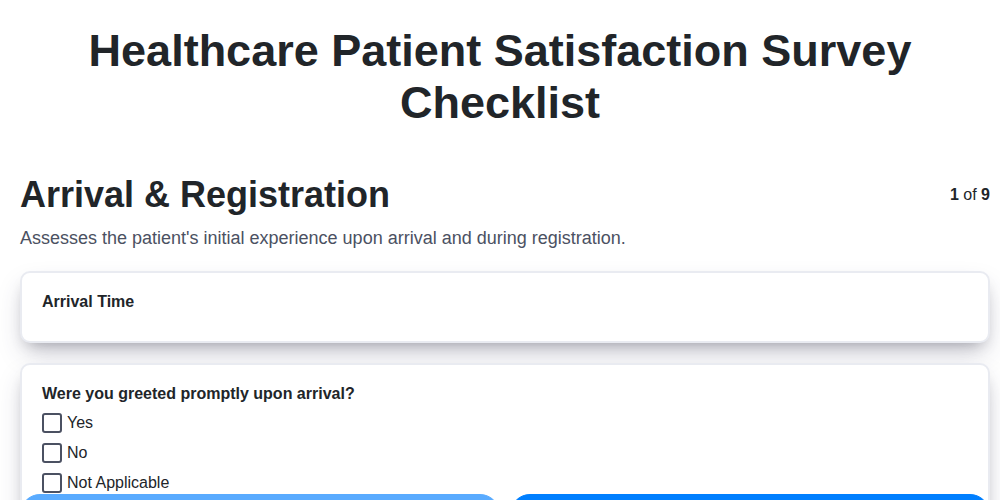
The Ultimate Healthcare Patient Satisfaction Survey Checklist Template
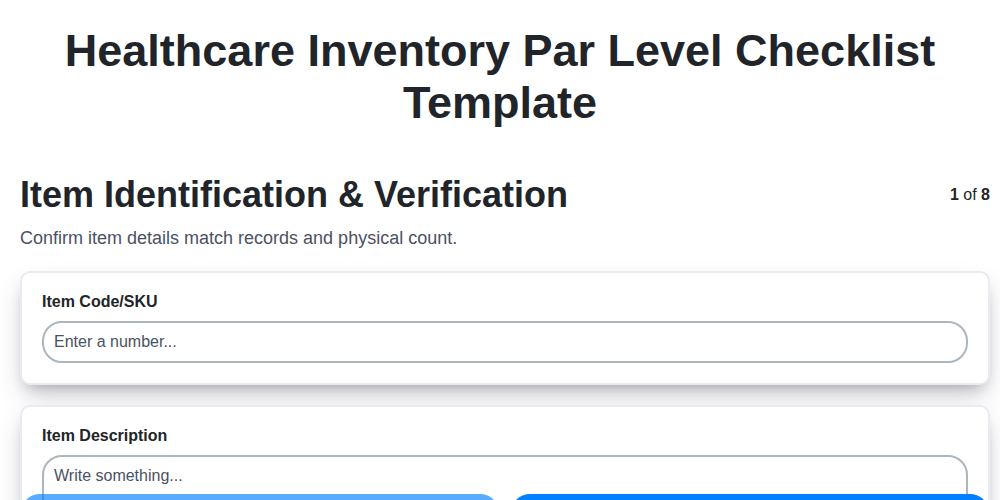
Mastering Healthcare Inventory: Your Par Level Checklist Template
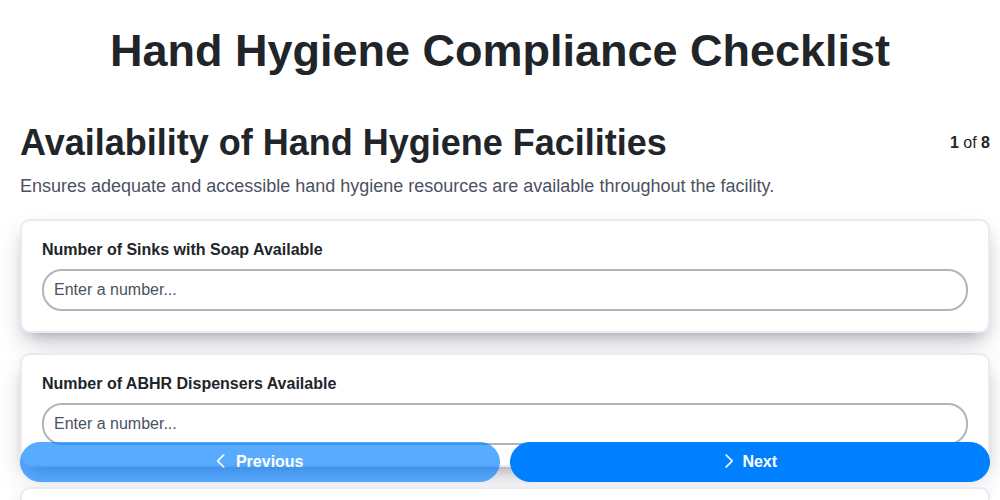
Mastering Hand Hygiene: Your Compliance Checklist Template
Protecting Patients: Your Fire Safety Checklist for Patient Areas
Your Ultimate Healthcare Construction Checklist Template
Mastering Hand Hygiene: Your Compliance Checklist Template
Your Radiology Equipment Maintenance Checklist Template

Your Ultimate Guide to Healthcare Waste Management: A Checklist Template
Need help with
Healthcare?
Have a question? We're here to help. Please submit your inquiry, and we'll respond promptly.