How to improve your Real Estate Management
Published: 11/26/2025 Updated: 07/02/2026
Table of Contents
- The Challenges of Real Estate Management
- What are Real Estate Management Checklists?
- Key Areas Where Checklists Make a Difference
- Tenant Screening: Ensuring Quality Residents
- Property Inspections: Proactive Maintenance
- Lease Management: Staying Compliant
- Maintenance Requests: Efficient Resolution
- Financial Management: Tracking and Reporting
- Leveraging Technology: ChecklistGuro for Real Estate
- Benefits of Using Real Estate Management Checklists
- Getting Started with Real Estate Management Checklists
- Resources & Links
TLDR: Overwhelmed by real estate management? This post introduces checklist templates designed to streamline your processes - from property inspections and tenant screening to maintenance requests and lease renewals. Discover how these templates, easily implemented with tools like ChecklistGuro (checklistguro.com), can save you time, reduce errors, and improve overall efficiency for your real estate business.
The Challenges of Real Estate Management
Managing properties effectively presents a unique set of challenges for business owners and managers. It's far more complex than simply collecting rent. Consider the constant need for property upkeep - everything from routine maintenance to unexpected repairs - and the legal compliance requirements that demand meticulous record-keeping. Tenant relations are also a significant factor; effectively handling inquiries, addressing complaints, and ensuring lease adherence requires a delicate balance of professionalism and responsiveness.
Beyond the day-to-day operations, scaling a real estate business often involves juggling multiple properties, vendors, and stakeholders, all while maintaining profitability. Many managers find themselves bogged down in administrative tasks, leading to missed deadlines, inconsistent processes, and ultimately, reduced efficiency. Furthermore, relying on manual processes like spreadsheets or paper-based systems often leads to errors, lost information, and a lack of transparency, making it difficult to track performance and identify areas for improvement. The pressure to deliver consistent quality while minimizing costs and maximizing returns is constant, and the consequences of overlooking even small details can be significant.
What are Real Estate Management Checklists?
Real estate management involves a lot of moving parts. From ensuring properties are well-maintained and occupied to handling tenant relations and financial reporting, it's easy for tasks to slip through the cracks. That's where checklists come in.
Real estate management checklists are structured lists of tasks, broken down into specific, actionable steps, designed to ensure consistency and thoroughness in your operations. They're essentially your roadmap for successfully managing properties and keeping everything running smoothly.
These checklists aren't generic; they're tailored to various aspects of real estate management, covering areas such as:
- Property Inspections: Detailed checklists to evaluate property condition, identify maintenance needs, and document findings.
- Tenant Screening: Standardized processes for verifying applicant information, background checks, and credit reports.
- Lease Renewals: Step-by-step guides for preparing renewal offers, negotiating terms, and finalizing agreements.
- Maintenance Requests: Organized workflows for receiving, prioritizing, assigning, and tracking maintenance requests.
- Move-In/Move-Out Procedures: Ensures a consistent and legally compliant process for tenant transitions.
- Financial Reporting: Checklists to verify accuracy and completeness of income, expenses, and other financial data.
By utilizing these checklists, you can standardize processes, reduce errors, and ensure all crucial tasks are completed, leading to better property performance and happier tenants.
Key Areas Where Checklists Make a Difference
Real estate management involves a lot of moving parts. Let's break down the core areas where checklists can be game-changers.
1. Tenant Screening: A consistent screening process is vital for minimizing risk and ensuring quality tenants. A checklist ensures you cover all necessary steps, from credit checks and background checks to verifying employment and previous rental history. This reduces the chances of overlooking crucial details that could lead to future problems.
2. Property Inspections: Regular inspections, both initial move-in and periodic, are essential for maintaining property value and identifying potential issues early. A checklist ensures thoroughness, documenting everything from appliance functionality to structural integrity. This creates a record for comparison, helps with preventative maintenance planning, and supports lease renewals or disputes.
3. Maintenance Requests: Handling maintenance promptly and efficiently keeps tenants happy and protects your investment. A maintenance request checklist standardizes the process: logging the request, assigning it to a contractor, tracking progress, and verifying completion. This ensures no request falls through the cracks and provides transparency for both you and your tenants.
4. Lease Renewals: Lease renewals involve numerous administrative tasks. A checklist can guide you through the process, including reviewing the lease agreement, assessing market rent, communicating with tenants, and processing any necessary paperwork. This ensures a smooth renewal process and maximizes your return on investment.
5. Eviction Processes: While no one wants to deal with evictions, a clear checklist is critical to navigate the legal complexities and minimize risk. It helps ensure compliance with local laws and protects your business from potential liability.
6. Onboarding New Contractors: Bringing in new contractors for repairs or maintenance? A checklist ensures they're properly vetted, insurance is verified, and contracts are in place before any work begins.
Using checklists in these areas not only brings consistency but also provides valuable documentation for your records.
Tenant Screening: Ensuring Quality Residents
A thorough tenant screening process is the cornerstone of successful real estate management. It's more than just a credit check; it's a comprehensive evaluation of a potential tenant's suitability and reliability. Poor tenant selection can lead to costly repairs, legal issues, and ultimately, a stressed-out property manager.
Our tenant screening checklist template simplifies this critical process. It guides you through each essential step, including:
- Credit Report Review: Assessing financial responsibility and history.
- Criminal Background Check: Ensuring safety and legal compliance.
- Eviction History: Identifying past rental issues.
- Employment Verification: Confirming income stability.
- Rental History Verification: Contacting previous landlords for feedback.
- Reference Checks: Gathering insights from personal references.
By consistently following this structured checklist, you'll be able to make informed decisions, minimizing risk and maximizing the quality of your resident pool. Remember to always comply with Fair Housing laws and consistently apply the same criteria to all applicants. Using a checklist ensures consistency and protects you from potential legal challenges.
Property Inspections: Proactive Maintenance
Regular property inspections are the bedrock of proactive real estate management. They move you beyond reactive repairs and towards a strategy that anticipates and prevents issues before they escalate into costly problems. Think of it as preventative healthcare for your properties.
A thorough inspection checklist should cover both interior and exterior elements. For the exterior, consider things like roof condition, siding integrity, landscaping, and drainage. Inside, focus on plumbing, electrical systems, HVAC functionality, and signs of water damage or pest infestations.
Documenting these inspections with detailed notes and photos is crucial. ChecklistGuro (checklistguro.com) allows you to embed photos directly into your inspection checklists, creating a visual record of the property's condition over time. This history is invaluable for tracking maintenance trends, justifying rent increases, and providing evidence in potential legal disputes.
Don't just do inspections; act on their findings. Prioritize repairs based on urgency and potential impact. Assign tasks to maintenance personnel and track completion to ensure accountability. Consistent follow-up demonstrates to tenants (and investors) that you're committed to maintaining the property's value and their satisfaction.
Lease Management: Staying Compliant
Lease management is a critical, often overlooked, aspect of real estate operations. Non-compliance can lead to costly legal battles and damage your reputation. Our checklist templates help you stay organized and ensure you're adhering to all relevant regulations. This includes tracking lease start and end dates, renewal options, rent increases (and proper notification periods), and ensuring all required disclosures are provided to tenants.
We provide templates for:
- Lease Renewal Reminders: Never miss a renewal opportunity or face sudden vacancies.
- Lease Agreement Review: A checklist to ensure your lease agreements are up-to-date and legally sound.
- Rent Increase Notifications: Document your compliance with local rent control ordinances.
- Security Deposit Handling: Ensure proper procedures for collecting, holding, and returning security deposits.
By consistently using these checklists, you're creating a solid audit trail and demonstrating due diligence in your lease management practices. This reduces your risk and provides peace of mind.
Maintenance Requests: Efficient Resolution
Maintenance requests are a constant in real estate management. A slow or disorganized response can lead to frustrated tenants, escalating issues, and potential legal complications. Our maintenance request checklist templates are designed to tackle this head-on.
Here's how they help:
- Centralized Tracking: No more lost sticky notes or emails. The checklist provides a single location to log, assign, and track every request.
- Automated Notifications: Automatically alert both the tenant and the assigned maintenance personnel when a request is submitted, updated, or resolved. This keeps everyone informed and accountable.
- Prioritization: Easily categorize requests based on urgency (e.g., emergency, high, medium, low) so critical issues are addressed promptly.
- Detailed Documentation: Capture crucial information like the tenant's description of the problem, photos, and vendor contact details directly within the checklist item.
- Vendor Management: Track vendor performance, costs, and contact information for future reference.
- Completion Verification: Include a verification step where a responsible party confirms the work was completed satisfactorily, preventing misunderstandings and ensuring quality.
By using a structured maintenance request checklist, you're not just resolving problems; you're building trust and demonstrating professionalism to your tenants. This leads to higher tenant satisfaction and retention rates - a valuable asset in any real estate portfolio.
Financial Management: Tracking and Reporting
Real estate management isn't just about finding tenants and handling repairs; it's a business, and that means diligent financial management is paramount. Accurate tracking and clear reporting are critical for understanding profitability, identifying areas for cost reduction, and making informed business decisions.
Many real estate managers rely on spreadsheets, which can be cumbersome and prone to errors. A more robust solution involves incorporating checklists and automated processes into your financial workflows. For instance, rent collection checklists can ensure timely payments and reduce late fees. Expense tracking checklists tied to specific properties allow for precise profit and loss analysis.
Here's how checklists can specifically improve your financial management:
- Rent Collection: Create a checklist outlining steps for sending rent reminders, processing payments, and following up on late payments.
- Expense Tracking: Develop checklists to categorize and track all property-related expenses, ensuring accurate reporting for tax purposes. Include fields for vendor details, invoice numbers, and receipts.
- Budgeting and Forecasting: Use checklists to regularly review your budget and forecast future income and expenses.
- Vendor Management: Maintain a vendor checklist to track contracts, insurance, and performance reviews.
- Audit Trails: Checklists automatically create audit trails, providing a clear record of financial transactions for accountability and compliance.
By implementing these processes and integrating them with a platform like ChecklistGuro, you'll gain better visibility into your finances, improve accuracy, and ultimately, strengthen your real estate business's financial health.
Leveraging Technology: ChecklistGuro for Real Estate
While manual checklists and spreadsheets can offer a basic level of organization, they quickly become unsustainable as your real estate portfolio grows. That's where a dedicated checklist management platform like ChecklistGuro (checklistguro.com) truly shines.
ChecklistGuro isn't just about digitizing paper checklists. It's about building a dynamic system that automates tasks, improves communication, and provides valuable data insights. Here's how it elevates real estate management:
- Customizable Templates: Easily adapt our pre-built real estate checklist templates or create entirely new ones to match your specific processes.
- Task Assignment & Notifications: Assign checklist items to team members and automatically send notifications when tasks are due or completed. This ensures accountability and prevents tasks from falling through the cracks.
- Mobile Accessibility: Access and update checklists on the go with our mobile app - perfect for property inspections, maintenance visits, and tenant interactions.
- Reporting & Analytics: Track completion rates, identify bottlenecks, and gain insights into your team's performance and areas for improvement.
- Integration Capabilities: Connect ChecklistGuro with other essential business tools like accounting software and CRM platforms to create a seamless workflow.
- Centralized Documentation: Store photos, videos, and documents directly within checklist items, creating a comprehensive record of property history and maintenance.
By embracing a platform like ChecklistGuro, you're investing in a scalable and efficient system that will support your real estate business's growth for years to come.
Benefits of Using Real Estate Management Checklists
Real estate management is a complex undertaking. Juggling multiple properties, tenants, leases, and maintenance requests can quickly become chaotic without a structured approach. Implementing checklists isn't just about ticking boxes; it's about creating a system that proactively minimizes risks, ensures compliance, and boosts your team's performance.
Here's a breakdown of the key benefits you'll experience:
- Increased Efficiency: Standardized checklists eliminate guesswork and ensure tasks are completed consistently, saving valuable time for your team.
- Reduced Errors & Compliance Risks: Detailed checklists minimize the chance of overlooking crucial steps, helping you avoid costly legal issues and maintain compliance with regulations.
- Improved Tenant Satisfaction: Consistent property inspections, prompt maintenance responses, and clear communication facilitated by checklists lead to happier tenants and reduced turnover.
- Enhanced Team Accountability: Assigning checklist items to specific team members fosters ownership and accountability, improving overall performance.
- Better Record Keeping: Checklists provide a clear audit trail of completed tasks and property conditions, invaluable for dispute resolution and insurance claims.
- Simplified Onboarding: New team members can quickly get up to speed with established processes thanks to readily available and well-defined checklists.
- Data-Driven Insights: Tracking checklist completion rates and time spent on tasks provides valuable data for identifying bottlenecks and optimizing workflows.
Getting Started with Real Estate Management Checklists
Okay, let's break down how to actually use these checklists to transform your real estate management. It's more than just printing them out - it's about integrating them into your workflow and leveraging technology to make them truly effective.
First, identify your pain points. What tasks consistently take the most time? Where do errors most frequently occur? Common areas include tenant screening, property inspections (both move-in and ongoing), maintenance requests, lease renewals, and financial reporting. Start by focusing on one or two of these areas.
Next, customize the provided checklist templates. While we've designed them to be comprehensive, you'll likely need to tweak them to match your specific procedures and local regulations. Add extra steps, adjust scoring systems, or include specific questions relevant to your properties. Don't be afraid to make them your own!
Then, consider assigning responsibility. Who will be responsible for completing each checklist? Clearly defined roles minimize confusion and ensure accountability. For example, the property manager might oversee tenant screening, while a maintenance technician handles inspection checklists.
Finally, and crucially, embrace digital checklist software. Manually managing paper checklists is inefficient and prone to loss. Using a platform like ChecklistGuro (checklistguro.com) allows you to:
- Centralize: Keep all your checklists in one place, accessible from anywhere.
- Automate: Trigger checklists based on events (e.g., a new lease signed).
- Track Progress: Monitor task completion and identify bottlenecks.
- Collaborate: Facilitate communication between team members.
- Analyze Data: Identify trends and areas for improvement.
By actively implementing these steps, you're not just checking boxes; you're building a more organized, efficient, and profitable real estate management business.
Resources & Links
- National Association of REALTORS® (NAR): NAR is the largest real estate trade association and provides valuable resources, market data, and industry news that can inform property management best practices and legal compliance. Useful for understanding market trends and ethical considerations.
- Institute of Real Estate Management (IREM): IREM offers certifications, education, and resources specifically tailored for real estate managers. Their website contains articles, webinars, and best practice guides focused on professional property management.
- American Psychological Association (APA): While seemingly unrelated, understanding tenant psychology and communication techniques is critical. APA offers resources on conflict resolution and effective communication, helping to manage tenant relationships.
- U.S. Department of Housing and Urban Development (HUD): HUD provides information on fair housing laws, regulations, and programs. Crucial for ensuring compliance and avoiding legal issues in tenant screening and property management.
- Nolo - Law for Everyone: Nolo offers legal information and forms, including lease agreements and eviction notices. A helpful resource for understanding legal requirements in real estate management. Research local landlord-tenant laws through this website.
- Investopedia: Investopedia provides clear explanations of financial and investment terms, useful for understanding financial management aspects of real estate, such as ROI, cash flow, and budgeting.
- Smartsheet: Smartsheet is a popular project management and collaboration platform. While not exclusively for real estate, it's a great tool for creating and managing checklists and tracking property management tasks. Provides examples and templates.
- PropertyWare: PropertyWare is a comprehensive real estate management software solution. Their website has useful blog content about property management best practices and technology integration.
- Buildium: Buildium offers property management software and provides helpful resources and blog posts on industry trends and best practices for property managers.
- ChecklistGuro: Direct link to ChecklistGuro, a platform offering customizable checklists for various industries including real estate. Specifically mentioned in the article's 'Leveraging Technology' section.
- AVETT - Real Estate Technology: AVETT is a collection of real estate software solutions, including tools for inspections and maintenance tracking. Their website contains helpful content on property management technologies.
- RentPrep: RentPrep offers tenant screening services and provides resources on best practices for tenant selection and legal compliance in tenant screening.
Frequently Asked Questions
What does 'Real Estate Management' encompass?
Real Estate Management involves overseeing all aspects of a property - from tenant acquisition and rent collection to maintenance, financial reporting, and legal compliance. It's about maximizing the property's value and profitability while ensuring a positive experience for all stakeholders, including owners, tenants, and vendors.
Why is it important to improve my Real Estate Management?
Improved Real Estate Management leads to increased profitability, reduced expenses, improved tenant satisfaction, lower vacancy rates, and ultimately, a more valuable asset. It also reduces stress and frees up your time.
What are some common challenges in Real Estate Management?
Common challenges include tenant disputes, property maintenance issues, rent collection difficulties, legal compliance requirements, fluctuating market conditions, and the administrative burden of managing properties.
What are the first steps I should take to improve my Real Estate Management?
Start by assessing your current processes. Identify areas where you're struggling, analyze your financial performance, and gather feedback from tenants and owners. Implementing a Property Management Software is often a good first step.
How can technology help improve my Real Estate Management?
Property Management Software automates tasks like rent collection, tenant screening, maintenance requests, and accounting. Online portals improve tenant communication, and data analytics provide valuable insights into property performance. Consider using tools for virtual tours and digital document storage.
What role does tenant screening play in successful Real Estate Management?
Thorough tenant screening - including credit checks, background checks, and reference checks - significantly reduces the risk of rent defaults, property damage, and legal issues. Investing in a reliable screening process saves time and money in the long run.
How can I improve tenant retention?
Focus on building positive relationships with tenants. Respond promptly to maintenance requests, offer flexible payment options where possible, and provide regular communication. Consider offering incentives for lease renewals.
What are some best practices for handling maintenance requests?
Establish a clear process for submitting and tracking maintenance requests. Respond promptly, prioritize urgent repairs, and utilize vetted contractors. Keep detailed records of all maintenance performed.
How can I ensure legal compliance in my Real Estate Management?
Stay updated on local, state, and federal laws related to housing, fair housing, and lease agreements. Consult with a legal professional to ensure your practices are compliant. Document all interactions and decisions.
What is a good KPI (Key Performance Indicator) to monitor in Real Estate Management?
Vacancy rate, rent collection rate, maintenance expense ratio, tenant satisfaction scores, and Net Operating Income (NOI) are all crucial KPIs to track to measure the overall performance of your properties and identify areas for improvement.
Comments
There are no comments yet. Be the first to add one!
Real Estate Management Solution Demo
Simplify your real estate operations! ChecklistGuro streamlines property management, lease renewals, and maintenance requests. Enhance tenant satisfaction and maximize ROI. Manage it all with our Work OS.
Related Articles
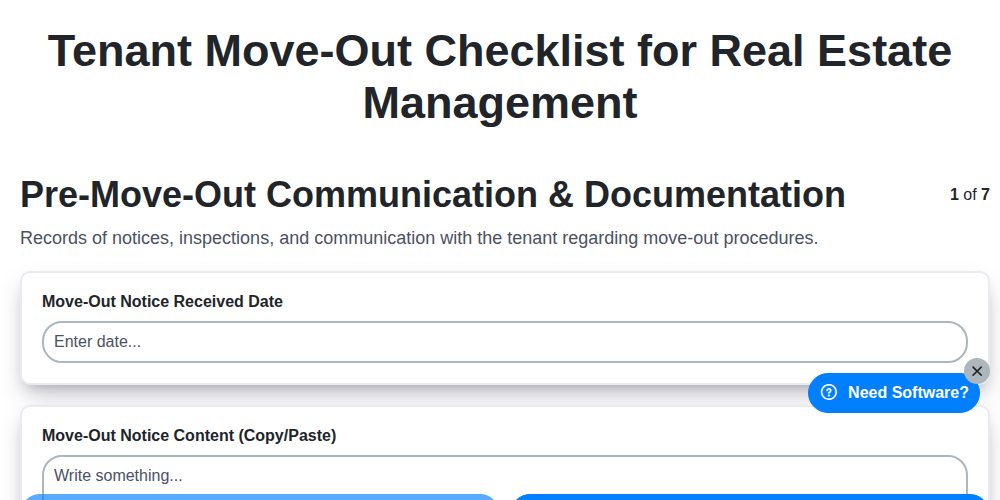
Tenant Move-Out Checklist for Real Estate Management: A Comprehensive Guide
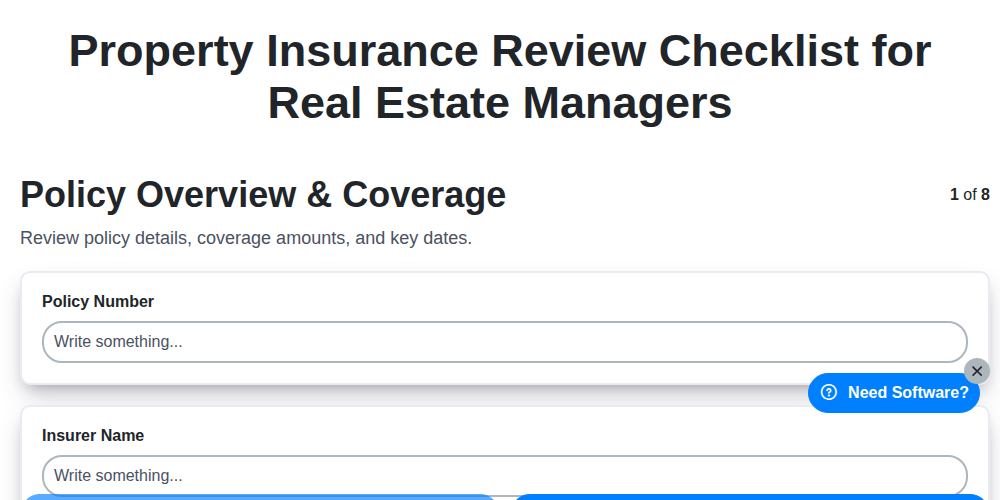
Property Insurance Review Checklist for Real Estate Managers
Excel vs ChecklistGuro in Real Estate Management
Paper vs ChecklistGuro in Real Estate Management
How to Improve your Real Estate Management with AI in 2026?
Need help with
Checklists?
Have a question? We're here to help. Please submit your inquiry, and we'll respond promptly.