Property Insurance Review Checklist for Real Estate Managers
Published: 11/26/2025 Updated: 07/02/2026
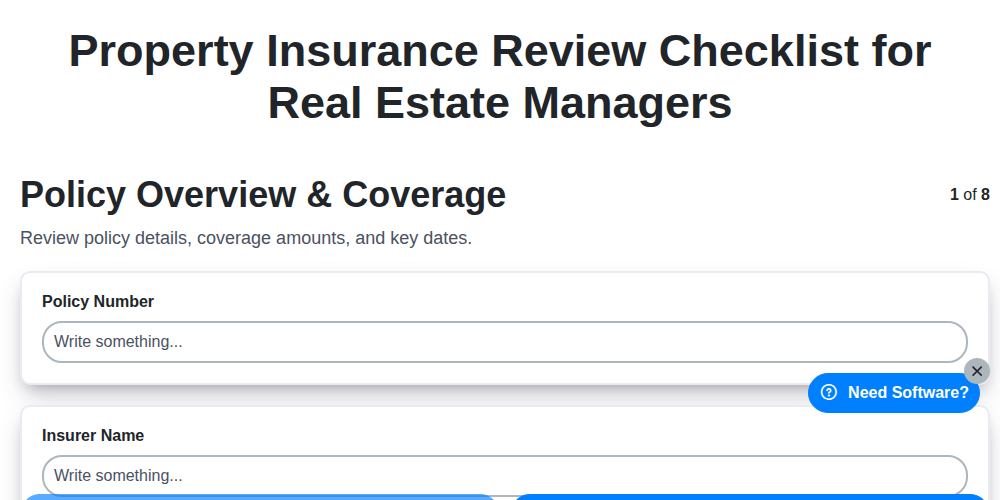
Table of Contents
- Introduction: Why Regular Insurance Reviews Matter
- 1. Policy Overview & Coverage: Understanding the Basics
- 2. Property Valuation & Reconstruction Cost: Ensuring Accurate Coverage
- 3. Coverage Adequacy - Perils Insured: Identifying Potential Gaps
- 4. Deductibles & Exclusions: Weighing Costs and Risks
- 5. Loss History & Claims: Learning from Past Events
- 6. Compliance & Regulations: Meeting Legal Requirements
- 7. Policy Updates & Renewals: Staying Current
- 8. Documentation & Records: Maintaining a Clear Audit Trail
- 9. Reviewing Business Interruption Coverage
- 10. Liability Coverage Assessment
- Conclusion: Proactive Insurance Management
- Resources & Links
TLDR: Worried about your property insurance? This checklist is your quick guide! It walks you through everything from coverage details and property value to deductibles, compliance, and renewals, ensuring you're properly protected and avoid nasty surprises. Download the template and safeguard your investments!
Introduction: Why Regular Insurance Reviews Matter
As real estate managers, you're entrusted with protecting valuable assets - the properties under your care. While meticulous maintenance and tenant screening are crucial, ensuring adequate property insurance is equally vital. Too often, insurance is treated as a one-and-done expense, a box to check rather than an ongoing process. However, overlooking regular insurance reviews can leave you vulnerable to significant financial losses in the event of a covered peril. Market conditions change, property values fluctuate, and building codes evolve - all of which can impact your insurance needs. This isn't just about avoiding overpaying; it's about guaranteeing you have the right coverage to fully protect your investments and your business. This checklist is designed to guide you through a comprehensive property insurance review, ensuring your policies are current, adequate, and aligned with your evolving needs.
1. Policy Overview & Coverage: Understanding the Basics
Before diving into the specifics, it's crucial to have a thorough grasp of the foundational elements of your property insurance policies. Start by reviewing the declarations page for each policy. This document outlines the insured property, policy period, policy limits, and the types of coverage provided. Don't just skim it - understand exactly what's being insured.
Pay close attention to the named perils covered. Is it a named perils policy (covering only specifically listed events like fire, lightning, and vandalism) or an all-risk (or open perils) policy (covering all perils unless specifically excluded)? Understanding this distinction is fundamental to knowing what's protected. Scrutinize the definitions of key terms used in the policy. Ambiguity here can lead to frustrating disputes after a loss. Finally, ensure the policy accurately reflects the current tenants and uses of the properties being insured - incorrect information can invalidate coverage.
2. Property Valuation & Reconstruction Cost: Ensuring Accurate Coverage
One of the most critical, and often overlooked, aspects of property insurance review is ensuring your declared property valuation accurately reflects the cost to rebuild. It's not enough to simply rely on a previous appraisal or an outdated assessment. Construction costs fluctuate significantly, and a valuation that was adequate five years ago might leave you drastically underinsured today.
Why it Matters: If a total loss occurs (fire, hurricane, etc.), your insurance payout will be based on this declared value. If it's too low, you're on the hook for the difference - a potentially crippling financial burden. Conversely, over-insuring means you're paying premiums for coverage you don't need.
How to Assess & Update:
- Professional Appraisal: Engage a qualified appraiser specializing in commercial property. They'll consider factors like current construction material costs, labor rates, site conditions, and local building codes.
- Reconstruction Cost Estimate (RCE): An RCE is a detailed analysis of the materials and labor required to rebuild your property from scratch. This provides a more precise figure than a general appraisal.
- Inflation Adjustment: Even with a recent appraisal, factor in inflation. Construction costs have been volatile; review your valuation annually, especially in areas experiencing rapid growth or inflation.
- Consider Soft Costs: Don't forget to include soft costs such as demolition, permits, architectural fees, and financing costs when calculating the total reconstruction cost.
- Review Building Codes: New or updated building codes often necessitate more expensive materials and construction techniques. Ensure your valuation incorporates these requirements.
Regularly updating your property valuation and reconstruction cost is a proactive measure that protects your investment and provides peace of mind.
3. Coverage Adequacy - Perils Insured: Identifying Potential Gaps
Simply having insurance isn't enough; you need to ensure it covers the right perils. A thorough review of your policy's perils insured is crucial. Don't just assume coverage - actively verify it.
Start by creating a comprehensive list of potential risks specific to your properties. Consider:
- Geographic Location: Are you in a flood zone? Earthquake-prone area? Hurricane alley? Make sure your policy explicitly covers these risks, potentially requiring separate endorsements.
- Property Type: Older buildings might need specific coverage for things like dry rot, ice damming, or masonry defects. Newer construction might require coverage for specialized building materials.
- Tenant Activities: Consider the types of businesses operating within your properties. Do their activities introduce unique risks (e.g., manufacturing processes, storage of hazardous materials) that require additional coverage?
- Common Peril Omissions: Pay close attention to commonly excluded perils. These frequently include:
- Flood: Usually requires a separate flood insurance policy.
- Earthquake: Often requires a separate earthquake insurance policy.
- Mold & Fungus: Coverage may be limited or require specific endorsements.
- Wear and Tear/Inherent Defects: Typically excluded.
- Acts of War/Terrorism: Requires specialized coverage.
Cross-reference your list of potential risks with your policy's covered perils. Where there's a mismatch, discuss options with your insurance broker to add endorsements or consider alternative coverage solutions. Proactively addressing these gaps can save you significant financial hardship in the event of a claim.
4. Deductibles & Exclusions: Weighing Costs and Risks
Understanding your deductibles and exclusions is absolutely critical - it's where the rubber meets the road when a loss occurs. A lower deductible means a higher premium, but less out-of-pocket expense when you file a claim. Conversely, a higher deductible lowers your premium but increases your financial responsibility after a loss.
Deductibles: Carefully evaluate the deductible amounts for different types of perils. Consider the potential for smaller, frequent claims versus the ability to absorb a larger deductible in the event of a significant loss. Your risk tolerance and the financial stability of your managed properties should heavily influence this decision.
Exclusions: Don't gloss over the exclusions! These are the perils your policy doesn't cover. Common exclusions include flood, earthquake, wear and tear, and certain types of construction defects. Review these carefully and determine if you need supplemental coverage for any of these risks. Ignoring an exclusion can lead to a devastating financial surprise. For example, if you manage properties in a flood zone, a standard policy won't protect you - a separate flood insurance policy is essential. Regularly updating your understanding of exclusions as policy terms evolve is also paramount.
5. Loss History & Claims: Learning from Past Events
A property's loss history is a vital piece of the insurance puzzle. Don't gloss over it! Thoroughly review past claims, both large and small. This isn't just about confirming they were properly handled; it's about identifying patterns, understanding the root causes of those incidents, and proactively mitigating future risks.
Here's what to examine:
- Claim Frequency & Severity: Analyze the number of claims filed over the policy period and the average cost. A high frequency of smaller claims can indicate underlying maintenance issues or management deficiencies. Large, infrequent claims highlight vulnerabilities that need addressing.
- Cause of Loss: Dig deeper than just the dollar amount. What were the specific causes of each loss? Was it water damage, fire, vandalism, or something else? Recurring causes demand immediate attention - perhaps enhanced security measures, better plumbing maintenance, or improved fire safety protocols.
- Claim Resolution & Closure: Verify that all claims were properly investigated, settled fairly, and that appropriate preventative measures were implemented after the claim was resolved. Was the root cause addressed, or was it simply a "band-aid" solution?
- Insurance Company Perspective: Discuss the loss history with your insurance broker. Their insights into the carrier's perspective on the risks presented by the property are invaluable. They can often suggest improvements or strategies that can positively impact renewals and premiums.
- Impact on Premiums: Understand how past losses have affected premiums and the likelihood of future increases. Taking corrective actions and demonstrating a commitment to risk management can help stabilize or even reduce insurance costs.
By diligently reviewing and learning from past events, you can demonstrate proactive risk management, potentially secure more favorable insurance terms, and ultimately protect your properties from future losses.
6. Compliance & Regulations: Meeting Legal Requirements
Property insurance isn't just about financial protection; it's about legal responsibility. Real estate managers have a duty to ensure their properties are adequately insured, and this extends to adhering to relevant building codes, local ordinances, and state regulations. Failing to do so can lead to denied claims or, even worse, legal repercussions.
Here's what you need to consider:
- Building Codes & Standards: Ensure your insurance coverage aligns with current building codes. Upgrades or renovations might necessitate adjusting coverage to reflect the increased value and inherent risks. Non-compliance with codes can void a policy.
- Flood Zones & Natural Disaster Requirements: If your properties are in flood zones or areas prone to specific natural disasters (earthquakes, wildfires), you likely have mandatory insurance requirements dictated by federal or state law. Verify your policy meets these specific needs.
- Tenant Requirements: Some leases may stipulate insurance requirements for landlords. Review your lease agreements to confirm compliance.
- Legal Counsel: Consulting with legal counsel specializing in real estate and insurance is invaluable. They can advise on specific regulations impacting your properties and ensure your insurance strategy aligns with legal obligations.
- Ongoing Monitoring: Laws and regulations change. Stay informed about updates impacting property insurance and adjust your practices accordingly. Subscribe to industry newsletters or participate in relevant professional organizations.
7. Policy Updates & Renewals: Staying Current
Insurance policies aren't static documents; they evolve alongside your properties and the ever-changing risk landscape. Neglecting regular updates and renewals can leave you vulnerable to gaps in coverage and unexpected financial burdens.
Don't Wait for the Deadline: Ideally, begin reviewing your policies at least 90 days before renewal. This allows ample time to assess changes, obtain quotes, and negotiate terms.
What to Consider During Updates:
- Property Modifications: Have you made any renovations, additions, or significant alterations to your properties? These changes impact valuation and potential risk, requiring policy adjustments.
- Business Operations: Are your tenants' businesses changing? New tenants or shifts in business activities can impact your liability exposures.
- Market Conditions: Insurance rates fluctuate based on market conditions. Obtain quotes from multiple carriers to ensure competitive pricing.
- Legal and Regulatory Changes: Stay informed about changes in building codes, environmental regulations, and other legal requirements that could influence coverage needs.
- Coverage Enhancements: Explore options to enhance coverage, such as increased limits, endorsements for specific risks, or business interruption protection.
Proactive Renewal Process:
- Request Renewal Information Early: Don't wait for the insurance provider to reach out. Actively solicit renewal information.
- Comparative Analysis: Thoroughly compare renewal quotes against your existing coverage and explore alternatives.
- Communicate Changes: Clearly communicate any property modifications or operational changes to your insurance broker or provider.
- Document Everything: Keep meticulous records of all renewal communications, quotes, and policy changes.
8. Documentation & Records: Maintaining a Clear Audit Trail
Consistent and thorough documentation is the unsung hero of property insurance management. It's not just about having the policy documents themselves; it's about building a clear audit trail that demonstrates due diligence and preparedness. This is crucial for smooth claims handling, potential audits, and simply understanding your coverage over time.
Here's what you need to document:
- All Policy Documents: Keep digital copies of all policies, endorsements, and declarations pages. Ensure these are easily accessible and backed up securely.
- Communication Records: Document all communication with insurers - emails, phone call summaries, letters - regarding coverage changes, clarifications, or inquiries.
- Valuation Reports: Maintain copies of appraisals, replacement cost estimates, and any documentation supporting your property valuations.
- Risk Assessments: Keep records of any risk assessments conducted, including identified hazards and mitigation strategies.
- Renewal Correspondence: Preserve all renewal offers, counter-offers, and final agreements.
- Claims History Documentation: This is vital - keep all documentation related to past claims, including loss reports, adjuster reports, settlement agreements, and related photos/videos.
- Policy Change Requests: Track any requests made to modify coverage, including dates, rationale, and insurer responses.
- Lease Agreements (relevant sections): Sections outlining insurance requirements or responsibilities should be readily available.
A well-organized documentation system minimizes confusion, streamlines claims processes, and provides valuable insight into your insurance history. Consider using a digital document management system to centralize records and ensure easy retrieval. Regular review of your documentation practices is also important to keep pace with evolving regulations and best practices.
9. Reviewing Business Interruption Coverage
Business interruption (BI) coverage is a critical component of your property insurance policy, designed to help your managed properties recover financially if a covered peril forces them to temporarily cease operations. It's not just about repairing the building; it's about covering lost income and ongoing expenses while that happens.
When reviewing your policy, scrutinize the BI coverage details carefully. Consider:
- Coverage Period: How long does the BI coverage extend after the physical loss or damage? A standard period might be 12 or 24 months, but is that sufficient for your properties and their tenant profiles? Longer recovery periods are common in certain industries or locations.
- Loss of Income Calculation: Understand how lost income is calculated. Does the policy base it on historical revenue, a profit margin, or another method? Is that method representative of current business conditions?
- Expenses Covered: Determine which ongoing expenses are covered. This typically includes rent, utilities, and employee wages, but be sure to verify.
- Extra Expenses: These are costs incurred to minimize the interruption - think of renting temporary space or expediting repairs. Understand what's covered and the limits associated with extra expenses.
- Tenant Dependency: If your properties are heavily reliant on specific tenants, analyze whether the policy adequately addresses potential BI stemming from their disruption.
A thorough understanding of your BI coverage can prevent significant financial setbacks during an unexpected event.
10. Liability Coverage Assessment
Property insurance isn't just about physical damage - it's also crucial to consider liability coverage. As a real estate manager, you're exposed to potential lawsuits arising from incidents on your properties. This section focuses on ensuring your policy adequately protects you from these risks.
Key Considerations:
- General Liability Limits: Review your general liability coverage limits. Are they sufficient to cover potential lawsuits related to slip-and-fall accidents, injuries on the property, or property damage caused by negligence? Consider the potential severity and frequency of incidents your properties might face. Higher-risk properties (e.g., those with public access, playgrounds, or swimming pools) typically require higher limits.
- Umbrella Policy: Explore the possibility of an umbrella policy. This provides an extra layer of liability protection above your existing property insurance policy. It's a cost-effective way to significantly increase your overall liability coverage.
- Tenant Liability: Understand your policy's provisions regarding tenant liability. Does it offer coverage for incidents caused by tenants, and to what extent?
- Legal Fees & Defense Costs: Verify that your policy covers legal fees and defense costs associated with liability claims, even if the claim is ultimately unsuccessful.
- Regular Reviews: Liability risks change. Conduct periodic reviews of your liability coverage, especially after significant property renovations or changes in tenant demographics.
Conclusion: Proactive Insurance Management
Ultimately, a proactive property insurance review isn't just about saving money; it's about safeguarding your assets and protecting your business. By consistently working through this checklist, real estate managers can move beyond reactive responses to potential losses and instead build a robust, reliable insurance program. Remember, the cost of a thorough review is minimal compared to the potential financial devastation of an underinsured property. Embrace this checklist as a vital component of your overall risk management strategy, ensuring peace of mind and a stable foundation for your real estate portfolio.
Resources & Links
- IRMI (Insurance Risk Management Institute): A comprehensive resource for insurance professionals and those needing to understand insurance concepts. Offers articles, courses, and reference materials applicable to nearly all aspects of property insurance.
- National Apartment Association (NAA): Provides resources specifically for apartment and property managers, including articles, webinars, and templates that can inform insurance review processes. Their publications often address liability, property protection, and risk management.
- Institute of Real Estate Management (IREM): IREM offers education and certifications for property managers. Their resources cover property maintenance, risk management, and insurance, often focusing on best practices for protecting assets.
- The Property Insurance Association of America (PIAA): PIAA offers information and insights into the property insurance industry, covering topics like risk assessment, catastrophe preparedness, and insurance regulations. Useful for understanding the broader context of property insurance.
- Insurance Information Institute (III): The III provides clear and objective information about insurance, including policy types, coverage, and the claims process. Excellent for understanding the fundamentals of insurance terminology and concepts.
- Federal Emergency Management Agency (FEMA): FEMA resources are vital for understanding natural disaster risks and preparedness. Particularly relevant for assessing risks like floods, earthquakes, and hurricanes, and determining appropriate coverage.
- National Flood Insurance Program (NFIP): Specifically for understanding flood insurance requirements and coverage. Important for properties in flood zones.
- CoreLogic: A provider of property data and analytics. Can be helpful for determining accurate property values for insurance coverage. They offer tools for assessing property condition and risk.
- Verisk: Verisk provides data and analytics for the insurance industry, including risk assessment and catastrophe modeling. Useful for understanding potential property damage scenarios and associated costs.
- Associated General Contractors of America (AGC): AGC is a professional association for the construction industry. Their resources can help understand reconstruction costs and the complexities of property repair and replacement after a loss.
- The Institutes: Offers insurance education and designations (like CPCU). Their website contains a wealth of knowledge about insurance principles, risk management, and policy interpretation.
- IRMI Insurance Glossary: A comprehensive glossary of insurance terms, helpful for understanding the language used in policy documents and industry communications. A good reference during reviews.
Frequently Asked Questions
Where can I find additional resources or expert advice?
Consult with a qualified insurance broker, risk management consultant, or your insurance company for personalized guidance and additional resources.
Comments
There are no comments yet. Be the first to add one!
Real Estate Management Solution Demo
Simplify your real estate operations! ChecklistGuro streamlines property management, lease renewals, and maintenance requests. Enhance tenant satisfaction and maximize ROI. Manage it all with our Work OS.
Related Articles
Stress-Free Inspections: Your Home Inspection Coordination Checklist Template
The Ultimate Website Maintenance Checklist Template
10 Essential Checks: Your Brokerage Policy Review Checklist
The Ultimate Office Opening/Closing Checklist Template
Your Ultimate AML Compliance Checklist Template
Rent Collection Checklist Template: Your Landlord's Guide
Your Complete Flood Zone Disclosure Checklist Template
Fair Housing Training Checklist Template: Your Guide to Compliance
Need help with
Real Estate?
Have a question? We're here to help. Please submit your inquiry, and we'll respond promptly.