The Ultimate Insurance Agent Onboarding Checklist: A Step-by-Step Guide
Published: 12/01/2025 Updated: 07/02/2026
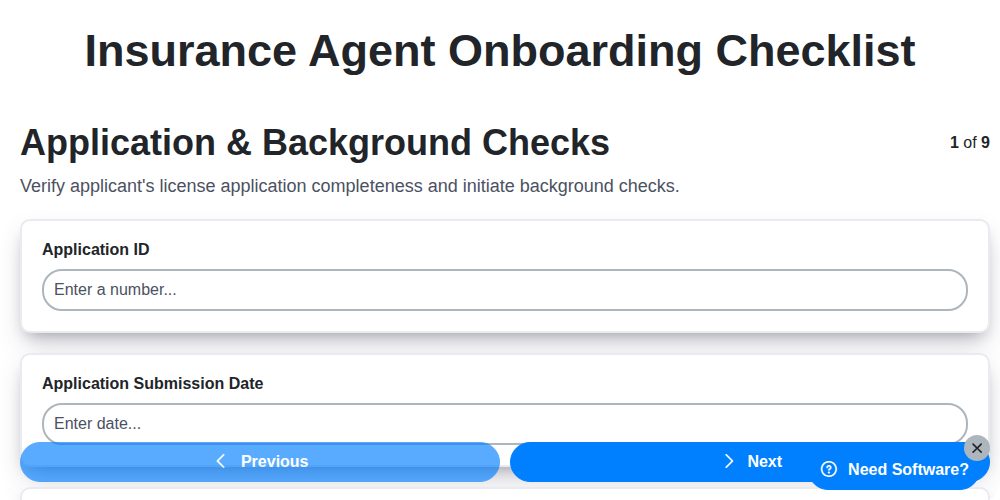
Table of Contents
- Introduction: Why a Robust Onboarding Checklist Matters
- 1. Application & Background Checks: Setting the Foundation
- 2. Licensing & Credentials: Verifying Expertise
- 3. Compliance Training: Navigating the Regulatory Landscape
- 4. Contract & Agreements: Legal Protections and Responsibilities
- 5. System Access & IT Setup: Equipping Agents for Success
- 6. Product & Policy Training: Mastering the Offerings
- 7. Compliance & Disclosure Review: Ensuring Transparency
- 8. Marketing & Advertising Approval: Maintaining Brand Consistency
- 9. Shadowing and Mentorship: Practical Application
- 10. Initial Performance Goals and Expectations
- 11. Ongoing Monitoring & Support: Continuous Improvement
- 12. Regular Check-ins and Feedback Loops
- Conclusion: Building a Successful Agent Team
- Resources & Links
TLDR: New insurance agents need a solid onboarding process to hit the ground running. This checklist ensures they're properly vetted, trained, compliant, and equipped with the tools they need - covering everything from background checks and licensing to product knowledge and marketing approvals. It's your shortcut to a successful and compliant agent team!
Introduction: Why a Robust Onboarding Checklist Matters
A successful insurance agency isn't built overnight. It's cultivated through talent - talented agents who understand your values, processes, and the complexities of the insurance landscape. But simply hiring someone isn's enough. A poorly executed onboarding process can lead to frustration, errors, compliance issues, and ultimately, agents who leave before truly contributing to your agency's success.
That's where a comprehensive onboarding checklist becomes your secret weapon. It's more than just a to-do list; it's a roadmap for consistent, effective integration of new agents into your team. A well-structured checklist ensures every new hire receives the same critical information, completes necessary steps, and feels supported from day one, setting them up for long-term success and benefiting your agency as a whole. We've outlined a detailed checklist below, but the core principle is simple: invest in onboarding, and you'll reap the rewards in agent retention, productivity, and compliance.
1. Application & Background Checks: Setting the Foundation
Before a new insurance agent can even begin connecting with clients and building their book of business, a thorough application and background check process is absolutely critical. This isn't just about ticking a box; it's about protecting your agency, your clients, and upholding the integrity of the insurance industry.
The process should start with a detailed application form, gathering information on the candidate's experience, education, and relevant qualifications. Following this, comprehensive background checks are essential. These typically include criminal history checks, verification of employment history, and potentially credit checks (depending on state regulations and agency policy).
Transparency is key here. Clearly communicate what information will be collected and how it will be used, ensuring compliance with Fair Credit Reporting Act (FCRA) guidelines if background checks are being utilized. Document everything meticulously - from initial application to final verification - creating a clear audit trail. This robust foundation ensures you're bringing on agents who are reliable, trustworthy, and committed to ethical conduct.
2. Licensing & Credentials: Verifying Expertise
Bringing on a new insurance agent is an exciting prospect, but ensuring they're fully qualified and legally permitted to operate is absolutely critical. This step goes beyond a simple interview - it's about verifying their expertise and confirming they meet all regulatory requirements.
The process typically begins with confirming the agent holds the necessary licenses for the lines of insurance they'll be selling. This involves verifying license status with the state's Department of Insurance, ensuring they're active and in good standing. Don't just take a copy of the license at face value; direct verification is essential.
Beyond the base license, it's crucial to confirm any required endorsements or specialized designations. For example, selling life insurance might require specific endorsements, and expertise in a niche area like Medicare may necessitate additional credentials.
Furthermore, review any continuing education credits they're required to maintain. Expired CE credits can invalidate a license, so stay vigilant. Document all verification efforts meticulously - this demonstrates due diligence and provides a record for audit purposes. A solid foundation built on verified credentials is the bedrock of a successful and compliant agency.
3. Compliance Training: Navigating the Regulatory Landscape
The insurance industry is heavily regulated, and ensuring your new agents understand and adhere to these regulations is paramount. Compliance training isn't just a formality; it's a cornerstone of ethical and legal business practices. This phase goes beyond a simple overview; it requires in-depth instruction covering areas like:
- Federal Regulations: Covering topics like the Gramm-Leach-Bliley Act (GLBA) protecting consumer financial information and the USA PATRIOT Act regarding anti-money laundering.
- State-Specific Regulations: Each state has its own unique insurance laws. Training must address specific requirements for disclosures, policy illustrations, and prohibited practices within your operating states.
- Ethical Conduct: Reinforce the importance of transparency, honesty, and fair dealing in all interactions with clients. Cover potential conflicts of interest and proper handling of sensitive information.
- Advertising and Marketing Compliance: Review rules around endorsements, misleading statements, and adherence to regulatory guidelines for promotional materials.
- Accessibility: Training should also cover accessibility requirements for individuals with disabilities, ensuring all policy information and services are accessible.
Document all training sessions, including attendance records and content covered. Regular refresher training is also crucial to keep agents up-to-date with evolving regulations and industry best practices. Consider utilizing interactive modules, quizzes, and real-world scenario simulations to maximize engagement and retention.
4. Contract & Agreements: Legal Protections and Responsibilities
This is arguably one of the most critical steps in onboarding. Your new agent represents your agency, and a solid, legally sound contract is essential to protect both parties. Don't rush this! The contract should clearly outline the agent's responsibilities, your agency's obligations, commission structures, termination clauses, and non-compete agreements (if applicable and legally permissible).
Beyond the standard contract, ensure the agent understands and signs any relevant agreements such as:
- Independent Contractor Agreement: Clearly defining their status as an independent contractor, not an employee, is vital for tax and legal considerations.
- Non-Solicitation Agreement: Protecting your agency's clients and preventing the agent from poaching them upon departure.
- Confidentiality Agreement: Safeguarding sensitive agency information and client data.
- Errors and Omissions (E&O) Insurance Rider: Ensuring appropriate coverage is in place to protect both the agent and the agency.
Thoroughly review each document with the new agent, encouraging them to ask questions and seek independent legal advice if needed. This promotes transparency, builds trust, and minimizes potential disputes down the line. Keep meticulous records of all signed agreements.
5. System Access & IT Setup: Equipping Agents for Success
Beyond the foundational paperwork and training, ensuring your new insurance agents have seamless access to the tools they need to succeed is paramount. A frustrating onboarding experience with technology can derail momentum and negatively impact productivity. This stage goes beyond simply handing over a laptop; it's about setting them up for efficient workflows from day one.
Here's what your IT setup checklist should include:
- Email & Communication Tools: Set up professional email addresses, introduce them to internal communication platforms (Slack, Microsoft Teams, etc.), and ensure they understand protocols for client communication.
- CRM Access: Grant access to your Customer Relationship Management (CRM) system. Provide initial training on navigation and key functionalities. This is critical for lead management, client tracking, and overall organization.
- Agency Management System (AMS) Training: Thoroughly train agents on your AMS. This is the backbone of their daily operations, managing policies, renewals, and client information.
- Quote & Application Tools: Provide login credentials and training for all necessary quoting and application tools. Ensure they understand how to properly utilize these platforms for accurate and efficient processing.
- Hardware & Software Provisioning: Ensure they receive all required hardware (laptop, phone, etc.) and software licenses. Pre-installing essential programs saves valuable time and reduces frustration.
- Technical Support Contact: Provide clear contact information for your IT support team for troubleshooting and ongoing assistance.
A smooth and well-supported IT setup shows new agents you're invested in their success, enabling them to focus on building their business and serving clients.
6. Product & Policy Training: Mastering the Offerings
New insurance agents need a deep understanding of the products they're selling. This isn't just about rattling off features; it's about grasping the nuances, limitations, and ideal customer fit for each policy. A robust product and policy training program should go beyond the basics, incorporating real-world scenarios, case studies, and ongoing updates.
Here's what effective product & policy training should include:
- Core Product Deep Dive: Each insurance product (auto, home, life, commercial, etc.) deserves dedicated sessions covering its features, benefits, eligibility requirements, exclusions, and common questions.
- Competitive Landscape: Understanding how your products stack up against competitors allows agents to confidently articulate their value proposition.
- Underwriting Guidelines: Familiarity with underwriting criteria helps agents accurately assess risk and present appropriate solutions.
- Policy Illustrations & Projections: Equip agents with the skills to create clear and compliant policy illustrations to demonstrate potential outcomes.
- Scenario-Based Learning: Walk through realistic client situations - from first-time buyers to complex commercial accounts - and guide agents through the best approach.
- Regular Updates: The insurance landscape changes constantly. Ongoing training ensures agents stay current with new products, policy changes, and regulatory updates.
- Knowledge Checks & Assessments: Regularly assess understanding through quizzes, role-playing, and practical exercises.
Investing in comprehensive product and policy training isn't just about compliance; it's about empowering your agents to become confident, knowledgeable advisors who provide exceptional service and build lasting client relationships.
7. Compliance & Disclosure Review: Ensuring Transparency
Bringing on a new insurance agent is more than just about sales; it's about upholding the highest ethical standards and ensuring regulatory compliance. A thorough compliance and disclosure review is a critical step in the onboarding process, far beyond simply ticking a box.
This isn't just a one-time event. It's a multi-faceted examination focusing on several key areas:
- Suitability & Transparency: We meticulously review how the new agent presents products and services to potential clients. Are they accurately portraying benefits and limitations? Are they clearly disclosing any potential conflicts of interest? We want to ensure clients receive unbiased advice tailored to their individual needs.
- Regulatory Updates: The insurance landscape is constantly evolving. Our review incorporates the latest regulatory changes and ensures the agent understands their obligations under these new rules.
- Disclosure Forms: We verify the agent's understanding and proper execution of all required disclosure forms, including but not limited to privacy notices, cancellation policies, and commission structures.
- Documentation & Record Keeping: We assess the agent's ability to maintain accurate and complete records of client interactions and disclosures, ensuring traceability and auditability.
This rigorous review protects both our agency and the clients we serve, reinforcing our commitment to ethical and transparent business practices. Failure to prioritize this step can lead to significant legal and reputational risks.
8. Marketing & Advertising Approval: Maintaining Brand Consistency
Bringing on a new insurance agent is an investment - not just in their potential, but in upholding the reputation and brand integrity of your agency. Allowing new agents to immediately launch their own marketing campaigns without proper oversight can be a significant risk. This approval process isn't about stifling creativity; it's about ensuring compliance, consistency, and protecting your agency's hard-earned brand.
Before a new agent can officially start promoting your agency and its products, they must submit all marketing and advertising materials for review. This includes, but isn't limited to: website content, social media posts, print ads, email campaigns, and any sponsored content.
Our review process focuses on several key areas:
- Regulatory Compliance: Ensuring all materials adhere to state and federal advertising regulations, avoiding misleading claims or inaccurate information.
- Brand Alignment: Confirming materials reflect your agency's established brand guidelines - logos, messaging, tone, and overall image.
- Accuracy & Transparency: Verifying all product information is accurate and disclaimers are properly included.
- Legal Review: Addressing any potential legal implications within the marketing content.
This approval isn't a one-time event. Agents should understand that any future marketing plans will also require approval, allowing for ongoing brand oversight and adherence to evolving regulations. Establishing clear guidelines and a streamlined approval process upfront minimizes potential risks and ensures a positive, consistent experience for both the agent and your customers.
9. Shadowing and Mentorship: Practical Application
Shadowing and mentorship are invaluable for translating theory into practice. New insurance agents need to see experienced professionals in action - observing client interactions, learning how to navigate complex situations, and understanding the nuances of policy explanations. A structured shadowing program, where the new agent observes several seasoned agents across different product lines and client types, provides crucial context.
Following shadowing, pairing the new agent with a dedicated mentor is essential. This mentor acts as a guide, offering personalized feedback, answering questions, and providing ongoing support as the agent begins to handle their own client interactions. The mentorship should include regular check-ins, role-playing scenarios, and a safe space for the agent to discuss challenges and successes. This practical, hands-on experience significantly accelerates their learning curve and builds confidence.
10. Initial Performance Goals and Expectations
Setting clear performance goals and expectations from the very beginning is critical for a successful insurance agent onboarding experience. Don't leave new hires wondering what's expected of them; proactive communication prevents frustration and accelerates productivity. This isn't just about sales numbers - it's about demonstrating professionalism, adhering to ethical practices, and representing the agency positively.
We recommend establishing 3-5 key performance indicators (KPIs) for the initial 90 days. These could include things like:
- Lead Generation & Follow-Up: A target number of leads generated or contacted within a timeframe.
- Appointment Setting: A minimum number of client meetings scheduled.
- Policy Quoting: A certain number of policy quotes provided to potential clients.
- Client Satisfaction: A focus on gathering initial feedback and striving for positive interactions.
- Adherence to Agency Processes: Consistent use of CRM, reporting accurately, and following established workflows.
Beyond numbers, clearly outline expectations around professionalism, communication, and ethical conduct. Regular check-ins (weekly initially, then bi-weekly) provide an opportunity to review progress, address challenges, and offer constructive feedback. Document these goals and expectations in writing, ensuring both the agent and agency are aligned and accountable. Remember, this isn't a rigid framework; it's a foundation for growth and success.
11. Ongoing Monitoring & Support: Continuous Improvement
Onboarding isn't a one and done process. To ensure your new insurance agents thrive and remain compliant, ongoing monitoring and support are absolutely critical. This isn't just about checking in; it's about fostering a culture of continuous improvement.
Here's what ongoing monitoring & support should encompass:
- Regular Performance Reviews: Consistent feedback, both positive and constructive, helps agents identify strengths and areas for development. These reviews shouldn't be punitive; they should be collaborative.
- Compliance Audits: Periodic audits (both internal and potentially external) ensure adherence to regulations and company policies. This can include reviewing sales practices, documentation, and marketing materials.
- Product & Policy Updates: The insurance landscape is constantly evolving. Provide ongoing training and updates on new products, policy changes, and regulatory shifts. Consider brief, focused refreshers rather than long, overwhelming sessions.
- Mentorship Programs: Pairing new agents with experienced mentors provides invaluable guidance, support, and a resource for navigating challenges.
- Feedback Mechanisms: Create open channels for agents to provide feedback on onboarding processes, training materials, and overall support systems. Their insights are crucial for refining your approach.
- Technology Support: Ensure agents have continuous access to technical support to resolve any system-related issues promptly.
- Stay Informed: Keep abreast of industry best practices and adapt your onboarding and support programs accordingly.
By prioritizing ongoing monitoring and support, you're investing in the long-term success of your agents and the reputation of your agency.
12. Regular Check-ins and Feedback Loops
Onboarding isn't a one-and-done process. To ensure your new insurance agents truly thrive and remain compliant, establish regular check-ins and create robust feedback loops. Schedule weekly or bi-weekly meetings for the first few months, gradually transitioning to monthly or quarterly check-ins thereafter. These aren't just status updates; they're opportunities for:
- Identifying Challenges: New agents may encounter unforeseen hurdles-from understanding specific policy nuances to navigating client interactions. Early identification allows for targeted support.
- Reinforcing Training: Briefly revisit key concepts, policy updates, or compliance regulations to solidify understanding.
- Addressing Questions: Create a safe space for agents to ask questions without fear of judgment.
- Gathering Feedback: Ask for their perspective on the onboarding process itself. What worked well? What could be improved? This continuous improvement loop benefits both the agent and the agency.
- Performance Review (Early & Often): While formal reviews are important, smaller, more frequent feedback sessions provide real-time coaching and correction.
Conclusion: Building a Successful Agent Team
A well-structured onboarding process, like the checklist we've outlined, isn't just about ticking boxes; it's an investment in your agency's future. By prioritizing thorough training, compliance, and ongoing support, you're setting your agents up for success - and, ultimately, contributing to the growth and reputation of your agency. Remember, a confident and knowledgeable agent translates to satisfied clients and a stronger bottom line. Don't cut corners; build a foundation for a thriving agent team that you can be proud of.
Resources & Links
- National Association of Insurance Commissioners (NAIC): The NAIC is a vital resource for insurance regulators and provides extensive information on licensing requirements, regulations, and best practices. Useful for understanding the broader regulatory landscape for agents.
- The Insurance Information Institute (III): The III provides objective, easily understandable information about insurance. It can be helpful for understanding policy types, industry trends, and consumer education - valuable context for agent training.
- The Independent Insurance Agents & Brokers of America (IIABA): IIABA offers resources, advocacy, and training for independent insurance agents. Their website has information on professionalism, ethics, and best practices that are highly relevant to onboarding.
- Professional Insurance Agents of America (PIA): The PIA is another association for insurance professionals providing resources, education, and advocacy. They often have state-specific information that's valuable for ensuring compliance.
- Federal Bureau of Investigation - Identity Theft Resources: Relevant to the 'Application & Background Checks' section. Provides information and resources for conducting thorough background checks and protecting against fraud.
- Internal Revenue Service (IRS): Important for understanding reporting requirements and tax implications for insurance agents, which might arise during contract and compliance training. Especially relevant if agents receive commission or are classified as independent contractors.
- Nolo - Legal Information: Nolo provides legal information and resources that can be helpful for reviewing contracts and agreements, specifically for understanding legal terms and responsibilities. Relevant for the 'Contract & Agreements' section.
- U.S. Small Business Administration (SBA): If your agency is onboarding independent contractor agents, the SBA provides valuable information about contractor vs. employee classification, tax requirements, and legal responsibilities.
- Federal Trade Commission (FTC) - Consumer Protection: Relevant for 'Marketing & Advertising Approval.' The FTC provides guidelines on truth in advertising and consumer protection, ensuring agents adhere to legal and ethical marketing practices.
- Advertising Compliance Resource: An excellent resource for ensuring advertising complies with all relevant regulations and guidelines. Highly relevant for the 'Marketing & Advertising Approval' section.
- Privacy Rights Clearinghouse: Provides resources and information on privacy laws and regulations, crucial for training agents on handling client data and maintaining confidentiality.
- Financial Industry Regulatory Authority (FINRA): While primarily focused on securities, FINRA's guidance on ethics, compliance, and training can provide valuable insights applicable to insurance agent onboarding, ensuring a culture of professionalism.
- Compliance Planet: This site offers news and resources on compliance, which will be helpful for ongoing compliance training and updates.
Frequently Asked Questions
What is an insurance agent onboarding checklist and why is it important?
An insurance agent onboarding checklist is a structured plan outlining all the steps needed to successfully integrate a new agent into your agency. It's important because it ensures consistency, reduces errors, accelerates productivity, builds confidence, and helps new agents feel supported and valued, leading to better retention and higher performance.
Who should use this onboarding checklist?
This checklist is designed for agency owners, managers, and HR professionals responsible for onboarding new insurance agents. It's applicable to agencies of all sizes and specializations.
What are the key phases covered in the checklist?
The checklist typically covers phases such as Pre-Onboarding (before the agent starts), First Week, First Month, and Ongoing Support. Each phase includes specific tasks and milestones.
What kind of pre-onboarding tasks are included?
Pre-onboarding tasks often involve sending welcome materials, gathering necessary paperwork (licensing, background checks), setting up email and system access, and scheduling initial meetings.
What technological tools or systems should I consider setting up for new agents?
The checklist encourages setting up access to agency management systems (AMS), CRM platforms, policy quoting tools, marketing resources, and communication channels (email, phone, instant messaging).
How does the checklist address compliance and regulatory requirements?
The checklist includes tasks related to ensuring agents understand and adhere to agency policies, legal requirements, and ethical guidelines. It highlights the importance of licensing verification and ongoing training.
What kind of performance goals and KPIs should be established for new agents?
The checklist suggests setting clear and measurable performance goals related to sales targets, policy retention, customer satisfaction, and adherence to agency procedures. Regular progress reviews are also emphasized.
How often should I review and update the onboarding checklist?
The checklist should be reviewed and updated at least annually, or more frequently if there are significant changes in regulations, technology, or agency processes. Feedback from new agents should also be incorporated.
Can this checklist be customized to fit my agency's specific needs?
Absolutely. This is intended as a comprehensive guide, and each agency has unique requirements. Feel free to add, remove, or modify tasks to align with your specific agency culture, products, and target market.
What is the benefit of ongoing support for new agents beyond the first few weeks?
Ongoing support fosters continued development and retention. It demonstrates commitment and allows for addressing unforeseen challenges, ensuring the agent feels supported throughout their career at the agency.
Comments
There are no comments yet. Be the first to add one!
Insurance Management Solution Demo
Managing policies, claims, and compliance in the insurance industry is complex. ChecklistGuro's Work OS platform streamlines your operations, from underwriting and renewals to claims processing and reporting. Improve efficiency, reduce errors, and enhance customer satisfaction. Discover how ChecklistGuro can transform your insurance business!
Related Articles
Streamline Claims: Your Insurance Claims Support Process Checklist Template
Your Insurance Policy Review Checklist: A Step-by-Step Guide
Your Property Insurance Review Checklist: A Step-by-Step Guide
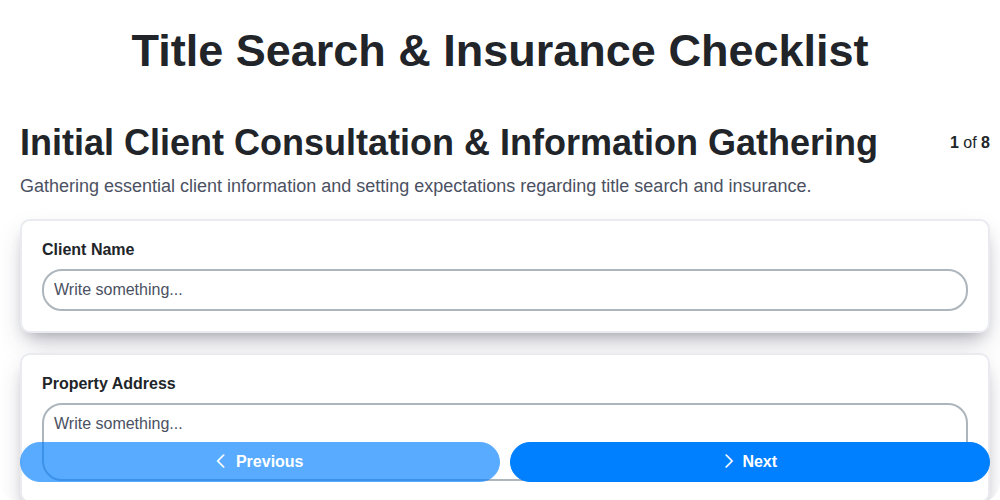
Your Title Search & Insurance Checklist Template
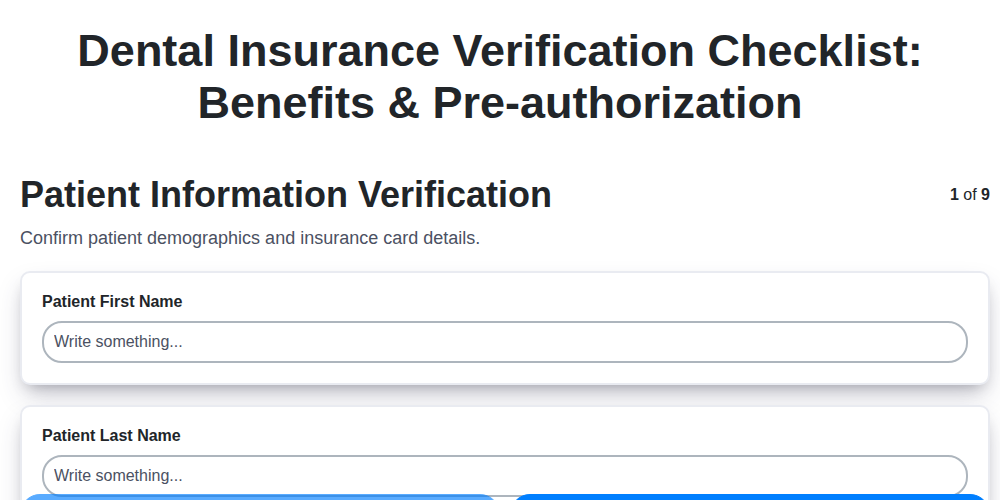
Simplify Insurance Verification: Your Free Dental Checklist Template
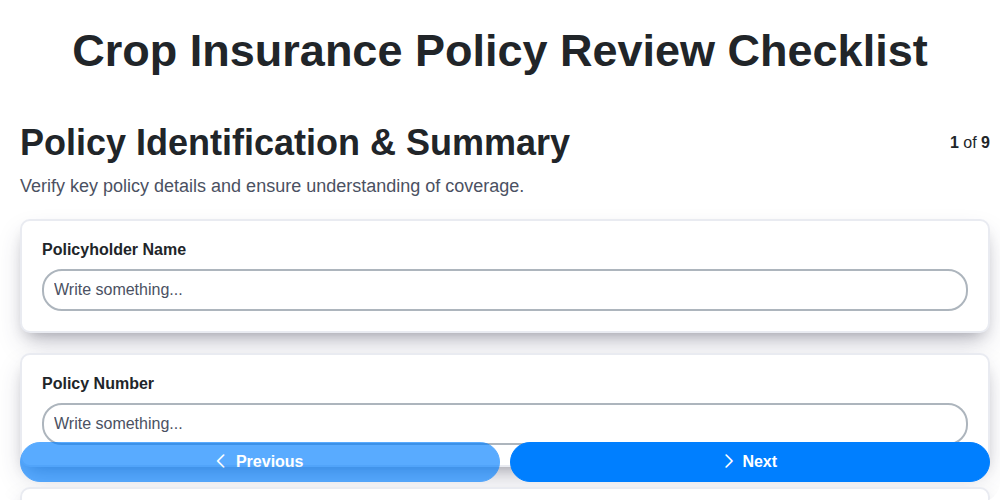
Crop Insurance Policy Review Checklist: A Farmer's Guide

The Ultimate Vehicle Registration & Insurance Validation Checklist
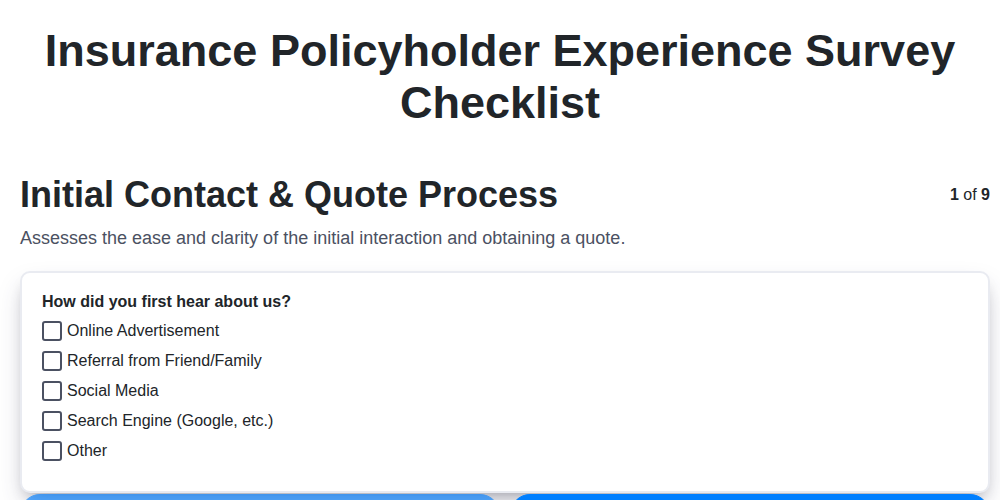
Mastering the Policyholder Journey: Your Insurance Experience Survey Checklist
Need help with
Insurance?
Have a question? We're here to help. Please submit your inquiry, and we'll respond promptly.