The Ultimate Insurance AML Compliance Checklist: Stay Protected & Compliant
Published: 12/01/2025 Updated: 07/02/2026
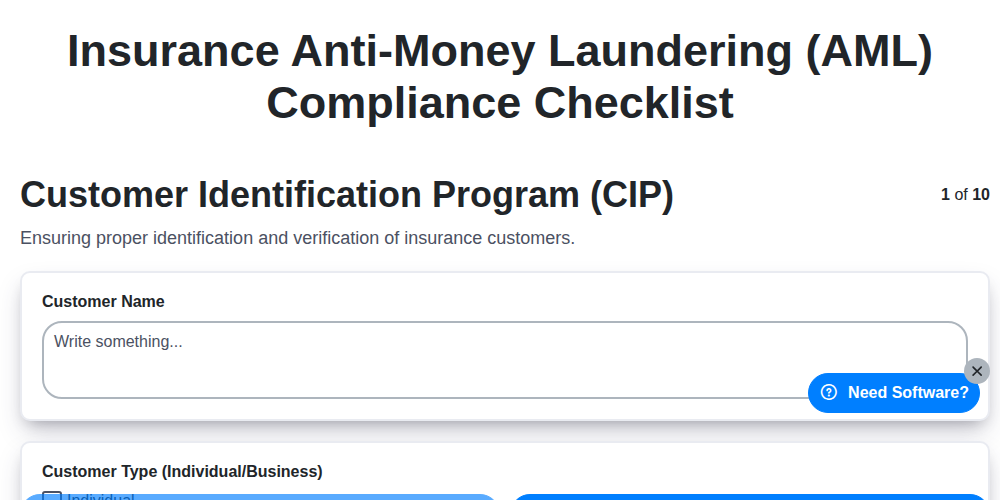
Table of Contents
- Introduction: Why AML Compliance Matters in Insurance
- 1. Customer Identification Program (CIP): Knowing Your Client
- 2. Robust Transaction Monitoring: Spotting Unusual Activity
- 3. Sanctions Screening: Ensuring No Business with Restricted Parties
- 4. Politically Exposed Persons (PEP) Screening: Heightened Due Diligence
- 5. Meticulous Record Keeping: The Foundation of Transparency
- 6. Comprehensive Employee Training: Building a Culture of Compliance
- 7. Reporting Suspicious Activity (SAR): Your Legal Obligation
- 8. Dynamic Risk Assessment: Identifying and Mitigating Vulnerabilities
- 9. Policy and Procedures Review: Keeping Pace with Regulatory Changes
- 10. Independent Testing: Validating Your AML Program
- 11. Technology's Role in Streamlining AML Compliance
- 12. Common AML Compliance Challenges in Insurance
- Conclusion: Maintaining a Proactive AML Posture
- Resources & Links
TLDR: Insurance companies face serious AML risks. This checklist covers everything from knowing your customers (CIP) to spotting suspicious transactions and training your staff. Use it to ensure you're not just ticking boxes, but truly building a robust AML compliance program that protects your business and avoids hefty fines.
Introduction: Why AML Compliance Matters in Insurance
The insurance industry, while built on trust and protection, isn't immune to the risks of financial crime. Money laundering and terrorist financing can infiltrate insurance products and services, posing significant reputational, financial, and legal challenges. Failing to comply with Anti-Money Laundering (AML) regulations isn't just a legal issue; it can erode customer trust, damage your brand, and expose your organization to hefty fines and even criminal prosecution. This isn't about simply ticking boxes; it's about establishing a robust framework to actively prevent and detect illicit activities, protecting your business and contributing to the integrity of the financial system. Understanding and adhering to AML requirements is crucial for long-term sustainability and ethical operation in today's complex regulatory landscape.
1. Customer Identification Program (CIP): Knowing Your Client
A robust Customer Identification Program (CIP) is the bedrock of any successful AML compliance framework. It's not just about ticking a box; it's about genuinely understanding who your clients are and verifying their identities. Failure to do so leaves your insurance business vulnerable to illicit activities and regulatory scrutiny.
Here's what a comprehensive CIP should include:
- Identification Requirements: Clearly define what documentation is acceptable to verify a customer's identity. This should align with the Bank Secrecy Act (BSA) and FinCEN guidelines. Common documents include driver's licenses, passports, and permanent resident cards.
- Verification of Identity: Implement procedures to independently verify the information provided. This might involve checking against government databases, credit bureaus, or other reliable sources. Don't simply take documentation at face value.
- Address Verification: Equally important is verifying the customer's address. This is crucial for accurate record-keeping and for potentially tracking suspicious activity.
- Beneficial Ownership Identification: For legal entities (like trusts or corporations), you must identify the beneficial owners - the individuals who ultimately control the entity. Understanding who is truly benefitting from the insurance policy is paramount. Know Your Customer (KYC) principles strongly apply here.
- Ongoing Due Diligence: CIP isn't a one-time event. Periodically review and update customer information, especially for higher-risk clients.
- Risk-Based Approach: Tailor your CIP procedures based on the risk associated with different types of clients and products. Higher-risk clients require more rigorous identification and verification.
A weak CIP significantly increases your AML risk. Invest the time and resources to build a strong foundation, and it will pay dividends in the long run.
2. Robust Transaction Monitoring: Spotting Unusual Activity
Transaction monitoring is the bedrock of a strong AML program. It's not enough to simply onboard customers properly; you need ongoing vigilance to identify transactions that deviate from expected patterns and potentially indicate illicit activity. This process involves establishing a system that automatically flags transactions based on pre-defined rules and thresholds.
Key elements of effective transaction monitoring include:
- Rule-Based Systems: Implement rules based on regulatory requirements, industry best practices, and your organization's risk profile. These rules can trigger alerts for transactions exceeding specific amounts, occurring in high-risk locations, or involving suspicious payment methods.
- Behavioral Profiling: Go beyond simple rule-based systems by developing behavioral profiles for customer segments. This allows you to identify transactions that are unusual for that specific customer, even if they don't trigger general alert thresholds. For example, a normally low-volume customer suddenly making large international transfers.
- Real-Time vs. Batch Processing: Consider whether your monitoring will be real-time (alerts generated immediately) or batch (alerts generated periodically). Real-time monitoring is often preferable for high-risk accounts or situations, but can be resource-intensive.
- False Positive Management: Transaction monitoring systems inevitably generate false positives. Invest in resources and training to efficiently investigate these alerts, minimizing disruption and maximizing the effectiveness of your analysts. A well-defined escalation process is crucial.
- Regular Rule Tuning: Your customer base and the methods used by criminals evolve constantly. Regularly review and update your transaction monitoring rules to ensure they remain effective and relevant. Document all changes and the rationale behind them.
- Data Enrichment: Integrate data from multiple sources (e.g., sanctions lists, adverse media reports) to enrich transaction data and improve alert accuracy.
3. Sanctions Screening: Ensuring No Business with Restricted Parties
Sanctions screening is a critical element of your insurance AML compliance program. It's about verifying that you're not inadvertently conducting business with individuals or entities sanctioned by government agencies like the Office of Foreign Assets Control (OFAC) in the United States, the European Union, or the United Nations. Failure to screen can result in significant fines, reputational damage, and even criminal charges.
What You Need to Do:
- Utilize a Reliable Screening Tool: Manual screening is simply not feasible. Invest in a robust, regularly updated sanctions screening software solution. These tools automate the process and flag potential matches.
- Screen New and Existing Customers: Don't just screen new applicants! Regularly re-screen existing clients, as sanctions lists are frequently updated.
- Screen Parties Involved in Transactions: This includes beneficiaries, payers, and anyone else involved in financial transactions.
- Fuzzy Logic Matching: Implement fuzzy logic capabilities in your screening tool. This helps identify matches even with slight variations in spelling or aliases. A simple typo shouldn't allow a sanctioned party to slip through.
- Investigate Potential Matches: A match isn't necessarily a confirmed hit. Thoroughly investigate potential matches to determine if they are true positives or false positives. Document your investigation process.
- Escalation Procedures: Establish clear procedures for escalating potential matches to compliance officers for review and resolution.
- Maintain Records: Keep detailed records of all screening results, investigations, and resolutions.
- Stay Updated: Sanctions lists change constantly. Subscribe to alerts and regularly check official government websites to ensure your screening data is current.
4. Politically Exposed Persons (PEP) Screening: Heightened Due Diligence
Politically Exposed Persons (PEPs) present a significantly higher risk of involvement in money laundering and bribery. These individuals hold prominent public functions, both domestically and internationally, and their positions can make them vulnerable to exploitation. Screening for PEPs is therefore a critical component of a robust AML program.
Beyond simply identifying individuals who meet the PEP definition (typically senior politicians, government officials, judges, and their close associates and family members), heightened due diligence (HDD) is essential. This includes:
- Enhanced Verification: Go beyond standard CIP verification. Utilize multiple independent sources to confirm the PEP's identity and beneficial ownership.
- Source of Wealth/Funds: Scrutinize the origin of their wealth and the source of funds involved in transactions. This goes beyond just verifying income; it requires probing deeper into the assets and business dealings.
- Transaction Scrutiny: Monitor transactions involving PEPs with extreme vigilance, paying close attention to unusual patterns, large sums, and frequent transfers.
- Senior Management Approval: Transactions involving PEPs should ideally require approval from senior management or a designated compliance officer.
- Ongoing Monitoring: PEP status can change. Regularly re-screen PEPs to ensure continued accuracy and adherence to current regulations.
5. Meticulous Record Keeping: The Foundation of Transparency
Maintaining robust and comprehensive records is absolutely critical for demonstrating AML compliance. It's not just about ticking a box; it's about creating an auditable trail that proves you're fulfilling your obligations. This includes documenting everything from initial customer onboarding (CIP documentation) to transaction monitoring alerts and their resolution.
Your records should include, but aren't limited to:
- CIP documentation: Copies of identification documents, verification processes, and explanations of beneficial ownership.
- Transaction Monitoring Records: Details of alerts generated, investigation steps taken, and conclusions reached.
- Sanctions and PEP Screening Results: Dates, names, and systems used for screening, along with any matches and subsequent actions.
- Risk Assessment Documentation: The process used to assess and update your AML risk assessment.
- Training Records: Proof of employee training completion, including dates, content covered, and assessments.
- Suspicious Activity Reports (SARs): Copies of filed SARs and related internal documentation.
- Policy and Procedure Updates: Dates of changes and justifications.
These records must be stored securely, be readily accessible for review, and retained for the period mandated by applicable regulations (typically 5-7 years, but always verify local requirements). A well-organized record-keeping system not only facilitates audits but also serves as invaluable evidence in the event of regulatory scrutiny.
6. Comprehensive Employee Training: Building a Culture of Compliance
AML compliance isn't just about ticking boxes; it's about fostering a robust culture of vigilance across your entire organization. And that starts with comprehensive employee training. It's far more than just a one-off onboarding session.
Effective training should cover the fundamentals of AML, explaining why compliance is crucial and the potential consequences of non-compliance - both for the organization and for individuals. This includes detailing relevant laws and regulations, like the Bank Secrecy Act (BSA) and USA PATRIOT Act.
Beyond the basics, training must cover the specific procedures your insurance company has in place, tying directly to your Risk Assessment and Policy & Procedures. Employees need to understand their individual roles and responsibilities within the AML program, and how their actions contribute to overall compliance.
Regular refresher courses are vital. New threats and evolving regulations necessitate ongoing education. Consider incorporating real-world scenarios and case studies into your training to make it engaging and memorable.
Finally, make training accessible and tailored to different roles. Front-line staff interacting with customers will need different training than those responsible for transaction monitoring. A well-trained workforce is your strongest defense against financial crime - it's an investment, not an expense.
7. Reporting Suspicious Activity (SAR): Your Legal Obligation
Detecting and reporting suspicious activity is a cornerstone of any robust AML compliance program. It's not just about ticking a box; it's a legal obligation with serious consequences for non-compliance. A Suspicious Activity Report (SAR), also known as a Suspicious Transaction Report (STR) in some jurisdictions, is a formal notification to the relevant financial intelligence unit (FIU) detailing transactions or activities that raise concerns about potential money laundering, terrorist financing, or other illicit activities.
What constitutes suspicious activity? This is a complex question, and it's crucial to remember you're looking for indicators, not proof. Indicators can include, but are not limited to:
- Unusual Transaction Patterns: Transactions that don't align with a customer's known business or personal activities.
- Large Cash Transactions: Especially when the customer's declared income or business activity doesn't justify the volume.
- Complex Transactions: Structures designed to obscure the origin or destination of funds.
- Discrepancies in Information: Inconsistencies between a customer's stated information and available data.
- Unexplained Wealth: A customer's lifestyle or declared assets not matching their reported income.
Your Responsibility: As an insurance company, you have a responsibility to investigate these indicators. Don't dismiss unusual activity simply because it's unusual. Document your concerns, and if you believe the activity is suspicious, you must report it.
Important Considerations:
- Don't Alert the Customer: Filing a SAR should be done discreetly. Alerting the customer can lead to the funds being withdrawn or the activity being concealed.
- Follow Internal Procedures: Your company's SAR filing procedures should outline who is responsible for filing reports, the documentation required, and the approval process.
- Seek Guidance: If you're unsure whether to file a SAR, consult with your compliance officer or legal counsel. It's always better to err on the side of caution.
8. Dynamic Risk Assessment: Identifying and Mitigating Vulnerabilities
A static risk assessment is a relic of the past. In the ever-evolving landscape of financial crime, a dynamic approach is critical for robust AML compliance. Your initial risk assessment isn't a "set it and forget it" document. It's a living, breathing system that needs continuous monitoring and updating.
This dynamic assessment goes beyond simply ticking boxes. It involves regularly evaluating changes within your institution, your customer base, and the broader AML environment. Consider these factors:
- Geographic Expansion: Are you expanding into new regions? Each jurisdiction carries unique AML risks.
- Product Innovation: Introducing new products or services? Analyze the potential for misuse.
- Customer Segmentation Shifts: Are you seeing changes in your customer demographics or transaction patterns?
- Evolving Typologies: Financial criminals constantly adapt their methods. Stay informed about emerging trends.
- Regulatory Updates: AML regulations are frequently amended. Ensure your risk assessment reflects current requirements.
To implement a dynamic risk assessment, establish a system for ongoing monitoring. This could include regular data analysis, feedback from front-line staff, and staying abreast of industry news. Periodically revisit your initial assessment (at least annually, or more frequently if triggered by a significant event) to identify any gaps and implement necessary adjustments to your AML program. Remember, proactive identification and mitigation of vulnerabilities is key to preventing financial crime.
9. Policy and Procedures Review: Keeping Pace with Regulatory Changes
Regularly reviewing and updating your AML policies and procedures isn't a one-and-done task; it's a continuous process vital for maintaining compliance. Regulatory landscapes are dynamic - new laws, guidance, and best practices emerge frequently. What was considered best practice last year might be outdated today.
Here's what a robust review process should include:
- Frequency: Aim for at least an annual review, but consider more frequent assessments (e.g., semi-annually or quarterly) if your institution operates in a high-risk environment or faces significant regulatory changes.
- Regulatory Updates: Stay informed about changes from regulatory bodies like FinCEN, your local banking authorities, and international organizations. Subscribe to newsletters, attend webinars, and leverage industry resources.
- Internal Feedback: Gather feedback from compliance officers, front-line employees, and audit teams. They often identify gaps or areas for improvement based on their experiences.
- Risk Assessment Alignment: Ensure your policies and procedures reflect your most recent risk assessment findings. As your risk profile changes, your controls must adapt.
- Documentation: Meticulously document all review activities, including changes made, the rationale behind them, and the individuals involved. This demonstrates due diligence and provides an audit trail.
- Communication: Effectively communicate any updates to all relevant personnel, ensuring they understand the changes and their responsibilities.
10. Independent Testing: Validating Your AML Program
Regular testing isn't just a 'nice-to-have' - it's a crucial component of a robust AML compliance program. It provides an objective assessment of your program's effectiveness, identifying gaps and weaknesses that internal reviews might miss. Think of it as an external check-and-balance, confirming your controls are working as intended.
Independent testing should be conducted by a qualified and impartial party - this could be an internal audit team with appropriate expertise, a third-party consultant specializing in AML compliance, or a combination of both.
Here's what independent testing should cover:
- CIP Effectiveness: Evaluate whether your customer identification processes are consistently gathering and verifying necessary information.
- Transaction Monitoring Accuracy: Assess the accuracy of your transaction monitoring system's alerts and the appropriateness of investigations.
- Sanctions & PEP Screening: Verify the effectiveness of your screening processes and ensure accuracy of results.
- Risk Assessment Review: Confirm the risk assessment accurately reflects the current risk profile and informs the risk-based approach.
- Policy & Procedures Adherence: Observe whether employees are following established policies and procedures.
- Reporting Adequacy: Test the process for reporting suspicious activity to ensure timely and accurate submissions.
The results of independent testing should be documented, reviewed by senior management, and used to implement corrective actions. The testing program itself needs to be regularly reviewed to ensure its ongoing effectiveness and relevance. Don't just test; act on the findings and continually improve!
11. Technology's Role in Streamlining AML Compliance
The sheer volume of data and complexity involved in AML compliance can quickly overwhelm even the most dedicated teams. Thankfully, technology offers a powerful suite of solutions to streamline processes, enhance accuracy, and reduce operational burdens.
Historically, many AML tasks relied heavily on manual processes - sifting through documents, cross-referencing data, and making subjective judgments. These methods are prone to human error, slow, and difficult to scale. Modern AML technology is transforming the landscape.
Here's how technology is making a difference:
- Automated Transaction Monitoring: AI and machine learning algorithms can analyze transaction data in real-time, flagging suspicious activity far more efficiently than rule-based systems or manual review. These systems can learn and adapt, reducing false positives and improving detection rates.
- Enhanced Screening: Sanctions screening and PEP screening software automatically compare customer data against global watchlists and politically exposed persons databases. Automated updates ensure you're always using the latest information.
- Robotic Process Automation (RPA): RPA can automate repetitive tasks like data entry, KYC/CDD updates, and report generation, freeing up compliance professionals to focus on higher-risk areas.
- Cloud-Based Solutions: Cloud platforms offer scalability, accessibility, and often, integrated AML tools, simplifying implementation and maintenance.
- RegTech Platforms: Comprehensive RegTech platforms combine multiple AML functions - from CIP and KYC to transaction monitoring and reporting - into a single, unified system.
- Data Analytics & Visualization: Powerful data analytics tools allow compliance teams to identify trends, assess risk effectively, and create clear, insightful reports for management and regulators.
While technology doesn't replace the need for human oversight, it serves as a critical enabler, strengthening your AML program and mitigating the risk of costly fines and reputational damage. Investing in the right technology is no longer a luxury; it's a necessity for maintaining a robust and efficient AML compliance framework.
12. Common AML Compliance Challenges in Insurance
The insurance industry, while seemingly less prone to money laundering than banking or securities, presents unique AML challenges. Here's a breakdown of the hurdles insurers often face:
- Complex Products & Services: Insurance products, especially investment-linked policies and high-value life insurance, can be complex and offer opportunities to obscure illicit funds. Understanding the nuances of these products and how they could be misused is crucial.
- Agent & Broker Risk: Insurance agents and brokers often operate with a degree of autonomy, making it challenging to maintain consistent AML controls across the entire distribution network. Rogue agents can be a significant vulnerability.
- Limited Customer Data: Obtaining comprehensive Know Your Customer (KYC) information can be difficult, particularly with group or affinity insurance policies. Relying solely on limited application data increases risk.
- Cross-Border Transactions: Insurers frequently deal with international clients and policies, triggering complex sanctions screening and PEP screening requirements.
- Digital Transformation Risks: While digital solutions enhance efficiency, they also introduce vulnerabilities like cybersecurity risks and potential for fraud facilitated through online platforms.
- Evolving Regulations: AML regulations are constantly evolving, requiring continuous monitoring and adaptation of compliance programs.
- Resource Constraints: Smaller insurance companies often face resource constraints, limiting their ability to invest in robust AML technology and personnel.
- Beneficial Ownership Identification: Identifying the ultimate beneficial owners behind corporate clients or trusts can be particularly difficult in insurance contexts.
- Lack of Specialized Expertise: A shortage of AML specialists with insurance-specific knowledge can hinder effective compliance.
- Unclear Reporting Thresholds: Determining the appropriate thresholds for reporting suspicious activity can be ambiguous in certain insurance scenarios.
- Data Silos: Information relevant to AML compliance is often scattered across different departments and systems, hindering a holistic view of customer risk.
- Difficulty Tracking Policy Valuations: The fluctuating value of insurance policies, especially investment-linked ones, can complicate transaction monitoring and require tailored risk assessment strategies.
Conclusion: Maintaining a Proactive AML Posture
Staying ahead of AML regulations isn't a one-time effort; it's an ongoing commitment. This checklist provides a robust framework, but remember that the financial crime landscape is constantly evolving. Regularly revisiting and updating your program - ensuring alignment with new guidance, emerging threats, and changes within your organization - is crucial. A proactive approach, driven by continuous monitoring, rigorous testing, and a culture of compliance, will not only minimize your risk of regulatory penalties but also protect your institution's reputation and contribute to a safer financial system. Don't view AML compliance as a burden, but as a core business function that strengthens your overall resilience.
Resources & Links
- Financial Crimes Enforcement Network (FinCEN): The primary U.S. government agency responsible for shaping AML regulations. This website provides official guidance, regulations, and updates. Essential for understanding the legal framework.
- Internal Revenue Service (IRS): While not solely AML-focused, the IRS's role in tax compliance overlaps with AML efforts, especially regarding beneficial ownership reporting. Review their guidance on reporting requirements.
- Department of Justice - Financial Crimes Enforcement: Provides information about enforcement actions and prosecutions related to AML violations. Illustrates the consequences of non-compliance.
- BSSE Check: Provides screening solutions and resources for sanctions, PEP, and adverse media checks, helping with due diligence.
- World-Check: Another leading provider of screening data and solutions for financial institutions. Offers extensive coverage for AML compliance.
- Dow Jones Risk & Compliance: Offers news, data, and risk intelligence solutions, including PEP and sanctions screening data. Helpful for staying informed about evolving risks.
- AML Compliance.com: A valuable resource for news, articles, and webinars related to Anti-Money Laundering. Offers practical insights and industry best practices.
- Association of Corporate Counsel (ACC): The ACC provides resources and training related to legal compliance, including AML. Useful for insurance professionals seeking legal guidance.
- National Association for Information Destruction (NAID): Relates to the meticulous record keeping and data retention aspect of AML. Ensures proper destruction and handling of sensitive data when it's no longer needed.
- Smartsheet: A tool for organizing and managing compliance checklists and workflows, aiding in tracking progress and ensuring consistency across your AML program. (Consider for record keeping and program management)
- ABACUS Software: Specializes in AML compliance software, particularly beneficial for transaction monitoring and SAR filing. Consider if you are seeking automation.
- LexisNexis: Provides legal research and risk management solutions. Useful for staying abreast of regulatory changes impacting AML compliance.
- NCSI: Offers a variety of risk and compliance solutions, including beneficial ownership information and adverse media screening. A good resource for due diligence support.
Frequently Asked Questions
What does AML stand for and why is it relevant to insurance companies?
AML stands for Anti-Money Laundering. It's relevant to insurance companies because they are increasingly being recognized as potential avenues for money laundering and terrorist financing, requiring them to implement robust compliance programs.
Why should insurance companies have an AML compliance checklist?
An AML compliance checklist provides a structured approach to identify, assess, and mitigate AML risks, ensuring adherence to regulations and minimizing the potential for legal and reputational damage.
What are the key regulations that insurance companies must comply with regarding AML?
Key regulations vary by jurisdiction, but often include the Bank Secrecy Act (BSA) in the US, the EU's AML Directives, and similar legislation in other countries. These regulations mandate customer due diligence, transaction monitoring, and reporting of suspicious activity.
What types of insurance products are most vulnerable to AML risks?
Products like single-premium life insurance, annuities, and high-value insurance policies are often considered higher risk due to their potential for anonymity and large sums of money involved.
What is Customer Due Diligence (CDD) and why is it crucial in AML compliance?
CDD involves verifying the identity of customers, understanding the nature of their business, and assessing the risks associated with the relationship. It's crucial for identifying and preventing illicit activities.
What is Enhanced Due Diligence (EDD) and when is it required?
EDD involves more in-depth scrutiny of high-risk customers and transactions. It's typically required for Politically Exposed Persons (PEPs), customers from high-risk jurisdictions, or transactions exceeding certain thresholds.
What constitutes Suspicious Activity in the insurance context?
Suspicious activity can include unusual payment patterns, transactions with no apparent business purpose, or inconsistencies in customer information. It requires reporting to the relevant authorities.
What is Transaction Monitoring and how should insurance companies implement it?
Transaction monitoring involves scrutinizing transactions for patterns that may indicate money laundering or terrorist financing. It can be done manually or through automated systems, using rule-based triggers and behavioral analytics.
What role do internal controls play in AML compliance?
Internal controls provide a framework for managing AML risks, including policies, procedures, training, and independent testing. They ensure that the AML program is functioning effectively.
How often should insurance companies review and update their AML compliance checklist?
The checklist should be reviewed and updated at least annually, or more frequently if there are significant changes in regulations, business practices, or risk profile.
What are the potential consequences of non-compliance with AML regulations?
Consequences can include significant fines, penalties, legal action, reputational damage, and restrictions on business operations.
Where can I find more information about AML compliance for insurance companies?
Resources include regulatory agencies like FinCEN (US), national financial intelligence units (FIUs), industry associations, and legal and compliance experts.
Comments
There are no comments yet. Be the first to add one!
Insurance Management Solution Demo
Managing policies, claims, and compliance in the insurance industry is complex. ChecklistGuro's Work OS platform streamlines your operations, from underwriting and renewals to claims processing and reporting. Improve efficiency, reduce errors, and enhance customer satisfaction. Discover how ChecklistGuro can transform your insurance business!
Related Articles
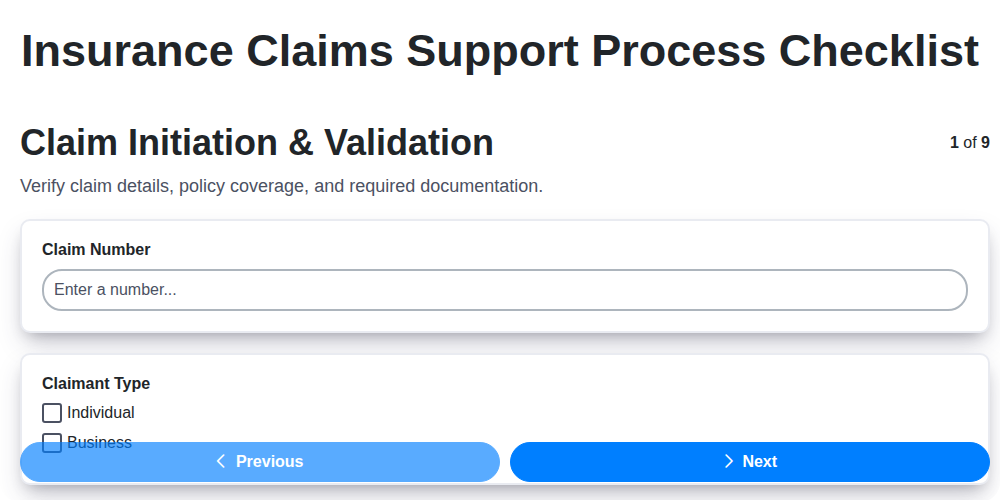
Streamline Claims: Your Insurance Claims Support Process Checklist Template
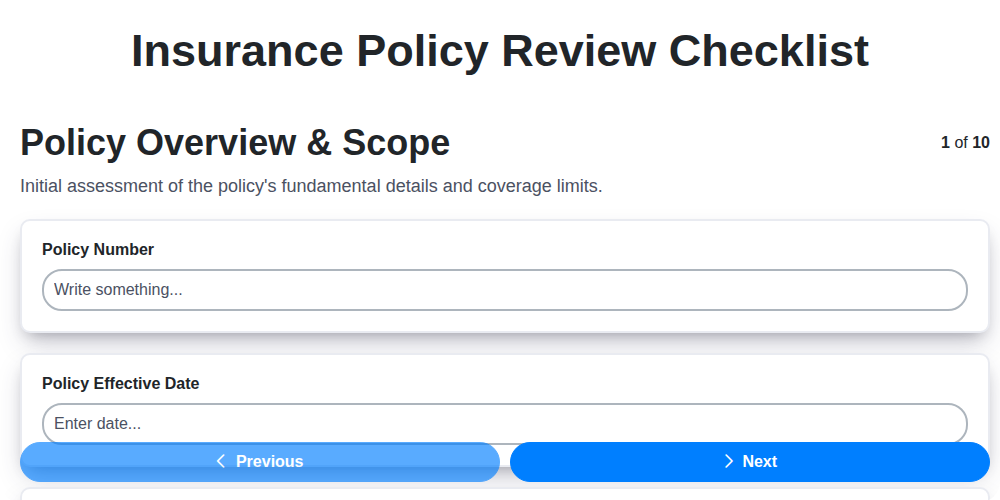
Your Insurance Policy Review Checklist: A Step-by-Step Guide
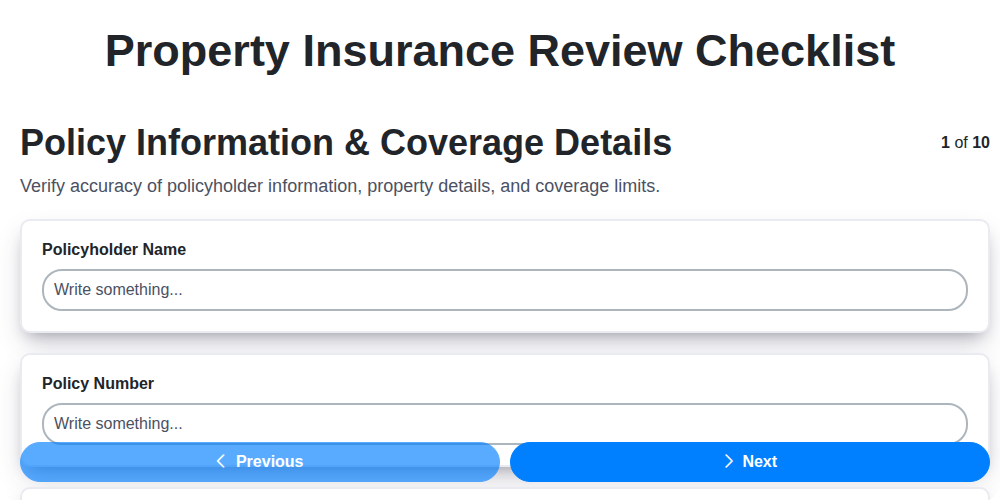
Your Property Insurance Review Checklist: A Step-by-Step Guide
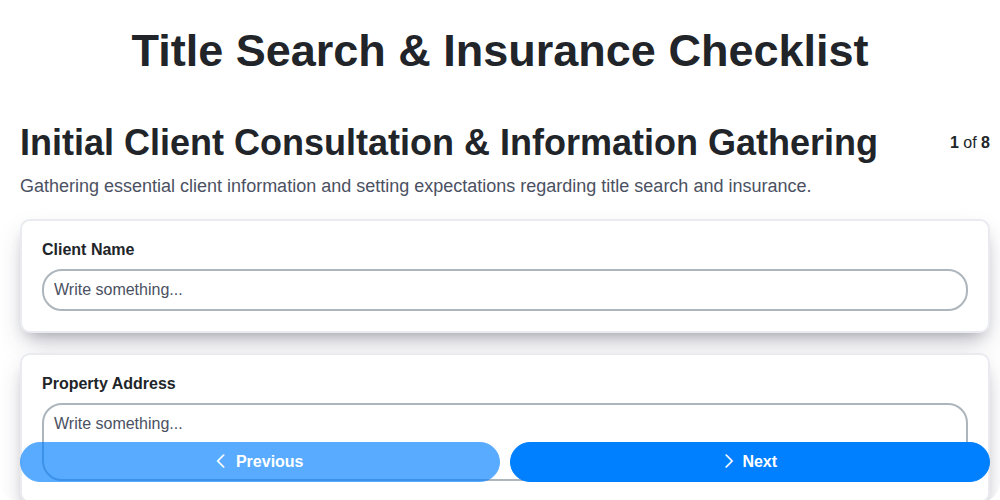
Your Title Search & Insurance Checklist Template
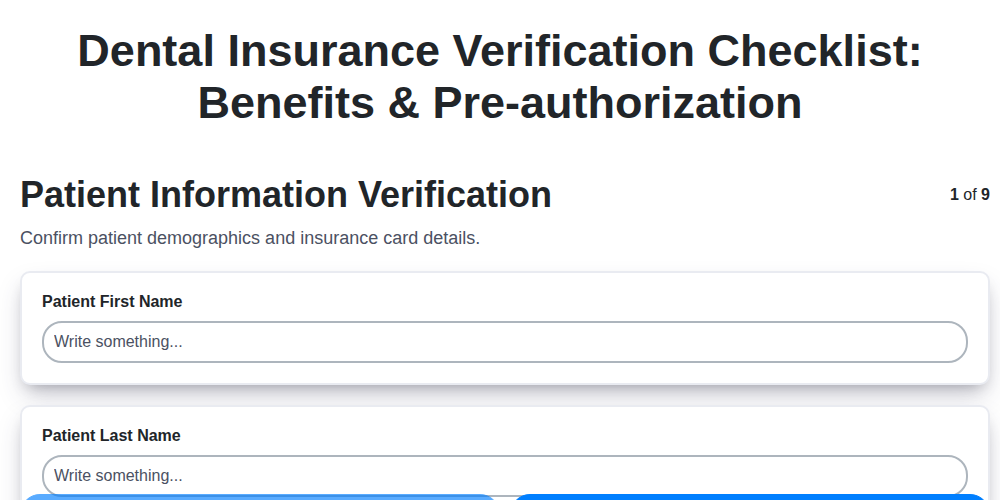
Simplify Insurance Verification: Your Free Dental Checklist Template
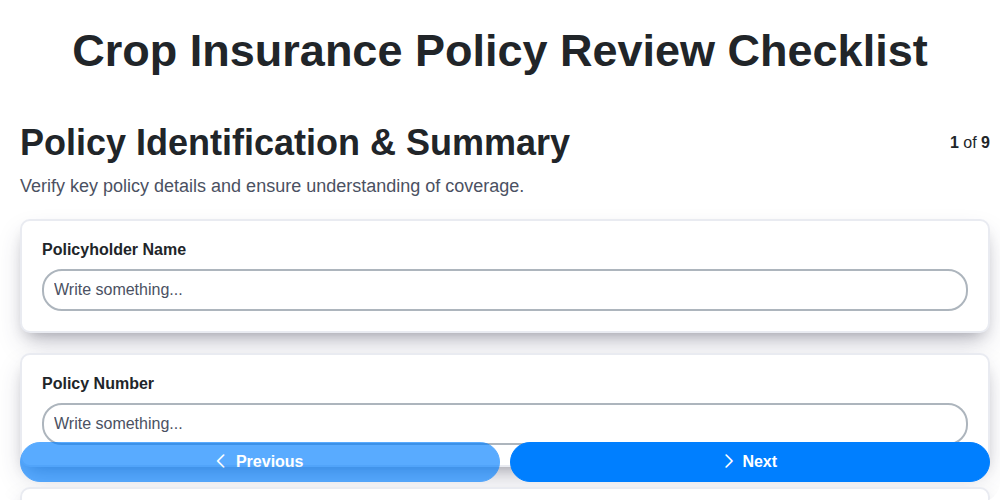
Crop Insurance Policy Review Checklist: A Farmer's Guide

The Ultimate Vehicle Registration & Insurance Validation Checklist
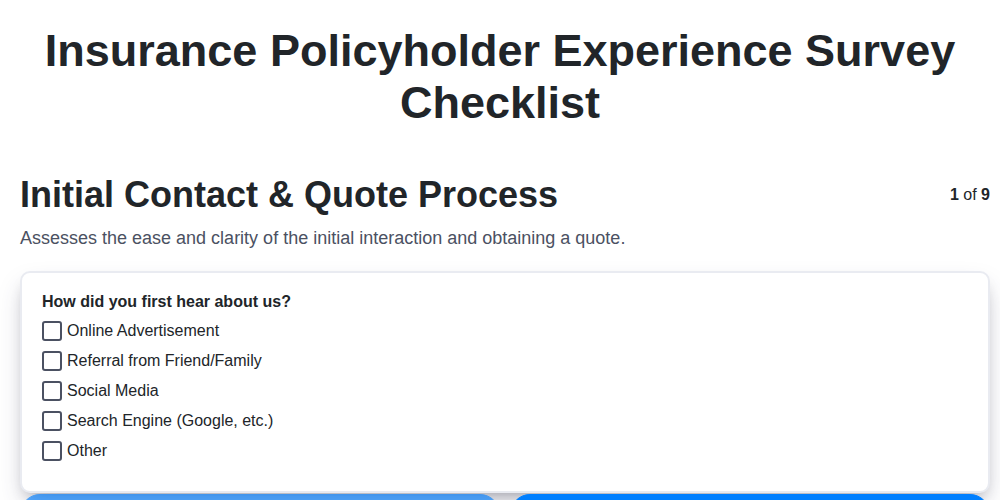
Mastering the Policyholder Journey: Your Insurance Experience Survey Checklist
Need help with
Insurance?
Have a question? We're here to help. Please submit your inquiry, and we'll respond promptly.