The Ultimate Insurance Broker Due Diligence Checklist: A Comprehensive Guide
Published: 12/01/2025 Updated: 07/02/2026
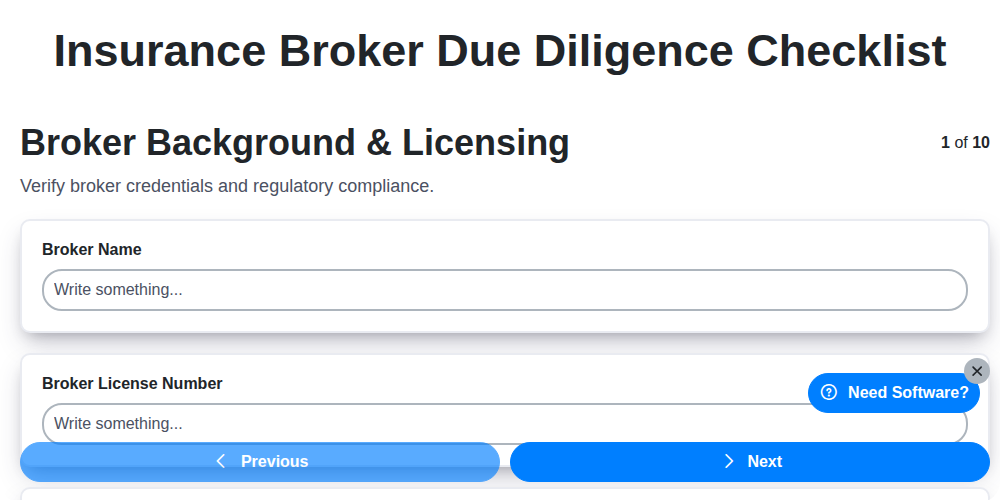
Table of Contents
- Introduction: Why Due Diligence Matters for Insurance Brokers
- 1. Broker Background & Licensing: Verifying Credentials
- 2. Financial Stability & Solvency: Assessing Broker Viability
- 3. Errors & Omissions (E&O) Insurance: Coverage and Limits
- 4. Regulatory History & Disciplinary Actions: A Critical Review
- 5. Client Complaint History: Identifying Recurring Issues
- 6. Compliance Program & Training: Demonstrating Commitment
- 7. Contractual Agreements & Terms: Scrutinizing Responsibilities
- 8. Cybersecurity & Data Protection: Safeguarding Sensitive Information
- 9. Conflicts of Interest Disclosure: Transparency is Key
- 10. Record Keeping & Documentation: Ensuring Accountability
- 11. Assessing Sub-Broker Relationships
- 12. Independent Verification and Ongoing Monitoring
- Conclusion: Mitigating Risk and Building Trust
- Resources & Links
TLDR: Hiring an insurance broker? Don't just pick the first one you find! This checklist provides a step-by-step guide to thoroughly vet potential brokers, covering everything from their licensing and financial stability to their cybersecurity and complaint history. It's your essential tool to ensure you're partnering with a reliable, compliant, and trustworthy advisor for your insurance needs.
Introduction: Why Due Diligence Matters for Insurance Brokers
Choosing an insurance broker is a significant decision, impacting your business's risk management strategy and potentially its financial well-being. It's not enough to simply select a broker based on price or familiarity. Thorough due diligence is paramount to ensure you're partnering with a reliable, ethical, and competent professional. This process goes beyond surface-level checks and delves into the broker's background, financial health, operational practices, and commitment to compliance. A robust due diligence process minimizes risk, protects your assets, and fosters a long-term, trustworthy relationship. Failing to perform adequate checks can expose your organization to legal, financial, and reputational damage. This checklist provides a framework for evaluating potential insurance brokers and ensuring you choose a partner you can confidently rely on.
1. Broker Background & Licensing: Verifying Credentials
Before partnering with or entrusting your insurance needs to a broker, a thorough verification of their background and licensing is absolutely essential. This isn't just about checking a name - it's about confirming their legitimacy and ensuring they are authorized to operate.
Start with your state's Department of Insurance website. Most states offer online tools to easily verify a broker's license status. Look for confirmation that their license is active and in good standing. Pay close attention to any notations or restrictions on the license.
Beyond the state level, consider any specialized designations the broker holds (e.g., CPCU, CLU). While designations aren't mandatory, they often indicate a commitment to professional development and expertise. Verify the validity of these designations with the issuing organizations.
Finally, research the broker's affiliation with national or regional brokerage networks. While affiliation doesn't guarantee quality, it can sometimes offer additional resources and support. Always verify the legitimacy of any claimed affiliation. A little research here can save you significant headaches down the line.
2. Financial Stability & Solvency: Assessing Broker Viability
A broker's ability to consistently serve your needs is directly tied to their financial health. A financially unstable broker can face difficulties fulfilling their obligations, potentially impacting your insurance coverage and leaving you vulnerable. Don't assume all brokers are created equal - due diligence here is critical.
What should you be looking for? While access to internal financials may be limited, there are several avenues to investigate:
- Credit Rating: Although not always readily available, check if the brokerage has a credit rating. A strong rating indicates responsible financial management.
- Years in Business: Longevity often correlates with stability. A brokerage with a longer track record has weathered economic cycles and demonstrated resilience.
- Capitalization: Understand the brokerage's capital structure. How much capital did they start with, and how has it changed over time? A healthy capital base provides a buffer against financial shocks.
- Carrier Relationships: Assess the brokerage's relationships with insurance carriers. Are they viewed as a reliable partner? Difficulties in securing placements with carriers can be a red flag.
- Public Records: Check for any publicly available financial information, such as bankruptcies or liens.
Investigating these aspects provides a reasonable understanding of a broker's financial stability and helps ensure they are a dependable partner for your insurance needs.
3. Errors & Omissions (E&O) Insurance: Coverage and Limits
One of the most critical aspects of due diligence is verifying the broker's Errors & Omissions (E&O) insurance coverage. This insurance protects both the broker and their clients from financial loss due to negligent acts, errors, or omissions in the broker's professional services. It's essentially a safety net against potential lawsuits.
What to Look For:
- Coverage Amount (Limits): The coverage limits are paramount. These limits represent the maximum amount the insurance company will pay in the event of a claim. These limits should be sufficient to cover potential losses based on the types and values of policies the broker handles. Lower limits might not adequately protect your organization in a significant claim scenario. Consider the average policy value your broker manages and the potential for losses from a large account.
- Policy Effective Dates: Ensure the policy is current and continuously maintained. A lapse in coverage can leave you exposed.
- Type of Coverage: Understand the specific types of errors and omissions covered by the policy. Some policies may have exclusions or limitations that are crucial to know.
- Reporting Requirements: Confirm the broker adheres to the insurance company's reporting requirements for potential claims. Prompt reporting can be vital in managing risk.
- Certificate of Insurance (COI): Request a current Certificate of Insurance directly from the insurance company, not just from the broker. This provides independent verification of the coverage.
Due diligence should also involve confirming whether the broker's E&O policy includes a "retroactive date" - this can be a key factor in liability claims.
4. Regulatory History & Disciplinary Actions: A Critical Review
A broker's past interactions with regulatory bodies can be incredibly revealing. Don't just assume a broker has a clean record; proactive investigation is essential. This isn't about assuming guilt, but rather understanding potential past issues and how they've been addressed.
Start with a thorough search of the relevant state insurance department's website. Most departments offer online portals where you can search for disciplinary actions, license suspensions, or revocations. Expand your search beyond just the broker's primary licensing state - if they operate in multiple jurisdictions, investigate each one.
Beyond the state level, check with national regulatory bodies like the SEC (if the broker deals with securities) or FINRA (if involved in investment-related insurance products).
When reviewing any findings, pay close attention to the nature of the violation. Was it a minor clerical error, or a more serious offense involving fraud or misrepresentation? Has the broker taken steps to remediate the issues that led to the disciplinary action? A pattern of repeated violations, even for seemingly minor infractions, should raise significant red flags. Finally, consider how recently the actions occurred; a resolved issue from 20 years ago carries less weight than a recent reprimand.
5. Client Complaint History: Identifying Recurring Issues
A thorough review of a broker's client complaint history is crucial for assessing their service quality and potential risks. Don't just look for if complaints exist - analyze what those complaints are about and whether there are recurring themes.
Request and meticulously examine records of past client complaints, paying attention to the following:
- Volume of Complaints: A high volume, even if seemingly minor individually, can indicate systemic problems.
- Nature of Complaints: Are they related to misrepresentation of policies, inadequate coverage, poor communication, delayed claims handling, or something else?
- Resolution Process: How were complaints resolved? Were they handled fairly and efficiently? Were settlements reached?
- Recurring Themes: Do similar complaints arise repeatedly, suggesting a flawed process, inadequate training, or problematic behavior on the broker's part?
- Trend Analysis: Is the complaint history improving or worsening over time? A rising number of complaints is a red flag.
While every broker may occasionally receive a complaint, a pattern of recurring issues, particularly those related to unethical or negligent practices, should raise serious concerns and warrant further investigation. Don't dismiss past complaints as isolated incidents - look for the underlying causes and evaluate whether the broker has taken meaningful steps to address them.
6. Compliance Program & Training: Demonstrating Commitment
A robust compliance program and ongoing training aren't just "nice-to-haves" for insurance brokers; they're essential indicators of professionalism, ethical conduct, and a commitment to client protection. During due diligence, delve into the broker's program to ensure it's not just a document on a shelf, but a living, breathing part of their operations.
What to look for:
- Written Compliance Manual: Does the broker have a clearly defined, documented compliance manual outlining procedures and policies?
- Regular Training: What type of training do brokers and staff receive? Look for frequency (at least annually, preferably more often), content coverage (ethics, regulatory changes, data privacy, etc.), and documentation of completion.
- Designated Compliance Officer/Contact: Who is responsible for overseeing the compliance program and acting as a point of contact for questions or concerns? What qualifications do they possess?
- Employee Acknowledgements: Confirm that employees regularly acknowledge their understanding and adherence to the compliance program.
- Independent Audits/Reviews: Does the broker conduct periodic internal or external audits to assess the effectiveness of the compliance program and identify areas for improvement?
- Policy Updates: How often are compliance policies reviewed and updated to reflect changes in regulations or industry best practices?
A strong compliance program demonstrates the broker's proactive approach to risk management and their dedication to upholding the highest standards of conduct, ultimately building trust and safeguarding client interests.
7. Contractual Agreements & Terms: Scrutinizing Responsibilities
The contractual agreements you have with an insurance broker are the bedrock of your partnership. Don't gloss over them; a thorough review is essential. This isn't just about understanding fees - it's about defining roles, responsibilities, and liabilities.
Begin by carefully examining the scope of services outlined. Does the agreement clearly define what the broker is responsible for? This includes things like market access, placement efforts, claims advocacy, and ongoing risk assessment. Vague language here can lead to disputes later.
Pay close attention to termination clauses. What are the conditions under which either party can end the agreement? What are the associated penalties or notification periods? Knowing this upfront protects you from unexpected disruptions.
Review the indemnity clauses. These stipulate who is responsible for certain liabilities or losses. Understanding these clauses helps clarify the broker's commitment and your own potential exposures.
Finally, look for clauses regarding sub-brokering. Does the broker have the right to use other brokers or wholesalers to place your insurance? If so, what oversight do you have on those relationships? Transparency here builds trust and ensures quality service. A strong contract demonstrates a commitment to clear expectations and mutual accountability.
8. Cybersecurity & Data Protection: Safeguarding Sensitive Information
In today's digital landscape, data breaches are a constant threat. Insurance brokers handle vast amounts of sensitive client information - personal details, financial records, health data - making them prime targets for cyberattacks. Due diligence must include a rigorous assessment of the broker's cybersecurity posture.
Don't just accept assurances. Probe for specifics. Look for evidence of:
- Data Encryption: Is client data encrypted both in transit and at rest? Understand the encryption standards employed (e.g., AES-256).
- Firewalls & Intrusion Detection/Prevention Systems: Are these in place and regularly updated?
- Multi-Factor Authentication (MFA): Is MFA required for all employees accessing client data?
- Vulnerability Scanning & Penetration Testing: How often are systems scanned for vulnerabilities, and are penetration tests conducted to simulate attacks? Ask to see summaries of findings and remediation plans.
- Incident Response Plan: Does the broker have a documented plan outlining steps to take in the event of a data breach? Who is responsible for execution and communication?
- Employee Training: Are employees trained on cybersecurity best practices, including phishing awareness and data handling protocols?
- Vendor Risk Management: How does the broker assess the security of third-party vendors who have access to client data?
- Compliance with Relevant Frameworks: Does the broker adhere to recognized cybersecurity frameworks (e.g., NIST, ISO 27001)?
Failing to evaluate a broker's cybersecurity practices can expose your organization to significant financial, legal, and reputational risks. This isn't just about technology; it's about a culture of security.
9. Conflicts of Interest Disclosure: Transparency is Key
Conflicts of interest are an unavoidable reality in any business, but how an insurance broker handles them is what truly matters. A robust disclosure policy isn't just about ticking a box; it's about fostering trust and ensuring your clients' best interests remain paramount.
This checklist item demands a rigorous examination of the broker's policies regarding conflicts. Are potential conflicts proactively identified and documented? More importantly, are clients informed clearly and comprehensively about these potential conflicts before any business is conducted? This isn't about burying disclosures in fine print; it's about understandable explanations of how a conflict might influence recommendations.
Look for disclosures covering areas like:
- Referral fees: Are they received for referring clients to certain carriers or service providers?
- Ownership interests: Does the broker or affiliated entities have ownership stakes in insurance companies?
- Cross-selling: Are clients being encouraged to purchase products or services that benefit the broker more than they benefit the client?
- Relationships with Carriers: Are there any exclusive agreements or incentives that could influence carrier selection?
A truly ethical broker will not only disclose conflicts but will also explain how they are managed to mitigate any potential impact on the client. Look for processes that ensure client interests are prioritized despite the conflict. Transparency here builds trust and demonstrates a commitment to ethical practice.
10. Record Keeping & Documentation: Ensuring Accountability
Robust record keeping isn't just about ticking a compliance box; it's the backbone of responsible insurance brokerage. Thorough and organized documentation provides a clear audit trail, demonstrates due diligence, and facilitates efficient service delivery. We're talking about more than just policy documents.
Your due diligence checklist should scrutinize the broker's practices surrounding:
- Policy Documentation: Are all policy documents, endorsements, and communications accurately recorded and readily accessible?
- Client Communication Logs: Detailed records of all interactions - emails, phone calls, meetings - outlining advice given, client requests, and any changes made to coverage.
- Risk Assessment Records: Documentation outlining the process of assessing client needs, identifying risks, and recommending appropriate coverage.
- Renewal Records: Consistent tracking of policy renewals, including quotes, comparisons, and client decisions.
- Compliance Records: Evidence of adherence to internal policies, regulatory requirements, and industry best practices.
A broker with strong record-keeping demonstrates professionalism, transparency, and a commitment to accountability. Conversely, a lack of organized records raises red flags regarding their attention to detail and potential for errors. Ask to review sample documentation and inquire about their document retention policies - you're assessing more than just compliance; you're evaluating their operational efficiency and commitment to client service.
11. Assessing Sub-Broker Relationships
If the insurance broker you're considering utilizes sub-brokers or managing general agents (MGAs), it's critical to extend your due diligence to these relationships. These individuals or entities act on behalf of the primary broker and directly impact the service and advice your organization receives.
Here's what to examine:
- Vetting Process: How does the primary broker vet and onboard sub-brokers? Do they perform background checks, verify licenses, and assess their experience and qualifications? A robust process demonstrates a commitment to quality.
- Oversight & Monitoring: How does the primary broker oversee the activities of sub-brokers? Is there ongoing monitoring of their performance, compliance, and adherence to ethical standards?
- Contractual Agreements: Review the agreements between the primary broker and their sub-brokers. Understand the scope of their authority, responsibilities, and potential liabilities.
- Compensation & Incentives: How are sub-brokers compensated? Are there incentives that might create a conflict of interest or pressure them to push certain products regardless of your organization's best interests?
- Liability & Responsibility: Clarify the primary broker's liability for the actions of sub-brokers. Ensure adequate contractual protections are in place.
By evaluating the relationships with sub-brokers, you gain a more complete picture of the overall brokerage's operations and potential risks.
12. Independent Verification and Ongoing Monitoring
Due diligence isn't a one-and-done activity. The information gathered during the initial assessment needs to be regularly verified and monitored to ensure ongoing suitability and risk mitigation. This means going beyond the initial checklist and establishing a system for continuous assessment.
Here's what ongoing verification and monitoring should involve:
- Annual License & Registration Checks: Confirm that the broker's licenses remain active and in good standing with all relevant regulatory bodies. Automated tools can help streamline this process.
- Financial Health Reviews: Periodically review financial statements, credit ratings, and other indicators of the broker's financial stability. Significant changes warrant further investigation.
- E&O Insurance Updates: Ensure the broker maintains adequate Errors & Omissions (E&O) insurance coverage and that policies are consistently renewed.
- Regulatory Scan: Implement a system to monitor regulatory updates and announcements that could impact the broker's operations or compliance.
- Client Feedback Mechanism: Encourage and review client feedback regularly. This can be a valuable early warning system for potential issues.
- Periodic Audits: Consider conducting periodic audits of the broker's processes, particularly those related to compliance and data protection.
Regular, proactive monitoring allows you to address emerging risks and maintain a strong, reliable brokerage partnership.
Conclusion: Mitigating Risk and Building Trust
Ultimately, conducting thorough due diligence on your insurance broker is an investment-an investment in protecting your organization's financial health, reputation, and peace of mind. This checklist isn't about suspicion; it's about proactive risk management and fostering a strong, trustworthy partnership. By systematically evaluating a broker's background, financial stability, compliance practices, and data security measures, you're not just verifying their credentials-you're establishing a foundation for a successful and reliable relationship. Remember, a well-vetted broker is a valuable asset, capable of navigating the complexities of the insurance landscape and advocating for your best interests. Don't cut corners - prioritize due diligence, and build a partnership built on transparency and confidence.
Resources & Links
- National Association of Insurance Commissioners (NAIC): The NAIC is a regulatory organization that provides resources, data, and information on insurance regulation across the United States. Key for checking licensing and regulatory information. Searchable database of agents and brokers.
- Risk Management Institute (RMI): RMI offers comprehensive resources on risk management and insurance brokerage, including articles, training, and publications. Useful for understanding industry best practices.
- Brokerage Consulting: Provides articles and resources related to insurance brokerage best practices, growth strategies, and regulatory compliance. Covers due diligence aspects.
- Chicago Broker: A resource for brokerage and risk management insights. May contain articles or information related to broker oversight and compliance.
- The National Insurance Brokers Association (NIBA): While UK-focused, NIBA's website often contains information on professional standards and best practices that are broadly applicable to insurance brokerage due diligence, especially concerning ethical considerations and client protection.
- Insurance Risk Management Institute (IRMI): IRMI's extensive library provides in-depth explanations of insurance and risk management concepts, vital for understanding the nuances of E&O insurance, compliance, and legal liabilities.
- FinCraft: Provides comprehensive due diligence tools and resources, which can be useful for assessing financial stability and compliance programs of insurance brokers. May offer specialist reports.
- Cybersecurity & Infrastructure Security Agency (CISA): Provides resources and best practices for cybersecurity, essential for assessing a broker's data protection measures (specifically for the Cybersecurity & Data Protection header).
- Internal Revenue Service (IRS): While not directly focused on insurance brokers, the IRS website provides information on tax-related compliance and financial reporting, which can be relevant when assessing a broker's financial stability.
- Better Business Bureau (BBB): Check broker ratings and reviews on the Better Business Bureau website to gain insights into client satisfaction and business practices. A good source for identifying recurring complaints.
- State Farm: While primarily an insurance company, reviewing their agency agreement templates (available online) can give insight into typical contractual obligations and responsibilities that insurance brokers must fulfill - useful for the Contractual Agreements header.
- The Independent Insurance Agents & Brokers of America (IIABA): A professional association offering resources and support to independent insurance agents and brokers. Can be helpful for understanding industry standards and due diligence best practices.
Frequently Asked Questions
What is insurance broker due diligence and why is it important?
Insurance broker due diligence is the process of thoroughly investigating an insurance broker's operations, financial stability, regulatory compliance, and reputation. It's crucial to protect your organization from risks like fraud, errors, and unethical practices, ensuring you're working with a trustworthy and competent partner.
Who needs to perform insurance broker due diligence?
Anyone who utilizes insurance brokers, including businesses of all sizes, non-profit organizations, government entities, and even individuals seeking insurance advice. The level of due diligence required can vary depending on the size and complexity of your organization and the value of the insurance placements.
What are the key areas covered in this due diligence checklist?
The checklist covers areas such as the broker's licensing and regulatory history, financial stability, error and omissions (E&O) insurance coverage, client complaint history, business practices, key personnel, conflicts of interest, cybersecurity protocols, and compliance programs.
What is an E&O policy and why is it important to verify it?
E&O (Errors & Omissions) insurance protects brokers from liability for negligence, errors, or omissions in their professional services. Verifying the broker has adequate E&O coverage demonstrates their commitment to professional responsibility and provides a layer of protection for your organization.
How do I check a broker's licensing status?
You can verify a broker's licensing status through the regulatory body responsible for insurance licensing in the relevant jurisdiction. Most states have online portals or databases where you can search for licensed brokers.
What constitutes a 'red flag' during broker due diligence?
Red flags can include a history of disciplinary actions, unresolved client complaints, insufficient E&O coverage, lack of transparency in commission structures, weak cybersecurity practices, or significant turnover of key personnel.
How often should I perform insurance broker due diligence?
Ideally, due diligence should be performed annually, or more frequently if there are significant changes within the broker's firm or within your own organization. Triggering events like a broker change or a major claim should also prompt a review.
What is the difference between a broker and an agent?
While often used interchangeably, brokers act as intermediaries, representing multiple insurance companies to find the best coverage for their clients. Agents typically represent a single insurance company and sell their products.
What is a conflict of interest and how should it be addressed?
A conflict of interest arises when a broker has a financial or personal interest that could compromise their objectivity or influence their recommendations. Brokers should disclose any potential conflicts of interest and obtain your consent to proceed.
Where can I find publicly available information about a broker's complaint history?
Most state insurance departments maintain publicly accessible databases of consumer complaints against insurance brokers. You can search these databases to identify any past issues.
Comments
There are no comments yet. Be the first to add one!
Insurance Management Solution Demo
Managing policies, claims, and compliance in the insurance industry is complex. ChecklistGuro's Work OS platform streamlines your operations, from underwriting and renewals to claims processing and reporting. Improve efficiency, reduce errors, and enhance customer satisfaction. Discover how ChecklistGuro can transform your insurance business!
Related Articles
Streamline Claims: Your Insurance Claims Support Process Checklist Template
Your Insurance Policy Review Checklist: A Step-by-Step Guide
Your Property Insurance Review Checklist: A Step-by-Step Guide
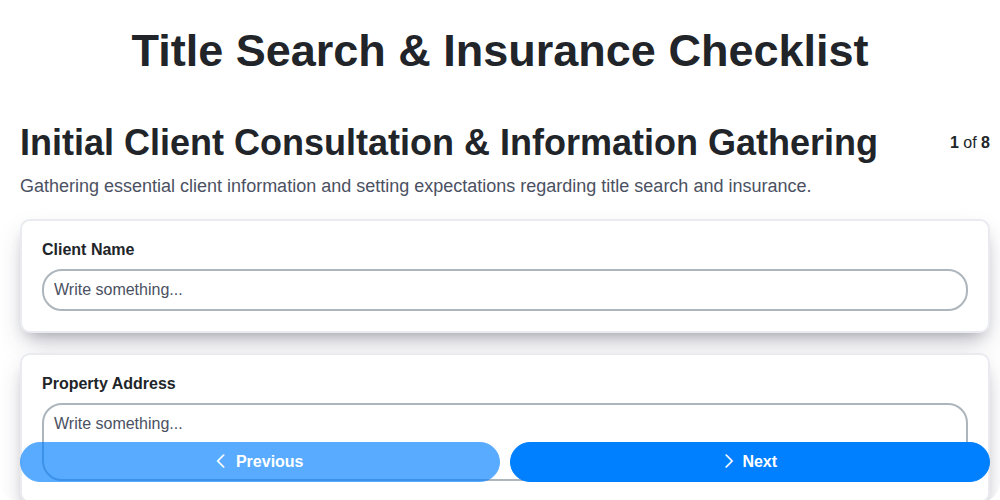
Your Title Search & Insurance Checklist Template
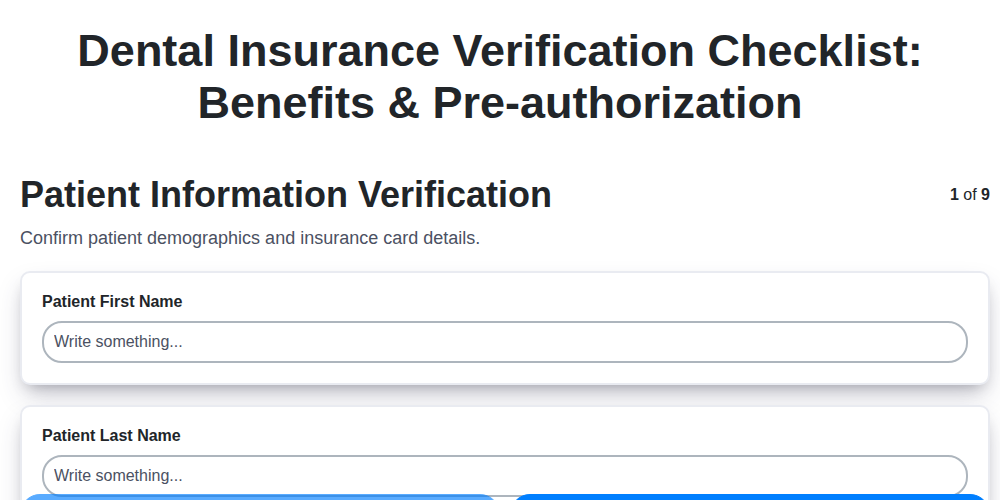
Simplify Insurance Verification: Your Free Dental Checklist Template
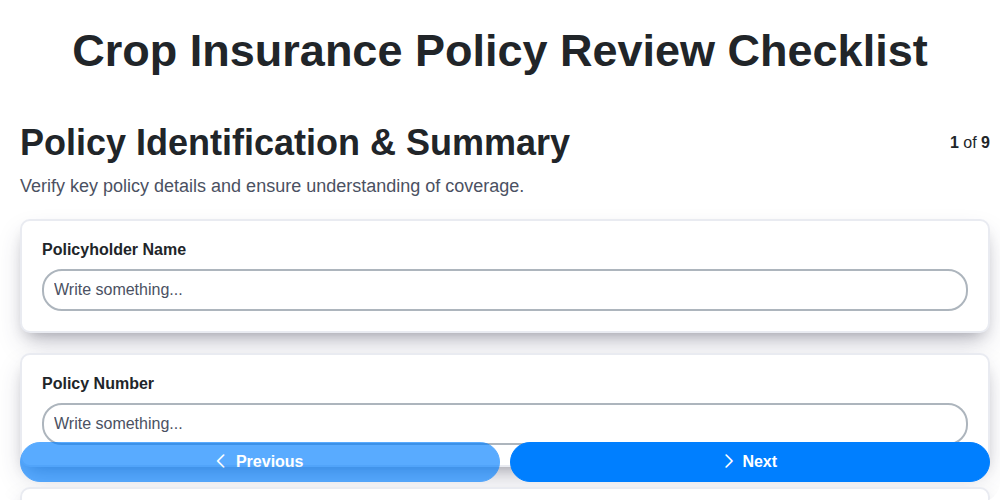
Crop Insurance Policy Review Checklist: A Farmer's Guide

The Ultimate Vehicle Registration & Insurance Validation Checklist
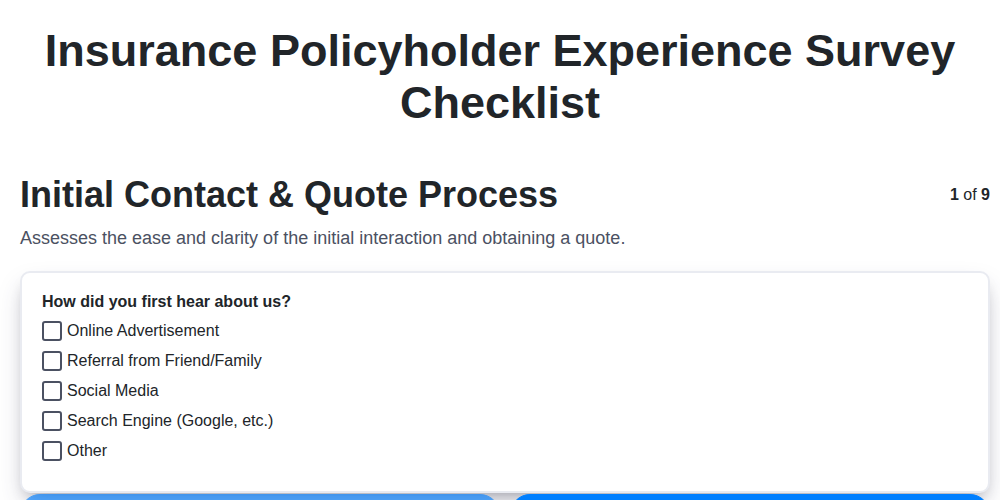
Mastering the Policyholder Journey: Your Insurance Experience Survey Checklist
Need help with
Insurance?
Have a question? We're here to help. Please submit your inquiry, and we'll respond promptly.