Insurance Loss Prevention Checklist: Protect Your Business and Reduce Risk
Published: 12/01/2025 Updated: 07/02/2026
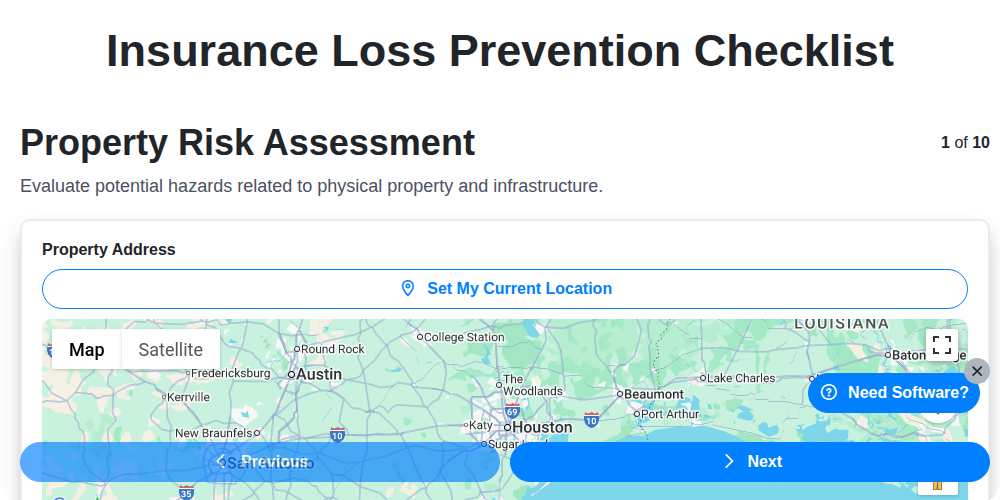
Table of Contents
- Introduction: Why Loss Prevention Matters
- 1. Property Risk Assessment: Identifying Vulnerabilities
- 2. Fire Safety Measures: Preventing and Mitigating Fire Damage
- 3. Robust Security Protocols: Protecting Your Assets
- 4. Employee Training: A Crucial Layer of Protection
- 5. Business Continuity Planning: Staying Operational During Disruptions
- 6. Environmental Hazards: Addressing Potential Risks
- 7. Equipment Maintenance: Ensuring Reliability and Safety
- 8. Cybersecurity Measures: Safeguarding Digital Assets
- 9. Contractor Safety: Managing Third-Party Risks
- 10. Record Keeping & Documentation: Your Proof of Due Diligence
- 11. Regular Checklist Reviews & Updates
- 12. Seeking Professional Guidance: When to Call in the Experts
- Conclusion: Proactive Protection for a Secure Future
- Resources & Links
TLDR: Don't let preventable issues drain your business! This checklist helps you identify and address critical risks - from fire safety and cybersecurity to employee training and contractor safety - so you can lower your insurance premiums, protect your assets, and ensure business continuity. Think of it as a proactive shield against potential losses.
Introduction: Why Loss Prevention Matters
Running a business involves inherent risks. From natural disasters to human error, unforeseen events can disrupt operations, damage property, and impact your bottom line - sometimes with devastating consequences. That's where loss prevention comes in. It's not just about avoiding insurance claims; it's about proactively safeguarding your assets, employees, and reputation.
A robust loss prevention program can dramatically reduce the likelihood of incidents, minimize potential losses when they do occur, and even improve overall business efficiency. It's a strategic investment that demonstrates a commitment to safety, resilience, and long-term success. This checklist provides a practical roadmap to strengthen your defenses and build a more secure future for your business.
1. Property Risk Assessment: Identifying Vulnerabilities
A thorough property risk assessment is the cornerstone of any robust insurance loss prevention strategy. It's more than just a walk-through; it's a systematic evaluation of potential hazards that could lead to property damage, business interruption, and ultimately, an insurance claim.
Start by identifying all potential threats. Consider natural disasters common to your area (hurricanes, floods, earthquakes, wildfires), as well as human-caused risks like vandalism, theft, and accidental damage. Document everything - from aging infrastructure and structural weaknesses to potential sources of ignition and areas with limited visibility.
Don't just focus on the visible. A professional risk assessment, ideally conducted by a qualified specialist, can uncover hidden vulnerabilities you might miss. This might involve analyzing building materials, reviewing site plans, and considering the surrounding environment.
Key areas to evaluate include:
- Structural Integrity: Assess the condition of roofs, foundations, and walls.
- HVAC Systems: Potential for water damage and fire hazards.
- Electrical Systems: Check for outdated wiring and potential fire risks.
- Plumbing: Look for leaks and potential water damage.
- Landscaping: Identify potential fire hazards from dry brush or trees near the building.
- Surrounding Area: Consider potential impacts from nearby businesses or industrial activities.
The outcome of this assessment should be a prioritized list of risks, allowing you to focus your preventative efforts on the most significant threats. Remember to revisit this assessment periodically, particularly after any renovations or significant changes to your property or surrounding environment.
2. Fire Safety Measures: Preventing and Mitigating Fire Damage
Fire can be devastating to a business, resulting in significant property loss, operational disruption, and potential harm to personnel. A proactive approach to fire safety is absolutely critical. Here's what you need to incorporate into your prevention and mitigation strategies:
- Smoke Detectors & Fire Alarms: Ensure a sufficient number of working smoke detectors and fire alarms are installed throughout your premises, particularly in high-risk areas like kitchens, storage rooms, and near electrical panels. Regularly test these devices - monthly is ideal - and replace batteries as needed.
- Fire Extinguishers: Strategically place appropriate fire extinguishers and ensure employees are trained on their proper use. Different fire types require different extinguisher types (Class A, B, C, K). Annual professional inspections and maintenance are essential.
- Clear Exit Routes: Maintain clear and unobstructed fire exits. Post clearly marked evacuation plans in visible locations and conduct regular fire drills to familiarize employees with escape procedures.
- Electrical Safety: Regularly inspect electrical wiring, outlets, and appliances. Avoid overloading circuits. Address any frayed wires or malfunctioning equipment promptly. Consider a professional electrical safety inspection.
- Flammable Material Storage: Properly store flammable liquids and materials in approved containers and designated areas, away from ignition sources.
- Hot Work Permits: Implement a hot work permit system for any operations involving open flames, welding, or other potential ignition sources.
- Sprinkler Systems (if applicable): If your building has a sprinkler system, ensure it's regularly inspected and maintained according to manufacturer guidelines and local fire codes.
3. Robust Security Protocols: Protecting Your Assets
Security protocols are the frontline defense against theft, vandalism, and unauthorized access. A reactive approach - dealing with incidents after they occur - is costly and disruptive. Proactive security measures demonstrate a commitment to safeguarding your business and, importantly, can significantly reduce your insurance premiums.
Here's what a solid security protocol should encompass:
- Physical Security: This goes beyond simple locks and alarms. Consider perimeter fencing, controlled access points (key cards, biometrics), security lighting (motion-activated is ideal), and strategically placed security cameras (with clear signage indicating surveillance). Don't forget about vulnerable areas like loading docks and deliveries.
- Access Control: Implement a strict access control system. Limit access to sensitive areas based on job responsibilities. Regularly review access permissions and revoke them when employees leave or change roles.
- Alarm Systems & Monitoring: Invest in a reliable alarm system with 24/7 professional monitoring. Regularly test the system to ensure it's functioning correctly. Ensure backup power is in place for extended outages.
- Visitor Management: Establish a clear process for managing visitors. Require sign-in/out logs, provide visitor badges, and ensure escorts are available to guide visitors within the facility.
- Regular Security Audits: Schedule routine security audits (internal or external) to identify vulnerabilities and ensure protocols are being followed.
- Video Surveillance: Strategically placed cameras serve as a deterrent and provide valuable evidence in the event of an incident. Ensure cameras are properly maintained and footage is securely stored.
Investing in robust security protocols isn't just about protecting your assets; it's about creating a safe and secure environment for your employees and demonstrating due diligence to your insurance provider.
4. Employee Training: A Crucial Layer of Protection
Your most valuable asset isn't just your inventory or buildings - it's your employees. And well-trained employees are your first line of defense against loss prevention. A comprehensive insurance loss prevention strategy simply must include robust employee training programs.
It's not enough to simply hand out a manual and expect everyone to absorb the information. Training should be ongoing, engaging, and tailored to specific roles and potential risks. Consider these key areas:
- Risk Awareness: Educate employees about potential hazards specific to your industry and workplace. This could include fire safety, security threats, environmental concerns, and safe equipment operation.
- Emergency Procedures: Drills and clear explanations of evacuation plans, reporting procedures, and first aid protocols are vital. Regular refresher training ensures these procedures are fresh in everyone's mind.
- Security Protocols: Train employees to recognize and report suspicious activity, properly secure premises, and handle sensitive information. Phishing awareness is particularly important in today's digital landscape.
- Equipment Operation & Safety: Provide hands-on training for any equipment employees operate, emphasizing safety procedures and preventative maintenance.
- Contractor Safety & Reporting: Ensure employees understand their role in contractor safety and are empowered to report unsafe practices.
Don't underestimate the power of a well-trained workforce. It's an investment that significantly reduces risk and strengthens your overall insurance loss prevention strategy.
5. Business Continuity Planning: Staying Operational During Disruptions
Disasters, whether natural or man-made, don't discriminate. They can strike unexpectedly and cripple a business if it's not prepared. A robust Business Continuity Plan (BCP) isn't just a good idea - it's a vital layer of risk mitigation.
Your BCP should outline exactly how your business will continue operating - or quickly resume operations - in the face of an interruption. This goes beyond simply backing up data (though that's certainly a crucial component). Think about all aspects of your business:
- Identify Critical Functions: What are the absolute must-have processes that keep your business running? Prioritize these.
- Develop Recovery Strategies: How will you recover these critical functions? Consider alternative locations, temporary staff solutions, and manual workarounds.
- Communication Plan: Who needs to know what, and how will you reach them? Include contact information for employees, clients, vendors, and emergency services.
- Regular Testing & Updates: A BCP isn't a "set it and forget it" document. Regularly test your plan (tabletop exercises, simulations) and update it to reflect changes in your business and potential threats.
Think about scenarios like power outages, supply chain disruptions, pandemics, or even cyberattacks. A well-executed BCP minimizes downtime, protects your reputation, and ultimately safeguards your business's survival.
6. Environmental Hazards: Addressing Potential Risks
Beyond the obvious threats, your business faces potential losses from environmental hazards. These can range from natural disasters to localized issues, and proactive measures are essential for mitigation.
Understanding the Risks: Consider your geographic location. Are you in a flood zone? Earthquake-prone area? Hurricane alley? Assess the potential for:
- Flooding: Implement flood barriers, elevate critical equipment, and have a drainage plan.
- Severe Weather: Secure loose objects, reinforce structures, and establish emergency procedures.
- Pollution: Evaluate potential for soil or water contamination from your operations. Implement containment measures and have spill response plans.
- Asbestos/Lead: If your building is older, conduct surveys to identify and manage hazardous materials. Ensure proper remediation if necessary.
- Mold & Mildew: Address moisture issues promptly to prevent mold growth, which can impact health and property value.
- Climate Change Impacts: Understand how changing weather patterns might impact your operations (e.g., increased storm intensity, rising sea levels) and adjust planning accordingly.
Mitigation Steps:
- Site Assessments: Conduct thorough environmental site assessments to identify potential hazards.
- Emergency Response Plans: Develop specific plans for addressing environmental emergencies.
- Insurance Coverage: Review your insurance policy to ensure it adequately covers environmental risks.
- Compliance: Stay current with all relevant environmental regulations and permits.
7. Equipment Maintenance: Ensuring Reliability and Safety
Your business relies on its equipment - from machinery and vehicles to computers and specialized tools. Neglecting maintenance can lead to costly breakdowns, safety hazards, and even legal liabilities. A proactive equipment maintenance program isn't just about keeping things running; it's a vital component of loss prevention.
What's Involved?
A robust equipment maintenance checklist should include:
- Regular Inspections: Establish a schedule for regular inspections of all critical equipment. Document findings, noting any signs of wear and tear, leaks, or unusual noises.
- Preventative Maintenance: Follow manufacturer recommendations for preventative maintenance tasks like lubrication, filter changes, and adjustments.
- Scheduled Servicing: Engage qualified technicians for scheduled servicing, especially for complex machinery or specialized equipment.
- Record Keeping: Maintain detailed records of all maintenance activities, including dates, services performed, and parts replaced. This history helps identify recurring issues and track equipment lifespan.
- Safety Checks: Include safety checks during maintenance, verifying guards, emergency stops, and other safety features are functioning correctly.
- Employee Training: Ensure employees who operate or perform minor maintenance on equipment are properly trained on safe operation and basic troubleshooting.
Beyond the Basics:
- Consider Predictive Maintenance: Utilizing technologies like vibration analysis or thermal imaging can help anticipate failures before they occur.
- Implement a CMMS: A Computerized Maintenance Management System (CMMS) can streamline scheduling, track work orders, and manage equipment data.
By prioritizing equipment maintenance, you're investing in the longevity of your assets, minimizing downtime, and creating a safer working environment - all contributing to effective loss prevention.
8. Cybersecurity Measures: Safeguarding Digital Assets
In today's digital landscape, cybersecurity isn't just an IT concern-it's a critical component of risk prevention for every business. A data breach or cyberattack can lead to significant financial losses, reputational damage, and legal repercussions. Here's what you need to include in your cybersecurity measures:
- Strong Passwords & Multi-Factor Authentication (MFA): Enforce complex passwords and mandate MFA for all accounts, especially those with administrative access. Regularly review and update passwords.
- Firewall Protection: Implement and maintain a robust firewall to protect your network from unauthorized access. Regularly update firewall rules.
- Antivirus & Malware Protection: Deploy comprehensive antivirus and anti-malware software on all devices and keep them updated.
- Regular Software Updates: Keep all software, including operating systems and applications, patched and updated to address known vulnerabilities.
- Data Encryption: Encrypt sensitive data both in transit and at rest. This protects information even if a device is lost or stolen.
- Network Segmentation: Separate your network into segments to limit the impact of a potential breach.
- Employee Cybersecurity Awareness Training: Educate employees about phishing scams, social engineering tactics, and best practices for safe online behavior. This is often the first line of defense.
- Data Backup & Recovery Plan: Regularly back up critical data and have a tested plan for data recovery in the event of a cyberattack or system failure.
- Vulnerability Scanning & Penetration Testing: Periodically conduct vulnerability scans and penetration testing to identify and address weaknesses in your security posture.
- Incident Response Plan: Develop and test an incident response plan to guide your actions in the event of a security breach.
9. Contractor Safety: Managing Third-Party Risks
Bringing in contractors can be invaluable - providing specialized skills and flexibility. However, it also introduces new potential liabilities. Don't assume contractors adhere to the same safety standards as your in-house team. A proactive contractor safety program is essential for minimizing risks and protecting your business.
Here's what you need to do:
- Due Diligence: Before hiring a contractor, thoroughly vet their safety record. Request and review their safety certifications, insurance coverage (including worker's compensation), and incident history.
- Contractual Obligations: Clearly outline safety expectations in your contracts. This should include adherence to your company's safety rules, use of appropriate PPE, and reporting of any incidents or near misses.
- Site-Specific Safety Briefings: Provide contractors with a comprehensive safety briefing before they begin work. This should cover site-specific hazards, emergency procedures, and reporting protocols.
- Regular Monitoring & Supervision: Don't just let contractors get to work unsupervised. Regularly monitor their activities to ensure they're adhering to safety protocols.
- Communication & Feedback: Establish clear communication channels for contractors to report safety concerns. Provide feedback and address any identified issues promptly.
- Emergency Response: Ensure contractors are familiar with your emergency response plan and know how to contact the appropriate personnel in case of an accident.
A robust contractor safety program isn't just about compliance; it's about safeguarding your employees, property, and reputation.
10. Record Keeping & Documentation: Your Proof of Due Diligence
It's not enough to do the right things; you need to prove you're doing them. Robust record keeping and comprehensive documentation are the bedrock of a strong insurance loss prevention strategy. Think of it as your evidence, should a claim arise.
What should you be documenting? Everything! This includes:
- Risk Assessments: Keep copies of your property risk assessments, detailing identified hazards and mitigation strategies.
- Training Records: Maintain records of all employee training, including dates, topics covered, and attendee lists.
- Inspection Logs: Document regular fire safety inspections, security system checks, and equipment maintenance checks.
- Maintenance Schedules & Repairs: Keep track of scheduled maintenance and any repairs made to equipment and property.
- Incident Reports: Thoroughly document any accidents, near misses, or security breaches.
- Policy Updates: Keep track of changes to your insurance policies and any risk management procedures.
Don't just file these documents away! Establish a clear, organized system, both physical and digital, to ensure easy access. Regular review and updates are also crucial. A well-maintained record system demonstrates to your insurer that you're proactive in managing risk, potentially leading to better rates and quicker claim processing. It's not just about compliance; it's about peace of mind.
11. Regular Checklist Reviews & Updates
No checklist is truly "set it and forget it." Your insurance loss prevention checklist is a living document, and regular reviews and updates are crucial to maintaining its effectiveness. Business operations evolve, new technologies emerge, and potential risks shift over time.
Here's why and how to keep your checklist current:
- Annual Review (Minimum): At a bare minimum, conduct a comprehensive review of your checklist annually.
- Triggered Updates: Update the checklist whenever:
- There's a change in your business operations (e.g., new product lines, facility expansions).
- New regulations or industry best practices are introduced.
- You experience a near miss or incident - learn from it and update accordingly.
- Your insurance provider recommends changes.
- Involve Key Personnel: Don't just review it yourself! Get input from department heads, safety managers, and other stakeholders who understand the specifics of each area.
- Document Revisions: Clearly document any changes made to the checklist, including the date, who made the change, and the reason for the update. This provides an audit trail and helps track improvements over time.
By consistently reviewing and updating your checklist, you ensure it remains a valuable tool for protecting your business and maintaining your insurance coverage.
12. Seeking Professional Guidance: When to Call in the Experts
Even with a robust internal loss prevention checklist, there are times when professional expertise is invaluable. Complex risks, evolving regulations, or a lack of in-house resources can all necessitate bringing in external help. Consider engaging specialists for:
- Detailed Risk Assessments: A fresh, unbiased perspective can uncover vulnerabilities you might have overlooked.
- Specialized Training: Experts can deliver targeted training on specific hazards like hazardous materials handling or advanced cybersecurity.
- Compliance Audits: Ensure your practices fully align with current industry standards and legal requirements.
- Crisis Management Planning: Develop comprehensive plans for severe incidents beyond the scope of your standard business continuity plan.
- Insurance Broker Consultation: Your broker can often recommend specialists or provide valuable insights related to risk mitigation and coverage.
Don't view professional guidance as an admission of weakness. It's a proactive investment in protecting your business and securing its future.
Conclusion: Proactive Protection for a Secure Future
Implementing an insurance loss prevention checklist isn't just about ticking boxes; it's about cultivating a culture of safety and resilience within your business. By consistently reviewing and updating this checklist - encompassing property risk assessments, fire safety, robust security, thorough employee training, business continuity planning, environmental hazard mitigation, diligent equipment maintenance, strong cybersecurity, contractor safety protocols, meticulous record keeping, and comprehensive documentation - you're not just reducing your insurance premiums; you're actively safeguarding your assets, your employees, and your future.
Remember, prevention is always more effective - and far less costly - than recovery. Embrace a proactive approach to loss prevention, and build a foundation for a secure and thriving business. Continuous improvement and vigilance are key - make this checklist a living document, regularly revisited and adapted to evolving risks and business changes. Your commitment to these practices will pay dividends in peace of mind and a stronger, more sustainable business.
Resources & Links
- National Fire Protection Association (NFPA): The NFPA provides codes, standards, training, and advocacy related to fire and electrical safety. A core resource for understanding fire prevention and mitigation strategies. Their website includes resources for businesses, checklists, and best practices.
- Occupational Safety and Health Administration (OSHA): OSHA provides regulations and resources to ensure workplace safety and health. Crucial for understanding legal requirements related to employee safety, hazard communication, and emergency preparedness, directly relevant to several sections (employee training, contractor safety).
- Federal Emergency Management Agency (FEMA): FEMA provides resources for disaster preparedness and recovery. Their website offers guidance on business continuity planning, risk assessment, and resilience planning (particularly relevant to Business Continuity Planning and Environmental Hazards sections).
- U.S. Small Business Administration (SBA): The SBA offers various resources for small business owners, including disaster preparedness guides and information on risk management. Useful for understanding the broader context of business resilience and planning for unexpected events.
- Insurance Information Institute (III): The III provides objective, easy-to-understand information about insurance and risk management. Useful for understanding how loss prevention measures impact insurance premiums and coverage. It helps in framing the benefits of preventative measures.
- National Institute of Standards and Technology (NIST): NIST develops standards and guidelines for cybersecurity and risk management. A key resource for the Cybersecurity Measures section, offering frameworks and best practices for protecting digital assets. Focus on the Cybersecurity Framework.
- Cybercrime.gov: A website hosted by CISA with cyber safety tips and information for businesses.
- Risk Management Institute (RMI): RMI provides a wealth of risk management resources, including articles, training courses, and model documents. Valuable for deeper dives into specific areas of loss prevention, complementing general resources.
- California Department of Consumer Affairs: Offers consumer information and licensing verification for various contractors. Useful for validating contractor credentials when addressing Contractor Safety.
- U.S. Energy Information Administration (EIA): Provides data and analysis on energy-related risks, particularly relevant for Environmental Hazards, especially concerning energy sources and infrastructure.
- International Organization for Standardization (ISO): ISO develops and publishes international standards, including those related to risk management (ISO 27001 for cybersecurity, ISO 31000 for general risk management). Provides a framework for creating robust security protocols
Frequently Asked Questions
What is a loss prevention checklist and why is it important for my business?
A loss prevention checklist is a document outlining steps you can take to identify and mitigate potential risks that could lead to financial losses for your business. It's important because it helps proactively prevent incidents like theft, fire, accidents, and liability claims, ultimately saving you money and protecting your reputation.
Who should use this checklist?
This checklist is beneficial for all types of businesses, regardless of size or industry. It's particularly useful for business owners, managers, safety officers, and anyone responsible for maintaining a safe and secure work environment.
What types of risks does this checklist cover?
The checklist covers a range of risks, including physical security (locks, alarms, surveillance), fire safety (prevention, suppression), workplace safety (hazard identification, employee training), liability (slip and fall, product safety), and cybersecurity (data protection, network security).
Is this checklist a substitute for professional insurance advice?
No, this checklist is a helpful guide but should not replace professional insurance advice. It's important to consult with an insurance broker or agent to assess your specific risks and ensure you have adequate coverage.
How often should I review and update my loss prevention checklist?
You should review and update your checklist at least annually, or more frequently if there are significant changes to your business operations, building, or regulatory requirements. Periodic reviews help ensure it remains effective and relevant.
What if I'm not sure how to implement some of the checklist items?
Many checklist items may require expert knowledge. Consider consulting with security professionals, fire safety consultants, safety specialists, or IT security experts for assistance with implementation.
Can I customize this checklist to fit my business needs?
Absolutely! The checklist provided is a template. Feel free to add, remove, or modify items to accurately reflect your business's unique risks and operational procedures.
What are the potential financial benefits of implementing a loss prevention checklist?
Implementing a loss prevention checklist can lead to reduced insurance premiums, fewer claims, lower repair and replacement costs, and decreased downtime due to incidents. It also protects your business's reputation and employee morale.
Where can I find more information about specific loss prevention measures?
Resources like OSHA (Occupational Safety and Health Administration), NFPA (National Fire Protection Association), and your local business improvement organizations often provide valuable information and training on loss prevention.
My business has unique hazards. Should I add them to the checklist?
Yes, definitely! The checklist is a starting point. It's crucial to identify any specific hazards unique to your business and incorporate them into your loss prevention plan.
Comments
There are no comments yet. Be the first to add one!
Insurance Management Solution Demo
Managing policies, claims, and compliance in the insurance industry is complex. ChecklistGuro's Work OS platform streamlines your operations, from underwriting and renewals to claims processing and reporting. Improve efficiency, reduce errors, and enhance customer satisfaction. Discover how ChecklistGuro can transform your insurance business!
Related Articles
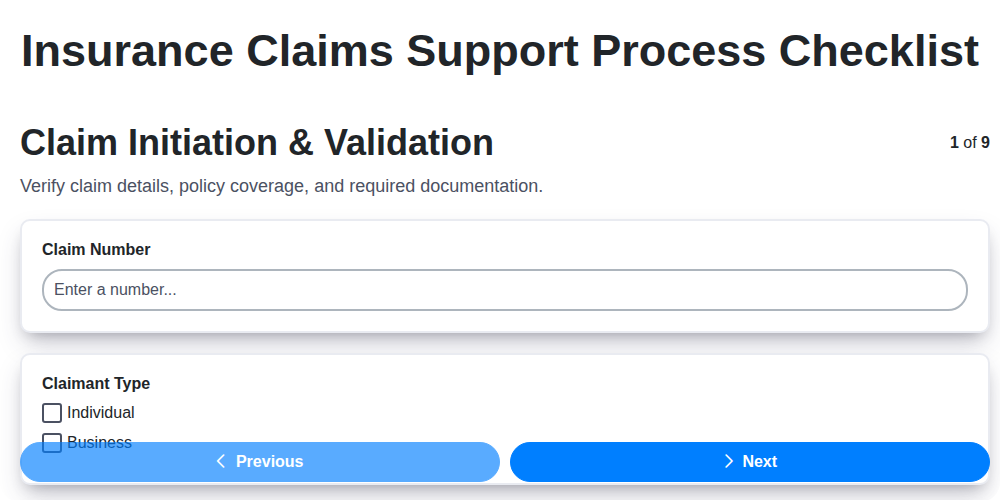
Streamline Claims: Your Insurance Claims Support Process Checklist Template
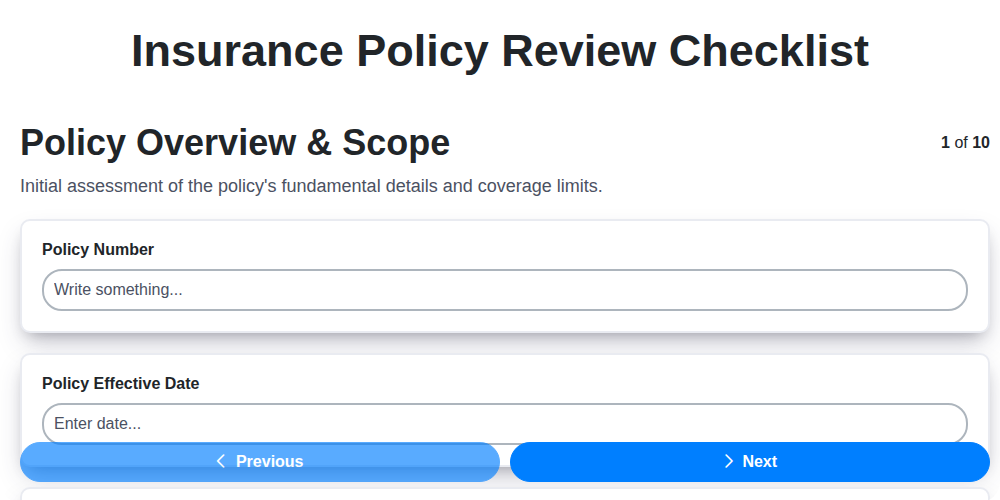
Your Insurance Policy Review Checklist: A Step-by-Step Guide
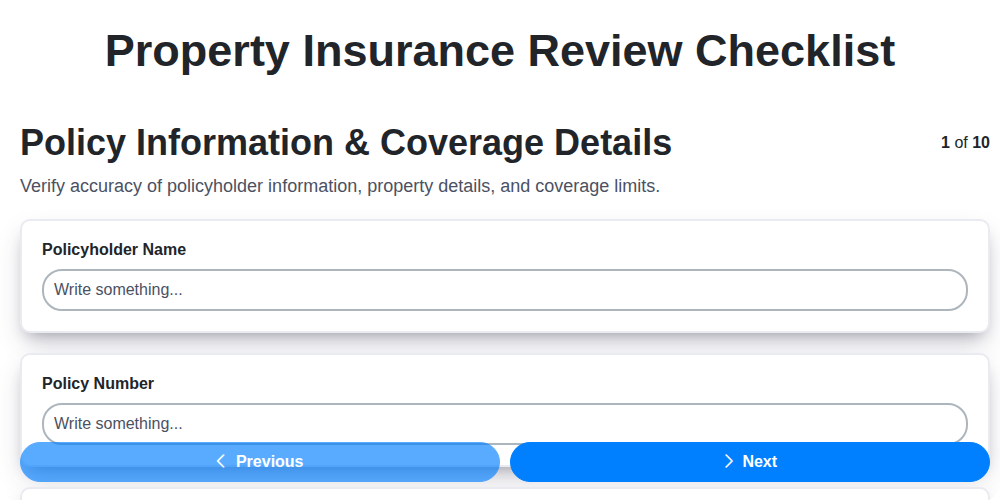
Your Property Insurance Review Checklist: A Step-by-Step Guide
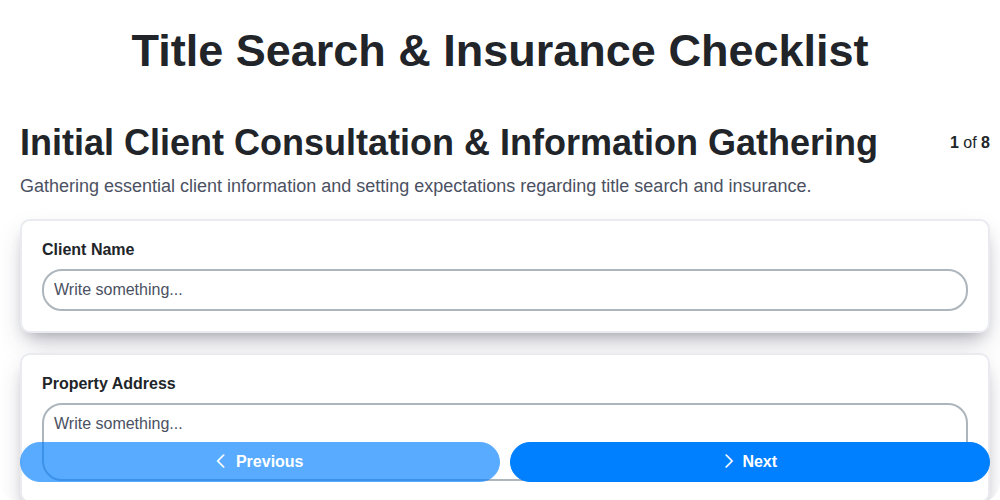
Your Title Search & Insurance Checklist Template
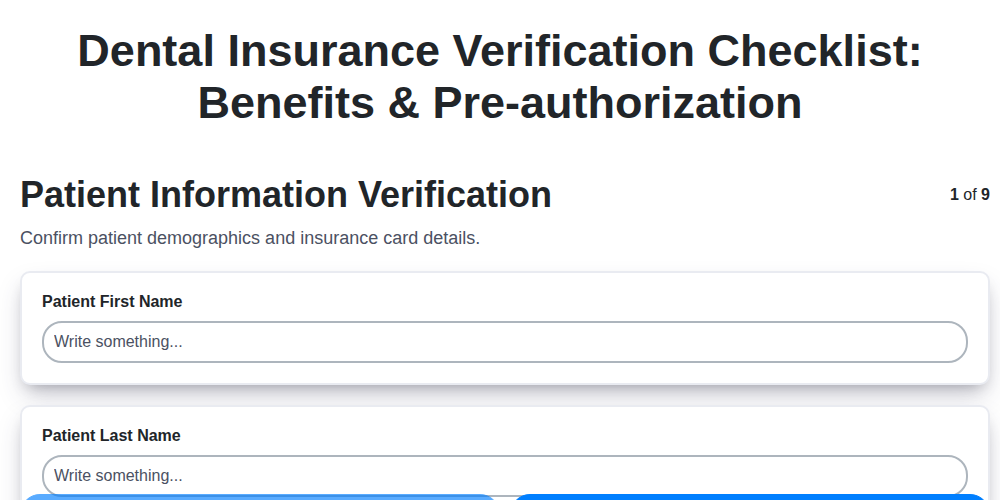
Simplify Insurance Verification: Your Free Dental Checklist Template
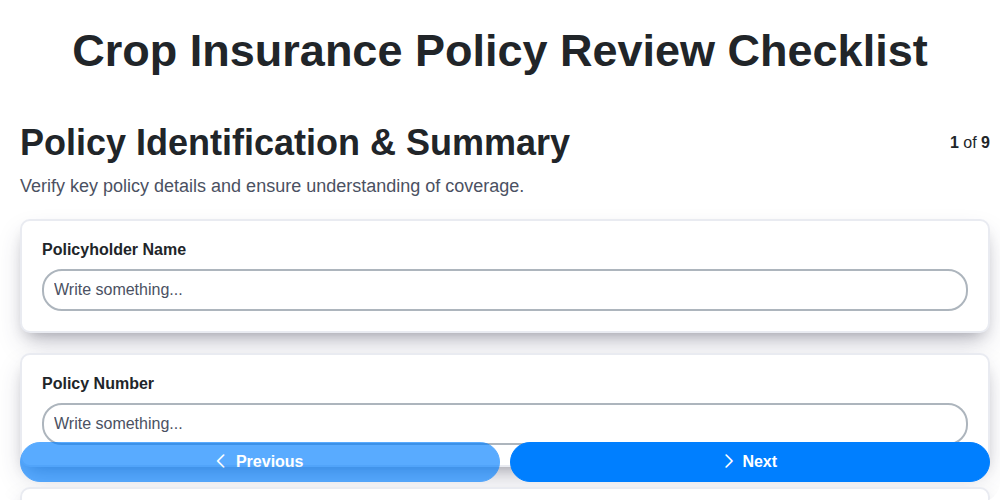
Crop Insurance Policy Review Checklist: A Farmer's Guide

The Ultimate Vehicle Registration & Insurance Validation Checklist
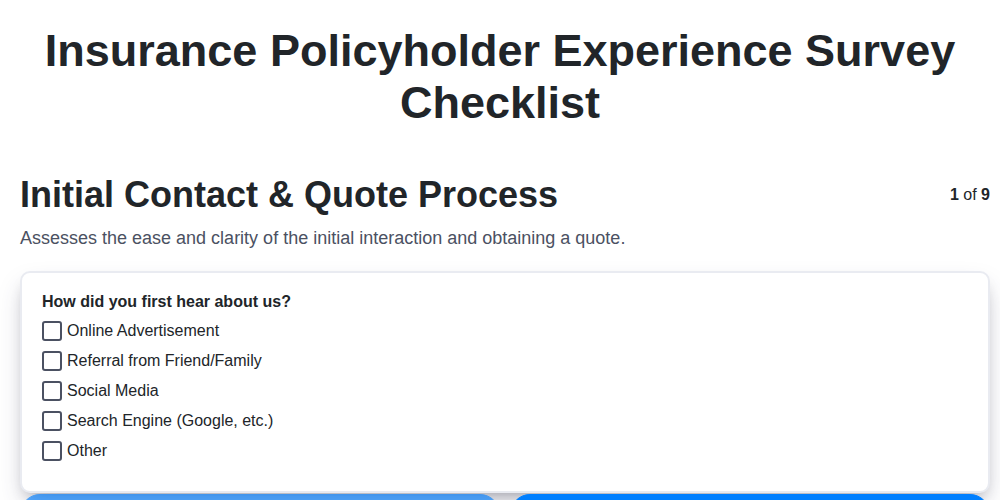
Mastering the Policyholder Journey: Your Insurance Experience Survey Checklist
Need help with
Insurance?
Have a question? We're here to help. Please submit your inquiry, and we'll respond promptly.