Navigating Cancellation: Your Insurance Policy Cancellation Checklist
Published: 12/01/2025 Updated: 07/02/2026
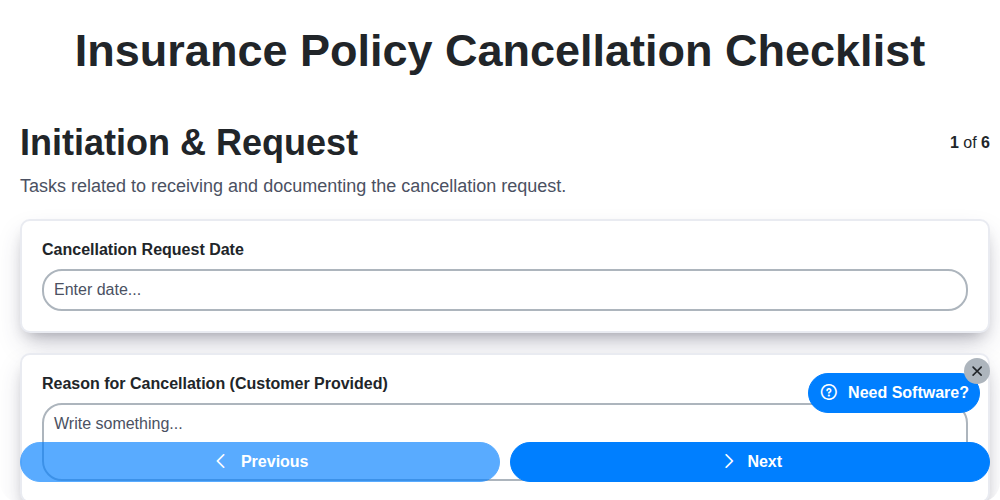
Table of Contents
- Introduction: Why Cancel Your Insurance Policy?
- 1. Initiation & Request: Starting the Cancellation Process
- 2. Policy Verification: Confirming Details and Coverage
- 3. Understanding Outstanding Obligations
- 4. Calculating Your Refund: What to Expect
- 5. Refund Processing: Timeline and Payment Methods
- 6. Cancellation Documentation: What You'll Receive
- 7. Notification: Informing Relevant Parties
- 8. System Updates: Ensuring Accurate Records
- 9. Record Keeping: For Your Future Reference
- 10. Common Cancellation Reasons and Considerations
- 11. Potential Penalties and Fees
- 12. Alternative Options: Exploring Policy Modification
- Conclusion: Peace of Mind After Cancellation
- Resources & Links
TLDR: Cancelling an insurance policy can be tricky! This checklist walks you through every step - from officially requesting cancellation and verifying your policy details, to understanding outstanding payments, getting a refund, handling paperwork, and ensuring everything's updated in the system. Use it to avoid surprises and ensure a smooth, hassle-free cancellation.
Introduction: Why Cancel Your Insurance Policy?
Life throws curveballs. Sometimes, what you needed yesterday isn't what you need today. Maybe you've paid off your mortgage and no longer require homeowner's insurance, perhaps you've sold your car, or you've secured coverage through a new provider. Whatever the reason, canceling an insurance policy can be a necessary and beneficial step. While it might seem straightforward, understanding the process and potential implications beforehand can prevent unexpected issues and ensure a smooth transition. This checklist provides a comprehensive guide to navigating the cancellation process, minimizing stress and maximizing any potential refunds you might be entitled to.
1. Initiation & Request: Starting the Cancellation Process
The first step in canceling your insurance policy is formally initiating the request. This might seem simple, but ensuring it's done correctly is crucial for a smooth cancellation process. Most insurers require a written request, though some may accept a phone call as a preliminary step. Always follow up with a written confirmation, regardless of the initial contact method.
Your written request should include:
- Your Policy Number: This is the most important piece of information!
- Your Name and Contact Information: Ensure accuracy to avoid confusion.
- Desired Cancellation Date: Be specific. Canceling mid-term can impact any potential refunds.
- Reason for Cancellation (Optional): While not always required, providing a reason can be helpful for the insurer's internal analysis.
- Signature: Required for written requests.
Check your policy documents or the insurer's website for specific instructions on submitting a cancellation request. Some may have online forms, while others might require mailing a physical letter. Documenting this initial request-keeping a copy of the letter or a screenshot of the online submission-is always a good practice.
2. Policy Verification: Confirming Details and Coverage
Before you officially cancel, it's crucial to meticulously verify your policy details and coverage. This isn't just about confirming your name and address are correct; it's about understanding exactly what you're cancelling.
Here's what to check:
- Coverage Dates: Double-check the start and end dates of your policy to ensure you're cancelling at the intended time. Cancelling too early could mean losing coverage you still need.
- Covered Risks: Review the list of risks covered by your policy. Are there any events or situations you still need protection against? Understanding your coverage helps prevent any future surprises.
- Beneficiaries (if applicable): If your policy has beneficiaries, confirm their details are still accurate. This is particularly important for life insurance policies.
- Policy Type & Riders: Refresh your understanding of the specific policy type (e.g., term life, whole life, auto, homeowners) and any riders or endorsements attached. These additions can influence cancellation terms and potential refunds.
- Current Premium: Ensure the premium amount you're expecting a refund for aligns with your most recent billing. Any discrepancies should be investigated before proceeding with cancellation.
By taking this verification step, you can avoid any misunderstandings and ensure a smooth cancellation process.
3. Understanding Outstanding Obligations
Before you officially cancel your insurance policy, it's crucial to thoroughly understand any outstanding obligations you might have. These can significantly impact your cancellation process and potential refunds.
What are Outstanding Obligations?
Outstanding obligations refer to any unpaid balances or commitments linked to your insurance policy. This could include:
- Premium Payments: Any unpaid premiums for the current policy period are the most common obligation.
- Late Payment Fees: If you're behind on payments, late fees will need to be settled.
- Claims in Progress: If you're currently pursuing a claim, cancelling your policy often requires finalizing that claim first. The insurer will need to assess the claim before allowing cancellation.
- Unpaid Taxes/Fees: Some policies might involve taxes or fees that need to be cleared before cancellation.
- Financed Policies: If your policy is financed (e.g., through a loan), you're responsible for settling the outstanding loan balance.
Why is Understanding These Obligations Important?
Ignoring outstanding obligations can lead to:
- Delayed Cancellation: The insurer might not be able to process your cancellation until all obligations are met.
- Reduced or No Refund: Unpaid balances directly reduce the refund amount you're entitled to.
- Negative Credit Impact: Unpaid debts can negatively affect your credit score.
- Legal Action: In severe cases, failure to pay could lead to legal action.
How to Identify Outstanding Obligations:
- Review Your Policy Documents: Your policy contract outlines payment schedules and any potential fees.
- Contact Your Insurer: The easiest way to get clarity is to directly contact your insurance provider and request a detailed statement of your account. Ask for a breakdown of any outstanding balances.
- Online Account Access: Many insurers offer online portals where you can view your account history and outstanding obligations.
Always proactively address these obligations to ensure a smooth and efficient policy cancellation process.
4. Calculating Your Refund: What to Expect
Figuring out your insurance refund can be a little confusing, but understanding the process upfront can save you headaches. Here's a breakdown of how it works:
1. Pro-Rated Coverage: Insurance premiums are typically calculated for a full policy term (usually a year). When you cancel, you're usually entitled to a refund for the unused portion of your policy. This is known as pro-rated coverage.
2. Factors Affecting Refund Amount: Several factors impact the refund amount. These include:
- Time Remaining on Policy: The longer you have until the policy's expiration date, the larger your refund will be.
- Payment Method: If you paid your premium in full upfront, you're more likely to receive a larger refund than if you paid monthly. Monthly payments often have smaller refund amounts due to administrative fees and potential for shorter cancellation windows.
- Fees & Deductions: Your insurer may deduct administrative fees or cancellation fees from your refund. These fees are usually outlined in your policy documents.
- Claims Filed: Any claims you're still pending or have been filed may affect your refund amount. The insurer may offset the refund to cover the claim. 3. Timeline for Refund Processing: Once your cancellation is approved and all obligations are met, the refund process usually takes anywhere from 5 to 10 business days. However, this can vary depending on the insurer's internal procedures and your payment method.
4. How to Inquire About Your Refund: If you haven't received your refund within the expected timeframe, don't hesitate to contact your insurance provider's customer service department. Keep your policy number and cancellation confirmation handy.
5. Refund Processing: Timeline and Payment Methods
Receiving a refund after cancelling your insurance policy can feel like the final hurdle. Understanding the timeline and available payment methods can ease any anxiety and ensure a smooth process.
Timeline Expectations:
The time it takes to receive your refund depends on several factors, including the insurance company's internal procedures, the type of policy, and the payment method used for the original premium. Generally, you can expect a refund within 30 to 90 days from the cancellation date.
- Initial Review (5-10 business days): The insurance company needs time to process your cancellation request, verify all outstanding obligations, and calculate the refund amount.
- Processing & Approval (10-20 business days): This involves internal approvals and potentially reconciling records.
- Payment Processing (5-30 business days): This is where delays are most common. The payment method influences the processing time - checks take longer than electronic transfers.
Payment Methods:
The refund will typically be issued using the same method you originally used to pay your premium. However, sometimes this isn't possible. Here's a breakdown of common payment methods and what to expect:
- Credit/Debit Card: Refunds are usually credited back to the original card. Allow up to 7-10 business days for the credit to appear on your statement.
- Check: A check will be mailed to the address on file. This is often the slowest option, potentially taking 2-3 weeks for delivery.
- Electronic Funds Transfer (EFT): The refund will be directly deposited into the bank account you initially provided. This is usually a fairly efficient process.
- Other Payment Methods: If you paid with a less common method (e.g., payroll deduction), your insurance company will advise you on how the refund will be handled.
Important Notes:
- Contact Your Insurer: If you haven't received your refund within the expected timeframe, don't hesitate to contact your insurance company. They can provide specific details about your refund status.
- Address Verification: Make sure your mailing address is current with your insurance company to avoid delays.
- Taxes: Be aware that any refunded premiums might be considered taxable income depending on your local tax laws. Consult with a tax professional for guidance.
6. Cancellation Documentation: What You'll Receive
Once your insurance policy is officially cancelled, you'll receive several important documents. These serve as proof of cancellation and outline the details of your final settlement. Expect to receive:
- Cancellation Confirmation Letter: This is the primary document confirming the cancellation, detailing the effective date and any applicable fees. Keep this in a secure location.
- Final Premium Statement: This statement breaks down your final premium, showing any adjustments, prorations, or refunds.
- Refund Check or Electronic Transfer Notification: If you've overpaid your premiums, you'll receive a refund. This will either arrive as a physical check or a notification indicating a direct electronic transfer to your bank account. Double-check that the amount is accurate.
- Policy Record/Summary (Optional): Some insurers may provide a summary of your policy history, including coverage dates and claim information. While not always included, it can be a helpful reference for your records.
It's crucial to review all these documents carefully to ensure accuracy and address any discrepancies immediately.
7. Notification: Informing Relevant Parties
Once the cancellation is processed, it's crucial to ensure all relevant parties are notified. This includes the policyholder, any dependents listed on the policy, and any other entities that may have relied on the insurance coverage.
Policyholder Notification: A clear and concise written notification (email or mail) is essential. This notification should explicitly state the policy is cancelled, the effective date of cancellation, and the reason (if applicable). Include any relevant details about refunds or remaining coverage.
Dependent Notification: If dependents are covered under the policy, inform them of the cancellation and its implications.
Third-Party Notification (if applicable): If the policy covers assets belonging to a third party (e.g., a landlord or lender), notify them of the cancellation to prevent any potential issues or misunderstandings.
Record of Notification: Document all notifications sent, including the method of delivery and the date sent. This provides an audit trail and ensures compliance. Consider sending a follow-up notification to confirm receipt and address any questions.
8. System Updates: Ensuring Accurate Records
Once a cancellation is finalized, it's crucial to ensure your systems accurately reflect the policy's status. This isn't just about preventing confusion; it's about maintaining data integrity and avoiding future complications. This involves updating your core insurance management system to mark the policy as cancelled, with the effective cancellation date clearly noted. Double-check that any associated renewals or future scheduled tasks are deactivated to prevent erroneous activity. Furthermore, consider updating any related CRM or customer databases with the cancellation details. Regular audits of these system updates are recommended to verify accuracy and identify any discrepancies that need correction, safeguarding against potential errors and maintaining a clean, reliable record of your policy portfolio.
9. Record Keeping: For Your Future Reference
Cancelling an insurance policy can feel like a finality, but maintaining thorough records is crucial for your future financial clarity. Don't just shred everything! Here's what you should keep and why:
- Cancellation Confirmation: This is the most vital document. It outlines the cancellation date, refund amount (if applicable), and any specific terms related to the cancellation.
- Original Policy Documents: While the active policy isn't needed, keeping the original documents (or digital copies) can be helpful if questions arise later about coverage history, especially if you need to prove previous coverage for loan applications or other situations.
- Communication Records: Save emails, letters, or notes from phone conversations with your insurance company regarding the cancellation. These provide a clear timeline of events and can be invaluable if disputes arise.
- Refund Statements: Keep records of the refund calculation and processing, including dates and amounts received.
- Digital Copies: Consider scanning all documents and storing them securely in a cloud-based service or password-protected folder. This ensures accessibility and protects against physical loss.
These records aren't just about covering your bases; they demonstrate responsible financial management and provide peace of mind knowing you have a complete history of your insurance dealings.
10. Common Cancellation Reasons and Considerations
Before you officially cancel your insurance policy, it's worth understanding why people typically do so. Knowing these reasons can help you reflect on your own situation and ensure you're making the right decision.
Here are some common drivers for policy cancellations:
- Moving to a New Location: Your geographic location often dictates your insurance needs. Moving to a different state or even a new city might mean your current policy no longer applies or is too expensive.
- Selling a Vehicle/Property: Obviously, when you no longer own an asset covered by a policy (like a car or home), the policy becomes redundant.
- Finding a Better Rate/Policy: The insurance landscape is competitive, and finding a more affordable or comprehensive policy elsewhere is a major motivator. Shop around!
- Changes in Financial Situation: Economic shifts can make maintaining a policy a financial burden.
- No Longer Needing the Coverage: Perhaps your business situation has changed, or you're no longer driving regularly.
- Switching Insurance Providers: Sometimes, it's simply a matter of wanting to consolidate with another insurer or experiencing better service elsewhere.
- Policy Lapses Due to Non-Payment: While technically a forced cancellation, it's worth noting as a potential issue to avoid.
- Combining Policies (Bundling): Often, bundling multiple insurance products with a single provider leads to discounted rates, making cancelling individual policies attractive.
- Significant Life Events: Marriage, divorce, job changes, and other substantial life events can impact your insurance needs.
- Unsatisfactory Service: Poor customer service or claims handling experiences can lead individuals to seek alternative providers.
Consider why you're canceling. Understanding your motivations helps ensure you're moving towards a better, more appropriate insurance solution.
11. Potential Penalties and Fees
It's rarely as simple as just saying "cancel my policy." Insurance companies often have specific terms and conditions, and canceling your policy prematurely can trigger unexpected fees or penalties. These vary significantly depending on your insurer, the type of policy, and the timing of your cancellation.
Here's a breakdown of potential issues to be aware of:
- Early Cancellation Fees: Many policies, particularly those with fixed terms (like annual car insurance), charge a fee if canceled before the term ends. This is often a percentage of the premium you're forfeiting.
- Pro-rated Premium Forfeiture: Even without a specific fee, you may not receive a full refund of your premium. The insurer might keep a portion to cover their administrative costs or for the period they were obligated to provide coverage.
- Non-Renewal Penalties (Rare): While less common, some policies might have clauses that penalize you for cancelling shortly before a non-renewal date. Read your policy documents carefully.
- Unpaid Claims Impact: If you have filed a claim and haven't fully settled it, canceling could complicate the process and potentially impact your ability to receive full compensation.
- Lapse in Coverage Consequences: Canceling insurance without a replacement policy in place creates a lapse in coverage, which can negatively impact future insurance rates and eligibility.
Always review your policy documents and confirm with your insurer about any cancellation fees or penalties before initiating the cancellation process. Don't hesitate to ask for a breakdown of how your refund will be calculated and what fees you can expect.
12. Alternative Options: Exploring Policy Modification
Before committing to cancellation, it's always wise to explore alternatives. Perhaps your needs have changed, but cancellation isn't the only solution. Consider these options:
- Policy Modification: Can you adjust your coverage? Maybe you need lower limits, a different deductible, or removal of certain riders. This can significantly reduce your premiums while retaining some level of protection.
- Coverage Suspension: Some policies allow for temporary suspension of coverage. This can be beneficial if you're facing a short-term financial hardship or won't be needing the coverage for a specific period (e.g., while living abroad).
- Re-evaluation of Coverage Needs: Sit down and honestly assess your current situation. Have your circumstances changed significantly? Could a different policy type or provider better suit your needs? Getting quotes from other insurers might reveal more affordable alternatives without outright cancellation.
- Contact Your Agent: Your insurance agent is a valuable resource. They can discuss your concerns, explain available options, and help you find a solution that aligns with your current circumstances.
Conclusion: Peace of Mind After Cancellation
Cancelling an insurance policy can feel like a big deal, but with a clear process and this checklist, you can navigate it with confidence. Remember, proactive communication and thorough record-keeping are key to a smooth and stress-free experience. By following these steps, you're not just cancelling a policy; you're taking control of your financial decisions and ensuring a clean break. This means no unexpected charges, clear understanding of any refunds due, and the peace of mind knowing everything has been properly handled. Don't hesitate to reach out to your insurer if you have any questions - they're there to help guide you through the process and ensure a successful cancellation.
Resources & Links
- National Association of Insurance Commissioners (NAIC): The NAIC is a U.S. standard-setting and regulatory support organization. Their website provides consumer information on insurance, including policy cancellation guidance and state-specific regulations. Useful for understanding legal frameworks.
- Internal Revenue Service (IRS): Relevant if the insurance policy was for business purposes or included elements impacting taxes (e.g., life insurance as a business expense). Helps understand potential tax implications of cancellation.
- Federal Trade Commission (FTC) - Consumer Information: The FTC's website offers consumer protection advice, including tips for dealing with insurance companies and understanding your rights when canceling a policy. Useful for disputing unfair practices.
- Investopedia: Investopedia provides clear explanations of financial concepts, including insurance terminology and cancellation procedures. Helps clarify complex terms like 'lapse' or 'assignment'.
- Insurance Information Institute (III): The III is a non-profit, educational organization providing information about insurance. Their website has articles and FAQs that can help understand different types of policies and cancellation processes.
- NerdWallet: NerdWallet provides financial advice and comparisons, including insurance reviews and articles. May offer insight into comparing insurance options and understanding cancellation costs.
- Bankrate: Bankrate offers financial resources and comparisons. Their insurance section can offer additional perspectives on policy cancellation and potential savings.
- State Insurance Commissioners: A directory of links to state insurance commissioner websites. Crucial for understanding state-specific cancellation rules and filing complaints if necessary.
- Experian: Relevant if the insurance policy is tied to a loan or mortgage. Cancellation could impact credit scores; understanding the connection is important.
- LegalZoom: LegalZoom provides legal information and services, including document review. Helpful if dealing with complex cancellation scenarios or contracts.
- Finder.com: Finder offers financial comparisons, including insurance rates and policies. Might offer competitive comparisons when considering alternatives to cancellation.
Frequently Asked Questions
What does this article cover?
This article provides a comprehensive checklist to help you navigate the cancellation process for your insurance policy. It covers important steps, potential fees, and considerations to ensure a smooth and informed cancellation.
Why should I read this checklist?
Cancelling an insurance policy can be more complex than it seems. This checklist helps you avoid common pitfalls, understand potential fees, and ensure you're fully prepared before officially cancelling your policy.
What information do I need to gather before cancelling my insurance?
You'll typically need your policy number, contact information, and potentially a reason for cancellation. The article details other important documents and information you should have ready.
Are there any fees associated with cancelling my insurance policy?
Yes, there can be. The article explains common cancellation fees, such as pro-rata cancellation fees, administrative fees, and potential penalties depending on your policy type and state regulations.
What is a pro-rata cancellation?
A pro-rata cancellation means you're refunded the unused portion of your premium for the remaining time of your policy period. However, you may still be charged a cancellation fee.
What do I do if I'm cancelling due to dissatisfaction with the service?
The checklist advises documenting your concerns and contacting your insurance provider to discuss your issues before formally cancelling. You might be able to resolve the problem without complete cancellation.
How do I officially cancel my insurance policy?
The article outlines the various methods for cancellation, including written requests, phone calls, and online submissions. Specific requirements vary by insurer and policy type.
What happens to my coverage after cancellation?
Your coverage officially ends on the date specified by your insurer. Understanding this date is crucial to ensure continuous coverage if you're switching providers.
Do I need to inform my new insurance provider about my cancellation?
Yes, it's generally a good practice to inform your new provider about your existing policy cancellation date to avoid any gaps in coverage.
What if I need to reinstate my cancelled policy?
Reinstating a cancelled policy isn't always possible and depends on the insurance company's policies and your circumstances. The checklist explains the considerations and potential implications.
Comments
There are no comments yet. Be the first to add one!
Insurance Management Solution Demo
Managing policies, claims, and compliance in the insurance industry is complex. ChecklistGuro's Work OS platform streamlines your operations, from underwriting and renewals to claims processing and reporting. Improve efficiency, reduce errors, and enhance customer satisfaction. Discover how ChecklistGuro can transform your insurance business!
Related Articles
Streamline Claims: Your Insurance Claims Support Process Checklist Template
Your Insurance Policy Review Checklist: A Step-by-Step Guide
Your Property Insurance Review Checklist: A Step-by-Step Guide
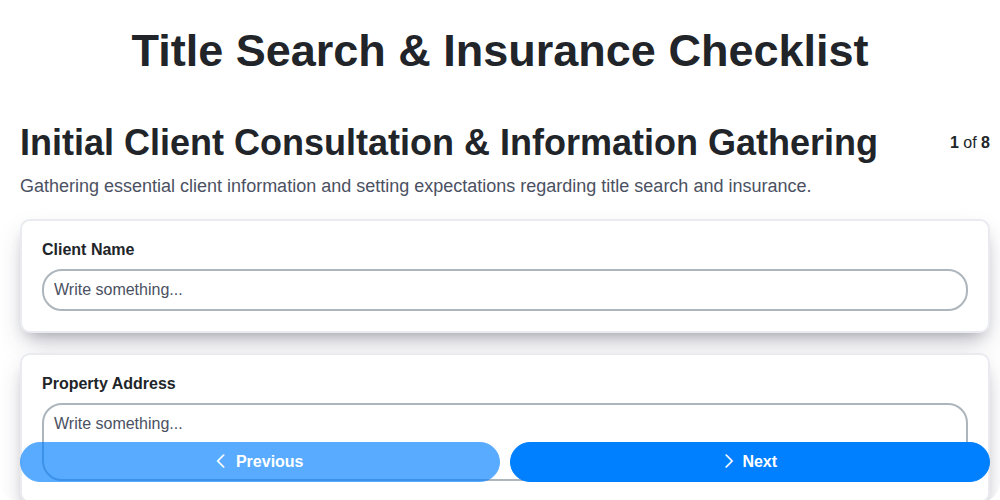
Your Title Search & Insurance Checklist Template
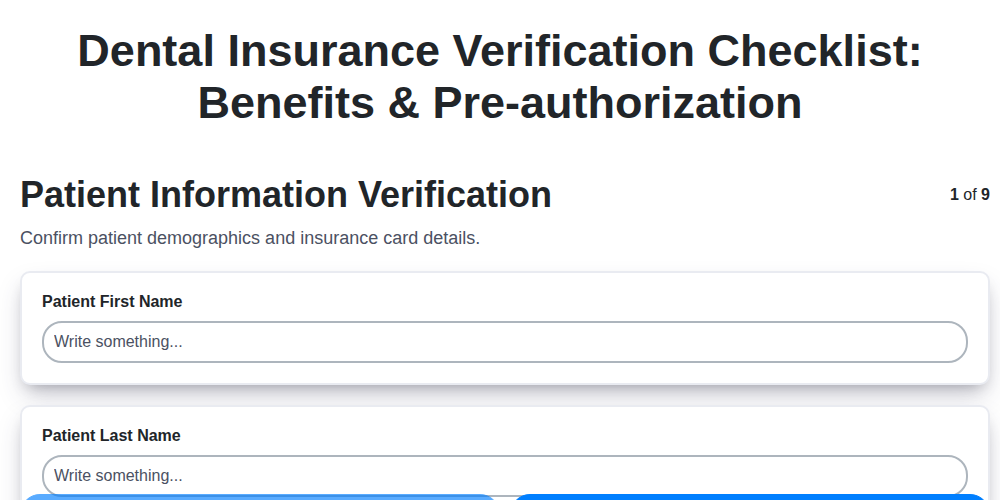
Simplify Insurance Verification: Your Free Dental Checklist Template
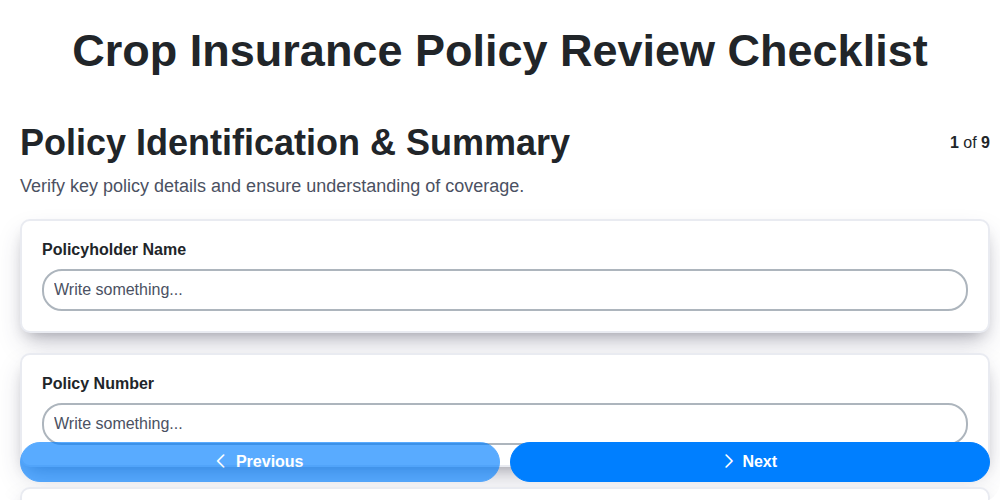
Crop Insurance Policy Review Checklist: A Farmer's Guide

The Ultimate Vehicle Registration & Insurance Validation Checklist
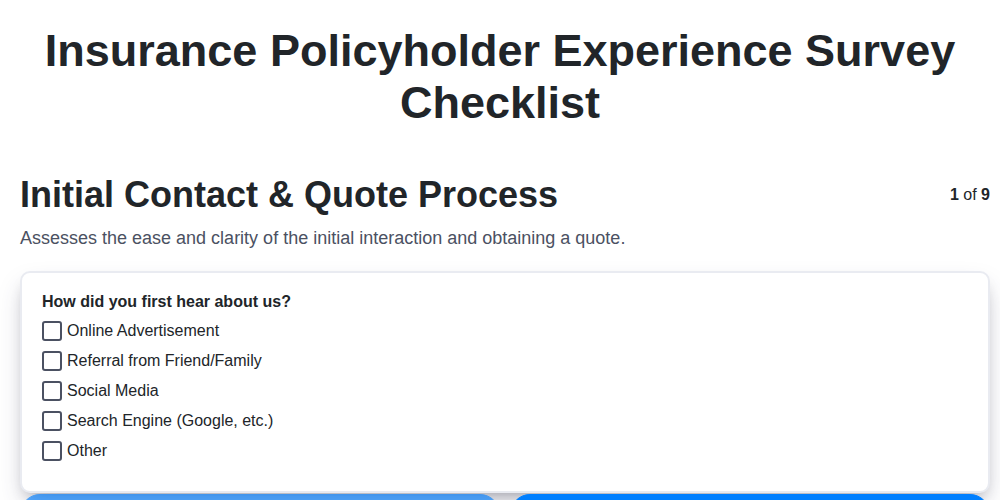
Mastering the Policyholder Journey: Your Insurance Experience Survey Checklist
Need help with
Insurance?
Have a question? We're here to help. Please submit your inquiry, and we'll respond promptly.