Navigating the Maze: Your Insurance Regulatory Compliance Checklist
Published: 12/01/2025 Updated: 07/02/2026
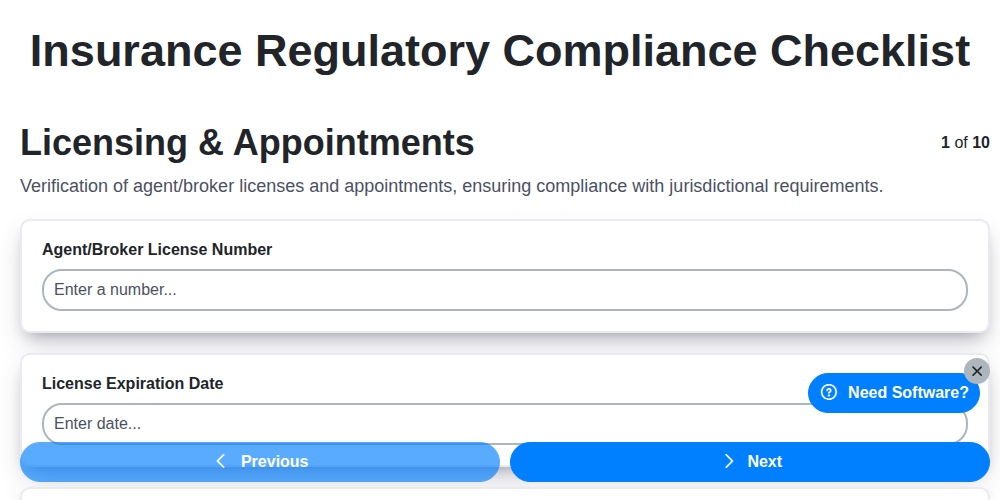
Table of Contents
- Introduction: Why Insurance Regulatory Compliance Matters
- 1. Licensing & Appointments: Getting Started Right
- 2. Policy Form Filing: Ensuring Accuracy and Approval
- 3. Advertising & Marketing: Staying Within Legal Boundaries
- 4. Data Privacy & Security: Protecting Consumer Information
- 5. Financial Reporting: Transparency and Accountability
- 6. Claims Handling Practices: Fair and Timely Resolution
- 7. Anti-Money Laundering (AML): Preventing Illicit Activities
- 8. Consumer Disclosure Requirements: Clear and Understandable Communication
- 9. Record Keeping & Documentation: Building a Solid Audit Trail
- 10. Continuing Education: Staying Current with Regulations
- 11. Audits & Examinations: Preparing for Scrutiny
- 12. Common Compliance Pitfalls to Avoid
- 13. Leveraging Technology for Compliance
- Conclusion: Proactive Compliance for Long-Term Success
- Resources & Links
TLDR: Feeling overwhelmed by insurance regulations? This checklist is your roadmap! It covers everything from licensing and marketing to data security and financial reporting, ensuring you stay compliant and avoid costly penalties. Download the template and use it to systematically track your progress and keep your insurance business running smoothly.
Introduction: Why Insurance Regulatory Compliance Matters
The insurance industry operates within a complex web of regulations designed to protect consumers, ensure financial stability, and maintain market integrity. Non-compliance isn't just a matter of fines and penalties; it can erode trust, damage your reputation, and ultimately, jeopardize your business. Staying ahead of these ever-evolving rules is paramount. This isn't about ticking boxes; it's about building a sustainable and ethical business that prioritizes consumer protection and operates with transparency. This checklist is designed to provide a clear roadmap for navigating these intricacies, helping you establish a robust compliance program and minimize risk in a rapidly changing regulatory landscape.
1. Licensing & Appointments: Getting Started Right
Navigating the insurance regulatory landscape begins with solid licensing and appointment processes. This isn't just about ticking a box; it's the bedrock of your compliance program. Here's what you need to focus on:
- Individual Agent & Broker Licensing: Ensure all agents and brokers are properly licensed in each jurisdiction where they conduct business. This includes verifying initial licensing, renewals, and any required continuing education credits. Track license status meticulously.
- Agency Appointments: Confirm that your agency has the correct appointments with all insurance carriers you represent. Review and renew these appointments regularly, adhering to carrier-specific requirements.
- Producer Background Checks: Many jurisdictions mandate background checks for insurance producers. Maintain thorough records of these checks and address any issues promptly.
- Managing Director/Principal Licensing: Ensure all managing directors, partners, or principal owners meet licensing and regulatory requirements as defined by the specific jurisdiction.
- Compliance with Regulatory Updates: Stay abreast of changes to licensing requirements, which can vary significantly by state or region. Subscribe to regulatory alerts and participate in industry webinars to remain informed.
- Record Keeping: Maintain detailed records of all licensing and appointment documentation, including application forms, supporting evidence, and renewal confirmations. These records are essential for audits and investigations.
2. Policy Form Filing: Ensuring Accuracy and Approval
Navigating policy form filing can feel like traversing a regulatory maze. It's a critical process - submitting your policy forms for approval ensures they comply with state laws and regulations, protecting both your company and your policyholders. This isn't just about ticking a box; it's about establishing a foundation of legal soundness.
Here's a breakdown of key considerations:
- State-Specific Requirements: Remember, insurance regulations vary significantly from state to state. What's acceptable in one state might be rejected in another. Each filing must be tailored to the specific rules of the jurisdiction.
- Content Accuracy & Completeness: Double-check everything. Policy language, rates, terms, conditions - any inaccuracies or omissions can lead to rejection and delays.
- Formatting & Standardization: States often have specific formatting guidelines for policy forms. Adhering to these is crucial for efficient processing.
- Rate Justification: Be prepared to demonstrate how your rates are actuarially sound and comply with state rate regulations. Supporting documentation is key.
- Timeliness: Filing deadlines exist. Missing them can trigger penalties and impact your ability to offer policies.
- Amendments & Updates: Keep your filings current. Any changes to your policy form necessitate timely amendments and resubmissions.
- Tracking & Communication: Maintain a robust system for tracking filings, managing correspondence with regulators, and ensuring timely responses to inquiries.
Proper policy form filing isn't just about compliance; it's about building trust and operating with integrity.
3. Advertising & Marketing: Staying Within Legal Boundaries
Insurance advertising and marketing are heavily regulated to protect consumers from misleading or deceptive practices. Compliance isn't just about avoiding fines; it's about building trust and maintaining a positive reputation. Here's a breakdown of key areas to consider:
Truthful and Accurate Representation: All advertising materials must be truthful and not misleading. This means clearly and accurately representing coverage terms, conditions, limitations, and exclusions. Avoid exaggerations or promises you can't deliver on.
Rate and Premium Transparency: Regulations often dictate how premiums and rates are presented. Ensure you're clearly stating whether advertised rates are introductory, group rates, or based on specific underwriting factors. Provide clear explanations of how rates are calculated.
Comparative Advertising: When comparing your products to competitors, be factual and substantiated. Avoid disparaging remarks or false claims about their offerings. You must be able to prove any comparative statements you make.
Endorsements & Testimonials: Ensure endorsements are genuine and reflect the endorser's experience. Disclose any material connections between your company and the endorser. Be careful about using testimonials that could be interpreted as guarantees.
Social Media Compliance: Social media marketing is subject to the same regulations as traditional advertising. Disclose sponsored content and ensure accuracy of claims made on platforms like Facebook, Instagram, and Twitter.
Website Disclosures: Your website is a key marketing tool. It must include clear and conspicuous disclosures about your company, products, and privacy practices. Ensure your website complies with accessibility guidelines.
Regulatory Review: Many states require pre-approval of advertising materials. Familiarize yourself with your state's requirements and submit materials for review before they are released to the public.
Always consult with legal counsel specializing in insurance advertising law to ensure full compliance.
4. Data Privacy & Security: Protecting Consumer Information
In today's digital landscape, safeguarding consumer data isn't just a best practice-it's a legal imperative. Insurance regulators are increasingly focused on data privacy and security, and non-compliance can result in significant fines and reputational damage. This checklist item necessitates a multi-faceted approach encompassing robust policies, procedures, and technological safeguards.
Here's what needs to be considered:
- Compliance with Regulations: Familiarize yourself with applicable laws like the California Consumer Privacy Act (CCPA), the Virginia Consumer Data Protection Act (VCDPA), HIPAA (if applicable), and any state-specific data privacy regulations. These laws dictate how consumer data can be collected, used, shared, and stored.
- Data Inventory & Mapping: Understand what types of personal information you collect, where it's stored, and who has access to it. Conduct regular data mapping exercises to identify vulnerabilities and potential risks.
- Security Measures: Implement strong security measures, including encryption (both in transit and at rest), firewalls, intrusion detection systems, and multi-factor authentication. Regularly update security software and patches.
- Vendor Management: If you utilize third-party vendors who handle consumer data, ensure they have adequate data security practices and contractual agreements outlining their responsibilities.
- Incident Response Plan: Develop and regularly test a comprehensive incident response plan to address data breaches or security incidents effectively. This plan should include notification procedures for regulators and affected consumers.
- Employee Training: Provide regular training to employees on data privacy and security best practices, emphasizing the importance of protecting consumer information.
- Consent Management: Implement clear and transparent consent mechanisms for data collection and usage, ensuring consumers understand how their information will be used and have the ability to opt out.
- Regular Audits: Conduct periodic audits of data privacy and security practices to identify weaknesses and ensure ongoing compliance.
5. Financial Reporting: Transparency and Accountability
Accurate and timely financial reporting is the bedrock of trust and stability within the insurance industry. Regulatory scrutiny in this area is intense, and non-compliance can lead to significant penalties and reputational damage. This checklist item requires meticulous attention to detail and a robust understanding of applicable standards.
Here's what you need to focus on:
- Statutory Accounting Practices (SAP): Ensure adherence to SAP principles, which govern how insurance companies record financial transactions and prepare financial statements. This often differs from Generally Accepted Accounting Principles (GAAP).
- NAIC Filings: Prepare and file required reports with the National Association of Insurance Commissioners (NAIC), including the Statement of Assets, Liabilities, and Capital, and the Statement of Operations. Meet all deadlines and follow the prescribed formats.
- Audits: Engage qualified independent auditors to conduct both statutory and GAAP audits. Address any audit findings promptly and implement corrective actions.
- Reinsurance Reporting: Disclose all reinsurance arrangements accurately, including ceded premiums, losses, and commissions.
- Investment Reporting: Maintain detailed records of investment portfolios and report them according to regulatory guidelines, including details on asset types, maturities, and yields.
- Tax Compliance: Ensure accurate reporting of taxes related to insurance operations, including premium taxes, income taxes, and other applicable levies.
- System Controls: Implement and maintain strong internal controls over financial reporting processes to ensure accuracy and prevent fraud.
Staying abreast of changes to regulatory reporting requirements is crucial. Regularly review NAIC publications and consult with accounting professionals specializing in the insurance industry to maintain compliance.
6. Claims Handling Practices: Fair and Timely Resolution
Insurance regulators place significant emphasis on claims handling, rightfully so. Policyholders rely on insurers to fulfill their promises when they need them most. Failing to do so can lead to regulatory scrutiny and reputational damage. This checklist item isn't just about following procedure; it's about ensuring fairness and providing timely resolution to policyholder claims.
Here's what you need to consider:
- Prompt Acknowledgment: Immediately acknowledge receipt of claims and keep policyholders informed of the claim's status throughout the process. Automated confirmations and regular updates are essential.
- Thorough Investigation: Conduct a comprehensive and impartial investigation of each claim, gathering all relevant information. Document every step taken.
- Clear Communication: Maintain open and honest communication with policyholders, explaining decisions, rationale for denials (if applicable), and available appeal processes in plain language. Avoid jargon and complex legal terms.
- Adherence to Policy Language: Strictly adhere to the terms and conditions outlined in the policy. Any deviation requires clear justification and documentation.
- Fair Settlement Offers: Provide fair and reasonable settlement offers based on the policy language, applicable law, and the investigation's findings.
- Complaint Resolution: Have a robust complaint resolution process in place to address policyholder grievances efficiently and effectively. Document all complaints and resolutions.
- Training and Oversight: Regularly train claims personnel on applicable laws, regulations, and best practices. Implement oversight mechanisms to ensure compliance and identify potential issues.
- Internal Audits: Conduct regular internal audits of claims handling practices to identify areas for improvement and ensure consistency.
Failure to uphold these standards can trigger investigations, fines, and corrective action orders. A proactive approach to claims handling is a cornerstone of a compliant and reputable insurance operation.
7. Anti-Money Laundering (AML): Preventing Illicit Activities
The insurance industry, while seemingly removed from traditional money laundering activities, remains vulnerable. Criminals can exploit insurance products for illicit gains, making robust Anti-Money Laundering (AML) compliance absolutely critical. This isn't just about avoiding penalties; it's about safeguarding your company's reputation and contributing to a safer financial system.
What's Involved in AML Compliance for Insurance?
AML regulations, primarily stemming from the Bank Secrecy Act (BSA) and its implementing regulations, require insurance companies to:
- Develop and Implement a Comprehensive AML Program: This includes a written AML program tailored to your specific business practices, risk profile, and the types of insurance products offered.
- Customer Identification Program (CIP): Verifying the identity of your clients is fundamental. This often involves collecting and validating information like name, address, date of birth, and potentially, identifying beneficial owners.
- Transaction Monitoring: Implement systems and processes to monitor insurance applications, premium payments, claim submissions, and payouts for suspicious activity. Look for unusual patterns, large transactions, or inconsistencies in client information.
- Suspicious Activity Reporting (SAR): If suspicious activity is detected, you are obligated to file a SAR with the Financial Crimes Enforcement Network (FinCEN). This involves documenting the circumstances leading to the suspicion.
- Employee Training: Regular AML training for all relevant employees is vital. Training should cover recognizing red flags, understanding reporting procedures, and maintaining compliance.
- Risk Assessment: Conduct periodic risk assessments to identify and evaluate your company's vulnerabilities to money laundering and terrorist financing. These assessments should inform your AML program.
Common Red Flags in Insurance:
- Unusual Premium Payment Methods: Frequent use of cash, third-party payments, or payments from high-risk jurisdictions.
- Complex Ownership Structures: Difficult-to-trace ownership of insurance policies, especially those involving shell companies.
- Large, Unexplained Insurance Coverage: Policies significantly exceeding the applicant's apparent financial capacity.
- Multiple Policies with Similar Characteristics: Numerous policies with the same beneficiary and/or similar coverage amounts.
- Claims Handling Anomalies: Unusual patterns in claims filing, approval, or payment.
Maintaining vigilance and consistent adherence to AML guidelines protects your business, your customers, and the integrity of the insurance industry.
8. Consumer Disclosure Requirements: Clear and Understandable Communication
Insurance regulators prioritize transparency and fairness - and that means clear, understandable communication with consumers. Failing to meet these disclosure requirements can lead to fines, cease-and-desist orders, and reputational damage.
This area goes far beyond simply providing a policy document. It's about ensuring consumers fully understand what they're buying, the associated risks, and their rights. Key considerations include:
- Policy Summaries & Plain Language: Providing concise, easy-to-understand summaries of policy terms, conditions, exclusions, and limitations is crucial. Avoid legal jargon and use plain language wherever possible.
- Rate Explanations: Clearly explaining how rates are calculated and any factors influencing premiums is vital. Transparency here builds trust.
- Cancellation & Non-Renewal Procedures: Consumers need to know the steps involved in canceling their policy or if it isn't renewed, including any associated fees or penalties.
- Fee Disclosures: All fees, surcharges, and other costs must be transparently disclosed upfront. Hidden fees are a major source of consumer complaints.
- Privacy Notices: Provide clear and concise privacy notices explaining how consumer data is collected, used, and protected. Comply with all applicable data privacy regulations.
- Accessibility: Ensure disclosures are accessible to individuals with disabilities, adhering to accessibility guidelines (e.g., providing large print, alternative formats).
- Compliance with Specific Regulations: State and federal laws outline specific disclosures required for various insurance products. Stay updated on the latest regulatory changes.
Regularly review your consumer disclosure practices to ensure ongoing compliance and strengthen consumer trust.
9. Record Keeping & Documentation: Building a Solid Audit Trail
In the insurance regulatory landscape, meticulous record keeping isn't just a nice-to-have; it's a fundamental pillar of compliance. A robust system demonstrating you've adhered to all applicable regulations can be the difference between a smooth audit and a costly investigation.
What exactly constitutes "adequate" record keeping? It goes beyond simply retaining documents. It means creating a clear, organized, and easily accessible audit trail that answers these crucial questions:
- Who performed the task?
- What action was taken?
- When was it done?
- Why was it done?
- How was it done?
This includes, but isn't limited to:
- Policy Files: Complete records for each policy, including applications, underwriting guidelines followed, premium calculations, endorsements, and correspondence.
- Regulatory Filings: Copies of all forms and documents submitted to regulatory bodies, along with confirmation of receipt.
- Training Records: Documentation of employee training on compliance procedures, updated regularly.
- Audit Trails: Logs of system access, data changes, and key operational activities.
- Communication Records: Records of correspondence with regulators, policyholders, and other relevant parties.
- Disaster Recovery Plans: Documentation outlining data backup and recovery procedures.
Tips for Strong Record Keeping:
- Implement a Document Management System: Leverage technology to organize, secure, and retrieve records efficiently.
- Define Retention Schedules: Establish clear timelines for how long records must be retained, aligning with regulatory requirements.
- Control Access: Limit access to sensitive records based on employee roles and responsibilities.
- Regularly Review and Update: Ensure retention schedules and procedures are current with evolving regulations.
A well-maintained record keeping system provides not only regulatory assurance but also valuable insights for operational improvement and risk mitigation.
10. Continuing Education: Staying Current with Regulations
The insurance landscape is constantly evolving, and regulatory changes are a regular occurrence. That's why ongoing education isn't just a nice-to-have - it's a must-have for maintaining compliance. Your team, including agents, brokers, and internal staff, needs to actively participate in continuing education (CE) programs to stay abreast of the latest rules and best practices.
Here's why focusing on CE is critical:
- Meeting State Requirements: Each state has specific CE requirements for insurance professionals, covering topics like ethics, regulatory updates, and specific lines of insurance. Failing to meet these requirements can result in license suspension or revocation.
- Understanding New Legislation: Federal and state legislatures regularly introduce new laws affecting the insurance industry. CE courses often address these changes, ensuring your team is aware of their impact.
- Adapting to Industry Best Practices: The insurance industry continuously refines its practices to improve consumer protection and operational efficiency. CE helps your team adopt these advancements.
- Demonstrating Due Diligence: Proactively investing in CE demonstrates your commitment to compliance and mitigates the risk of regulatory scrutiny.
Pro-Tip: Don't just passively attend courses. Encourage active participation, knowledge sharing within your team, and keep meticulous records of completed CE credits for audit purposes. Consider implementing a system to track individual CE requirements and deadlines.
11. Audits & Examinations: Preparing for Scrutiny
Insurance regulators don't just issue licenses and walk away. They conduct periodic audits and examinations to ensure ongoing compliance with all applicable regulations. These reviews can be comprehensive, delving into every aspect of your operations, or focused on specific areas of concern. Proactive preparation is paramount.
What to Expect: Auditors will likely scrutinize your adherence to all previously checked items on this checklist - licensing, policy form filings, advertising, data security, financial reporting, claims handling, and so forth. They're looking for discrepancies, weaknesses, and potential violations. Be prepared to provide detailed documentation to support your practices.
Key Preparation Steps:
- Maintain a Compliance Calendar: Track all regulatory deadlines and examination cycles.
- Document, Document, Document: This can't be stressed enough. Having robust documentation will be your best defense against any findings.
- Internal Audits: Conduct regular internal audits to identify and correct any compliance gaps before an external regulator does.
- Mock Examinations: Consider running simulated examinations to test your preparedness and identify areas for improvement.
- Employee Training: Ensure all employees understand their compliance responsibilities and how to respond to regulatory inquiries.
- Designated Compliance Contact: Have a designated person responsible for coordinating with regulators during examinations and addressing any concerns raised.
Facing an audit shouldn't be a source of panic, but a confirmation that your commitment to compliance is being validated. By proactively preparing, you demonstrate your dedication to ethical and responsible insurance practices.
12. Common Compliance Pitfalls to Avoid
Navigating the insurance regulatory landscape is a constant tightrope walk. Even with a robust checklist in place, common pitfalls can trip up even the most diligent organizations. Here are some of the most frequent areas where compliance breaches occur:
- Ignoring Regulatory Updates: Insurance regulations are always evolving. Failing to stay abreast of these changes - whether through subscription services, regulatory alerts, or dedicated compliance personnel - can quickly lead to non-compliance. Don't just review regulations once; make it an ongoing process.
- Insufficient Policy Form Review: Policy form filings are critical, and mistakes here can be costly. Rushing the process, failing to thoroughly review changes, or submitting incomplete documentation are common errors.
- Misinterpreting Advertising Guidelines: Marketing materials are heavily scrutinized. Subtle wording or misleading promises, even unintentional ones, can trigger regulatory action. Ensure all advertising aligns precisely with approved language and disclosures.
- Data Privacy Oversights: With increasing data security concerns, lax data privacy practices are a major risk. Regularly audit your data handling procedures and ensure compliance with state and federal laws like GLBA and CCPA.
- Lack of AML Training: Anti-Money Laundering requirements aren't always top-of-mind for insurance companies, but they do apply. Inadequate training and screening processes can expose your organization to serious penalties.
- Inadequate Consumer Disclosures: Failing to provide clear and comprehensive disclosures regarding policy terms, conditions, and costs is a frequent source of complaints and regulatory action. Ensure disclosures are prominent, understandable, and compliant.
- Poor Record Keeping Practices: Incomplete, disorganized, or easily-lost records can be a compliance nightmare during audits. Implement a robust document management system and enforce strict retention policies.
- Neglecting Continuing Education Requirements: Failing to ensure that agents and employees complete required continuing education courses is a recurring issue, leading to licensing concerns and potential disciplinary actions.
- Assuming Technology is a Complete Solution: While technology can automate compliance tasks, it's not a substitute for human oversight. Always review automated processes and ensure they're functioning correctly and compliant.
- Lack of a Designated Compliance Officer: While not always mandated, having a dedicated individual responsible for compliance provides a clear line of accountability and helps ensure consistent adherence to regulations.
- Ignoring Internal Audit Findings: Internal audits are designed to identify weaknesses. Dismissing or failing to address findings can lead to larger problems and increased regulatory scrutiny.
- Insufficient Employee Training: Compliance isn't just about regulations; it's about creating a culture of compliance. Ongoing, engaging training for all employees, not just compliance specialists, is crucial.
13. Leveraging Technology for Compliance
Navigating the intricacies of insurance regulatory compliance can feel overwhelming, but technology offers a powerful arsenal to streamline processes and minimize risk. Gone are the days of relying solely on spreadsheets and manual tracking. Modern solutions can automate many compliance tasks, offering significant efficiency gains and reducing the potential for human error.
Here's how technology can be leveraged for each area of your compliance checklist:
- Licensing & Appointments: Automated systems can track license expiration dates, renewal requirements, and appointment changes, sending alerts well in advance.
- Policy Form Filing: Digital filing platforms simplify the submission process and ensure compliance with specific state requirements.
- Advertising & Marketing: Compliance software can screen marketing materials for accuracy and adherence to regulations before publication, preventing costly violations.
- Data Privacy & Security: Robust cybersecurity tools, data loss prevention (DLP) systems, and encryption software are essential for protecting sensitive consumer information and meeting regulatory demands like those outlined in GLBA and state-specific privacy laws.
- Financial Reporting: Automated reporting tools can extract data from various systems, prepare reports according to regulatory formats, and ensure timely submission.
- Claims Handling Practices: Claims management software can enforce standardized procedures and documentation requirements to ensure compliance with fair claims settlement practices.
- Anti-Money Laundering (AML): Transaction monitoring systems can flag suspicious activity and automate reporting requirements.
- Consumer Disclosure Requirements: Automated document generation tools can ensure consistent and accurate disclosures are provided to consumers.
- Record Keeping & Documentation: Centralized document management systems offer secure storage, version control, and easy retrieval of compliance-related documents.
- Continuing Education: Learning management systems (LMS) can track employee training completion and ensure compliance with continuing education requirements.
Investing in compliance technology isn't just about ticking boxes; it's about creating a culture of proactive compliance, reducing operational costs, and safeguarding your reputation. Explore options like Governance, Risk, and Compliance (GRC) platforms, dedicated compliance software, and cloud-based solutions to optimize your compliance program and stay ahead of evolving regulations.
Conclusion: Proactive Compliance for Long-Term Success
Navigating the insurance regulatory landscape is a marathon, not a sprint. This checklist serves as a foundational guide, but remember that regulations are constantly evolving. Proactive compliance isn't just about avoiding penalties; it's about building trust with consumers, fostering a strong reputation, and ensuring the long-term viability of your insurance business. Regularly revisiting this checklist, staying informed about regulatory updates, and integrating compliance into your company culture will demonstrate a commitment to ethical practices and sustainable growth. Embrace a mindset of continuous improvement, and your insurance business will be well-positioned to thrive in an increasingly complex environment.
Resources & Links
- National Association of Insurance Commissioners (NAIC): The NAIC is a U.S. regulatory association that licenses state insurance regulators and plays a major role in developing insurance regulations in the United States. It's the primary source for understanding state-level insurance regulation. Excellent resource for model laws, regulations, and compliance guidance.
- Independent Insurance Agents & Brokers of America (IIABA): Provides resources, advocacy, and education for independent insurance agents and brokers, often including compliance-related information and updates. A good source for practical guidance from an agent's perspective.
- PCI - The Property Casualty Insurers Association of America: PCI represents property casualty insurers and promotes a healthy insurance marketplace. They provide regulatory updates, best practices, and compliance resources, especially pertinent to P&C insurance.
- National Insurance Producers Registry (NIPR): A multistate licensing system and resource for insurance producer licensing. Useful for understanding licensing requirements across multiple states.
- U.S. Small Business Administration (SBA): While not exclusively insurance focused, the SBA offers resources for compliance related to business operations which is relevant to insurance agencies and carriers.
- Risk and Insurance Management Institute (RIMS): Provides education, certification, and resources covering various risk management topics, including some elements relevant to insurance regulatory compliance.
- Federal Reserve - Anti-Money Laundering (AML): Official guidance from the Federal Reserve on AML regulations, crucial for insurance companies and agencies dealing with financial transactions.
- Federal Trade Commission (FTC): The FTC enforces laws protecting consumers, including those relating to advertising and marketing - vital for understanding boundaries in insurance promotion.
- Consumer Financial Protection Bureau (CFPB): Provides consumer protection guidelines relevant to insurance, particularly regarding disclosures, fair lending, and data privacy, even though primarily focused on financial services.
- Internal Revenue Service (IRS): For insurance businesses dealing with tax implications and reporting requirements, the IRS website is essential.
- Actuarial Standards Board (ASB): Provides standards and guidance for actuaries, which are crucial for financial reporting and reserving requirements in insurance companies.
- CISA - Cybersecurity & Infrastructure Security Agency: With increasing data security requirements, this agency offers guidance on protecting data and systems from cyber threats.
- Compliance Planet: A website that curates news and resources related to regulatory compliance across various industries, including insurance. Good for staying updated on trends.
- AICPA - American Institute of Certified Public Accountants: Provides resources and guidance for CPAs involved in auditing and financial reporting for insurance companies.
Frequently Asked Questions
What is insurance regulatory compliance and why is it important?
Insurance regulatory compliance refers to adhering to the laws, rules, and regulations set forth by government agencies overseeing the insurance industry. It's crucial for maintaining licenses, protecting consumers, avoiding penalties, and preserving your company's reputation. Failure to comply can result in fines, sanctions, and even license revocation.
Who needs to comply with insurance regulations?
Virtually all entities involved in the insurance industry need to comply, including insurance companies, brokers, agents, and other intermediaries. Specific requirements vary depending on the type of entity and the jurisdictions where you operate.
What are some common areas covered in insurance regulatory compliance?
Common areas include: agent licensing and continuing education, policy form approval, market conduct, advertising and marketing practices, cybersecurity, data privacy, anti-money laundering (AML), and unclaimed property reporting. This list isn't exhaustive and varies greatly by location.
What is 'market conduct' and why is it a key compliance area?
Market conduct refers to how insurance companies and their representatives interact with customers. This includes claims handling, underwriting practices, policy servicing, and sales. Regulators scrutinize market conduct to ensure fair and ethical treatment of policyholders.
How can I stay updated on changing insurance regulations?
Regulations are constantly evolving. Subscribe to regulatory agency newsletters, participate in industry webinars and conferences, hire compliance professionals, and utilize compliance software to track changes. Regularly review your compliance program to ensure it reflects the latest requirements.
What are the potential consequences of non-compliance?
Consequences can range from warning letters and cease-and-desist orders to substantial fines, suspension or revocation of licenses, and even legal action. The severity depends on the nature and extent of the violation.
How often should I review my compliance checklist?
Your compliance checklist shouldn't be a 'set it and forget it' document. It's best practice to review it at least annually, or more frequently if there are significant regulatory changes or internal process updates.
What's the difference between federal and state insurance regulations?
While there are some federal guidelines, insurance regulation is primarily a state-level responsibility. This means you need to comply with the specific regulations of each state where you do business.
Where can I find more information about insurance regulations?
Key resources include: state insurance departments' websites, the National Association of Insurance Commissioners (NAIC), and federal agencies like the SEC (for publicly traded insurers).
Comments
There are no comments yet. Be the first to add one!
Insurance Management Solution Demo
Managing policies, claims, and compliance in the insurance industry is complex. ChecklistGuro's Work OS platform streamlines your operations, from underwriting and renewals to claims processing and reporting. Improve efficiency, reduce errors, and enhance customer satisfaction. Discover how ChecklistGuro can transform your insurance business!
Related Articles
Streamline Claims: Your Insurance Claims Support Process Checklist Template
Your Insurance Policy Review Checklist: A Step-by-Step Guide
Your Property Insurance Review Checklist: A Step-by-Step Guide
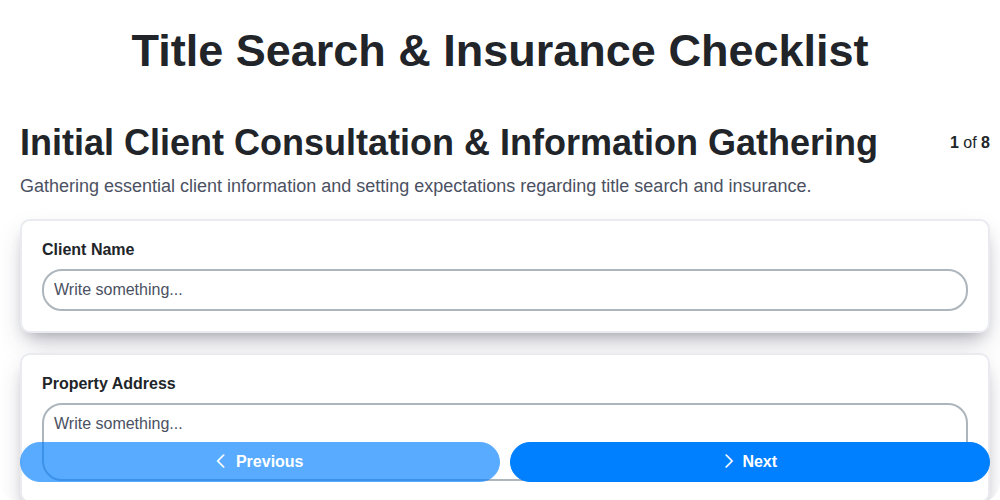
Your Title Search & Insurance Checklist Template
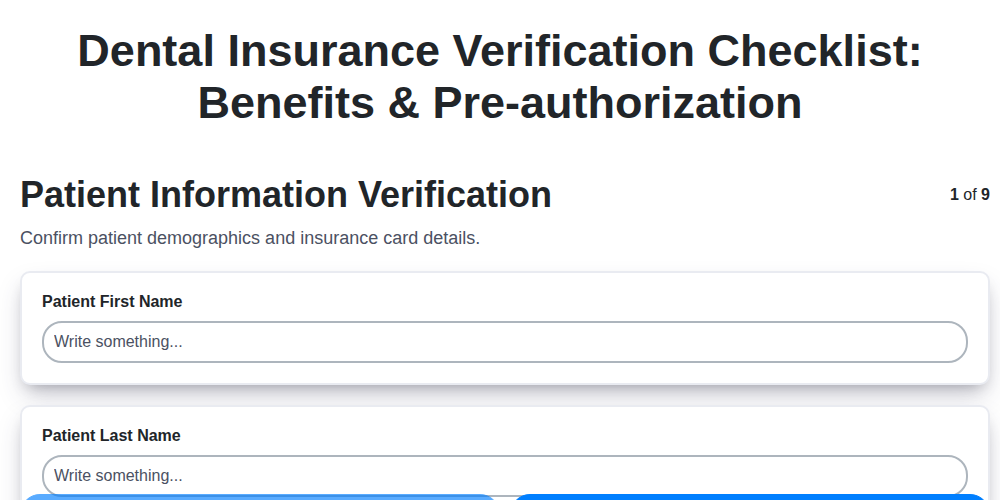
Simplify Insurance Verification: Your Free Dental Checklist Template
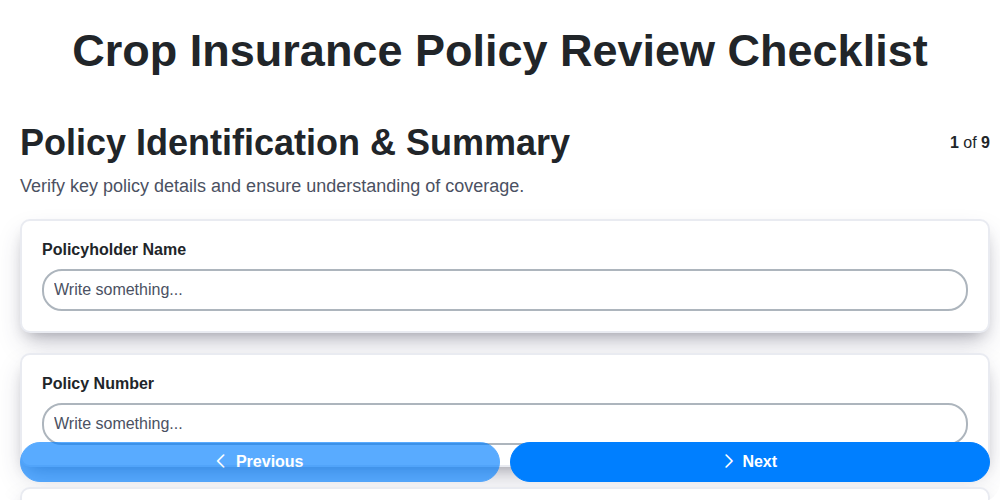
Crop Insurance Policy Review Checklist: A Farmer's Guide

The Ultimate Vehicle Registration & Insurance Validation Checklist
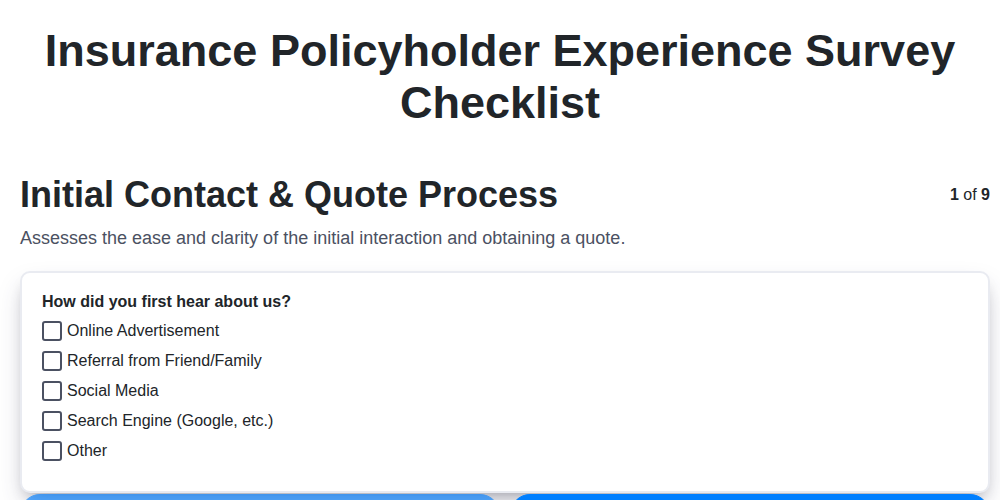
Mastering the Policyholder Journey: Your Insurance Experience Survey Checklist
Need help with
Insurance?
Have a question? We're here to help. Please submit your inquiry, and we'll respond promptly.