Mastering Reinsurance Placement: Your Comprehensive Checklist
Published: 12/01/2025 Updated: 07/02/2026
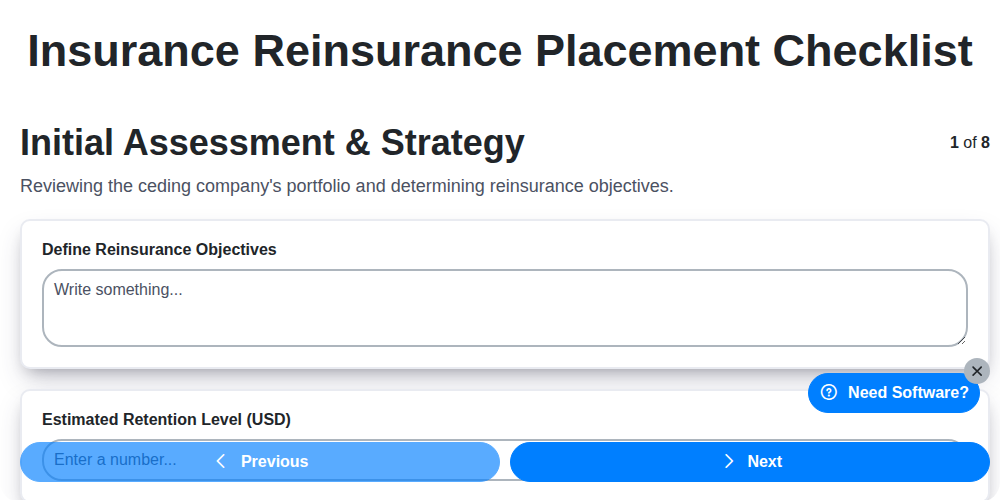
Table of Contents
- Introduction: Why a Reinsurance Placement Checklist Matters
- 1. Initial Assessment & Strategy: Defining Your Needs
- 2. Risk Analysis & Modeling: Quantifying Exposure
- 3. Defining Reinsurance Objectives & Scope
- 4. Reinsurer Selection: Finding the Right Partners
- 5. Due Diligence on Potential Reinsurers
- 6. Negotiation & Terms: Structuring the Agreement
- 7. Legal Review & Documentation: Ensuring Compliance
- 8. Placement & Execution: Bringing the Deal to Life
- 9. Post-Placement Review & Monitoring: Performance Evaluation
- 10. Regulatory Compliance: Navigating the Landscape
- 11. Communication & Transparency Throughout the Process
- 12. Documentation Management: A Centralized Approach
- Conclusion: Continuous Improvement in Reinsurance Placement
- Resources & Links
TLDR: Placing reinsurance is complex! This checklist breaks down the entire process - from initial risk assessment to ongoing monitoring - into 9 key steps. Use it to ensure you're covering all bases, minimizing risk, and maximizing the value of your reinsurance program. It's your guide to a smoother, more compliant placement.
Introduction: Why a Reinsurance Placement Checklist Matters
Reinsurance placement is a complex and critical process for insurance companies. It's not simply about finding someone to share risk; it's about strategically protecting your solvency, maintaining underwriting capacity, and ensuring long-term financial stability. A rushed or haphazard approach can lead to inadequate coverage, unfavorable terms, and ultimately, increased exposure to potential losses. This is where a comprehensive reinsurance placement checklist becomes invaluable. Think of it as a roadmap - a structured sequence of steps that ensures no critical aspect is overlooked. A well-defined checklist brings clarity, promotes consistency, facilitates collaboration across teams, and significantly reduces the risk of costly errors, safeguarding your company's future. Ignoring such a framework can be a risky gamble - one best avoided.
1. Initial Assessment & Strategy: Defining Your Needs
The reinsurance placement process begins long before you start contacting reinsurers. It all starts with a thorough initial assessment and strategy development. This crucial first step ensures you're placing reinsurance for the right reasons and aligning it with your overall business objectives.
First, clearly define why you're seeking reinsurance. Is it to protect against a specific catastrophic event? To stabilize earnings? To increase underwriting capacity? Or a combination of these? Articulating the 'why' informs all subsequent decisions.
Next, conduct a comprehensive review of your current portfolio. Understand your exposures, your existing risk profile, and areas of vulnerability. This includes analyzing historical loss data, understanding current market conditions, and forecasting future trends.
Finally, establish clear objectives for your reinsurance program. What level of protection are you seeking? What is your risk appetite? What are your budget constraints? Setting these parameters upfront prevents scope creep and ensures you're seeking a program that realistically meets your needs and is financially viable. A poorly defined strategy at this stage can lead to wasted time, ineffective coverage, and increased costs later on.
2. Risk Analysis & Modeling: Quantifying Exposure
Risk analysis and modeling form the crucial quantitative backbone of any successful reinsurance placement. It's not enough to simply know you have exposure; you need to understand the potential financial impact of that exposure. This section moves beyond initial assessment and translates potential perils into measurable risks.
The process begins with detailed data gathering. This isn't just about historical loss data; it encompasses everything from property values and construction types to occupancy details, geographic location, and relevant hazard characteristics (earthquake zones, flood plains, wind speeds, etc.). Accurate data is the foundation for reliable modeling.
Next comes the selection of appropriate modeling techniques. These range from relatively simple methods like exposure aggregation and loss ratio projections to sophisticated catastrophe models (CAT models) developed by specialized vendors. CAT models, frequently used for property risks and increasingly for casualty lines, simulate potential events and estimate resulting losses based on probability and severity. The complexity of the modeling should be proportionate to the risk and the client's needs.
Beyond property, casualty risks demand different analytical approaches. These often involve loss expectancy calculations, frequency/severity analysis, and consideration of emerging risks like cyber and supply chain disruptions. Understanding the distribution of potential losses - the "tail" of the distribution - is key to determining the right level of reinsurance protection.
Finally, it's essential to validate the models used. This involves comparing model outputs to actual loss experience where available, and critically assessing the assumptions embedded within the models. This isn't a one-time exercise; models need to be regularly updated to reflect changes in the risk landscape and incorporate new data. A transparent and well-documented modeling process builds confidence and facilitates communication with reinsurers.
3. Defining Reinsurance Objectives & Scope
Before diving into the technical details of reinsurance placement, it's crucial to clearly define what you're trying to achieve. This goes beyond simply transferring risk; it's about strategically aligning reinsurance with your overall business goals. Are you primarily seeking capital relief, catastrophe protection, increased underwriting capacity, or a combination of these?
Defining the scope of your reinsurance program is equally important. Consider:
- Lines of Business: Which lines of business will be included in the program? Are there any lines you're intentionally excluding?
- Geographic Scope: Does the program cover all geographic regions where you operate, or are there specific areas of focus?
- Policy Types: Will all policy types be reinsured, or will the program focus on specific types of policies?
- Retention Levels: What is your company's appetite for risk, and how much loss will you retain before reinsurance kicks in? Clearly establishing these retention levels is critical for optimal program design and cost-effectiveness.
A well-defined objective and scope acts as a roadmap, guiding the entire reinsurance process and ensuring the final placement aligns with your company's needs and strategic priorities. Without it, you risk ending up with a program that's either too broad, too narrow, or simply doesn't address your key risk exposures.
4. Reinsurer Selection: Finding the Right Partners
Selecting the right reinsurers is arguably one of the most critical steps in the placement process. It's not simply about finding the cheapest option; it's about building a stable, reliable partnership that aligns with your risk appetite and long-term strategy. This section delves into the considerations for a robust reinsurer selection process.
Beyond Price: Evaluating Capacity, Expertise, and Financial Strength
While price is a factor, prioritize a thorough assessment of a reinsurer's financial strength and stability. Ratings from agencies like A.M. Best, S&P, and Moody's are essential indicators. However, don't rely solely on these; supplement them with your own due diligence. Investigate their claims-paying ability, capitalization, and overall solvency.
Beyond financial strength, consider their expertise in your specific lines of business. A reinsurer specialized in property cat may not be the best choice for a liability portfolio. Look for reinsurers with demonstrated experience handling risks similar to yours and a proven track record of sound underwriting principles.
Diversification and Relationship Building
Diversifying your reinsurance panel reduces concentration risk. Relying on a single reinsurer exposes you to significant vulnerabilities should they encounter financial difficulties or change their underwriting strategy. Develop relationships with multiple reinsurers, including both traditional and alternative capital providers, to ensure coverage options and competitive terms.
Alignment of Risk Appetite
Understanding a reinsurer's risk appetite is crucial. Do their views on risk exposure and pricing align with your own? A mismatch can lead to disagreements over claims handling and future renewals. Open communication and a shared understanding of risk are essential for a successful long-term partnership.
Panel Size & Complexity
The ideal number of reinsurers in your panel depends on your risk profile and the complexity of your portfolio. A larger panel generally provides greater diversification, but can also increase administrative overhead. A balance must be struck based on your resources and risk management objectives.
5. Due Diligence on Potential Reinsurers
Selecting a reinsurer isn't just about finding the company willing to take on your risk; it's about partnering with a financially stable and reputable organization. This section of the checklist focuses on robust due diligence.
Financial Stability is Paramount: Go beyond published ratings. Request and scrutinize audited financial statements, including balance sheets, income statements, and cash flow statements. Analyze key financial ratios (e.g., leverage, solvency, profitability) to assess their financial health and ability to fulfill obligations. Don't hesitate to request a detailed understanding of their investment strategy and asset allocation.
Reputation and Experience Matter: Investigate the reinsurer's track record. How have they performed during past significant events (e.g., major catastrophes)? What is their reputation within the industry? Speak with other cedents who have experience working with them. Check for any regulatory actions or significant litigation history. A reinsurer's experience in your specific risk area is also critical - ensure they have a deep understanding of the challenges and potential losses associated with your portfolio.
Governance and Management: Understand their governance structure, risk management framework, and key management personnel. A strong governance framework and experienced leadership are crucial for long-term stability and sound underwriting decisions. Look for transparency and a commitment to ethical business practices.
Understanding Treaty Wording & Capacity: Carefully examine the proposed treaty wording to ensure a clear understanding of their commitments and limitations. Verify the advertised capacity is genuine and available. Don't just accept stated capacity at face value; probe further to understand how that capacity is supported.
Ultimately, thorough due diligence on potential reinsurers protects your organization and reinforces the integrity of your reinsurance program.
6. Negotiation & Terms: Structuring the Agreement
This phase is where the rubber meets the road. Following insurer selection, the real work of defining the reinsurance agreement begins. It's far more than just agreeing on a price; it's about crafting a comprehensive contract that accurately reflects the risk transfer and aligns with both the insurer's and reinsurer's objectives.
Key Considerations During Negotiation:
- Coverage Scope & Definitions: A precise and unambiguous definition of covered perils and lines of business is paramount. Discrepancies here can lead to costly disputes later. Pay close attention to exclusions and any limitations on coverage.
- Pricing & Deductibles/Retentions: The premium rate, attachment point (deductible), and exhaustion point are critical elements. Thoroughly understand the reinsurer's pricing methodology and how it relates to your modeled losses. Ensure the deductible/retention adequately protects the insurer while offering the reinsurer an acceptable return.
- Terms & Conditions: This includes items like reporting requirements, claims handling procedures, audit rights, and escalation protocols. Clarity on these areas fosters a strong working relationship and ensures efficient claims management.
- Loss Ratio & Commission: Discuss potential loss ratio participation clauses and commission structures to optimize the partnership.
- Most Favored Nation (MFN): Evaluate the implications of an MFN clause, ensuring it provides a competitive advantage without creating undue limitations.
- Good Faith & Cooperation: Embed clauses that emphasize good faith and cooperation between the insurer and reinsurer.
- Escalation Procedures: Establish clear pathways for resolving disagreements or concerns during the contract term.
Effective negotiation requires a deep understanding of the risk being transferred, market conditions, and the reinsurer's perspective. Don't be afraid to propose alternatives or challenge assumptions. This stage is not about getting the absolute lowest price, but about building a sustainable and mutually beneficial reinsurance arrangement.
7. Legal Review & Documentation: Ensuring Compliance
The placement process, while driven by risk and financial considerations, must be meticulously underpinned by robust legal review and documentation. This stage isn't just about ticking boxes; it's about mitigating legal exposure and ensuring the reinsurance agreement is both enforceable and aligns with all applicable laws and regulations.
Here's what's crucial:
- Agreement Scrutiny: A qualified legal team (ideally with expertise in reinsurance law) should thoroughly review the draft reinsurance agreement. This includes scrutinizing all clauses - from definitions and exclusions to premium calculation and claims handling procedures - to identify potential ambiguities, inconsistencies, or unfavorable terms.
- Regulatory Alignment: Ensure the reinsurance agreement complies with all relevant jurisdictional regulations. This encompasses solvency requirements, regulatory approvals (if needed), and any reporting obligations. Non-compliance can result in significant penalties.
- Policy Compatibility: The reinsurance agreement must be consistent with the underlying insurance policies. Conflicts or contradictions can create ambiguity and lead to disputes.
- Governing Law & Dispute Resolution: Clarify the governing law and preferred dispute resolution mechanism (arbitration, litigation) to ensure predictability and efficiency in case of disagreements.
- Documentation Trail: Maintaining a comprehensive documentation trail throughout the entire process is vital. This includes initial risk assessments, modeling reports, reinsurer correspondence, negotiation records, and the final agreement. This trail provides clarity and supports any future claims or legal challenges.
- Due Diligence on Reinsurer: Legal review should also encompass due diligence on the reinsurer itself to confirm their financial stability and operational legitimacy, reducing the risk of claims disputes arising from reinsurer insolvency or misconduct.
A thorough legal review and diligent documentation are not merely formalities; they are fundamental safeguards protecting the insurer's interests and ensuring the long-term viability of the reinsurance program.
8. Placement & Execution: Bringing the Deal to Life
This is where theory meets reality. Following successful negotiation and legal review, the placement and execution phase formally brings the reinsurance agreement into being. It's a meticulous process involving several critical steps.
First, the finalized terms and conditions are communicated formally to the reinsurer(s). This isn't just a casual confirmation; it's a formal placement slip outlining the key elements of the agreement. Accuracy here is paramount - any discrepancies can lead to future disputes.
Next, premiums are calculated and paid. This might involve a phased approach, particularly for complex programs, but ensuring timely payment is crucial for maintaining a strong reinsurer relationship.
The operational aspects of the reinsurance program are then implemented. This includes establishing procedures for reporting claims to the reinsurer, setting up dedicated accounting processes, and integrating the reinsurance program into existing operational workflows. Clear communication channels and designated points of contact on both the cedent and reinsurer sides are vital for smooth operations.
Finally, and crucially, internal teams need thorough training on the new reinsurance agreement's terms and conditions. Everyone involved in claims handling, underwriting, and accounting must understand their responsibilities and the specific requirements of the program. This proactive approach minimizes errors and fosters a well-functioning reinsurance relationship.
9. Post-Placement Review & Monitoring: Performance Evaluation
The job isn't over once the reinsurance treaty is placed! A robust post-placement review and monitoring process is critical for ensuring ongoing value and identifying potential issues early on. This phase focuses on evaluating the performance of the reinsurance program against pre-defined objectives and proactively managing ongoing relationships.
Here's what a thorough performance evaluation should encompass:
- Claims Performance Analysis: Regularly analyze claims experience to compare actual losses against expected losses. Identify trends, outliers, and potential areas for improvement in underwriting or risk selection.
- Premium Adequacy: Assess whether reinsurance premiums accurately reflect the underlying risks transferred. Consider market conditions and any changes in your portfolio.
- Reinsurer Financial Stability: Continuously monitor the financial strength and credit ratings of your reinsurers. Early warning signs of financial distress should trigger immediate action.
- Relationship Management: Maintain open communication with your reinsurers. Discuss claims handling, market trends, and potential future needs. A strong relationship fosters collaboration and can lead to more favorable terms in renewals.
- Program Effectiveness: Review the overall effectiveness of the reinsurance program in mitigating risk and achieving your business objectives. Are your risk transfer needs still being met?
- Reporting & Data Accuracy: Validate the accuracy and timeliness of reporting data provided by reinsurers. Discrepancies can indicate larger issues.
- Renewal Planning: Begin planning for treaty renewals well in advance, incorporating lessons learned from the post-placement review.
Regular performance evaluation helps refine your reinsurance strategy, optimize program efficiency, and ensure a resilient and valuable risk transfer solution.
10. Regulatory Compliance: Navigating the Landscape
Insurance and reinsurance placements operate within a complex web of regulations, and failing to adhere to them can result in significant penalties and reputational damage. This isn't just about ticking boxes; it's about building a robust, compliant framework that supports your risk transfer strategy.
The specific regulations you need to consider will vary considerably based on the jurisdictions involved - both the cedent's and reinsurer's locations, as well as where the risks being transferred are situated. Key areas often include:
- Solvency Regulations: Ensuring the placement doesn't compromise your solvency ratio and adheres to capital requirements. This is paramount and requires careful consideration throughout the entire process.
- Cross-Border Transfers: Regulations governing the transfer of risks across national borders, which frequently involve reporting requirements and potential restrictions.
- Anti-Money Laundering (AML) and Know Your Customer (KYC): Strict adherence to AML/KYC protocols is essential when dealing with reinsurers, ensuring due diligence is performed on all parties involved.
- Tax Implications: Placement structures can have significant tax implications; specialist tax advice is crucial to optimize outcomes and avoid unintentional tax liabilities.
- Reporting Obligations: Many jurisdictions mandate reporting on reinsurance arrangements to regulatory bodies. Accurate and timely reporting is non-negotiable.
- Data Privacy: With the increased importance of data analytics in risk modeling, be mindful of data privacy regulations (like GDPR or CCPA) related to the handling and transfer of sensitive information.
Staying abreast of evolving regulations requires ongoing monitoring and engagement with legal and compliance professionals. A proactive approach to regulatory compliance isn't just about avoiding penalties; it's about maintaining trust, safeguarding your license, and ensuring the long-term sustainability of your business.
11. Communication & Transparency Throughout the Process
Successful reinsurance placement isn't just about ticking boxes on a checklist; it's about building trust and maintaining a clear line of sight between all parties involved. Open and consistent communication is paramount throughout the entire process, and a lack thereof can breed misunderstandings, missed opportunities, and ultimately, a less effective program.
This includes keeping your brokers, your underwriting team, and potential reinsurers informed at each stage. Regularly scheduled updates, even when there's "nothing new" to report, demonstrate your commitment to transparency and proactive management. Sharing the results of risk analyses, explaining your negotiation strategies, and outlining the rationale behind reinsurance choices builds confidence and fosters collaborative problem-solving.
Transparency isn't just about sharing what you're doing; it's about why. Clearly articulating the underlying reasoning behind decisions allows reinsurers to better understand your risk appetite and tailor their solutions accordingly. Similarly, involving your underwriting team in the reinsurer selection process ensures buy-in and strengthens the relationship between your internal team and the reinsurer. Finally, post-placement communication about claims handling and program performance is crucial for continued trust and a productive long-term partnership. Ignoring communication risks eroding these valuable relationships and compromising the overall success of your reinsurance program.
12. Documentation Management: A Centralized Approach
The reinsurance placement process generates a significant volume of documents - risk assessments, modeling reports, policy wordings, negotiation records, legal opinions, and more. Scattered documents across individual inboxes, shared drives, or even paper files create a recipe for inefficiencies, errors, and compliance risks. A centralized documentation management system is critical for streamlining the entire placement lifecycle.
This system shouldn't just be a repository; it needs to be actively managed. Consider features like version control to track changes, robust search capabilities to quickly locate specific clauses or agreements, and access controls to ensure data security and confidentiality. Integrating your documentation management system with other placement tools (e.g., risk modeling software, CRM) further enhances efficiency by minimizing manual data entry and improving data accuracy.
Furthermore, clearly defined naming conventions and document retention policies are essential for maintaining order and ensuring compliance with regulatory requirements. Think of it not just as storing documents, but as managing knowledge - making it readily accessible to the team and ensuring its integrity throughout the entire reinsurance process.
Conclusion: Continuous Improvement in Reinsurance Placement
Reinsurance placement isn't a one-and-done exercise; it's a dynamic process requiring ongoing attention and refinement. The checklist outlined above provides a robust framework, but its true value lies in its adaptability. Regularly revisiting each step, analyzing outcomes, and incorporating lessons learned is crucial. Market conditions shift, risk landscapes evolve, and internal capabilities mature. A post-placement review isn't just about confirming execution; it's a chance to identify areas for improvement in your placement strategy, risk modeling techniques, reinsurer relationships, and overall efficiency. Embracing a culture of continuous improvement will ensure your reinsurance program remains aligned with your business objectives, resilient to emerging risks, and delivers optimal value for years to come.
Resources & Links
- Reinsurance.com: A leading source for reinsurance news, data, analysis, and resources. Provides industry insights, market reports, and information on reinsurance companies and trends. Excellent for staying current on market conditions and best practices.
- IRMI (Insurance Risk Management Institute): Provides comprehensive resources on insurance and risk management, including reinsurance. Offers courses, articles, and legal resources related to reinsurance placement and regulatory issues. Useful for understanding legal frameworks and contractual aspects.
- Excelerate Reinsurance: A reinsurance broker specializing in multiple lines of business. Their website has educational resources and blog posts providing practical guidance on reinsurance placement strategies.
- Swiss Re: A major reinsurance company. Their publications and insights section often provide detailed reports on risk modelling, catastrophe scenarios, and reinsurance market trends, vital for understanding exposure quantification and risk analysis (Section 2 & 3).
- Munich Re: Similar to Swiss Re, Munich Re's website offers extensive research and publications on insurance and reinsurance topics, including catastrophe risk modelling and actuarial insights. Helps with robust risk assessment (Section 2).
- WTW (Willis Towers Watson): Provides risk and reinsurance brokerage services and thought leadership. Their website contains articles and webinars on reinsurance placement strategies, market trends, and due diligence processes (Sections 4 & 5).
- Aon: A global professional services firm offering insurance and reinsurance brokerage services. Their website features resources on risk management, placement strategies, and regulatory compliance, particularly useful for Section 10.
- Guy Carpenter: A reinsurance broking firm. Their publications and thought leadership pieces offer insights into market dynamics, reinsurance solutions, and the selection process for reinsurers (Section 4).
- Actuarial Today: A professional society for actuaries. Provides insights into actuarial modeling, reserving, and risk management principles applicable to reinsurance placement and exposure quantification (Section 2).
- NAIC (National Association of Insurance Commissioners): The NAIC provides regulatory oversight and guidance for insurance companies. Their website is crucial for understanding regulatory compliance requirements in reinsurance placement (Section 10).
- IBC (Insurance Bureau of Canada): Focuses on the Canadian insurance industry. Their website provides information on Canadian reinsurance regulations and market conditions, if the article has a Canadian perspective.
- NRAM: National Risk Management Insurances offer guidance on managing reinsurance agreements
Frequently Asked Questions
What is reinsurance placement and why is it important?
Reinsurance placement is the process of securing reinsurance coverage for an insurance company. It's crucial for transferring risk, stabilizing financial results, and enabling insurers to write more business than their capital would otherwise allow. Effective placement ensures optimal coverage terms and competitive pricing.
Who is this checklist for?
This checklist is designed for insurance professionals involved in the reinsurance placement process - including underwriters, placement brokers, and risk managers - regardless of experience level. It aims to provide a structured guide for efficient and effective placements.
What types of reinsurance are covered in the article?
While the checklist is broadly applicable, the article focuses on common reinsurance types like proportional (quota share, surplus share) and non-proportional (excess of loss) reinsurance. Specific treaty types are mentioned for illustrative purposes.
What is the difference between a 'soft' and 'hard' reinsurance market?
A 'soft' market generally indicates abundant reinsurance capacity, leading to competitive pricing and broader terms. A 'hard' market signifies limited capacity and higher prices due to increased claims or perceived risks. Understanding the market cycle is vital for placement strategy.
What are some key factors to consider during the risk assessment phase?
Key factors include historical loss data analysis, emerging risk identification (cyber, climate change), geographic exposure, portfolio concentration, and regulatory requirements. A thorough risk assessment informs coverage needs and pricing expectations.
What does 'due diligence' entail in the reinsurance placement process?
Due diligence involves assessing the reinsurer's financial strength, claims paying ability, underwriting expertise, and reputation. It's vital to ensure the reinsurer can fulfill its obligations.
What's the significance of the 'retrocession' element?
Retrocession is reinsurance for reinsurers. It's important to understand a reinsurer's retrocession program to assess the potential impact on claims paying ability and overall stability.
How does market capacity impact reinsurance pricing and terms?
In a soft market, abundant capacity leads to lower premiums and more favorable terms. In a hard market, limited capacity drives up prices and tightens terms.
What role do brokers play in reinsurance placement?
Brokers act as intermediaries, providing expertise in market access, negotiation, and placement strategy. They help insurers find the most suitable reinsurance solutions.
Where can I find updated information on regulatory requirements affecting reinsurance?
Regulatory requirements vary by jurisdiction. Consult with legal counsel and refer to official regulatory bodies (e.g., NAIC, Lloyd's Market Association) for the latest information.
Comments
There are no comments yet. Be the first to add one!
Insurance Management Solution Demo
Managing policies, claims, and compliance in the insurance industry is complex. ChecklistGuro's Work OS platform streamlines your operations, from underwriting and renewals to claims processing and reporting. Improve efficiency, reduce errors, and enhance customer satisfaction. Discover how ChecklistGuro can transform your insurance business!
Related Articles
Streamline Claims: Your Insurance Claims Support Process Checklist Template
Your Insurance Policy Review Checklist: A Step-by-Step Guide
Your Property Insurance Review Checklist: A Step-by-Step Guide
Your Title Search & Insurance Checklist Template
Simplify Insurance Verification: Your Free Dental Checklist Template
Crop Insurance Policy Review Checklist: A Farmer's Guide

The Ultimate Vehicle Registration & Insurance Validation Checklist
Mastering the Policyholder Journey: Your Insurance Experience Survey Checklist
Need help with
Insurance?
Have a question? We're here to help. Please submit your inquiry, and we'll respond promptly.