The Ultimate Insurance Renewal Review Checklist: A Step-by-Step Guide
Published: 12/01/2025 Updated: 07/02/2026
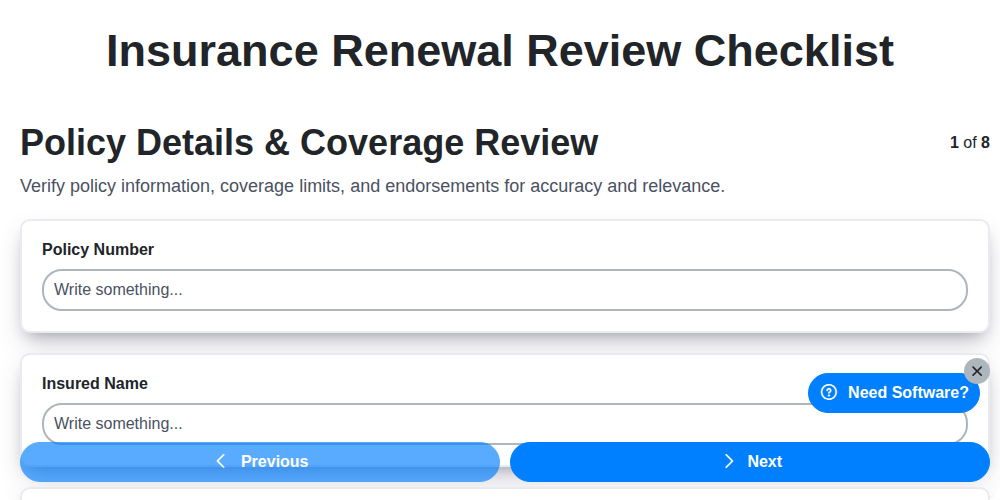
Table of Contents
- Introduction: Why a Renewal Review is Crucial
- 1. Policy Details & Coverage Review: The Foundation
- 2. Risk Assessment Updates: What's Changed Since Last Year?
- 3. Coverage Adequacy Analysis: Are You Properly Protected?
- 4. Market Comparison & Quotation Gathering: Exploring Your Options
- 5. Policy Terms & Conditions Evaluation: Understanding the Fine Print
- 6. Regulatory Compliance Check: Staying on the Right Side of the Law
- 7. Documentation & Approval: Ensuring Accuracy and Authorization
- 8. Client Communication: Keeping Your Client Informed
- 9. Addressing Potential Gaps in Coverage
- 10. Negotiating with Insurers
- 11. Policy Optimization Strategies
- 12. Finalizing the Renewal
- Conclusion: Proactive Renewal for Peace of Mind
- Resources & Links
TLDR: Don't just auto-renew your insurance! This checklist guides you through a thorough review: check your coverage details, reassess risks, compare prices, understand the fine print, ensure legal compliance, and keep everything documented. It's your shortcut to potentially saving money and ensuring you have the right protection.
Introduction: Why a Renewal Review is Crucial
Your insurance policy isn't a "set it and forget it" agreement. Life changes, your business evolves, and the insurance landscape shifts constantly. That's why a thorough review during the renewal process is absolutely crucial. Skipping this step can leave you vulnerable to gaps in coverage, unnecessary expenses, or even legal complications. Think of it as a vital health check for your financial protection. This isn't just about keeping the same policy; it's about ensuring you have the right coverage for your current situation, at the most competitive price. A proactive renewal review empowers you to make informed decisions, optimize your investment in insurance, and ultimately, protect what matters most.
1. Policy Details & Coverage Review: The Foundation
Before diving into any changes or comparisons, it's crucial to start with a thorough understanding of your existing insurance policy. This isn't just about knowing you have insurance; it's about truly knowing what it covers and how it functions. Begin by meticulously reviewing your policy documents. Pay close attention to the declared insured, effective dates, and a detailed breakdown of the coverage provided. Don't gloss over the specifics - understand the types of losses covered, any exclusions listed, and the limits of liability for each coverage area. This detailed examination forms the bedrock upon which all subsequent renewal review steps are built. It's the baseline against which you'll measure any potential changes or improvements.
2. Risk Assessment Updates: What's Changed Since Last Year?
Your insurance policy isn't a static document; the risks you face evolve. What might have been a minor concern a year ago could now be a significant factor influencing your coverage needs. This section of your renewal review dives into assessing those changes.
Think beyond the obvious. Have you:
- Expanded Your Operations? New locations, increased production, or diversification of services all introduce new risks.
- Changed Your Equipment or Technology? New machinery, software, or processes can create vulnerabilities.
- Experienced Shifts in Your Industry? Emerging threats, regulatory changes, or competitive pressures can impact your business and require adjustments to your insurance.
- Changed Personnel? New employees, contractors, or leadership can alter operational procedures and potentially increase risk.
- Undergone Physical Changes? Building renovations, changes in landscaping, or even security upgrades can affect your risk profile.
We'll work with you to identify these changes and understand their potential impact on your insurance needs. This isn't just about ticking boxes; it's about ensuring your policy accurately reflects your current situation and protects you appropriately. Providing us with comprehensive details during this phase is crucial for a thorough and accurate renewal assessment.
3. Coverage Adequacy Analysis: Are You Properly Protected?
Simply having insurance isn't enough. It's crucial to regularly assess whether your current coverage truly meets your needs and adequately protects you from potential risks. This goes beyond just looking at the premium - it's about ensuring the right coverage is in place.
During your insurance renewal review, take a deep dive into your existing policy. Consider these questions:
- Have your circumstances changed? Did you purchase a new home, start a business, acquire significant assets, or experience a change in family structure? Each change can impact your insurance needs.
- Are your coverage limits sufficient? A sudden event like a major storm or lawsuit could easily exceed your current coverage limits, leaving you personally liable. Revisit your limits for liability, property damage, and other key areas.
- Are there any gaps in coverage? Think about potential risks you haven't adequately addressed. For example, are you covered for flood risk? Business interruption? Cyber liability?
- What about inflation? The cost of rebuilding or repairing assets increases over time. Make sure your coverage keeps pace with rising costs.
Don't hesitate to consult with your insurance advisor during this analysis. They can help you identify potential gaps, understand the implications of different coverage levels, and ensure you're making informed decisions. This step is vital to avoid unpleasant surprises down the line.
4. Market Comparison & Quotation Gathering: Exploring Your Options
Don't settle for the first renewal offer you receive! A crucial step in the insurance renewal review process is actively seeking out market comparisons and gathering quotations from other providers. This isn't just about finding the cheapest price; it's about ensuring you're getting the best value - a combination of competitive premiums and suitable coverage.
Here's what you should focus on during this stage:
- Broaden Your Search: Don't limit yourself to your current insurer. Reach out to multiple providers, utilizing online comparison tools, independent brokers, or direct contact.
- Specify Your Needs: When requesting quotes, be sure to provide accurate and detailed information about your situation, mirroring what you provided during your initial policy purchase. This ensures comparable quotes.
- Understand the Fine Print: Don't just compare premiums. Carefully review the coverage details and exclusions of each quote. Are they equivalent to your current policy, or are there significant differences?
- Factor in Service & Reputation: Consider the insurer's reputation for customer service and claims handling. Online reviews and ratings can be valuable resources.
- Broker Assistance: A good insurance broker can be invaluable here. They have access to a wider range of insurers and can present you with a comparative analysis.
5. Policy Terms & Conditions Evaluation: Understanding the Fine Print
Often overlooked, the policy terms and conditions are the bedrock of your insurance agreement. This isn't just about premiums and coverage limits; it's about understanding exactly what the policy promises and, crucially, what it doesn't. During your renewal review, meticulously examine these terms.
Look for changes from the previous year. Insurers frequently update clauses regarding claim procedures, exclusions, subrogation rights, and dispute resolution. Are there new exclusions you need to be aware of? Have definitions of key terms shifted? Pay particular attention to any changes affecting your specific risks or circumstances.
Don't hesitate to question anything unclear. Insurance language can be dense and complex. A thorough understanding of the fine print protects you from unexpected disappointments should a claim arise. Contact your broker or insurer if you require clarification - it's their responsibility to ensure you fully grasp your obligations and rights under the policy.
6. Regulatory Compliance Check: Staying on the Right Side of the Law
Insurance regulations are constantly evolving, and staying compliant isn't just about avoiding penalties - it's about upholding ethical practices and maintaining client trust. During your insurance renewal review, a dedicated regulatory compliance check is essential.
This involves verifying that your policies and processes adhere to all applicable local, state, and federal laws. This could include checking for updates regarding:
- Premium Pricing Regulations: Ensuring your pricing aligns with any mandated rate filings or guidelines.
- Disclosure Requirements: Confirming you're fulfilling all mandated disclosures regarding policy terms, fees, and limitations.
- Privacy Laws: Maintaining compliance with data protection regulations like GDPR or CCPA when handling client information.
- Anti-Discrimination Laws: Reviewing coverage and underwriting practices to ensure equitable treatment for all clients.
- Industry-Specific Regulations: If your clients operate in specific industries (e.g., healthcare, construction), ensure coverage meets any applicable regulatory standards.
Staying informed about these changes requires ongoing research, attending industry updates, and consulting with legal professionals when necessary. Documentation of your compliance efforts is crucial; maintain records of regulations reviewed, how they've been addressed, and any training provided to your team. Neglecting this step can lead to significant legal and reputational risks.
7. Documentation & Approval: Ensuring Accuracy and Authorization
This stage is crucial to solidify the renewal process and protect all parties involved. It's more than just filing paperwork; it's about creating a clear audit trail and ensuring the decisions made are officially authorized.
Here's what this step entails:
- Compile all supporting documentation: Gather all notes from the review, revised quotes, assessment updates, and client communications. This forms a comprehensive record of the renewal process.
- Record all recommendations: Clearly document all recommendations made regarding coverage adjustments, premium changes, or policy modifications. Explain the rationale behind each suggestion.
- Secure Client Approval (where applicable): For any significant changes to the policy, obtain written confirmation from the client acknowledging their understanding and acceptance. This can be an email, a signed form, or a portal confirmation.
- Internal Review & Authorization: Ensure an authorized representative (e.g., a senior advisor, manager) reviews the renewal documents for accuracy and adherence to company procedures. This acts as a quality control check.
- Create a Permanent Record: Store all documents securely, both electronically and potentially in physical form, following company retention policies. This record is essential for future reference, audits, and potential claims.
- Version Control: Implement a clear version control system to track changes made throughout the renewal process, preventing confusion and errors.
8. Client Communication: Keeping Your Client Informed
The entire renewal review process should be a collaborative effort with your client. Open and proactive communication isn't just good practice; it builds trust and strengthens your client relationship. Here's how to handle the communication aspect effectively:
- Early Notification: Send a renewal reminder well in advance (at least 30-60 days) to allow ample time for review and discussion.
- Summarized Findings: Don't overwhelm them with technical jargon. Present a clear, concise summary of your findings from each step of the review process-highlighting any changes, potential risks, and recommended adjustments.
- Explanation of Changes: If coverage changes are recommended, thoroughly explain the reasoning behind them. Connect the changes directly to their current situation and any evolving risks.
- Presentation of Options: Clearly outline all options available, including different coverage levels, deductibles, and potential price points. Explain the pros and cons of each.
- Active Listening: Encourage client questions and concerns. Actively listen to their input and address any anxieties they may have.
- Confirmation of Decisions: Ensure the client fully understands the chosen policy and confirms their decision in writing.
- Post-Renewal Follow-Up: After the policy is renewed, a brief check-in demonstrates continued commitment and ensures they are satisfied with the outcome.
Remember, client communication isn't just about delivering information; it's about building a partnership and providing exceptional service.
9. Addressing Potential Gaps in Coverage
The renewal process isn't just about confirming what you have; it's about identifying what you need. Often, life changes, business expansions, or evolving market conditions create gaps in your existing coverage. This section focuses on proactively identifying and addressing those potential weaknesses.
Think beyond the obvious. Have you started a new venture? Acquired new assets? Experienced significant changes in your family or business structure? Each of these can necessitate adjustments to your insurance.
Here's what to consider:
- New Risks: Have you taken on new activities or exposures that weren't present when the policy was initially taken out? This could be anything from starting a home-based business to undertaking a new construction project.
- Increased Values: Have the values of your insured assets increased? For example, property values fluctuate, and the replacement cost of your belongings may be higher than initially estimated. Ensure your coverage reflects these changes.
- Unforeseen Events: While impossible to predict everything, have any recent events highlighted potential vulnerabilities you hadn't considered?
- Policy Exclusions: Re-examine your policy's exclusions. What isn't covered? Are these exclusions still acceptable given your current situation?
By consciously questioning your coverage and identifying potential blind spots, you can work with your advisor to bridge those gaps and ensure comprehensive protection. Don't simply accept the renewal - actively shape it to meet your evolving needs.
10. Negotiating with Insurers
Armed with the information gathered through your renewal review checklist - particularly your Market Comparison & Quotation Gathering - you're now in a strong position to negotiate. Don't assume the initial renewal quote is the best you can get. Insurers often have flexibility, especially if you're a loyal client or represent a lower-risk profile.
Here's how to approach the negotiation:
- Highlight Your Value: Remind the insurer about your history - claims-free years, consistent business, and your commitment to risk mitigation.
- Leverage Competition: Mention the lower quotes you're holding from competing insurers. Be specific - avoid vague statements like I got a better price elsewhere. Say, Company X offered a comparable policy for Y amount.
- Focus on Specific Coverage: If certain areas of coverage are significantly higher than others, inquire about potential adjustments. Perhaps you can increase deductibles in exchange for lower premiums.
- Be Prepared to Walk Away: Don't be afraid to genuinely consider switching insurers. This demonstrates your commitment to securing the best value and often encourages the insurer to offer a more competitive rate.
- Understand the Fine Print: Confirm any concessions or adjustments in writing before finalizing the policy. Ensure the revised terms and conditions are clearly documented.
11. Policy Optimization Strategies
Renewing your insurance isn't just about ticking a box; it's an opportunity to optimize your coverage and ensure you're getting the best possible value. Here are some strategies to consider after your renewal checklist is complete, that can truly maximize your insurance investment:
- Bundle Discounts: Always inquire about bundling policies (home, auto, business) to leverage potential discounts. Even a small discount across multiple policies can add up significantly.
- Loss History Review & Mitigation: Analyze your loss history. Are there patterns emerging? Discuss these with your broker. They can suggest preventative measures (security upgrades, employee training) that could reduce future claims and potentially lower premiums.
- Adjusting Deductibles: Consider adjusting your deductibles. A higher deductible typically means a lower premium, but ensure you have the financial capacity to cover it in the event of a claim.
- Exploring Riders & Endorsements: Look into riders or endorsements that can fill coverage gaps or provide tailored protection for specific assets or situations.
- Reviewing Exclusions: Scrutinize policy exclusions carefully. Are there any potential vulnerabilities or risks you need to address with additional coverage?
- Periodic Coverage Re-evaluation: Life changes, business growth, and evolving risks require periodic re-evaluation of your coverage. Don't wait for the renewal date to consider these adjustments. Consider an annual or bi-annual review.
12. Finalizing the Renewal
This is the culmination of our thorough review process. Now it's time to solidify your insurance renewal. This stage involves a final check and the formal steps to secure the renewed policy.
1. Documentation & Approval: All findings from the previous steps - the updated risk assessment, coverage adequacy analysis, market comparison data, and terms & conditions review - are compiled into a comprehensive renewal report. This report is then presented to the appropriate stakeholders (client and internal approvals as needed) for final review and approval. Ensure all changes or recommendations are clearly documented and understood.
2. Policy Implementation: Once approved, the renewal is formally submitted to the insurance provider. Double-check all details entered are accurate, including coverage levels, payment methods, and policyholder information. Any specific endorsements or modifications agreed upon must be included.
3. Client Communication & Acknowledgement: A clear and concise renewal summary is provided to the client. This should highlight any changes made, the rationale behind those changes, and the total premium. Obtain written acknowledgement from the client confirming their understanding and acceptance of the renewed policy. This protects both you and the client by ensuring transparency and avoiding misunderstandings later.
4. Record Keeping: Maintain meticulous records of the entire renewal process, including the initial policy details, risk assessments, comparison quotes, client communications, and approval documentation. This provides a valuable audit trail and helps inform future renewal cycles.
Conclusion: Proactive Renewal for Peace of Mind
Navigating insurance renewals can feel overwhelming, but by implementing a structured review process - like the checklist we've outlined - you can transform it from a source of stress into an opportunity. This isn't just about ticking boxes; it's about ensuring your insurance continues to accurately reflect your evolving needs and circumstances. Proactive renewal reviews, completed with diligence and a focus on value, offer significant peace of mind. You're not just renewing a policy; you're reinforcing your financial security and mitigating potential risks. Don't wait for renewal day to arrive - make it a habit to review your coverage regularly and confidently approach each renewal knowing you're making informed decisions.
Resources & Links
- National Association of Insurance Commissioners (NAIC): The NAIC is a U.S. regulatory body providing resources, model laws, and data related to insurance regulation. Useful for understanding compliance aspects and industry trends.
- Risk and Insurance Management Institute (RIMS): RIMS provides education, research, and networking opportunities for risk management and insurance professionals. Offers articles and resources related to policy reviews and risk assessment.
- Insurance Information Institute (III): The III provides objective, fact-based information about insurance. Useful for explaining coverage types and clarifying insurance concepts for clients.
- Investopedia: A comprehensive financial website. Helps explain complex insurance terminology and concepts, benefiting both the writer and the audience. Search for terms like 'insurance policy,' 'endorsement,' 'deductible'.
- Insure.com: Provides insurance comparisons and articles, potentially useful for market comparison research (although always verify information with primary sources).
- The Balance: Offers articles on personal finance and insurance, including guidance on understanding policy terms and making informed decisions. Helpful for explaining aspects of policy optimization to a wider audience.
- LexisNexis: A legal research service. Useful for ensuring compliance with legal and regulatory frameworks, especially when reviewing policy terms & conditions and considering regulatory changes (subscription required for full access).
- RIMS - Insurance Law and Regulation Resources: Specific section within RIMS website dedicated to legal and regulatory aspects of insurance; excellent for compliance verification.
- Federal Trade Commission (FTC) - Consumer Information: Provides consumer protection information. Relevant for ensuring ethical practices and transparency when communicating with clients about renewal options.
- American Institute of Certified Public Accountants (AICPA): Although focused on accounting, the AICPA publishes resources that can be helpful for understanding financial implications related to insurance costs and risk management.
- BrokersLink: A resource for insurance brokers offering insights on renewals and best practices (May require registration or subscription, check before use).
- Pro Broker: Provides news, resources, and information for insurance professionals, including content on renewal processes and market trends (Often contains useful insights from industry experts).
Frequently Asked Questions
What is an insurance renewal and why is a review important?
An insurance renewal is when your current policy is nearing its expiration date and needs to be renewed for another term. A review is crucial because your needs and the market landscape (insurance rates and coverage options) can change, potentially making a different policy more beneficial.
Who should use this checklist?
This checklist is for anyone with an insurance policy that's up for renewal - homeowners, renters, drivers, business owners, etc. It's designed for anyone wanting to ensure they're getting the best possible coverage at the best price.
How far in advance of my renewal date should I start this review?
Ideally, start your review at least 30-60 days before your renewal date. This gives you ample time to compare quotes, adjust coverage, and make informed decisions without feeling rushed.
What types of insurance does this checklist apply to?
This checklist is broadly applicable and can be adapted for various insurance types including auto, home, renters, life, health, and business insurance. While the core principles remain the same, you may need to adjust specific items based on your policy type.
I don't understand all the insurance jargon in my policy documents. Where can I find explanations?
Your insurance provider's website often has a glossary of terms. You can also contact your agent directly to clarify any confusing language. Several online resources offer explanations of insurance terminology as well.
Should I always shop around for a new quote, even if I'm happy with my current insurer?
Yes, it's always recommended to shop around! Insurance rates and coverage options change frequently. Getting quotes from multiple providers ensures you're not overpaying and allows you to compare coverage benefits.
What does 'coverage limits' refer to?
Coverage limits are the maximum amount your insurance policy will pay out for a covered loss. Reviewing these limits is crucial to ensure they adequately protect your assets.
What is the difference between 'deductible' and 'premium'?
Your 'premium' is the amount you pay regularly for your insurance policy. Your 'deductible' is the amount you pay out-of-pocket before your insurance coverage kicks in.
I'm unsure if I need to adjust my coverage. Who can I talk to for advice?
Your insurance agent is a valuable resource. They can assess your needs and recommend appropriate coverage levels. You can also consult with a financial advisor.
What should I do if I'm not satisfied with my current insurance provider?
If you've had negative experiences (poor customer service, denied claims, etc.), consider switching providers. The checklist's comparison section is designed to help you evaluate alternatives.
Comments
There are no comments yet. Be the first to add one!
Insurance Management Solution Demo
Managing policies, claims, and compliance in the insurance industry is complex. ChecklistGuro's Work OS platform streamlines your operations, from underwriting and renewals to claims processing and reporting. Improve efficiency, reduce errors, and enhance customer satisfaction. Discover how ChecklistGuro can transform your insurance business!
Related Articles
Streamline Claims: Your Insurance Claims Support Process Checklist Template
Your Insurance Policy Review Checklist: A Step-by-Step Guide
Your Property Insurance Review Checklist: A Step-by-Step Guide
Your Title Search & Insurance Checklist Template
Simplify Insurance Verification: Your Free Dental Checklist Template
Crop Insurance Policy Review Checklist: A Farmer's Guide

The Ultimate Vehicle Registration & Insurance Validation Checklist
Mastering the Policyholder Journey: Your Insurance Experience Survey Checklist
Need help with
Insurance?
Have a question? We're here to help. Please submit your inquiry, and we'll respond promptly.