Keep Your Herd Happy: A Livestock Feeding and Watering Checklist Template
Published: 11/22/2025 Updated: 07/02/2026
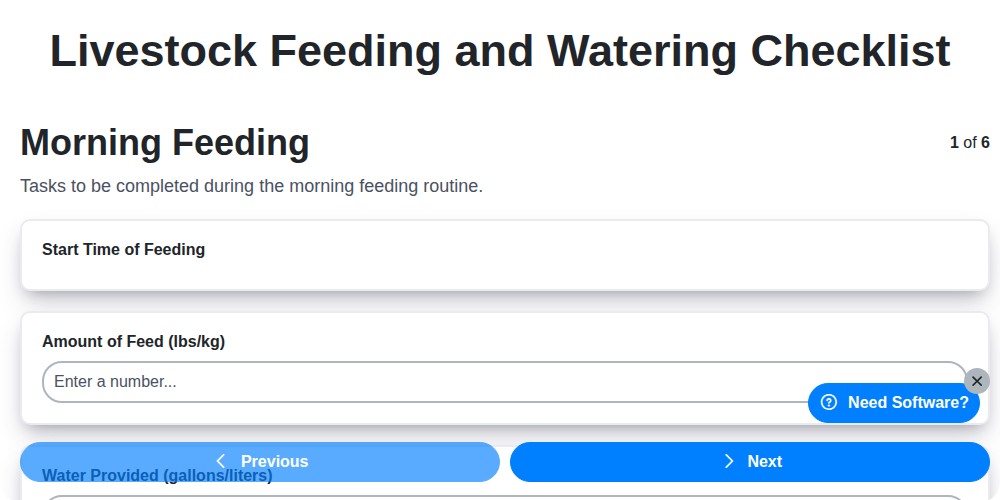
Table of Contents
- Introduction: Why a Livestock Feeding & Watering Checklist Matters
- Morning Feeding: Setting the Foundation for a Good Day
- Water Source Inspection: Ensuring Clean & Accessible Water
- Feed Inventory & Replenishment: Planning for Adequate Supply
- Animal Health Observation: Early Detection is Key
- Equipment Maintenance: Preventing Breakdowns and Ensuring Efficiency
- Evening Feeding: Final Nourishment for Optimal Growth
- A Deeper Dive: Water Quality Considerations
- Feed Management Best Practices
- Record Keeping: Tracking Progress and Identifying Trends
- Adapting Your Checklist: Seasonal Changes and Special Needs
- Resources & Links
TLDR: Overwhelmed with livestock care? This checklist template ensures your animals get fed, watered, and monitored consistently, saving you time and stress while keeping your herd healthy and thriving. It covers morning and evening feeding, water checks, feed inventory, health observations, and equipment maintenance - a simple way to stay organized and prevent issues!
Introduction: Why a Livestock Feeding & Watering Checklist Matters
Running a livestock operation, whether you have a few chickens or a large herd, is a huge responsibility. Ensuring your animals are properly fed and watered is paramount to their health, productivity, and overall well-being. It's easy for tasks to get overlooked in the hustle and bustle of daily farm life, and even the most experienced farmer can benefit from a little extra organization. That's where a livestock feeding and watering checklist comes in.
This isn't just about ticking boxes; it's about creating a reliable system to safeguard your animals. A well-designed checklist minimizes errors, promotes consistency, and provides a documented record of your animal care practices. It can help prevent costly mistakes like water contamination or feed shortages, and it's invaluable for identifying and addressing potential problems before they escalate. Ultimately, a checklist is a powerful tool for proactive animal management and a cornerstone of a successful livestock operation.
Morning Feeding: Setting the Foundation for a Good Day
The morning feed is more than just a meal; it's the starting point for your livestock's energy and well-being. A well-executed morning feeding routine sets the stage for a productive day for your animals and a smoother workload for you.
Here's what to prioritize:
- Accurate Measurement: Don't guess! Measure feed accurately based on your feeding plan for each animal or group. Variations can impact growth, milk production, and overall health.
- Fresh and Appropriate Feed: Ensure feed is fresh, free from mold or contamination, and matches the species' and life stage's nutritional needs.
- Distribution & Accessibility: Distribute feed evenly and in a way that minimizes competition and allows all animals easy access. Consider feeders designed to reduce waste and maintain cleanliness.
- Observe During Feeding: While feeding, take a quick but thorough look at each animal. Notice anything unusual - a reluctance to eat, signs of distress, or any changes in behavior. These early observations can be key to catching potential health issues.
- Cleanliness is Key: After feeding, clean up any spilled feed to prevent attracting pests and maintaining a hygienic environment.
Water Source Inspection: Ensuring Clean & Accessible Water
Clean and readily available water is absolutely critical for livestock health and productivity. A daily inspection of your water sources isn't just good practice; it's preventative care. Here's what to look for:
- Check for Functionality: Are all waterers working? This includes automatic waterers, troughs, and any other watering systems. Check for clogs, leaks, or power outages (for electric waterers).
- Water Quality: Visually inspect the water for any signs of contamination - algae, debris, unusual color, or foul odor. While visual inspection isn't a substitute for lab testing, it can often reveal immediate concerns.
- Water Level: Ensure water levels are sufficient for all animals. Frozen waterers are a common winter problem - break the ice regularly. Low water levels can also indicate leaks or increased animal consumption due to heat.
- Accessibility: Make sure animals can easily access the waterers. Check for obstructions like mud, snow, or fallen objects. Consider the age and size of your livestock - young or smaller animals may need easier access.
- Cleanliness: Regularly clean water troughs and tanks to prevent algae and bacterial growth. Scrubbing with a livestock-safe disinfectant can be beneficial.
Feed Inventory & Replenishment: Planning for Adequate Supply
Maintaining a consistent and reliable feed supply is crucial for the health and productivity of your livestock. Simply running out of feed is a stressful and potentially harmful situation to avoid. This section focuses on regularly assessing your feed inventory and ensuring you have enough on hand to meet your animals' needs.
Regular Stock Checks: Don't wait until you're down to the last scoop! Implement a schedule for routine inventory checks. We recommend at least weekly checks, but daily checks might be necessary depending on your herd size and feeding frequency. Note the quantity of each feed type (hay, grain, supplements, etc.) and its condition. Look for signs of spoilage, mold, or pest infestation.
Calculate Feed Requirements: Knowing how much feed your animals need is the foundation of inventory management. Factor in:
- Animal Size and Weight: Larger animals require more feed.
- Age & Stage of Life: Growing animals and those in lactation need significantly more.
- Breed & Activity Level: Some breeds are naturally more efficient, and increased activity requires more fuel.
- Seasonal Changes: Cold weather increases energy needs.
- Pregnancy/Lactation: These phases demand increased nutrient intake.
Consult with a veterinarian or agricultural specialist to determine accurate feed requirements for your specific livestock.
Lead Times & Ordering: Understand the lead times for your feed deliveries. Account for potential delays due to weather or supplier issues. Place orders well in advance to avoid shortages. Build a small buffer stock to act as a safety net.
Storage Considerations: Proper feed storage is vital. Keep feed dry, protected from the elements, and free from pests. Rotate stock, using older feed first to minimize spoilage. Clearly label all containers with the feed type and date received.
Record Keeping: Maintain a simple record of feed purchases, usage, and inventory levels. This allows you to identify trends, anticipate needs, and troubleshoot problems efficiently.
Animal Health Observation: Early Detection is Key
Regularly observing your livestock is arguably the most crucial step in proactive animal care. It's not just about seeing your animals; it's about observing them. Look beyond the surface - are they behaving normally? Are their coats clean and healthy? Are they interacting with each other as they usually do?
Here's what to look for during your daily observation:
- Behavior: Look for changes in activity levels. Are they more lethargic, restless, or isolating themselves from the herd? Changes in eating habits (increased or decreased appetite) are also red flags.
- Physical Appearance: Check for signs of injury - cuts, swelling, lameness. Examine their eyes for discharge or cloudiness, and noses for discharge. Look for any abnormal lumps or bumps. A dull coat can indicate nutritional deficiencies or illness.
- Respiration: Observe their breathing. Is it labored, rapid, or accompanied by coughing?
- Feces and Urine: Note the consistency and color of their waste. Changes can be indicators of digestive issues or underlying health problems.
- Overall Vigor: Do they seem energetic and alert?
Don't dismiss subtle changes. Early detection allows for prompt intervention, often preventing minor issues from escalating into serious problems requiring expensive treatments or, in the worst cases, loss of animals. Document any concerns and consult with a veterinarian when needed. A quick, daily scan can make all the difference!
Equipment Maintenance: Preventing Breakdowns and Ensuring Efficiency
Regular equipment maintenance is absolutely vital for smooth livestock operations and preventing costly disruptions. A breakdown during feeding or watering can quickly lead to stressed animals and potential losses. This section outlines a basic maintenance checklist - remember to tailor it to your specific equipment and consult manufacturer guidelines.
Daily/Weekly Checks:
- Feeders (Bunkers, Troughs, Automated Systems): Inspect for obstructions, damage, and proper operation. Clean as needed to prevent mold and algae growth. Automated feeders need calibration checks.
- Waterers (Troughs, Automatic Systems): Check for leaks, blockages, and proper water pressure. Automatic waterers require nozzle inspection and cleaning to ensure even distribution.
- Feed Mixing Equipment (Mixers, Grinders): Check belts for wear and tear, lubrication of moving parts, and overall functionality. Listen for unusual noises.
- Tractors/Vehicles: Check fluid levels (oil, coolant, hydraulic fluid), tire pressure, and general condition.
- Pumps (Water & Feed): Regularly inspect for leaks and proper operation. Filters need to be cleaned or replaced.
Monthly/Seasonal Checks:
- Complete Lubrication: Grease all fittings on feeders, waterers, and tractors according to manufacturer recommendations.
- Belt Inspection: Thoroughly inspect all belts for cracks, fraying, and proper tension. Replace as needed.
- Hydraulic System Checks: Inspect hoses and fittings for leaks and damage.
- Sharpening/Replacement: Sharpen or replace augers, knives, and other cutting edges.
- Winterization (if applicable): Protect water lines and equipment from freezing temperatures.
Documentation is Key: Keep a maintenance log to track all checks and repairs. This helps identify recurring issues and can be invaluable for troubleshooting and warranty claims.
Evening Feeding: Final Nourishment for Optimal Growth
The evening feeding is just as crucial as the morning, providing a final boost of nutrition and supporting overall animal health and growth. This last meal helps maintain stable body temperatures throughout the night, especially important in fluctuating weather conditions.
Here's what to focus on during evening feeding:
- Consistent Ration: Stick to the same feed ration as the morning feeding unless otherwise directed by a veterinarian or nutritionist. Consistency aids digestion and prevents digestive upsets.
- Fresh Water: Always provide access to clean, fresh water alongside the evening feed.
- Observation: As with morning feeding, take a moment to observe your livestock while they eat. Note any changes in appetite, behavior, or physical condition.
- Bedding Check: Ensure bedding is clean and dry. A comfortable resting place contributes significantly to overall health and restful sleep.
- Secure the Area: After feeding, thoroughly secure the area to protect your livestock from predators and ensure they are safely contained for the night. This includes double-checking fences and gates.
Consistent evening feeding, combined with keen observation, lays the foundation for a healthy and thriving herd.
A Deeper Dive: Water Quality Considerations
Water isn't just water when it comes to livestock. Its quality directly impacts their health, growth, and overall productivity. Simply having a water source isn't enough; ensuring that water is clean and safe is paramount. Here's a closer look at water quality considerations:
Regular Testing: Ideally, water sources should be tested regularly - at least annually, and more frequently if you suspect contamination. Tests should check for bacteria (like E. coli and coliforms), parasites, mineral content (particularly nitrates and sulfates), and pH levels. Your local agricultural extension office can often provide information on testing services.
Source Specifics: The type of water source plays a huge role. Well water is generally considered safer than surface water (ponds, streams, rainwater), but can still contain minerals or contaminants. Surface water is particularly vulnerable to runoff and pollution. Rainwater harvesting requires stringent filtration and storage practices to prevent algae growth and bacterial contamination.
Algae & Sediment: Algae blooms and sediment can clog water troughs and pipes, reducing water availability and potentially releasing toxins. Regular cleaning and filtration are essential.
Mineral Imbalances: Excessive levels of certain minerals can cause health problems. For example, high nitrate levels can be toxic, while low mineral content can lead to deficiencies.
Freezing Prevention: Ensure water sources don't freeze in cold weather. Frozen water is useless, and the process of thawing can sometimes introduce contaminants.
Feed Management Best Practices
Consistent and efficient feed management is the cornerstone of healthy livestock and a productive farm. Here's a breakdown of essential practices to ensure your animals are properly nourished and your feed resources are well-managed.
Feed Inventory & Replenishment - Don't Wait Until It's Empty!
Regularly assess your feed supplies. Knowing precisely what you have on hand prevents shortages and allows for proactive ordering. This isn't just about knowing the quantity; it's about understanding quality too. Check for signs of spoilage, mold, or insect infestation. Rotate your stock - use older feed first. Implement a clear system for tracking feed consumption, noting how much is used per animal or group. This data will improve your forecasting and ordering accuracy. Establish a buffer - having a small reserve of feed is crucial in case of delivery delays or unexpected circumstances. Finally, consider sourcing from multiple suppliers to mitigate potential disruptions in your supply chain.
Storage is Key: Proper feed storage protects your investment. Keep feed dry, well-ventilated, and protected from rodents and pests. Store different feed types separately to avoid cross-contamination.
Formulate Rations Carefully: Don't guess at feed ratios. Consult with a nutritionist or veterinarian to formulate rations that meet the specific nutritional needs of your livestock based on their age, breed, and production stage.
Minimize Waste: Spoilage and waste directly impact your bottom line. Carefully consider feeding methods to reduce spillage. Regularly clean feed bunks and troughs.
Record Keeping: Keep detailed records of feed purchases, consumption, and any adjustments made to rations. This allows for continuous improvement in your feeding program.
Record Keeping: Tracking Progress and Identifying Trends
Consistent record keeping is the backbone of proactive livestock management. This isn't just about ticking boxes on your checklist; it's about analyzing the data to optimize feeding and watering practices. Create a simple log - a notebook, spreadsheet, or even a dedicated app - to track key information related to each checklist item.
Here's what to include:
- Feed Consumption: Note the amount of feed given to each group of animals daily. Significant changes in consumption can be an early warning sign of illness or stress.
- Water Usage: While harder to measure precisely, document any observations about water intake. Is it higher or lower than usual? Are animals competing for access?
- Feed Inventory Levels: Regularly record your feed levels (e.g., bales of hay, bags of grain). This prevents shortages and helps you plan for replenishment.
- Health Observations: Detail any noted changes in animal behavior, appetite, or physical condition. Even seemingly minor details can be crucial for early intervention.
- Equipment Maintenance: Document maintenance performed on feeders, waterers, and other relevant equipment, noting dates and any issues encountered.
By reviewing these records regularly - weekly, monthly, or seasonally - you can identify trends. For example, consistently higher water consumption in summer might indicate a need for more shaded watering stations. A gradual decline in feed consumption over time could signal a developing health problem. This data-driven approach transforms your checklist from a simple task list into a powerful tool for improving livestock health and productivity.
Adapting Your Checklist: Seasonal Changes and Special Needs
Your livestock feeding and watering checklist is a living document, not a static one. It needs to adapt to the changing seasons and the unique needs of your animals.
Seasonal Adjustments:
- Summer Heat: Increase water availability significantly. Check water sources more frequently during heatwaves. Consider providing shade and potentially adjusting feed rations to prevent overheating. Electrolyte supplementation may be beneficial.
- Winter Cold: Ensure water sources aren't freezing. Break ice regularly and consider heated waterers. Increase feed rations to help animals maintain body warmth and energy reserves. Pay close attention to windbreaks and shelter.
- Spring & Fall: These transition periods often bring variable weather. Be prepared to adjust feed based on forage availability and temperature fluctuations. Monitor for parasites as conditions change.
Special Needs Considerations:
- Pregnant or Lactating Animals: These animals require increased water and nutrient intake. Adjust feed rations accordingly and ensure access to high-quality feed.
- Young or Growing Animals: Calves, lambs, or piglets need tailored feed formulations for optimal growth and development. Water intake should also be monitored.
- Sick or Injured Animals: Separate these animals and provide them with easily accessible feed and water. Consult with a veterinarian regarding specific dietary needs.
- Senior Animals: Older livestock may have difficulty accessing feeders or waterers. Ensure these are at a comfortable height and location. Consider softer feed options if chewing is a challenge.
Always observe your animals closely; their behavior is the best indicator of whether your checklist is meeting their needs.
Resources & Links
- Washington State University Animal Nutrition: WSU's Department of Animal Sciences offers comprehensive information on livestock nutrition, including feed analysis, ration balancing, and nutritional deficiencies. Excellent for understanding the 'why' behind your feeding practices.
- Oregon State University Extension Service: OSU Extension provides a wealth of resources on livestock management, including feeding and watering guidelines for various species. Look for publications on pasture management, hay quality, and water systems.
- Purdue University Department of Animal Sciences: Purdue's Animal Sciences department offers research-based information on livestock feeding, reproduction, and health. Their publications and online resources are valuable for informed decision-making.
- University of Vermont Extension: UVM Extension has robust agricultural resources including guides for sustainable livestock production, focusing on pasture management and feed quality - helpful for understanding seasonal changes and rotational grazing.
- National Animal Nutrition Program (NANP): NANP provides standardized testing and certification for animal feed and nutrition. Helpful for understanding feed analysis and ensuring feed quality.
- American Veterinary Medical Association (AVMA): The AVMA provides resources on animal health and disease prevention, crucial for the 'Animal Health Observation' section of your checklist. Look for articles and guidelines on recognizing and addressing livestock illnesses.
- USDA Farm Service Agency: The FSA offers programs and information related to livestock disaster assistance and risk management. Useful for planning feed inventory and water supply, especially in areas prone to drought or other natural disasters.
- Gallagher (Fencing & Water Solutions): Gallagher specializes in livestock fencing and water solutions. Their website offers technical information and product guides for maintaining reliable water sources and containment systems. Relevant to 'Water Source Inspection' and 'Equipment Maintenance'.
- New Holland (Agricultural Equipment): While primarily a machinery company, New Holland's website often provides informational guides and advice on maintaining agricultural equipment, helpful for the 'Equipment Maintenance' portion of the checklist. Look for maintenance schedules and troubleshooting tips.
- Montana Department of Agriculture: Many state agriculture departments (like Montana's) offer free resources and publications tailored to regional livestock practices. This can include information on drought management, feed testing, and water quality.
- Verm-Tec: Verm-Tec is a specialist in mycotoxin testing in feed. For deeper insights into feed quality and safety, their website provides information on risks and testing procedures - relevant for 'Feed Management Best Practices'.
- Hay & Forage Analyzer: This is a website showcasing different analyzers, vital tools for understanding the nutritional content of hay and forage - essential for informed feeding decisions, and useful for the 'A Deeper Dive: Water Quality Considerations' and 'Feed Management Best Practices' sections.
Frequently Asked Questions
What is this checklist template for?
This checklist template is designed to help livestock owners consistently manage feeding and watering schedules, ensuring the health and well-being of their herd. It's a helpful tool for preventing issues related to inadequate nutrition or hydration.
What types of livestock is this checklist suitable for?
While the core principles apply to most livestock (cows, sheep, goats, pigs, horses, poultry, etc.), you may need to adjust the specific quantities and types of feed/water based on your particular animal species, breed, age, and production stage. The template is adaptable.
How do I customize the checklist?
The checklist is designed to be flexible. You can easily add or remove rows to reflect your herd size, adjust feed and water amounts based on your livestock's needs, and add notes about any special considerations (e.g., supplements, medical needs).
What information should I record in the 'Notes' section?
The 'Notes' section is for anything beyond the standard feed and water schedule. This could include details about supplements given, observation of animal behavior related to feeding/watering, changes in feed quality, or anything else that might be relevant to their well-being.
How often should I use this checklist?
Ideally, use the checklist daily. Consistent record-keeping is key to identifying potential problems early and maintaining a healthy herd. You can also use it to track seasonal changes in feed/water needs.
Can I use this checklist digitally or is it meant to be printed?
The template is designed to be versatile! You can print it out for physical record-keeping, or you can copy the information into a spreadsheet or digital document for electronic tracking. Choose whichever method works best for your farm management style.
What are some signs that my herd's feeding or watering needs are not being met?
Signs of inadequate feeding/watering can include: weight loss, lethargy, decreased milk production, changes in appetite, dehydration (sunken eyes, dry gums), rough hair coat, and increased susceptibility to disease. Consult with a veterinarian if you notice these signs.
Is there a specific order I should feed different types of feed?
The order in which you offer different feeds can be important for digestibility. Generally, offer roughages (hay, pasture) first, followed by concentrates (grain, supplements). This allows the animals to fill up on fiber before consuming more energy-dense feeds. Research your specific livestock's needs.
What should I do if I notice a change in my water source quality?
If you suspect a problem with your water source (e.g., unusual taste or odor, visible contaminants), stop using it immediately. Have the water tested by a certified laboratory and take corrective action based on the results. Provide an alternative water source in the meantime.
Comments
There are no comments yet. Be the first to add one!
Farm Management Solution Demo
Grow your farm smarter & more efficiently! ChecklistGuro streamlines crop planning, task management, & resource tracking. Maximize yields, reduce waste, & improve profitability. Manage it all with our Work OS.
Related Articles
Unlock Higher Yields: Your Precision Agriculture Checklist Template
The Ultimate Farm Safety Inspection Report Checklist Template
Irrigation System Checklist: Farm Water Management & Crop Yield Optimization

Livestock Health & Welfare Checklist: Your Farm Animal Care & Biosecurity Template
Crop Insurance Policy Review Checklist: A Farmer's Guide
Water Discharge Permit Compliance Checklist Template
The Ultimate GPS & Precision Farming Calibration Checklist Template
Mapping the Threat: A Checklist for Proactive Pest & Disease Pressure Management
Need help with
Farm Management?
Have a question? We're here to help. Please submit your inquiry, and we'll respond promptly.