Your Livestock Health & Welfare Checklist: A Comprehensive Guide
Published: 11/22/2025 Updated: 07/02/2026
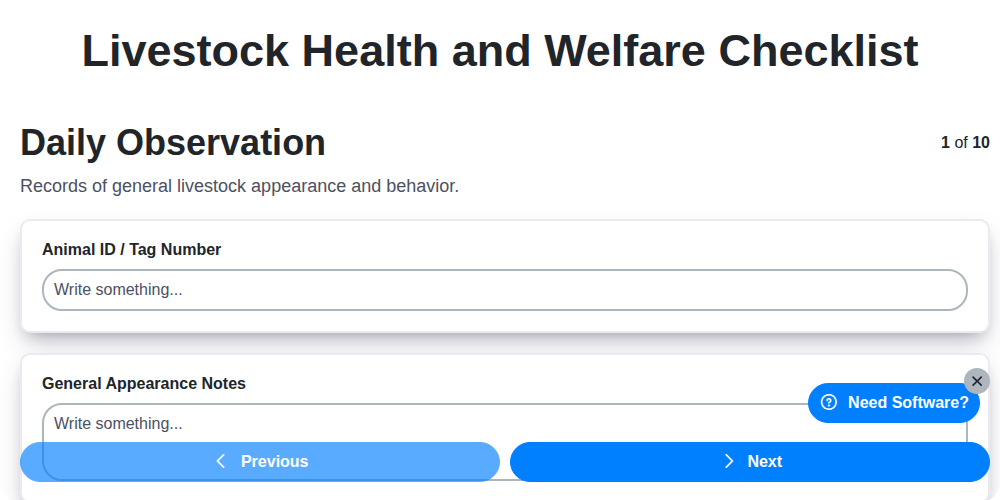
Table of Contents
- Daily Observation: The Foundation of Livestock Wellbeing
- Feeding and Watering: Nutrition for Optimal Health
- Housing and Environment: Creating a Safe and Comfortable Space
- Health Checks: Early Detection is Key
- Foot Care: Preventing Lameness and Maintaining Mobility
- Medication and Treatment: Responsible Animal Care
- Biosecurity Measures: Protecting Your Herd/Flock
- Waste Management: Hygiene and Environmental Responsibility
- Breeding and Reproduction: Planning for Future Generations
- Equipment Maintenance: Ensuring Operational Safety and Efficiency
- Resources & Links
TLDR: Feeling overwhelmed managing your livestock's health and welfare? This checklist is your new best friend! It breaks down essential daily, weekly, and periodic tasks - from feeding and housing to health checks and breeding - ensuring your animals thrive and potential problems are caught early. Download the template and simplify your livestock management!
Daily Observation: The Foundation of Livestock Wellbeing
Daily observation is arguably the most crucial element in maintaining healthy and happy livestock. It's your first line of defense against potential problems and allows you to identify subtle changes before they escalate into serious issues. Don't underestimate the power of simply looking.
What are you looking for? It's more than just a cursory glance. Focus on:
- Behavior: Are animals eating, drinking, and interacting normally with their peers? Look for signs of lethargy, aggression, or isolation. Sudden changes in flocking or herd dynamics are red flags.
- Appearance: Note the coat condition - is it clean, shiny, and free from abnormalities? Watch for signs of injury, swelling, or unusual growths. Look at posture - are they standing and moving with ease?
- Appetite and Water Intake: Consistent monitoring of food and water consumption provides valuable insight into overall health. A sudden drop or increase can indicate underlying problems.
- Respiration: Observe breathing patterns - is it easy and regular, or labored and rapid? Listen for any unusual sounds like coughing or wheezing.
- Feces & Urine: While not always pleasant, a quick look at manure and urine can reveal a lot about digestive health. Note consistency, color, and frequency.
Even a few minutes dedicated to this daily process can significantly improve your ability to proactively manage livestock wellbeing and identify potential issues early on. Record your observations, noting any changes or concerns for further investigation.
Feeding and Watering: Nutrition for Optimal Health
Providing consistent, high-quality feed and fresh water is the cornerstone of livestock health and welfare. A well-balanced diet supports robust growth, strong immunity, and overall productivity. Here's a breakdown of critical considerations:
Feed Quality & Formulation:
- Nutritional Requirements: Understand the specific dietary needs of your livestock species and breed, considering factors like age, stage of production (growth, lactation, gestation), and activity level. Consult with a nutritionist or veterinarian for tailored recommendations.
- Feed Analysis: Regularly analyze your feedstuffs to ensure they meet nutritional requirements. Changes in feed composition can impact animal health.
- Storage: Store feed in a dry, cool, and pest-free environment to preserve its quality and prevent spoilage.
- Variety: Offer a variety of feedstuffs where appropriate, ensuring a complete and balanced nutrient profile.
Water Access & Quality:
- Continuous Access: Provide continuous access to clean, fresh water. Water intake fluctuates with weather, activity, and feed type.
- Adequate Supply: Ensure sufficient water troughs or containers are available to meet the demand of all livestock, preventing competition and ensuring everyone drinks adequately.
- Water Quality: Regularly inspect water sources and troughs for cleanliness. Algae, sediment, and contamination can negatively impact health. Consider water testing periodically.
- Winter Considerations: Prevent water freezing in colder months - use heated troughs or break the ice regularly.
Observation & Adjustment:
- Monitor Consumption: Observe feed and water consumption patterns. Sudden changes can be early indicators of health problems.
- Body Condition Scoring: Regularly assess body condition to ensure animals are maintaining optimal weight and muscle mass. Adjust feed accordingly.
Housing and Environment: Creating a Safe and Comfortable Space
Your livestock's housing and environment play a crucial role in their overall health and welfare. A poorly designed or maintained environment can lead to stress, disease, and reduced productivity. This section of the checklist focuses on ensuring a safe, comfortable, and stimulating living space.
Here's what to consider:
- Space Requirements: Are livestock provided with adequate space for movement, feeding, and resting, according to species and age? Overcrowding is a major contributor to stress and aggression. Review recommended stocking densities and adjust accordingly.
- Ventilation: Proper ventilation is vital to remove moisture, ammonia, and dust, ensuring clean air and reducing respiratory problems. Regularly check ventilation systems and make adjustments as needed, particularly during seasonal changes.
- Temperature Regulation: Extreme temperatures can negatively impact livestock. Provide shade in summer and shelter from wind and cold in winter. Consider ventilation, insulation, and heating/cooling systems if necessary.
- Flooring: Is the flooring appropriate for the species and age group? Ensure it's clean, dry, and provides good traction to prevent slips and injuries. Inspect for damage and repair promptly.
- Lighting: Adequate lighting is important for animal behavior, appetite, and overall health. Ensure natural light is sufficient or supplement with artificial lighting, especially in winter months.
- Bedding: Provide clean, dry, and comfortable bedding materials for resting and insulation. Regularly replace soiled bedding.
- Obstacle-Free Environment: Remove any potential hazards within the enclosure, such as sharp objects, toxic plants, or protruding wires.
- Enrichment: Provide opportunities for natural behaviors through enrichment items, such as scratching posts, toys, or varied terrain. (Species-specific enrichment is key!)
- Regular Cleaning: Implement a consistent cleaning schedule to maintain hygiene and minimize disease risk.
Regularly assess the housing and environment to ensure it continues to meet the needs of your livestock.
Health Checks: Early Detection is Key
Regular health checks are the cornerstone of proactive livestock care. Don't wait for visible signs of illness - early detection significantly improves treatment success and prevents wider outbreaks. Here's what to look for:
- Visual Assessment: Conduct a quick visual scan of each animal. Observe their posture, stance, and overall appearance. Are they alert and responsive? Do they appear comfortable or distressed? Look for signs like discharge from eyes or nose, coughing, lameness, or unusual swelling.
- Temperature Taking: Implement a routine temperature-taking schedule, particularly for susceptible species. Deviations from the normal range can be an early indicator of infection. Keep a record of normal temperatures for your livestock.
- Body Condition Scoring (BCS): Regularly assess BCS to monitor nutritional status and identify animals that may be under or over-fed. This provides a baseline and highlights changes over time.
- Listen to Breathing: Pay close attention to breathing sounds. Unusual noises (wheezing, crackling) can indicate respiratory problems.
- Fecal Examination: Periodically check fecal samples for signs of parasites or digestive upset.
- Record Keeping: Document your observations, including any concerns or changes in behavior. This creates a historical record that helps identify trends and allows for better informed decisions.
Foot Care: Preventing Lameness and Maintaining Mobility
Foot problems are a significant cause of lameness and reduced productivity in livestock. Proactive and consistent foot care is essential for maintaining animal welfare, minimizing economic losses, and ensuring overall herd or flock health. Here's a breakdown of key aspects to consider:
Regular Trimming: Routine trimming is often necessary, particularly in species like sheep, goats, and cattle raised on uneven terrain or in intensive systems. Overgrown hooves can lead to cracks, abscesses, and lameness. Develop a trimming schedule based on species, breed, environment, and individual animal needs. Learn proper trimming techniques or consult with a veterinarian or hoof care specialist to avoid injury.
Footbaths: Implement footbaths, especially in high-density situations, to combat foot rot and other bacterial or fungal infections. The frequency of footbaths depends on the severity of the problem, but generally, regular intervals are needed. Ensure the footbath solution is appropriate for the targeted pathogen and maintain proper concentrations.
Environmental Management: Keep pens and pastures clean and dry. Mud and manure increase the risk of foot problems. Provide adequate drainage and consider bedding materials to reduce moisture and bacterial load.
Early Detection & Treatment: Be vigilant in identifying signs of foot problems. Look for animals that are limping, reluctant to move, or showing signs of pain when touched on the feet. Promptly treat any foot injuries or infections with appropriate methods, often involving hoof blocks, topical antibiotics, or other interventions recommended by your vet.
Nutrition: Ensure a balanced diet with adequate levels of minerals, particularly zinc and copper, which contribute to hoof health and strength. Deficiencies can compromise hoof integrity.
Breed Considerations: Some breeds are genetically predisposed to certain foot problems. Be aware of these predispositions and tailor your foot care practices accordingly.
By prioritizing consistent and proactive foot care, you can significantly reduce the incidence of lameness and improve the overall well-being and productivity of your livestock.
Medication and Treatment: Responsible Animal Care
Administering medication and providing treatment to livestock is a critical responsibility for any farmer or animal caretaker. It's not simply about reacting to illness; it's about proactive care, accurate diagnosis, and responsible application of interventions. This section outlines essential practices to ensure effective treatment while minimizing risks and promoting animal welfare.
1. Accurate Diagnosis is Key: Never administer medication without a clear understanding of the underlying cause of the issue. Observe the animal carefully, noting all symptoms. When in doubt, always consult with a qualified veterinarian. They can perform diagnostic tests (bloodwork, fecal exams, cultures, etc.) to pinpoint the problem accurately. Misdiagnosis can lead to ineffective treatments, drug resistance, and prolonged suffering.
2. Veterinary Oversight: Adhere strictly to your veterinarian's instructions for medication dosage, frequency, and duration. Keep detailed records of all medications given, including the animal's identification, the medication name, dosage, date, and time of administration. These records are invaluable for monitoring treatment effectiveness and tracking potential adverse reactions.
3. Withdrawal Periods - Absolutely Essential: Understanding and diligently following withdrawal periods is paramount. These are the times between the last dose of a medication and the time when the animal's products (meat, milk, eggs) are safe for human consumption. Ignoring withdrawal periods poses a serious health risk to consumers. Keep accurate records to ensure compliance.
4. Medication Storage and Handling: Store all medications securely, out of reach of animals and children. Follow proper storage guidelines as outlined on the label (temperature, light sensitivity). Dispose of expired medications responsibly, following local regulations.
5. Preventative Treatments & Prophylaxis: Discuss with your veterinarian the potential for preventative treatments, such as vaccinations or parasite control programs. These can significantly reduce the incidence of disease and improve overall animal health and welfare.
6. Monitoring Treatment Response: Regularly assess the animal's response to treatment. Are they improving? Are any adverse effects being observed? Communicate any concerns to your veterinarian promptly.
Important Note: Regulations regarding medication use for livestock vary significantly by region. Stay informed about your local rules and guidelines to ensure compliance and responsible animal care.
Biosecurity Measures: Protecting Your Herd/Flock
Biosecurity isn't just a buzzword; it's the frontline defense against devastating diseases that can cripple your livestock operation. Implementing robust biosecurity measures minimizes the risk of introducing and spreading pathogens, safeguarding your animals' health, productivity, and profitability.
Here's a breakdown of essential biosecurity practices to incorporate into your daily and long-term management:
- Restrict Access: Limit access to your farm and livestock to essential personnel only. Keep visitor logs, and ensure visitors understand and adhere to biosecurity protocols. Consider designated visitor pathways and footwear.
- Vehicle Sanitation: Implement a vehicle disinfection protocol. This includes cleaning and disinfecting all vehicles entering and leaving the property, especially those transporting livestock, feed, or equipment. A footbath with disinfectant solution at key entry points is a good start.
- Equipment Disinfection: Regularly clean and disinfect all equipment, including trailers, feeding implements, and handling tools. Designate "clean" and "dirty" equipment, and prevent cross-contamination.
- Quarantine New Arrivals: Any new animals arriving on your farm should be quarantined for a minimum of 30 days (or longer, based on disease prevalence and risk assessment). During this period, they should be kept separate from your existing herd/flock and carefully monitored for signs of illness.
- Rodent and Pest Control: Implement a comprehensive rodent and pest control program. These creatures can harbor and transmit diseases.
- Manure Management: Proper manure storage and disposal are vital. Store manure away from animal housing and water sources to prevent disease spread. Consider composting to reduce pathogen load.
- Deadstock Disposal: Have a clear and approved plan for disposing of dead livestock, following local regulations and best practices to prevent disease transmission.
- Regular Cleaning and Disinfection: Routine cleaning and disinfection of housing, feeding areas, and water troughs helps eliminate pathogens and reduce disease risk.
- Staff Training: Educate all farm staff on biosecurity protocols and their importance in maintaining animal health.
Waste Management: Hygiene and Environmental Responsibility
Effective waste management isn't just about keeping your livestock areas clean; it's crucial for animal health, environmental protection, and regulatory compliance. Accumulation of manure and other waste fosters flies, attracts rodents, and contributes to unpleasant odors - all of which stress animals and increase the risk of disease spread.
Daily Practices:
- Regular Removal: Manure should be removed from housing areas daily or at least frequently enough to prevent excessive build-up. The frequency will depend on the type of livestock, housing system, and climate.
- Separation of Solids & Liquids: Where possible, separate solid and liquid waste. Solids can be composted or used as fertilizer, while liquid waste requires different handling and storage.
- Proper Storage: Manure storage areas should be designed to prevent runoff and contamination of water sources. Consider berms, drainage ditches, and covered storage options.
- Minimize Spillage: Handle feed and other materials carefully to avoid unnecessary waste that ends up as manure.
Long-Term Solutions:
- Composting: Composting manure reduces volume, odors, and pathogens, creating a valuable soil amendment. Ensure proper aeration and moisture levels for optimal decomposition.
- Land Application: When applying manure as fertilizer, follow nutrient management plans to avoid over-application and potential environmental damage. Consider soil type, crop needs, and weather conditions.
- Record Keeping: Maintain records of manure removal, storage, and disposal methods to demonstrate responsible waste management practices and comply with regulations.
- Fly Control: Implement fly control measures as part of your waste management plan, such as fly traps, screens, and appropriate insecticide use (following label instructions carefully).
By prioritizing responsible waste management, you're investing in the well-being of your livestock and safeguarding the environment.
Breeding and Reproduction: Planning for Future Generations
Successful livestock farming isn't just about maintaining current health; it's about ensuring the future viability and strength of your herd or flock. A proactive breeding and reproduction plan is crucial for this. This section of your checklist should guide you in establishing and maintaining optimal breeding practices.
Key Considerations:
- Genetic Planning: Regularly review your breeding stock's genetics. Are you selecting for desirable traits like disease resistance, growth rate, meat/milk production, or conformation? Keeping detailed records of lineage and performance allows for informed selection decisions. Consider using Estimated Breeding Values (EBVs) if available for your livestock.
- Breeding Season Management: Plan the breeding season to align with optimal environmental conditions and resource availability. This may involve inducing estrus in some species. Accurate timing is key to achieving desired kidding/calving/lambing dates.
- Mating Ratios: Establish appropriate mating ratios to maximize conception rates and prevent overstocking.
- Pregnancy Confirmation: Implement methods for confirming pregnancy early, such as ultrasound or palpation. This allows for early management adjustments and identification of non-pregnant animals.
- Nutrition for Breeding Animals: Provide specialized nutrition for both males and females during breeding and gestation. Adequate protein, vitamins, and minerals are vital for fertility and healthy offspring development.
- Record Keeping: Maintain detailed records of mating dates, conception rates, pregnancy outcomes, and any complications. This data is invaluable for refining breeding strategies over time.
- Disease Prevention: Ensure breeding animals are free from diseases that could be transmitted to offspring. Pre-breeding health checks are essential.
- Calving/Kidding/Lambing Assistance: Be prepared to provide assistance during birthing. Have necessary equipment readily available and know how to handle common birthing complications.
Regularly review and adjust your breeding plan to adapt to changing market demands and emerging challenges.
Equipment Maintenance: Ensuring Operational Safety and Efficiency
Your livestock operation relies heavily on a range of equipment, from feeding systems and water pumps to fencing and handling facilities. Neglecting maintenance on these tools can lead to breakdowns, safety hazards, and ultimately, impact the health and welfare of your animals. A proactive equipment maintenance plan is crucial for minimizing downtime, maximizing efficiency, and protecting your investment.
Here's what a solid equipment maintenance strategy should include:
- Regular Inspections: Schedule routine visual inspections of all equipment. Look for signs of wear and tear, leaks, rust, loose bolts, and any unusual noises. Keep a log of these inspections, noting dates and any issues found.
- Lubrication: Follow manufacturer recommendations for lubrication schedules. Proper lubrication reduces friction, minimizes wear, and extends the lifespan of moving parts.
- Cleaning: Regular cleaning prevents build-up of debris that can damage equipment and compromise performance. This is especially important for feeders and watering systems to prevent contamination.
- Sharpening & Replacement: Blades on feeders, clippers for foot care, and other cutting tools need regular sharpening. Replace worn-out parts promptly, don't wait for them to fail completely.
- Safety Checks: Ensure safety features like guards and emergency shut-off switches are functioning correctly.
- Professional Servicing: For complex machinery, schedule regular servicing by qualified technicians.
- Record Keeping: Maintain detailed records of all maintenance activities, including dates, repairs, and parts replaced. This helps track equipment history and anticipate future needs.
Remember, preventative maintenance is almost always cheaper than reactive repairs. A little effort now can save you significant time and money (and stress!) down the road.
Resources & Links
- Australian Department of Agriculture, Fisheries and Forestry: The official Australian government resource for livestock health, biosecurity, and welfare information. Provides guidelines, legislation, and alerts.
- UK Department for Environment, Food & Rural Affairs (Defra): Provides information on livestock welfare standards, legislation, and best practices in the UK. Includes guidance on various species.
- Animal Welfare Approved: Promotes high welfare farming practices and provides resources on humane animal husbandry, covering various livestock types. Focuses on pasture-based systems.
- RSPCA Australia: A leading animal welfare organization providing information, advocacy, and resources related to livestock care and ethical farming practices. Includes position statements and educational materials.
- Australian Sheep Farmers: A dedicated resource specifically for sheep farmers, covering health, nutrition, breeding, and management practices. Useful for the 'Breeding and Reproduction' and 'Foot Care' sections.
- Beef Central: Australian beef industry news and information, including articles on livestock health, nutrition, and management. Relevant for 'Feeding and Watering' and 'Health Checks'.
- Ontario Ministry of Agriculture, Food and Rural Affairs: Provides resources and publications on livestock management, including health, welfare, and biosecurity. Similar resources can be found from other regional/state agricultural departments.
- University of Minnesota Extension - Animal Science: Offers practical information and educational resources on livestock management, including health, nutrition, and reproductive issues. Provides research-based guidance.
- Merck Veterinary Manual: Comprehensive veterinary reference resource covering diseases, health concerns, and preventative measures for livestock. Extremely useful for the 'Health Checks' and 'Medication and Treatment' sections. *Please use this in conjunction with veterinary advice*.
- Cornell University College of Veterinary Medicine: A leading veterinary institution that provides research-based information and resources on animal health and welfare. Often provides specialized content for livestock.
- Animal and Plant Health Inspection Service (APHIS): U.S. government agency responsible for biosecurity, disease prevention, and animal health. Provides information about disease outbreaks and preventive measures - relevant to 'Biosecurity Measures'.
Frequently Asked Questions
What is the purpose of this checklist?
This checklist provides a comprehensive guide to ensuring the health and welfare of your livestock. It covers essential areas to help you identify potential problems early and maintain a high standard of care, promoting animal well-being and productivity.
Who is this checklist for?
This checklist is designed for all livestock owners, regardless of farm size or experience level. It's a valuable resource for both experienced farmers and those just starting out.
What types of livestock does this checklist cover?
While the principles apply broadly, the checklist is adaptable to various livestock species, including (but not limited to) cattle, sheep, goats, pigs, poultry, and horses. Specific considerations are noted where relevant to different animal types.
How often should I use this checklist?
Ideally, you should review and act upon this checklist regularly. A full assessment is recommended at least annually, with more frequent spot checks and ongoing monitoring depending on the specific needs of your livestock and your farm management practices.
What does 'welfare' mean in the context of livestock?
Animal welfare encompasses the physical and mental well-being of your livestock. It considers their ability to express natural behaviors, be free from pain and suffering, and have their basic needs met (food, water, shelter, and social interaction).
What should I do if I identify a problem while using this checklist?
If you identify a problem, prioritize addressing it immediately. Consult with a veterinarian, animal health specialist, or experienced farmer for advice and treatment. Document the problem and the actions taken for future reference.
Where can I find a veterinarian for my livestock?
Contact your local agricultural extension office, farm supply store, or online directories to find a veterinarian experienced in treating livestock. Consider establishing a relationship with a vet before you encounter problems.
Are there any legal requirements related to livestock health and welfare in my area?
Yes, there are often legal requirements. Contact your local agricultural authority or regulatory agency to understand the specific laws and regulations that apply to your livestock operation.
How does preventative care contribute to livestock welfare?
Preventative care, such as vaccinations, parasite control, and proper nutrition, is crucial for maintaining livestock health and welfare. It helps prevent illnesses, reduces suffering, and promotes optimal growth and productivity.
What records should I keep regarding livestock health?
Maintain detailed records of vaccinations, deworming treatments, illnesses, injuries, and any unusual observations. These records are vital for tracking trends, making informed decisions, and demonstrating responsible animal care.
Comments
There are no comments yet. Be the first to add one!
Farm Management Solution Demo
Grow your farm smarter & more efficiently! ChecklistGuro streamlines crop planning, task management, & resource tracking. Maximize yields, reduce waste, & improve profitability. Manage it all with our Work OS.
Related Articles
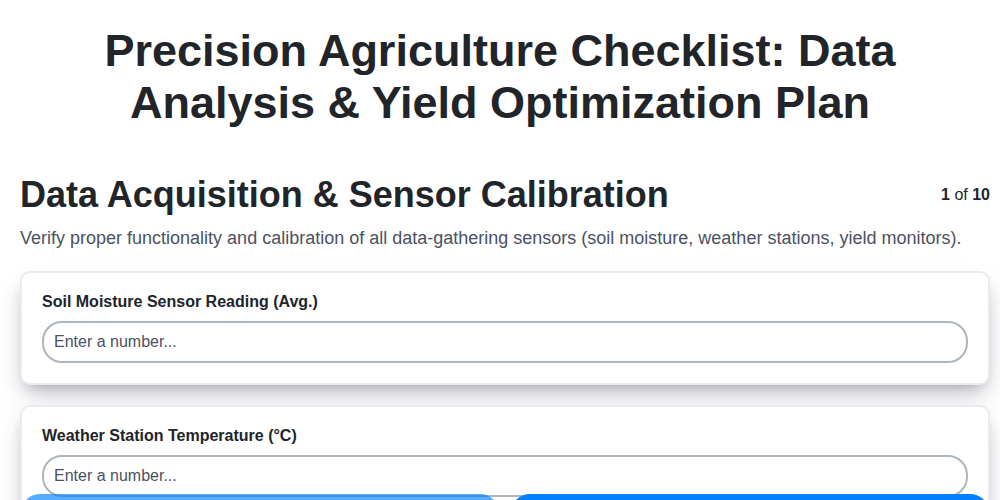
Unlock Higher Yields: Your Precision Agriculture Checklist Template
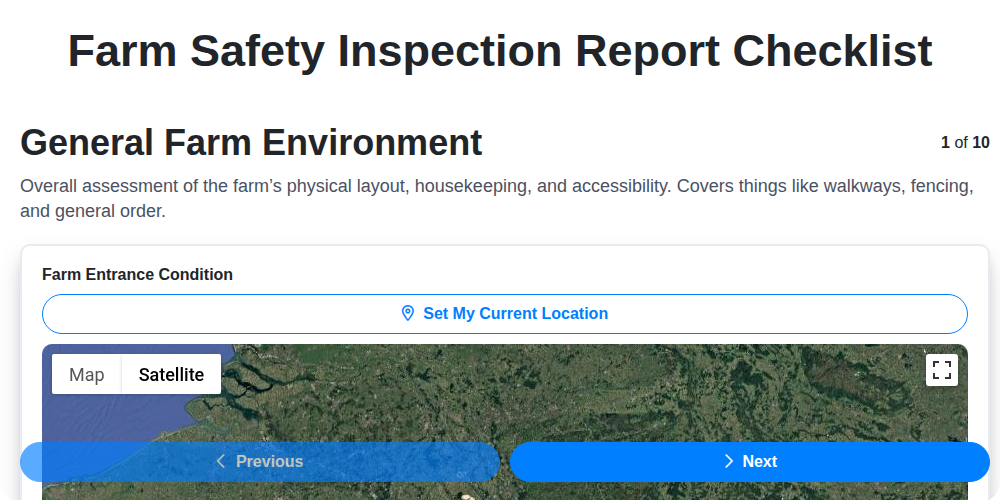
The Ultimate Farm Safety Inspection Report Checklist Template
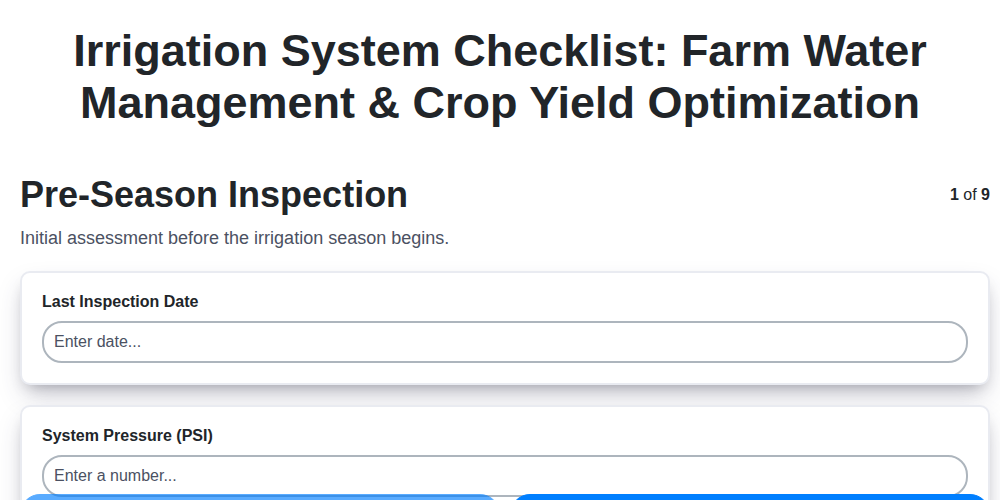
Irrigation System Checklist: Farm Water Management & Crop Yield Optimization

Livestock Health & Welfare Checklist: Your Farm Animal Care & Biosecurity Template
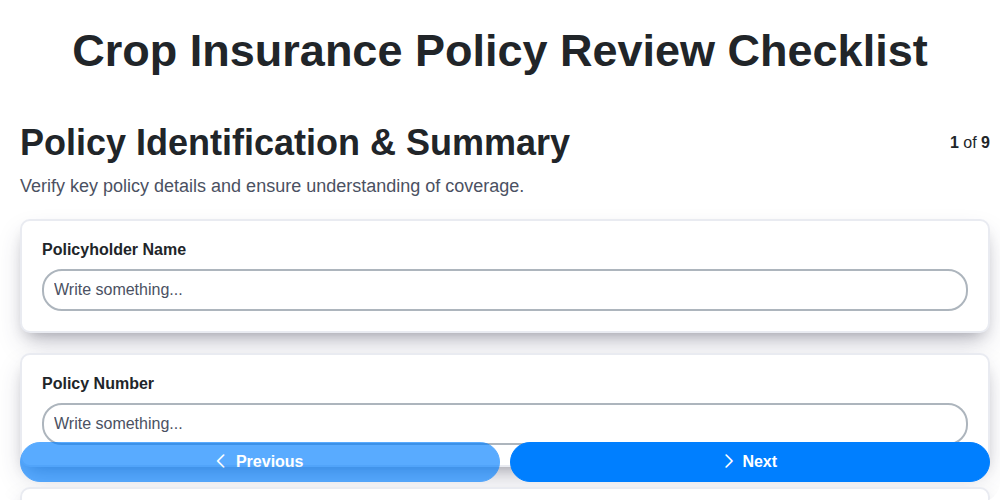
Crop Insurance Policy Review Checklist: A Farmer's Guide
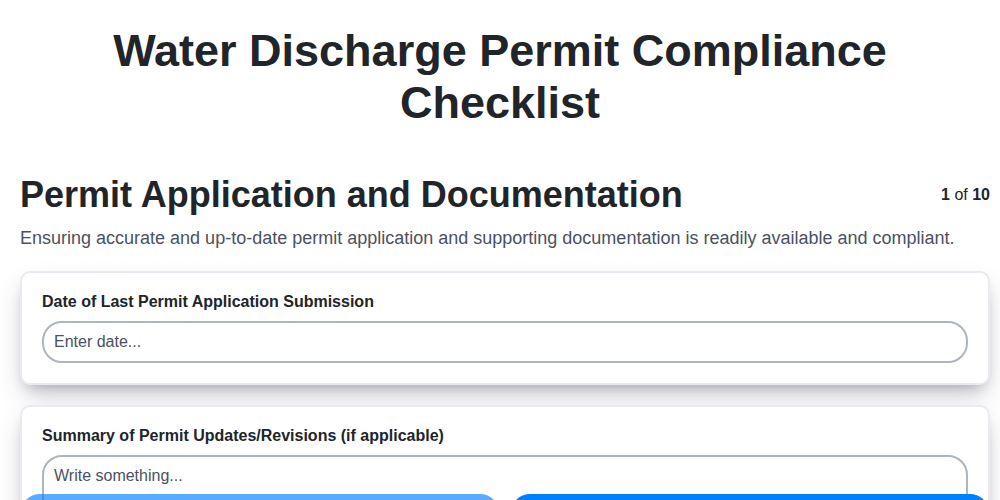
Water Discharge Permit Compliance Checklist Template
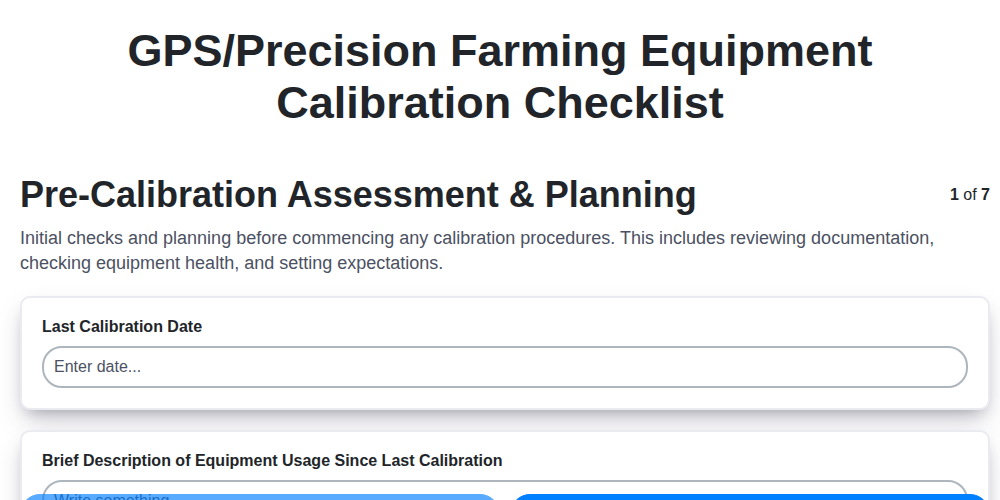
The Ultimate GPS & Precision Farming Calibration Checklist Template
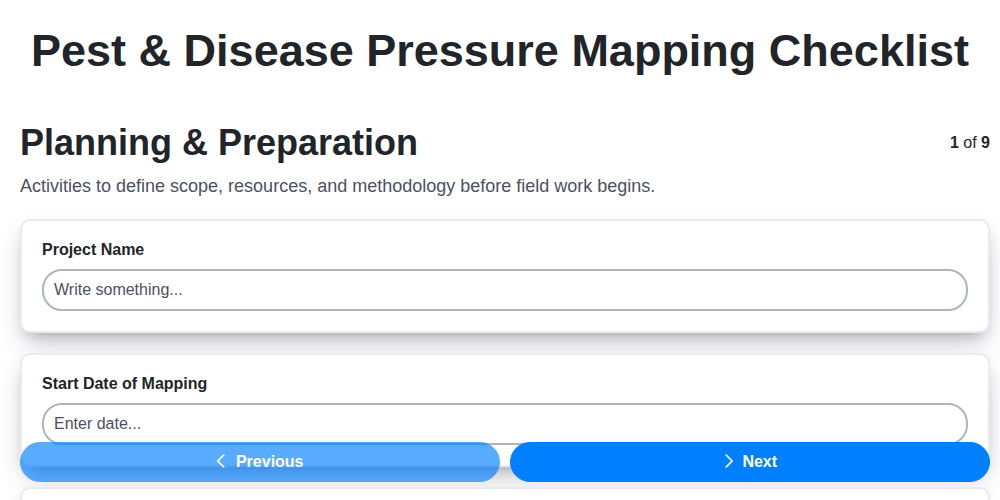
Mapping the Threat: A Checklist for Proactive Pest & Disease Pressure Management
Need help with
Farm Management?
Have a question? We're here to help. Please submit your inquiry, and we'll respond promptly.