Maintaining Accuracy & Safety: Your Medical Equipment Calibration Checklist Guide
Published: 11/28/2025 Updated: 07/02/2026
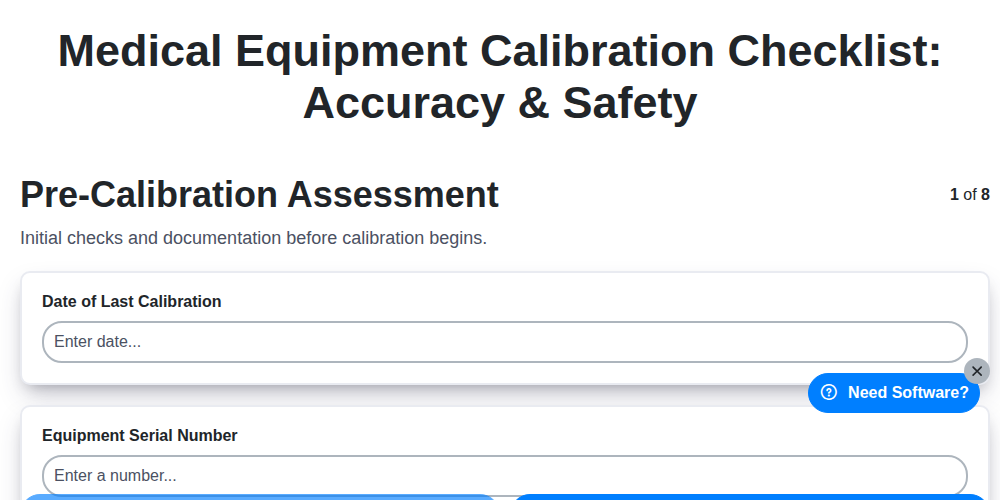
Table of Contents
- Why Medical Equipment Calibration Matters
- 1. Pre-Calibration Assessment: Laying the Foundation
- 2. Calibration Standards & Environment: Setting the Stage for Accuracy
- 3. Calibration Procedure Execution: Following the Protocol
- 4. Data Recording & Analysis: Tracking Your Progress
- 5. Adjustment & Correction: Fine-Tuning for Precision
- 6. Post-Calibration Verification: Ensuring Performance
- 7. Documentation, Tagging, and Scheduling: Completing the Cycle
- Resources & Links
TLDR: Medical equipment needs regular calibration to stay accurate and safe for patients. This checklist guides you through the entire process - from initial assessment to final documentation - ensuring your equipment delivers reliable results and minimizing risk. Think of it as your step-by-step guide to keeping your medical devices working correctly and up to code!
Why Medical Equipment Calibration Matters
In the demanding world of healthcare, accuracy and patient safety are paramount. Medical equipment, from vital signs monitors to diagnostic imaging machines, plays a critical role in diagnosis, treatment, and ongoing patient care. But what happens when that equipment isn't functioning as it should? The consequences can be severe, ranging from inaccurate diagnoses leading to inappropriate treatment to potentially harmful patient outcomes.
Calibration isn't just about ensuring equipment works; it's about guaranteeing it delivers consistent and reliable measurements. Think of a blood pressure monitor consistently reading slightly low - a seemingly minor error can lead to missed diagnoses and delayed interventions. Similarly, miscalibrated imaging equipment can obscure vital details, hindering effective treatment planning.
Beyond patient safety, calibration demonstrates a commitment to regulatory compliance. Accreditation bodies and regulatory agencies mandate regular calibration to ensure quality standards are met. Failing to adhere to these standards can result in costly penalties, legal repercussions, and damage to an organization's reputation. Ultimately, medical equipment calibration is a fundamental pillar of quality healthcare.
1. Pre-Calibration Assessment: Laying the Foundation
Before any adjustments are made, a thorough pre-calibration assessment is crucial. This isn't just a formality; it's the bedrock upon which accurate and reliable calibration rests. Begin by meticulously reviewing the equipment's history - previous calibration records, repair logs, and any reported performance issues. Note the equipment's intended application and the criticality of its measurements.
Visually inspect the device for any physical damage, wear, or signs of malfunction. Check connections, power sources, and any indicators. This initial assessment helps to identify potential problems that could impact the calibration process and provides a baseline for comparison after calibration. Documenting this initial state - including photographic evidence - is highly recommended. Finally, confirm the equipment's suitability for calibration; if significant damage or issues are detected, consider repair or replacement before proceeding.
2. Calibration Standards & Environment: Setting the Stage for Accuracy
Calibration isn't just about following a procedure; it's about creating the right conditions for accuracy. This begins with meticulously selecting and preparing your calibration standards and ensuring a suitable environment.
Calibration Standards: The Gold Standard
Your calibration standards must be traceable to a recognized national or international standard (like NIST in the US, or similar bodies elsewhere). This traceability ensures that your equipment's readings are ultimately linked to a reliable, authoritative source. Verify:
- Traceability Documentation: Confirm the standards' calibration certificates are current and valid, detailing their traceability. Don't proceed with calibration if certificates are expired.
- Accuracy & Uncertainty: The uncertainty of your standards must be significantly better than the accuracy you require from the equipment being calibrated. A higher quality standard allows for more accurate results.
- Condition & Condition: Visually inspect standards for any signs of damage, wear, or deterioration. Check their condition against manufacturer specifications and any internal acceptance criteria.
Environmental Considerations: Minimizing Interference
Environmental factors can drastically impact calibration results. Carefully control these variables:
- Temperature: Maintain a stable temperature within the equipment's specified operating range. Fluctuations can skew readings.
- Humidity: Excessive humidity can affect certain types of equipment. Control humidity levels if necessary.
- Vibration: Minimize vibrations, as they can introduce errors, especially for sensitive instruments.
- Electromagnetic Interference (EMI): Shield equipment from EMI sources that could disrupt readings.
- Cleanliness: Keep the area clean and free from dust and debris, which can interfere with measurements.
By diligently addressing both calibration standards and environmental factors, you lay a solid foundation for accurate and reliable calibration results.
3. Calibration Procedure Execution: Following the Protocol
This is where the rubber meets the road. The "Calibration Procedure Execution" step is the core of the entire process and demands meticulous adherence to the documented calibration procedure. Deviations, even seemingly minor ones, can compromise the accuracy and reliability of your results.
Here's a breakdown of what this crucial phase entails:
- Strictly Follow the Procedure: The documented calibration procedure is your guide. It outlines the specific steps, sequence, and techniques required for each piece of equipment. Don't improvise!
- Operator Skill & Training: Ensure the technician performing the calibration is properly trained and qualified to execute the procedure. Competency is vital for consistent and accurate results. Refresher training should be provided periodically.
- Step-by-Step Execution: Follow each step in the procedure exactly as written. This includes the number of measurements to take, the specific points of measurement, and any particular settings or adjustments required.
- Visual Inspection: Before beginning calibration, perform a visual inspection of the equipment for any obvious damage, wear, or modifications. Document any observations.
- Warm-up Period: Many pieces of medical equipment require a warm-up period to stabilize before calibration. The procedure will specify this timeframe; adhere to it rigorously.
- Environmental Factors: While you've already assessed the environment, continue to be mindful of external factors (temperature, humidity, vibration) during execution, as they can subtly influence readings.
- Consistency is Key: Maintain a consistent approach throughout the calibration process. Use the same measurement techniques and positioning for each measurement.
Proper execution is the foundation of accurate calibration - don't cut corners!
4. Data Recording & Analysis: Tracking Your Progress
Calibration isn't just about performing the process; it's about meticulously documenting and analyzing the results. This section is crucial for identifying trends, proving compliance, and ensuring the long-term reliability of your medical equipment.
Why Detailed Records Matter:
- Demonstrate Compliance: Regulatory bodies like FDA and ISO often require documented calibration records. Comprehensive records are your proof of adherence to these standards.
- Identify Drift & Trends: Regularly reviewing calibration data helps pinpoint equipment that's exhibiting drift - a gradual deviation from its specified performance. Early detection allows for proactive maintenance and prevents inaccurate readings.
- Optimize Maintenance Schedules: Analysis of data can inform adjustments to preventative maintenance schedules. If a piece of equipment consistently requires frequent calibration, it might indicate a need for more in-depth maintenance or replacement.
- Troubleshooting and Root Cause Analysis: Calibration data provides valuable insights if an equipment malfunction occurs. It can help isolate problems and determine the root cause, reducing downtime and repair costs.
What to Record:
Beyond just the final readings, capture these details:
- Date & Time of Calibration: Essential for traceability.
- Equipment Identification: Serial number, model number, location.
- Calibration Technician: Name and credentials.
- Standards Used: Serial numbers and calibration dates of reference standards.
- Ambient Conditions: Temperature, humidity, and other relevant environmental factors.
- As-Found Readings: The readings before any adjustments are made. This provides a baseline for comparison.
- Adjusted Readings: The readings after adjustments.
- Uncertainty of Measurement: Crucially important for evaluating the validity of results.
- Any Observations: Note any unusual behavior or potential issues observed during the process.
Analysis Techniques:
- Control Charts: Useful for visually tracking equipment performance over time.
- Trend Analysis: Identify patterns and predict future calibration needs.
- Statistical Process Control (SPC): More advanced techniques for continuous improvement.
Proper data recording and analysis transforms calibration from a routine task into a powerful tool for quality assurance and patient safety.
5. Adjustment & Correction: Fine-Tuning for Precision
Once the calibration procedure has been executed and data analysis reveals discrepancies, the adjustment and correction phase begins. This isn't just about nudging a dial; it's a crucial step to bring the equipment back within acceptable tolerances. The methods used for adjustment will be highly dependent on the specific equipment and its design. It might involve software adjustments, mechanical tweaking, or even component replacement.
Crucially, any adjustments should be performed by trained and qualified personnel following established procedures. Unauthorized modifications can void warranties, compromise safety, and potentially introduce further inaccuracies. Document every adjustment made, including the method used, the person performing it, and the resulting effect on the equipment's readings. A detailed record of these adjustments is vital for traceability and future troubleshooting. If adjustments are not possible within acceptable limits, the equipment should be taken out of service for repair or replacement - attempting to force corrections can mask underlying problems and create a false sense of security.
6. Post-Calibration Verification: Ensuring Performance
Calibration isn't complete until you're absolutely certain the equipment is performing as it should. Post-calibration verification is the crucial final step, acting as a safeguard against any unforeseen issues that may have arisen during the process. This isn't just a cursory check; it's a deliberate assessment using methods similar to, or even replicating, the initial pre-calibration assessment.
What to Verify:
- Repeat Initial Measurements: Re-run the tests you performed before calibration. This provides a direct comparison, allowing you to confirm the adjustments have brought the equipment within specified tolerances.
- Functional Testing: Beyond accuracy, assess the equipment's overall functionality. Does it operate smoothly and produce consistent results under various operating conditions?
- Response Time: If applicable, measure the equipment's response time to ensure it's within acceptable parameters.
- Output Stability: Verify that the output remains stable over a defined period after calibration. This is particularly important for equipment used for continuous measurements.
Acceptance Criteria:
Clearly define what constitutes a successful post-calibration verification. If results fall outside the established acceptance criteria, the equipment should be flagged for further investigation and corrective action. Don't compromise on safety or accuracy - better to identify and resolve issues now than to risk patient safety or unreliable data. Document any deviations and the actions taken.
7. Documentation, Tagging, and Scheduling: Completing the Cycle
Calibration isn't a one-and-done task; it's a cyclical process. Proper documentation, clear tagging, and a robust maintenance schedule are crucial for ensuring ongoing accuracy and safety of your medical equipment.
Documentation: Every calibration event must be meticulously documented. This includes:
- Calibration Certificates: These are the official records of the calibration process, detailing the "as found" and "as left" readings, the standards used, the environmental conditions, and the technician's signature. Keep these certificates readily accessible.
- Calibration Records: Internal records should complement the certificates. These might include any deviations from the standard procedure, troubleshooting steps taken, and notes on equipment condition.
- Retention Policies: Establish clear retention policies for both certificates and records, complying with regulatory requirements and internal policies.
Equipment Tagging: Visible and consistent tagging is vital for tracking calibration status.
- Calibration Labels: Apply durable labels directly to the equipment, indicating the date of last calibration, the due date for the next calibration, and often a unique identifier for tracking purposes.
- Color-Coding: Implement a color-coding system for tags to quickly identify equipment nearing recalibration. This visual cue helps prevent lapses.
- Digital Tracking: Consider integrating your tagging system with a computerized maintenance management system (CMMS) for real-time tracking and automated reminders.
Maintenance Scheduling: Develop a preventative maintenance schedule based on manufacturer recommendations, regulatory requirements, and your own usage patterns.
- Calibration Intervals: Define clear calibration intervals for each piece of equipment, prioritizing those with the greatest impact on patient safety.
- CMMS Integration: Leverage a CMMS to automate scheduling, generate work orders, and track calibration history. Automated reminders drastically reduce the risk of missed calibrations.
- Regular Review: Regularly review and update your maintenance schedule to account for changes in equipment usage or regulatory requirements.
Resources & Links
- National Institute of Standards and Technology (NIST): NIST provides foundational measurements, standards, and data for various industries, including healthcare. Their website offers information on metrology, measurement science, and standards relevant to medical equipment calibration. Crucial for understanding fundamental principles.
- U.S. Food and Drug Administration (FDA): The FDA regulates medical devices and offers guidance on quality systems. Understanding FDA regulations is vital for calibration programs and ensuring device compliance. Look for sections related to quality system regulation (QSR).
- International Organization for Standardization (ISO): ISO develops and publishes international standards. ISO 10993 (Biological Evaluation of Medical Devices) and related standards are important when considering biological effects potentially linked to device functionality and calibration. ISO/IEC 17025 (General requirements for the competence of testing and calibration laboratories) is directly relevant for accredited calibration providers.
- American Society for Quality (ASQ): ASQ provides resources, training, and certification related to quality management systems. Offers insights into calibration best practices and quality assurance principles.
- European Calibration Co-operation: Provides information and resources for calibration professionals in Europe. Useful for understanding regional calibration standards and practices.
- A2LA (American Association for Laboratory Accreditation): Provides accreditation services for testing and calibration laboratories. Understanding accreditation requirements provides benchmarks for a robust calibration program, even if you don't seek accreditation.
- Centers for Disease Control and Prevention (CDC): While not directly focused on calibration, the CDC provides infection control guidelines that influence device maintenance and cleanliness, indirectly impacting calibration accuracy. Ensure calibration procedures align with infection prevention protocols.
- The Medical Device and Healthcare Association (MDHA): This website may provide information and resources specific to calibration requirements for medical equipment within healthcare facilities. It's a good source for facility-specific protocols.
- EMC Inspection: Provides calibration and inspection services and has a blog with articles relating to medical device calibration and regulatory compliance. Offers practical guidance.
- Precision Calibration Services: This calibration service provider website contains articles related to medical equipment calibration best practices and the importance of proper procedures, valuable for understanding challenges and solutions.
- Baker Hughes: Provides equipment and services for various industries including healthcare. Their site includes information and training materials related to precision measurement and calibration techniques, applicable to medical equipment.
Frequently Asked Questions
What is medical equipment calibration and why is it important?
Medical equipment calibration is the process of comparing a piece of equipment's readings to a known standard to ensure its accuracy. It's vital for patient safety and accurate diagnosis/treatment, as inaccurate readings can lead to incorrect decisions and potential harm. Calibration helps ensure that the equipment consistently performs within acceptable tolerances and meets regulatory requirements.
Who is responsible for medical equipment calibration?
Responsibility for calibration often falls on a combination of parties. This can include biomedical engineers, facilities managers, designated technicians, and even external calibration service providers. The specific roles and responsibilities should be clearly outlined in your organization's calibration program.
What types of medical equipment typically require calibration?
A wide range of medical equipment requires calibration, including but not limited to: blood pressure monitors, electrocardiographs (ECGs), pulse oximeters, infusion pumps, ventilators, thermometers, scales, and patient monitoring systems. The user manual of each device usually specifies the recommended calibration schedule.
How often should medical equipment be calibrated?
Calibration frequency depends on several factors: manufacturer recommendations (most crucial!), equipment usage intensity, environmental conditions, regulatory requirements, and the equipment's risk classification. A typical range is annually, but some devices may need more frequent calibration (e.g., every 6 months) or less frequent.
What's the difference between calibration and preventative maintenance?
Calibration focuses solely on ensuring accuracy. Preventative maintenance encompasses a broader range of tasks including cleaning, inspection, lubrication, and component replacement to keep equipment functioning properly. Preventative maintenance often precedes calibration.
What documentation should be included in a medical equipment calibration program?
Comprehensive documentation is crucial. This includes calibration certificates, records of calibration dates, technician qualifications, equipment identification numbers, calibration standards used, and any corrective actions taken. Traceability to national standards is also important.
What happens if medical equipment fails calibration?
If equipment fails calibration, it should be taken out of service immediately. A documented corrective action plan should be implemented, which may involve repair, adjustment, or replacement. Recalibration should be performed after the corrective action is completed to verify accuracy.
How do I choose a calibration service provider?
Select a provider accredited to recognized standards (e.g., ISO/IEC 17025). Verify their expertise in calibrating the specific types of medical equipment you have. Check references and ensure they understand your organization's regulatory requirements.
Are there regulatory requirements related to medical equipment calibration?
Yes, various regulatory bodies (e.g., The Joint Commission, FDA, state health departments) have requirements for medical equipment calibration. Compliance is essential for accreditation and patient safety. Check your applicable regulations.
Where can I find manufacturer's recommended calibration procedures?
Refer to the equipment's user manual or contact the manufacturer directly. Many manufacturers also provide calibration procedures online or upon request.
Comments
There are no comments yet. Be the first to add one!
Healthcare Management Solution Demo
Streamlining healthcare operations and improving patient care? ChecklistGuro's Work OS platform simplifies everything from patient scheduling and billing to compliance and staff management. Enhance efficiency, reduce administrative burden, and focus on what matters most: your patients. Learn how ChecklistGuro can transform your healthcare organization!
Related Articles
The Ultimate Healthcare Patient Satisfaction Survey Checklist Template
Mastering Healthcare Inventory: Your Par Level Checklist Template
Mastering Hand Hygiene: Your Compliance Checklist Template
Protecting Patients: Your Fire Safety Checklist for Patient Areas
Your Ultimate Healthcare Construction Checklist Template
Mastering Hand Hygiene: Your Compliance Checklist Template
Your Radiology Equipment Maintenance Checklist Template

Your Ultimate Guide to Healthcare Waste Management: A Checklist Template
Need help with
Healthcare?
Have a question? We're here to help. Please submit your inquiry, and we'll respond promptly.