Maximizing Uptime: Your Mining Equipment Maintenance Checklist Template
Published: 11/25/2025 Updated: 07/02/2026
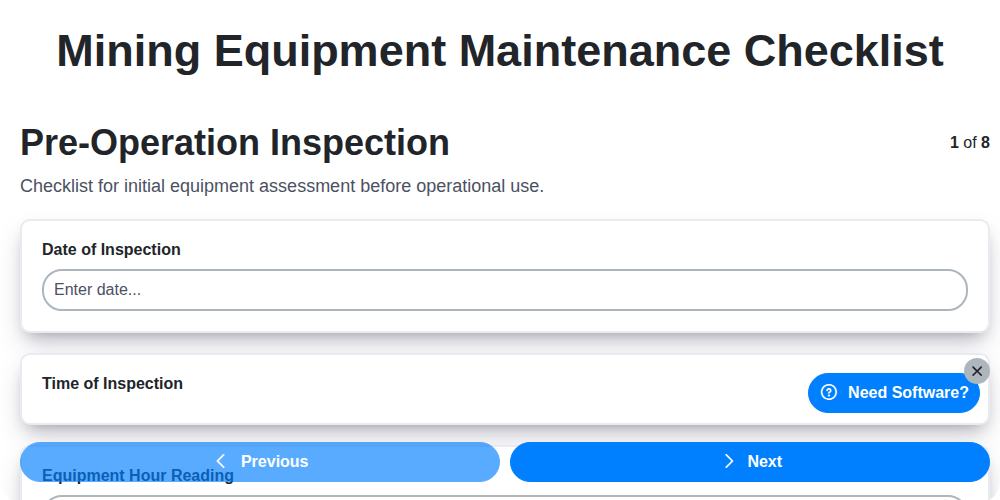
Table of Contents
- Introduction: Why a Mining Equipment Maintenance Checklist is Crucial
- 1. Pre-Operation Inspection: Starting Right
- 2. Fluid Level Checks: The Lifeblood of Your Equipment
- 3. Visual Inspection: Catching Problems Before They Grow
- 4. Safety System Checks: Prioritizing Operator and Site Safety
- 5. Component Functionality Testing: Ensuring Peak Performance
- 6. Lubrication Procedures: Reducing Friction, Extending Lifespan
- 7. Post-Maintenance Verification: Confirming Repairs and Adjustments
- 8. Documentation & Record Keeping: Tracking Maintenance History
- Resources & Links
TLDR: Keep your mining equipment running smoothly and avoid costly downtime with this comprehensive maintenance checklist template! It guides you through pre-operation checks, fluid levels, safety systems, component testing, lubrication, and post-maintenance verification - all essential for maximizing uptime and ensuring safety on the mine site. Download the template and start streamlining your maintenance procedures today!
Introduction: Why a Mining Equipment Maintenance Checklist is Crucial
Mining operations face relentless demands, and the equipment that powers them endures extreme conditions. Downtime in a mine isn't just inconvenient; it's costly, impacting production targets, safety, and overall profitability. A comprehensive mining equipment maintenance checklist isn't just a good idea - it's a vital necessity. It's the cornerstone of a proactive maintenance program, shifting the focus from reactive repairs (fixing things after they break) to preventative action. This approach minimizes unexpected breakdowns, extends equipment lifespan, optimizes performance, and, crucially, protects the safety of your workforce. Ignoring regular, systematic maintenance can lead to catastrophic failures, increased repair costs, and potential environmental hazards. This article will outline the essential steps within a robust checklist, ensuring your mining equipment operates reliably and safely.
1. Pre-Operation Inspection: Starting Right
Before a single scoop of ore is moved, a thorough pre-operation inspection is absolutely critical. This isn't just about ticking a box; it's about preventing breakdowns, ensuring operator safety, and maximizing equipment lifespan. Start with a walk-around, observing for any obvious signs of damage - cracks, leaks, loose parts, or anything out of the ordinary. Check tire condition (pressure and tread depth for mobile equipment) and the integrity of any hoses or cables. Listen for unusual noises during the initial start-up; a rattle or squeal now could indicate a more serious problem later. Finally, verify the functionality of basic controls - steering, brakes, and throttle - before commencing operations. This initial assessment is the foundation for a productive and safe shift.
2. Fluid Level Checks: The Lifeblood of Your Equipment
Fluids are the lifeblood of your mining equipment. They facilitate critical processes like lubrication, cooling, and hydraulic power. Neglecting fluid level checks is a surefire path to premature wear, costly repairs, and unexpected downtime. This section outlines the essential fluid checks you should perform regularly.
What to Check:
- Engine Oil: Crucial for engine lubrication and preventing overheating. Low oil levels drastically reduce engine lifespan. Check the dipstick according to the manufacturer's instructions - hot and cold readings may be specified.
- Hydraulic Oil: Powers many mining equipment functions like digging, lifting, and conveying. Low levels indicate leaks that need immediate attention.
- Coolant: Prevents overheating. Check the coolant reservoir level and inspect for signs of leaks or contamination.
- Transmission Fluid: Lubricates the transmission and ensures smooth gear changes.
- Fuel: While seemingly obvious, a quick visual check for leaks and ensuring the tank isn't compromised is essential.
- Brake Fluid: Essential for safe operation. Low levels can compromise braking performance.
Important Considerations:
- Always refer to the manufacturer's recommendations for specific fluid types and check intervals.
- Observe the color and condition of the fluids. Discolored or contaminated fluids require immediate attention.
- Investigate any drops in fluid levels promptly. Leaks must be addressed to prevent further damage.
3. Visual Inspection: Catching Problems Before They Grow
A thorough visual inspection is your first line of defense against unexpected breakdowns. Don't rush this step! Start by examining the entire machine - tires, tracks, hoses, belts, and the overall frame. Look for signs of wear and tear: cracks, leaks, corrosion, fraying, or anything that appears out of the ordinary.
Pay close attention to:
- Hoses & Belts: Look for cracks, fraying, or excessive wear. Replace immediately if found.
- Hydraulic Lines: Check for leaks, kinks, or damage. Even a small leak can lead to significant performance issues.
- Tires/Tracks: Inspect for cuts, gouges, or uneven wear. Uneven wear can indicate alignment problems.
- Structural Components: Look for cracks, bends, or signs of stress in the frame, boom, and other critical structural parts.
- Undercarriage (for tracked equipment): Examine the condition of the track pads, rollers, and idlers. Excessive wear here is a common and costly problem.
Document any findings - even seemingly minor ones - as they could be indicators of larger issues developing. Remember, catching a small problem now can prevent a major, expensive repair later.
4. Safety System Checks: Prioritizing Operator and Site Safety
Safety is paramount when operating heavy mining equipment. These checks aren't just about preventing breakdowns; they's about protecting operators and ensuring site safety. This section focuses on verifying the functionality of critical safety systems.
Begin with a thorough inspection of the ROPS (Roll-Over Protective Structure) and/or FOPS (Falling Object Protective Structure). Ensure they are securely fastened, free from damage, and in good working order. Next, test all emergency stop buttons and devices. Each should activate immediately and reliably halt the machine's operation.
Don't overlook fire suppression systems. Check the extinguishers are properly charged, accessible, and that automatic systems (if equipped) are functioning correctly. Verify the condition of backup alarms and warning lights. Ensure they are audible and visible under various operating conditions. Finally, inspect any proximity warning systems, cameras, or sensors for proper function and clear visibility. Document any issues found and ensure prompt repairs are made. A compromised safety system is a significant risk; don't operate equipment until these checks pass.
5. Component Functionality Testing: Ensuring Peak Performance
Beyond visual checks and lubrication, rigorously testing the functionality of individual components is crucial for preventing breakdowns and maximizing the lifespan of your mining equipment. This step moves beyond observation and actively assesses how each part performs under simulated operational conditions.
This testing should be tailored to the specific equipment and its function. For example:
- Hydraulic Systems: Pressure testing, flow rate verification, and cylinder extension/retraction checks. Look for leaks, unusual noises, and ensure responsiveness.
- Electric Motors: Verify speed, torque, and direction of rotation. Check for overheating and unusual vibrations. Load testing can provide a more realistic assessment.
- Conveyor Belts: Inspect drive systems, belt tension, and tracking mechanisms. Run short cycles to assess belt alignment and identify any signs of slippage.
- Crushers/Grinders: Run brief cycles with minimal material to check for proper crushing/grinding action, unusual noises, and consistent output.
- Screens: Test vibration intensity and screen movement. Verify that screening media is intact and functioning correctly.
Document all results, noting any deviations from expected performance. This information is invaluable for identifying early signs of wear or impending failure, allowing for proactive maintenance and minimizing downtime. A consistent, documented testing process provides a baseline for comparison and allows you to track component health over time.
6. Lubrication Procedures: Reducing Friction, Extending Lifespan
Proper lubrication is the lifeblood of any mining equipment. Without it, friction increases dramatically, leading to accelerated wear, overheating, and ultimately, costly breakdowns. A robust lubrication schedule isn't just about greasing points; it's a carefully planned process designed to maximize equipment lifespan and minimize downtime.
This section of the maintenance checklist focuses on meticulous lubrication practices. It's crucial to refer to the manufacturer's recommendations for specific lubrication types and intervals. Common tasks include:
- Greasing Bearings: Regularly grease bearings on conveyors, crushers, screens, and other rotating equipment. This prevents metal-to-metal contact and ensures smooth operation.
- Oiling Hydraulic Systems: Maintaining proper oil levels and condition in hydraulic systems is vital for efficient power transmission and responsiveness.
- Lubricating Chains and Sprockets: Chains and sprockets are prone to wear and tear. Consistent lubrication minimizes friction and prevents seizing.
- Applying Protective Coatings: Where applicable, apply protective coatings to prevent corrosion and further reduce friction.
Important Considerations:
- Use the Correct Lubricant: Using the wrong lubricant can be worse than no lubrication at all. Always consult the equipment manual.
- Clean Application Points: Ensure application points are clean before greasing to avoid contamination and ensure proper lubricant distribution.
- Monitor Lubricant Condition: Regularly inspect lubricant for signs of contamination or degradation. This can indicate underlying problems that need addressing.
By diligently following lubrication procedures, you can significantly reduce friction, extend equipment lifespan, and improve overall operational efficiency.
7. Post-Maintenance Verification: Confirming Repairs and Adjustments
Post-maintenance verification isn't just a formality; it's a crucial step to guarantee the repairs and adjustments made have restored the equipment to optimal working order and haven't introduced any new issues. This stage involves a comprehensive check, often mirroring elements of the pre-operation inspection, but with a focus on the specific work that was completed.
Start by running the equipment under controlled conditions, observing its performance. Listen for unusual noises, check for any vibrations, and monitor gauge readings. If the maintenance addressed a specific problem (e.g., a faulty conveyor belt), pay close attention to that area to confirm the issue is resolved.
Employ diagnostic tools as needed to check for error codes or performance anomalies. For hydraulic systems, verify proper pressure and flow. For electrical components, test voltage and amperage. Ensure any replaced parts are operating within manufacturer specifications.
Finally, conduct a short, supervised operation - perhaps a brief haul or cycle - to simulate real-world conditions. Document any observations, even if seemingly minor. This verification step provides valuable insight into the effectiveness of the maintenance and identifies any potential issues before they escalate into larger problems.
8. Documentation & Record Keeping: Tracking Maintenance History
Consistent and thorough documentation is the backbone of any successful preventative maintenance program, and mining equipment is no exception. It's not enough to do the maintenance; you need a clear, accessible record of what was done, when, and by whom.
Here's why meticulous record-keeping is crucial:
- Trend Analysis: Tracking maintenance history allows you to identify recurring issues and predict failures before they occur. Analyzing trends in repairs can highlight design flaws, environmental factors, or operator errors needing attention.
- Warranty Compliance: Many equipment warranties require detailed maintenance records. Accurate documentation ensures you can easily demonstrate compliance if warranty claims arise.
- Performance Evaluation: Maintenance data provides valuable insights into equipment performance, enabling you to optimize schedules and potentially extend machine lifespan.
- Knowledge Transfer: Detailed records serve as a valuable resource for new maintenance personnel, providing a historical context and best practices for specific equipment.
- Regulatory Compliance: Mining operations are subject to strict regulations. Proper documentation helps ensure adherence to safety and environmental standards.
What to Document:
- Date of each maintenance activity
- Equipment ID and serial number
- Specific tasks performed (referencing the checklist)
- Parts replaced and quantities used (include part numbers)
- Maintenance personnel responsible
- Any unusual observations or issues encountered
- Measurements taken (e.g., pressure readings, vibration levels)
- Next scheduled maintenance date
Methods for Documentation:
Consider using a combination of paper logs, digital spreadsheets, or a dedicated Computerized Maintenance Management System (CMMS). A CMMS offers advanced features like automated scheduling, asset tracking, and reporting capabilities. Regardless of the method, ensure records are easily accessible, securely stored, and regularly reviewed.
Resources & Links
- Occupational Safety and Health Administration (OSHA): A primary resource for safety regulations and guidelines applicable to mining operations. Crucial for ensuring operator and site safety, aligning with header 4.
- Mine Safety and Health Administration (MSHA): The federal agency responsible for mine safety and health. Provides standards, training, and publications directly relevant to mining equipment maintenance and safety checks, particularly important for header 4 and overall compliance.
- Sperry Denison: Specializes in condition monitoring and reliability solutions for rotating equipment, essential for header 5 (Component Functionality Testing) and preventative maintenance. Offers insights into vibration analysis and other diagnostic techniques.
- Mobil Industrial Lubricants: Provides comprehensive information on industrial lubricants, including selection guides and application recommendations. Relevant for header 6 (Lubrication Procedures) - understanding the right lubricants for different equipment is vital.
- Shell Lubricants: Similar to Mobil, Shell offers a wide range of industrial lubricants and resources for optimal equipment performance and lifespan. Useful for header 6.
- FIA Industrial: Offers a variety of industrial filters and filtration solutions. Proper filtration is crucial for fluid level check and overall equipment health (relevant to header 2 & 3).
- Bosch Rexroth: A major supplier of hydraulic components and systems for mining equipment. Offers technical information and troubleshooting guides related to hydraulic systems and safety systems (header 4 & 5).
- Caterpillar: A leading manufacturer of mining equipment. Their website contains manuals, parts catalogs, and service information relevant to many aspects of maintenance outlined in the checklist (all headers).
- Komatsu: Another major mining equipment manufacturer with extensive service and maintenance resources. Like Caterpillar, their site provides crucial information for equipment-specific maintenance (all headers).
- Noria Corporation: Offers a vast library of resources on lubrication and reliability best practices, including guides and training materials to enhance maintenance procedures. Highly relevant to header 6.
- Maintenance World: A platform dedicated to maintenance professionals. Provides articles, webinars, and forums related to equipment maintenance, reliability, and best practices. Valuable for broader context and advanced techniques (all headers).
- Reliable Plant: Provides content and resources focused on asset reliability and maintenance excellence. Offers insights into developing and implementing effective maintenance programs (especially for documentation and record keeping - header 8).
Frequently Asked Questions
What is this maintenance checklist template for?
This checklist template is designed to help you proactively maintain your mining equipment, minimize downtime, and extend its lifespan. It's applicable to a wide range of mining machinery, from excavators and loaders to drills and haul trucks.
Who is this checklist template for?
This template is for mining operations of all sizes, maintenance teams, equipment managers, and anyone responsible for ensuring the reliable operation of mining equipment.
What types of equipment can I use this checklist for?
The checklist is adaptable and can be used for almost any mining equipment. We've included examples, but you'll need to tailor it to your specific machinery and operational environment. Common examples include excavators, loaders, dump trucks, drills, crushers, and conveyors.
How do I customize the checklist template?
The template is built in a spreadsheet format (like Excel or Google Sheets). You can easily add, remove, or modify tasks, adjust frequencies, and add specific notes related to your equipment models and maintenance procedures. Look for sections marked 'Customize' or 'Add/Modify' within the template.
What's the difference between 'Routine,' 'Preventative,' and 'Corrective' maintenance?
* **Routine Maintenance:** Basic checks performed frequently (daily/weekly) like fluid level checks and visual inspections. * **Preventative Maintenance:** Scheduled maintenance tasks to prevent breakdowns (e.g., oil changes, filter replacements). * **Corrective Maintenance:** Repairs performed after a failure has occurred. This checklist focuses on Routine and Preventative maintenance to reduce the need for Corrective Maintenance.
How often should I perform the maintenance tasks?
The template provides suggested frequencies (daily, weekly, monthly, quarterly, annually). However, these are just guidelines. You *must* adjust them based on manufacturer recommendations, equipment usage, and operational conditions. Keep detailed records to optimize the schedule.
What should I do if I find a potential problem during a maintenance check?
Immediately document the issue, report it to the appropriate personnel (e.g., supervisor, mechanic), and initiate the necessary repairs. Don't ignore warning signs - early intervention can prevent major breakdowns.
Can I share this checklist with my team?
Yes, absolutely! The checklist is designed to be a collaborative tool. Share it with your maintenance team, operators, and anyone involved in equipment upkeep.
What is the importance of record keeping with this checklist?
Detailed record-keeping is critical. It allows you to track maintenance history, identify trends in equipment performance, optimize maintenance schedules, and justify maintenance investments. The checklist includes sections for logging dates, findings, and actions taken.
Comments
There are no comments yet. Be the first to add one!
Support Management Solution Demo
Struggling to keep up with support requests? ChecklistGuro provides a centralized system for managing tickets, tracking progress, & ensuring customer satisfaction. Improve efficiency & reduce resolution times.
Related Articles
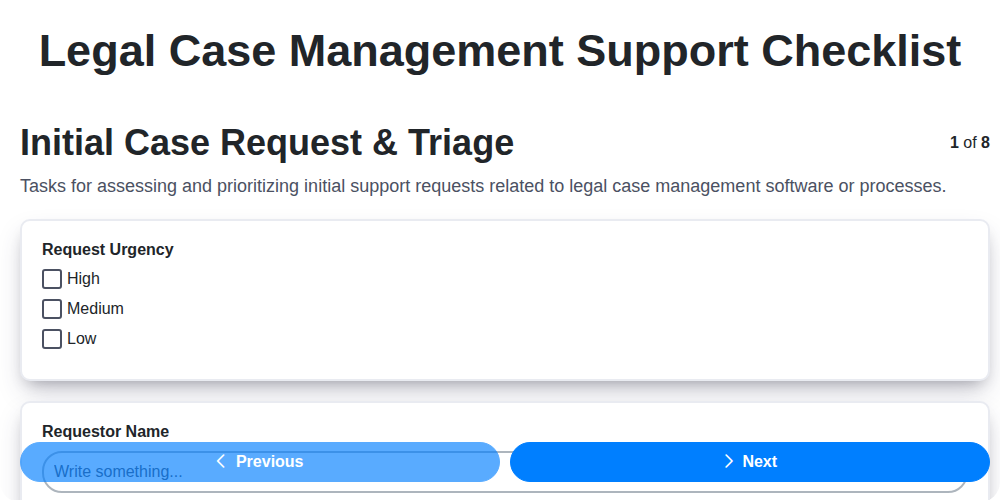
Legal Case Management Support Checklist: Your Guide to Seamless Implementation
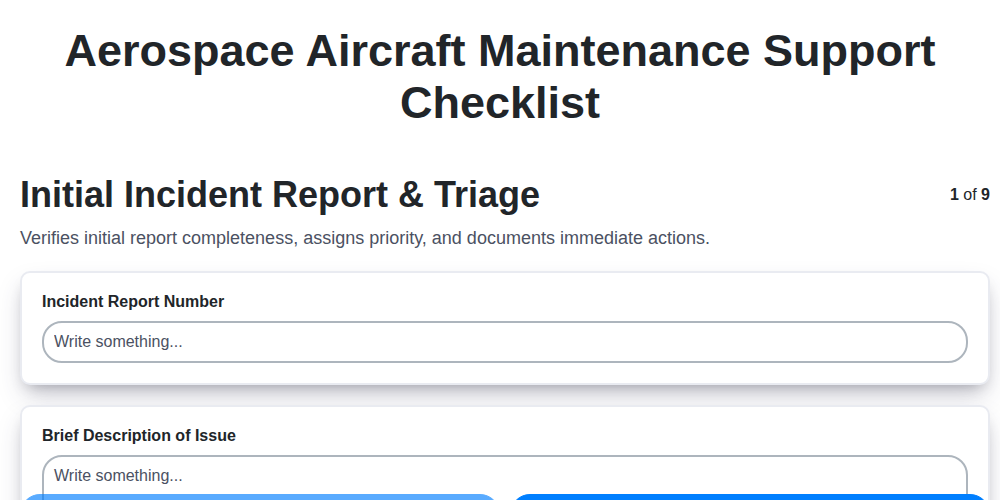
Mastering Aircraft Maintenance: Your Aerospace Support Checklist Template
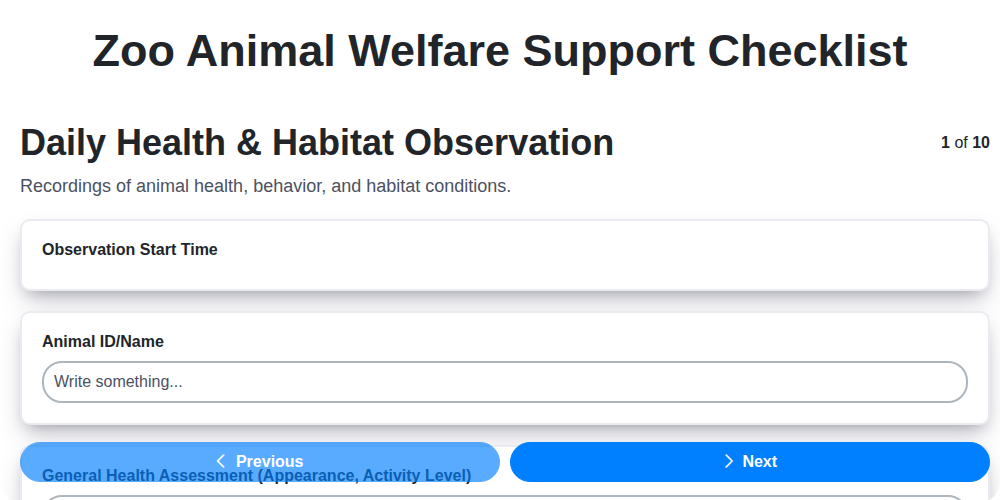
Ensuring Excellence: Your Zoo Animal Welfare Support Checklist Guide
Keeping Your Fish Farm Running Smoothly: The Aquaculture Support Checklist

Mastering Citizen Service: Your Government Helpdesk Checklist Template
Streamlining Support: The Financial Services Help Desk Escalation Checklist You Need
Navigating Shipping & Fulfillment Mishaps: Your Resolution Checklist
Mastering Guest Service Recovery: Your Hospitality Issue Checklist Template
Need help with
Support Management?
Have a question? We're here to help. Please submit your inquiry, and we'll respond promptly.