Orchard Irrigation & Maintenance: Your Essential Checklist for a Thriving Harvest
Published: 11/22/2025 Updated: 12/14/2025
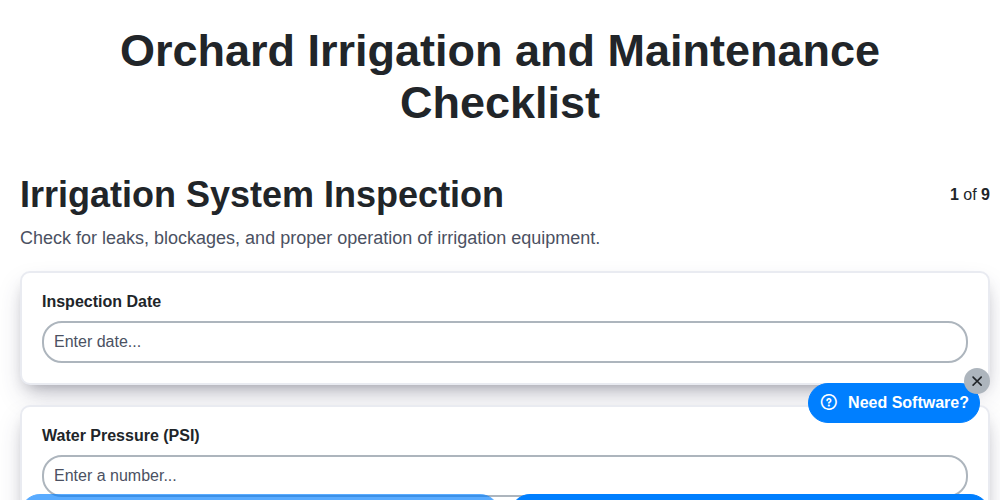
Table of Contents
TLDR: Keep your orchard thriving! This checklist guides you through vital irrigation & maintenance tasks - from inspecting sprinkler heads and pumps to monitoring water quality and tree health. It's your roadmap to efficient water use, preventing problems, and maximizing your harvest.
Why Orchard Irrigation Maintenance Matters
Maintaining your orchard's irrigation system isn't just about keeping your trees watered; it's about ensuring the long-term health, productivity, and profitability of your entire operation. Neglecting irrigation maintenance can lead to a cascade of problems. Inconsistent watering stresses trees, making them more susceptible to pests and diseases. Reduced water pressure can lead to uneven coverage, impacting fruit quality and yield. Malfunctioning components waste valuable water and increase energy costs. Proactive irrigation maintenance, as outlined in a comprehensive checklist, identifies and addresses these issues before they escalate into costly repairs or significant crop losses. It's an investment that protects your orchard's future and maximizes your return.
1. Irrigation System Inspection: A Thorough Overview
A comprehensive irrigation system inspection is the cornerstone of a healthy orchard. It's more than just a quick walk-through; it's a detailed assessment to identify potential problems before they impact your tree health and yield. This initial inspection should be conducted at the beginning of each growing season and periodically throughout, ideally monthly.
Here's what to look for:
- Visual Assessment: Begin with a general visual scan of the entire system. Look for obvious signs of damage - broken pipes, cracked sprinkler heads, leaks, or areas of uneven watering.
- Controller Check: Verify the controller is functioning correctly. Ensure it's programmed with the correct schedules, zones are operating, and any error messages are investigated and resolved. Check the wiring and connections for corrosion or damage.
- Zone Functionality: Test each zone individually, noting the duration of watering and the pressure at the zone valve. Listen for unusual noises in valves that could indicate malfunction.
- Leak Detection: Be vigilant for leaks. Look for wet spots in the orchard, especially near valves and pipes. Even small leaks can significantly impact water usage and efficiency. Consider using dye tests (following manufacturer instructions carefully) for pinpointing hidden leaks.
- Water Pressure: Check the overall water pressure and compare it to the system's design specifications. Low pressure can indicate issues with the well, pump, or mainline. High pressure can damage components.
2. Pump House & Well Maintenance: The Heart of Your System
The pump house and well are the vital organs of your orchard irrigation system. Neglecting them can lead to reduced water pressure, increased energy costs, and even system failure. Here's what you need to do to keep them running smoothly:
Regular Inspections:
- Visual Check: Regularly inspect the pump house for leaks, cracks, or signs of deterioration. Look for evidence of pests or animals.
- Pump Performance: Monitor pump performance. Listen for unusual noises (grinding, squealing) which could indicate bearing issues or impeller problems. Note the amperage draw - significant changes can signal a problem.
- Well Water Level: Periodically check the well water level. A declining water level could indicate overuse, leaks in the well casing, or a problem with the aquifer. Consider using a submersible well level monitor for automated readings.
- Electrical Connections: Inspect all electrical connections to the pump. Ensure they are secure, free from corrosion, and properly insulated. Consult a qualified electrician for any electrical work.
- Pump Alignment: Vibration can damage the pump over time. Regularly check pump alignment with the motor.
- Backflow Prevention: Ensure backflow preventers are functioning correctly to protect the water source from contamination. Test them according to local regulations.
Maintenance Tasks:
- Cleanliness: Keep the pump house clean and free of debris. This prevents pests, improves ventilation, and makes visual inspections easier.
- Ventilation: Ensure adequate ventilation to prevent moisture buildup and potential corrosion.
- Lubrication: Lubricate pump bearings according to manufacturer's recommendations.
- Professional Service: Schedule regular professional service for the pump, ideally every 3-5 years, to ensure optimal performance and longevity.
3. Filter Maintenance: Ensuring Clean Water Flow
Clean water is the lifeblood of a healthy orchard, and your irrigation filters are the gatekeepers. Regular filter maintenance is absolutely critical to prevent clogging, reduce pressure drops, and ultimately, ensure your trees receive the water they need. Over time, filters accumulate debris - sediment, algae, mineral deposits - that restricts water flow and can even damage your pump.
Here's what you need to do:
- Regular Cleaning: This is the most important step. The frequency depends on your water source, but a good starting point is to clean your filters every 50-100 hours of operation. Sediment filters require more frequent cleaning than disc or screen filters.
- Identify Your Filter Type: Different filters require different cleaning methods. Screen filters are often backflushed, while disc filters might need individual disc removal and scrubbing. Consult your filter manufacturer's instructions.
- Backflushing: If you have a backflushable filter, follow the manufacturer's instructions for the procedure. Backflushing reverses the water flow to dislodge debris.
- Manual Cleaning: For filters that require manual cleaning, carefully remove the filter elements (following manufacturer's guidelines). Rinse them thoroughly with clean water, using a brush if necessary to remove stubborn deposits.
- Inspect for Damage: While cleaning, examine filter screens or discs for tears, cracks, or other damage. Replace any damaged components immediately.
- Record Cleaning Dates: Keep a record of when you clean your filters. This helps you establish a pattern and adjust cleaning frequency based on performance.
- Consider a Pre-Filter: If your water source is particularly dirty, installing a pre-filter (a coarser filter upstream of your main filter) can significantly extend the lifespan of your primary filter and reduce maintenance.
4. Sprinkler Head Assessment: Maximizing Water Distribution
Sprinkler heads are the visible face of your irrigation system, and their performance directly impacts the health and yield of your orchard. Regular assessment is crucial to ensure even water distribution and prevent water waste. Here's what to look for:
1. Uniformity Checks: Walk the orchard after a typical irrigation cycle. Observe how water is distributed. Are there dry spots? Are some areas excessively wet? This simple observation can reveal significant issues.
2. Head Type and Suitability: Ensure the sprinkler head type is appropriate for the tree size, canopy density, and terrain. Pop-up heads work well for larger trees with dense canopies, while fixed spray heads might be more suitable for smaller trees or areas with lower pressure.
3. Nozzle Condition: Examine each nozzle for clogging, wear, or damage. Clogged nozzles create uneven watering patterns. Look for signs of mineral buildup or debris. Replace damaged or worn nozzles immediately. A simple cleaning with a needle can sometimes restore function, but replacement is often the best solution.
4. Head Height & Alignment: Ensure sprinkler heads are at the correct height and properly aligned. Too low, and they'll create puddling; too high, and water will be lost to evaporation. Misaligned heads will create uneven coverage. Gently adjust as needed.
5. Spray Pattern Evaluation: Visually inspect the spray pattern of each head. It should be a full, even circle (or appropriate shape for the head type). A distorted spray pattern indicates a problem, which could be due to internal damage or pressure issues.
6. Regular Rotation: Consider rotating sprinkler heads periodically (if applicable) to prevent uneven wear and tear, extending their lifespan and ensuring consistent performance.
By dedicating time to sprinkler head assessment, you're investing in the long-term health and productivity of your orchard.
5. Pipeline & Fittings Inspection: Preventing Leaks and Damage
Your orchard's irrigation pipeline is the circulatory system, delivering life-giving water to your trees. Neglecting its health can lead to water waste, uneven irrigation, and ultimately, reduced yields. Regular inspection is crucial to identify and address potential issues before they become major problems.
Here's what to look for:
- Visual Inspection: Walk the entire pipeline route, looking for visible cracks, breaks, or signs of corrosion on pipes. Pay close attention to areas where pipes are exposed to the elements or have undergone stress (like sharp bends or areas near heavy equipment).
- Joints & Connections: These are common failure points. Examine all joints, couplings, and fittings for leaks, corrosion, or looseness. Tighten any loose connections and replace damaged fittings immediately.
- Buried Lines: Even though you can't see them, buried lines aren't immune to damage. Look for signs of ground settling or disturbances that could indicate a broken pipe below. Consider pressure testing sections of buried lines periodically.
- Valve Operation: Ensure all valves are operating smoothly and sealing properly. Check for drips or leaks around valve stems.
- Pressure Testing: Conduct periodic pressure tests on sections of the pipeline, particularly those identified as high-risk. This involves isolating a segment of the pipeline and pressurizing it to check for leaks.
- Rodent & Wildlife Damage: Rodents and other wildlife can chew through pipelines. Use protective measures like conduit or rodent guards where necessary.
Addressing pipeline and fitting issues promptly will save you water, labor, and prevent costly repairs later on.
6. Water Source Monitoring: Quality and Quantity Checks
Your orchard's water source is the lifeline of your trees. Regular monitoring of both the quality and quantity of water is crucial for optimal growth and yield. Neglecting this can lead to nutrient deficiencies, disease susceptibility, and ultimately, crop failure.
Quantity Checks:
- Flow Rate Measurement: Regularly measure the flow rate of your well or surface water source. Changes in flow rate can indicate issues with the well pump, aquifer levels, or surface water availability. Record these measurements at consistent intervals (weekly or bi-weekly) and compare them to historical data.
- Water Level Monitoring (Wells): For wells, monitor the water level. A consistent drop in water level over time might necessitate well deepening or reduced irrigation demands. Utilize a well measurement device, and note any unusual fluctuations.
- Surface Water Assessment: If using surface water, observe the volume and consistency of the source. Droughts or increased usage by others can significantly impact supply.
Quality Checks:
- Visual Inspection: Regularly observe the water for color, clarity, and any unusual floating debris. Cloudy or discolored water can indicate sediment or algae growth.
- pH Testing: Test the water's pH level. Ideal pH for most fruit trees typically falls between 6.0 and 7.0. Adjust if necessary, as incorrect pH can hinder nutrient absorption.
- Salinity Testing (EC): Electrical Conductivity (EC) is a measure of salinity. High salinity can cause leaf burn and stunted growth. Regular testing is vital, especially in areas with high soil salinity.
- Periodic Lab Testing: Consider sending water samples to a certified laboratory for a comprehensive analysis including mineral content, bacterial presence, and potential contaminants, particularly if you suspect an issue or are drawing from a new source.
7. Fertigation System Check: Optimizing Nutrient Delivery
Fertigation, the process of applying fertilizers through your irrigation system, is a highly efficient way to deliver nutrients directly to your orchard's root zone. However, a poorly maintained fertigation system can lead to uneven nutrient distribution, wasted fertilizer, and potential environmental concerns.
Here's what to check:
- Injector/Venturi Performance: Regularly inspect your fertilizer injectors or venturi systems. Check for clogs, leaks, and ensure they are accurately dispensing the programmed fertilizer concentration. Calibrate them periodically, especially at the beginning and end of the season, to guarantee accurate application rates.
- Check Valves & Backflow Prevention: Verify the proper functioning of check valves to prevent backflow into your fertilizer storage tanks and the water supply. Faulty valves can contaminate your water and impact fertilizer efficacy.
- Tank Mixing & Agitation: Confirm your fertilizer tanks are adequately mixing and agitated. Settling fertilizer can lead to inconsistent applications. Ensure the mixing system is working correctly and that you are using compatible tank materials.
- Filter Integrity (Again!): Fertigation adds an extra layer of debris to your system. Check the filters specifically for fertigation - they often clog faster than standard irrigation filters.
- Emitter Compatibility: Confirm the fertilizer you're using is compatible with your irrigation emitters. Some fertilizers can corrode or clog certain emitter types.
- Visual Inspection of Lines: Check fertigation lines for leaks or signs of corrosion that might be exacerbated by fertilizer exposure.
Proper fertigation system maintenance ensures your trees receive the right nutrients, maximizing yields and minimizing waste.
8. Tree Health & Water Stress Observation: Identifying Issues Early
Beyond the mechanical checks, your orchard's health is paramount. Regularly observing your trees is crucial for identifying water-related stress before it becomes a widespread problem and significantly impacts yield.
What to Look For:
- Leaf Color & Wilting: Look for early signs of yellowing (chlorosis), browning leaf edges, or wilting, especially during hot or dry periods. While some wilting is normal during the hottest part of the day, persistent wilting, even in the morning, is a red flag.
- Leaf Drop: Premature leaf drop can indicate water stress.
- Shoot Growth: Reduced or stunted shoot growth is another sign. Measure and record shoot length periodically - a decline compared to previous years signals a problem.
- Fruit Development: Watch for smaller-than-normal fruit size or uneven ripening, which can both be linked to water deficiencies.
- Overall Tree Vigor: Assess the general appearance of the trees. Are they robust and healthy, or do they appear weak and struggling?
Techniques for Observation:
- Regular Walks: Conduct regular walks through your orchard, taking note of individual tree appearance.
- Targeted Inspection: If you suspect a problem in a specific area, focus your inspection on those trees.
- Soil Moisture Checks: While not a visual check, occasionally use a soil moisture meter or perform a simple "squeeze test" (squeeze a handful of soil to assess moisture) to confirm your observations.
- Consult with Experts: Don't hesitate to consult with a certified arborist or agricultural specialist if you have concerns.
Early detection and corrective action - whether it's adjusting irrigation schedules, diagnosing pipe leaks, or addressing tree diseases - can prevent significant losses and maintain orchard productivity.
9. Record Keeping & Documentation: Tracking Progress & Problem-Solving
Consistent record keeping is arguably the most overlooked, yet critically important, aspect of orchard irrigation management. A well-maintained logbook (digital or physical) is your best friend when diagnosing issues, optimizing performance, and proving compliance. What exactly should you record?
Here's a breakdown of essential data:
- Dates & Times: Note when each task (inspections, maintenance, adjustments) is performed.
- Irrigation Schedules: Document the planned and actual irrigation durations and amounts. Deviations from the plan should be noted with explanations.
- System Performance: Track flow rates, pressures, and water usage. Significant changes warrant investigation.
- Maintenance Activities: Detail any repairs, replacements, or adjustments made to the system. Include parts used and who performed the work.
- Fertigation Details: Log fertilizer types, application rates, and timing.
- Tree Health Observations: Record any signs of water stress or nutrient deficiencies observed in the trees. Link these observations to irrigation and fertigation schedules.
- Water Source Data: Keep records of well levels, water quality test results (pH, EC, etc.), and any unusual events.
- Photos: Visual documentation is invaluable! Take pictures of issues (leaks, clogged heads, stressed trees) to help diagnose problems and track progress.
By diligently maintaining these records, you'll create a valuable history of your orchard's irrigation system, making troubleshooting easier, optimizing water use efficiency, and demonstrating responsible resource management. Don't underestimate the power of a well-organized log - it's an investment in the long-term health and productivity of your orchard.
Resources & Links
- United States Department of Agriculture (USDA): The USDA website provides a wealth of information on agricultural practices, including irrigation, water conservation, and drought management. Useful for understanding national guidelines and programs.
- USDA Economic Research Service (ERS): The ERS focuses on agricultural economics, including water usage, farm income, and market trends. Provides data and analysis relevant to orchard irrigation practices.
- Irrigation Association (IA): A professional organization for irrigation specialists. Offers educational resources, certifications, and industry standards for irrigation systems.
- The Nature Conservancy: While broader than just irrigation, The Nature Conservancy provides resources on sustainable water management practices, crucial for orchard irrigation planning and conservation.
- United States Environmental Protection Agency (EPA): The EPA offers information on water quality regulations, best management practices for agriculture, and protecting water resources, relevant to responsible irrigation.
- University of Minnesota Extension: Many universities (UMN being just one example - search for your local state extension) offer regionally specific guides and resources on fruit tree management, irrigation techniques, and pest/disease control. Look for publications specifically targeting your orchard location.
- Cornell University Cooperative Extension: Similar to the University of Minnesota, Cornell Cooperative Extension provides localized resources for fruit tree and orchard management, including irrigation guidance. Again, find the extension service for *your* state.
- Hydro-Pak: A supplier of irrigation components and systems. Their website has useful information about different irrigation technologies and troubleshooting guides (consider similar vendors in your region).
- Rain Bird: Another irrigation equipment supplier. Their site offers technical documentation and advice on sprinkler head selection and system design.
- Rivulis: Rivulis specializes in drip and micro irrigation solutions. Good for understanding more efficient, targeted irrigation approaches.
- Growmark: A supplier of ag products including irrigation parts and fertigation equipment, offering insights into industry trends.
- Natural Resources Conservation Service (NRCS): The NRCS provides technical assistance and financial resources for water conservation and soil health practices on farms and ranches. Could be relevant for larger scale orchard irrigation projects.
- Michigan State University Extension - Water Quality: While specific to Michigan, many land-grant universities offer focused resources on water quality and irrigation best practices - search for resources from your state's university.
- Soil Health Institute: Understanding soil health is crucial for efficient water use. This site offers resources on improving soil health to maximize water infiltration and retention, reducing irrigation needs.
Frequently Asked Questions
What is the purpose of orchard irrigation?
Orchard irrigation provides the water necessary for optimal fruit growth, tree health, and overall productivity, especially during periods of insufficient rainfall. It helps prevent water stress, which can lead to reduced yields, poor fruit quality, and increased susceptibility to pests and diseases.
Why is regular orchard maintenance so important?
Regular maintenance helps ensure the long-term health and productivity of your orchard. It helps prevent diseases, pests, and structural problems that can impact yields and fruit quality. Proactive maintenance is far more cost-effective than reactive repairs.
What are the most common irrigation methods used in orchards?
Common methods include drip irrigation (most efficient), micro-sprinklers, and flood irrigation (least efficient). The best method depends on the orchard's topography, tree spacing, soil type, and water availability.
How often should I irrigate my orchard?
Irrigation frequency depends on factors like climate, soil type, tree age, and the stage of fruit development. Generally, young trees need more frequent watering than mature trees. Monitoring soil moisture levels is key - aim to keep the root zone consistently moist but not waterlogged.
What are signs that my orchard needs more or less irrigation?
Signs of underwatering include wilting leaves, leaf scorch, premature leaf drop, and reduced fruit size. Overwatering can lead to yellowing leaves, root rot, and increased susceptibility to disease. Soil moisture sensors can help determine the ideal watering schedule.
What types of maintenance tasks should be included in my orchard checklist?
Essential maintenance tasks include pruning (to shape trees and improve air circulation), pest and disease control (monitoring and treating infestations), soil testing (to identify nutrient deficiencies), fertilization (providing essential nutrients), and weed control (preventing competition for resources).
How does pruning contribute to a thriving harvest?
Pruning improves air circulation, allowing sunlight to penetrate the canopy and reduce disease pressure. It also directs the tree's energy towards fruit production and helps maintain a manageable tree size for harvesting.
What is the best time of year to prune fruit trees?
Generally, the best time to prune fruit trees is during dormancy (late winter or early spring), before new growth emerges. However, specific timing can vary depending on the fruit tree species and your local climate.
How can I prevent and control common orchard pests and diseases?
Integrated Pest Management (IPM) is key. This includes regular scouting, identifying pests and diseases early, using cultural practices (like sanitation and proper pruning), employing biological controls (beneficial insects), and, as a last resort, using targeted pesticides.
What is the significance of soil testing for orchard health?
Soil testing determines the nutrient levels and pH of the soil. This information helps you determine which fertilizers are needed and whether any soil amendments are necessary to optimize plant growth and fruit quality.
Found this Article helpful?
Comments
There are no comments yet. Be the first to add one!
Farm Management Solution Demo
Grow your farm smarter & more efficiently! ChecklistGuro streamlines crop planning, task management, & resource tracking. Maximize yields, reduce waste, & improve profitability. Manage it all with our Work OS.
Related Articles
Unlock Higher Yields: Your Precision Agriculture Checklist Template
The Ultimate Farm Safety Inspection Report Checklist Template
Irrigation System Checklist: Farm Water Management & Crop Yield Optimization

Livestock Health & Welfare Checklist: Your Farm Animal Care & Biosecurity Template
Crop Insurance Policy Review Checklist: A Farmer's Guide
Water Discharge Permit Compliance Checklist Template
The Ultimate GPS & Precision Farming Calibration Checklist Template
Mapping the Threat: A Checklist for Proactive Pest & Disease Pressure Management
We can do it Together
Need help with
Farm Management?
Have a question? We're here to help. Please submit your inquiry, and we'll respond promptly.