The Ultimate Organic Farm Compliance Checklist: Stay Certified & Sustainable
Published: 11/22/2025 Updated: 07/02/2026
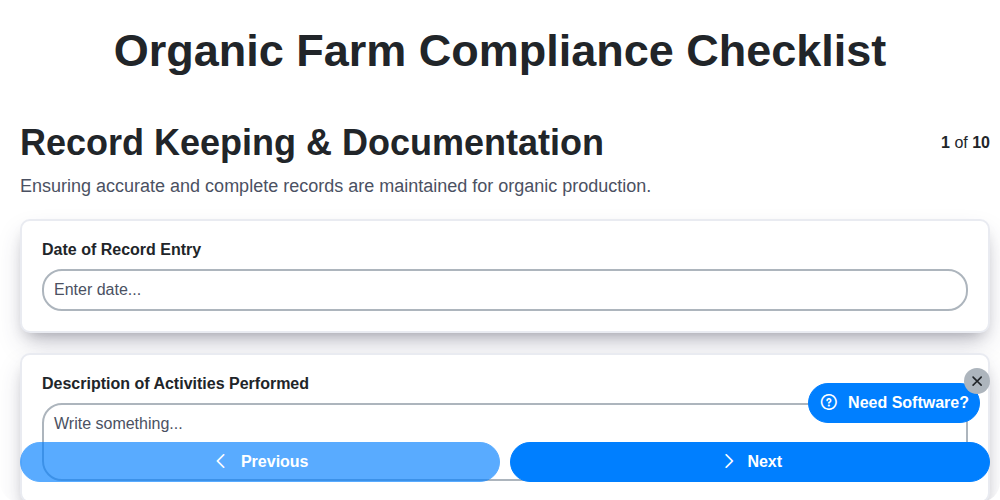
Table of Contents
- Introduction: Why Organic Farm Compliance Matters
- 1. Record Keeping & Documentation: The Foundation of Organic Certification
- 2. Soil Health & Fertility: Building a Living Ecosystem
- 3. Seed & Planting Stock: Sourcing Organic and Compliant Materials
- 4. Pest & Disease Management: Natural Strategies for Protection
- 5. Weed Control: Organic Methods for a Weed-Free Farm
- 6. Livestock Management: Organic Standards for Animal Welfare
- 7. Crop Production Practices: Following Organic Principles
- 8. Water Management: Conservation and Responsible Use
- 9. Buffer Zones & Preventative Measures: Protecting Your Organic Land
- 10. Annual Inspections & Certification: The Path to Continued Compliance
- Conclusion: Maintaining Your Organic Farm's Integrity
- Resources & Links
TLDR: Feeling overwhelmed by organic farm compliance? This checklist template breaks down everything from soil health to inspections, ensuring you meet all USDA requirements, maintain certification, and farm sustainably. It's your one-stop resource to avoid costly mistakes and keep your farm thriving!
Introduction: Why Organic Farm Compliance Matters
Running an organic farm isn't just about avoiding synthetic inputs - it's about upholding a philosophy and a commitment to a sustainable and ethical food system. Compliance with organic standards isn't a burden; it's the foundation of your farm's credibility, market access, and the trust you build with your customers.
Organic certification isn't just a label; it's a rigorous process. It ensures that your farming practices align with strict guidelines regarding soil health, biodiversity, animal welfare (if applicable), and the absence of prohibited substances. Maintaining compliance is essential for retaining that certification, accessing premium markets that value organic integrity, and ultimately, contributing to a healthier planet and a more resilient food supply. This checklist provides a roadmap to navigate those requirements, ensuring you've covered all the critical aspects of organic farm management.
1. Record Keeping & Documentation: The Foundation of Organic Certification
Organic certification isn't just about what you do on your farm; it's about proving it. Meticulous record keeping and comprehensive documentation are the bedrock of a successful organic operation. Think of it as building a detailed narrative of your farm's journey toward organic compliance - a story that demonstrates adherence to all organic standards.
What needs to be documented? Practically everything. This includes:
- Input Records: Detailed records of all inputs used on the farm - seeds, fertilizers (even organic ones!), soil amendments, and pest control products. Include source, lot numbers, application rates, and dates.
- Field History: Keep track of crop rotations, previous land use, and any prohibited substances applied in the past three years (or longer, depending on the certifying agency's requirements).
- Planting & Harvesting Dates: Record planting and harvesting dates for each crop, as well as varieties planted.
- Labor Records: If you employ labor, maintain records of their training and knowledge of organic practices.
- Equipment Maintenance: Document equipment cleaning and maintenance to prevent contamination.
- Sales Records: Keep accurate records of sales and where your organic products are distributed.
- Inspection Records: Retain all inspection reports and corrective action plans.
Don't underestimate the importance of being organized. Digital systems can be incredibly helpful, but paper records are perfectly acceptable. The key is consistency and accessibility. Your certifier will review these records during inspections, so be prepared to present them clearly and confidently. Without robust record keeping, demonstrating compliance with organic standards becomes significantly more challenging.
2. Soil Health & Fertility: Building a Living Ecosystem
Healthy soil is the bedrock of any successful organic farm. It's not just dirt; it's a vibrant ecosystem teeming with life - microorganisms, fungi, earthworms, and more - all working together to support plant growth. Organic certification demands a proactive approach to soil health, going beyond simply providing nutrients.
Here's what your checklist should cover:
- Regular Soil Testing: Conduct comprehensive soil tests (pH, NPK, organic matter, micronutrients) at least every three years, and more frequently if problems are suspected. Keep detailed records of test results and amendments applied.
- Cover Cropping: Implement a planned sequence of cover crops to improve soil structure, fix nitrogen, suppress weeds, and add organic matter. Document the species used, planting dates, and termination methods.
- Compost Application: Use compost derived from approved organic materials to enrich the soil. Maintain records of compost sources, application rates, and handling practices.
- Manure Management (if applicable): If using manure, ensure it's properly composted and applied at rates that don't exceed crop needs and avoid contamination of water sources. Strict records are essential, including source, application rates, and timing.
- Crop Rotation: Implement a diverse crop rotation plan to break pest and disease cycles, improve nutrient utilization, and enhance soil fertility. Outline your rotation schedule and the rationale behind it.
- No Synthetic Fertilizers: Absolutely no synthetic fertilizers are permitted under organic standards. All nutrient inputs must be derived from organic sources.
- Erosion Control: Implement practices to minimize soil erosion, such as contour planting, terracing, and no-till methods.
3. Seed & Planting Stock: Sourcing Organic and Compliant Materials
Securing compliant seed and planting stock is a foundational element of organic farm certification. It's not just about selecting varieties that thrive in your climate and soil; it's about ensuring their origin adheres to organic standards. Here's what you need to know:
What's Allowed?
- Organic Seeds: The ideal scenario is using seeds certified organic by a recognized certifying agency. These seeds are produced using organic practices and meet specific requirements.
- Non-Organic, Non-Genetically Modified (Non-GMO) Seeds: If certified organic seed isn't commercially available for a particular crop (and this is often the case!), you can use non-organic, non-GMO seed. The USDA Organic regulations acknowledge this limitation.
- Wild-Collected Seeds: Wild-collected seeds are permitted but must be gathered in a way that doesn't harm the natural environment and without using synthetic pesticides or fertilizers. Thorough documentation of collection practices is crucial.
Key Requirements & Documentation:
- Traceability: You must maintain records proving the source of all seed and planting stock. This includes the supplier's name, contact information, lot numbers, and dates of purchase.
- Supplier Verification: Ideally, work with suppliers who understand and adhere to organic standards. Consider asking for their organic certification or requesting information about their practices.
- GMO Restrictions: Absolutely no genetically modified organisms (GMOs) are permitted in organic production. This includes seeds and planting stock. Clear documentation to verify non-GMO status is required.
- Rootstock Considerations: If using grafted plants, the rootstock must also be non-GMO.
- Record Keeping: Maintain records of seed purchases, planting dates, varieties used, and any relevant supplier information.
Consistent documentation in this area is essential for demonstrating compliance during inspections.
4. Pest & Disease Management: Natural Strategies for Protection
Maintaining a thriving organic farm means proactively addressing pest and disease pressures - without relying on synthetic chemicals. It's about fostering a balanced ecosystem where beneficial organisms can keep harmful ones in check. Here's how to approach this crucial area:
Prevention is Key:
- Healthy Soil, Healthy Plants: Strong, nutrient-rich soil produces plants naturally more resistant to pests and diseases. Prioritize soil health practices (see section on Soil Health & Fertility).
- Crop Rotation: Rotate crops regularly to disrupt pest and disease cycles, preventing buildup in the soil.
- Variety Selection: Choose disease-resistant varieties adapted to your local climate and soil conditions.
- Timing is Everything: Plant at optimal times to avoid peak pest populations and periods of high disease pressure.
Natural Control Methods:
- Beneficial Insects: Attract and support beneficial insects like ladybugs, lacewings, and parasitic wasps through companion planting (e.g., flowers) and habitat creation.
- Biological Controls: Consider introducing natural predators or parasites of specific pests (always research thoroughly and ensure they are appropriate for your system).
- Botanical Insecticides: Utilize plant-based insecticides like neem oil, pyrethrum, and garlic spray - always following label instructions and organic certification guidelines. These are typically last resort options.
- Physical Barriers: Use row covers, netting, and traps to physically exclude pests from crops.
- Handpicking: For small infestations, handpicking pests can be an effective and targeted solution.
Monitoring & Early Intervention:
- Regular Scouting: Frequently inspect plants for signs of pests and diseases. Early detection is crucial for effective control.
- Record Observations: Document pest and disease occurrences, noting severity and location. This helps identify patterns and informs future preventative measures.
Important Note: Always consult with your organic certifier regarding approved pest and disease management practices.
5. Weed Control: Organic Methods for a Weed-Free Farm
Weeds aren't just unsightly; they compete with your crops for vital resources like sunlight, water, and nutrients, significantly impacting yield and quality. In organic farming, synthetic herbicides are off-limits, demanding a proactive and holistic approach to weed management. Here's a breakdown of effective, organic strategies:
Prevention is Key:
- Clean Seed and Planting Stock: Ensure your seeds and transplants are weed-free. Contaminated materials are a major source of future problems.
- Cover Cropping: Utilize cover crops during fallow periods to smother weeds and improve soil health. Select species known for their allelopathic properties (releasing natural weed-suppressing chemicals).
- Crop Rotation: Rotate crops regularly to disrupt weed life cycles and prevent the build-up of specific weed populations.
Active Weed Control Techniques:
- Mulching: Applying organic mulches like straw, wood chips, or compost smothers weeds, conserves moisture, and enriches the soil.
- Hand Weeding/Hoeing: This is often necessary, especially for young crops and challenging areas. Regular hoeing disrupts weed growth.
- Cultivation: Shallow cultivation between rows can control weeds, but be careful not to damage crop roots.
- Flame Weeding: Using a propane torch to briefly scorch weeds can be effective, particularly for small weeds and pre-planting. (Follow safety precautions!)
- Solarization: Covering the soil with clear plastic sheeting during hot periods can "cook" weeds and weed seeds.
- Biological Control: Introduce beneficial insects or animals (like geese or ducks) that feed on weeds. Note: This needs careful planning to avoid crop damage.
Important Considerations:
- Early Detection: Regularly scout your fields to identify and address weed infestations early, before they become widespread.
- Integrated Approach: Combine several of these methods for the most effective and sustainable weed control.
- Documentation: Keep records of all weed control activities, including dates, methods used, and observed results, for organic certification purposes.
6. Livestock Management: Organic Standards for Animal Welfare
If your organic farm includes livestock, adhering to organic standards goes beyond just avoiding synthetic inputs - it's about ensuring animal welfare and promoting healthy, natural behaviors. Here's a breakdown of key areas:
Living Conditions: Animals must have access to pasture or outdoor areas for a significant portion of their lives, allowing for grazing, foraging, and natural movement. Confinement is severely restricted, and buildings must be adequately sized and ventilated to allow for comfortable living.
Health Care: Preventative health care is paramount. Organic standards prioritize disease prevention through proper nutrition, hygiene, and stress reduction. While antibiotics may be used in rare, emergency situations, their use is heavily restricted and impacts certification. A veterinarian's involvement and record keeping are crucial.
Feed: Organic livestock must be fed 100% organic feed. This includes forages, grains, and supplements, all produced without synthetic fertilizers, pesticides, or GMOs. Feed must be appropriate for the species and life stage of the animals.
Breeding: Organic breeding practices prioritize genetic diversity and natural selection. Artificial insemination is permissible but subject to restrictions.
Transportation: Transport conditions must minimize stress and ensure humane handling.
Record Keeping: Detailed records of animal health, feed sourcing, and breeding practices are essential for demonstrating compliance.
Important Note: Specific requirements for livestock management vary significantly depending on the species being raised. Refer to the USDA National Organic Program guidelines and your certifying agency's specific protocols for detailed information.
7. Crop Production Practices: Following Organic Principles
Organic crop production isn't just about what you grow; it's about how you grow it. These practices are the very foundation of organic farming, emphasizing ecological harmony and minimizing external inputs. Here's a breakdown of key considerations:
Crop Rotation is King: A well-planned crop rotation is crucial. It's more than just alternating crops; it's about strategically sequencing them to improve soil health, disrupt pest and disease cycles, and manage nutrient availability. A typical rotation might include cover crops, cash crops, and crops with different nutrient needs. Document your rotation plans and observed outcomes.
Soil Building & Cover Cropping: Organic farming prioritizes soil as a living ecosystem. Incorporate cover crops - like legumes for nitrogen fixation, or grasses for erosion control - to improve soil structure, fertility, and water retention. Record cover crop choices, planting dates, and incorporation methods.
Natural Fertility Boosters: Synthetic fertilizers are a no-go. Instead, focus on building soil fertility through composting, manure application (sourced from organically raised livestock, of course!), green manures, and other natural amendments. Track amendment sources, application rates, and any associated soil test results.
Variety Selection: Choose crop varieties that are well-suited to your climate, soil type, and resistant to common pests and diseases in your region. Document the varieties planted and their performance.
No Synthetic Substances: This is a bedrock principle. Avoid synthetic pesticides, herbicides, and fertilizers. Instead, rely on preventative measures, biological controls, and approved organic inputs (more on that in other sections!).
Maintaining Genetic Purity: Organic seed and planting stock are generally required. Document the source and certification status of your seeds and seedlings. If using non-organic, non-GMO seed, ensure you have proper documentation and understand any restrictions.
By consistently applying these practices and meticulously documenting your actions, you're not only meeting organic standards, but also nurturing a resilient and thriving farm ecosystem.
8. Water Management: Conservation and Responsible Use
Water is a precious resource, especially vital for organic farms. Responsible water management isn't just about ensuring adequate irrigation; it's about conservation, sustainability, and minimizing environmental impact. Organic standards emphasize using water efficiently and protecting water quality.
Here's what your organic water management should cover:
- Water Sources: Document your water sources (wells, surface water, rainwater harvesting) and their reliability. Understand the regulations surrounding water rights for your area.
- Irrigation Practices: Implement efficient irrigation methods like drip irrigation or micro-sprinklers to minimize water waste. Avoid overhead watering to reduce evaporation.
- Water Conservation: Explore rainwater harvesting techniques to supplement irrigation needs. Consider drought-resistant crop varieties. Mulching helps retain soil moisture.
- Water Quality Protection: Prevent contamination of water sources by implementing buffer zones around waterways (see section 9). Avoid applying compost or fertilizers near water bodies. Regularly test your water for contaminants.
- Erosion Control: Implement practices that prevent soil erosion, as eroded soil clouds waterways and carries away valuable nutrients.
- Record Keeping: Track water usage and any issues with water quality or supply. Document water source testing results.
By prioritizing water conservation and protection, you're not only complying with organic standards but also ensuring the long-term health of your farm and the surrounding ecosystem.
9. Buffer Zones & Preventative Measures: Protecting Your Organic Land
Maintaining organic certification isn't just about what you do on your farm; it's also about what happens around it. Buffer zones and preventative measures are crucial for safeguarding your organic land from contamination and demonstrating your commitment to organic principles.
Why are Buffer Zones Necessary?
Buffer zones are strips of land, typically planted with vegetation, that act as a barrier between your organic farm and areas potentially exposing your crops to prohibited substances. These substances can include pesticides from neighboring conventional farms, fertilizer runoff, genetically modified organisms (GMOs), and even stray livestock.
What Should Your Buffer Zones Include?
- Width: The necessary width depends on the surrounding landscape and potential hazards. Consider factors like wind direction, slope, and the proximity of conventional agricultural practices. A general guideline is at least 15 feet, but this can be significantly wider in areas with high contamination risks.
- Vegetation: Native plants are often the best choice as they require less maintenance and provide habitat for beneficial insects and pollinators. Consider dense plantings that can effectively filter drift.
- Placement: Strategically place buffer zones along boundaries facing conventional farms, roads with potential contamination, and areas with high risk of runoff.
Beyond Buffer Zones: Preventative Measures
Buffer zones are just one piece of the puzzle. A comprehensive preventative approach includes:
- Communication with Neighbors: Open communication with adjacent landowners can help address concerns and coordinate practices to minimize contamination risks.
- Monitoring: Regularly inspect your fields for signs of contamination and document any observations.
- Drainage Management: Implement practices to minimize runoff and prevent contamination from entering waterways.
- Equipment Cleaning: Thoroughly clean all equipment used on your farm to prevent the spread of prohibited substances.
- Record Keeping: Document all preventative measures taken, including buffer zone maintenance, neighbor communication, and equipment cleaning. This documentation is vital for certification audits.
Protecting your organic land is an ongoing responsibility. By establishing and maintaining effective buffer zones and implementing preventative measures, you're investing in the long-term health and integrity of your organic operation.
10. Annual Inspections & Certification: The Path to Continued Compliance
Maintaining organic certification isn't a one-and-done deal; it requires ongoing commitment and verification. Annual inspections and certification are the final, crucial steps in demonstrating your farm's adherence to organic standards.
What to Expect:
Your farm will be subject to an annual inspection by a certified organic inspector accredited by your chosen certifying body. The inspector will thoroughly review your records (those meticulously kept throughout the year - see Section 1!), observe your farm practices, and assess compliance with the USDA Organic regulations. They'll likely delve into your seed sourcing, pest management strategies, soil management plans, and overall production practices.
Preparation is Key:
- Review your records: Be prepared to present organized and accurate records, readily accessible to the inspector.
- Address any previous issues: If you had any corrective actions required during a prior inspection, ensure those have been fully implemented and documented.
- Walk the farm with the inspector: This allows for clear communication and allows the inspector to observe your practices firsthand.
- Be open to questions: The inspector is there to assess, so welcome their inquiries and be prepared to explain your methods.
Certification Renewal:
Following the inspection, the certifying body will evaluate the inspector's report. If you meet all requirements, your certification will be renewed. If there are any deviations, you're typically given a timeframe to implement corrective actions and resubmit for review.
Beyond the Inspection:
Remember, annual inspections are a snapshot in time. Continuous improvement and proactive compliance throughout the year are vital for maintaining your organic integrity and ensuring a successful certification renewal. Regular self-assessment and staying informed about evolving organic regulations are ongoing responsibilities.
Conclusion: Maintaining Your Organic Farm's Integrity
Running an organic farm is more than just avoiding synthetic inputs; it's a commitment to a holistic, sustainable system. This checklist is your roadmap to upholding that commitment. While it might seem extensive, each point represents a vital piece of the puzzle, contributing to the health of your farm, the quality of your products, and the trust you build with consumers.
Remember, organic certification isn't a one-time achievement-it's an ongoing process. Consistent adherence to these practices, diligent record-keeping, and a proactive approach to potential challenges are key to maintaining your organic integrity. Don't view this checklist as a burden, but as a valuable tool to refine your farm management, improve soil health, and ensure a thriving, sustainable operation for years to come. Regularly review and update your checklist, staying informed about evolving organic regulations and best practices. Your dedication to these principles not only safeguards your certification but also contributes to a healthier planet and a more resilient food system.
Resources & Links
- USDA National Organic Program (NOP): The official website for the USDA's National Organic Program. Contains regulations, guidance documents, frequently asked questions, and resources for organic producers and handlers. Absolutely essential for understanding the legal framework.
- EcoFarm: A non-profit organization dedicated to fostering ecologically sound and economically viable farming. Provides workshops, conferences, and resources on organic farming practices and compliance.
- Rodale Institute: A leading nonprofit organization focused on organic agriculture. Offers research, training, and resources on soil health, regenerative farming, and organic methods.
- acresUSA: A magazine and website focused on ecological soil management and sustainable agriculture, providing practical information for farmers.
- Sustainable Agriculture Research & Education (SARE): Provides information and resources on sustainable agriculture practices, including organic farming. Includes publications, grants, and farmer profiles.
- Organic Consumers Association (OCA): Advocates for organic agriculture and consumer rights. Provides news, information, and resources on organic standards and food safety.
- Oregon State University Extension Organic Farming Resources: A comprehensive resource from Oregon State University offering publications, videos, and fact sheets on various aspects of organic farming.
- West Virginia University Extension Organic Agriculture: Provides resources and information related to organic agriculture, including guidelines, best practices, and relevant publications.
- Northeast Organic Farming Association (NOFA): Regional organic farming association (with chapters in several states) providing education, networking, and advocacy for organic farmers.
- ATTRA - National Sustainable Agriculture Information Service: Provides practical information and technical assistance to farmers, ranchers, and land managers in sustainable and organic agriculture.
- Ontario Ministry of Agriculture, Food and Rural Affairs - Organic: Provides information specific to Ontario's Organic regulations and practices, including record keeping, pest management, and soil health, a useful model for other jurisdictions.
- BIOLOGIC: Provides certification services and a network for organic farmers, focused on biodynamic and organic agriculture standards.
- Soil Health Institute: Dedicated to advancing soil health through research, education, and outreach. Provides resources and tools for improving soil health on farms.
Frequently Asked Questions
What does 'organic' certification actually mean?
Organic certification ensures that a farm adheres to strict standards regarding soil health, pest and weed control, and livestock practices, avoiding synthetic pesticides, fertilizers, and GMOs. It's a rigorous process verified by accredited certifiers to ensure consumer trust and environmental sustainability.
Why is compliance so important for organic farms?
Compliance is crucial to maintain your organic certification, avoid hefty fines, and protect your farm's reputation. It demonstrates a commitment to organic principles and builds trust with consumers who actively seek out organic products.
What organizations are involved in organic certification in the US?
The USDA (United States Department of Agriculture) sets the national organic standards. Farms are certified by USDA-accredited certifying agents like CCOF, Oregon Tilth, Quality Assurance International (QAI), and others. The specific certifier you choose can vary.
What are the key areas covered in the organic farm compliance checklist?
The checklist typically covers topics like soil management, pest and disease control, seed and planting material sourcing, livestock practices (if applicable), record-keeping, worker protection, and processing and handling practices.
What kind of records do organic farms need to keep?
Detailed records are essential. This includes seed sources, input materials (even organic ones!), planting dates, harvest dates, pest and disease management activities, livestock feed, and any corrective actions taken. These records must be readily available for the certifier during inspections.
What constitutes an 'organic approved' input?
An 'organic approved' input must be listed on the USDA National List of Allowed Substances. This list specifies materials that can be used for pest control, fertilization, and other farm operations while maintaining organic integrity. Always check the list before using any input.
What happens if I fail an organic farm inspection?
A failed inspection can result in a warning, corrective action plan (CAP), suspension of certification, or even revocation of certification. The severity depends on the nature and extent of the non-compliance.
How often do organic farms need to be inspected?
Organic farms typically undergo an annual on-site inspection by their certifying agent. They also face potential unannounced audits throughout the year to ensure ongoing compliance.
What is a Corrective Action Plan (CAP) and why is it important?
A CAP is a detailed plan outlining how a farm will address non-compliance issues identified during an inspection. It's crucial for regaining compliance and maintaining certification after an issue is raised. Certifiers must approve the CAP before allowing the farm to continue operations.
What is the difference between organic and 'made with organic ingredients'?
'Organic' certification requires that 95% or more of the product is organic. 'Made with organic ingredients' allows for products with a smaller percentage (70-94.9%) of organic ingredients, but these products cannot be labeled as 'organic'.
Comments
There are no comments yet. Be the first to add one!
Farm Management Solution Demo
Grow your farm smarter & more efficiently! ChecklistGuro streamlines crop planning, task management, & resource tracking. Maximize yields, reduce waste, & improve profitability. Manage it all with our Work OS.
Related Articles
Unlock Higher Yields: Your Precision Agriculture Checklist Template
The Ultimate Farm Safety Inspection Report Checklist Template
Irrigation System Checklist: Farm Water Management & Crop Yield Optimization

Livestock Health & Welfare Checklist: Your Farm Animal Care & Biosecurity Template
Crop Insurance Policy Review Checklist: A Farmer's Guide
Water Discharge Permit Compliance Checklist Template
The Ultimate GPS & Precision Farming Calibration Checklist Template
Mapping the Threat: A Checklist for Proactive Pest & Disease Pressure Management
Need help with
Farm Management?
Have a question? We're here to help. Please submit your inquiry, and we'll respond promptly.