Protecting Your Flock: The Poultry Farm Biosecurity Checklist Template
Published: 11/22/2025 Updated: 07/02/2026
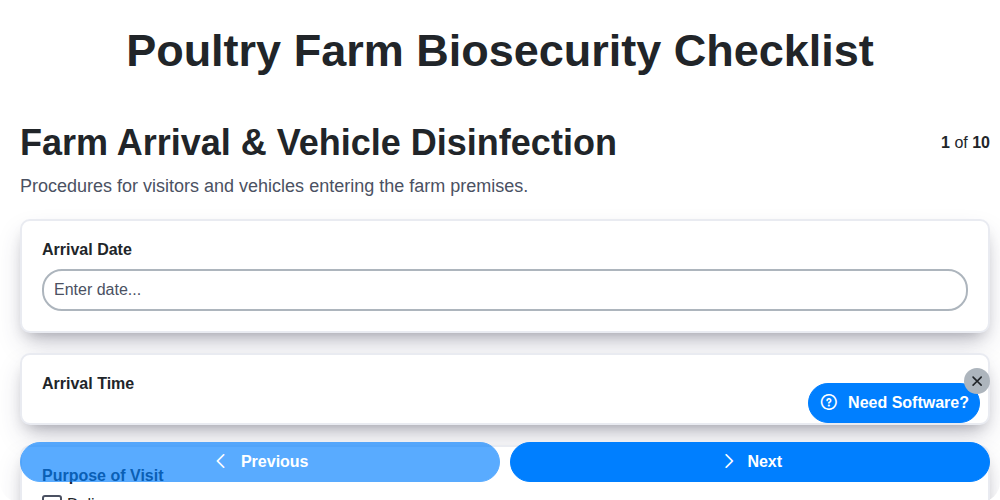
Table of Contents
- Introduction: Why Biosecurity is Crucial for Poultry Farms
- Farm Arrival & Vehicle Disinfection: The First Line of Defense
- Personnel Hygiene & Protective Gear: Minimizing Human-Borne Risks
- House Entry & Cleaning: Maintaining a Sterile Environment
- Equipment & Supply Management: Preventing Contamination Sources
- Bird Health Monitoring: Early Detection is Key
- Waste Management & Disposal: Reducing Disease Spread
- Pest Control: Eliminating Vectors
- Water & Feed Management: Ensuring Safe Inputs
- Record Keeping & Reporting: Tracking and Improving Biosecurity
- Emergency Response: Planning for the Unexpected
- Resources & Links
TLDR: Worried about disease outbreaks on your poultry farm? This checklist template is your go-to guide! It breaks down crucial biosecurity steps - from disinfecting vehicles to monitoring bird health and handling emergencies - ensuring a safer, healthier flock and a more resilient operation. Download it, follow it, and protect your livelihood!
Introduction: Why Biosecurity is Crucial for Poultry Farms
Maintaining a robust biosecurity program is the cornerstone of a thriving and profitable poultry farm. It's far more than just a list of rules; it's a proactive defense against devastating diseases like Avian Influenza, Newcastle Disease, and Salmonellosis. These illnesses can rapidly spread through a flock, leading to significant losses in production, economic hardship, and even the need for culling entire farms. Effective biosecurity minimizes the risk of disease introduction and spread, protecting your flock's health, ensuring consistent product quality, and safeguarding your livelihood. This checklist provides a practical guide to implementing key biosecurity measures - consider it your first line of defense in building a resilient and healthy poultry operation.
Farm Arrival & Vehicle Disinfection: The First Line of Defense
The journey to a healthy poultry farm begins before you even step foot on the property. Farm arrival and vehicle disinfection are crucial first steps in preventing disease introduction. Think of it as your first, and often most impactful, line of defense.
Here's a breakdown of what's involved:
- Designated Access Points: Limit access to the farm to designated entry points. This allows for controlled disinfection procedures.
- Vehicle Disinfection Protocol: All vehicles - trucks, delivery vans, service vehicles - must undergo thorough disinfection before entering. This typically involves footbaths containing a validated disinfectant solution (check your local regulations for approved disinfectants and concentrations). Ensure vehicles are sprayed with disinfectant as well, paying particular attention to wheel wells and undercarriage.
- Footbaths - Maintenance is Key: Regularly check and maintain footbath solutions. Monitor disinfectant concentration and replace the solution according to manufacturer instructions and farm protocol. Document footbath changes.
- Tire Disinfection: In addition to footbaths, consider using tire disinfection systems to ensure wheels are adequately sanitized.
- Visitor Protocols: Implement clear protocols for visitors, including requirements for disinfection and restricted access areas.
- Signage: Use clear signage indicating disinfection procedures and restricted zones.
Consistent adherence to these protocols significantly reduces the risk of introducing pathogens onto your farm.
Personnel Hygiene & Protective Gear: Minimizing Human-Borne Risks
Poultry farms are vulnerable to disease introduction via human contact. Strict personnel hygiene protocols and the consistent use of protective gear are absolutely critical for maintaining biosecurity. Here's a breakdown of essential practices:
Entry Procedures: All personnel, visitors, and contractors must adhere to the farm's entry procedures. This includes signing in/out registers, acknowledging biosecurity protocols, and undergoing foot baths and hand sanitization.
Hand Hygiene: Frequent and thorough handwashing with soap and water is paramount. Hand sanitizer should be readily available at multiple locations throughout the farm. Emphasize washing before entering poultry houses, after handling birds, and after contact with potentially contaminated surfaces.
Protective Clothing & Footwear: Implement a strict policy requiring dedicated farm footwear and clothing. Options include:
- Farm-Specific Boots: These should never be worn outside the farm premises.
- Coveralls/Jumpsuits: Clean coveralls must be worn and replaced regularly. Consider providing a supply of disposable coveralls for visitors.
- Gloves: Disposable gloves should be worn when handling birds or potentially contaminated equipment. Replace gloves frequently.
- Head Coverings: Hair nets or hats help prevent contamination from hair.
Visitor Restrictions: Limit unnecessary visitors. When visitors are required, ensure they receive a thorough biosecurity briefing and comply with all protocols.
Training & Education: Regularly train all personnel on the importance of personal hygiene and the correct procedures to follow. Refresh training periodically to reinforce best practices.
Hygiene Supplies: Ensure readily available and adequately stocked hygiene supplies like soap, water, hand sanitizer, disposable gloves, disposable coveralls, and disinfectant solutions. Regular inspections should verify adequate stock levels.
House Entry & Cleaning: Maintaining a Sterile Environment
The poultry house is the heart of your operation, and maintaining a pristine environment within is paramount to preventing disease outbreaks. Strict protocols for house entry and cleaning are crucial.
Before Entry:
- Foot Dips: Always utilize foot dips containing an approved disinfectant solution. Ensure the solution is fresh and the correct concentration. Regularly check and replenish.
- Wheel/Tire Disinfection: Before entering the house, wheels and tires of any vehicle or equipment must be thoroughly disinfected using a dedicated spray system or dip.
- Entry Mats: Place disposable entry mats treated with disinfectant at all house entrances to capture any contaminants tracked in. Replace these mats frequently.
Internal House Cleaning Procedures:
- Routine Sweeping/Vacuuming: Regularly sweep and vacuum floors to remove dust, feathers, and spilled feed.
- Surface Disinfection: Regularly disinfect all surfaces - walls, perches, feeders, drinkers, and equipment - with an approved disinfectant. Follow manufacturer's instructions for dilution and contact time. Rotate disinfectants to minimize resistance development.
- Top-to-Bottom Cleaning: Always clean from the highest point in the house down to the floor, preventing re-contamination of previously cleaned areas.
- Feather Removal: Promptly and thoroughly remove fallen feathers. These are potential reservoirs for pathogens.
- Dry Thoroughly: After cleaning and disinfection, ensure all surfaces are completely dry to prevent fungal growth.
Post-Cleaning Verification:
- Visual Inspection: After cleaning, perform a thorough visual inspection to ensure no dirt, debris, or residues remain.
- Swab Testing (Periodic): Consider periodic environmental sampling (swabbing) to verify disinfection efficacy and identify any persistent pathogens.
Maintaining this level of rigor minimizes the risk of introducing diseases into your poultry houses, contributing significantly to the overall health and productivity of your flock.
Equipment & Supply Management: Preventing Contamination Sources
Equipment and supplies are often overlooked, but they can be significant pathways for disease introduction and spread on a poultry farm. A robust management system is crucial to minimize this risk.
Disinfection Protocols: All equipment entering or used within the poultry houses - feeders, drinkers, transport crates, tools, and even seemingly innocuous items like egg collection trays - must undergo thorough disinfection. Establish a clear protocol that outlines the disinfectant used (following manufacturer's instructions and ensuring compatibility with materials), contact time, and rinsing procedure. A three-step process - wash, disinfect, and rinse - is typically recommended.
Dedicated Equipment: Whenever possible, dedicate equipment solely for use within specific poultry houses. This prevents cross-contamination between flocks. If sharing is unavoidable, strict disinfection procedures between each use are absolutely mandatory.
Supplier Verification: Regularly assess the biosecurity practices of your suppliers. Request documentation of their cleaning and disinfection protocols for transport vehicles and equipment delivered to the farm. Consider supplier audits if possible.
Storage Practices: Store feed, water supplements, and medications in secure, dry, and pest-proof areas. Protect them from weather elements and potential contamination. Implement a first-in, first-out (FIFO) system to ensure freshness and prevent spoilage.
Regular Inspection & Maintenance: Periodically inspect all equipment for signs of wear and tear, rust, or damage. Faulty equipment can harbor pathogens and become difficult to clean effectively. Establish a maintenance schedule and address issues promptly.
Inventory Control: Maintain an accurate inventory of all supplies. This helps prevent the use of expired or compromised materials.
Bird Health Monitoring: Early Detection is Key
Regular and meticulous bird health monitoring is the cornerstone of a robust biosecurity program. By proactively observing your flock, you dramatically increase your chances of detecting disease outbreaks early - before they can spread and cause significant losses. This isn't just about looking for obvious signs of illness; it's about establishing a baseline of normal behavior and appearance, so any deviation is immediately flagged.
What to Look For:
- Daily Observation: Spend time observing your birds daily. Note their activity levels, feed and water consumption, and general appearance. Look for changes in posture, signs of respiratory distress (sneezing, coughing, gasping), or unusual lethargy.
- Mortality Rate: Closely track mortality rates. Even a slight increase can be a red flag. Record and investigate all deaths promptly, noting any distinguishing characteristics of the deceased birds.
- Feces Examination: Regularly check fecal samples for abnormalities, such as diarrhea, unusual colors, or blood.
- Body Condition: Evaluate bird body condition scores weekly. A decline in body condition can be an early indicator of underlying health issues.
- Regular Veterinary Checks: Schedule regular visits from a qualified poultry veterinarian for comprehensive health assessments and disease surveillance.
- Diagnostic Testing: Implement a strategic diagnostic testing program, including routine blood tests, post-mortem examinations, and environmental sampling, as recommended by your veterinarian.
Remember: Consistent monitoring, detailed records, and a swift response to any observed anomalies are critical for maintaining a healthy flock and preventing costly disease outbreaks.
Waste Management & Disposal: Reducing Disease Spread
Poultry waste - including manure, bedding, dead birds, and spilled feed - is a breeding ground for pathogens and attracts pests, both of which pose significant biosecurity risks. Proper waste management is therefore a critical component of a robust biosecurity program.
Here's what needs to be done:
- Regular Removal: Establish a schedule for removing manure and soiled bedding from houses, following local regulations and best practices. Frequency depends on bird density, litter type, and climate.
- Composting: Composting is an excellent method for reducing the pathogen load in manure. Ensure proper temperature, moisture, and aeration for effective decomposition. Monitor compost pile temperatures regularly to ensure pathogen inactivation.
- Proper Storage: When storage is necessary, store waste away from poultry houses and water sources. Cover piles to minimize odor and prevent rainwater infiltration, which can create a slurry that spreads contamination.
- Dead Bird Disposal: Implement a strict protocol for handling dead birds. Options include incineration, composting, burial (following depth requirements to prevent scavenger access), or rendering. Never dispose of dead birds with the regular trash.
- Spilled Feed Management: Promptly clean up spilled feed to prevent attracting pests and harboring pathogens.
- Waste Water Management: Properly manage wastewater from poultry houses, ensuring it's treated according to environmental regulations. This prevents runoff that could contaminate surrounding areas.
- Disinfection of Waste Handling Equipment: Regularly disinfect equipment used for waste handling, such as loaders, spreaders, and composting equipment.
Key Considerations:
- Local Regulations: Be fully aware of and compliant with all local and national regulations regarding waste disposal.
- Vector Control: Minimize conditions that attract flies, rodents, and other pests.
- Documentation: Keep records of waste removal and disposal methods.
Pest Control: Eliminating Vectors
Pests pose a significant threat to poultry farms, acting as vectors for diseases and causing direct losses through consumption and contamination. A robust pest control program is a cornerstone of effective biosecurity. This isn't just about occasional spraying; it's an ongoing, proactive strategy.
Common Poultry Farm Pests and Their Risks:
- Rodents (Rats, Mice): Spread diseases like Salmonella and Leptospirosis, contaminate feed, and damage infrastructure.
- Wild Birds (Pigeons, Starlings, Sparrows): Carriers of Avian Influenza, Newcastle Disease, and other devastating viruses.
- Insects (Flies, Mosquitoes, Ticks): Transmit diseases and irritate birds, impacting feed intake and growth.
- Other Pests (Cockroaches, Ants): Contaminate feed and housing, indicating unsanitary conditions.
Essential Pest Control Measures:
- Structural Integrity: Seal cracks and openings in buildings, screens vents, and repair damaged structures to prevent entry. Regularly inspect and maintain fencing.
- Landscaping Management: Keep grass and vegetation short around buildings to eliminate harborage areas. Remove standing water to prevent mosquito breeding.
- Trapping & Baiting: Implement targeted trapping and baiting programs, using appropriate and approved rodenticides and insecticides. Strictly follow label instructions and consider non-toxic alternatives where possible.
- Bird Proofing: Utilize bird netting, wire mesh, and other barriers to prevent bird access to poultry houses and feed storage areas.
- Regular Cleaning: Thoroughly clean and disinfect poultry houses and surrounding areas, removing potential food sources for pests.
- Professional Assistance: Consider engaging a licensed pest control professional for comprehensive inspections and treatment plans, especially for persistent or severe infestations.
- Monitoring: Implement a regular pest monitoring program using traps and visual inspections to detect any new infestations early.
Crucially, always prioritize Integrated Pest Management (IPM) strategies, focusing on prevention and environmentally responsible solutions.
Water & Feed Management: Ensuring Safe Inputs
Water and feed represent a significant pathway for disease introduction and spread within a poultry farm. Strict management protocols are vital to guaranteeing the health and productivity of your flock.
Water Source & Quality:
- Source Verification: Regularly verify the source of your water and confirm its suitability for poultry consumption. Ideally, use a dedicated, protected water source.
- Water Testing: Implement a routine water testing program. Test for bacterial contamination (e.g., E. coli, Salmonella), algae, and pH levels. Follow local regulations and consult with a veterinarian for recommended testing frequency and parameters.
- Water Treatment: Consider water treatment options appropriate for your water source. This may include filtration, UV sterilization, chlorination (use carefully and monitor residuals), or other approved methods. Ensure any treatments are applied according to manufacturer instructions.
- Distribution System Maintenance: Regularly inspect and clean water lines, drinkers, and troughs to prevent biofilm buildup and contamination. Flush lines before introducing new birds or after periods of inactivity.
Feed Management:
- Supplier Selection: Choose reputable feed suppliers with documented quality control measures and traceability.
- Feed Storage: Store feed in a dry, secure, and rodent-proof area. Elevate bags off the floor. Rotate stock using a "first-in, first-out" (FIFO) system to minimize nutrient degradation.
- Feed Handling: Minimize spillage during feed delivery and distribution. Clean up any spills promptly. Use dedicated scoops and feeders.
- Mycotoxin Monitoring: Implement a program to monitor feed for mycotoxins. Consult with a nutritionist to understand appropriate testing frequency and acceptable limits.
- Feed Additives: If using feed additives, ensure they are approved for poultry use and administered according to manufacturer's directions.
- Feed Waste: Manage feed waste properly to prevent attracting pests and minimizing contamination.
Consistent adherence to these practices helps safeguard your flock from waterborne and feed-related diseases, promoting healthy growth and maximizing production.
Record Keeping & Reporting: Tracking and Improving Biosecurity
Consistent and detailed record-keeping is the backbone of a successful biosecurity program. It's not enough to do the right things; you need to document them to ensure accountability, identify weaknesses, and demonstrate due diligence. Think of your records as a historical account of your farm's health and safety - invaluable for tracing the source of outbreaks, proving compliance, and guiding future improvements.
What to Record:
- Visitor Logs: Date, time, purpose of visit, origin, contact information. This allows for rapid contact tracing if an issue arises.
- Disinfection Records: Dates of disinfection, disinfectants used (with concentration and batch numbers), areas disinfected, and the person responsible.
- Personnel Training: Dates and topics covered during biosecurity training for all farm workers and visitors.
- Bird Health Records: Daily observations (mortality, feed & water intake, behavior), vaccination records, lab test results (blood samples, fecal samples).
- Equipment Maintenance: Dates of cleaning and maintenance of all biosecurity equipment (footbaths, sprays, disinfectants).
- Waste Disposal: Dates and methods of waste disposal, including mortalities, litter, and manure.
- Pest Control: Dates and types of pesticides used, areas treated, and pest activity observed.
- Water and Feed Records: Source, testing results, storage conditions, and delivery details.
Reporting and Analysis:
Regularly review your records - weekly, monthly, and annually - to identify trends and potential problem areas. Look for patterns in mortality rates, unusual bird behavior, or gaps in biosecurity practices. This information should be shared with your team to facilitate proactive adjustments to your procedures. Consider creating simple charts or graphs to visually represent key data.
Digital vs. Manual:
While manual records are perfectly acceptable, digital platforms can streamline the process, improve data accessibility, and allow for easier analysis. Explore farm management software or spreadsheets to suit your farm's needs.
Key takeaway: Robust record keeping and reporting aren't just about ticking boxes; they're essential tools for proactively protecting your flock and your livelihood.
Emergency Response: Planning for the Unexpected
Poultry farming faces a spectrum of potential emergencies, from disease outbreaks and power failures to fire and severe weather events. A proactive emergency response plan is not just a good idea; it's crucial for the survival of your farm. Here's what your plan should include:
1. Identify Potential Risks: Conduct a thorough risk assessment. Consider your geographic location (risk of floods, hurricanes, etc.), local disease prevalence, infrastructure vulnerabilities, and potential human error.
2. Develop Action Plans: For each identified risk, outline specific steps to be taken. Examples include:
- Disease Outbreak: Pre-approved biosecurity protocols to enact immediately, quarantine procedures, contact information for veterinarians and animal health officials, and a plan for rapid bird depopulation (if necessary).
- Power Failure: Backup generators, alternative lighting sources, and protocols for maintaining temperature and ventilation.
- Fire: Fire extinguishers readily accessible, fire lanes clear, employee training on fire safety, and a plan for evacuation.
- Severe Weather: Secure housing, designated safe zones for personnel, and a communication plan for updates and instructions.
3. Communication is Key: Establish a clear communication chain. This includes personnel contact lists, emergency notification systems (text alerts, automated phone calls), and contact information for relevant authorities.
4. Training and Drills: Regularly train employees on emergency procedures and conduct drills to ensure everyone knows their roles and responsibilities. Practice evacuation routes and the implementation of biosecurity measures under pressure.
5. Emergency Supplies: Maintain a readily accessible emergency kit with items like: personal protective equipment (PPE), cleaning/disinfecting agents, first aid supplies, communication devices, batteries, and alternative feed/water sources.
6. Review and Update: Emergency plans should be reviewed and updated at least annually, or more frequently if there are changes in farm operations or identified risks. Learn from any incidents and incorporate those lessons into your plan.
Resources & Links
- USDA APHIS - Poultry Biosecurity: The United States Department of Agriculture's Animal and Plant Health Inspection Service (APHIS) offers comprehensive information and resources on poultry biosecurity, including best management practices, disease outbreaks, and regulatory information. A central hub for official biosecurity guidance.
- Poultry Biosecurity Council: This council provides resources and guidelines specifically aimed at improving poultry biosecurity across the industry. Includes videos, checklists, and best practice documents.
- CDC - Avian Influenza Biosecurity: The Centers for Disease Control and Prevention (CDC) provides information on avian influenza and offers biosecurity recommendations to protect poultry flocks and human health.
- The Poultry Site: A leading online resource for the poultry industry. Offers news, articles, and technical information, including sections on biosecurity, disease prevention, and best practices.
- NSW Department of Primary Industries (Australia) - Poultry Biosecurity: Provides detailed biosecurity guidelines, checklists, and resources for poultry farms in New South Wales, Australia. Often contains practical advice adaptable to various farm sizes.
- University of Tennessee Extension - Poultry Biosecurity: Offers easy-to-understand guides, checklists, and resources focused on poultry biosecurity, geared towards producers of all sizes.
- Purdue University Poultry Extension: Purdue University's poultry extension provides a range of resources including farm biosecurity management practices, educational materials, and research updates.
- New Zealand Biosecurity - Poultry: Provides information on protecting your flock from diseases, pests and weeds, including best practice biosecurity measures.
- BioVet - Poultry Biosecurity Practices: A company specializing in animal health solutions offering insights into poultry biosecurity strategies and preventative measures. Includes practical guides.
- Merck Animal Health - Poultry Biosecurity: Merck offers a range of biosecurity resources and practical tips specifically designed for poultry farms. Useful for understanding preventative measures.
Frequently Asked Questions
What is biosecurity and why is it important for poultry farms?
Biosecurity refers to the measures taken to prevent the introduction and spread of diseases on a poultry farm. It's crucial because poultry diseases can spread rapidly, causing significant financial losses, impacting food security, and potentially requiring culling of entire flocks. Implementing biosecurity helps minimize these risks.
Who should use this biosecurity checklist template?
This checklist is designed for all poultry farmers, regardless of flock size or type of operation - whether you have a small backyard flock or a large commercial farm. It's a tool for anyone raising chickens, turkeys, ducks, or other poultry.
What types of diseases does biosecurity help prevent?
Biosecurity measures help prevent a wide range of poultry diseases, including Avian Influenza (bird flu), Newcastle Disease, Infectious Bronchitis, Mycoplasma, Salmonella, and coccidiosis, among others. The specific diseases prevalent in your region will influence the importance of certain biosecurity practices.
How often should I use this checklist?
Ideally, you should review and update this checklist at least quarterly or more frequently if you suspect a disease outbreak in your area or have had visitors to your farm. Regular review ensures your biosecurity practices remain effective and relevant.
What does 'restricting access' to my farm mean?
Restricting access means limiting the number of people and vehicles entering your farm. This includes visitors, contractors, and suppliers. All access should be controlled, with records kept of who enters and when. Dedicated farm boots/clothing are also recommended.
What is the difference between cleaning and disinfecting?
Cleaning removes visible dirt and organic matter. Disinfecting kills disease-causing organisms. Both are vital - cleaning *before* disinfecting allows the disinfectant to work effectively. The checklist provides guidance on appropriate cleaning and disinfection agents.
My farm is close to other poultry farms. Does that change my biosecurity needs?
Absolutely. Proximity to other poultry farms significantly increases your risk. You're likely to need heightened biosecurity measures, including stricter visitor protocols, enhanced perimeter control, and potential buffer zones.
What is the significance of 'rodent and pest control' in biosecurity?
Rodents and pests can carry diseases and parasites that can affect your flock. Effective rodent and pest control minimizes this risk by eliminating potential disease vectors and preventing contamination of feed and water.
Where can I find information on appropriate disinfectants for my poultry farm?
Consult with your veterinarian or local agricultural extension office for recommendations on effective and approved disinfectants for poultry farms. Always follow the manufacturer's instructions for proper use and dilution.
What should I do if I suspect a disease outbreak on my farm?
Immediately contact your veterinarian or local agricultural authorities. Isolate the affected birds, restrict movement on the farm, and strictly follow their instructions. Report the suspicion as soon as possible to prevent further spread.
Comments
There are no comments yet. Be the first to add one!
Farm Management Solution Demo
Grow your farm smarter & more efficiently! ChecklistGuro streamlines crop planning, task management, & resource tracking. Maximize yields, reduce waste, & improve profitability. Manage it all with our Work OS.
Related Articles
Unlock Higher Yields: Your Precision Agriculture Checklist Template
The Ultimate Farm Safety Inspection Report Checklist Template
Irrigation System Checklist: Farm Water Management & Crop Yield Optimization

Livestock Health & Welfare Checklist: Your Farm Animal Care & Biosecurity Template
Crop Insurance Policy Review Checklist: A Farmer's Guide
Water Discharge Permit Compliance Checklist Template
The Ultimate GPS & Precision Farming Calibration Checklist Template
Mapping the Threat: A Checklist for Proactive Pest & Disease Pressure Management
Need help with
Farm Management?
Have a question? We're here to help. Please submit your inquiry, and we'll respond promptly.