Protecting Your Farm: A Soil Erosion Control Checklist
Published: 11/22/2025 Updated: 07/02/2026
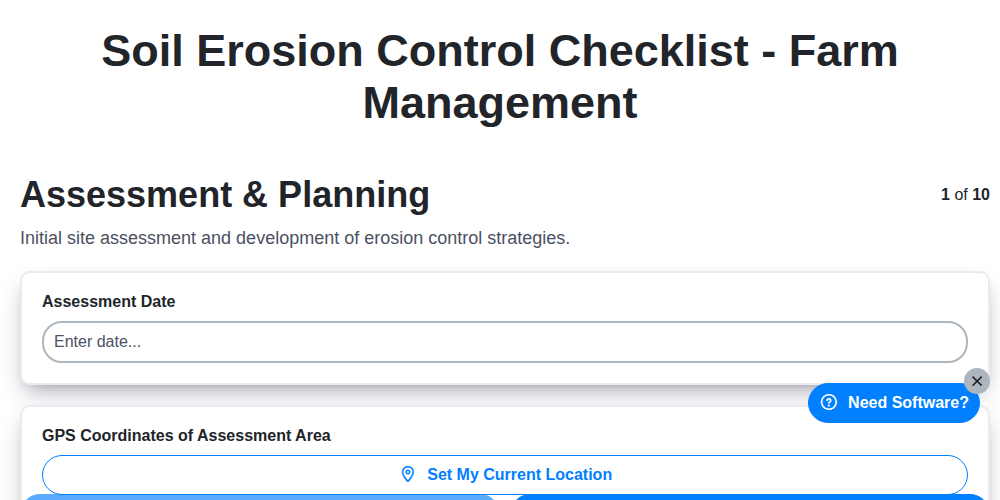
Table of Contents
- Understanding Soil Erosion and Why It Matters
- 1. Assessment & Planning: Laying the Foundation
- 2. Contour Farming & Terracing: Following the Land's Shape
- 3. Cover Cropping & Mulching: Nature's Protective Blanket
- 4. No-Till & Reduced Tillage: Minimizing Soil Disturbance
- 5. Windbreaks & Shelterbelts: Blocking the Breeze
- 6. Waterways & Streambank Protection: Safeguarding Our Water Sources
- 7. Gullies & Drainage: Controlling Runoff and Erosion Hotspots
- 8. Long-Term Success: Maintenance & Monitoring
- Resources & Links
TLDR: Losing topsoil costs you money and hurts your farm's health. This checklist is your quick guide to preventing soil erosion! It covers everything from planning and contour farming to cover crops, windbreaks, and drainage - ensuring your land stays productive for years to come. Download the full checklist to systematically tackle erosion risks on your farm.
Understanding Soil Erosion and Why It Matters
Soil erosion isn't just about losing topsoil; it's a complex issue with far-reaching consequences for your farm's productivity and the wider environment. Think of topsoil as your farm's lifeblood - it's rich in nutrients, organic matter, and beneficial microbes vital for healthy plant growth. When erosion occurs, you're losing this valuable resource, leading to decreased crop yields, increased fertilizer needs, and ultimately, reduced profitability.
Beyond your farm, soil erosion contributes to water pollution as sediment clogs waterways, harming aquatic life and impacting drinking water sources. It also exacerbates flooding by reducing the land's ability to absorb rainfall. Furthermore, eroded soil often ends up in reservoirs and lakes, shortening their lifespan and increasing the cost of water treatment.
Understanding the severity of soil erosion and its impact is the first critical step towards implementing effective control measures and ensuring the long-term sustainability of your farm. Ignoring this problem isn't an option - proactive soil erosion control is an investment in your farm's future.
1. Assessment & Planning: Laying the Foundation
Before implementing any erosion control measures, a thorough assessment and planning phase is absolutely critical. Rushing in without understanding the scope of the problem can lead to wasted resources and ineffective solutions.
This initial stage involves several key steps:
- Identify Vulnerable Areas: Walk your farm and carefully observe areas prone to erosion. Look for signs like gullies, rills (small channels), exposed soil, and areas with steep slopes or concentrated water flow. Aerial imagery (drone or satellite) can be a huge help here, especially for larger farms.
- Determine Erosion Drivers: What's causing the erosion? Is it primarily due to rainfall intensity, slope steepness, soil type, lack of vegetation, or a combination? Understanding the root causes will guide your control methods.
- Soil Type & Slope Analysis: Analyze your soil's texture (sand, silt, clay) and its erodibility. Steep slopes are more susceptible to erosion than gentle ones. Use topographic maps or digital elevation models (DEMs) for accurate slope assessments.
- Water Flow Patterns: Map out how water flows across your farm during and after rainfall events. Identify natural drainage pathways and areas where water concentrates.
- Set Clear Objectives: What level of erosion control are you aiming for? Realistic goals will keep your plan on track.
- Develop a Prioritized Plan: Rank areas needing the most urgent attention and outline specific control measures for each. Consider your budget, available resources, and potential impact on crop yields.
This assessment provides the groundwork for a targeted and effective erosion control strategy.
2. Contour Farming & Terracing: Following the Land's Shape
Contour farming and terracing are two powerful, complementary techniques for controlling soil erosion on sloping land. They work by slowing down water runoff and reducing its erosive power.
Contour Farming: This involves plowing and planting crops along the contour lines - the lines of equal elevation - of a slope. By running rows perpendicular to the slope, contour farming creates small ridges that act as mini-dams, intercepting water and allowing it to soak into the soil rather than running downhill. This reduces surface runoff and minimizes erosion.
Terracing: When slopes are particularly steep, terracing provides a more robust solution. Terraces are essentially level platforms constructed into the hillside, resembling a staircase. Each terrace acts as a small, level field, preventing runoff from gaining momentum and causing erosion. Building terraces is a more involved process, requiring careful planning and construction, but the results are extremely effective in stabilizing very steep land.
Planning & Implementation: Before implementing either technique, carefully map your land's contours. Local soil conservation districts or agricultural extension offices can provide valuable assistance in this process. Consider the slope gradient; contour farming is often suitable for gentler slopes, while terracing is ideal for steeper inclines. Ensure proper drainage behind terraces to prevent water buildup and potential structural failure. Regular inspection and minor repairs are vital for long-term effectiveness.
3. Cover Cropping & Mulching: Nature's Protective Blanket
Cover cropping and mulching are powerful, nature-based solutions for combating soil erosion. Think of them as providing a protective blanket for your fields.
Cover Cropping: Planting cover crops - such as rye, oats, clover, or buckwheat - between cash crops (or during fallow periods) provides a living shield. Their roots bind the soil together, preventing it from being swept away by wind and rain. They also improve soil structure, increase organic matter, and suppress weeds, leading to healthier, more resilient soil. Different cover crops offer different benefits, so consider your specific needs and climate when choosing. For instance, rye is excellent for winter cover and erosion control, while legumes like clover fix nitrogen, enriching the soil.
Mulching: Applying a layer of organic material - like straw, wood chips, or crop residue - on the soil surface offers a different but equally vital layer of protection. Mulch acts as a buffer, reducing the impact of raindrops, slowing down runoff, and keeping the soil cooler and moister. It also reduces weed competition and, as it decomposes, adds valuable organic matter back into the soil. Combining cover cropping and mulching offers a synergistic effect, maximizing erosion control and overall soil health.
4. No-Till & Reduced Tillage: Minimizing Soil Disturbance
Conventional tillage, the practice of plowing and turning over the soil, can be a major contributor to soil erosion. Each pass with a tractor breaks up soil aggregates, making them vulnerable to wind and water. Thankfully, transitioning to no-till or reduced tillage practices offers a powerful solution for erosion control and overall soil health.
What's the Difference?
- No-Till: In no-till farming, the soil is left undisturbed from harvest to planting. Seeds are directly drilled into the residue of the previous crop. This requires specialized equipment.
- Reduced Tillage: This encompasses a range of practices that reduce the intensity and frequency of tillage operations. Examples include strip-tillage (tilling only narrow strips where seeds will be planted) and ridge-tillage.
Benefits Beyond Erosion Control:
While significantly reducing erosion is the primary benefit, no-till and reduced tillage offer a host of advantages:
- Improved Soil Structure: Undisturbed soil aggregates better, creating pore space for air and water infiltration.
- Increased Water Infiltration: Less compaction means water soaks in, reducing runoff and replenishing groundwater.
- Enhanced Soil Organic Matter: Crop residue left on the surface decomposes, adding valuable organic matter and nutrients to the soil.
- Reduced Fuel Consumption: Fewer tractor passes translate to lower fuel costs.
- Improved Workability (over time): While initial adoption might require adjustments, long-term soil health improvements lead to easier workability.
Getting Started:
Transitioning to no-till or reduced tillage is a process. Consider these steps:
- Start Small: Implement these practices on a small portion of your land initially to learn the intricacies.
- Equipment Considerations: You'll likely need specialized planting equipment designed for direct seeding into residue.
- Weed Management: Weed control strategies may need adjustment, potentially requiring increased reliance on herbicides or integrated pest management techniques.
- Monitor Soil Health: Regularly assess soil organic matter, aggregate stability, and other indicators of soil health to track progress.
5. Windbreaks & Shelterbelts: Blocking the Breeze
Wind and erosion go hand-in-hand on farmland. Strong winds can strip topsoil, dry out plants, and damage crops. Windbreaks and shelterbelts are your first line of defense against this destructive force. These are essentially rows of trees and shrubs planted strategically to reduce wind speed across a field.
Planning Your Windbreak:
- Orientation: Plant windbreaks perpendicular to the prevailing wind direction. This is the most effective placement.
- Width: Aim for a windbreak width that's at least 10 times the average tree height at maturity. A wider windbreak offers greater protection.
- Species Selection: Choose a mix of tree and shrub species with varying heights and densities. Consider native species adapted to your local climate and soil conditions. Look for species with dense foliage and deep root systems.
- Layering: A layered design - a shorter row of shrubs followed by a taller row of trees - provides staggered protection and offers habitat for beneficial wildlife.
- Spacing: Proper spacing between trees and shrubs within the windbreak is crucial for healthy growth and optimal wind reduction.
Benefits Beyond Erosion Control:
Windbreaks offer more than just erosion protection. They can also:
- Reduce crop damage from wind.
- Improve crop yields.
- Reduce pesticide and fertilizer drift.
- Provide habitat for pollinators and beneficial insects.
- Offer snowdrift control.
6. Waterways & Streambank Protection: Safeguarding Our Water Sources
Streambanks and waterways are vital components of a healthy farm ecosystem, providing habitat, filtering pollutants, and maintaining water quality. Erosion along these areas can have devastating consequences, impacting both your farm's productivity and the health of downstream water sources. Implementing effective streambank protection is a crucial step in your soil erosion control plan.
Assessment is Key: Begin by thoroughly assessing the condition of your waterways. Look for signs of erosion like undercut banks, slumping, and exposed tree roots. Note the width and depth of the waterway, the type of soil, and the surrounding vegetation.
Protection Strategies: Several techniques can be employed, often in combination, to stabilize streambanks:
- Riparian Buffers: Establishing and maintaining a wide band of trees, shrubs, and grasses along the waterway is the first line of defense. These buffer zones filter runoff, slow water velocity, and provide bank stabilization through root systems. Native species are highly recommended for optimal ecological benefits.
- Bioengineering Techniques: Utilize natural materials like logs, rocks, and live stakes (cuttings of live plants) to reinforce streambanks. Willow wattles, brush layering, and live fascines are effective bioengineering methods.
- Rock Riprap: In areas with high water flow or unstable banks, strategically placed rocks can provide a physical barrier against erosion. Ensure proper sizing and placement to prevent displacement.
- Coir Logs & Mattresses: Biodegradable coir products offer temporary bank stabilization while vegetation establishes, providing a cost-effective solution.
- Grade Stabilization Structures: In areas with significant grade changes, small dams or check dams can slow water flow and reduce erosion.
Maintenance is Ongoing: Regularly inspect your streambank protection efforts. Replace lost vegetation, repair damaged structures, and address any signs of new erosion promptly. A healthy, protected waterway benefits everyone.
7. Gullies & Drainage: Controlling Runoff and Erosion Hotspots
Gullies are a dramatic and destructive sign of soil erosion, representing areas where concentrated water flow has carved significant channels into the land. Left unchecked, they rapidly expand, losing valuable topsoil and impacting water quality. Effective drainage management is crucial not only for gully control but also for preventing them from forming in the first place.
Gully Control Structures: These are often the most visible solution. Options include:
- Check Dams: Small barriers built across gullies to slow water flow, trap sediment, and encourage vegetation to establish. These can be made from rock, logs, straw bales, or even geotextile fabric.
- Drop Structures: Similar to check dams, but designed to safely lower water flow over a steeper drop.
- Live Stakes/Brush Mattresses: Using live plant cuttings or woven brush to stabilize gully banks and filter sediment.
- Rock Riprap: Placing rocks along gully banks to protect against erosion. This is often used in combination with other techniques.
Drainage Management is Key: Beyond structural controls, proactive drainage management is vital. This includes:
- Diversion Ditches: Channels built to redirect surface water away from vulnerable areas, preventing concentrated flow that leads to gully formation.
- Grade Stabilization: Ensuring slopes are gentle enough to handle rainwater flow without creating erosive forces.
- Improved Surface Roughness: Techniques like leaving crop residue on the soil surface help slow down water and promote infiltration.
- Addressing Concentrated Flow Paths: Identifying and correcting areas where water naturally concentrates - often near roads, driveways, or compacted areas - is essential.
Regular inspection of drainage pathways and prompt repairs to any failures (like broken culverts or eroded channels) will prevent minor issues from escalating into large, problematic gullies.
8. Long-Term Success: Maintenance & Monitoring
Erosion control isn't a "set it and forget it" endeavor. The strategies implemented today need ongoing attention to remain effective. Nature is dynamic, weather patterns shift, and land use changes can all impact your soil's vulnerability to erosion. A robust maintenance and monitoring plan is crucial for long-term success.
Here's what that plan should include:
- Regular Inspections: Walk your fields and land regularly (at least annually, more frequently in areas prone to heavy rainfall or significant weather events). Look for signs of erosion, such as rills, gullies, and exposed soil. Note any areas where your erosion control measures seem to be failing or are degrading.
- Cover Crop Health: If using cover crops, monitor their growth and vigor. Re-seed or adjust your cover crop mix if necessary. Ensure adequate planting dates and termination methods.
- Terrace & Contour Maintenance: Inspect terraces and contour ridges for breaches, slumping, or vegetation loss. Repair any damage promptly. Ensure proper drainage is maintained.
- Gully Structure Checks: Regularly inspect gully control structures (riprap, check dams, etc.) for displacement, damage, or sediment buildup. Clean out debris as needed.
- Windbreak & Streambank Review: Assess the health of your windbreaks and streambank vegetation. Replace any dead or dying plants. Address any signs of streambank instability.
- Record Keeping: Maintain detailed records of your erosion control practices, inspections, and any corrective actions taken. This historical data will be invaluable for future planning and adjustments.
- Adaptive Management: Be prepared to adapt your approach based on your observations and soil test results. What works well in one year might need tweaking the next.
By proactively maintaining your erosion control measures and carefully monitoring their effectiveness, you can protect your valuable soil resources for generations to come.
Resources & Links
- USDA Natural Resources Conservation Service (NRCS): The NRCS is the primary federal agency dedicated to soil conservation. Their website offers a wealth of information on soil erosion control techniques, best practices, financial assistance programs, and local expertise. It's a crucial resource for understanding regulations and finding tailored solutions for your farm.
- USDA Farm Service Agency (FSA): While focused on farm programs, the FSA often coordinates with NRCS and can be a point of contact for conservation assistance, especially concerning disaster relief and funding opportunities related to erosion control.
- Society of American Engineers (SAE): The SAE has resources and publications (often technical) related to erosion control, particularly regarding engineering solutions and innovative techniques, for those needing more advanced approaches.
- National Association of Conservation Districts (NACD): NACD connects you to local conservation districts, which are vital for providing on-the-ground support, technical assistance, and personalized advice tailored to your region's specific challenges.
- USDA Agricultural Research Service (ARS): ARS conducts research on soil health, erosion control, and sustainable agriculture practices. Their publications and findings can provide valuable insights into innovative solutions and the science behind effective methods.
- eXtension: eXtension is a cooperative extension service providing research-based knowledge and practical information to farmers and landowners on a wide range of topics, including soil conservation and erosion control. You can often find articles, videos, and expert advice.
- Soil Health Institute: The Soil Health Institute focuses on improving soil health, which is intrinsically linked to erosion control. They offer resources, research, and educational materials on building healthy, resilient soils.
- Alabama Cooperative Extension System: Provides regional insights and resources specific to the South, but offers valuable soil health and erosion control practices applicable to other regions. Look for specific extension publications on soil conservation.
- Sustainable Agriculture Research & Education (SARE): SARE provides grants and educational resources related to sustainable farming practices, many of which directly address soil erosion and conservation. They offer case studies and practical guides.
- Missouri Department of Agriculture: Offers a comprehensive listing of conservation programs and best management practices applicable to farms of all sizes. It is a useful example of state resources.
Frequently Asked Questions
How often should I review and update my erosion control plan?
Ideally, review your plan annually, or more frequently if you experience extreme weather events or changes in your farming practices.
Comments
There are no comments yet. Be the first to add one!
Farm Management Solution Demo
Grow your farm smarter & more efficiently! ChecklistGuro streamlines crop planning, task management, & resource tracking. Maximize yields, reduce waste, & improve profitability. Manage it all with our Work OS.
Related Articles
Unlock Higher Yields: Your Precision Agriculture Checklist Template
The Ultimate Farm Safety Inspection Report Checklist Template
Irrigation System Checklist: Farm Water Management & Crop Yield Optimization

Livestock Health & Welfare Checklist: Your Farm Animal Care & Biosecurity Template

Crop Insurance Policy Review Checklist: A Farmer's Guide
Water Discharge Permit Compliance Checklist Template
The Ultimate GPS & Precision Farming Calibration Checklist Template

Mapping the Threat: A Checklist for Proactive Pest & Disease Pressure Management
Need help with
Farm Management?
Have a question? We're here to help. Please submit your inquiry, and we'll respond promptly.