A Complete Guide to Subcontractor Management and Oversight Workflow
Published: 06/18/2026 9:00 PM Updated: 06/19/2026 12:30 PM
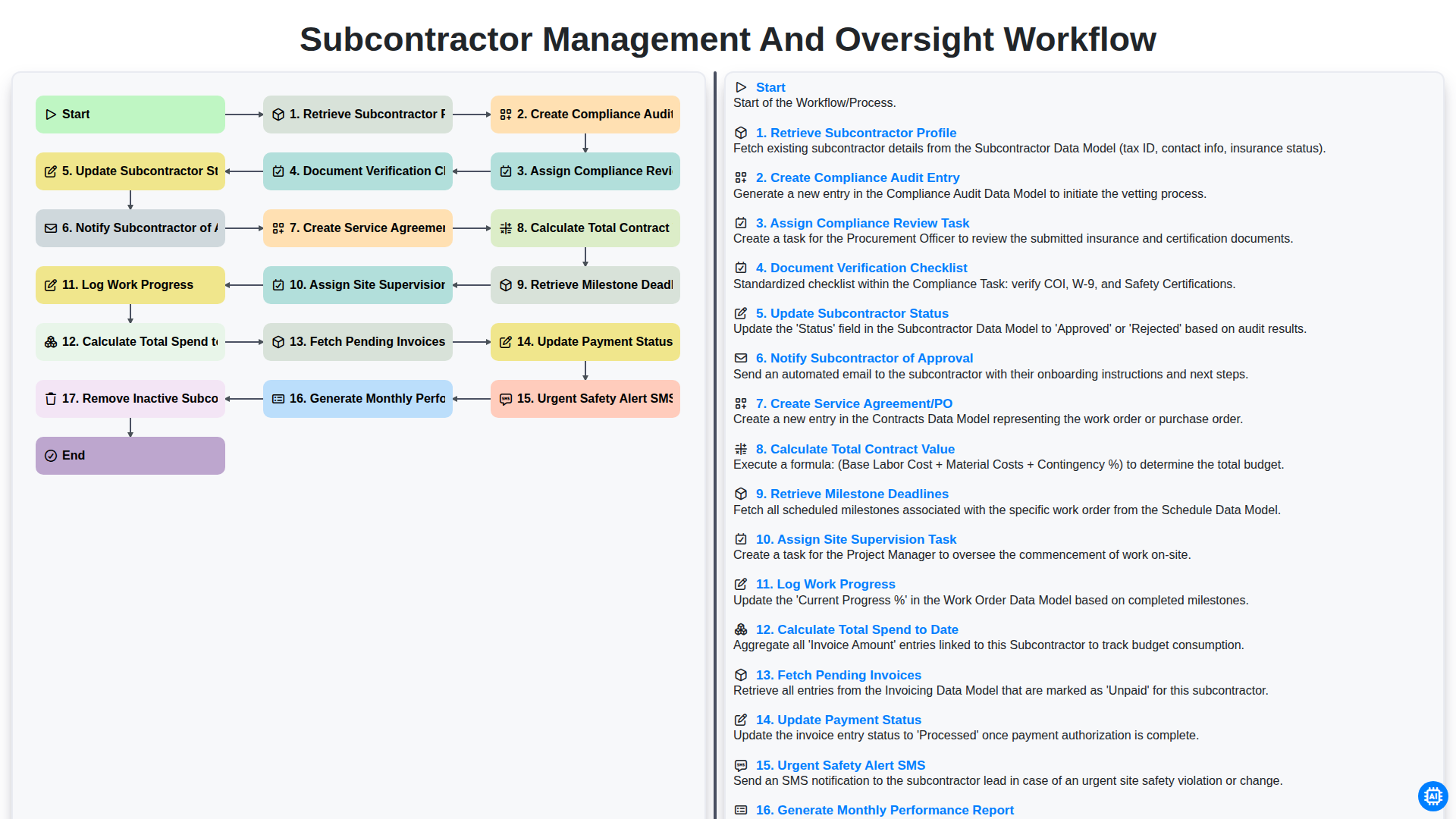
Table of Contents
- Introduction to Subcontractor Management and Oversight
- Phase 1: Onboarding and Compliance Verification
- Streamlining the Initial Screening: Retrieving Subcontractor Profiles
- Establishing Accountability: Creating Compliance Audit Entries
- Managing the Review Process: Assigning Compliance Tasks and Document Verification
- Finalizing Onboarding: Status Updates and Subcontractor Notifications
- Phase 2: Contracting and Financial Setup
- Formalizing the Relationship: Service Agreements and Purchase Orders
- Budget Management: Calculating Total Contract Value
- Phase 3: Project Execution and Site Oversight
- Monitoring Progress: Milestone Deadlines and Site Supervision
- Real-Time Tracking: Logging Work Progress and Managing Safety Alerts
- Phase 4: Financial Tracking and Payment Processing
- Cost Control: Tracking Total Spend and Managing Pending Invoices
- Phase 5: Performance Review and Database Maintenance
- Resources & Links
TLDR: Streamline your construction or project management operations with this comprehensive guide to the Subcontractor Management and Oversight Workflow. Learn how to automate the entire subcontractor lifecycle-from initial profile retrieval and compliance auditing to milestone tracking, payment processing, and performance reporting-ensuring full accountability, safety compliance, and cost control throughout your projects.
Introduction to Subcontractor Management and Oversight
In the complex ecosystem of modern construction and project management, the success of a large-scale operation rarely rests solely on the shoulders of the primary contractor. Instead, it relies on a sophisticated web of specialized partners, vendors, and independent entities. While subcontracting allows for greater flexibility and access to niche expertise, it simultaneously introduces a significant layer of operational risk and administrative complexity.
Effective Subcontractor Management and Oversight is more than just a way to delegate tasks; it is a continuous, end-to-end lifecycle designed to ensure quality, safety, and financial accountability. Without a structured workflow, companies often find themselves trapped in a reactive cycle-struggling with expired insurance certificates, unverified credentials, budget overruns, and inconsistent site performance.
A robust management workflow serves as the backbone of project integrity. It transforms a chaotic collection of external workers into a synchronized extension of your core team. By implementing a standardized process-ranging from the initial retrieval of subcontractor profiles to the rigorous verification of compliance and the real-time monitoring of work progress-project managers can mitigate liability, maintain strict adherence to safety protocols, and ensure that every milestone is met within the predefined budgetary constraints. In the following sections, we will break down the essential steps required to move from onboarding to performance evaluation, ensuring your projects remain both profitable and compliant.
Phase 1: Onboarding and Compliance Verification
The foundation of a successful partnership lies in the rigor of your onboarding process. The first phase of the Subcontractor Management and Oversight Workflow focuses on establishing a baseline of trust and regulatory adherence through a structured, multi-step verification sequence.
The process begins with the Retrieval of the Subcontractor Profile, ensuring that all baseline business information is accurately captured in your system. Once the profile is established, the workflow moves immediately into the compliance layer. A Compliance Audit Entry is created to initiate the formal vetting process, followed by the Assignment of a Compliance Review Task to the relevant internal stakeholders.
To ensure no stone is left unturned, the system triggers a Document Verification Checklist. This automated step ensures that essential certifications, insurance documents, and licenses are scrutinized and validated against your company's safety and legal standards. Only once all documentation is cleared does the workflow Update the Subcontractor Status to Approved, which simultaneously triggers a Notification to the Subcontractor of Approval. This automated communication ensures transparency and allows the partner to prepare for upcoming project deployments without manual follow-ups.
Streamlining the Initial Screening: Retrieving Subcontractor Profiles
The foundation of a robust subcontractor management system lies in the efficiency of your onboarding process. The first critical step in any successful workflow is the ability to Retrieve Subcontractor Profiles accurately and instantaneously. Rather than sifting through fragmented email threads, disconnected spreadsheets, or physical filing cabinets, a streamlined workflow relies on a centralized digital repository.
By establishing a single source of truth, project managers can instantly access essential historical data, including previous work performance, contact information, and specialized certifications. This stage is not merely about finding a name and a number; it is about gathering the comprehensive context necessary to determine if a subcontractor is even eligible for consideration. Efficient retrieval ensures that the subsequent stages of the workflow-such as compliance auditing-are built upon a foundation of accurate, up-to-date information, preventing costly delays caused by administrative errors or outdated documentation.
Establishing Accountability: Creating Compliance Audit Entries
The foundation of a reliable subcontractor relationship is built on transparency and rigor. Within our management workflow, the process begins immediately after retrieving the subcontractor profile. Once the profile is identified, the very next critical step is to Create a Compliance Audit Entry.
This step serves as the source of truth for the entire engagement. By initiating a dedicated audit entry, you are not merely filing paperwork; you are establishing a centralized digital ledger where every piece of documentation, every certification, and every safety credential will be tracked. This entry acts as the anchor for the subsequent Compliance Review Task, ensuring that the reviewer has a specific, dedicated space to cross-reference the subcontractor's claims against actual evidence.
Without this formal entry, compliance becomes a fragmented process of searching through emails and disparate spreadsheets. By creating a standardized audit entry at the onset, you ensure that accountability is baked into the workflow from day one, providing a clear audit trail that protects both the prime contractor and the subcontractor in the event of a site inspection or legal inquiry.
Managing the Review Process: Assigning Compliance Tasks and Document Verification
Once the initial subcontractor profile is retrieved and a compliance audit entry is created, the workflow transitions into the most critical phase of risk mitigation: the active review process. This stage is where the foundation of safety and legal compliance is established.
The process begins by assigning a compliance review task to the relevant project manager or safety officer. By formalizing this assignment, you ensure accountability and prevent the bottleneck effect often seen in manual oversight. This task serves as the trigger for the next critical step: the document verification checklist.
During the verification phase, the system systematically cross-references the subcontractor's uploaded credentials against your company's specific safety and legal requirements. This includes verifying:
- Insurance Certificates: Ensuring Workers' Compensation and General Liability policies are current and meet coverage limits.
- Professional Licenses: Confirming all necessary state or local trade licenses are active.
- Safety Certifications: Validating that specialized training (such as OSHA certifications) is up to date.
- Permits and Indemnity Agreements: Confirming all necessary legal paperwork is signed and filed.
By automating the checklist and task assignment, you transform a traditionally fragmented process into a structured, auditable sequence. This ensures that no subcontractor moves forward in the workflow until every prerequisite has been verified, significantly reducing the risk of liability and ensuring that only fully vetted partners are authorized to step onto your job sites.
Finalizing Onboarding: Status Updates and Subcontractor Notifications
Once the rigorous documentation and verification process is complete, the workflow transitions from assessment to formal integration. The next critical steps involve updating the subcontractor status within your management system to reflect their verified compliance. This transition from Pending to Approved is a pivotal moment that triggers the notification of subcontractor approval, ensuring that your partners are immediately aware they are cleared to begin work.
With approval secured, the focus shifts toward operationalizing the partnership. This involves the automated creation of the Service Agreement or Purchase Order (PO), which serves as the legal and financial foundation of the engagement. During this phase, the system must precisely calculate the total contract value to ensure budget alignment and retrieve all milestone deadlines to establish a clear timeline for deliverables. By automating these final onboarding steps, you eliminate manual entry errors and ensure that every subcontractor enters your ecosystem with clearly defined expectations and a structured path to success.
Phase 2: Contracting and Financial Setup
Once a subcontractor has successfully cleared the compliance audit, the workflow transitions from vetting to formalizing the business relationship. This phase is critical for establishing clear legal expectations and ensuring financial transparency from the outset.
The process begins with the formalization of the partnership by creating the Service Agreement or Purchase Order (PO). This document serves as the single source of truth, outlining the scope of work, terms, and conditions. To ensure project timelines are strictly adhered to, the system automatically retrieves all milestone deadlines from the project master schedule and embeds them into the subcontractor's specific work plan.
With the legal framework in place, the focus shifts to budgetary control. The workflow automatically calculates the total contract value, providing an immediate baseline for financial tracking. This ensures that project managers have real-time visibility into the total commitment for the subcontracted scope, preventing budget overruns before the first task even begins. By integrating these administrative and financial steps into a single, automated sequence, you eliminate the manual errors that often lead to disputes during the invoicing stage.
Formalizing the Relationship: Service Agreements and Purchase Orders
Once a subcontractor has successfully cleared the compliance audit and their documentation is verified, the relationship transitions from administrative vetting to formal contractual commitment. This stage is critical because it transforms a verified vendor into a legally bound partner with clearly defined expectations.
The workflow moves into the execution phase by officially creating the Service Agreement or Purchase Order (PO). This document serves as the single source of truth for the engagement, outlining the scope of work, legal terms, and financial boundaries. During this step, the system must calculate the Total Contract Value, ensuring that the budget allocation is accurate and aligned with the approved project estimates.
To ensure the agreement remains actionable and not just a static document, the workflow then involves retrieving all relevant milestone deadlines. By integrating these deadlines directly into the management system, you establish a structured timeline that allows for proactive tracking. This seamless transition from compliance to contracting ensures that before any work begins on-site, the financial and legal frameworks are airtight, providing a foundation of accountability for both the prime contractor and the subcontractor.
Budget Management: Calculating Total Contract Value
Effective financial oversight begins with precise estimation and real-time tracking. Within the subcontractor management workflow, the process of Calculating Total Contract Value serves as the foundational step for establishing the project's budgetary ceiling. This involves aggregating all negotiated line items, including labor costs, material allowances, and any predetermined contingency funds, to ensure that the scope of work aligns with the allocated project budget.
By establishing a definitive total contract value at the onset, project managers can implement much tighter controls over scope creep and unauthorized expenditures. This calculation is not a one-time event but a benchmark against which all subsequent financial milestones are measured. Having this figure locked in allows for an accurate comparison during the later stages of the workflow, specifically when calculating the Total Spend to Date, ensuring that the project remains fiscally viable from inception to completion.
Phase 3: Project Execution and Site Oversight
Once the contract is finalized and the groundwork is laid, the workflow transitions into the most critical stage: active implementation. This phase focuses on maintaining high operational standards through rigorous on-site monitoring and financial tracking.
The execution phase begins with the assignment of site supervision tasks, ensuring that a dedicated supervisor is responsible for overseeing the subcontractor's adherence to project specifications. As work unfolds, the system allows managers to log work progress in real-time, providing a continuous stream of updates that reflect the actual status of the project against the original timeline. To maintain a clear financial picture, the workflow automatically calculates the total spend to date, allowing for proactive budget management.
Safety and communication are paramount during this stage. The workflow includes an integrated urgent safety alert SMS feature, enabling immediate dissemination of critical information to all stakeholders in the event of an on-site hazard.
As the project reaches its milestones, the system assists in the administrative closing of work cycles by allowing managers to fetch pending invoices and update payment status, ensuring that subcontractors are compensated accurately and on time. Finally, to maintain a clean and efficient database, the process concludes by removing inactive subcontractor records, ensuring your management dashboard remains focused only on active, high-performing partners.
Monitoring Progress: Milestone Deadlines and Site Supervision
Effective subcontractor management extends far beyond the initial onboarding phase; it requires continuous, real-time oversight to ensure project timelines remain intact. Once the contract is active, the workflow shifts focus toward two critical pillars: retrieving milestone deadlines and assigning site supervision tasks.
To prevent costly delays, the system automatically pulls all predefined project milestones and integrates them into the management dashboard. This allows project managers to see exactly when key deliverables are due, ensuring that subcontractor activities align with the master project schedule. However, visibility alone isn't enough-active oversight is required to bridge the gap between scheduling and execution.
By systematically assigning site supervision tasks to field leads, you ensure that every phase of the work is inspected for quality and adherence to specifications. This step creates a direct link between the planned deadline and the physical reality on the ground. Through this rigorous process of matching milestone tracking with active site supervision, you can identify potential bottlenecks before they escalate, ensuring that every subcontractor remains accountable to the project's overarching goals.
Real-Time Tracking: Logging Work Progress and Managing Safety Alerts
Effective subcontractor management extends far beyond the initial contract signing; it requires continuous, active oversight of on-site activities. A robust workflow ensures that logging work progress is integrated into the daily operations, providing project managers with a live feed of completed tasks and milestones. By capturing real-time updates, you can accurately calculate total spend to date, allowing for immediate visibility into budget consumption and preventing costly end-of-month surprises.
However, visibility is not just about productivity-it is about protection. In a high-stakes construction or service environment, communication must be instantaneous when risks arise. An optimized workflow includes the capability to trigger an Urgent Safety Alert SMS the moment a hazard is identified. This ensures that all personnel are notified immediately, minimizing downtime and prioritizing worker well-being. By bridging the gap between progress tracking and emergency communication, you create a management ecosystem that is both data-driven and safety-conscious.
Phase 4: Financial Tracking and Payment Processing
Once the administrative and compliance groundwork is laid, the focus shifts to the operational and financial lifecycle of the subcontract. This phase is critical for maintaining budget integrity and ensuring that subcontractors are paid accurately and on time, which is essential for maintaining healthy vendor relationships.
The process begins with real-time monitoring of the project's financial footprint. By calculating the total spend to date and continuously fetching pending invoices, project managers can maintain a clear view of the remaining budget and avoid costly overruns. This oversight ensures that every dollar committed aligns with the original total contract value established during the agreement phase.
Effective payment management also relies on rigorous oversight of project milestones. By integrating milestone deadlines into the workflow, the system ensures that payments are only triggered upon the successful completion of predefined project stages. As work is completed, the ability to log work progress provides the necessary audit trail to validate that the work performed matches the invoice submitted.
Ultimately, the goal of this phase is to update payment status seamlessly, transforming a manual, error-prone task into a streamlined, automated process. This level of precision minimizes disputes, prevents late fees, and ensures that the project's financial health remains transparent from inception to completion.
Cost Control: Tracking Total Spend and Managing Pending Invoices
Effective subcontractor management is as much about financial oversight as it is about operational coordination. To maintain healthy project margins, the workflow must transition seamlessly from task assignment to rigorous financial tracking. A critical component of this process involves the continuous monitoring of the Total Spend to Date against the Total Contract Value. By maintaining a real-time view of cumulative expenditures, project managers can identify budget variances before they escalate into costly overruns.
However, tracking spend is only half the battle; the workflow must also bridge the gap between field progress and accounting. This is achieved by automatically fetching pending invoices and cross-referencing them with completed milestones. By systematically updating payment statuses, the system ensures that subcontractors are paid accurately and on time, which preserves professional relationships and maintains project momentum. This integrated approach to cost control prevents hidden costs from accumulating and provides the transparency needed to make informed, data-driven decisions throughout the project lifecycle.
Phase 5: Performance Review and Database Maintenance
Once the active work cycle concludes, the focus shifts toward long-term vendor relationship management and system hygiene. This phase is critical for maintaining a high-standard supply chain and ensuring that your subcontractor database remains a reliable single source of truth.
The process begins with the generation of a Monthly Performance Report. By aggregating data from logged work progress, milestone adherence, and compliance history, you can move away from anecdotal feedback and toward data-driven decision-making. These reports allow project managers to identify top-tier performers and pinpoint recurring bottlenecks in specific subcontractor workflows.
To maintain operational efficiency and prevent data bloat, the final step involves the systematic removal of inactive subcontractor records. Regularly pruning your database ensures that your procurement and compliance teams are only focusing on active, vetted partners, reducing the risk of communication errors and streamlining the audit process. By combining rigorous performance analysis with proactive database maintenance, you ensure that your subcontractor management workflow remains lean, efficient, and focused on quality.
Resources & Links
- OSHA Subcontractor Safety Guidelines: Essential regulatory resources for managing onsite safety compliance and managing urgent safety alerts during project execution.
- Project Management Institute (PMI): Best practices for managing milestones, project timelines, and complex vendor oversight workflows.
- Procore Construction Management: Tools and insights for streamlining subcontractor communication, document verification, and site supervision.
- Forbes Business Strategy: Expert advice on managing vendor relationships, contract value calculations, and financial risk mitigation.
- Attribunet Vendor Management Guide: A deep dive into the lifecycle of subcontractor onboarding, from profile retrieval to performance reporting.
Found this Article helpful?
Comments
There are no comments yet. Be the first to add one!
Facility Management Solution Demo
Keep your facilities running smoothly! ChecklistGuro streamlines maintenance, inspections, and vendor management. Reduce downtime, optimize efficiency, & improve safety. Manage it all with our Work OS.
Related Articles
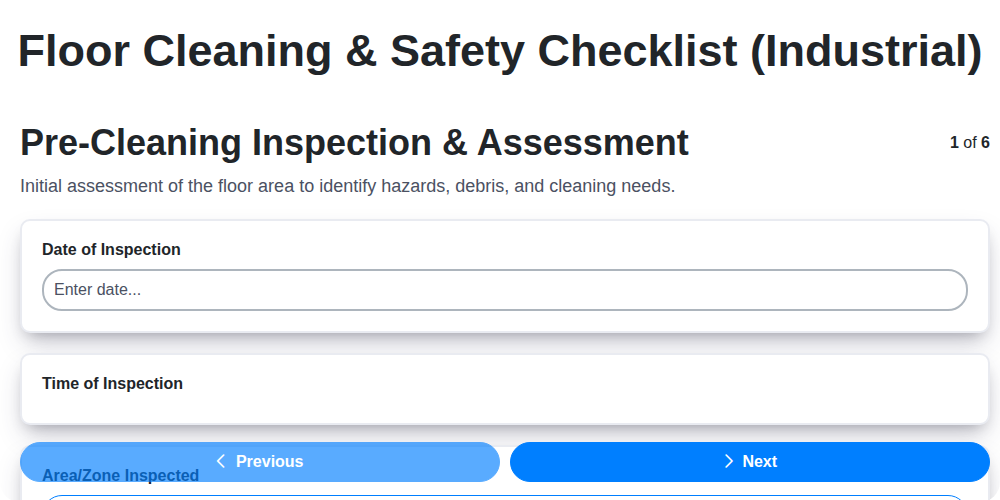
Industrial Floor Cleaning & Safety Checklist Template
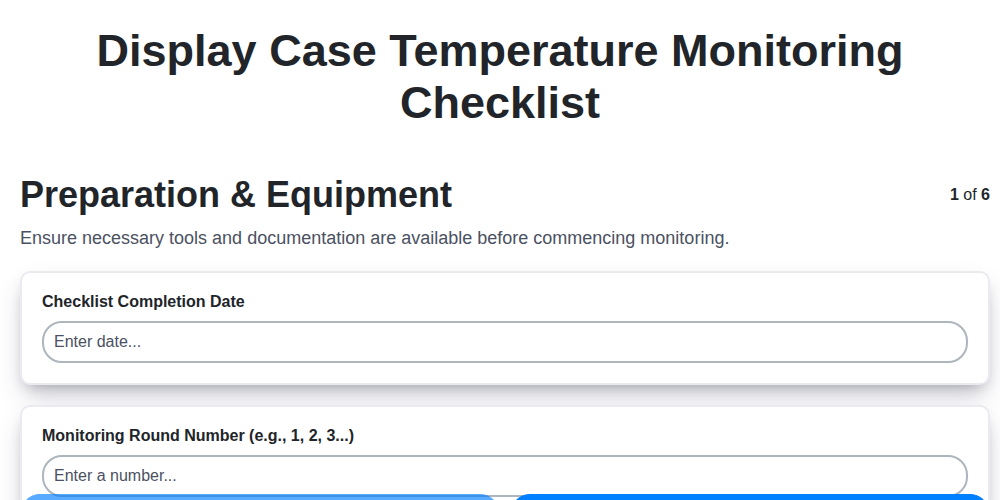
Display Case Temperature Monitoring Checklist Template
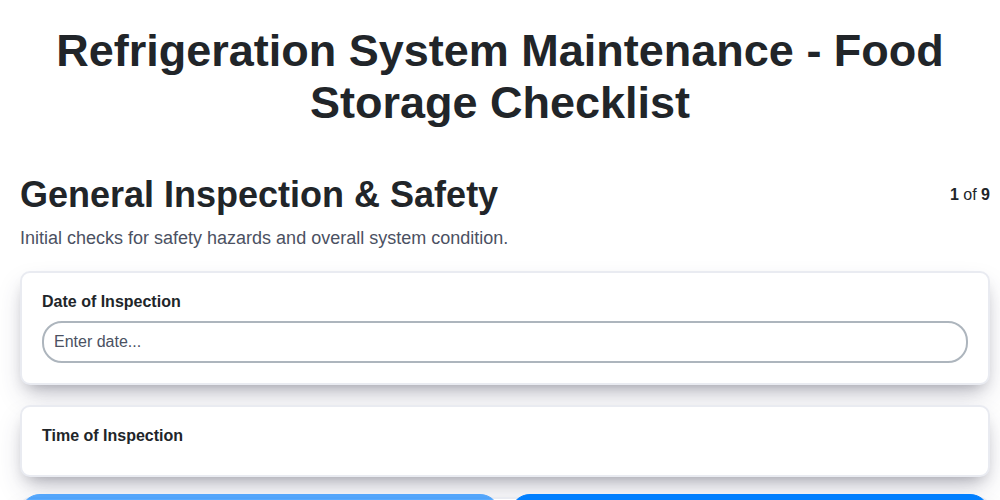
The Ultimate Refrigeration Maintenance Checklist: Keeping Your Food Safe
Escalator & Moving Walkway Inspection Checklist Template
The Ultimate Guest Room Cleaning & Inspection Checklist Template
The Ultimate Security Camera Review Checklist Template
Forklift Inspection & Maintenance Checklist Template
Emergency Generator Load Testing Checklist Template
We can do it Together
Need help with
Checklists?
Have a question? We're here to help. Please submit your inquiry, and we'll respond promptly.