Streamlining Operations: A Comprehensive Guide to the Supply Chain Visibility Workflow
Published: 06/04/2026 Updated: 10/05/2026
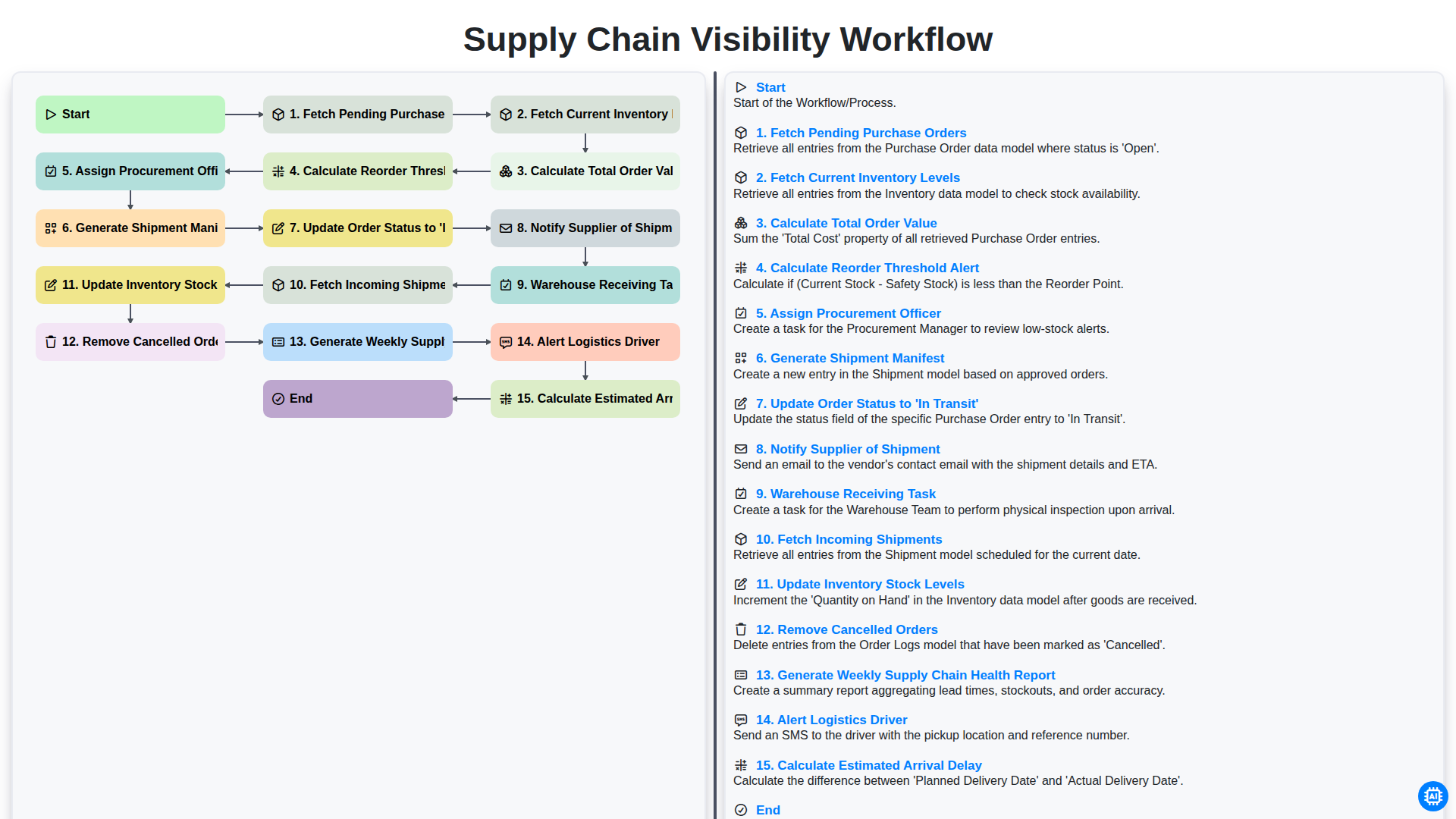
Table of Contents
- Introduction to Supply Chain Visibility
- Phase 1: Demand Identification and Inventory Assessment
- Step 1: Fetching Pending Purchase Orders
- Step 2: Analyzing Current Inventory Levels
- Step 3: Calculating Total Order Value and Reorder Threshold Alerts
- Phase 2: Procurement and Order Orchestration
- Step 4: Resource Allocation and Assigning Procurement Officers
- Step 5: Managing Order Cancellations and Lifecycle Updates
- Phase 3: Logistics and Shipment Execution
- Step 6: Generating Shipment Manifests and Notifying Suppliers
- Step 7: Transitioning Status to 'In Transit'
- Phase 4: Warehouse Management and Receiving
- Step 8: Incoming Shipment Tracking and Inventory Stock Updates
- Phase 5: Monitoring Performance and Logistics Intelligence
- Step 9: Driver Alerting, Delay Calculation, and Weekly Health Reporting
- Resources & Links
TLDR: Discover how to optimize your logistics management using our Supply Chain Visibility Workflow. This guide explores how to automate critical processes-from monitoring inventory levels and calculating reorder alerts to managing shipment manifests and real-time driver updates-ensuring seamless end-to-end transparency and operational efficiency.
Introduction to Supply Chain Visibility
In today's fast-paced global economy, uncertainty is the greatest enemy of profitability. For many businesses, the supply chain functions as a black box-a series of disconnected movements where goods disappear into a void between the supplier and the warehouse. Supply Chain Visibility (SCV) is the strategic antidote to this opacity. It refers to the ability to track every component, shipment, and movement of goods in real-time across the entire value chain.
Achieving true visibility means moving beyond simple tracking to achieving actionable intelligence. It is not just about knowing where a container is located, but understanding how that location impacts your inventory thresholds, your procurement timelines, and your ultimate delivery promises to customers. When a workflow is optimized for visibility, data flows seamlessly from the moment a purchase order is pending to the moment the final product reaches the warehouse. This interconnectedness allows companies to transition from a reactive state of firefighting logistics crises to a proactive state of strategic orchestration, minimizing delays, reducing overhead, and ensuring that every stakeholder-from procurement officers to logistics drivers-is aligned with the real-time reality of the supply chain.
Phase 1: Demand Identification and Inventory Assessment
The foundation of a resilient supply chain lies in the ability to anticipate needs before they become emergencies. The initial phase of the Supply Chain Visibility Workflow focuses on synchronizing real-time data to bridge the gap between current stock levels and upcoming demands.
The process begins with two critical diagnostic steps: Fetching Pending Purchase Orders and Fetching Current Inventory Levels. By aggregating all outstanding orders alongside a live snapshot of warehouse stock, the system creates a single source of truth. This allows for a precise Calculation of Total Order Value, providing stakeholders with immediate insight into the financial commitments currently in the pipeline.
Crucially, this phase is where proactive risk mitigation occurs. By analyzing the intersection of incoming orders and existing stock, the system can automatically Calculate Reorder Threshold Alerts. This automated intelligence ensures that replenishment triggers are based on actual consumption patterns rather than guesswork, preventing the twin pitfalls of costly overstocking and disruptive stockouts. By mastering this assessment phase, businesses can move from a reactive posture to a predictive one.
Step 1: Fetching Pending Purchase Orders
The foundation of an efficient supply chain begins with complete visibility into your existing commitments. The first step in our workflow involves Fetching Pending Purchase Orders, a critical process that ensures no single request falls through the cracks. By systematically gathering all outstanding orders, the system creates a real-time snapshot of upcoming demand. This step acts as the trigger for the entire automation engine, pulling data from various procurement modules to identify which orders are awaiting fulfillment, processing, or delivery. Without this initial layer of data retrieval, the subsequent steps-such as inventory checks and reorder calculations-would lack the necessary context to drive accurate decision-making.
Step 2: Analyzing Current Inventory Levels
Once the pending purchase orders are retrieved, the next critical stage in the workflow is to Fetch Current Inventory Levels. This step serves as the reality check for your entire supply chain. By integrating real-time data from your warehouse management system, you can bridge the gap between what is ordered and what is actually on hand.
Automating this step eliminates the risk of phantom inventory-the dangerous discrepancy between recorded stock and physical stock. During this phase, the system cross-references incoming orders against existing warehouse quantities to identify potential shortages before they escalate into stockouts. This granular visibility ensures that the subsequent calculation of order values and reorder thresholds is based on precise, up-to-the-minute data, allowing for more intelligent, data-driven procurement decisions.
Step 3: Calculating Total Order Value and Reorder Threshold Alerts
Once the system has successfully retrieved the pending purchase orders and cross-referenced them with current inventory levels, the workflow moves into the critical analytical phase. This stage is where raw data is transformed into actionable intelligence through two pivotal automated calculations.
First, the system performs a Total Order Value Calculation. By aggregating the unit prices and quantities from all pending orders, the workflow determines the exact financial commitment required for the upcoming procurement cycle. This provides procurement teams with immediate clarity on budget allocation and cash flow requirements, eliminating the need for manual spreadsheet consolidation.
Simultaneously, the workflow triggers the Reorder Threshold Alert calculation. The system compares the current inventory levels against predefined minimum stock buffers. If the stock levels for any specific SKU have dipped below the safety threshold, the system automatically flags a high-priority alert. This proactive step ensures that replenishment processes are initiated before a stockout occurs, effectively bridging the gap between simple data retrieval and intelligent, automated decision-making.
Phase 2: Procurement and Order Orchestration
Once the initial inventory assessment is complete, the workflow transitions into the active execution phase, where data-driven decision-making meets automated logistics. This stage, known as Procurement and Order Orchestration, is where the system moves from monitoring to action.
The process begins with the automated retrieval of all pending purchase orders, which are immediately cross-referenced against current inventory levels. By performing a real-time calculation of total order values, the system provides clear financial visibility for every pending transaction. To prevent stockouts before they occur, the engine simultaneously calculates reorder threshold alerts, ensuring that replenishment happens preemptively rather than reactively.
Once the need for replenishment is validated, the workflow handles the human element of the supply chain by assigning a dedicated procurement officer to oversee the specific requisition. As the order moves toward fulfillment, the system generates a comprehensive shipment manifest, which serves as the single source of truth for the cargo. To maintain seamless communication across the network, the system automatically updates the order status to 'In Transit' and triggers an automated notification to the supplier, ensuring all stakeholders are aligned on the movement of goods.
Step 4: Resource Allocation and Assigning Procurement Officers
Once the system has completed the critical calculations-specifically determining the total order value and identifying necessary reorder threshold alerts-the workflow moves into the crucial phase of human intervention and resource allocation. This step involves the automated Assignment of a Procurement Officer to the specific requisition.
By intelligently routing purchase orders to the most appropriate team member based on workload, expertise, or category specialization, the workflow ensures that no high-priority order sits idle. This eliminates the bottleneck effect often found in manual systems, where orders are left unassigned in a general queue. Assigning a dedicated officer at this juncture ensures accountability and kickstarts the downstream communication with suppliers, transforming raw data into actionable procurement tasks.
Step 5: Managing Order Cancellations and Lifecycle Updates
A seamless supply chain workflow requires more than just moving goods forward; it demands the ability to handle disruptions gracefully. An essential part of maintaining data integrity is the ability to Remove Cancelled Orders from the active pipeline. When an order is voided, the system must immediately purge it from pending tasks to prevent downstream errors, such as unnecessary procurement or incorrect inventory forecasting.
Beyond managing cancellations, the workflow continuously monitors the lifecycle of every shipment by performing the critical task of Update Order Status to 'In Transit'. This ensures that both the warehouse team and stakeholders have a real-time, single source of truth regarding where goods are located. By automating these status updates and cleanup processes, you eliminate the manual overhead of tracking ghost orders and ensure that your logistics data remains accurate, streamlined, and actionable.
Phase 3: Logistics and Shipment Execution
Once the procurement process is finalized and the order is ready for movement, the workflow shifts from administrative planning to active logistics management. This phase is critical as it bridges the gap between the warehouse and the end destination, ensuring that goods are tracked in real-time to prevent bottlenecks.
The execution begins with the transition of data from procurement to logistics. Once the order is prepared, the system must Generate a Shipment Manifest to consolidate all necessary documentation for transport. To maintain an accurate digital trail, the workflow automatically Updates the Order Status to 'In Transit', providing immediate visibility to all stakeholders. To ensure seamless communication, the system then Notifies the Supplier of the Shipment, ensuring that all parties are aligned on the expected movement of goods.
As the cargo moves through the supply chain, proactive monitoring is vital. The workflow continues to Alert the Logistics Driver of their route and responsibilities. However, since external factors like traffic or weather can disrupt schedules, the system is designed to Calculate Estimated Arrival Delay, allowing for preemptive adjustments to warehouse labor scheduling.
The final stage of this phase concludes upon the arrival of the goods. The Warehouse Receiving Task is triggered to signal the arrival of the shipment. Upon physical verification, the system will Fetch Incoming Shipments to reconcile what was expected against what was received. The cycle completes by performing an Update of Inventory Stock Levels, ensuring that the digital inventory reflects the physical reality of the warehouse, thereby maintaining the integrity of the entire supply chain loop.
Step 6: Generating Shipment Manifests and Notifying Suppliers
Once the reorder thresholds are calculated and a procurement officer is assigned, the workflow moves into the critical execution phase. The next step involves generating a shipment manifest, which serves as the definitive document detailing all items, quantities, and routing instructions for the outgoing or incoming goods. This manifest acts as the single source of truth for the logistics team, ensuring that what is recorded in the digital system matches exactly what is physically moving through the supply chain.
Immediately following the creation of the manifest, the system triggers an automated action to notify the supplier of the shipment. This automated communication is vital for maintaining synchronization between your warehouse and your vendors. By providing suppliers with real-time updates regarding shipment details, you reduce the likelihood of manual entry errors, minimize communication gaps, and allow suppliers to prepare their receiving docks in advance, effectively smoothing the transition from procurement to logistics.
Step 7: Transitioning Status to 'In Transit'
Once the shipment manifest has been generated and the logistics preparations are finalized, the workflow moves into a critical execution phase: updating the order status to 'In Transit'. This step serves as the official handoff from the procurement stage to the logistics stage.
Updating the status to 'In Transit' is more than just a clerical change; it acts as a real-time trigger for the rest of the supply chain ecosystem. By transitioning the order status, you provide immediate visibility to all stakeholders-from warehouse managers to procurement officers-that the goods have officially left the point of origin. This automated update ensures that the digital record accurately reflects the physical movement of goods, reducing the need for manual inquiries and preventing information blackouts that often lead to operational bottlenecks.
Phase 4: Warehouse Management and Receiving
Once the shipment has been dispatched and the status is updated to 'In Transit', the workflow transitions from logistics monitoring to the critical stage of physical arrival. This phase, known as Warehouse Management and Receiving, is where the digital data meets physical inventory.
The process begins with the Warehouse Receiving Task, where staff are alerted to prepare for incoming goods. To ensure accuracy and prevent discrepancies, the system triggers a step to Fetch Incoming Shipments, allowing the receiving team to cross-reference physical deliveries against the digital manifest. Upon successful verification, the most vital step occurs: Update Inventory Stock Levels. This real-time synchronization ensures that your stock counts are immediately accurate, preventing the ghost inventory issues that often plague manual tracking.
Finally, to maintain a clean and efficient database, the system performs a cleanup step to Remove Cancelled Orders, ensuring that the warehouse team is never preparing for shipments that are no longer required. This seamless transition from transit to storage ensures that your supply chain remains a single, reliable source of truth.
Step 8: Incoming Shipment Tracking and Inventory Stock Updates
Once the shipment has been successfully dispatched and the status is updated to 'In Transit,' the workflow transitions from the procurement phase to the receiving phase. This stage is critical for maintaining the accuracy of your digital records and ensuring your physical stock matches your system data.
The process begins with the Warehouse Receiving Task, where warehouse personnel are notified to prepare for incoming goods. As the shipment arrives, the system performs a Fetch Incoming Shipments operation to verify the arriving goods against the original purchase orders. Once the physical inspection is complete and the items are verified, the system automatically triggers the Update Inventory Stock Levels command. This ensures that your stock counts increase in real-time, providing an immediate and accurate reflection of available inventory. By automating this link between receiving and stock updates, you eliminate the manual entry errors that often lead to phantom stockouts or overstocking, ensuring your supply chain data remains a single source of truth.
Phase 5: Monitoring Performance and Logistics Intelligence
Once the physical movement of goods is underway, the workflow shifts from execution to continuous oversight. This phase is where the visibility in Supply Chain Visibility Workflow truly comes to life, transforming raw logistical data into actionable intelligence.
To maintain a seamless flow, the system actively manages real-time logistical updates, such as Alerting Logistics Drivers to ensure timely pickups and Calculating Estimated Arrival Delays to proactively manage expectations across the supply chain. By analyzing transit variables, the workflow allows managers to anticipate bottlenecks before they result in stockouts.
Furthermore, the process incorporates a layer of administrative cleanup and strategic auditing. This includes the automated logic to Remove Cancelled Orders to prevent ghost inventory, and the critical task of Generating Weekly Supply Chain Health Reports. These reports aggregate all recent activities-from procurement to delivery-providing a high-level view of operational efficiency, allowing stakeholders to identify long-term trends and refine their procurement strategies for even greater resilience.
Step 9: Driver Alerting, Delay Calculation, and Weekly Health Reporting
Once the shipment is in motion, the workflow shifts focus from procurement to logistics management and long-term optimization. The process triggers an Alert to the Logistics Driver, ensuring that the person responsible for the physical movement of goods is immediately informed of their upcoming task and route details.
However, real-world logistics are rarely without disruption. To maintain true visibility, the system continuously monitors transit progress to Calculate Estimated Arrival Delay. By analyzing real-time data, the system can predict if unforeseen traffic, weather, or mechanical issues will impact the delivery window, allowing the warehouse team to adjust their receiving schedules proactively.
Finally, to ensure the entire ecosystem remains healthy, the workflow concludes by performing high-level analytical tasks. The system will Generate a Weekly Supply Chain Health Report, aggregating data from the entire week's operations. This report provides stakeholders with vital insights into order accuracy, lead times, and potential bottlenecks, transforming raw logistical data into actionable intelligence for continuous process improvement.
Resources & Links
- Gartner Supply Chain Research: In-depth market analysis and industry benchmarks for supply chain visibility and digital transformation strategies.
- ASCM (Association for Supply Chain Management): Professional resources and best practices for inventory management, procurement, and logistics optimization.
- Supply Chain Brain: Industry news and expert insights focusing on logistics execution, warehouse management, and real-time tracking technologies.
- IBM Supply Chain Intelligence: Technical deep dives into using AI and automated workflows for calculating reorder thresholds and predictive delay analytics.
- SAP Digital Supply Chain: Information on integrated ERP workflows for managing purchase orders, shipment manifests, and automated inventory updates.
- Oracle Supply Chain Management: Resources on streamlining the transition from procurement to 'In Transit' status using cloud-based visibility tools.
Frequently Asked Questions
What is supply chain visibility (SCV) and why is it important?
Supply chain visibility refers to the ability to track individual components, sub-assemblies, or finished products as they move from the supplier to the final customer. It is crucial because it reduces uncertainty, enables proactive risk management, and improves operational efficiency by providing real-time data across the entire network.
What are the key components of a supply chain visibility workflow?
A comprehensive workflow typically includes data integration from multiple sources (IoT, ERP, TMS), real-time tracking of goods in transit, automated alerts for delays or disruptions, and centralized dashboarding for data-driven decision-making.
How can companies identify bottlenecks in their existing supply chain processes?
Companies can identify bottlenecks by analyzing data patterns within their visibility workflow, such as frequent delays at specific ports, extended lead times from particular suppliers, or discrepancies between estimated and actual arrival times.
What role does technology play in streamlining supply chain operations?
Technology, including IoT sensors, cloud-based platforms, and AI-driven analytics, acts as the backbone of visibility. These tools automate data collection, provide predictive insights, and enable much faster responses to logistical disruptions.
What are the biggest challenges to implementing a visibility workflow?
The primary challenges include data silos between different partners, the high cost of integrating legacy systems, ensuring data security/integrity, and the complexity of managing real-time data from a global network of stakeholders.
Comments
There are no comments yet. Be the first to add one!
Logistics Management Solution Demo
Tired of shipping delays, lost packages, and inefficient routes? ChecklistGuro's Work OS platform streamlines your entire logistics operation, from warehouse management and order fulfillment to route optimization and delivery tracking. Gain real-time visibility, reduce costs, and improve customer satisfaction. Learn how ChecklistGuro can transform your logistics business!
Related Articles
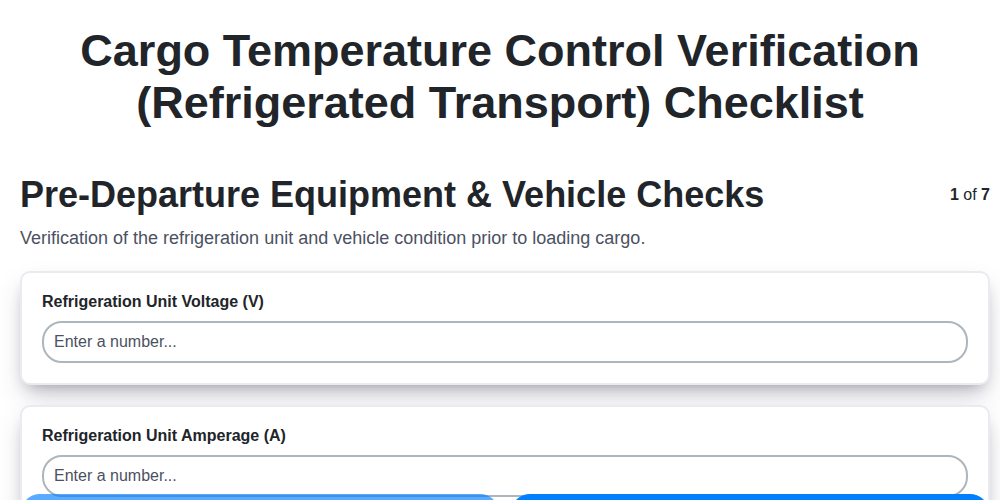
The Ultimate Refrigerated Cargo Temperature Control Checklist Template
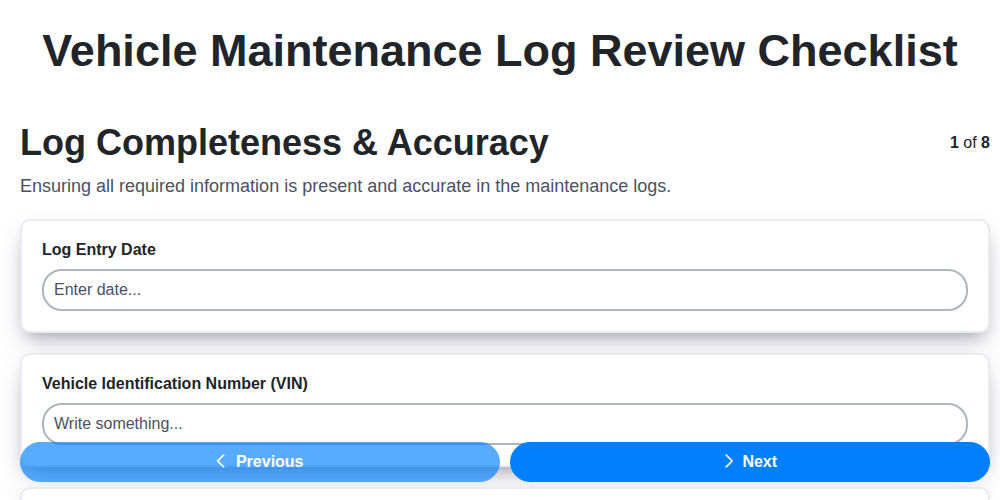
Mastering Your Fleet: A Vehicle Maintenance Log Review Template
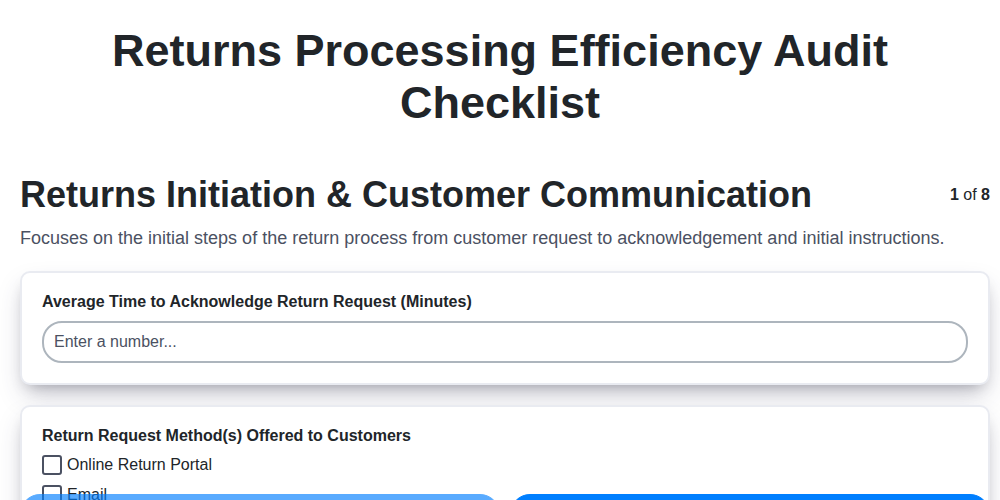
Master Your Returns: The Ultimate Returns Processing Efficiency Audit Checklist
Data Privacy Policy Compliance: Your Essential Checklist Template
Delivery Confirmation Audit: Your Checklist Template for Process Excellence
Your Pallet Inspection & Maintenance Checklist Template
Fuel Efficiency Monitoring: Your Checklist Template for Savings
Supply Chain Risk Assessment: Your Essential Checklist Template
Need help with
Checklists?
Have a question? We're here to help. Please submit your inquiry, and we'll respond promptly.