Automotive Loyalty Program Success: Your Management Checklist
Published: 12/29/2025 Updated: 12/30/2025
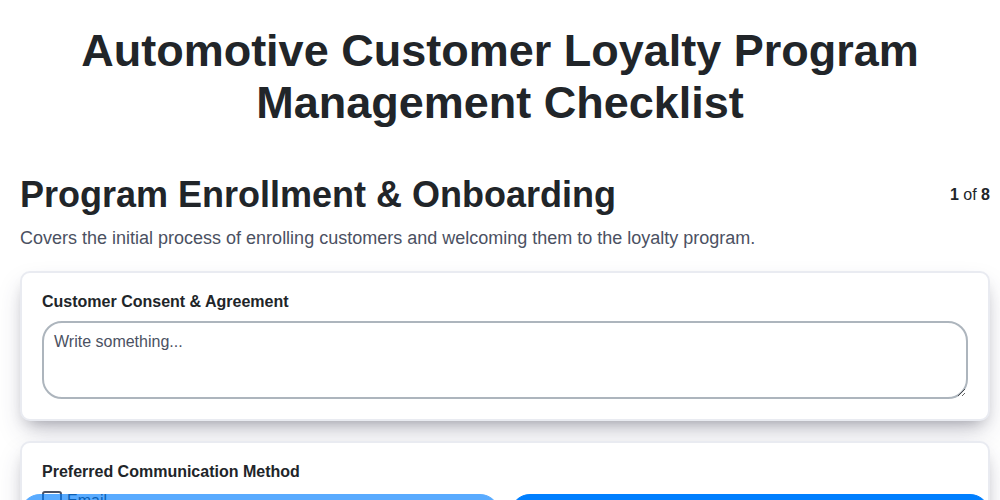
Table of Contents
- Introduction: Why Automotive Loyalty Matters
- 1. Program Enrollment & Onboarding: Setting the Stage
- 2. Points Accrual & Tracking: Ensuring Accuracy & Transparency
- 3. Reward Redemption & Fulfillment: Delivering on Promises
- 4. Communication & Engagement: Keeping Members Active
- 5. Program Performance Monitoring: Measuring What Matters
- 6. Legal & Compliance: Staying Above Board
- 7. Data Security & Privacy: Protecting Customer Information
- 8. Program Updates & Enhancements: Keeping it Fresh
- 9. Defining Your Target Audience
- 10. Technology Integration: Your Loyalty Platform
- 11. Staff Training & Empowerment
- 12. Budget Allocation & ROI Tracking
- 13. Gathering Customer Feedback
- 14. Continuous Improvement & Adaptation
- Resources & Links
TLDR: Want to build a killer automotive loyalty program that keeps customers coming back? This checklist covers everything from easy enrollment and tracking points to rewarding customers, keeping them engaged, and staying legally compliant. It's your step-by-step guide to ensuring your program is a roaring success!
Introduction: Why Automotive Loyalty Matters
The automotive industry is notoriously competitive. Customers have more choices than ever before, and brand loyalty isn't a given. Simply selling a car isn't enough anymore - it's about cultivating a lasting relationship. A well-structured customer loyalty program isn't just a nice-to-have; it's a strategic imperative. It's your opportunity to transform one-time buyers into brand advocates, increase repeat business, and gain a valuable stream of insights into customer preferences. This blog post will guide you through creating and managing a successful automotive loyalty program, ensuring you're not just offering rewards, but building genuine, lasting relationships with your customers.
1. Program Enrollment & Onboarding: Setting the Stage
A clunky or confusing enrollment process is a loyalty program killer. First impressions matter, and a seamless onboarding experience is crucial to getting customers invested from the start. Here's what to consider:
- Multiple Enrollment Channels: Offer flexibility! Let customers enroll online (website, mobile app), in-person at the service bay, and potentially even via phone.
- Simple & Concise Forms: Keep forms short and ask only for essential information. Long forms deter sign-ups. Clearly explain how their data will be used.
- Instant Gratification: Consider offering a small, immediate reward upon enrollment - a discount on their next service, a free accessory, or bonus points - to incentivize participation.
- Welcome Communication: Immediately after enrollment, send a personalized welcome email or SMS. Briefly recap the program benefits and provide clear instructions on how to start earning points.
- Easy-to-Understand Terms & Conditions: Link to your terms and conditions, but present the key highlights in plain language. Avoid legal jargon.
- Personalized Welcome Experience: If possible, tailor the welcome experience based on customer data - e.g., suggest relevant services based on their vehicle or past purchase history.
- Mobile Optimization: Ensure the enrollment process is fully optimized for mobile devices. Most customers will likely enroll via their smartphones.
- Training for Staff: Equip your service advisors and other front-line staff with the knowledge and tools to effectively explain and promote the loyalty program.
2. Points Accrual & Tracking: Ensuring Accuracy & Transparency
A loyalty program's value hinges on the reliability of its points system. Customers need to trust that their actions are correctly translated into rewards. Here's a breakdown of critical steps for effective points accrual and tracking:
- Define Clear Earning Rules: Precisely outline how points are earned. Be specific about what actions qualify (e.g., service appointments, parts purchases, referrals, online reviews, social media engagement). Ambiguity breeds frustration. Publish these rules clearly on your website and in program documentation.
- Automate Point Allocation: Manual point assignment is prone to error and unsustainable. Integrate your loyalty program platform with your CRM, POS system, and other relevant data sources to automate point accrual.
- Real-time Point Visibility: Provide customers with a readily accessible platform (website, app, email) where they can view their points balance in real-time. This fosters trust and encourages continued engagement.
- Point Rounding Policies: Establish a clear policy for rounding points. Be transparent about whether points are rounded up or down, and consistently apply this policy.
- Implement Audit Trails: Maintain detailed audit trails for all point transactions. This allows for easy identification and correction of errors.
- Regular Reconciliation: Periodically reconcile point balances against transactional data to ensure accuracy. Identify and resolve any discrepancies promptly.
- Handle Exceptional Cases Fairly: Establish a process for handling point disputes and exceptional cases with fairness and transparency. Train staff to resolve issues efficiently and empathetically.
- Test Point Accrual Processes: Regularly test your point accrual processes to identify and fix any bugs or inconsistencies.
3. Reward Redemption & Fulfillment: Delivering on Promises
The excitement of earning points fades quickly if redeeming them is a frustrating experience. A seamless and efficient reward redemption process is crucial for maintaining customer loyalty. Here's what to consider:
- Multiple Redemption Options: Offer diverse redemption choices - online portals, in-store options, app integration, even phone-based redemption. Cater to different customer preferences.
- Clear Redemption Instructions: Make the redemption process intuitive. Provide clear, step-by-step instructions on your website, app, and in-store materials. Avoid confusing jargon.
- Inventory Management: For physical rewards, ensure adequate inventory to avoid disappointing customers. Regularly monitor stock levels and have backup plans.
- Automated Fulfillment: Automate as much of the fulfillment process as possible. This reduces errors, speeds up delivery, and frees up your staff. Consider integration with your CRM and order management systems.
- Timely Delivery & Communication: Set realistic delivery timelines and always meet them. Proactively communicate any delays. Automated email confirmations and tracking updates are essential.
- Issue Resolution: Establish a clear and efficient process for handling redemption issues (e.g., points discrepancies, damaged goods). Empower your customer service team to resolve problems quickly and effectively.
- Reward Tier Management: Clearly define how reward tiers affect redemption options and value. Higher tiers should unlock more desirable and valuable rewards.
- Regular Reward Refresh: Keep your reward catalog fresh and appealing. Rotate rewards based on seasonality, trends, and customer feedback.
4. Communication & Engagement: Keeping Members Active
A brilliant loyalty program can fall flat if members aren't consistently engaged. Communication and engagement aren't just about sending out promotional emails - it's about building a relationship and making your customers feel valued. Here's how to keep your automotive customer loyalty program thriving:
Diverse Communication Channels: Don't rely solely on email. Consider a mix of channels to reach your customers where they are:
- Email Marketing: Targeted emails based on purchase history, program tier, and expressed preferences. Welcome emails, points balance updates, reward reminders, and personalized offers are essential.
- SMS Messaging: For quick updates, appointment reminders, or exclusive flash sales.
- Mobile App (if applicable): A dedicated app provides a central hub for program information, points tracking, and personalized content. Push notifications can be highly effective.
- Social Media: Promote your program and engage with members through relevant platforms. Run contests, share valuable automotive tips, and highlight member stories.
- In-Dealership Communication: Train your service advisors and sales team to actively promote the program and explain its benefits.
Content is King: Share content that's valuable and relevant to your members. Think beyond just program promotions.
- Automotive Maintenance Tips: Position your dealership as a trusted resource.
- Vehicle-Specific Advice: Tailor content to the types of vehicles your members drive.
- Exclusive Member Content: Behind-the-scenes looks, early access to new models, or special event invitations.
- Gamification: Introduce challenges or leaderboards to increase engagement and friendly competition.
Personalization is Key: Generic messaging gets ignored. Segment your audience and tailor your communication based on individual preferences and behavior.
Feedback Loops: Actively solicit feedback from your members. Surveys, polls, and social media monitoring can help you understand what's working and what needs improvement. Show that you're listening by responding to comments and acting on suggestions.
Regularity & Consistency: A sporadic communication strategy will lose momentum. Establish a consistent schedule for updates and engagement activities.
5. Program Performance Monitoring: Measuring What Matters
A stellar automotive loyalty program doesn't just exist; it thrives. And thriving requires constant vigilance and data-driven adjustments. Program performance monitoring isn't a set it and forget it activity; it's an ongoing process. Here's what you need to track to ensure your program is delivering value to both your customers and your business:
Key Metrics to Watch:
- Enrollment Rate: Are customers signing up? A low enrollment rate suggests a need to reassess program visibility, incentives, or ease of signup.
- Active Participation Rate: Of those enrolled, how many are actively engaging (earning points, checking their accounts)? This highlights engagement levels and identifies potential drop-off points.
- Redemption Rate: How many points are being redeemed? A low rate could indicate rewards aren't appealing, too difficult to access, or the earning process is perceived as too lengthy. A high rate might mean you need to adjust point values to control costs.
- Customer Retention Rate: Did the loyalty program impact customer retention? This is arguably the most important metric - is the program actually keeping customers coming back?
- Net Promoter Score (NPS): Measure customer satisfaction and loyalty through NPS surveys. Correlate NPS scores with loyalty program participation to gauge the program's impact on advocacy.
- Average Transaction Value (ATV): Does program participation lead to higher spending?
- Customer Lifetime Value (CLTV): Are loyalty program members more valuable over the long term?
- Program Cost vs. Benefit: Track program expenses (rewards, marketing, administration) and compare them to the revenue generated or value received through increased customer loyalty.
Tools & Techniques:
- Dashboard Reporting: Implement a central dashboard to visualize key performance indicators (KPIs) and track progress.
- A/B Testing: Experiment with different reward structures, communication strategies, or program features to optimize performance.
- Customer Feedback: Regularly solicit feedback through surveys, focus groups, and online reviews.
- Cohort Analysis: Group customers based on enrollment date or participation level to identify trends and patterns.
By diligently monitoring these metrics and leveraging data insights, you can continuously refine your automotive loyalty program, maximizing its effectiveness and solidifying customer loyalty.
6. Legal & Compliance: Staying Above Board
Running a successful automotive customer loyalty program means more than just offering great rewards - it means doing it the right way. Legal and compliance are essential components, often overlooked, that can make or break your program. Ignoring them can lead to hefty fines, reputational damage, and even legal action.
Here's what you need to consider:
- Terms & Conditions (T&Cs): These are your program's rulebook. They must be clear, concise, and easily accessible to all members. Outline eligibility, point accrual/redemption rules, expiration dates, program termination clauses, and disclaimers. Have legal counsel review them.
- Advertising Regulations: Ensure your promotional materials are truthful and not misleading. Avoid making unsubstantiated claims about rewards or benefits. Be aware of advertising standards and regulations in your operating regions.
- Sweepstakes & Contest Laws: If your program incorporates sweepstakes or contests, you need to meticulously comply with all applicable laws and regulations, including registration requirements and prize disclosure.
- Consumer Protection Laws: Familiarize yourself with consumer protection laws related to loyalty programs, like those addressing unfair or deceptive trade practices.
- State-Specific Regulations: Certain states have specific rules regarding loyalty programs, particularly concerning point values and disclosures. Research the regulations in the states where you operate.
- Contract Review: Review any contracts with third-party vendors (reward providers, software providers) to ensure compliance and clearly define responsibilities.
- Regular Audits: Conduct regular audits of your program's operations to identify and address potential legal or compliance issues.
- Stay Updated: Laws and regulations change. Subscribe to relevant industry updates and consult with legal professionals to stay current.
By prioritizing legal and compliance, you build trust, protect your business, and ensure the long-term sustainability of your automotive customer loyalty program.
7. Data Security & Privacy: Protecting Customer Information
In today's climate, safeguarding customer data isn's just good practice-it's a necessity. A loyalty program thrives on trust, and a data breach can shatter that trust instantly, leading to reputational damage, legal repercussions, and customer churn.
Here's what you need to address within your loyalty program's data security and privacy protocols:
- Encryption: Implement robust encryption methods for all sensitive data, both in transit and at rest. This includes names, email addresses, purchase history, and loyalty points balances.
- Access Controls: Strictly limit access to customer data. Implement role-based access control to ensure only authorized personnel can view, modify, or delete information. Regularly review and update these permissions.
- Data Minimization: Collect only the data necessary to operate the program effectively. Avoid gathering unnecessary information that increases your risk exposure.
- Secure Storage: Utilize secure, regularly audited data storage solutions, preferably compliant with industry standards like SOC 2 or ISO 27001.
- Privacy Policy Transparency: Ensure your loyalty program's privacy policy is clear, concise, and easily accessible to customers. Explain how their data is collected, used, and protected. Obtain explicit consent where required by law (e.g., GDPR, CCPA).
- Regular Security Audits & Penetration Testing: Conduct periodic security audits and penetration testing to identify and address vulnerabilities proactively.
- Incident Response Plan: Develop and regularly test a comprehensive incident response plan to handle data breaches swiftly and effectively. This plan should outline steps for containment, notification, and remediation.
- Vendor Risk Management: If you've outsourced any aspect of your program management (e.g., data storage, email marketing), thoroughly vet your vendors' security practices and ensure they meet your standards.
8. Program Updates & Enhancements: Keeping it Fresh
Customer loyalty isn't a set it and forget it endeavor. What excites customers today might feel stale and predictable a year from now. A thriving automotive loyalty program requires continuous evaluation and updates to remain engaging and effective.
Regularly Review & Refresh: Schedule quarterly or bi-annual reviews of your program. Analyze participation rates, reward popularity, customer feedback (surveys, social media mentions, support tickets), and competitor offerings. Are participation rates dipping? Are certain rewards consistently unclaimed? Are customers asking for something specific?
Experiment with New Rewards: Don't be afraid to introduce new reward tiers, exclusive experiences (e.g., early access to new models, VIP service appointments), and partnerships. Consider offering personalized rewards based on customer data and purchase history. Think beyond discounts - experiences often resonate more deeply.
Gamify the Experience: Introduce elements of gamification, such as badges, leaderboards (if appropriate for your brand), or progress bars, to motivate participation and increase engagement.
Technology Integration: Keep your program technologically relevant. Explore integration with mobile apps, loyalty cards, or other digital platforms to offer a seamless and convenient experience. Consider incorporating AI-powered personalization where possible.
Solicit Customer Input: Actively seek feedback from your customers. Conduct surveys, host focus groups, or simply encourage open communication through social media and email. Let them shape the future of your program.
Stay Agile: The automotive landscape is constantly evolving. Be prepared to adapt your program to reflect changing customer preferences and emerging technologies. A willingness to experiment and iterate is key to long-term success.
9. Defining Your Target Audience
Knowing who your loyalty program is for is just as important as designing the program itself. A generic program appeals to no one. To maximize engagement and ROI, you need to define your target audience.
Start by analyzing your existing customer data. Who are your most frequent buyers? What are their demographics (age, location, income)? What are their purchase patterns - what types of vehicles do they buy, what services do they utilize, and how often? Consider segmenting your audience beyond basic demographics. Are they price-sensitive, brand enthusiasts, or convenience-focused?
Don't forget about potential customers. What type of person would want to be a loyal customer? What motivates them? What are their pain points when dealing with automotive services?
Once you have a clear picture of your target audience - or multiple segments - you can tailor your loyalty program's rewards, communication, and overall experience to resonate with them. A program offering premium detailing services might appeal to luxury car owners, while a points-based system emphasizing discounts on routine maintenance might be more attractive to budget-conscious families. Knowing your audience ensures your loyalty program isn't just a program; it's a connection.
10. Technology Integration: Your Loyalty Platform
A robust loyalty program isn't just about clever rewards; it's about the technology that powers it. Choosing the right platform - or integrating existing systems - is critical for seamless operation and a positive customer experience. Here's what to consider:
Platform Options: Consider whether to use a dedicated loyalty program platform (like Annex Cloud, Smile.io, or similar), integrate with your existing CRM and POS systems, or build a custom solution. Each has pros and cons regarding cost, customization, and complexity.
API Integration: Seamless data flow is essential. Ensure your chosen solution integrates well with your existing systems: CRM for customer data, POS for transaction tracking, email marketing platforms for communication, and potentially your mobile app. APIs (Application Programming Interfaces) are your key to this connectivity.
Mobile Accessibility: Today's customers expect convenience. A mobile-friendly loyalty program - either through a dedicated app or a responsive website - is a must-have. Features like push notifications and mobile reward redemption should be prioritized.
Personalization Capabilities: The platform should allow for personalized offers and communications based on customer behavior, purchase history, and demographics. AI and machine learning integration can elevate this significantly.
Real-Time Tracking: Customers need to see their points balance and reward progress immediately. Real-time updates build trust and encourage engagement.
Security & Scalability: Your loyalty platform must be secure and capable of handling increasing volumes of data and transactions as your program grows. Consider cloud-based solutions for scalability and disaster recovery.
Ultimately, your technology stack should not only support your loyalty program's core functions but also enhance the overall customer experience and provide valuable data insights.
11. Staff Training & Empowerment
Your loyalty program is only as good as the people representing it. Frontline staff - service advisors, sales representatives, technicians - are the face of your program and play a crucial role in its success. A well-trained and empowered team can significantly boost enrollment, enhance customer experience, and drive program participation.
Here's what to cover in your staff training:
- Program Overview: Clearly explain the program's purpose, benefits for customers, and how it aligns with your dealership's overall goals.
- Enrollment Process: Detailed walkthrough of how to enroll customers, ensuring accuracy and addressing common questions. Role-play scenarios can be incredibly helpful.
- Points & Rewards Explanation: Thorough understanding of how points are earned, tracked, and redeemed. This includes explaining any nuances or potential confusion points.
- Handling Customer Inquiries: Equip your team with responses to frequently asked questions and empower them to resolve issues promptly and effectively. Provide escalation paths for complex problems.
- Program Promotion: Train staff to naturally and enthusiastically promote the program during customer interactions.
- Systems Training: Comprehensive training on any software or platforms used to manage the loyalty program.
- Empowerment: Grant staff the authority to make small, customer-centric decisions regarding points adjustments or reward fulfillment (within pre-defined limits) to foster a sense of ownership and improve customer satisfaction.
Regular refresher training and ongoing support are essential to keep your team knowledgeable and motivated.
12. Budget Allocation & ROI Tracking
A fantastic loyalty program doesn't just feel good; it needs to deliver tangible returns. This means a dedicated budget and rigorous ROI tracking are non-negotiable. Here's what to consider:
- Initial Investment: Factor in costs for program design, technology platform setup (or modifications to existing systems), marketing materials, and employee training.
- Ongoing Expenses: Allocate funds for reward inventory (parts, service, merchandise), point liability (the potential cost of future rewards), platform maintenance, and ongoing marketing efforts.
- Tracking Key Metrics: Go beyond simple participation rates. Track metrics like:
- Customer Lifetime Value (CLTV): How much more revenue are loyalty members generating?
- Repeat Purchase Rate: Are loyal customers purchasing more frequently?
- Average Transaction Value: Are loyal customers spending more per visit?
- Program Participation Rate: Track enrollment and active engagement.
- Redemption Rate: Monitor how frequently rewards are being used.
- Regular ROI Analysis: Conduct quarterly (or even monthly) reviews of your program's performance. Compare your investment in the program against the incremental revenue generated by loyal customers.
- Budget Flexibility: Build in a small contingency fund to address unexpected costs or opportunities to enhance the program.
13. Gathering Customer Feedback
A loyalty program is only as good as its ability to adapt and improve. Don't let it stagnate! Regularly soliciting and analyzing customer feedback is absolutely critical for sustained success. Here's how to do it effectively:
- Post-Interaction Surveys: Trigger short, targeted surveys after key touchpoints like program enrollment, reward redemption, or service visits. Keep them concise (3-5 questions) to maximize completion rates.
- In-App/Website Feedback Forms: Embed easy-to-find feedback forms within your mobile app and website. Offer a simple way for customers to share thoughts and suggestions.
- Social Media Monitoring: Actively monitor social media channels for mentions of your program. Address concerns publicly and privately. Use sentiment analysis tools to gauge overall perception.
- Loyalty Program Specific Surveys: Dedicated surveys focused solely on the loyalty program itself can provide invaluable insights into program value, ease of use, and desired improvements.
- Focus Groups/Interviews: Consider occasional focus groups or one-on-one interviews for deeper qualitative feedback. This allows for richer discussion and exploration of motivations.
- Analyze Program Usage Data: While not direct feedback, analyze how customers use the program - which rewards are most popular, where they drop off in the enrollment process - it tells a story.
- Close the Loop: Most importantly, respond to feedback. Let customers know you're listening and that their opinions are valued. Even a simple acknowledgment goes a long way.
14. Continuous Improvement & Adaptation
Customer loyalty isn't static; neither should your program be. What resonates with your audience today might fall flat next year. That's why continuous improvement and adaptation are absolutely crucial for long-term success.
Here's how to ensure your program stays relevant and engaging:
- Regularly Solicit Feedback: Don't wait for complaints! Actively seek input from your customers through surveys, in-app feedback forms, social media polls, and even informal conversations with your service advisors.
- Analyze Trends: Keep a close eye on automotive industry trends, competitor loyalty programs, and shifts in customer preferences. What new technologies or rewards are gaining popularity?
- A/B Testing: Experiment with different program features, reward tiers, and communication styles to see what drives the highest engagement and participation. Small changes can have a big impact.
- Embrace New Technologies: Explore how emerging technologies - like personalized offers powered by AI, gamification elements, or integration with mobile wallets - can enhance the customer experience.
- Review Program Rules: Periodically reassess your program's rules, tiers, and redemption processes to ensure they remain fair, transparent, and valuable to customers. Consider adjusting based on performance data and feedback.
- Stay Agile: Be prepared to make changes quickly and iterate based on data and insights. A rigid program will quickly become outdated.
By embracing a mindset of continuous improvement, you can ensure your automotive customer loyalty program remains a powerful tool for driving retention, advocacy, and long-term growth.
Resources & Links
- Salesforce: A leading CRM platform, useful for understanding customer relationship management principles vital for loyalty programs. Offers tools for automation, data analysis, and engagement - key components of a successful program.
- Zendesk: Excellent resource for understanding customer service and support. Loyalty programs require impeccable customer service; Zendesk can help manage that.
- Oracle: Offers comprehensive customer experience management solutions, including loyalty program platforms and analytics tools. Useful for larger automotive businesses considering robust program infrastructure.
- Microsoft: Microsoft offers various tools, including Power BI for data visualization and analysis which are crucial for tracking loyalty program performance and ROI. Their Azure cloud services can also support data security.
- IBM: IBM provides expertise in data analytics and AI. Automotive businesses can leverage these resources to personalize loyalty program experiences and predict customer behavior.
- Shopify: Although primarily known for e-commerce, Shopify provides valuable insights into loyalty program design and implementation for businesses selling automotive accessories or parts online. Provides examples of effective program structures.
- Rewardware: A specialized loyalty program software provider. Offers insights and best practices for automotive loyalty program design and implementation. Demonstrates features and provides examples.
- Protiviti: A risk management and compliance consulting firm. Helps automotive businesses navigate the legal and regulatory landscape surrounding loyalty programs, including data privacy and consumer protection laws.
- Nolo: Provides legal information and resources for businesses. Can help automotive businesses understand and comply with relevant consumer protection laws and loyalty program regulations.
- GDPR Official Website: Essential for understanding the General Data Protection Regulation, a critical consideration for data security and privacy, particularly for businesses operating in Europe or with European customers.
- Federal Trade Commission (FTC): Provides guidance on truth in advertising and consumer protection, crucial for ensuring loyalty programs are transparent and compliant with regulations.
- CustomerHelp: Provides insights into customer experience management, including best practices for communication, engagement, and resolving customer issues - vital for maintaining loyalty program satisfaction.
- SurveyMonkey: Provides tools for gathering customer feedback, a critical component of continuous improvement and adaptation. Automotive businesses can use it to understand customer perceptions of their loyalty programs.
Frequently Asked Questions
What is an automotive loyalty program and why are they important?
An automotive loyalty program is a structured initiative designed to reward and retain customers, encouraging repeat business and building brand advocacy. They's important because they increase customer lifetime value, reduce acquisition costs, and provide valuable data on customer behavior.
What are the key components of a successful automotive loyalty program?
Successful programs typically include tiered rewards (based on spending or engagement), personalized offers, exclusive benefits (like service discounts or early access to new models), ease of enrollment and redemption, and consistent communication.
What's the difference between a points-based program and a tiered program?
A points-based program rewards customers with points for specific actions (purchases, referrals) that can be redeemed for rewards. A tiered program unlocks different levels of benefits based on a customer's accumulated points or spending, offering increasing value at each tier.
How can I segment my customer base for a more targeted loyalty program?
Segment customers based on demographics (age, location), vehicle ownership (model, age), purchase history, service usage, and engagement with marketing materials. This allows for highly personalized offers and communications.
What metrics should I track to measure the success of my automotive loyalty program?
Track enrollment rates, redemption rates, customer retention rates, average customer spend, program participation frequency, Net Promoter Score (NPS), and the ROI of the program. Regularly analyze these metrics to optimize performance.
How do I ensure my loyalty program is easy to understand and use for customers?
Keep the program rules and benefits simple and transparent. Offer multiple enrollment channels (online, in-dealership, mobile app). Provide clear instructions for earning and redeeming rewards. Regularly solicit customer feedback to identify areas for improvement.
What role does technology play in a modern automotive loyalty program?
Technology enables personalization, automated communication, data tracking and analysis, and seamless reward redemption. Mobile apps, CRM integration, and data analytics platforms are essential tools.
How do I integrate my loyalty program with my existing marketing efforts?
Promote the program across all marketing channels (email, social media, website, in-dealership signage). Include loyalty program benefits in promotional campaigns. Trigger personalized communications based on customer activity and program tier.
What are some common pitfalls to avoid when launching an automotive loyalty program?
Avoid overly complex rules, lack of personalization, inconsistent branding, insufficient reward value, neglecting mobile accessibility, and failing to communicate program benefits effectively.
How often should I review and update my automotive loyalty program?
Review the program at least annually, and ideally quarterly, to assess performance, adapt to changing customer behavior, adjust reward structures, and stay competitive. Continuously test and refine the program for optimal results.
Comments
There are no comments yet. Be the first to add one!
Automotive Manufacturing Management Solution Demo
Optimize your automotive production! ChecklistGuro digitizes workflows, from parts inspection to final testing. Reduce errors, boost efficiency & ensure quality compliance. Drive results with our Work OS.
Related Articles
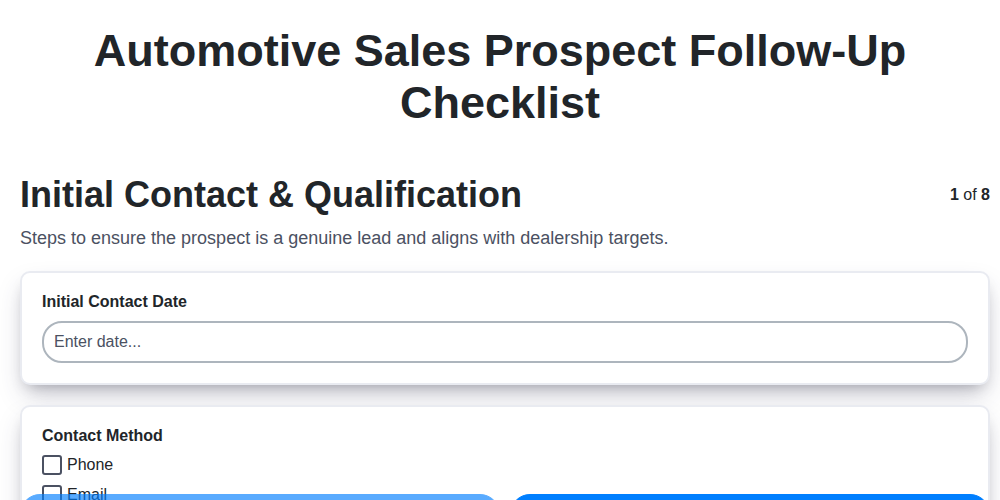
The Ultimate Automotive Sales Prospect Follow-Up Checklist: Close More Deals
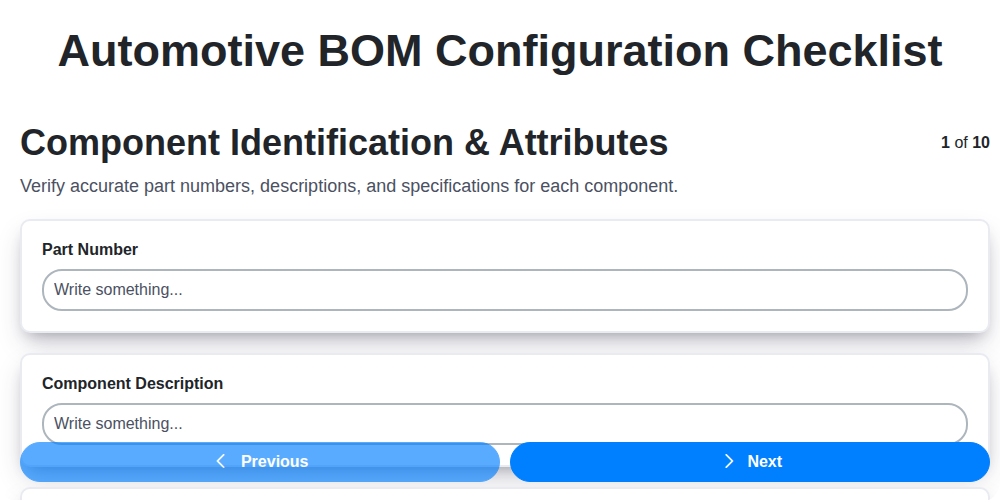
Mastering Automotive BOM Configuration: Your Essential Checklist

The Ultimate Vehicle Registration & Insurance Validation Checklist
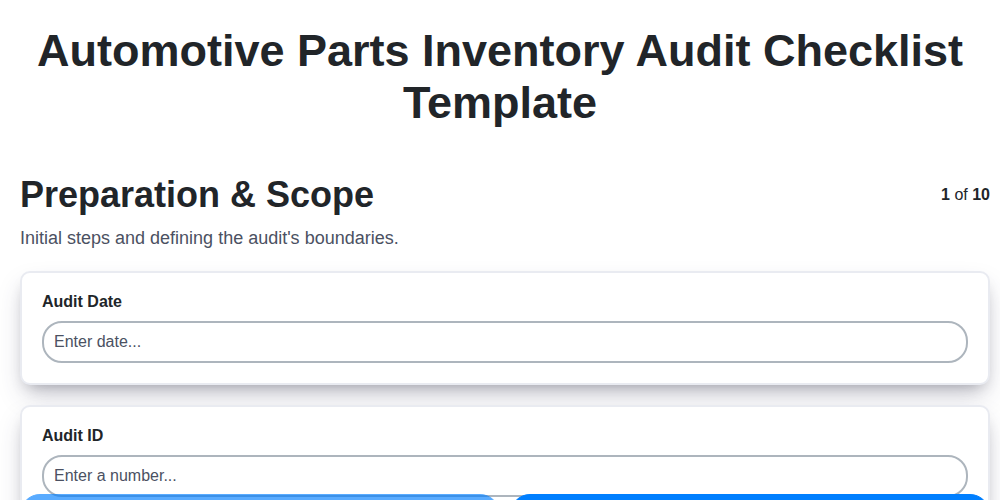
Automotive Parts Inventory Audit Checklist Template: Your Guide to Accurate Stock

Maximize Your Trade-In: The Automotive Appraisal Checklist You Need
The Ultimate Tire Pressure & Condition Checklist Template
Automotive Parts Inventory Control Checklist Template: Your Ultimate Guide

Drive Sales Success: Your Automotive Sales Team Performance Tracking Checklist
We can do it Together
Need help with
Automotive?
Have a question? We're here to help. Please submit your inquiry, and we'll respond promptly.