The Ultimate Automotive Dealer Operations Checklist: A Comprehensive Guide
Published: 12/29/2025 Updated: 12/30/2025
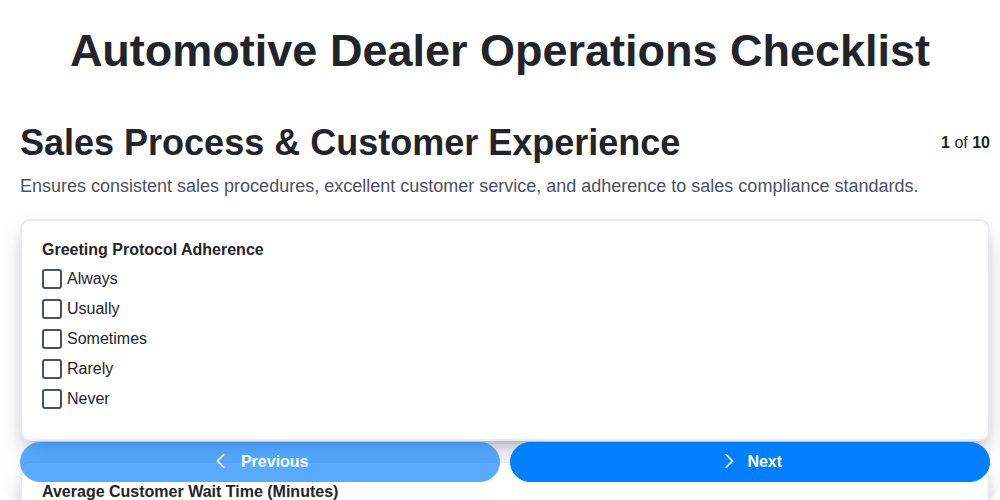
Table of Contents
- Introduction: Why a Dealer Operations Checklist is Essential
- 1. Sales Process & Customer Experience: Driving Sales and Satisfaction
- 2. Inventory Management: Optimizing Stock and Maximizing ROI
- 3. Service Department Operations: Efficiency and Customer Retention
- 4. Parts Department Management: Profitability and Availability
- 5. Finance & Insurance (F&I): Maximizing Opportunities and Ensuring Compliance
- 6. Fixed Operations Compliance: Staying Ahead of Regulations
- 7. Sales Compliance & Legal: Mitigating Risk and Protecting Your Business
- 8. Facilities & Security: Protecting Assets and Ensuring Safety
- 9. Human Resources & Training: Building a High-Performing Team
- 10. Marketing & Advertising: Reaching Your Target Audience
- 11. Data Analysis & Performance Tracking: Measuring Success
- 12. Technology Integration: Streamlining Operations
- 13. Dealer Audits & Best Practices
- Conclusion: Continuous Improvement for Dealer Success
- Resources & Links
TLDR: Feeling overwhelmed running your dealership? This checklist covers everything from sales and service to HR and legal, giving you a clear roadmap to streamline operations, improve efficiency, and ensure compliance. Think of it as your one-stop guide to keeping your dealership running smoothly and profitably!
Introduction: Why a Dealer Operations Checklist is Essential
Running a successful automotive dealership is a complex juggling act. You're managing sales, service, parts, finance, compliance, and a whole host of other critical functions - all while striving to deliver exceptional customer experiences. It's easy for things to slip through the cracks, leading to inefficiencies, missed opportunities, and potential legal issues.
That's where a comprehensive dealer operations checklist becomes your lifeline. Think of it as your roadmap to consistent performance and sustainable growth. It's more than just a to-do list; it's a proactive system designed to ensure every department operates at its best, minimizing risk and maximizing profitability. This checklist will cover key areas, ensuring you're not only meeting industry standards but also continuously improving your dealership's overall performance. Let's dive into how a structured approach can transform your operations.
1. Sales Process & Customer Experience: Driving Sales and Satisfaction
The customer journey is everything. In today's digital age, potential buyers research extensively before even setting foot on your lot. A clunky, inconsistent, or frustrating sales process can send them straight to a competitor. This checklist area focuses on optimizing every interaction, from initial online inquiry to post-sale follow-up.
Key Checklist Items:
- Online Lead Management: Are online inquiries responded to within minutes, not hours? Is lead routing automated and efficient?
- Showroom Experience: Is your showroom clean, welcoming, and reflective of your brand? Are greetings prompt and professional?
- Product Demonstrations: Are sales team members thoroughly trained on product features and benefits? Are demonstrations engaging and tailored to customer needs?
- Test Drive Protocol: Is the test drive experience seamless, safe, and informative? Are key talking points consistently delivered?
- Negotiation Strategy: Do you have a documented negotiation framework that prioritizes customer satisfaction alongside profitability?
- Closing Techniques: Are closing techniques ethical, customer-focused, and designed to build rapport?
- Customer Relationship Management (CRM) Utilization: Is your CRM system fully utilized to track interactions, personalize communication, and nurture leads?
- Post-Sale Follow-Up: Is a post-sale follow-up process in place to ensure customer satisfaction and encourage referrals? (Surveys, thank you notes, service reminders).
- Mystery Shopping: Regularly utilize mystery shoppers to evaluate the customer experience from an unbiased perspective.
- Customer Satisfaction Surveys (CSAT): Implement and actively analyze CSAT surveys to identify areas for improvement.
2. Inventory Management: Optimizing Stock and Maximizing ROI
Effective inventory management is the backbone of a healthy automotive dealership. It's about more than just knowing what cars you have; it's about having the right cars, in the right condition, at the right time, and at the right price. Poor inventory control can lead to tied-up capital, slow sales, obsolescence, and ultimately, reduced profitability.
Here's a breakdown of key areas to focus on:
- Data-Driven Stocking: Relying on gut feeling is no longer sufficient. Leverage your dealership management system (DMS) data to analyze sales trends, regional demand, competitor inventory, and customer preferences. Identify your sweet spots - the vehicles and trims that consistently move quickly.
- Vehicle Acquisition: Actively manage your sourcing strategy. This includes auctions, trade-ins, and direct purchases. Negotiate aggressively and consistently evaluate auction performance to ensure you're getting the best possible deals. Consider exploring different acquisition channels to diversify risk.
- Condition Assessment & Reconditioning: Implement a rigorous vehicle inspection process upon acquisition. Accurate condition assessments are vital for accurate pricing and setting reconditioning priorities. Establish clear reconditioning standards and track costs meticulously.
- Pricing Strategies: Dynamic pricing models are essential. Use data to adjust prices based on market demand, competitor pricing, and vehicle age. Regularly review and update your pricing to maximize margins.
- Vehicle Turnover: Monitor Days' Inventory (DOI) regularly. A healthy DOI varies by vehicle type (new vs. used, luxury vs. economy), but actively work to maintain a turnover rate that aligns with industry benchmarks and your dealership's specific goals. Stale inventory is money sitting idle.
- Used Vehicle Valuations: Employ reliable valuation tools and conduct thorough inspections of trade-ins to ensure accurate appraisals and minimize losses.
- Inventory Audits: Perform regular physical inventory counts to reconcile with your DMS records and identify discrepancies.
- Specialty Vehicle Management: Establish specific processes for managing high-demand, limited-edition, or specialty vehicles to maximize their value.
By consistently evaluating and refining your inventory management practices, you can significantly improve your ROI and strengthen your dealership's financial health.
3. Service Department Operations: Efficiency and Customer Retention
The service department is often the unsung hero of a dealership's profitability and a key driver of customer retention. A well-managed service department isn's just about fixing cars; it's about building trust and fostering loyalty. Here's a breakdown of critical areas and a checklist to ensure your service operations are firing on all cylinders.
1. Appointment Scheduling & Communication:
- Online Booking System: Is your online scheduling system user-friendly, accurate, and integrated with your DMS?
- Phone Etiquette: Evaluate call handling times, greeting scripts, and appointment confirmation procedures. Ensure advisors are trained in active listening and resolving customer concerns.
- Reminder System: Implement automated appointment reminders via email and SMS. Track open rates and adjust messaging as needed.
- Wait Time Management: Accurately estimate repair times and proactively communicate delays to customers. Offer convenient alternatives like loaner vehicles or shuttle services.
2. Workflow & Technician Productivity:
- Diagnostic Accuracy: Track diagnostic accuracy rates. Provide ongoing training to technicians on new technologies and repair procedures.
- Repair Order (RO) Management: Streamline the RO creation and routing process. Minimize errors and ensure technicians have all necessary information.
- Technician Utilization: Monitor technician utilization rates and identify areas for improvement. Optimize workload distribution and minimize idle time.
- Parts Availability: Ensure timely access to necessary parts. Establish efficient ordering processes and maintain adequate inventory.
- Multi-Point Inspections (MPIs): Implement a standardized MPI process to identify potential issues and maximize service opportunities. Ensure advisors properly explain findings to customers.
3. Customer Satisfaction & Retention:
- Service Advisor Training: Invest in ongoing training for service advisors on communication, problem-solving, and customer service skills.
- Customer Feedback System: Actively solicit customer feedback through surveys, online reviews, and follow-up calls. Analyze feedback and implement corrective actions.
- Warranty Management: Ensure accurate and timely processing of warranty claims.
- Service Menu Optimization: Regularly review and update your service menu to reflect customer needs and industry trends.
- Relationship Building: Encourage service advisors to build rapport with customers and personalize the service experience.
Key Metrics to Track:
- Customer Satisfaction (CSAT) Score
- Average Repair Order (ARO) Value
- Service Retention Rate
- Technician Utilization Rate
- First-Time Fix Rate
4. Parts Department Management: Profitability and Availability
The parts department is often the unsung hero of a successful automotive dealership, offering a critical revenue stream beyond vehicle sales. However, many dealerships leave potential profits on the table due to inefficiencies and a lack of strategic oversight. This checklist item isn't just about stocking shelves; it's about maximizing profitability while ensuring parts availability to keep your service department running smoothly and satisfy customer needs.
Key Areas for Review & Action:
- Inventory Optimization: Analyze turnover rates for all parts categories (retail, service, collision). Identify slow-moving items and implement strategies to clear them out (promotions, returns to suppliers). Conversely, ensure sufficient stock of high-demand parts. Consider vendor consignment options to reduce upfront investment and risk.
- Pricing Strategy: Regularly review pricing to remain competitive while maintaining healthy profit margins. Benchmark against local competitors and online retailers. Implement tiered pricing strategies for retail vs. service departments. Analyze warranty parts pricing carefully.
- Counterperson Performance: Evaluate the knowledge, efficiency, and customer service skills of your parts team. Provide ongoing training on new parts, catalog updates, and customer service techniques. Implement key performance indicators (KPIs) like average transaction value and customer satisfaction scores.
- Warranty Parts Management: Streamline the process for warranty parts ordering and processing. Minimize discrepancies and expedite claim submissions. Accurate record keeping is paramount to maximize reimbursement.
- Returns Management: Develop a clear and consistent returns policy for both retail and service customers. Properly document reasons for returns to identify trends and improve inventory accuracy.
- E-Commerce Integration: Explore options for online parts sales to expand your reach and cater to DIY customers. Ensure seamless integration with your inventory management system.
- Data Analysis: Leverage data from your parts management system to identify trends, optimize inventory levels, and improve profitability. Track metrics like gross profit per part, inventory turnover, and customer order fill rate.
- Vendor Relationships: Foster strong relationships with parts vendors to secure competitive pricing, favorable terms, and timely deliveries.
Effective parts department management is a blend of operational efficiency, data-driven decision-making, and a customer-centric approach. By proactively addressing these areas, you can transform your parts department into a significant contributor to overall dealership success.
5. Finance & Insurance (F&I): Maximizing Opportunities and Ensuring Compliance
The F&I office is a critical profit center for any automotive dealership, but it's also one of the most heavily scrutinized. Balancing maximizing revenue with ethical sales practices and strict regulatory compliance is key. Here's a breakdown of essential checklist items for a successful and compliant F&I operation:
- Product Knowledge & Training: Ensure all F&I managers have comprehensive knowledge of all offered products (vehicle loans, extended warranties, GAP insurance, maintenance contracts, etc.). Regular, documented training on product features, benefits, and legal disclosures is paramount.
- Transparent Disclosures: Full and accurate disclosures of all fees, interest rates, and product terms are non-negotiable. This includes clear explanations of APRs, finance charges, and the cancellation policies for each product. Utilize plain language and avoid jargon.
- Menu Presentation & Explanation: Implement a standardized menu presentation that clearly outlines the various products available, their costs, and their benefits. Managers must explain each option thoroughly and allow customers to decline without pressure.
- Contract Review & Accuracy: Rigorous contract review is essential before presentation to the customer. Errors, omissions, or inconsistencies can lead to legal issues and customer dissatisfaction. Implement a double-check process.
- Truth in Lending Act (TILA) Compliance: Strict adherence to TILA regulations is crucial. This includes accurate APR calculations, clear loan amortization schedules, and proper disclosures regarding credit terms.
- Fair Credit Reporting Act (FCRA) Compliance: Follow FCRA guidelines regarding credit report usage and customer rights. Ensure proper consent forms are obtained and utilized.
- State-Specific Regulations: Automotive F&I is heavily regulated at the state level. Stay updated on and fully comply with all applicable state laws and regulations.
- Audit Trail & Documentation: Maintain a detailed audit trail of all F&I transactions, including customer interactions, disclosures, and contract documentation.
- Compliance Software & Reviews: Consider implementing F&I compliance software to automate processes and reduce errors. Conduct regular internal and external compliance reviews.
- Customer Satisfaction: Focus on building trust and providing excellent customer service in the F&I office. Happy customers are more likely to recommend your dealership and return for future business.
6. Fixed Operations Compliance: Staying Ahead of Regulations
The Fixed Operations department - encompassing service, parts, and collision - is a vital revenue center for automotive dealerships, but it's also a hotbed for potential compliance pitfalls. Staying ahead of ever-evolving regulations requires a proactive and meticulous approach. This isn't just about avoiding fines; it's about protecting your dealership's reputation and fostering customer trust.
Key Areas of Focus:
- Environmental Regulations: Properly handling used oil, coolant, batteries, and tires is critical. Maintain detailed records of disposal methods, ensuring adherence to federal, state, and local regulations. Regular inspections and employee training are essential.
- Warranty Compliance: Understanding and accurately adhering to manufacturer warranty guidelines is paramount. Improper repairs or unauthorized modifications can lead to warranty claim rejections and potential penalties.
- Labor Laws & Fair Labor Standards Act (FLSA): Accurate record-keeping of employee hours, overtime pay, and job classifications is vital for compliance with FLSA regulations, particularly for service advisors and technicians.
- Consumer Protection Laws: Ensure transparency in service pricing, estimates, and repair authorizations. Obtain proper consent for all work performed and avoid deceptive practices.
- Right to Repair Legislation: With the rise of connected vehicles and increasing complexities in automotive technology, dealerships must stay informed about evolving Right to Repair laws and their impact on diagnostic tools and repair procedures.
- Data Security: Protect customer data collected during service visits, adhering to privacy regulations and implementing robust data security measures.
Best Practices for Compliance:
- Designated Compliance Officer: Assign a specific individual or team to oversee fixed operations compliance.
- Regular Audits: Conduct frequent internal audits to identify and address potential compliance gaps.
- Employee Training: Implement comprehensive and ongoing training programs for all fixed operations personnel.
- Documentation: Maintain meticulous records of all processes, procedures, and training sessions.
- Stay Updated: Subscribe to industry publications, attend relevant seminars, and consult with legal counsel to stay abreast of regulatory changes.
7. Sales Compliance & Legal: Mitigating Risk and Protecting Your Business
The automotive industry operates within a complex web of legal regulations and compliance requirements. Failure to adhere to these can result in hefty fines, lawsuits, and irreparable damage to your dealership's reputation. This section outlines key areas to focus on to minimize risk.
Key Areas of Focus:
- Truth in Advertising: Ensure all marketing materials and salesperson claims are accurate and substantiated. Avoid misleading language or guarantees you can't deliver. Review all ads - online and offline - for compliance.
- Fair Lending Practices: Adherence to the Equal Credit Opportunity Act (ECOA) and Truth in Lending Act (TILA) is paramount. Train finance managers on fair lending principles and document all lending decisions appropriately. Regularly audit lending practices.
- DMV Compliance: Stay up-to-date with state DMV regulations regarding title transfers, registration processes, and reporting requirements. Maintain accurate records and ensure staff are properly trained.
- Contract Transparency: Ensure all sales and lease contracts are clear, concise, and easily understood by customers. Avoid hidden fees or confusing language. Provide adequate time for review.
- Lemon Law Compliance: Understand and comply with state lemon laws. Establish a clear process for handling customer complaints and resolving warranty issues.
- Privacy Regulations: Comply with privacy laws such as the California Consumer Privacy Act (CCPA) and General Data Protection Regulation (GDPR), where applicable. Be transparent about data collection and usage.
- Record Keeping: Maintain comprehensive and accurate records of all sales transactions, customer interactions, and legal documents.
- Regular Audits: Conduct periodic internal and external audits to identify potential compliance gaps and ensure ongoing adherence to all applicable laws and regulations. Consult with legal counsel specializing in automotive law for guidance and updates.
Proactive Steps: Implement a robust compliance program, including regular training for all employees involved in sales, F&I, and service processes.
8. Facilities & Security: Protecting Assets and Ensuring Safety
Your dealership is a significant investment, and safeguarding it from theft, vandalism, and accidents is paramount. This section focuses on the practical steps to ensure a secure and functional environment for your team and customers.
Physical Security Measures:
- Perimeter Security: Regularly inspect fences, gates, and landscaping for vulnerabilities. Ensure proper lighting illuminates parking areas and building entrances. Consider security cameras with recording capabilities, particularly around high-value areas like the parts department and vehicle storage.
- Access Control: Implement a key card or coded entry system for restricted areas like the parts department, service bays, and accounting offices. Regularly review and update access permissions as employees join or leave.
- Alarm Systems: Maintain a fully functional alarm system and test it routinely. Ensure all sensors are properly positioned and responsive. Have a clear protocol for responding to alarm triggers.
- Vehicle Security: Implement strategies to deter vehicle theft, such as immobilizers, GPS tracking, and regular inventory checks.
- Building Maintenance: Address any structural issues promptly, including roof leaks, broken windows, and damaged doors. These can be entry points for intruders and pose safety hazards.
Safety Protocols & Emergency Preparedness:
- Fire Safety: Conduct regular fire drills and ensure fire extinguishers are inspected and charged. Familiarize staff with evacuation routes and procedures.
- Emergency Lighting: Verify emergency lighting is functional and illuminated during power outages.
- First Aid: Maintain a well-stocked first aid kit and ensure staff are trained in basic first aid and CPR.
- Weather Preparedness: Develop plans for severe weather events, including hurricanes, tornadoes, and blizzards. This includes securing vehicles, protecting inventory, and ensuring staff safety.
- Security Personnel: Consider hiring security personnel, particularly for larger dealerships or those in high-crime areas.
Regular Audits: Conduct periodic security audits to identify vulnerabilities and assess the effectiveness of existing measures. Don't rely solely on checklists; actively seek out potential weaknesses.
9. Human Resources & Training: Building a High-Performing Team
Your dealership's success hinges on the talent and dedication of your employees. A robust Human Resources and Training program isn't just about compliance; it's a strategic investment in your most valuable asset: your people.
Key Checklist Items:
- Recruitment & Onboarding: Implement a structured hiring process with clear job descriptions, behavioral interview questions, and thorough background checks. A well-defined onboarding program sets new hires up for success, accelerating their integration into the dealership culture and their roles.
- Performance Management: Establish clear performance expectations, conduct regular performance reviews (at least annually, ideally quarterly), and provide constructive feedback. Tie performance to goals and offer opportunities for advancement.
- Training Programs: Develop comprehensive training programs covering product knowledge, sales techniques, customer service excellence, compliance (legal and ethical), and technical skills for service and parts departments. Consider both initial training and ongoing professional development. Specific areas to cover include:
- Sales Training: Negotiation skills, product demonstrations, closing techniques, CRM utilization.
- Service Technician Training: Factory certifications, diagnostic training, new technology updates.
- Customer Service Training: Conflict resolution, empathy, communication skills.
- Employee Retention: Actively work to retain valuable employees. Conduct exit interviews to understand reasons for departure and identify areas for improvement. Competitive compensation and benefits packages are essential, but consider factors like work-life balance, recognition, and career growth opportunities.
- Compliance: Stay current on all relevant employment laws and regulations, including wage and hour laws, anti-discrimination policies, and safety regulations. Regularly audit HR processes to ensure compliance.
- Employee Relations: Implement a clear and consistent process for handling employee grievances and resolving conflicts. Foster a positive and respectful work environment.
- Succession Planning: Identify key roles and develop a plan to ensure smooth transitions when employees leave or move into new positions.
Investing in your team isn't an expense; it's an investment in the future of your dealership. A well-trained, motivated, and engaged workforce translates directly into increased customer satisfaction, improved operational efficiency, and ultimately, higher profitability.
10. Marketing & Advertising: Reaching Your Target Audience
Marketing and advertising for automotive dealerships are a constantly evolving landscape. What worked yesterday might not resonate today. It's crucial to move beyond simply running ads and truly connect with your target audience. Here's a breakdown of key areas for your marketing & advertising efforts:
1. Define Your Buyer Personas: Don't treat everyone as a potential customer. Develop detailed profiles of your ideal buyers - their age, income, lifestyle, vehicle needs, and online behavior. This will inform your messaging and channel selection.
2. Digital Marketing Dominance:
- SEO (Search Engine Optimization): Ensure your website ranks high in search results for relevant keywords. Local SEO is critical - people searching for "car dealerships near me" need to find you.
- Paid Advertising (PPC): Google Ads, Bing Ads, and social media ads allow you to target specific demographics and interests.
- Social Media Marketing: Build a community on platforms where your target audience spends their time. Showcase your inventory, run contests, and engage with followers.
- Email Marketing: Nurture leads and keep customers informed with targeted email campaigns.
- Website Optimization: Your website is often the first impression. Ensure it's mobile-friendly, easy to navigate, and provides a seamless user experience.
3. Traditional Advertising Still Matters: While digital reigns supreme, don't entirely dismiss traditional channels. Local radio, print advertising (targeted magazines, newspapers), and community sponsorships can be effective in reaching specific demographics.
4. Reputation Management: Online reviews are crucial. Actively monitor and respond to reviews on Google, Yelp, and other platforms. Encourage satisfied customers to leave positive feedback.
5. Content Marketing: Create valuable content - blog posts (like this one!), videos, infographics - that addresses customer questions and demonstrates your expertise.
6. Data & Analytics: Track your marketing efforts. Use Google Analytics, social media insights, and dealership management system (DMS) data to measure ROI and identify areas for improvement.
Key Questions to Ask:
- Are our marketing efforts aligned with our buyer personas?
- Is our website mobile-friendly and easy to use?
- Are we actively managing our online reputation?
- Are we tracking and analyzing our marketing ROI?
11. Data Analysis & Performance Tracking: Measuring Success
In today's data-rich environment, simply doing isn't enough. Automotive dealerships need to actively measure their performance and use those insights to drive continuous improvement. This isn's just about knowing if you made a profit; it's about understanding why and identifying opportunities for optimization across every department.
Here's a breakdown of key performance indicators (KPIs) and data analysis areas to focus on:
- Sales KPIs: Track metrics like lead conversion rates, average deal size, customer acquisition cost, sales cycle length, and customer satisfaction (Net Promoter Score - NPS). Analyze these to understand which sales tactics are most effective and where bottlenecks exist in the sales process.
- Service KPIs: Monitor metrics such as labor utilization, first-time fix rate, customer retention rate, service appointment scheduling efficiency, and average repair order (ARO). Dive deep into specific repair types to identify training needs or process inefficiencies.
- Parts KPIs: Focus on inventory turnover rate, parts gross profit margin, fill rate, and returns rate. A low turnover rate could indicate overstocking or slow-moving items.
- Finance & Insurance KPIs: Analyze F&I penetration rates (for products like extended warranties and GAP insurance), average F&I profit per deal, and customer acceptance rates.
- Marketing KPIs: Track website traffic, lead generation from various channels (paid search, social media, email marketing), cost per lead, and return on ad spend (ROAS).
- Overall Dealership Performance: Track key financial metrics like days sales outstanding (DSO), days payable outstanding (DPO), and return on assets (ROA) to gauge the overall financial health of the dealership.
Beyond the Numbers: Don't just look at the raw data. Analyze trends over time, compare performance against industry benchmarks, and segment your data by department, sales representative, or even customer demographics to uncover more granular insights. Implement a dashboard to visualize key metrics and make data accessible to all relevant team members. Regularly review these metrics during departmental meetings and use them as a basis for improvement initiatives. Remember, data analysis isn't a one-time task; it's an ongoing process that requires commitment and a data-driven culture.
12. Technology Integration: Streamlining Operations
In today's automotive landscape, technology isn't a luxury - it's a necessity. Dealers who lag in adopting and effectively utilizing technology risk falling behind competitors and frustrating both customers and employees. This section focuses on key areas where technology integration can significantly improve dealership operations.
CRM Mastery: Your Customer Relationship Management (CRM) system should be the backbone of your sales and service efforts. It's not enough to simply have a CRM; you need consistent usage across all departments. Sales teams should leverage it for lead management, follow-ups, and customer profiling. Service departments should use it for appointment scheduling, service history tracking, and personalized communication.
Inventory Management Systems (IMS): Real-time inventory visibility is crucial. An IMS allows for accurate tracking of vehicles, minimizing carrying costs, preventing stockouts, and facilitating efficient online vehicle listings. Consider features like automated alerts for low stock and integrated appraisal tools.
Digital Retailing Tools: Empower customers with online shopping capabilities - configure vehicles, explore financing options, and even schedule test drives - all from the comfort of their homes. These tools not only enhance the customer experience but also generate leads and streamline the sales process.
Service Scheduling Platforms: Online appointment scheduling significantly reduces phone calls and allows customers to book service at their convenience. Integrate these platforms with your DMS for seamless data flow.
Data Analytics & Reporting: Don't just collect data - analyze it. Utilize dashboards and reporting tools to track key performance indicators (KPIs) across all departments. Identify trends, pinpoint areas for improvement, and make data-driven decisions.
Cybersecurity Measures: With increased reliance on digital systems comes increased vulnerability to cyber threats. Invest in robust security measures, including firewalls, antivirus software, and employee training, to protect sensitive data.
Integrating these technologies requires careful planning, training, and ongoing support. Regularly evaluate your technology stack to ensure it's meeting your dealership's evolving needs and delivering a positive return on investment.
13. Dealer Audits & Best Practices
Beyond daily operational tasks, proactive audits are crucial for sustained success and risk mitigation. Think of them as your dealership's preventative medicine. Regularly scheduled internal and occasional external audits can reveal vulnerabilities you might not otherwise identify.
Internal Audits: These should be conducted regularly - ideally quarterly, but at least annually - and encompass all departments. Focus on verifying adherence to established policies and procedures. Areas to examine include: sales process documentation, inventory reconciliation, service records, F&I paperwork, and compliance with regulatory requirements. Document findings meticulously and create action plans with assigned owners and deadlines for corrective measures.
External Audits: While less frequent, consider engaging external auditors for a fresh perspective and unbiased assessment, particularly for compliance areas like Fixed Operations and F&I. They can identify gaps in your program and provide recommendations for improvement, often uncovering nuances an internal team might miss.
Best Practices for Effective Audits:
- Develop a Risk Assessment: Prioritize audit areas based on potential risk and impact.
- Document Everything: Consistent documentation is paramount for demonstrating compliance.
- Establish a Corrective Action Plan: Don't just identify problems; fix them with clear ownership and timelines.
- Train Your Team: Audit findings should be used as training opportunities to reinforce best practices.
- Review and Update Regularly: Your audit checklist and procedures should evolve with industry changes and your dealership's growth.
Conclusion: Continuous Improvement for Dealer Success
Ultimately, this Automotive Dealer Operations Checklist isn't a one-and-done solution. It's a living document, a foundation for ongoing assessment and improvement. The automotive landscape is constantly evolving - new technologies, changing customer expectations, and shifting regulations demand adaptability. Regularly reviewing and updating this checklist, incorporating feedback from your team, and proactively identifying potential gaps will be key to maintaining operational excellence, maximizing profitability, and fostering a thriving dealership for years to come. Think of it as a commitment to continuous improvement, ensuring your dealership remains competitive and delivers an exceptional experience for every customer.
Resources & Links
- DealerRefresh: DealerRefresh offers dealership management system (DMS) and solutions focused on streamlining operations and boosting profitability. Includes modules for Sales, Service, Inventory, and F&I.
- Cox Automotive: A major provider of automotive software and services, offering tools for inventory management, digital marketing, and F&I solutions. Explore their various brands like vAuto, Kelley Blue Book, and Dealer.com.
- Black Book: Provides automotive valuation and data analytics to help dealers make informed decisions about inventory and pricing.
- NADA Guides: Offers vehicle pricing and valuation guides, a valuable resource for inventory management and sales negotiations.
- J.D. Power: Provides customer satisfaction studies and insights, helping dealers understand customer expectations and identify areas for improvement.
- Automotive News: A leading industry publication providing news, analysis, and insights on the automotive retail sector.
- Franklin Street: Offers risk management solutions specifically tailored to automotive dealerships, covering compliance, legal, and security concerns.
- DealerSocket: Provides a suite of software solutions for automotive dealerships, including CRM, marketing automation, and inventory management.
- Element Dealer Services: Provides various dealership solutions including inventory services, digital marketing, and online reputation management.
- Car Marketing Association: A professional organization for automotive marketers, offering resources, training, and networking opportunities.
- Digital Marketing Compliance Association: Focuses on digital marketing compliance and helps dealerships navigate legal and regulatory challenges related to online advertising.
- HR Alliance: Provides Human Resources support and compliance services specifically for the automotive industry.
- NADA (National Automobile Dealers Association): A leading trade association representing franchised auto dealers, offering advocacy, training, and resources.
- AST Distributors: Provides a wide range of parts and accessories for automotive dealerships - a resource for the Parts Department.
- Litera Automotive: Provides F&I solutions and compliance tools for automotive dealerships.
- DealerOn: Offers website and digital marketing solutions for automotive dealerships.
Frequently Asked Questions
What is the purpose of this Automotive Dealer Operations Checklist?
This checklist is designed to provide a comprehensive guide for automotive dealerships to review and improve their operations, covering areas from sales and service to finance and facilities. It's a tool to identify potential weaknesses and ensure consistent, efficient processes.
Who is this checklist for?
This checklist is beneficial for all roles within a dealership, including owners, general managers, department managers (sales, service, finance), and operations personnel. Even new hires can use it to quickly understand dealership workflows.
How is this checklist structured?
The checklist is organized into key operational areas - Sales, Service, Finance & Insurance, Fixed Operations, Customer Experience, and Facilities & Technology - to provide a structured approach to evaluation.
How often should I review this checklist?
We recommend reviewing this checklist at least annually, or more frequently (e.g., quarterly or monthly) for departments undergoing significant changes or facing specific challenges.
Is this checklist customizable?
Yes! While it provides a thorough framework, we encourage dealerships to customize it to reflect their unique operational environment, specific goals, and regulatory requirements. Add or remove items as needed.
What does 'compliance' mean in the context of this checklist?
'Compliance' refers to adherence to all applicable laws, regulations, industry standards, and internal policies. It's crucial for avoiding legal issues and maintaining a positive reputation.
What should I do if I identify an area where my dealership is not compliant or performing well?
Identify the root cause of the issue. Create a detailed action plan with specific, measurable, achievable, relevant, and time-bound (SMART) goals. Assign responsibility and track progress regularly.
Can this checklist help with dealership audits?
Absolutely. By regularly using this checklist, you proactively address potential issues, making any future audits smoother and less stressful. It demonstrates a commitment to operational excellence.
Are there any resources or tools I can use to help implement the actions identified in the checklist?
Yes, consider utilizing Customer Relationship Management (CRM) systems, inventory management software, performance dashboards, and employee training programs to support your action plans. We also recommend consulting with industry experts for specialized guidance.
What if I'm unsure how to interpret a particular checklist item?
Reach out to your department managers, a trusted advisor, or industry consultant for clarification. Understanding the intended outcome of each item is essential for accurate assessment.
Comments
There are no comments yet. Be the first to add one!
Automotive Manufacturing Management Solution Demo
Optimize your automotive production! ChecklistGuro digitizes workflows, from parts inspection to final testing. Reduce errors, boost efficiency & ensure quality compliance. Drive results with our Work OS.
Related Articles
The Ultimate Automotive Sales Prospect Follow-Up Checklist: Close More Deals
Mastering Automotive BOM Configuration: Your Essential Checklist

The Ultimate Vehicle Registration & Insurance Validation Checklist
Automotive Parts Inventory Audit Checklist Template: Your Guide to Accurate Stock

Maximize Your Trade-In: The Automotive Appraisal Checklist You Need
The Ultimate Tire Pressure & Condition Checklist Template
Automotive Parts Inventory Control Checklist Template: Your Ultimate Guide

Drive Sales Success: Your Automotive Sales Team Performance Tracking Checklist
We can do it Together
Need help with
Automotive?
Have a question? We're here to help. Please submit your inquiry, and we'll respond promptly.