The Ultimate Automotive Service Appointment Scheduling Checklist: A Step-by-Step Guide
Published: 12/29/2025 Updated: 12/30/2025

Table of Contents
- Introduction: Why a Scheduling Checklist Matters
- 1. Appointment Request Intake: Gathering the Initial Details
- 2. Customer Information Verification: Ensuring Accuracy
- 3. Service Type & Vehicle Details Confirmation: Understanding the Job
- 4. Technician & Bay Assignment: Matching Skills to the Task
- 5. Appointment Scheduling & Confirmation: Finding the Perfect Time
- 6. Pre-Appointment Communication: Setting Expectations
- 7. Required Documentation: What to Have Ready
- 8. Checking for Warranty & Recall Status
- 9. Reviewing Customer Notes & History
- 10. Addressing Specific Customer Requests
- 11. Final Appointment Confirmation & Summary
- 12. Internal Notes & Flagging (For Service Team)
- Conclusion: Streamlining Your Service Scheduling
- Resources & Links
TLDR: Stop appointment scheduling chaos! This checklist ensures every automotive service appointment is handled correctly, from initial request to confirmation, minimizing errors, maximizing efficiency, and keeping your customers happy. It's your go-to guide for streamlining the whole process.
Introduction: Why a Scheduling Checklist Matters
Scheduling automotive service appointments can feel like a chaotic juggling act. Missed details, double-bookings, and frustrated customers are all too common without a structured approach. That's where a comprehensive scheduling checklist becomes your secret weapon. More than just a list of tasks, it's a system that ensures accuracy, efficiency, and a positive customer experience. A well-defined checklist minimizes errors, frees up your team's time to focus on quality service, and builds customer loyalty by demonstrating professionalism and attention to detail. Ultimately, it's an investment that pays off in streamlined operations and increased profitability.
1. Appointment Request Intake: Gathering the Initial Details
The first step in a smooth automotive service appointment scheduling process is a thorough appointment request intake. This is your chance to gather the essential details upfront, setting the stage for a seamless experience. Don't rush this! It's more than just taking a phone call or receiving an online form submission - it's about understanding the customer's need.
Begin by actively listening to the customer's reason for service. Are they experiencing a specific problem? Is it a routine maintenance item? Ask clarifying questions to ensure you accurately understand the required service. For example, instead of just asking What brings you in?, try Can you tell me a little more about what's happening with your vehicle?.
Capture key information, including the customer's contact details (name, phone number, email address), preferred dates and times, and a brief description of the issue or service required. A brief description helps prioritize requests and anticipate any necessary preparations. Finally, note the customer's preferred method of contact for confirmation - phone, email, or text - to ensure you reach them effectively. A well-executed intake minimizes back-and-forth communication and sets a positive first impression.
2. Customer Information Verification: Ensuring Accuracy
Before diving into scheduling, meticulously verifying customer information is paramount. This isn't just a formality; it's the foundation for a smooth and positive service experience. A single error - a misspelled name, incorrect address, or outdated phone number - can lead to miscommunication, missed appointments, and ultimately, frustrated customers.
Here's what to verify:
- Full Name: Double-check the spelling and ensure it matches the vehicle's registration.
- Contact Information: Confirm phone numbers (mobile is preferred), email addresses, and mailing addresses. Verify these are the customer's preferred contact methods.
- Vehicle Ownership: While not always possible to confirm definitively on the spot, make a note of the vehicle's registered owner for potential reference.
- Insurance Details: If a claim is involved, verify the insurance provider and policy number.
- Preferred Communication Method: Ask the customer how they prefer to receive appointment confirmations and reminders.
Why is this so important? Accurate information ensures we can reach the customer with important updates, send invoices correctly, and handle any warranty claims efficiently. It builds trust and demonstrates a commitment to their service experience. Don't rush this step - it's worth the extra few seconds.
3. Service Type & Vehicle Details Confirmation: Understanding the Job
This is where we move beyond simply knowing that a customer needs service and delve into what service they need and for which vehicle. Accurate information here is crucial for efficient scheduling, accurate estimates, and ultimately, a satisfied customer.
Here's what we need to confirm:
- Specific Service Requested: Don't just accept oil change. Ask which oil type (synthetic, conventional, blend) and any related services they're interested in (tire rotation, wiper replacement). For more complex services, have them describe the issue as thoroughly as possible.
- Vehicle Identification: Obtain the Vehicle Identification Number (VIN). This provides a wealth of information about the vehicle, including the engine type, transmission, and original equipment. This eliminates guesswork and ensures the correct parts and procedures are used.
- Mileage: Accurate mileage is vital for determining maintenance intervals and identifying potential warranty coverage.
- Vehicle Year, Make, and Model: Double-check this information against the VIN for accuracy.
- Any Previous Repairs or Concerns: Ask if they've had any prior repairs related to the issue or if they're experiencing any other unusual noises or behaviors. This provides valuable context for the technician.
- Customer's Expectations: Briefly discuss their desired outcome. Are they primarily concerned with performance, safety, or cost?
By meticulously verifying these details, we set the stage for a seamless and successful service experience.
4. Technician & Bay Assignment: Matching Skills to the Task
Once the service type and vehicle details are confirmed, the next critical step is assigning the right technician and bay. This isn't just about filling a slot; it's about ensuring efficient and quality work.
Consider these factors:
- Technician Specialization: Do you have technicians specializing in specific vehicle makes or systems (e.g., electrical, diagnostics, engine repair)? Matching the technician's expertise to the job minimizes rework and maximizes efficiency.
- Complexity of the Service: A routine oil change requires a different skillset than a complex engine diagnostic. Level technicians based on experience and certification.
- Bay Availability and Equipment: Ensure the assigned bay has the necessary equipment (lifts, diagnostic tools, etc.) to handle the vehicle and service required. A vehicle with AWD needs a suitable lift, for example.
- Workload Balancing: Distribute work evenly among technicians to prevent bottlenecks and keep productivity high. Don't overload a single technician while others have downtime.
- Record Keeping: Document the technician and bay assigned to each appointment. This aids in tracking performance, managing capacity, and analyzing workflow.
Proper technician and bay assignment significantly contributes to a seamless service experience and reduces the likelihood of delays or errors.
5. Appointment Scheduling & Confirmation: Finding the Perfect Time
Once you've confirmed the service type and vehicle details, it's time to nail down the appointment time. Don't just offer the first available slot! Here's how to ensure a smooth scheduling process:
- Offer a Range of Options: Present the customer with a few different dates and times that work for their needs, considering the complexity of the service and technician availability.
- Explain Duration: Be transparent about the estimated service duration. This prevents surprises and allows customers to plan accordingly. Saying This will take approximately 2-3 hours is much better than simply saying It will take a while.
- Check for Conflicts: Double-check the schedule to avoid any overlapping appointments or conflicts with technician availability.
- Confirm and Record: Clearly state the confirmed date, time, and estimated duration. Record this information accurately in your scheduling system, linking it to the customer's profile and service request.
- Provide a Confirmation: Send an immediate confirmation - email, text, or phone call - that summarizes the appointment details. Include a cancellation policy reminder. A simple confirmation like You are scheduled for an oil change on Tuesday, October 27th at 9:00 AM. Please call us if you need to reschedule. can reduce no-shows.
6. Pre-Appointment Communication: Setting Expectations
Pre-appointment communication is more than just a friendly reminder; it's a crucial opportunity to solidify customer confidence and minimize surprises when they arrive. A well-executed pre-appointment sequence demonstrates professionalism and attention to detail.
Here's what you should cover:
- Reminder Email/Text: Send a reminder 24-48 hours before the appointment. Include the date, time, service type, and estimated duration.
- Drop-Off Instructions: Clearly outline drop-off procedures, including location, key drop-off points, and any necessary paperwork.
- Loaner Vehicle/Shuttle Service: If offering, detail the process for accessing loaner vehicles or shuttle services, including availability and any associated requirements.
- Preparation Requests: Request any necessary preparations from the customer, such as gathering vehicle maintenance records or bringing in specific items.
- Confirmation of Contact Information: Double-check the customer's phone number and email address to ensure accurate communication.
- Service Advisor Contact: Provide the customer with the service advisor's name and contact information in case they have questions or concerns.
By proactively addressing these points, you're setting the stage for a positive and stress-free service experience.
7. Required Documentation: What to Have Ready
To ensure a smooth and efficient service appointment, having the right documentation readily available can save you time and hassle. Here's a breakdown of what you'll likely need:
- Vehicle Title or Registration: This is often the most crucial piece - proof of ownership is essential for many services, especially those involving repairs or modifications.
- Driver's License: A valid driver's license is typically required for identification and verification.
- Insurance Card: If your service is related to an insurance claim or involves potential repairs covered by your policy, bring your insurance card.
- Warranty Information: If your vehicle is still under warranty, bring the warranty booklet or have the relevant information handy. This ensures you understand what's covered and avoids potential complications.
- Previous Service Records: Bringing in your vehicle's service history (even if it's just a log you've kept) can help the technician diagnose issues more accurately and identify recurring problems.
- Any Diagnostic Reports (if applicable): If you've already had a preliminary inspection elsewhere, bring any diagnostic reports to share with our technicians.
- Purchase Agreement (for recent purchases): If your vehicle is newly purchased, the original purchase agreement can be helpful for warranty verification.
Having these documents prepared in advance will streamline the service process and allow our team to focus on providing you with the best possible care for your vehicle.
8. Checking for Warranty & Recall Status
Before finalizing any service appointment, it's crucial to check the vehicle's warranty and recall status. This step protects both the customer and your service center.
Warranty Verification: Confirm if the vehicle is still under the manufacturer's warranty. If so, understand the warranty's scope and any specific procedures your shop needs to follow to ensure the warranty remains valid. Documenting this information is essential.
Recall Check: Use the VIN (Vehicle Identification Number) to check for any open safety recalls. These recalls must be addressed, and failure to do so could have legal implications. Utilize the manufacturer's recall lookup tool (most have them on their website) or a reliable third-party recall checker.
Communicating with the Customer: Clearly inform the customer about any active recalls or warranty coverage, explaining the implications and ensuring they understand the necessary actions. Transparency builds trust and manages expectations.
9. Reviewing Customer Notes & History
Before finalizing the appointment, always take a moment to review the customer's notes and service history. This seemingly small step can reveal crucial information impacting the upcoming service. Perhaps they're experiencing a recurring issue, have specific preferences for service, or previously declined certain recommendations. Understanding this context allows your service advisor to anticipate needs, tailor the service experience, and avoid misunderstandings. Checking for past repair orders, warranty information, and any flagged items can also streamline the process and ensure the technician is fully prepared for the job. A quick glance at past interactions demonstrates a commitment to personalized service and helps build customer trust.
10. Addressing Specific Customer Requests
Beyond the standard scheduling process, successful service appointment scheduling relies heavily on anticipating and addressing specific customer requests. These can range from needing a loaner vehicle to requesting a particular technician, or even needing to discuss a complex issue upfront.
Loaner Vehicles: Clearly outline your loaner vehicle policy. Do you offer them? What are the eligibility requirements and associated costs? A proactive explanation upfront prevents disappointment later. Include this information in your pre-appointment communication or on your website.
Technician Preference: While accommodating requests for specific technicians is ideal, be transparent about availability. Explain that while you'll do your best, it's not always guaranteed. This manages expectations gracefully.
Complex Issues & Consultations: Encourage customers with complex issues (like persistent noises or diagnostic concerns) to schedule a longer appointment or request a brief consultation with a service advisor before the main service. This allows for better preparation and a more accurate service plan.
Accessibility Needs: Always ask if customers have any accessibility needs, such as needing a wheelchair ramp or assistance with getting their vehicle.
Special Requests (Parts, Accessories): If a customer wants to discuss parts or accessories, ensure the service advisor is prepared or can easily connect them with a parts specialist. A seamless transition enhances the customer experience.
By anticipating and addressing these specific needs, you demonstrate a commitment to personalized service, building trust and fostering customer loyalty.
11. Final Appointment Confirmation & Summary
This is the critical final step! Don't leave any room for confusion. After scheduling, send a comprehensive confirmation email or text message to the customer. This confirmation should clearly outline:
- Date and Time: The exact date and time of the appointment.
- Service Type: A clear description of the services to be performed.
- Vehicle Details: Year, make, and model of the vehicle.
- Location: Your service center address.
- Estimated Duration: Give a realistic estimate of how long the appointment will take.
- Contact Information: Provide a phone number for any questions or changes.
- Cancellation Policy: Briefly reiterate your cancellation policy.
- Required Documentation Reminder: A gentle reminder of any documents they need to bring (registration, warranty information, etc.).
A well-crafted confirmation minimizes no-shows, reduces customer anxiety, and sets the stage for a positive service experience. Consider adding a link to a digital calendar invite for easy addition to their schedule!
12. Internal Notes & Flagging (For Service Team)
This section is crucial for ensuring a smooth and informed service experience. After scheduling, add detailed notes to the appointment record. These should include:
- Specific Customer Requests: Note any specific requests the customer made during the intake process (e.g., Customer prefers Saturday morning, Needs shuttle service, Wants a loaner vehicle).
- Potential Issues/Concerns: If the customer mentioned any vehicle noises, warning lights, or past repair history that might complicate the service, document it clearly. Include dates/mileages if available.
- Technician Expertise Needed: If the vehicle or service requires a technician with specific expertise (e.g., hybrid specialist, diesel engine experience), flag this for assignment.
- Parts Ordering: If parts need to be ordered, note the part numbers and estimated delivery time. Assign responsibility for tracking the order.
- Warranty/Recall Status: Verify and document warranty coverage or outstanding recall notices.
- Flag for Follow-Up: If any potential issues require further investigation or a callback to the customer, add a Follow-Up Needed flag and specify the reason.
- Customer Preferences: Record any stated preferences regarding communication methods (e.g., text, email, phone).
Conclusion: Streamlining Your Service Scheduling
Ultimately, implementing an automotive service appointment scheduling checklist like the one outlined above isn't just about ticking boxes; it's about elevating the entire customer experience. By standardizing your process, you reduce errors, minimize wasted time for both your team and your customers, and foster a sense of professionalism that builds trust and loyalty. Embracing this checklist will translate to increased efficiency, improved customer satisfaction, and a more profitable service department. Don't just schedule appointments - orchestrate them for success.
Resources & Links
- Automotive Repair Management Software (ARMS) - Overview: Provides an overview of ARMS systems and how they can automate scheduling and improve efficiency. Good for understanding the broader context of the checklist's purpose.
- RepairShop - Automotive Business Tools: Offers tools and resources for automotive repair shops, including information on customer relationship management and appointment scheduling.
- Shop-Talk - Automotive Community: A forum and community for automotive professionals, useful for discussing best practices in appointment scheduling and getting insights from others in the industry.
- Mito Professional Software - Automotive Management Solutions: Provides comprehensive software solutions for automotive shops, often including scheduling and CRM functionality. Demonstrates a full software solution approach.
- CCC Intelligent Solutions - Collision Repair Technology: While focused on collision repair, CCC offers insights into digital workflows, which is relevant to the digital aspect of appointment scheduling. Useful for understanding process automation.
- Automotive Service & Repair Magazine - Industry News & Trends: Provides industry news and trends related to automotive service, often covering technology and operational improvements, including scheduling.
- RepairDriver - Automotive Business Management Software: Another example of automotive business management software, good for showcasing alternatives and overall industry solutions. Focuses on integrated operations.
- AutoTask - Automotive Business Management Software: Similar to AutoDriver and Mito, offering a broad spectrum of automotive business management tools, including scheduling capabilities. Useful to present various options.
- NAPA Autocare - Business Solutions for Shops: Provides resources and support for automotive repair shops, including information on best practices and technology solutions. Good for understanding how big suppliers see scheduling and customer interaction.
- Soken Automotive Solutions - Automotive Technology: Provides data and solutions for the automotive industry, offering insights into customer behavior and service trends that can inform scheduling practices.
Frequently Asked Questions
What is this checklist for?
This checklist provides a step-by-step guide to effectively scheduling and preparing for your automotive service appointment, ensuring a smoother and more efficient experience for both you and the service center.
Why is scheduling an automotive service appointment important?
Proper scheduling allows the service center to allocate the necessary time and resources for your vehicle's needs. It prevents long wait times, reduces the chance of unexpected delays, and helps ensure the work is done correctly.
What information do I need to have ready before scheduling an appointment?
You'll typically need your vehicle's make, model, year, mileage, and a description of the service needed. Having your vehicle's VIN (Vehicle Identification Number) is also helpful.
What are the different ways I can schedule an automotive service appointment?
You can usually schedule appointments online, by phone, or in person at the service center. Online booking often provides real-time availability and can be the most convenient.
What is a 'pre-appointment inspection' and why is it recommended?
A pre-appointment inspection involves a brief check of your vehicle's vital systems (brakes, tires, fluids) before the main service. It helps identify any potential issues that might need addressing while you're already at the shop and prevents unexpected costs.
Should I decline the 'upselling' of additional services during the appointment scheduling?
Not necessarily. Listen to the suggested services and ask for clear explanations of why they are recommended for your vehicle's condition. You can always decline services you're not comfortable with.
What should I do if I need to reschedule or cancel my appointment?
Contact the service center as soon as possible to reschedule or cancel. Most centers have cancellation policies, so be sure to inquire about potential fees.
What documents should I bring with me to my automotive service appointment?
Bring your vehicle registration, insurance information, and any warranty documents. If you're experiencing a specific issue, bring any relevant documentation or repair orders from previous attempts to address it.
What should I do if I'm not sure what services my car needs?
Describe the symptoms you're experiencing to the service advisor. They can help diagnose the problem and recommend the appropriate services. Don't hesitate to ask questions.
How can I prepare my car for the service appointment beyond scheduling?
Ensure your car is clean (inside and out) for easier inspection. Remove any personal belongings you don't need. If you have a preference for a loaner vehicle or ride-sharing options, inquire about availability when scheduling.
Comments
There are no comments yet. Be the first to add one!
Automotive Manufacturing Management Solution Demo
Optimize your automotive production! ChecklistGuro digitizes workflows, from parts inspection to final testing. Reduce errors, boost efficiency & ensure quality compliance. Drive results with our Work OS.
Related Articles
The Ultimate Automotive Sales Prospect Follow-Up Checklist: Close More Deals
Mastering Automotive BOM Configuration: Your Essential Checklist

The Ultimate Vehicle Registration & Insurance Validation Checklist
Automotive Parts Inventory Audit Checklist Template: Your Guide to Accurate Stock

Maximize Your Trade-In: The Automotive Appraisal Checklist You Need
The Ultimate Tire Pressure & Condition Checklist Template
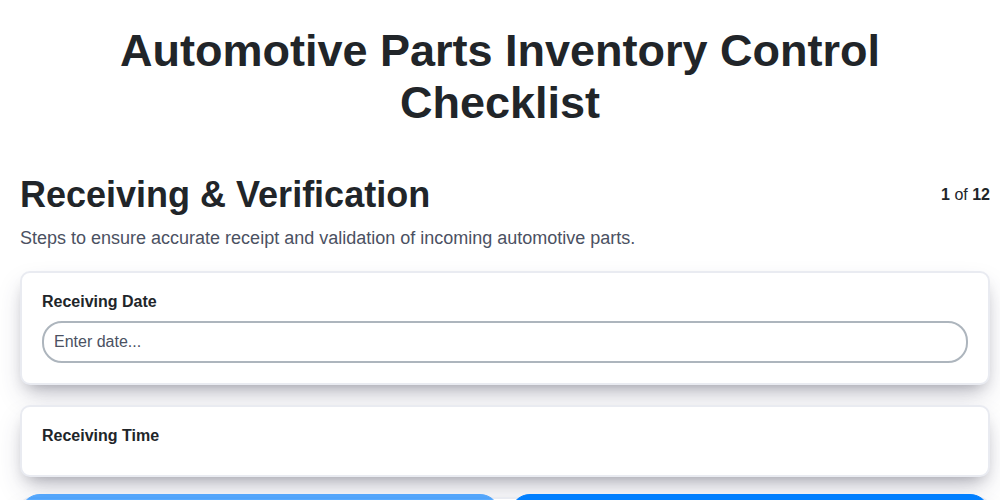
Automotive Parts Inventory Control Checklist Template: Your Ultimate Guide

Drive Sales Success: Your Automotive Sales Team Performance Tracking Checklist
We can do it Together
Need help with
Automotive?
Have a question? We're here to help. Please submit your inquiry, and we'll respond promptly.