Automotive Service Bay Safety Checklist: A Comprehensive Guide
Published: 12/29/2025 Updated: 12/30/2025

Table of Contents
- Introduction: Why Service Bay Safety Matters
- 1. Pre-Shift Inspection: Starting the Day Right
- 2. Personal Protective Equipment (PPE): Your First Line of Defense
- 3. Vehicle Securing: Preventing Unexpected Movement
- 4. Lift & Equipment Maintenance: Ensuring Reliable Operation
- 5. Hazardous Materials Handling: Safe Storage and Disposal
- 6. Ventilation & Air Quality: Breathing Easy in the Bay
- 7. Fire Safety: Prevention and Response
- 8. Tool Safety: Using Equipment Responsibly
- 9. Housekeeping: A Clean Bay is a Safe Bay
- 10. Communication & Signage: Clear Information for Everyone
- 11. Emergency Procedures: Knowing What to Do
- 12. Training & Competency: Building a Safety-Conscious Team
- Conclusion: Continuous Improvement in Service Bay Safety
- Resources & Links
TLDR: Keep your auto shop safe and compliant! This checklist covers everything from PPE and vehicle securing to fire safety and tool maintenance. Use it daily to identify hazards, ensure everyone follows procedures, and prevent accidents - a little effort goes a long way in protecting your team and your business.
Introduction: Why Service Bay Safety Matters
A service bay is a dynamic environment - a blend of heavy machinery, powerful chemicals, and skilled professionals working in close proximity. While efficiency and quality service are crucial, they should never come at the expense of safety. Accidents in automotive service bays, from slips and falls to equipment malfunctions and chemical exposures, can lead to serious injuries, lost time, and costly repairs. Beyond the immediate impact, neglecting safety creates a culture of risk and can negatively affect employee morale and overall business reputation. This checklist isn't just about compliance; it's about fostering a proactive safety culture that protects your team, your assets, and your business. Prioritizing safety is an investment in everyone's well-being and contributes to a more productive and sustainable service operation.
1. Pre-Shift Inspection: Starting the Day Right
Before the first vehicle even rolls into the bay, a thorough pre-shift inspection is critical. This isn't just a formality; it's the foundation of a safe and productive workday. This checklist should encompass a rapid assessment of the entire service area. Look for any obvious hazards from the previous shift - spilled fluids, misplaced tools, damaged equipment, or obstructions in walkways. Verify that lighting is adequate and functioning correctly. Check for any unusual smells that might indicate a leak or potential problem. A quick walk-through and visual inspection can identify and correct minor issues before they escalate into accidents. Don't underestimate the power of a proactive start - a few minutes here can save significant time and prevent incidents later on. Document your inspection, noting any issues found and the corrective actions taken.
2. Personal Protective Equipment (PPE): Your First Line of Defense
In an automotive service bay, hazards lurk around every corner - from flying debris to corrosive chemicals. Your Personal Protective Equipment (PPE) isn't just recommended; it's your first line of defense against injury. A consistent and correct use of PPE is non-negotiable for every team member, every shift.
Here's a breakdown of essential PPE and why it's critical:
- Eye Protection: Safety glasses or goggles are mandatory whenever you're working under a vehicle, grinding, welding, or dealing with fluids. Flying debris, sparks, and splashes can cause serious eye damage. Ensure your eyewear meets ANSI Z87.1 standards.
- Hearing Protection: Service bays can be noisy! Extended exposure to loud noises from tools, lifts, and machinery can lead to hearing loss. Earplugs or earmuffs should be worn when noise levels exceed safe limits.
- Hand Protection: Gloves are a must. Different tasks require different types:
- Cut-resistant gloves: Essential for tasks involving sharp tools or working with metal.
- Chemical-resistant gloves: Protect your skin from harmful fluids like brake cleaner, antifreeze, and solvents.
- General purpose gloves: For handling parts and tools.
- Foot Protection: Steel-toed boots provide crucial protection against dropped objects and impacts. Ensure they meet ANSI Z41 standards.
- Respiratory Protection: Depending on the tasks being performed (welding, painting, dealing with aerosols), respirators may be required. Proper fit testing and training are essential for effective respiratory protection.
- Appropriate Clothing: Avoid loose clothing that can get caught in machinery. Flame-resistant clothing may be required for certain tasks.
Regular Inspection is Key: Don't just put on PPE; inspect it before each use. Check for tears, cracks, and other signs of damage. Replace any compromised PPE immediately. Remember, your safety depends on it.
3. Vehicle Securing: Preventing Unexpected Movement
A rolling vehicle is a dangerous vehicle. It's a foundational principle of automotive service bay safety, and one that cannot be overlooked. Before any work begins, ensuring the vehicle is properly secured is paramount. This isn't just about setting the parking brake; it's a multi-faceted approach.
Here's what your vehicle securing protocol should include:
- Parking Brake Engagement: Verify the parking brake is firmly engaged. Don't assume it's sufficient alone, especially on inclines.
- Wheel Chocks: Always utilize wheel chocks, especially when the vehicle is lifted or positioned on an incline. Use the correct size and type of chocks for the tire. Place chocks on the tires opposite the lifting points, ensuring they're firmly positioned.
- Transmission Lockout (Manual Transmissions): For vehicles with manual transmissions, engage the transmission in gear to further prevent rolling.
- Automatic Transmission Considerations: For automatics, ensure the 'Park' position is fully engaged and consider supplementary chocking, particularly on slopes.
- Regular Inspection: Periodically check the position of wheel chocks throughout the service process, especially if adjustments are made or work is lengthy.
- Training: All technicians should receive comprehensive training on proper vehicle securing techniques and the risks associated with inadequate securing.
Failure to properly secure a vehicle can lead to serious injury or even fatalities. Make vehicle securing a non-negotiable step in every service procedure.
4. Lift & Equipment Maintenance: Ensuring Reliable Operation
Lifts, jacks, and other heavy equipment are the backbone of any automotive service bay, but they're also potential hazards if not properly maintained. A single equipment failure can lead to serious injury or damage. This section outlines essential maintenance procedures:
- Daily Visual Inspections: Before each shift, conduct a thorough visual inspection of all lifts, including hydraulic lines, cables, chains, and safety locks. Look for cracks, leaks, fraying, or any signs of wear and tear. Document findings immediately.
- Scheduled Maintenance: Adhere strictly to the manufacturer's recommended maintenance schedule for all lifts and equipment. This includes hydraulic fluid changes, lubrication, cable inspections, and safety interlock testing. Keep detailed maintenance records.
- Safety Interlock Testing: Regularly test the lift's safety interlocks to ensure they function correctly and prevent operation without proper safety measures in place. This is crucial for preventing accidental lowering of a vehicle.
- Load Capacity Awareness: Ensure all technicians are fully aware of the load capacity of each lift and never exceed it. Proper load distribution is also critical.
- Hydraulic Fluid Checks: Monitor hydraulic fluid levels and condition. Use only the manufacturer-recommended fluid. Contamination can lead to premature failure.
- Electrical Inspections: For electrically powered lifts, inspect wiring, connections, and grounding regularly.
- Annual Certification: Consider having a qualified lift inspector certify your equipment annually to ensure it meets safety standards.
- Record Keeping: Meticulously document all maintenance and inspections performed. This demonstrates due diligence and aids in identifying trends or recurring issues.
5. Hazardous Materials Handling: Safe Storage and Disposal
Automotive service bays are brimming with hazardous materials - from brake cleaner and antifreeze to battery acid and cutting oils. Improper handling and storage can lead to spills, environmental contamination, and serious health risks. Here's what your checklist should cover:
- SDS Availability: Ensure Safety Data Sheets (SDS) are readily accessible to all employees. These sheets provide critical information about each chemical's properties, hazards, and safe handling procedures. Consider a dedicated binder or digital platform.
- Proper Labeling: All containers must be clearly labeled with the chemical name, hazard warnings, and manufacturer information. Never use unlabeled containers.
- Secure Storage: Store hazardous materials in designated areas, away from incompatible substances. Flammable liquids need to be in approved, fire-resistant cabinets. Acids and bases should be segregated.
- Spill Prevention & Control: Implement spill prevention measures, such as drip trays and containment berms. Keep spill kits readily available and ensure employees are trained on their use. Regularly inspect storage areas for leaks.
- Waste Disposal: Follow all local, state, and federal regulations for hazardous waste disposal. Maintain accurate records of waste generation and disposal. Utilize licensed waste disposal companies. Never pour hazardous waste down drains.
- Employee Training: Ongoing training is key. Ensure all employees who handle hazardous materials understand the risks, proper handling techniques, and emergency procedures.
6. Ventilation & Air Quality: Breathing Easy in the Bay
Automotive service bays can quickly become filled with harmful airborne contaminants - from exhaust fumes and paint aerosols to brake dust and solvents. Poor ventilation doesn't just impact comfort; it poses serious health risks to your team.
Here's what your ventilation & air quality checklist should include:
- Exhaust System Functionality: Regularly inspect exhaust extraction systems for blockages, leaks, and proper airflow. Ensure hoods are opening and closing correctly and fans are operating at the designed speed.
- Local Exhaust Ventilation (LEV): Verify LEV systems (like fume extraction arms) are positioned correctly and functioning effectively for specific tasks like painting, welding, or brake cleaning.
- General Ventilation: Ensure sufficient fresh air is being introduced into the bay. Consider seasonal adjustments - increased ventilation is often needed during warmer months.
- Air Filtration: Regularly inspect and replace air filters in ventilation systems. Dirty filters reduce efficiency and can recirculate contaminants.
- CO Monitoring: Implement carbon monoxide (CO) monitoring, particularly if dealing with exhaust fumes. Install detectors and ensure they are properly calibrated and alarms are functional.
- Air Quality Assessment: Periodically conduct a comprehensive air quality assessment to identify potential hazards and ensure ventilation systems are adequate for the tasks performed. Document findings and corrective actions.
Prioritizing good ventilation isn't just about compliance; it's about protecting the well-being of your employees and creating a healthier, more productive workspace.
7. Fire Safety: Prevention and Response
A service bay is full of flammable materials - solvents, oils, lubricants, and fuels. A fire can spread rapidly and with devastating consequences. Prioritizing fire safety is not just about compliance; it's about protecting your team and your business.
Prevention is Key:
- Regular Inspections: Conduct frequent checks of electrical equipment, wiring, and connections. Look for frayed wires, overloaded circuits, and signs of overheating. Document all inspections.
- Flammable Storage: Ensure all flammable liquids are stored in approved, properly labeled containers and in designated storage areas, away from ignition sources. Follow all local fire codes regarding quantity limits and container placement.
- Hot Work Permits: Implement a strict "Hot Work" permit system for any activities that involve sparks, flames, or high heat (welding, cutting, grinding). This requires a thorough hazard assessment and ensures precautions are taken.
- No Smoking Policy: Enforce a strict no-smoking policy throughout the service bay and adjacent areas.
- Fire Extinguisher Maintenance: Ensure fire extinguishers are inspected monthly, hydrotested periodically (typically every 5-12 years), and readily accessible. Staff should be trained on how to use them correctly (PASS - Pull, Aim, Squeeze, Sweep).
Response & Preparedness:
- Fire Alarm System: Ensure your fire alarm system is functioning correctly and tested regularly.
- Emergency Evacuation Plan: Develop and practice an emergency evacuation plan. Everyone should know escape routes and designated assembly points.
- Fire Drills: Conduct regular fire drills to familiarize staff with the evacuation procedure.
- Contact Information: Clearly post emergency contact information (fire department, emergency services) near phones and exits.
- Reporting: Encourage staff to immediately report any potential fire hazards or incidents.
8. Tool Safety: Using Equipment Responsibly
Tools are essential for any automotive service bay, but they can also be a significant source of injury if not handled correctly. This section isn't just about keeping your tools in good condition; it's about establishing a culture of responsible usage.
Here's what's covered:
- Regular Inspections: Each tool should be inspected before every use. Look for cracks, damage, loose handles, or worn-out components. Don't use a damaged tool - report it immediately for repair or replacement.
- Correct Tool for the Job: Using the right tool for the job is paramount. Using a wrench as a hammer, or an impact driver to tighten a bolt - these are shortcuts that lead to tool failure and potential injury. Consult repair manuals and training materials when unsure.
- Safe Operating Procedures: Follow manufacturer's instructions for all power tools. Understand torque settings, speed controls, and safety features. Never bypass safety guards or modifications.
- Proper Storage: Tools should be stored in designated areas, kept clean, and organized. This prevents trips, falls, and accidental misuse.
- Sharpening & Maintenance: Dull tools require more force and are more prone to slipping. Follow a routine sharpening schedule for blades and other cutting tools. Keep pneumatic tools properly lubricated.
- Electrical Safety: Regularly inspect power cords and plugs for damage. Ensure Ground Fault Circuit Interrupters (GFCIs) are in place and functioning correctly for any electrical tools used in wet or damp environments.
- Reporting Damage: Any tool that exhibits signs of damage or malfunction must be reported immediately and taken out of service. Don't use a compromised tool, hoping it will just work.
9. Housekeeping: A Clean Bay is a Safe Bay
A cluttered service bay isn't just unsightly; it's a significant safety hazard. Loose tools, oil spills, debris on the floor - these seemingly minor issues contribute to slips, trips, and falls, which are among the most common workplace injuries.
Beyond aesthetics, maintaining excellent housekeeping is a proactive safety measure. Regularly sweep and mop floors to remove oil, grease, and coolant. Ensure walkways and emergency exits are clear and unobstructed. Implement a system for storing tools and equipment properly, preventing them from being left on the floor or in walkways.
Don't let debris accumulate under vehicles or around lifts. Regularly clean up spills immediately, using appropriate absorbent materials. A designated area for waste disposal is crucial, keeping trash and recycling out of the work zone.
Think of it this way: a clean bay is a focused bay. It minimizes distractions and allows technicians to work efficiently and safely, reducing the risk of accidents and injuries. It's a simple practice with a big impact on overall shop safety.
10. Communication & Signage: Clear Information for Everyone
A safe automotive service bay isn't just about equipment and procedures; it's about ensuring everyone understands what's happening and what precautions are in place. Effective communication and clear signage are vital components of a proactive safety program.
Here's what you need to cover:
- Warning Signs: Prominently display signs indicating hazards like "Caution: Vehicle May Move," Hot Surface, Confined Space, or specific chemical warnings. Ensure these are visible and understandable.
- Procedure Signage: Post clear instructions for specific processes, especially those involving potentially dangerous equipment like lifts or spray booths.
- PPE Requirements: Clearly indicate when and where specific PPE is mandatory. A simple sign near a spray booth saying Eye and Respiratory Protection Required can prevent costly mistakes.
- Emergency Contact Information: Ensure emergency contact numbers (police, fire, ambulance, poison control) are readily visible in multiple locations.
- Lockout/Tagout Procedures: Signs should reinforce lockout/tagout protocols near equipment that requires servicing.
- Regular Review: Signs fade, become obscured, or become outdated. Schedule regular checks to ensure signage is in good condition and accurately reflects current procedures.
- Language Accessibility: Consider the languages spoken by your team and provide signage accordingly to ensure everyone understands the safety messages.
Good communication extends beyond signage. Brief daily safety talks, toolbox meetings, and clear verbal instructions also contribute significantly to a safe working environment.
11. Emergency Procedures: Knowing What to Do
Even with the most rigorous safety checklist, unforeseen events can happen. Having well-defined and practiced emergency procedures is absolutely critical in an automotive service bay. This isn't just about knowing what to do, but also who is responsible and ensuring everyone on the team is trained.
Here's what your emergency procedures should cover:
- Fire Evacuation Plan: Clearly marked evacuation routes, designated assembly points, and regular fire drills are essential. Everyone should know the quickest and safest way to exit the bay.
- Medical Emergencies: Know how to handle injuries - from minor cuts to more serious incidents. First aid kits should be readily accessible and regularly checked. Know who on the team is trained in first aid and CPR.
- Hazardous Material Spills: Specific protocols should be established for containing and cleaning up spills of oil, coolant, brake fluid, and other chemicals. Spill kits must be stocked and personnel trained in their proper use.
- Vehicle Rollaway: Procedures for immediately securing a vehicle should a lift malfunction or other issue arise. Knowing how to use wheel chocks and emergency brakes quickly can prevent serious accidents.
- Power Outages: Backup lighting and procedures for safely shutting down equipment in the event of a power failure.
- Communication During Emergencies: Designated communication channels and roles to ensure everyone is informed and instructions are clear.
Regular Review & Drills: Emergency procedures shouldn't exist solely on paper. Conduct regular drills (fire drills, spill response simulations) to ensure everyone knows their roles and the procedures are effective. Review and update procedures annually, or whenever changes are made to the service bay's layout or equipment.
12. Training & Competency: Building a Safety-Conscious Team
A robust safety checklist is only as effective as the people using it. Ongoing training and competency assessments are crucial for ensuring everyone understands why these procedures exist and how to execute them correctly. This isn't just about ticking boxes; it's about cultivating a genuine safety-conscious culture.
Here's what's needed:
- New Hire Orientation: All new employees need comprehensive safety training covering the entire checklist, with specific attention to procedures they're immediately responsible for.
- Refresher Training: Regular refresher courses (at least annually, or more frequently if changes occur) reinforce existing knowledge and introduce updates to procedures or equipment.
- Task-Specific Training: Certain tasks, like lift operation, hazardous material handling, and welding, require dedicated, documented training and certification. This should include practical demonstrations and assessments.
- Competency Assessments: Regularly evaluate employee competency in performing tasks safely. This can include observation, written tests, and practical demonstrations. Document these assessments.
- Mentorship Programs: Pairing experienced, safety-minded employees with newer team members can provide invaluable on-the-job learning and reinforce safe practices.
- Continuous Improvement: Encourage employees to identify safety concerns and suggest improvements to procedures. A speak-up culture is vital.
Investing in training and competency is an investment in your team's well-being and the overall safety of your service bay.
Conclusion: Continuous Improvement in Service Bay Safety
Maintaining a safe automotive service bay isn't a one-time task; it's a continuous journey. This checklist is a vital starting point, a foundation upon which to build a robust safety culture. Regularly reviewing and updating this checklist, incorporating employee feedback, and staying abreast of industry best practices are crucial for ongoing improvement. Remember, a safe service bay is not only compliant with regulations - it fosters a productive and positive work environment, reduces accidents and injuries, and ultimately protects your most valuable asset: your team. Don't just check the boxes - actively live the safety procedures.
Resources & Links
- Occupational Safety and Health Administration (OSHA): The primary federal agency responsible for workplace safety and health. Provides regulations, guidelines, and resources specifically relevant to automotive service bays. Essential for understanding legal requirements and best practices.
- Automotive Service Excellence (ASE): ASE provides certifications for automotive professionals. Their website offers resources and information related to safety and industry standards - look for publications and guides related to best practices.
- Alliance for Automotive Service Excellence (AASA): AASA provides a multitude of resources for the automotive repair industry and often touches on safety protocols and best practices. Check their publications and training materials.
- Environmental Protection Agency (EPA): The EPA has regulations and guidelines related to hazardous waste management, particularly relevant for auto service bays dealing with fluids and chemicals. Focus on sections related to used oil, coolants, and other automotive fluids.
- Centers for Disease Control and Prevention (CDC): The CDC provides information on health hazards and safety practices relevant to the automotive industry, including those related to ventilation and air quality. Useful for understanding potential health risks and preventative measures.
- Fire Equipment & Safety Professionals: While a commercial site, this provides insight into fire safety equipment and regulations. Valuable for assessing fire extinguishers, sprinkler systems and other fire prevention devices.
- Safety Supply Company: A supplier of personal protective equipment (PPE) and safety supplies. Can provide product information and potentially resources related to PPE selection and usage.
- American National Standards Institute (ANSI): ANSI develops standards related to safety and equipment performance. Automotive service bays should adhere to relevant ANSI standards for lift safety, ventilation, and other areas.
- National Safety Council (NSC): The NSC is a non-profit organization promoting safety and health in the workplace. They offer training programs, resources, and data related to workplace safety, including best practices for automotive service bays.
- Shopkeep - Automotive Business Resources: While Shopkeep is primarily a point-of-sale system provider, their blog often features articles related to running an automotive repair shop, frequently touching on safety and compliance. Search their blog for relevant articles.
Frequently Asked Questions
What is the purpose of this Automotive Service Bay Safety Checklist?
This checklist provides a comprehensive guide to identifying and mitigating potential hazards in an automotive service bay, aiming to create a safer working environment for employees and prevent accidents.
Who should use this checklist?
This checklist is designed for automotive service managers, technicians, safety officers, and anyone involved in maintaining or working within an automotive service bay.
How often should this checklist be used?
The checklist should be reviewed and updated at least annually, and ideally more frequently (e.g., quarterly or after any significant changes to equipment or processes). Spot checks should be performed regularly.
What types of hazards are covered in this checklist?
The checklist covers a wide range of hazards, including those related to lifting equipment, compressed air, flammable materials, electrical safety, ventilation, personal protective equipment (PPE), and fire safety.
What is meant by 'lockout/tagout' procedures?
Lockout/tagout procedures are safety protocols that isolate energy sources (electrical, hydraulic, pneumatic, etc.) during maintenance or repair work to prevent accidental startup and potential injury.
Why is proper ventilation so important in a service bay?
Adequate ventilation removes fumes, dust, and hazardous vapors released during vehicle repairs, protecting technicians from respiratory problems and potential exposure to harmful substances.
What constitutes appropriate Personal Protective Equipment (PPE)?
Appropriate PPE includes, but is not limited to, safety glasses, gloves (appropriate for the task), hearing protection, respirators (when necessary), and safety shoes. The specific PPE required will depend on the task being performed.
What should I do if I identify a hazard that isn't listed on the checklist?
Document the hazard, report it to your supervisor or safety officer, and work together to develop a control measure and add it to the checklist for future reference.
Where can I find more information about automotive service bay safety regulations?
Consult your local and national safety regulations (e.g., OSHA in the United States), manufacturer's safety manuals for equipment, and industry best practices guides.
How do I update the checklist to reflect changes in my service bay?
Regularly review the checklist in light of changes to equipment, processes, or regulations. Involve technicians in the update process to ensure practicality and relevance. Document all changes and the date of the update.
Comments
There are no comments yet. Be the first to add one!
Automotive Manufacturing Management Solution Demo
Optimize your automotive production! ChecklistGuro digitizes workflows, from parts inspection to final testing. Reduce errors, boost efficiency & ensure quality compliance. Drive results with our Work OS.
Related Articles

The Ultimate Automotive Sales Prospect Follow-Up Checklist: Close More Deals
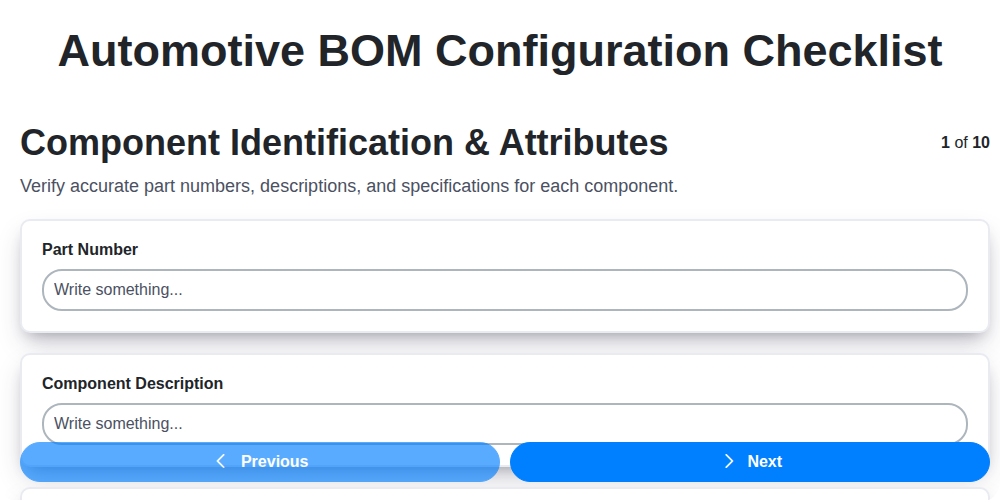
Mastering Automotive BOM Configuration: Your Essential Checklist

The Ultimate Vehicle Registration & Insurance Validation Checklist
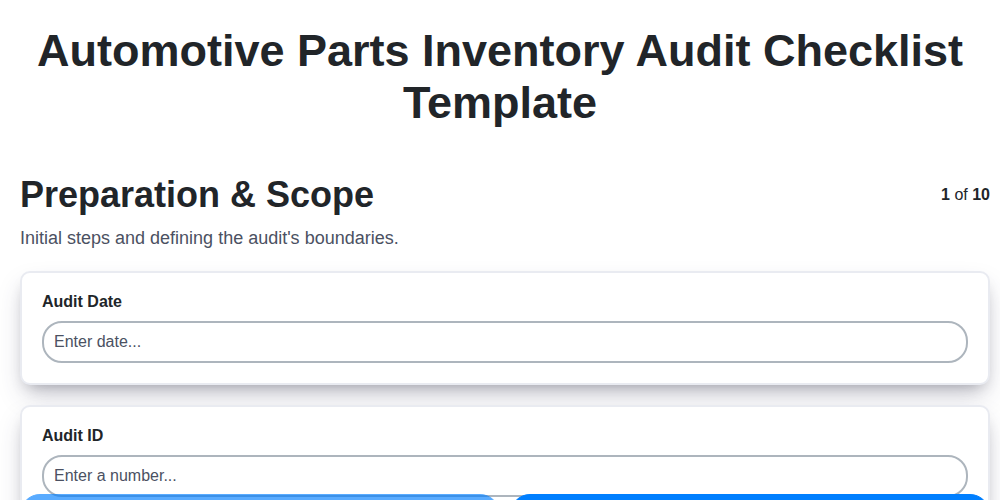
Automotive Parts Inventory Audit Checklist Template: Your Guide to Accurate Stock

Maximize Your Trade-In: The Automotive Appraisal Checklist You Need
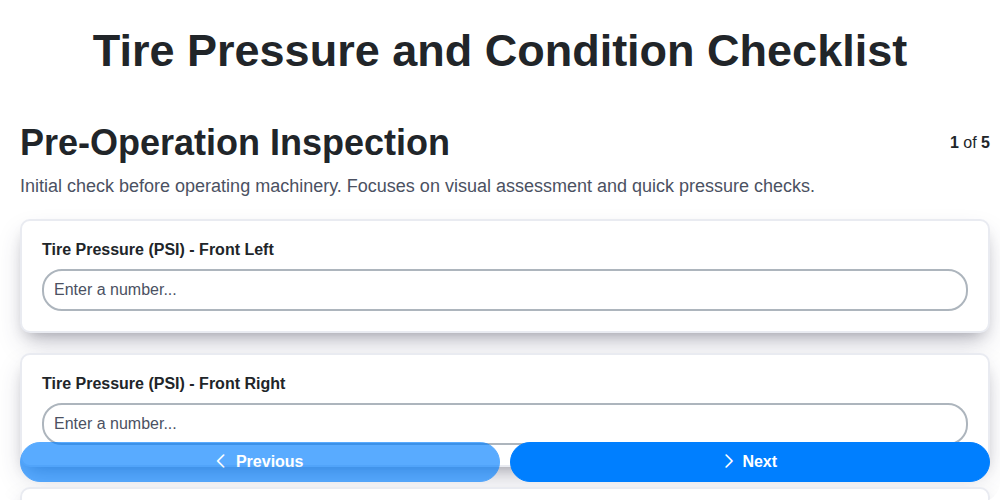
The Ultimate Tire Pressure & Condition Checklist Template
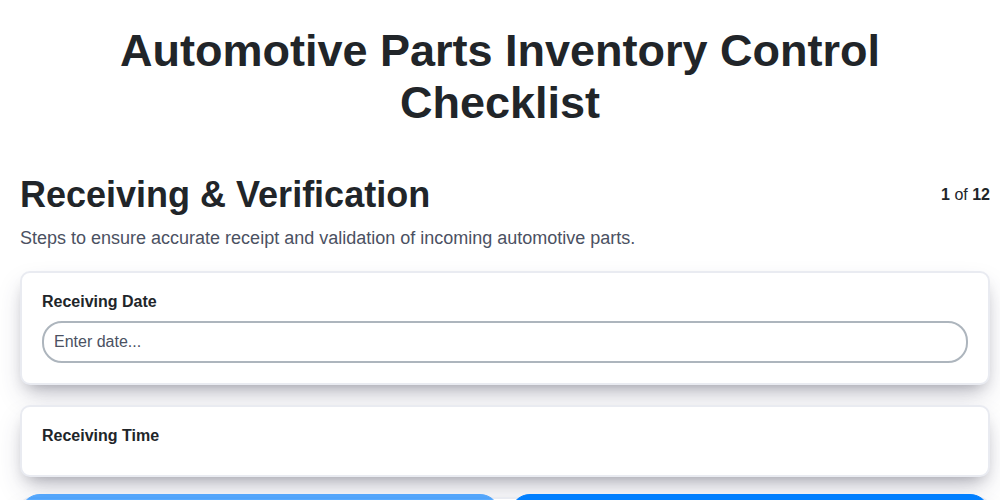
Automotive Parts Inventory Control Checklist Template: Your Ultimate Guide

Drive Sales Success: Your Automotive Sales Team Performance Tracking Checklist
We can do it Together
Need help with
Automotive?
Have a question? We're here to help. Please submit your inquiry, and we'll respond promptly.