Dairy Farm Daily Operations Checklist: A Template for Success
Published: 11/22/2025 Updated: 07/02/2026
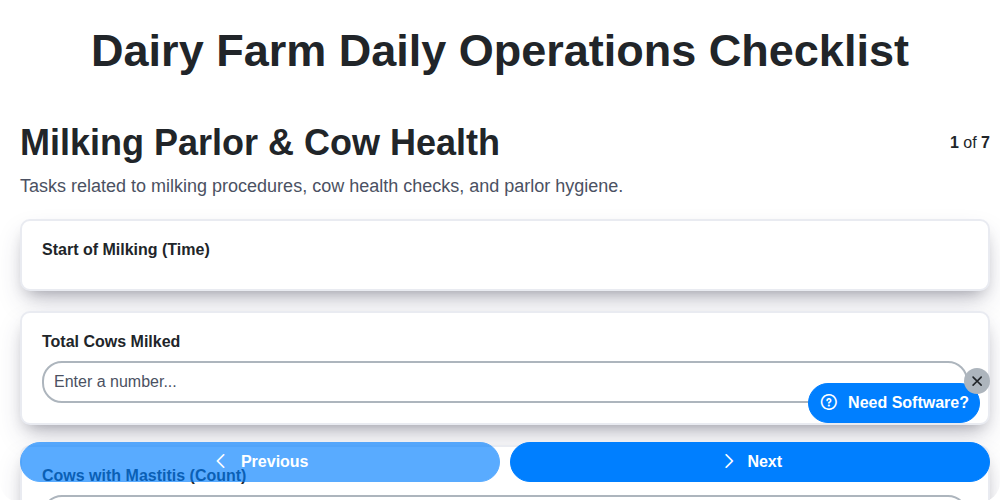
Table of Contents
- Introduction: Why a Daily Checklist is Crucial
- Milking Parlor & Cow Health: Ensuring Quality and Well-being
- Feeding & Nutrition: Fueling Optimal Production
- Water & Ventilation: Maintaining a Healthy Environment
- Manure Management: Hygiene and Environmental Responsibility
- Barn & Facility Maintenance: Protecting Your Investment
- Record Keeping & Reporting: Tracking Progress and Identifying Issues
- Security & Safety: Protecting Your Livestock and Team
- Conclusion: Consistent Practices, Sustainable Success
- Resources & Links
TLDR: Running a dairy farm is complex! This checklist template breaks down your daily operations - from cow health & feeding to manure management & safety - into manageable tasks. Use it to stay organized, ensure consistency, identify potential problems early, and ultimately, boost your farm's efficiency and success.
Introduction: Why a Daily Checklist is Crucial
Running a dairy farm is a complex operation, demanding meticulous attention to detail and consistent performance. Missed steps, even seemingly minor ones, can quickly snowball into significant problems - impacting cow health, milk production, and overall farm profitability. That's where a daily operations checklist becomes your indispensable ally. Think of it as a roadmap for a successful day, ensuring every critical task receives the focus it deserves. It moves you beyond reactive problem-solving to proactive, preventative management. A checklist reduces the risk of human error, promotes consistency among staff, and provides a clear framework for ongoing improvement. Ultimately, it's an investment in the long-term health and success of your dairy farm.
Milking Parlor & Cow Health: Ensuring Quality and Well-being
The milking parlor is the heart of your dairy operation, and maintaining cow health is paramount to overall productivity and profitability. This section of the daily checklist focuses on procedures critical to both.
Milking Parlor Sanitation:
- Pre-Dip & Post-Dip: Verify proper dilution and dispensing of teat pre-dip and post-dip solutions. Check expiration dates and replenish as needed.
- Teat Wipe Solution: Confirm correct concentration and freshness of teat wipe solution.
- Parlor Surfaces: Inspect and clean parlor floors, walls, and equipment for debris and manure. Sanitize regularly according to your cleaning schedule.
- Milking Equipment: Check pulsation rates, vacuum levels, and liner condition. Look for signs of wear and tear (cracks, tears) on liners and replace as necessary. Ensure proper teat end cup cleaning.
- Milk Filters: Inspect milk filters for cleanliness and replace as needed.
Cow Health Monitoring:
- Observe Cows: Visually inspect each cow during milking for signs of mastitis (swollen, hot teats; abnormal milk), lameness, or other illnesses. Note any abnormalities.
- Milk Yield Monitoring: Record milk yield for each cow. Significant drops in yield warrant investigation.
- Somatics Cell Count (SCC) Monitoring: If available, review SCC data and investigate any unusually high readings.
- Dry Cow Checks: For cows nearing dry-off, perform a pre-dry cow assessment for mastitis and lameness.
- Footbaths: Ensure proper solution concentration and water temperature for footbaths, verifying consistent use.
- Record any Abnormalities: Document any observed health issues and report to the veterinarian as needed.
Feeding & Nutrition: Fueling Optimal Production
A dairy farm's success hinges on the health and productivity of its herd, and that starts with a well-planned and consistently executed feeding program. This checklist item isn't just about getting feed to the cows; it's about ensuring they're receiving the right feed, in the right amounts, at the right times.
Here's what needs regular attention:
- Feed Delivery & Storage: Verify feed deliveries are accurate and stored properly, protected from spoilage, moisture, and pest infestation. Rotate stock to utilize older feed first.
- Forage Quality Assessment: Regularly assess forage quality (hay, silage, pasture) for nutrient content - consider sending samples for lab analysis. Adjust rations accordingly.
- Concentrate Mix Consistency: Confirm proper mixing of concentrate feeds, ensuring consistent nutrient ratios. Check scales for accuracy daily.
- Ration Balance: Review and adjust rations based on cow stage of lactation, milk production, and individual needs. Consult with a nutritionist for optimal formulations.
- Feed Bunk Management: Maintain proper feed bunk space and ensure adequate feed availability throughout the feeding period. Monitor for leftover feed to avoid waste and gauge consumption.
- Mineral and Vitamin Supplementation: Verify mineral and vitamin supplements are being mixed correctly and consistently.
- Water Availability: (While listed separately, adequate water is crucial for nutrient absorption - ensure constant access to fresh, clean water).
- Observation: Observe cows for signs of nutritional deficiencies or excesses. Look for changes in appetite, coat condition, or milk quality.
Water & Ventilation: Maintaining a Healthy Environment
Clean water and proper ventilation are absolutely critical for dairy cow health, milk quality, and overall farm efficiency. Stressed cows produce less milk, are more susceptible to disease, and have reduced reproductive success. Here's a breakdown of key areas to address:
Water Quality & Supply:
- Water Source Inspection: Regularly (at least weekly) inspect your water source (well, municipal supply, pond) for clarity and potential contamination. Look for algae, sediment, or unusual odors.
- Water Testing: Annual testing of your water source for bacteria (like E. coli) and mineral content is crucial. Adjust mineral supplementation accordingly.
- Water Troughs/Drinkers: Daily visual check for functionality - are they full, clean, and free of ice or debris? Automatic waterers require regular inspection of float valves and timers. Replace worn parts promptly.
- Water Pressure: Ensure adequate water pressure to all watering stations. Low pressure can lead to cows not drinking enough.
- Winterization: Before freezing temperatures, thoroughly winterize all water lines and tanks to prevent freezing and bursting.
Ventilation:
- Natural Ventilation Assessment: During warmer months, assess natural ventilation effectiveness. Ensure sidewalls, curtains, or vents are functioning properly and allowing airflow.
- Mechanical Ventilation Check: For mechanically ventilated barns, inspect fan belts, motors, and controls. Lubricate bearings as needed. Confirm proper airflow rates.
- Dust Control: Dust is a major health concern. Evaluate dust levels and implement control measures like wetting down barn floors, improving ventilation, or using dust suppressants.
- Ammonia Levels: High ammonia levels irritate respiratory systems. Monitor ammonia levels and adjust ventilation to reduce them.
- Summer Cooling: If necessary, utilize fans, misters, or other cooling methods to maintain comfortable cow temperatures during hot weather.
Manure Management: Hygiene and Environmental Responsibility
Effective manure management isn't just about getting rid of waste; it's a cornerstone of a healthy dairy farm, impacting cow health, environmental sustainability, and overall profitability. Here's a breakdown of key tasks and considerations for daily management:
- Daily Scraping/Pushing: Regularly scrape or push manure from stalls, pens, and holding areas. Frequency depends on the system (conventional, flush, etc.) and should prevent manure buildup that can harbor bacteria and create unsanitary conditions for cows. Aim for at least daily, if not more often.
- Manure Storage Inspection: Check storage structures (lagoons, tanks, composting areas) for structural integrity, leaks, and odor control. Early detection of issues prevents costly repairs and environmental concerns.
- Odor Control Measures: Implement strategies to minimize odor emissions. This could involve additives for composting, lagoon aerators, or covering systems. Be mindful of neighbors and local regulations.
- Nutrient Management Planning: Adhere to your farm's nutrient management plan. Understand soil test results and application rates to prevent nutrient runoff and water contamination.
- Composting/Treatment (If Applicable): Monitor composting temperatures and moisture levels. For any manure treatment systems (anaerobic digesters, etc.), check operational parameters and maintenance schedules.
- Record Keeping: Document manure application rates, locations, and dates, as well as any issues encountered with storage or treatment systems.
- Spill Prevention: Ensure proper equipment maintenance and handling procedures to prevent manure spills. Have a spill response plan in place.
Barn & Facility Maintenance: Protecting Your Investment
A well-maintained barn and facility aren't just about aesthetics; they're crucial for the health and productivity of your dairy farm. Proactive maintenance minimizes costly repairs, extends the lifespan of your infrastructure, and creates a safer environment for your animals and employees. Here's a breakdown of key areas and regular tasks:
Structural Integrity: Regularly inspect roofs for leaks, siding for damage (rot, cracks), and foundations for settling. Address any issues promptly to prevent further deterioration. Consider annual inspections by a qualified structural engineer, especially for older buildings.
Concrete & Flooring: Dairy barns endure constant wear and tear. Check for cracks, spalling, and areas of erosion, especially in high-traffic zones like walkways and around stalls. Implement a repair and resurfacing schedule as needed. Proper drainage is essential to prevent water damage and slippery surfaces.
Stall & Pen Maintenance: Check stall and pen construction, ensuring secure fencing, robust gates, and comfortable bedding. Regularly repair or replace damaged components. Consider adjusting stall dimensions as needed to accommodate your herd's needs.
Lighting & Electrical: Ensure adequate lighting throughout the barn for safety and efficiency. Inspect electrical wiring, outlets, and fixtures for damage or wear. Schedule professional electrical inspections to prevent fire hazards.
Heating/Cooling Systems: If you use heating or cooling systems, inspect and maintain them according to manufacturer recommendations. This includes checking ventilation fans, heaters, and associated controls.
Repairs and Improvements: Create a prioritized list of necessary repairs and improvements, allocating resources strategically. Don't let small issues snowball into major problems.
Regular preventative maintenance is an investment that pays dividends in the long run, safeguarding your infrastructure and contributing to the overall success of your dairy farm.
Record Keeping & Reporting: Tracking Progress and Identifying Issues
Dairy farming is a complex operation, and effective record keeping is absolutely critical for success. It's not just about ticking boxes; it's about having a historical snapshot of your farm's performance, allowing you to identify trends, make informed decisions, and ultimately improve efficiency and profitability.
What should you be recording? A comprehensive system should include, at minimum:
- Milking Records: Individual cow milk yields, mastitis treatments, somatic cell counts, and any observed abnormalities.
- Feeding Data: Feed quantities used, feed analysis results (protein, fiber, etc.), and any changes in rations. This helps optimize feed efficiency and identify potential nutritional deficiencies.
- Health Records: Vaccination schedules, treatment logs (including drug usage and withdrawal times), and any illnesses or injuries.
- Reproduction Data: Heat detection, insemination dates, pregnancy checks, and calving details.
- Water Usage: Monitoring water consumption for both livestock and facility needs.
- Manure Management: Records of manure removal, storage levels, and any environmental concerns.
- Equipment Maintenance: Dates of servicing, repairs, and parts replacements for all machinery.
Beyond simple data collection, reporting is key. Regularly analyze your records to identify trends. Are milk yields declining? Are somatic cell counts rising? Are calves struggling with a particular ailment? These insights allow for proactive adjustments to your management practices. Utilizing software or even detailed spreadsheets can simplify these processes and generate readily understandable reports. Don't be afraid to seek assistance from a veterinarian, nutritionist, or agricultural consultant to interpret your data effectively. Accurate and consistent record keeping transforms data into actionable intelligence, leading to a healthier, more productive, and more sustainable dairy operation.
Security & Safety: Protecting Your Livestock and Team
A dairy farm's security and safety protocols are paramount, safeguarding both your valuable livestock and the dedicated team who work tirelessly to care for them. A proactive approach minimizes risks and ensures a productive and healthy working environment.
Perimeter Security: Regularly inspect fencing and gates. Repair any breaches immediately. Consider installing security cameras, particularly around vulnerable areas like the milking parlor and feed storage. Motion-activated lighting can deter intruders.
Equipment Safety: Ensure all machinery and equipment - tractors, loaders, milking machines - are properly maintained and operated by trained personnel. Implement lockout/tagout procedures during maintenance. Regularly inspect for worn parts and potential hazards.
Milking Parlor Safety: The milking parlor presents unique safety concerns. Regularly check milking machine functionality, ensuring proper vacuum levels and pulsation rates. Provide non-slip flooring and adequate lighting. Train employees on proper handling techniques to prevent injuries to both cows and personnel.
Chemical Storage & Handling: Proper storage and handling of chemicals - sanitizers, fertilizers, pesticides - is critical. Clearly label all containers, store them in a secure, well-ventilated area, and provide employees with appropriate personal protective equipment (PPE). Regularly review Material Safety Data Sheets (MSDS).
Emergency Preparedness: Develop and practice emergency plans for fire, severe weather, and animal escape. Ensure readily accessible first aid kits and trained personnel. Maintain clear communication protocols.
Employee Training: Continuous employee training is vital. Cover topics like safe equipment operation, hazard identification, and emergency response. Encourage a culture of safety where employees feel comfortable reporting potential issues.
Regular Inspections: Implement a routine inspection schedule to identify and address potential safety hazards before they escalate. Document findings and corrective actions taken.
By prioritizing security and safety, you're investing in the long-term health and prosperity of your dairy farm.
Conclusion: Consistent Practices, Sustainable Success
Ultimately, a Dairy Farm Daily Operations Checklist isn't just about ticking boxes; it's about building a foundation for long-term success. Consistent adherence to these practices-milking parlor hygiene, nutritional precision, robust infrastructure upkeep, and diligent record-keeping-directly impacts cow health, milk quality, and overall farm profitability. By incorporating this checklist into your daily routine, you're investing in a system that minimizes risks, maximizes efficiency, and promotes a sustainable operation for generations to come. Remember, a small amount of effort each day translates into significant returns and a thriving dairy farm.
Resources & Links
- Cornell CALS PRO-Dairy: A comprehensive resource from Cornell University's College of Agriculture and Life Sciences, providing information on all aspects of dairy farm management, including best practices, research findings, and educational materials. Extremely valuable for troubleshooting and finding deeper dives into each operational area.
- West Virginia University Extension - Livestock and Poultry: This extension service provides practical, research-based information on dairy farm management, nutrition, health, and safety, often with downloadable guides and resources useful for creating checklists and standard operating procedures.
- University of Wisconsin Animal Nutrition and Dairy Specialist: UW-Madison's Dairy Extension has extensive publications and resources on dairy cow nutrition and health, critical for optimizing milk production and animal welfare. Includes resources on ration balancing and feed management.
- DairyLand Institute: Provides training and resources for dairy professionals, including online courses and webinars, covering topics from milking procedures to manure management and facility design. Can offer practical insights into daily routines.
- Dairy Farmers of America (DFA): While primarily a cooperative, DFA offers insights and resources for dairy farmers, including information on best practices, industry trends, and food safety protocols. Useful for understanding industry standards.
- DairyHealth - Dairy Cow Health & Nutrition: Provides specific information and resources for dairy cow health management, including diagnostic tools and protocols. Important for the 'Milking Parlor & Cow Health' section.
- Mohawk Valley Community College - Dairy Farm Management Program: Provides curriculum and resources related to dairy farm management. Although a program, the information provided on core concepts and best practices is valuable.
- USDA - Farmers.gov: The U.S. Department of Agriculture provides resources for dairy farmers, including information on farm loans, risk management, and conservation programs. Could be useful in the 'Security & Safety' context.
- American Public Health Association: While not exclusively for dairy, APHA's resources on public health and environmental safety are helpful in creating responsible manure management practices and ensuring farm safety.
Frequently Asked Questions
What is the purpose of a dairy farm daily operations checklist?
A daily operations checklist helps ensure consistency, efficiency, and safety in dairy farm practices. It provides a structured approach to tasks, reduces the risk of overlooked procedures, and serves as a record of completed work.
Who should use this checklist template?
This template is designed for use by dairy farmers, farm managers, and any personnel responsible for daily operations on a dairy farm. It can be adapted for all farm sizes and types.
Can I customize this checklist template?
Absolutely! This template is a starting point. You should modify it to reflect your farm's specific needs, infrastructure, and local regulations. Add, remove, or edit tasks as necessary.
What types of tasks are typically included in a dairy farm daily operations checklist?
Common tasks include animal care (feeding, milking, health checks), facility maintenance (cleaning, equipment checks), record keeping, and security checks. The template provides examples of these categories.
How often should the checklist be reviewed and updated?
It's recommended to review the checklist at least quarterly, or whenever significant changes occur on the farm (e.g., new equipment, changes in herd size, regulatory updates).
What is the benefit of documenting completion of tasks on the checklist?
Documentation provides a record of adherence to standard operating procedures, simplifies troubleshooting if issues arise, and can be useful for audits and regulatory compliance.
What should I do if I consistently find tasks are frequently missed or taking too long?
If certain tasks are frequently missed or taking an excessive amount of time, it signals a potential problem. Investigate the root cause - is it a training issue, a resource problem, or a process that needs reevaluation?
How can I ensure everyone on the farm uses the checklist consistently?
Communication and training are key. Explain the purpose and importance of the checklist to all employees and ensure they understand how to use it effectively. Regularly reinforce the process and provide feedback.
Comments
There are no comments yet. Be the first to add one!
Farm Management Solution Demo
Grow your farm smarter & more efficiently! ChecklistGuro streamlines crop planning, task management, & resource tracking. Maximize yields, reduce waste, & improve profitability. Manage it all with our Work OS.
Related Articles
Unlock Higher Yields: Your Precision Agriculture Checklist Template
The Ultimate Farm Safety Inspection Report Checklist Template
Irrigation System Checklist: Farm Water Management & Crop Yield Optimization

Livestock Health & Welfare Checklist: Your Farm Animal Care & Biosecurity Template
Crop Insurance Policy Review Checklist: A Farmer's Guide
Water Discharge Permit Compliance Checklist Template
The Ultimate GPS & Precision Farming Calibration Checklist Template
Mapping the Threat: A Checklist for Proactive Pest & Disease Pressure Management
Need help with
Farm Management?
Have a question? We're here to help. Please submit your inquiry, and we'll respond promptly.