Data Center Waste Management: Your Checklist Template for Sustainability
Published: 10/10/2025 Updated: 07/02/2026
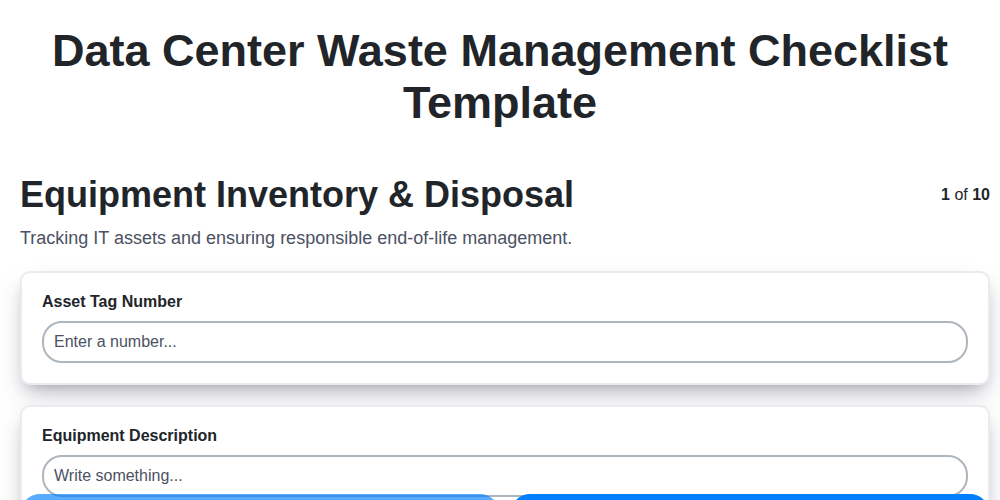
Table of Contents
- Introduction: The Growing Need for Data Center Waste Management
- Why Sustainable Data Center Waste Management Matters
- Understanding Your Data Center's Waste Streams
- Equipment Inventory and Lifecycle Management
- E-Waste Recycling: Compliance and Best Practices
- Battery Management: Safe Handling and Responsible Recycling
- Universal Waste Handling: Fluorescent Lamps and Mercury
- Cardboard and Paper Recycling: Minimizing Paper Waste
- Plastic Waste Reduction & Recycling Strategies
- Data Security and Destruction Protocols
- Vendor Management: Choosing Responsible Recycling Partners
- Documentation, Recordkeeping, and Continuous Improvement
- Employee Training and Fostering a Culture of Sustainability
- Resources & Links
TLDR: Struggling to manage data center waste? This checklist template provides a step-by-step guide (covering everything from e-waste to batteries) to ensure your facility is environmentally responsible, compliant with regulations, and secure in data destruction practices. Download it, customize it, and start building a greener, more sustainable data center today!
Introduction: The Growing Need for Data Center Waste Management
The digital age is fueled by data centers, those sprawling facilities humming with servers and infrastructure. As data volumes explode and cloud adoption continues its upward trajectory, the sheer scale of data centers-and the waste they generate-is becoming an increasingly significant concern. While the focus is often on energy consumption, the physical waste produced by these facilities, from outdated hardware to spent batteries and fluorescent lamps, is a growing environmental and compliance challenge. Ignoring this waste stream is no longer an option. It poses risks to the environment, exposes organizations to regulatory scrutiny, and potentially compromises data security. This article will explore the critical need for robust data center waste management programs, providing a practical checklist to guide you towards a more sustainable and compliant operation.
Why Sustainable Data Center Waste Management Matters
Beyond the feel-good factor of environmental responsibility, effective data center waste management delivers tangible benefits that impact your bottom line and long-term viability. Let's break down the 'why' behind prioritizing sustainability in this critical operational area.
Firstly, compliance is paramount. Data centers are subject to increasingly stringent environmental regulations at the federal, state, and local levels. Improper disposal of e-waste, batteries, and universal waste can result in substantial fines and legal repercussions. A proactive waste management program minimizes these risks.
Secondly, data security is intrinsically linked to responsible waste disposal. Improperly wiped storage devices can expose sensitive client data, leading to breaches, reputational damage, and potential legal action. Secure data destruction methods are a vital component of any robust waste management strategy.
Thirdly, resource recovery presents opportunities. Many components within IT equipment - precious metals, plastics, and other materials - can be recovered and reused. This reduces reliance on virgin resources and potentially generates revenue.
Finally, a commitment to sustainability enhances your brand image. Demonstrating environmental responsibility attracts environmentally conscious customers, investors, and employees, boosting your organization's reputation and competitive advantage. It's a signal that you prioritize long-term value over short-term gains.
Understanding Your Data Center's Waste Streams
Identifying the types and quantities of waste your data center generates is the crucial first step towards effective management. It's more than just 'garbage'; it's a complex ecosystem of materials with varying disposal requirements and potential recovery options. Let's break down the common waste streams you'll encounter.
Electronic Waste (E-Waste): This is often the biggest and most visible component. It encompasses end-of-life servers, networking equipment, storage devices (HDDs, SSDs), monitors, keyboards, mice - essentially any IT hardware. The complexity lies in the various components within, including precious metals and hazardous materials like mercury and lead. Improper disposal poses significant environmental risks.
Batteries: Data centers rely on batteries for uninterruptible power supplies (UPS). These can be lead-acid, lithium-ion, or nickel-cadmium batteries, each requiring specialized recycling processes due to their hazardous content. Accumulation and improper handling can lead to leaks and contamination.
Universal Waste: This category includes fluorescent lamps (containing mercury), ballasts, and other devices containing specific hazardous substances. Regulations for universal waste are designed to ensure proper collection and disposal.
Cardboard and Paper: Packaging materials for equipment, printed documents, and other paper waste contribute significantly to overall waste volume. While often recyclable, confidential information requires secure shredding.
Plastics: From equipment housings to packaging and consumables, plastic waste is common. Identifying the types of plastic and available recycling options is essential.
Coolant and Hydraulic Fluids: Used in cooling systems and equipment maintenance, these fluids require careful management to prevent environmental contamination.
Metal Scrap: Components from decommissioned equipment often contain valuable metals that can be recovered through recycling.
Organic Waste: This might include food scraps from staff areas, which, if possible, should be diverted from landfill through composting or donation.
Accurately quantifying these waste streams - tracking weights or volumes - provides a baseline for measuring progress and identifying areas for improvement. Consider conducting a comprehensive waste audit to gain a clear picture of your data center's waste profile.
Equipment Inventory and Lifecycle Management
A comprehensive equipment inventory is the bedrock of any effective data center waste management program. It's more than just a list; it's a dynamic record that informs disposal decisions, predicts future needs, and ultimately minimizes waste. Without knowing precisely what equipment you possess, its age, its condition, and its data storage capacity, you're flying blind.
Building Your Inventory:
Your inventory should include detailed information for each asset, such as:
- Asset Tag/Serial Number: Unique identifier for tracking.
- Equipment Type: Server, storage array, network switch, UPS, etc.
- Manufacturer and Model: Critical for determining recycling options.
- Date of Purchase/Deployment: Helps track equipment age and lifespan.
- Location: Pinpoints the asset's physical location within the data center.
- Specifications: RAM, Storage capacity, Processor details - valuable for potential reuse or donation.
- End-of-Life (EOL) Date (Projected): Based on manufacturer's recommendations and your operational needs.
Lifecycle Management: Planning for the Future
Once your inventory is established, implement lifecycle management practices. This means proactively planning for equipment replacement, rather than reacting to failures. Key aspects include:
- Standardization: Where possible, standardize equipment types to simplify management and disposal.
- Regular Assessments: Conduct regular assessments of equipment performance and condition.
- Phased Replacements: Replace equipment on a schedule, prioritizing older or less efficient assets.
- Data Migration Planning: Strategically plan data migrations to minimize disruption during equipment upgrades.
- Re-use & Donation: Explore opportunities to re-use equipment within the organization or donate it to non-profit organizations. This extends the useful life of the asset and reduces waste.
A well-maintained equipment inventory and proactive lifecycle management strategy lays the groundwork for responsible data center waste management, reducing environmental impact and optimizing resource utilization.
E-Waste Recycling: Compliance and Best Practices
E-waste, or electronic waste, represents a rapidly growing challenge. Discarded servers, networking equipment, monitors, and peripherals contain valuable materials - but also hazardous substances. Improper disposal poses significant environmental and health risks, and attracts increasingly stringent regulations. Staying compliant and embracing best practices isn't just about avoiding fines; it's about responsible stewardship.
Understanding the Regulatory Framework
The regulatory landscape for e-waste recycling is complex and varies significantly by jurisdiction. Many states have enacted "take-back" programs, extended producer responsibility (EPR) laws, or universal recycling laws. These laws often mandate that manufacturers take responsibility for the end-of-life management of their products, and may place obligations on data centers as generators of e-waste. Federal regulations also play a role, particularly concerning the export of hazardous materials. Staying informed about applicable laws in your operating locations is paramount. Resources like the EPA's e-waste website and state environmental protection agencies provide valuable information.
Best Practices for Responsible E-Waste Recycling
Beyond mere compliance, embracing best practices demonstrates a commitment to sustainability and minimizes risk:
- Choose Certified Recyclers: Partner with recyclers holding recognized certifications like R2 (Responsible Recycling) or e-Stewards. These certifications ensure adherence to rigorous environmental and safety standards, guaranteeing responsible processing. Verify certifications regularly.
- Chain of Custody: Establish a clear and documented chain of custody for all e-waste, tracking materials from your facility to the recycler's processing site. This provides transparency and accountability.
- Data Security First: Prioritize data security throughout the recycling process. Employ certified data sanitization methods before any equipment is sent for recycling, ensuring complete and verifiable data destruction.
- Material Recovery: Favor recyclers that prioritize material recovery, maximizing the reuse of valuable components and minimizing landfill disposal.
- Auditing & Verification: Conduct periodic audits of your recycling partners to verify their compliance with regulations and adherence to best practices. Request recycling certificates confirming responsible processing.
- Inventory Management: Implement robust inventory management practices to track equipment lifecycles and plan for responsible disposal or repurposing.
Proactive measures today position your data center as an environmental leader, reducing risk and contributing to a circular economy.
Battery Management: Safe Handling and Responsible Recycling
Batteries are a critical component of data center infrastructure, powering backup systems, UPS devices, and various other essential equipment. However, improper handling and disposal of these batteries pose significant environmental and safety risks. Data center batteries often contain hazardous materials like lead-acid, lithium-ion, and nickel-cadmium, requiring strict adherence to safe handling protocols and responsible recycling practices.
Identifying Battery Types and Associated Hazards
The first step in effective battery management is accurate identification. Each battery chemistry presents unique hazards:
- Lead-Acid Batteries: Contain corrosive sulfuric acid and lead, posing risks of acid spills, lead contamination, and heavy metal exposure.
- Lithium-Ion Batteries: While offering high energy density, lithium-ion batteries are susceptible to thermal runaway, which can lead to fires and explosions if damaged or improperly charged/discharged.
- Nickel-Cadmium (Ni-Cd) Batteries: Contain cadmium, a known carcinogen, requiring careful handling to prevent exposure.
Safe Handling Procedures
- Designated Storage: Establish secure, well-ventilated storage areas for spent batteries, away from heat sources and incompatible materials.
- Secondary Containment: Utilize secondary containment measures (e.g., drip pans, spill mats) to prevent leaks and spills.
- Personal Protective Equipment (PPE): Always wear appropriate PPE, including gloves, eye protection, and respiratory protection when handling batteries.
- Damage Inspection: Regularly inspect batteries for signs of damage, such as cracks, leaks, or corrosion. Immediately remove and isolate any damaged batteries.
- Proper Ventilation: Ensure adequate ventilation in battery storage and handling areas to prevent the buildup of hazardous fumes.
Responsible Recycling: The Chain of Custody
Simply disposing of batteries isn't an option. Responsible recycling is the cornerstone of battery management:
- Certified Recyclers: Partner with reputable battery recyclers who possess recognized certifications (e.g., R2, e-Stewards). These certifications verify the recycler's commitment to environmentally sound practices.
- Chain of Custody Documentation: Maintain meticulous records documenting the entire process, from battery collection to final recycling. This chain of custody provides assurance of proper handling and recycling.
- Material Recovery: Responsible battery recycling recovers valuable materials like lead, lithium, and nickel, reducing the need for mining virgin resources.
Universal Waste Handling: Fluorescent Lamps and Mercury
Fluorescent lamps, often found illuminating data center spaces, pose a unique challenge due to their mercury content. Mercury is a hazardous substance, and improper disposal can lead to environmental contamination and pose risks to human health. Handling these lamps - and other mercury-containing devices like thermostats and some switches - requires strict adherence to specific protocols.
Here's what you need to know about responsible universal waste handling:
- Containment is Crucial: Designate a secure storage area specifically for used fluorescent lamps. This area must have secondary containment - a tray, tub, or other barrier - to prevent mercury release in case of breakage.
- Handling Precautions: Train personnel on the proper techniques for handling lamps to minimize breakage. Use gloves and eye protection. If a lamp breaks, immediately clean up the debris using appropriate methods (HEPA vacuum, sticky tape - never sweep). Follow established spill response procedures.
- Labeling and Storage: Clearly label all containers holding used lamps as Universal Waste - Mercury Containing. Store lamps in a dry, secure location away from extreme temperatures.
- Certified Disposal: Never dispose of fluorescent lamps in regular trash. Partner with a licensed universal waste handler specializing in mercury-containing waste. They will ensure proper recycling and mercury recovery. Obtain and retain certificates of recycling as proof of compliant disposal.
- Beyond Lamps: Remember this protocol applies to other mercury-containing devices. Inventory and manage these items accordingly, ensuring their safe storage and disposal through certified handlers.
Cardboard and Paper Recycling: Minimizing Paper Waste
Paper and cardboard contribute significantly to data center waste, often overlooked amidst the focus on electronics. Thankfully, minimizing this waste is relatively straightforward and yields immediate benefits - reduced costs and a smaller environmental footprint. The key is a multi-pronged approach, starting with prevention and moving to efficient recycling practices.
Reduce, Reuse, Recycle - The Hierarchy in Action
- Digital Transformation: Prioritize digital documents and workflows whenever possible. Encourage paperless meetings, electronic signatures, and online document storage. Evaluate if printing is truly necessary.
- Double-Sided Printing: Make double-sided printing the default setting on all printers.
- Draft Mode: Utilize draft print mode for internal documents and test prints.
- Reuse Scraps: Designate a bin for scrap paper for internal note-taking or as backing for print jobs.
Implementing a Robust Recycling Program
Clearly labeled recycling bins are essential, placed strategically throughout the data center. Separate bins for mixed paper (office paper, magazines) and corrugated cardboard are ideal. Educate employees on what is acceptable for recycling (avoiding contamination with food waste or non-recyclable materials) and ensure they understand the importance of separating these waste streams. Consider partnering with a recycling service that offers comprehensive reporting on the amount of paper recycled, providing valuable data for tracking progress and identifying areas for improvement. Regular audits of recycling practices can help ensure that the program remains effective and compliant with local regulations.
Plastic Waste Reduction & Recycling Strategies
Plastic waste is a significant contributor to environmental pollution, and data centers are not immune. While complete elimination can be challenging, substantial reductions are achievable through a multi-faceted approach. Let's explore practical strategies, broken down by effort level:
Low-Hanging Fruit (Easy Wins):
- Bulk Ordering: Transition from individually packaged supplies (pens, cleaning wipes, cables) to bulk options significantly reduces per-unit plastic.
- Reusable Cable Ties: Swap disposable plastic ties for reusable Velcro or fabric alternatives. These can be cleaned and reused countless times.
- Refillable Cleaning Supplies: Use concentrated cleaning solutions and refillable spray bottles. This drastically reduces the number of plastic bottles entering the waste stream.
- Review Packaging with Vendors: Engage with your suppliers and request that they minimize plastic packaging in shipments. Highlight your commitment to sustainability and explore alternative packaging materials like recycled cardboard or biodegradable options.
Medium Effort - Requires Some Process Changes:
- Eliminate Single-Use Plastics: Identify and eliminate any remaining single-use plastics, such as disposable cutlery or water bottles. Promote reusable alternatives and encourage employee participation.
- Implement a Centralized Supply System: Control supply distribution to prevent over-ordering and minimize waste. A central supply room or designated distributor can help track consumption and reduce unnecessary packaging.
- Optimize Component Packaging: When procuring new equipment, prioritize vendors who use minimal or recyclable packaging. Don't hesitate to question excessive plastic wrapping.
Advanced Initiatives (Significant Investment & Collaboration):
- Closed-Loop Systems: Explore opportunities to establish closed-loop systems with vendors, where packaging materials are returned for reuse or recycling.
- Biodegradable Alternatives: Investigate and pilot biodegradable plastic alternatives for specific applications, ensuring proper disposal methods are available. (Note: Biodegradability requires specific conditions and may not always be achievable.)
- Employee Incentives: Create an employee incentive program to reward efforts in reducing plastic waste and promoting sustainable practices.
Data Security and Destruction Protocols
Data breaches are a constant threat, and the improper disposal of IT equipment can leave sensitive information vulnerable long after the device is retired. Ensuring data is completely and verifiably destroyed is just as critical as the security measures in place while the equipment is in use. This section outlines essential protocols to safeguard against data leakage during equipment disposal.
Beyond Simple Deletion: Simply deleting files or formatting a hard drive isn't sufficient. Data can often be recovered using specialized tools. A robust data destruction plan requires a layered approach, incorporating multiple techniques to achieve a high level of data sanitization.
Accepted Data Sanitization Methods:
- Overwriting: This method involves repeatedly writing patterns of data over the existing data on the storage device, rendering the original data unrecoverable. Standards like the DoD 5220.22-M (although now superseded, often still referenced) and NIST 800-88 provide guidelines for overwriting patterns.
- Degaussing: Degaussing utilizes a powerful magnetic field to erase data stored on magnetic media (hard drives, magnetic tapes). This method disrupts the magnetic domains, making data recovery practically impossible.
- Physical Destruction: In situations where data sensitivity is extremely high or verification of erasure is paramount, physical destruction is the most secure option. This can involve shredding, crushing, or incineration of the storage media.
- Encryption (with Key Destruction): While not a destruction method per se, strong encryption of the entire storage device, followed by secure destruction of the encryption key, significantly enhances data protection.
Verification is Key: Merely performing a data destruction method isn't enough. You need proof that the data has been securely erased. This can involve:
- Certificates of Erasure: Obtain certificates from your data destruction vendor confirming the methods used and the verification process followed.
- Software Verification: Utilize specialized software to scan storage devices after the data destruction process to confirm the absence of recoverable data.
- Chain of Custody: Maintain a detailed chain of custody for all equipment undergoing data destruction, documenting each step of the process.
Choosing a Vendor: When outsourcing data destruction, carefully vet potential vendors. Ensure they are certified (e.g., NAID AAA certified) and adhere to industry best practices. Always include stringent data security and destruction requirements in your vendor contracts.
Vendor Management: Choosing Responsible Recycling Partners
Choosing the right recycling and disposal vendors isn't just about finding the lowest price; it's about aligning with partners who share your commitment to environmental responsibility and data security. A poorly vetted vendor can expose your organization to compliance risks, reputational damage, and potential data breaches. Here's how to select responsible partners:
1. Certifications Matter: Prioritize vendors holding recognized certifications like R2 (Responsible Recycling), e-Stewards, ISO 14001 (Environmental Management), or NAID AAA (for data destruction). These certifications indicate adherence to rigorous standards for environmental protection, worker safety, and data security.
2. Due Diligence is Essential: Don't rely solely on vendor claims. Conduct thorough background checks, including:
- Financial Stability: Assess the vendor's financial health to ensure long-term reliability.
- Legal History: Investigate any past environmental violations or legal issues.
- Site Audits: If possible, conduct on-site audits to verify their facilities and processes.
- References: Contact existing clients to gather feedback on their performance.
3. Data Security Protocols: Ensure vendors have robust data security protocols in place to protect sensitive information during the recycling or disposal process. Request detailed documentation of their data destruction methods, including chain-of-custody tracking and verification procedures.
4. Transparency and Traceability: Choose vendors who provide transparent tracking of materials throughout the recycling process, allowing you to verify their final destination and ensure responsible handling.
5. Contractual Agreements: Incorporate stringent environmental and data security requirements into your vendor contracts. Clearly outline expectations for responsible recycling practices, data destruction verification, and reporting procedures. Regularly review and update these contracts to reflect evolving regulations and best practices.
Documentation, Recordkeeping, and Continuous Improvement
Maintaining meticulous documentation and embracing a culture of continuous improvement are the cornerstones of a truly effective and sustainable data center waste management program. It's not enough to simply do the right things; you need to be able to prove that you're doing them.
What to Document:
- Waste Manifests: These are critical. Ensure every shipment of waste-e-waste, batteries, lamps-is accompanied by a legally compliant manifest detailing the type of waste, quantity, origin, and destination. Retain these manifests for the period required by your local regulations (often several years).
- Recycling Certificates: Demand Certificates of Recycling (CoRs) from your recycling vendors. These documents provide assurance that the waste was handled according to agreed-upon standards and environmental best practices.
- Vendor Contracts: Keep copies of all contracts with recycling and disposal vendors, clearly outlining your expectations regarding compliance, safety, and traceability.
- Training Records: Document all employee training on waste management procedures, including dates, content covered, and attendees.
- Inspection Logs: Maintain logs of regular inspections of waste storage areas, noting any issues or corrective actions taken.
- Audit Reports: If you conduct internal or external audits of your waste management program, carefully document the findings and any subsequent improvements implemented.
The Power of Continuous Improvement:
Documentation is only half the battle. Regularly review your waste management practices to identify areas for improvement.
- Key Performance Indicators (KPIs): Track metrics such as waste generation rates, recycling rates, and costs associated with waste disposal.
- Regular Audits: Conduct periodic self-assessments to verify compliance and identify potential risks.
- Feedback Loops: Encourage employee feedback and suggestions for streamlining processes and reducing waste.
- Stay Informed: Keep abreast of changes in regulations, technologies, and best practices in waste management.
- Embrace Innovation: Explore new methods for waste reduction, reuse, and recycling. Can you implement a more robust take-back program for certain components? Can you optimize packaging to minimize waste?
By embracing this commitment to documentation and continuous improvement, you transform your data center waste management program from a compliance exercise into a proactive strategy for environmental stewardship and operational efficiency.
Employee Training and Fostering a Culture of Sustainability
A robust waste management checklist is a great starting point, but true sustainability comes from within your team. It's about fostering a culture where every employee understands their role in minimizing environmental impact and actively participates in responsible practices. Simply telling employees what to do isn's enough; they need to understand why it matters.
Making Training Engaging & Relevant
- Tailored Training Modules: Develop training that's specific to different roles within the data center. For instance, technicians may need more in-depth instruction on proper equipment handling and disposal, while administrative staff can focus on reducing paper consumption and promoting recycling.
- Interactive Workshops: Move beyond passive presentations. Incorporate hands-on activities, group discussions, and real-world examples to make the training more engaging. A site tour highlighting waste reduction initiatives can be incredibly impactful.
- Regular Refreshers: Sustainability isn't a "one and done" topic. Schedule regular refresher training sessions to reinforce best practices and update employees on new initiatives.
- Gamification: Introduce elements of gamification - points, badges, leaderboards - to incentivize participation and make learning fun.
More Than Just Rules: Championing Sustainability
- Sustainability Champions: Identify and empower "sustainability champions" within different teams. These individuals can act as advocates, providing peer-to-peer support and promoting best practices.
- Open Communication: Create channels for open communication and feedback on sustainability initiatives. Encourage employees to share ideas and suggestions for improvement.
- Recognize & Reward: Publicly recognize and reward individuals and teams who demonstrate a commitment to sustainability.
- Lead by Example: Management should visibly champion sustainability initiatives, demonstrating their commitment to environmental responsibility.
- Connect to the Bigger Picture: Help employees understand how their actions contribute to the broader sustainability goals of the organization and the positive impact on the planet. Sharing data on reduced waste and energy consumption can be powerful motivators.
Resources & Links
- U.S. Environmental Protection Agency (EPA) - Recycling: The EPA's website provides comprehensive information on recycling, including electronics, batteries, and other materials relevant to data center waste management. It's a key regulatory reference and offers best practices guidance.
- R2 Standard: The R2 (Responsible Recycling) standard provides a framework for electronics recyclers, ensuring responsible downstream processing and promoting transparency. Data centers should ensure their recycling partners are R2 certified.
- e-Stewards: e-Stewards certification is another leading standard for electronics recycling, focusing on ethical and environmentally sound practices. It's an alternative to R2 and provides assurance about responsible recycling.
- The Climate Data Project: Provides tools and resources to measure and reduce the carbon footprint of data centers and colocation facilities, including guidance on waste management's impact on overall sustainability.
- Green IT Initiative: Provides resources and news on sustainable IT practices, including e-waste management, energy efficiency, and green procurement. Offers a broader perspective on data center sustainability.
- Sustainable Electronics: Focuses on sustainable electronics manufacturing and end-of-life management. Contains information on material recovery, design for environment, and responsible sourcing relevant to data centers.
- ISO (International Organization for Standardization): Provides standards relevant to environmental management systems (e.g., ISO 14001) which data centers can implement for comprehensive waste management and sustainability.
- ANSI (American National Standards Institute): ANSI accredits certification bodies like R2, and offers information on standards related to safety, health, and environmental performance applicable to data center operations and waste management.
- NAID (National Association for Information Destruction): Provides certifications and guidelines for data destruction services. Critical for ensuring data security protocols are followed during equipment decommissioning and recycling.
- CDW Government: Offers data destruction and IT asset disposition services. A possible partner for outsourced recycling and disposal solutions. Provides resources and knowledge sharing.
- Earth911: A comprehensive directory of recycling facilities for various materials, useful for identifying local recycling options for data center waste streams.
- The Battery Council International (BCI): Provides information and resources on battery recycling and management, crucial for data centers using UPS batteries and other battery-powered equipment.
- Lamp Recycling: Information about fluorescent lamp recycling, often a universal waste in data centers due to server room lighting.
- World Resources Institute (WRI): While not specifically data center focused, WRI provides broader insights on resource efficiency and circular economy principles that can inform data center sustainability strategies and waste reduction.
Frequently Asked Questions
What is data center waste management and why is it important?
Data center waste management involves minimizing and responsibly handling the various waste streams generated by data centers, including e-waste (servers, storage, networking equipment), packaging materials, batteries, and even construction debris. It's crucial for sustainability because data centers consume vast amounts of resources and generate significant waste, impacting the environment and potentially violating regulations. Effective management reduces environmental impact, lowers operational costs, and improves a data center's reputation.
What types of waste are typically generated by data centers?
Common data center waste includes e-waste (end-of-life servers, storage, networking devices, components), batteries, power cords, packaging materials (cardboard, plastic), fluorescent lamps, construction and demolition debris (during upgrades or expansions), and potentially even hazardous materials like circuit board chemicals.
Why use a checklist for data center waste management?
A checklist provides a structured and consistent approach to waste management. It ensures all aspects are considered, helps track progress, facilitates accountability, and simplifies audits. It minimizes oversight and promotes best practices across your data center operations.
What are the key steps included in the checklist template?
The checklist typically covers areas like waste stream identification and quantification, reuse and repair assessment, responsible recycling programs, hazardous waste handling protocols, vendor selection and auditing, staff training, record keeping, and continual improvement planning.
What is 'e-waste' and why is its proper disposal critical?
E-waste refers to discarded electronic devices, including servers, storage systems, and networking equipment. Improper disposal (e.g., landfilling) can release harmful toxins into the environment and waste valuable recyclable materials like gold, silver, and copper. Proper recycling recovers these materials and prevents pollution.
How can data centers prioritize waste reduction, not just recycling?
Prioritize reduction by extending equipment lifecycles through proactive maintenance, optimizing server utilization through virtualization or containerization, implementing power management features, choosing equipment with minimal packaging, and considering refurbishment or leasing options.
What are some considerations when selecting a recycling vendor?
Look for vendors with certifications (e.g., R2, e-Stewards), transparent processes, data security protocols, clear reporting on material recovery and destination, and a commitment to responsible handling of hazardous materials.
What kind of records should data centers keep regarding their waste management practices?
Maintain records of waste generation, recycling rates, vendor audits, staff training, equipment disposal documentation, hazardous waste manifests, and any deviations from the waste management plan. These records demonstrate compliance and support continuous improvement.
How often should the waste management checklist and plan be reviewed and updated?
The checklist and plan should be reviewed at least annually, or more frequently if there are significant changes in operations, regulations, or technology. This ensures the plan remains effective and aligned with best practices.
Where can I find more information about data center sustainability and responsible waste management?
Resources include the U.S. Environmental Protection Agency (EPA), the Global Sustainable Technology Commons, industry groups like 4ever, and certifications programs like LEED and Energy Star.
Comments
There are no comments yet. Be the first to add one!
Waste Management Solution Demo
Optimize your waste management & reduce environmental impact! ChecklistGuro streamlines collection, tracking, and reporting. Minimize waste, lower costs, & promote sustainability. Manage it all with our Work OS.
Related Articles

Your Ultimate Guide to a Waste Management Facility Project Checklist Template

Your Complete Vegetation Removal Compliance Checklist Template
Your Ultimate Hazardous Materials Waste Management Checklist Template
Streamline Biohazard Waste: Your Essential Checklist Template
Your Dental Office Safety Net: The Compliance & Patient Safety Checklist Template

Weekly Waste Management & Recycling Checklist Template
Your Environmental Compliance Checklist Template: A Step-by-Step Guide
Auto Repair Shop Checklist Template: Operations & Compliance
We can do it Together
Need help with
Waste Management?
Have a question? We're here to help. Please submit your inquiry, and we'll respond promptly.