Hotel Emergency Generator Checklist: Critical Systems Tested
Published: 31.08.2025 Updated: 13.12.2025
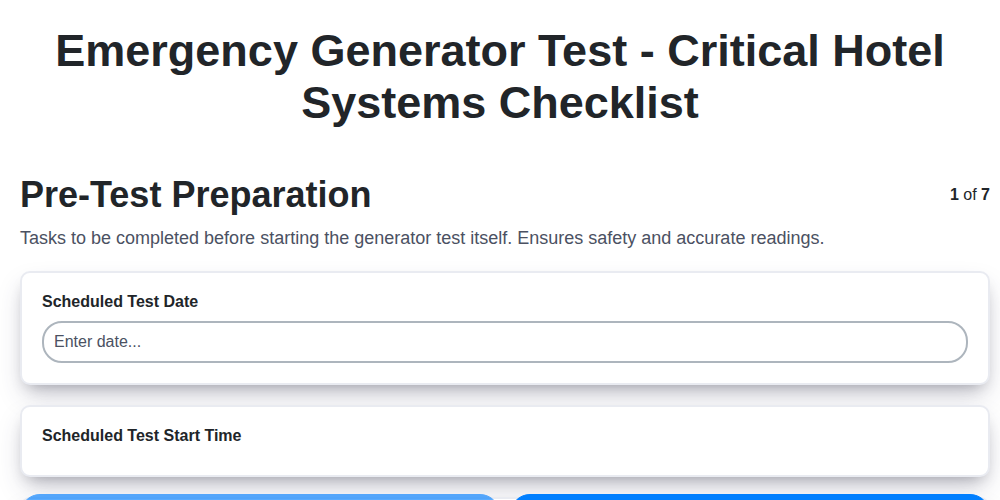
Table of Contents
- Preparing for the Generator Test
- Starting Up and Initial Checks
- Simulating a Power Outage: Load Testing
- Monitoring Critical Systems Performance
- Automatic Transfer Switch (ATS) Functionality
- Post-Test Inspection and Cool-Down
- Documenting Results and Reporting
- Ensuring Compliance and Safety
- Scheduling Regular Generator Maintenance
- Resources & Links
TLDR: Ensure your hotel is ready for a power outage! This checklist template guides you through testing your emergency generator & vital systems (HVAC, fire safety, guest power). It's a step-by-step process from pre-test checks to post-test reporting - keeping your guests safe and your hotel running smoothly when the lights go out.
Preparing for the Generator Test
Before the generator even hums to life, a significant amount of preparation is essential for a safe, effective, and insightful test. Rushing into the process can lead to inaccurate readings, potential equipment damage, and missed opportunities to identify critical issues. Here's a breakdown of what needs to happen before the generator test commences:
1. Notification and Coordination: Minimizing Disruption
Announce the scheduled test to relevant hotel staff well in advance. This includes the front desk, engineering, security, and any other departments that might be affected. Clear communication helps avoid guest complaints and ensures everyone understands the temporary power interruptions. Schedule the test during a period of low occupancy whenever possible.
2. Safety First: Lockout/Tagout Procedures
Strict adherence to lockout/tagout (LOTO) procedures is non-negotiable. Properly isolating the generator and its associated circuits prevents accidental energization during the test, protecting personnel and equipment. Ensure all technicians are fully trained in LOTO protocols and have the appropriate tools and personal protective equipment (PPE).
3. Fuel & Battery Assessment: Essential Pre-Checks
Verify the generator's fuel level is sufficient to complete the entire test cycle, including warm-up and cool-down periods. A low fuel level can prematurely end the test and compromise its validity. Equally important, inspect the generator's battery connections and check the battery voltage. Weak batteries are a common culprit for failed startup attempts and must be addressed beforehand.
4. Reviewing Maintenance Records: Uncovering Past Insights
Take a few minutes to review the generator's maintenance log. Note any recent service performed, fluid levels, unusual observations, or recurring issues. This provides valuable context for interpreting test results and identifying potential problem areas. A history of previous anomalies can help pinpoint underlying trends that might require further investigation.
5. Checking Environmental Factors:
Consider weather conditions. Extreme temperatures can affect generator performance. Account for these factors when analyzing test data and making adjustments as needed. Clear any obstructions around the generator for proper ventilation and accessibility.
Starting Up and Initial Checks
Before you begin the load test, ensuring a proper startup and performing initial checks are crucial for accurate results and generator longevity. Begin by verifying the generator's control panel display - confirm it's functioning correctly and showing the expected status indicators. Next, engage the generator startup sequence, following the manufacturer's prescribed procedure. Observe the engine cranking and starting process; listen for any unusual noises, knocking, or extended cranking times. Once started, allow the engine to warm up for the manufacturer-recommended period - typically 10-15 minutes - to allow for stabilization of operating temperatures and pressures. During this warm-up period, monitor the following: engine oil pressure, coolant temperature, and exhaust smoke color. Excessive smoke (black or blue) could indicate fuel or lubrication issues requiring immediate attention before proceeding. Finally, check the voltage and frequency readings on the generator's display; these should be within the specified tolerances outlined in the manufacturer's documentation. Any discrepancies at this stage warrant further investigation and potential adjustment before undertaking the load testing phase.
Simulating a Power Outage: Load Testing
Load testing is the most critical phase of the emergency generator test. It's not enough to simply start the generator; you need to verify its ability to reliably power your hotel's essential systems under realistic load conditions. This process simulates a real power outage, allowing you to observe generator performance and identify potential weaknesses before a true emergency.
Determining the Appropriate Load:
The load applied to the generator should closely mirror the power draw of your most critical systems during a power outage. This typically includes:
- HVAC: Essential for guest comfort and potentially life safety.
- Life Safety Systems: Fire pumps, emergency lighting, smoke detectors, and alarm systems.
- Guest Room Power: A subset of rooms, ensuring critical lighting and outlets remain operational.
- Security Systems: Surveillance cameras, access control systems, and alarm panels.
- Essential Kitchen Equipment: Limited operation to prevent food spoilage and maintain basic food service.
Carefully calculate the total power demand of these systems. Overloading the generator can cause damage, while underloading may not accurately reflect real-world conditions.
Phased Load Increase:
Never apply the full load at once. Instead, increase the load in stages, allowing the generator to stabilize between each increment. This allows for thorough monitoring of key parameters like voltage, amperage, frequency, oil pressure, coolant temperature, and exhaust gas temperature. Document these readings at each load level - this data is invaluable for comparison and future troubleshooting.
Monitoring Performance:
Pay close attention to any signs of stress on the generator. Unusual noises, vibrations, voltage fluctuations, or temperature spikes can indicate underlying issues that require immediate attention. A skilled technician should be present to interpret these observations and make adjustments as needed.
Monitoring Critical Systems Performance
Beyond simply verifying the generator's ability to produce power, true system validation lies in observing how those systems perform under load. This involves a careful assessment of critical equipment connected to the generator during the test. Don't just look at the generator's voltage and amperage; pay close attention to the downstream effects on the systems it's powering.
For HVAC systems, monitor air handler performance, ensuring adequate airflow and temperature control. Life safety systems - fire pumps, emergency lighting, smoke detectors - must be visually inspected to confirm functionality and brightness. Guest room circuits should be tested for voltage stability and absence of flickering lights. Essential kitchen equipment, such as refrigerators and ovens, should be checked for proper operation.
Irregularities like voltage fluctuations, unusual noises, or operational inconsistencies within these systems signal potential issues that need immediate attention. Detailed documentation of these observations is crucial, as it provides valuable insights for troubleshooting and preventative maintenance. Remember, a successful generator test isn't just about the generator itself; it's about ensuring the entire critical infrastructure functions reliably during a power outage.
Automatic Transfer Switch (ATS) Functionality
The Automatic Transfer Switch (ATS) is the unsung hero of your hotel's emergency power system. It's the device responsible for seamlessly shifting the electrical load from the utility power grid to the emergency generator when a power outage occurs - and back again when power is restored. A faulty or poorly functioning ATS can negate the entire benefit of having a generator, leading to disruptions, safety risks, and potential revenue loss.
During testing, we're not just verifying the generator's ability to produce power; we're meticulously assessing the ATS's performance. This includes observing the speed of the transfer-ideally, it should be quick, minimizing any interruption to critical systems. We also check for voltage and frequency stability immediately after the transfer. A stable voltage and frequency are crucial for sensitive electronics and life-safety equipment. Conversely, when utility power returns, the ATS must transfer the load back smoothly and reliably. Any hesitation or instability during either transfer indicates a potential problem that requires immediate attention. Furthermore, testing includes verifying the ATS's ability to withstand overload conditions - ensuring it can handle the surge in demand when switching to generator power. Proper ATS functionality is non-negotiable for a resilient and dependable emergency power system.
Post-Test Inspection and Cool-Down
Following the load test and ATS verification, a thorough post-test inspection is crucial. This isn't just about confirming everything worked; it's about identifying any signs of stress or potential issues that developed during operation. Begin by visually inspecting the generator set. Look for any leaks (oil, coolant, fuel), unusual noises, or signs of overheating. Pay close attention to hoses, belts, and connections - these are common points of failure.
Next, check the exhaust system for any discoloration or unusual emissions. A brief assessment of the vibration levels is also recommended. While the generator is still warm, carefully feel the temperature of various components (again, always with appropriate PPE!). Significant temperature differences can indicate airflow problems or other inefficiencies.
Allowing the generator to cool down properly is essential before attempting a shutdown. A rapid cool-down can cause thermal shock and potentially damage internal components. The cooling period's duration should align with the manufacturer's recommendations, often around 30-60 minutes, but always verify. During this time, continue monitoring for any unusual behavior. A controlled, gradual cool-down contributes to the generator's longevity and reliability, ensuring it's ready to perform flawlessly when needed most.
Documenting Results and Reporting
Comprehensive documentation isn't merely a box to tick; it's the bedrock of a reliable emergency power system. A well-maintained record-keeping system provides invaluable insights into generator performance trends, facilitates proactive maintenance, and demonstrates compliance during audits.
Your documentation should include, at a minimum:
- Date and Time of Test: Essential for tracking frequency and identifying temporal performance changes.
- Personnel Involved: Record the names and qualifications of those conducting and observing the test.
- Generator Load Profile: A detailed record of the load applied during the test, including timings and power levels.
- Data Logs: All readings captured during the test, organized and clearly labeled with units of measurement. Digital data logs are preferable for ease of analysis and long-term storage.
- Observations: Any unusual noises, vibrations, smells, or visual anomalies observed during the test, even if seemingly minor.
- Maintenance Performed: A list of any maintenance performed before or after the test, such as fluid top-offs or filter replacements.
- Deviation Analysis: If any readings fall outside acceptable ranges (as defined by manufacturer specifications), meticulously document the deviation, potential causes, and corrective actions taken.
- Report Summary: A concise summary of the test results, highlighting key findings and recommendations for future maintenance or repairs.
Digital platforms and cloud-based solutions are increasingly preferred for data storage and accessibility. Ensure your records are backed up regularly to prevent data loss. A consistent, standardized reporting format across all tests streamlines analysis and facilitates informed decision-making regarding your hotel's emergency power system.
Ensuring Compliance and Safety
Beyond operational reliability, adhering to regulations and prioritizing safety are paramount when it comes to emergency generator systems. Several bodies mandate testing and maintenance protocols to ensure readiness and prevent hazards. The National Fire Protection Association (NFPA) 110 standard, Standard for Emergency and Standby Power Systems, is a cornerstone of compliance for many hotels, detailing inspection, testing, and performance requirements. NFPA 110 outlines frequency of testing based on the criticality of the systems supported - more critical systems necessitate more frequent evaluations.
Local and state fire codes often reference NFPA 110, further reinforcing the need for consistent testing. Failure to comply can result in fines, operational restrictions, and, most importantly, compromises the safety of your guests and staff.
Regular inspections aren't just about ticking a box; they're about proactively identifying potential risks. This includes verifying proper ventilation to prevent carbon monoxide buildup, ensuring fuel storage meets safety standards, and confirming the functionality of all associated safety devices. Maintaining meticulous records of all testing and maintenance activities is crucial for demonstrating compliance during audits and provides valuable insights into the long-term health of your generator system.
Scheduling Regular Generator Maintenance
Consistency is key when it comes to ensuring your emergency generator is ready to perform when needed. Don's wait for a power outage to discover a hidden issue - proactive maintenance is the best defense. But how often should you schedule these checks? The answer isn't a one-size-fits-all solution.
Understanding Maintenance Frequency Tiers
Generator maintenance falls into three primary tiers:
- Daily/Weekly Visual Checks: These are quick, easy tasks any trained hotel staff member can perform. This includes checking fluid levels (oil, coolant, fuel), inspecting hoses and belts for cracks or wear, and listening for any unusual noises during brief operation.
- Annual Maintenance: This involves a more in-depth examination by a qualified technician. It typically includes changing filters (air, fuel), inspecting the battery, checking the cooling system, performing a load bank test, and verifying proper ATS operation. NFPA 110 often dictates minimum requirements for these checks.
- Major Overhaul (Every Few Years): Depending on the generator's age, operating hours, and usage, a major overhaul may be necessary every 2-5 years. This involves a complete teardown, inspection, and replacement of worn components.
Following the Manufacturer's Recommendations
The most critical factor in determining maintenance frequency is to strictly adhere to the manufacturer's recommended maintenance schedule outlined in the generator's operation and maintenance manual. These schedules are based on the specific design and operating parameters of the generator.
Consider Usage Patterns
High-use generators (those running frequently for testing or during prolonged power outages) will generally require more frequent maintenance than those that are rarely used. Account for your hotel's specific operational needs and environment when establishing a maintenance plan.
Record Keeping is Essential
Maintain meticulous records of all maintenance performed, including dates, tasks completed, and any issues identified. This documentation is invaluable for tracking generator performance, identifying trends, and ensuring compliance with regulations.
Resources & Links
- Generac: A leading manufacturer of generators and power systems. Their website offers product information, technical specifications, and resources related to generator maintenance and operation. Helpful for understanding generator types and components.
- Cummins: Cummins is a major supplier of engines and generator sets. Their site provides information on engine technology, performance data, and potential troubleshooting guides applicable to hotel generator systems.
- Kohler Power Systems: Kohler offers a range of generators, including those designed for commercial and hospitality applications. Find technical data sheets, manuals, and insights into generator solutions for backup power.
- NTE Electrical: NTE Electrical offers a wide range of electrical testing equipment, including meters and analyzers that can be used for monitoring critical systems during generator testing (voltage, current, frequency, etc.). Useful for the 'Monitoring Critical Systems Performance' section.
- Fluke: Fluke is a renowned manufacturer of electrical test equipment. Their website provides details on meters, clamp meters, and other tools vital for assessing generator performance and electrical system health during testing, crucial for 'Monitoring Critical Systems Performance'.
- PEMCO Electric: PEMCO specializes in automatic transfer switches (ATS). Their website offers detailed information about ATS operation, maintenance, and troubleshooting, directly relevant to the 'Automatic Transfer Switch (ATS) Functionality' section.
- Electrical World: Provides articles, resources, and news related to the electrical industry. Can offer insights into best practices for generator maintenance and safety compliance, helpful for 'Ensuring Compliance and Safety'.
- OSHA (Occupational Safety and Health Administration): The OSHA website provides safety guidelines and regulations applicable to generator operation, maintenance, and emergency power systems. Directly related to 'Ensuring Compliance and Safety'.
- NFPA (National Fire Protection Association): NFPA publishes codes and standards related to fire safety and electrical systems, including guidelines for generator installation and operation. Vital for 'Ensuring Compliance and Safety'.
- Power Technology: A comprehensive resource for information on power generation technologies, including generators and backup power systems. Can provide technical insights and industry trends.
- TDI Power: Offers a range of generator services including testing, maintenance and repair. May contain helpful guides or information related to generator operation and troubleshooting.
Frequently Asked Questions
What is the purpose of a hotel emergency generator checklist?
The checklist ensures that critical systems powered by the emergency generator are regularly tested and functioning correctly, guaranteeing a seamless transition during power outages and minimizing disruption to guests and hotel operations.
Which critical systems are typically included on a hotel emergency generator checklist?
Commonly tested systems include life safety systems (fire alarms, sprinkler systems, emergency lighting), critical HVAC equipment, elevators, communication systems (phones, internet), security systems, and essential building functions like refrigeration and water pumps.
How often should a hotel emergency generator checklist be performed?
Frequency depends on local regulations and generator manufacturer recommendations. Generally, monthly visual inspections, quarterly load tests (typically 50-75% load), and annual full load tests are standard practice. More frequent testing is recommended for critical facilities or areas with high risk.
What does a 'load test' involve?
A load test simulates a power outage and transfers the load of critical systems to the generator. It verifies the generator's ability to handle the demand and checks voltage, frequency, and other performance parameters. Load tests should be documented with readings.
What documentation is required for a hotel emergency generator checklist?
Detailed records are crucial. Documentation should include the date of the test, personnel involved, test results (including readings), any issues identified, corrective actions taken, and signature of the person performing the test. This is vital for compliance and maintenance history.
What should I do if a test reveals a failure on the emergency generator checklist?
Immediately report the failure to hotel management and the maintenance team. Schedule repairs promptly and document the issue and the corrective actions taken. Do not operate the generator until the issue is resolved and verified.
Who is responsible for conducting the hotel emergency generator checklist?
Typically, the hotel's maintenance team or a qualified third-party contractor with expertise in generator maintenance and testing is responsible. Training and certification are important.
Are there specific regulatory requirements for hotel emergency generator testing?
Yes, local building codes, fire codes, and insurance requirements often dictate testing frequency and standards. It's essential to be familiar with and comply with all applicable regulations.
What is the difference between a visual inspection and a load test?
A visual inspection is a quick check for obvious damage or wear. A load test is a more comprehensive evaluation that simulates a real power outage to verify performance under load and identify potential issues that might not be apparent during a visual inspection.
Comments
There are no comments yet. Be the first to add one!
Facility Management Solution Demo
Keep your facilities running smoothly! ChecklistGuro streamlines maintenance, inspections, and vendor management. Reduce downtime, optimize efficiency, & improve safety. Manage it all with our Work OS.
Related Articles
Industrial Floor Cleaning & Safety Checklist Template
Display Case Temperature Monitoring Checklist Template
The Ultimate Refrigeration Maintenance Checklist: Keeping Your Food Safe
Escalator & Moving Walkway Inspection Checklist Template
The Ultimate Guest Room Cleaning & Inspection Checklist Template
The Ultimate Security Camera Review Checklist Template
Forklift Inspection & Maintenance Checklist Template
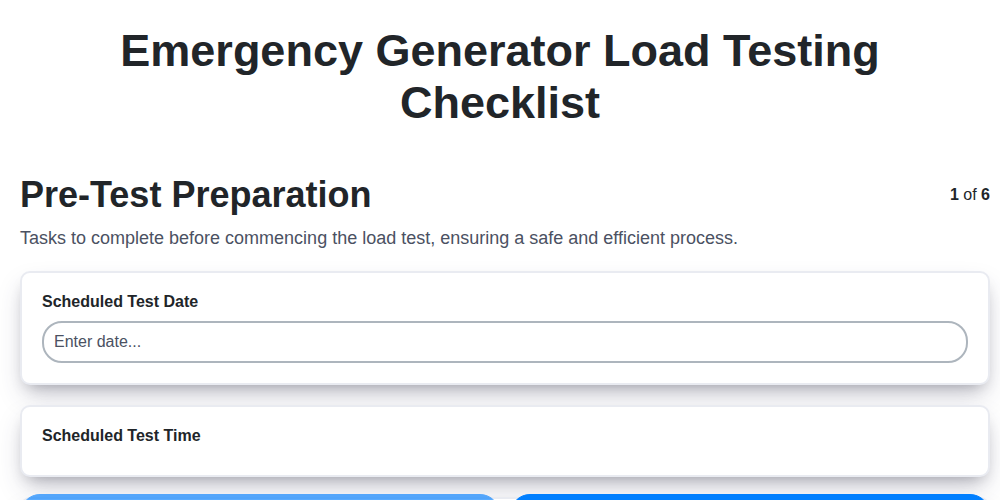
Emergency Generator Load Testing Checklist Template
We can do it Together
Need help with
Facility Management?
Have a question? We're here to help. Please submit your inquiry, and we'll respond promptly.