Emergency Generator Test & Inspection Checklist Template
Published: 09/01/2025 Updated: 09/25/2026
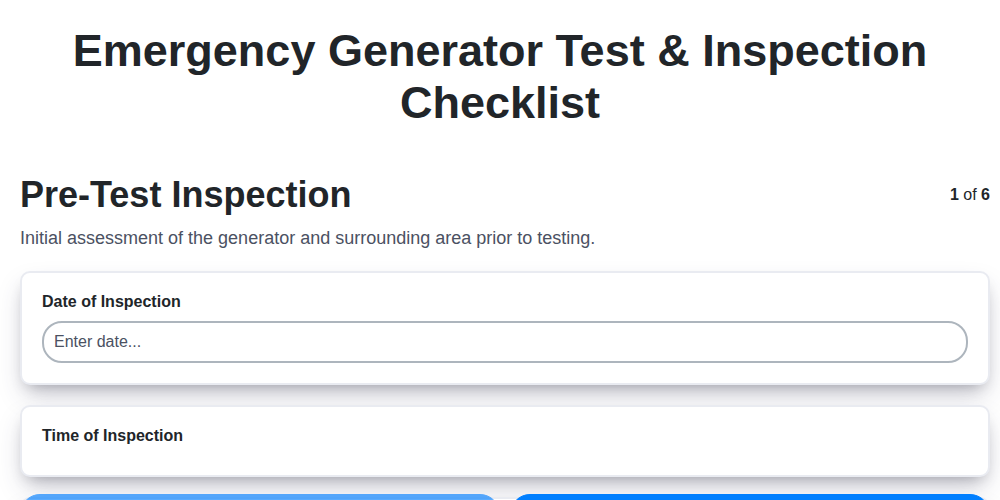
Table of Contents
- Why Regular Generator Testing is Crucial
- Pre-Test Inspection: What to Check Before Starting
- Start-Up and Run Test: Basic Operation and Monitoring
- Load Bank Testing: Simulating Real-World Power Demands
- Safety Systems & Monitoring: Protecting Your Home and Family
- Post-Test Inspection: Ensuring Optimal Performance
- Documentation & Record Keeping: Maintaining a Detailed History
- Finding a Qualified Generator Technician
- Resources & Links
TLDR: This checklist template helps you ensure your emergency generator is ready when you need it most! It covers everything from basic checks (oil, battery) to more advanced tests (load bank - recommended for pros!), keeping you powered up safely and reliably during outages. Download it, follow the steps, and stay prepared!
Why Regular Generator Testing is Crucial
A generator sitting idle in your garage or on your business property might seem ready to go when disaster strikes, but appearances can be deceiving. The reality is that generators are complex machines that degrade over time, even without use. Think of it like a car - you wouldn't let a car sit untouched for a year and expect it to start reliably, would you?
Regular generator testing isn't just about verifying that the engine turns over. It's a comprehensive assessment of its overall health, encompassing fuel system integrity, battery performance, electrical output, and safety systems. Neglecting this vital maintenance can lead to a false sense of security, ultimately resulting in a generator that fails precisely when you need it most - during a power outage impacting safety, critical operations, or even your livelihood. A failed generator during a storm can be far more disruptive (and costly) than the simple act of preventative testing.
Pre-Test Inspection: What to Check Before Starting
Before you even think about starting your emergency generator, a thorough pre-test inspection is absolutely crucial. This isn't just about identifying immediate problems; it's about preventing them. Think of it as preventative maintenance. Start by giving the entire generator a visual once-over. Look for any obvious signs of damage-cracks in the housing, signs of corrosion, or loose connections. Rodent damage is also a surprisingly common issue, so check for chewed wires or nesting materials.
Next, verify that you have adequate fuel for the test run, and crucially, a reserve. Fuel degradation is a major cause of generator failures, so ensure your fuel is fresh. Check the oil level and top off if necessary, making sure to use the oil type recommended by the manufacturer. Don't forget to check the coolant level as well. Inspect the battery terminals for corrosion and clean them if needed. A healthy battery is essential for reliable starting. Finally, make sure the exhaust system, air intake, and all wiring are clear and undamaged - obstructions or issues here can lead to dangerous conditions. Taking these few minutes for a careful pre-test inspection can save you a lot of trouble down the road.
Start-Up and Run Test: Basic Operation and Monitoring
Starting up and running your generator might seem straightforward, but careful observation is key to identifying potential issues early on. Follow these steps meticulously and pay close attention to any unusual signs.
First, consult your generator's manual for the correct starting procedure. This will often involve setting switches to the off or manual position and ensuring the choke is appropriately adjusted (if applicable). Once started, listen carefully. A healthy generator should run smoothly with a consistent hum. Any knocking, sputtering, or grinding noises are red flags and warrant further investigation - don't ignore them!
During the run test, visually inspect the generator for any signs of trouble. Watch for excessive smoke (black or blue smoke indicates fuel or oil burning issues), leaks of any kind (fuel, oil, coolant), or unusual vibration. A multimeter is an invaluable tool here; use it to check the generator's output voltage and frequency. Compare these readings against the manufacturer's specifications. Typically, you're looking for around 120/240 volts and a frequency of 60Hz in the US. Significant deviations from these values can point to problems with the alternator or engine. Let the generator run for at least 30 minutes, ideally an hour, under no load (meaning no appliances are drawing power). This allows you to observe its performance under a normal operating condition. Finally, after the test, allow the generator to cool down completely before shutting it off, particularly if it has been running for an extended period.
Load Bank Testing: Simulating Real-World Power Demands
Load bank testing is the gold standard for verifying your emergency generator's performance. It goes far beyond simply running the engine; it simulates a real-world power outage by progressively applying a controlled electrical load to the generator. Think of it as putting your generator through a stress test, ensuring it can handle the combined power demands of your critical circuits - lights, HVAC, medical equipment, refrigerators - all at once.
Unlike a simple no-load test, load bank testing reveals potential weaknesses. It exposes issues like voltage sags, frequency instability, overheating, and fuel starvation that might not be apparent under light loads. Professional technicians use specialized equipment to gradually increase the load, meticulously monitoring key parameters. This process reveals if the generator can maintain stable voltage and frequency under the simulated outage conditions, ensuring a seamless transition and continued operation when it matters most. It's a critical step for businesses, hospitals, and any facility reliant on a dependable emergency power supply.
Safety Systems & Monitoring: Protecting Your Home and Family
Your emergency generator isn't just a power source; it's a critical safety system. Proper monitoring and functioning safety components are paramount to protecting your home and family during an outage. Here's what to focus on:
Carbon Monoxide (CO) Detection - The #1 Priority: Generators produce deadly carbon monoxide. Working CO detectors are absolutely essential. Test them monthly, and replace batteries at least annually (or as recommended by the manufacturer). Install CO detectors on every level of your home, especially near sleeping areas. Never operate the generator indoors, in a garage, or near windows or doors that could allow CO to enter your home.
Automatic Transfer Switch (ATS) Testing: If you have an ATS, it's crucial to verify its functionality. These switches automatically transfer your home's electrical load from the utility grid to the generator when power is lost. Periodically test the ATS by simulating a power outage (usually by flipping a breaker) to ensure it seamlessly switches to generator power. Consult the ATS's manual for specific testing procedures.
Emergency Stop Button: Familiarize yourself with the generator's emergency stop button and ensure it's easily accessible. Test the button regularly to ensure it immediately shuts down the generator in case of an emergency.
Visual and Auditory Checks: While the generator is running, regularly check for unusual noises or vibrations that could indicate a problem. A subtle change in exhaust color or smell can also be a warning sign.
Ventilation & Placement: Reinforce the importance of proper ventilation - keeping the generator far away from any windows, doors, vents, or crawl spaces. Even a small amount of CO can be dangerous.
Post-Test Inspection: Ensuring Optimal Performance
The generator might be running smoothly, but a thorough post-test inspection is your final check for ongoing optimal performance and potential issues. This isn't just about confirming everything worked; it's about identifying anything that might have been stressed or affected during the run.
Begin with a visual re-check of the entire generator set. Look for any new leaks - oil, coolant, or fuel - that might not have been present before the test. Pay close attention to hose connections and fittings. Listen for any unusual sounds, even subtle ones, that weren't present during the initial run. Check the exhaust system for any signs of damage or discoloration, which could indicate overheating.
Re-check the coolant and oil levels, topping off as needed. Note any changes in levels - a significant drop could point to a leak. Finally, give the generator a quick wipe-down to remove any accumulated grime or residue. Document everything you observe in your maintenance log, even if it seems minor. Early detection of potential problems is the key to preventing costly repairs and ensuring reliable power when you need it most.
Documentation & Record Keeping: Maintaining a Detailed History
Maintaining thorough documentation is as vital as the testing itself. A well-kept record provides a historical snapshot of your generator's performance, allowing you to identify trends, anticipate potential issues, and demonstrate due diligence. Here's what to include in your generator maintenance log:
- Date of Test/Inspection: The specific date the test was performed.
- Test Type: Clearly state what type of test was conducted (e.g., Start-Up & Run Test, Load Bank Test).
- Results: Record all relevant data, including voltage readings, frequency, oil levels, coolant levels, and any observed anomalies (unusual noises, vibrations, smoke).
- Personnel: Note who performed the test (e.g., yourself, a certified technician).
- Corrective Actions: If any repairs or adjustments were made, document them in detail, including parts replaced and the date of the work.
- Manufacturer's Manual Reference: Note the section of the manufacturer's manual that guided the test or repair.
- Fuel Type and Quantity: Record the type of fuel used and the amount remaining after the test.
- Photos/Videos: Consider adding photos or short videos to visually document the generator's condition and any identified issues.
Storing these records securely, whether in a physical logbook or a digital format, is crucial for long-term maintenance and troubleshooting. They serve as a valuable resource for future technicians and provide evidence of responsible ownership.
Finding a Qualified Generator Technician
Finding a qualified generator technician isn't just about finding someone who knows a little about generators; it's about finding a professional with the right expertise and experience to keep your emergency power system running reliably. Here's what to look for:
- Certifications & Licensing: Check for relevant certifications. Nationally recognized credentials like those offered by the National Center for Construction Education and Research (NCCER) demonstrate a baseline level of competency. Ensure they are properly licensed to perform electrical work in your area.
- Experience with Your Generator Brand: Different generator brands have different systems and complexities. Ideally, find a technician familiar with your specific make and model.
- Load Bank Testing Experience: If you plan to perform load bank testing (highly recommended for commercial generators), ensure the technician has experience with this process and the equipment involved.
- References & Reviews: Don't hesitate to ask for references and check online reviews. A reputable technician will be happy to provide them.
- Insurance & Bonding: Verify that the technician has adequate liability insurance and bonding to protect you from potential damages.
- Clear Communication & Estimates: A good technician will be able to clearly explain the problem, provide a detailed estimate, and answer your questions thoroughly.
Resources & Links
- Generac: Generac is a leading manufacturer of generators and related power solutions. Their website offers information on generator types, maintenance tips, troubleshooting guides, and resources for homeowners and businesses.
- Cummins: Cummins offers a wide range of generators for residential, commercial, and industrial applications. Their website includes technical data, product specifications, and helpful articles on power generation.
- Kohler Power Systems: Kohler offers generators for homes and businesses, providing a variety of backup power solutions. Their site provides product information, manuals, and maintenance guides.
- US Carburetor: While primarily focused on carburetors, their site has good information relating to generator engine care, common issues, and troubleshooting tips that relate to pre-test inspections and maintenance.
- Wirtgen Group - Load Bank Testing: Provides information about load bank testing, including what it is, why it's needed, and different types of load bank tests. Good for understanding Load Bank Testing section.
- National Electrical Contractors Association (NECA): NECA represents electrical contractors and offers resources on electrical systems, including generator installation and maintenance. This helps ensure safe and compliant generator operation.
- Occupational Safety and Health Administration (OSHA): OSHA provides safety standards and guidelines for various industries, including those involving generators. Important for understanding safety protocols during testing and operation. Especially relevant to 'Safety Systems & Monitoring' section.
- National Fire Protection Association (NFPA): NFPA develops codes and standards for fire safety, including those related to generators. Provides information on fuel storage, ventilation, and other safety considerations.
- The Home Depot: While primarily a retailer, The Home Depot offers articles and guides related to home generators, installation, and maintenance. Good for understanding common questions and DIY maintenance advice (with caution - professional help often recommended).
- Lowe's: Similar to Home Depot, Lowe's provides helpful articles and guidance related to home generators, operation, and basic upkeep.
- Reliable Power: Offers generator maintenance and repair services. Their site often has helpful blog posts and articles on generator maintenance best practices.
- American Portable Power: Provides information and resources about portable generators and backup power solutions. Useful for understanding generator types and maintenance needs.
Frequently Asked Questions
What is an emergency generator test & inspection?
An emergency generator test & inspection is a process of verifying that a generator system will function correctly when needed, typically during a power outage. It involves checking mechanical, electrical, and fuel system components to ensure they're operating within acceptable parameters and identifying any necessary repairs or maintenance.
Why is a checklist important for generator testing and inspections?
A checklist ensures consistency and completeness in the testing process. It helps ensure that all critical components are checked, minimizes the risk of overlooking potential issues, and provides a documented record of the generator's condition over time. This is crucial for compliance and safety.
Who should perform generator tests and inspections?
Ideally, tests and inspections should be performed by qualified and experienced professionals with expertise in generator systems. While some basic visual checks can be done by facility personnel, more complex testing requires specialized skills and equipment. The checklist template provided will help guide both professionals and those performing visual checks.
How often should emergency generators be tested and inspected?
The frequency of testing depends on factors like generator size, usage, local regulations, and manufacturer recommendations. Generally, a monthly visual inspection and a load bank test (under load) at least annually are recommended. More frequent testing might be required based on specific circumstances. Check your generator manufacturer's manual for specifics.
What does the checklist template cover?
The checklist template covers a wide range of areas including visual inspection (fuel level, leaks, wiring), mechanical components (engine condition, battery health), electrical components (voltage, amperage), fuel system operation, and performance under load. Specific items will vary based on the generator type and size.
Can I modify the checklist template?
Yes, the template is designed to be customizable. You should modify it to reflect the specific requirements of your generator system, local regulations, and facility needs. Add or remove items as necessary.
Where can I find more information about generator maintenance?
Refer to your generator manufacturer's manual for detailed maintenance procedures. Consult with qualified generator service professionals for more complex repairs or troubleshooting. Regulatory agencies and industry organizations also offer resources on generator safety and maintenance.
Comments
There are no comments yet. Be the first to add one!
Facility Management Solution Demo
Keep your facilities running smoothly! ChecklistGuro streamlines maintenance, inspections, and vendor management. Reduce downtime, optimize efficiency, & improve safety. Manage it all with our Work OS.
Related Articles
Industrial Floor Cleaning & Safety Checklist Template
Display Case Temperature Monitoring Checklist Template
The Ultimate Refrigeration Maintenance Checklist: Keeping Your Food Safe
Escalator & Moving Walkway Inspection Checklist Template
The Ultimate Guest Room Cleaning & Inspection Checklist Template
The Ultimate Security Camera Review Checklist Template
Forklift Inspection & Maintenance Checklist Template
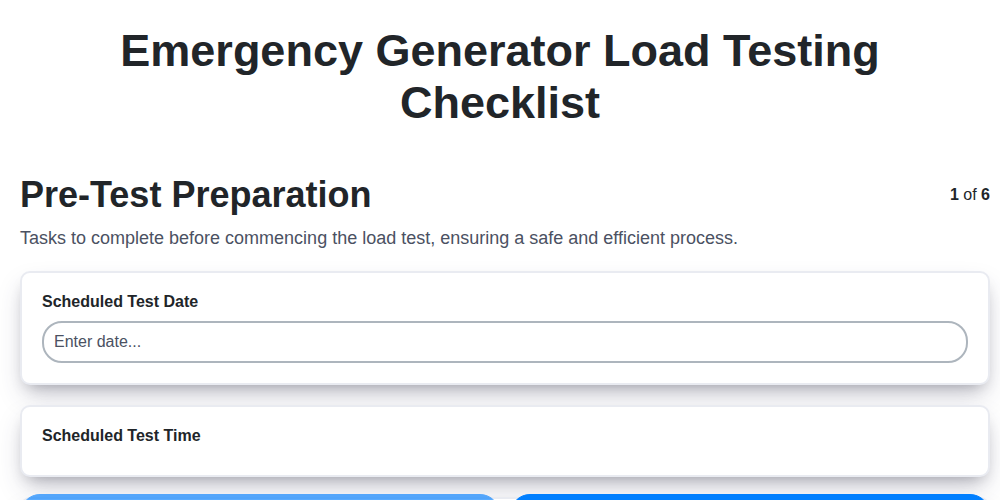
Emergency Generator Load Testing Checklist Template
We can do it Together
Need help with
Facility Management?
Have a question? We're here to help. Please submit your inquiry, and we'll respond promptly.