Mastering Your Event Marketing and Promotion Campaign Workflow
Published: 06/18/2026 9:00 PM Updated: 06/19/2026 12:29 PM
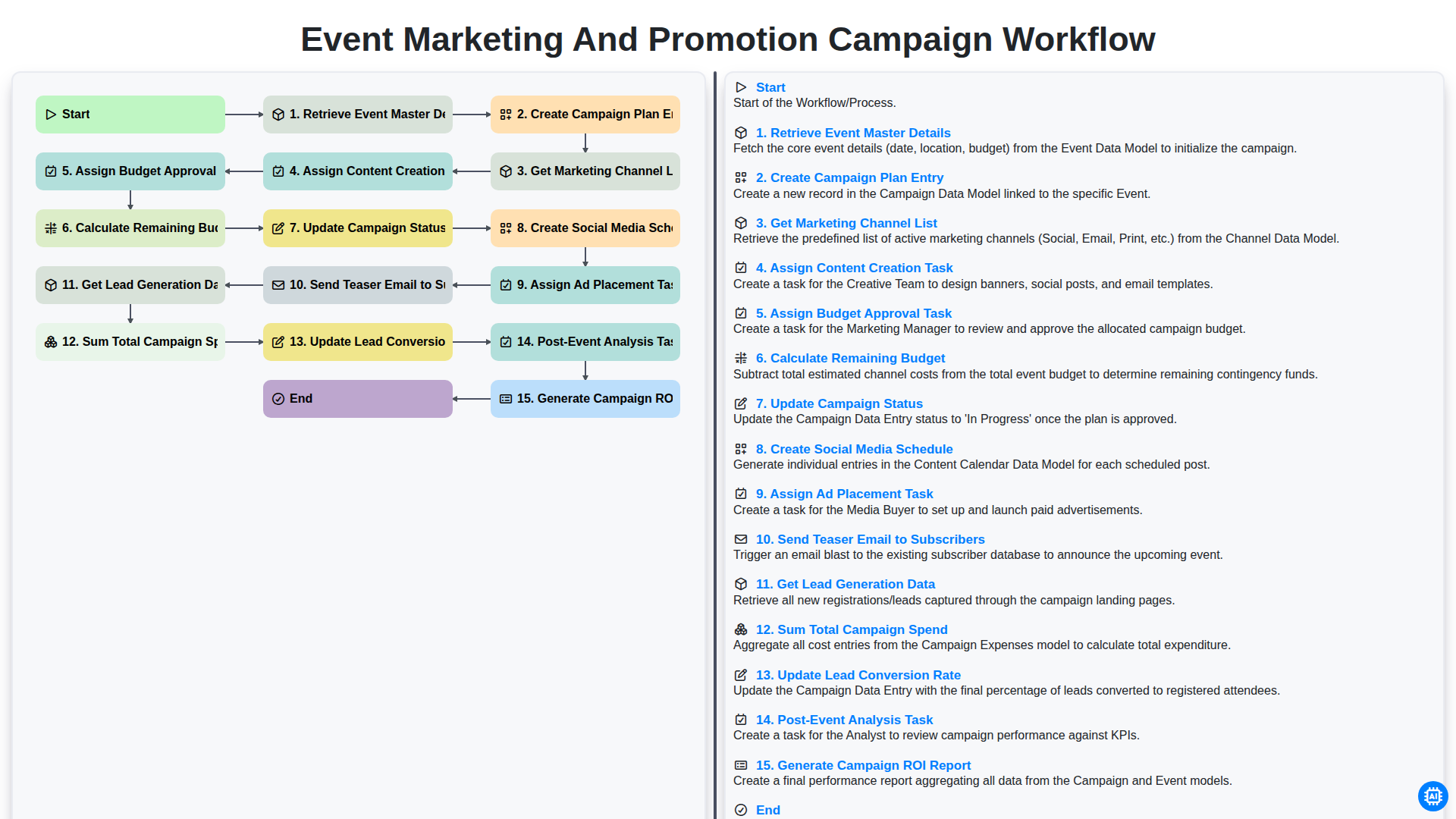
Table of Contents
- Introduction: The Importance of a Structured Event Workflow
- Phase 1: Foundation and Strategic Planning
- Retrieving Event Master Details: Setting the Core Parameters
- Developing the Blueprint: Creating Your Campaign Plan Entry
- Identifying Your Reach: Getting the Marketing Channel List
- Phase 2: Resource Allocation and Budget Management
- Managing Deliverables: Assigning Content Creation Tasks
- Financial Oversight: Budget Approval and Real-Time Tracking
- Phase 3: Execution and Channel Activation
- Building Momentum: Social Media Scheduling and Teaser Campaigns
- Driving Paid Reach: Managing Ad Placement Tasks
- Phase 4: Monitoring Performance and Lead Capture
- Analyzing Engagement: Tracking Lead Generation and Conversion Rates
- Phase 5: Post-Event Evaluation and ROI Analysis
- Resources & Links
TLDR: Learn how to streamline your event marketing lifecycle using a structured workflow template. This guide explains how to automate everything from initial planning and budget management to content distribution and post-event ROI analysis, ensuring your campaigns are organized, cost-effective, and data-driven.
Introduction: The Importance of a Structured Event Workflow
Planning a successful event is much more than just picking a date and a venue; it is a complex orchestration of moving parts that requires precision, timing, and strategic execution. When managing a marketing campaign, the sheer volume of tasks-ranging from budget tracking to social media scheduling-can quickly become overwhelming without a clear roadmap. Without a structured workflow, even the most creative teams risk missing critical deadlines, overspending their budgets, or failing to follow up with potential leads.
A well-defined event marketing and promotion campaign workflow serves as your operational backbone. It transforms a chaotic list of responsibilities into a streamlined, repeatable process that ensures every stakeholder knows exactly what to do and when to do it. By implementing a systematic approach, you can move seamlessly from the initial retrieval of event details to the final analysis of your ROI. This structure not only minimizes human error and prevents last-minute panic but also provides the visibility needed to track campaign performance in real-time, ultimately allowing you to focus on what truly matters: delivering an unforgettable event experience.
Phase 1: Foundation and Strategic Planning
The success of any impactful event lies in the meticulous preparation that occurs long before the first attendee registers. The initial phase of our workflow focuses on laying a solid groundwork through data retrieval and strategic alignment.
The process begins by Retrieving Event Master Details, ensuring that every stakeholder is aligned with the core objectives, date, venue, and target audience parameters. Once the foundation is set, we move to Creating a Campaign Plan Entry, which serves as the central source of truth for the entire project lifecycle.
To ensure a multi-faceted approach, we then Get the Marketing Channel List, identifying the most effective touchpoints-from email and social media to organic search-to reach our specific demographic. With the strategy defined, the focus shifts to resource allocation: we Assign Content Creation Tasks to our creative teams and Assign Budget Approval Tasks to management. This critical step includes the necessity to Calculate the Remaining Budget, ensuring that our promotional ambitions remain financially viable and that we have sufficient runway for paid media and execution.
Retrieving Event Master Details: Setting the Core Parameters
Every successful marketing campaign is built upon a foundation of accuracy and clarity. The first critical step in our workflow is Retrieving Event Master Details. Before a single social media post is drafted or an ad budget is allocated, the entire campaign must be anchored to the source of truth-the event's core parameters.
This stage involves extracting essential data points such as the event date, time, venue (physical or virtual), theme, and key objectives. By pulling these details directly from the master event record, you eliminate the risk of fragmented information and siloed data. If the event date shifts or the registration link changes, having a process that retrieves these details ensures that your marketing team is always working with the most current information. This step serves as the single point of reference that informs every subsequent task in the workflow, from content creation to budget calculation.
Developing the Blueprint: Creating Your Campaign Plan Entry
Once the core details of your event are finalized, the next critical step in the workflow is Creating your Campaign Plan Entry. Think of this as building the foundation of your entire marketing architecture; without a centralized, structured entry, your promotional efforts will lack direction and accountability.
A successful campaign plan entry acts as the single source of truth for your entire marketing team. It isn't merely a placeholder in a spreadsheet, but a comprehensive record that bridges the gap between high-level event goals and day-to-day execution. In this stage, you are translating the broad objectives found in your Event Master Details into actionable, trackable parameters.
When constructing this entry, you must define the specific scope of the promotion, the target audience segments, and the primary KPIs (Key Performance Indicators) that will define success. By documenting these details early, you ensure that every subsequent step-from content creation to budget allocation-is aligned with the original event vision. This structured approach prevents scope creep and ensures that every dollar spent and every social media post published is working toward a unified strategic goal.
Identifying Your Reach: Getting the Marketing Channel List
Once your initial campaign plan is drafted, the next critical step in the workflow is identifying exactly where your target audience lives. The Get Marketing Channel List phase is all about mapping your event's objectives to the specific platforms that will yield the highest engagement and conversion.
A common mistake in event marketing is attempting to be everywhere at once. This often leads to fragmented messaging and wasted resources. Instead, this step requires a strategic audit of your available channels to determine which mix will drive the most meaningful traffic. Are your attendees primarily professional decision-makers found on LinkedIn? Or are they a lifestyle-driven crowd that responds better to Instagram Stories and TikTok?
During this stage of the workflow, you are essentially building your distribution blueprint. You will evaluate and select a blend of:
- Owned Channels: Your email databases, company blogs, and organic social media profiles.
- Paid Channels: Targeted LinkedIn ads, Google Search campaigns, or sponsored industry newsletters.
- Earned Channels: PR opportunities, influencer partnerships, and community forum engagement.
By finalizing this list early in the process, you provide the necessary clarity for the subsequent steps-such as assigning content creation tasks and budget approvals-ensuring that every piece of content produced has a dedicated home and a clear path to your potential attendees.
Phase 2: Resource Allocation and Budget Management
Once the initial campaign plan is established, the workflow shifts from high-level strategy to the granular management of resources and finances. This phase is critical to ensuring that your marketing efforts are both impactful and sustainable.
The process begins with the Assign Budget Approval Task, where stakeholders review the proposed expenditure to ensure alignment with overall event objectives. With approval secured, the next step is to Calculate Remaining Budget, a vital step to maintain visibility over your spending limits as you move through various promotional stages. As tasks are executed, the workflow continuously tracks all costs through the Sum Total Campaign Spend step, providing a real-time view of the financial footprint of your promotion. This rigorous monitoring ensures that you can pivot or scale your efforts without risking a deficit, keeping the campaign's financial health in perfect balance with its promotional ambitions.
Managing Deliverables: Assigning Content Creation Tasks
Once the campaign plan is established and the marketing channels are identified, the workflow shifts from strategic planning to tactical execution. The core of this transition lies in Assigning Content Creation Tasks.
Effective event promotion relies on a cohesive narrative across various mediums, meaning your design, copy, and video teams must be synchronized. This step involves breaking down the overarching campaign goals into actionable briefs for individual creators. Whether it is drafting punchy captions for Instagram, designing high-impact webinar banners, or scripting promotional videos, each task must be clearly defined with specific deadlines and brand guidelines. By formalizing the assignment process within your workflow, you ensure that every piece of collateral-from email headers to LinkedIn carousels-is produced on schedule and stays aligned with the campaign's primary messaging.
Financial Oversight: Budget Approval and Real-Time Tracking
Managing the financial health of a marketing campaign requires more than just an initial allocation of funds; it demands a rigorous, closed-loop process of oversight and real-time adjustments. Within this workflow, the process begins with the Assign Budget Approval Task, ensuring that every dollar is vetted against strategic objectives before a single ad is placed. This prevents overspending before it starts and ensures alignment with the overall event budget.
However, the true challenge lies in the active management of these funds as the campaign progresses. To maintain fiscal discipline, the workflow incorporates a Calculate Remaining Budget step, which provides an automated snapshot of available resources. This is complemented by the Sum Total Campaign Spend task, which aggregates all costs-from content creation to ad placements-to provide a comprehensive view of actual expenditures. By integrating these tracking mechanisms directly into the workflow, marketers can move away from reactive accounting and toward proactive financial management, ensuring that the campaign remains profitable and that the Generate Campaign ROI Report at the end of the cycle is backed by precise, granular data.
Phase 3: Execution and Channel Activation
Once the strategic foundation and budget allocations are finalized, the workflow shifts from planning to active implementation. This phase is the engine of your marketing efforts, where the transition from internal preparation to public-facing engagement occurs.
The execution phase begins with the simultaneous deployment of content and scheduling. First, the Create Social Media Schedule task ensures that your brand presence is consistent across all platforms, providing a structured cadence for organic posts. To amplify this organic reach, the Assign Ad Placement Task step kicks in, directing your paid media efforts toward high-intent audiences to drive registration volume.
As the momentum builds, the communication loop reaches your existing database through the Send Teaser Email to Subscribers step. This serves as the initial hook, generating curiosity and early interest before the full event details are released.
Throughout this active period, the workflow remains dynamic and data-driven. We continuously Get Lead Generation Data to monitor real-time interest levels. This allows the campaign to be adjusted mid-flight; by monitoring these incoming signals, the system can automatically Update Lead Conversion Rate, ensuring that the marketing team can pivot strategies if the cost-per-lead begins to fluctuate. This phase is not just about broadcasting a message, but about managing the pulse of the campaign to ensure maximum impact before the event begins.
Building Momentum: Social Media Scheduling and Teaser Campaigns
Once your content creation tasks are assigned and your budget is secured, the focus shifts from planning to execution. This phase is where your campaign truly comes to life through the dual engines of strategic scheduling and proactive engagement.
The heartbeat of this stage is the Create Social Media Schedule step. A successful event doesn't rely on sporadic updates; it requires a disciplined, rhythmic cadence of posts across all your active channels. This schedule serves as your roadmap, ensuring that your audience is nurtured with a steady stream of information-from countdowns and speaker reveals to behind-the-scenes glimpses-preventing audience fatigue while maintaining high visibility.
To complement this rhythm, the Send Teaser Email to Subscribers step acts as your primary catalyst for excitement. Before the full details are released, a well-timed teaser email serves to pique curiosity and prime your most loyal audience members. By teasing upcoming announcements, you create a sense of anticipation and FOMO (fear of missing out), driving higher open rates when the full campaign launch eventually hits their inboxes. Together, these two steps transform a static event announcement into a dynamic, unfolding narrative that builds irresistible momentum.
Driving Paid Reach: Managing Ad Placement Tasks
Once your campaign plan is established and content is ready, the focus shifts toward maximizing visibility through strategic amplification. The Assign Ad Placement Task step is a critical juncture in the workflow where the transition from organic reach to paid acquisition occurs. At this stage, the responsibility moves to your media buyers or digital marketers to execute a precise distribution strategy across your chosen advertising platforms.
Effective ad placement is not merely about clicking promote; it requires a meticulous approach to targeting, bidding, and placement optimization. This task involves analyzing your audience demographics, setting granular parameters for retargeting, and ensuring that the creative assets-previously developed in the content creation phase-are optimized for each specific channel, whether it be LinkedIn Sponsored Content, Meta Ads, or Google Display Network. By systematically managing this task within your workflow, you ensure that your advertising spend is directed toward high-intent segments, effectively bridging the gap between initial awareness and active lead generation.
Phase 4: Monitoring Performance and Lead Capture
Once the initial marketing momentum has been built through teaser emails and social media buzz, the focus shifts from promotion to active performance tracking. During this critical phase, the workflow transitions into a data-driven process centered on getting lead generation data to understand how effectively your campaign is attracting potential attendees.
As the event approaches and live engagement begins, it is essential to update the lead conversion rate in real-time. By monitoring how many clicks or inquiries are turning into actual registrations, you can identify which marketing channels are performing optimally and which may require tactical adjustments. This continuous monitoring ensures that your marketing efforts are not just generating noise, but are driving measurable interest and measurable growth for your event.
Analyzing Engagement: Tracking Lead Generation and Conversion Rates
Once the initial excitement of the event subsides, the true measure of your campaign's success lies in the data. The transition from active promotion to performance analysis begins with the critical step of retrieving Lead Generation Data. This involves gathering all incoming inquiries, registrations, and attendee interactions captured during the campaign period. However, raw numbers alone don't tell the full story; the real insight emerges when you Update the Lead Conversion Rate.
By comparing the total number of leads acquired against the number of attendees who took a desired post-event action-such as booking a demo, downloading a whitepaper, or purchasing a product-you can determine the actual efficiency of your marketing efforts. This calculation allows you to identify which specific channels or content pieces drove high-quality interest versus those that merely generated noise. This analytical phase is essential for bridging the gap between simple engagement and tangible business growth, providing the necessary evidence to refine your strategy for future event cycles.
Phase 5: Post-Event Evaluation and ROI Analysis
The final stage of an effective event marketing workflow is where the true value of your efforts is measured. Once the event concludes, the focus shifts from promotion to rigorous evaluation through a series of structured tasks designed to quantify success and extract actionable insights.
The process begins with the Post-Event Analysis Task, where the team reviews how well the actual event performance aligned with the initial objectives set during the planning phase. This involves a deep dive into attendee feedback, engagement levels, and operational hiccups. Simultaneously, the workflow triggers the Generate Campaign ROI Report task. This is the most critical step for stakeholders, as it consolidates all financial data-including the Sum Total Campaign Spend-against the revenue or lead value generated.
To complete the loop, the system must Update Lead Conversion Rate by comparing the Lead Generation Data captured during the event against the total number of registrants. By analyzing the relationship between your total investment and the resulting conversions, you can determine the precise cost-per-acquisition. This data-driven approach ensures that your post-event analysis isn't just a retrospective, but a strategic blueprint for optimizing the budget and strategy for your next marketing campaign.
Resources & Links
- HubSpot Marketing Blog: A comprehensive resource for learning about inbound marketing strategies, lead generation, and campaign management best practices.
- Asana Project Management Guides: Expert tutorials on building structured workflows, managing task assignments, and tracking complex project timelines.
- Content Marketing Institute: Deep dives into content strategy, essential for mastering the content creation and scheduling phases of your campaign.
- MarketingProfs: Professional training and resources focused on marketing execution, budget management, and performance analysis.
- Adweek: Stay updated on the latest trends in advertising, ad placement strategies, and digital media landscapes.
- Google Analytics Academy: Essential learning for mastering the post-event analysis phase, specifically for tracking conversion rates and ROI.
Found this Article helpful?
Comments
There are no comments yet. Be the first to add one!
Event Planning Management Solution Demo
Plan flawless events with ease! ChecklistGuro streamlines event planning - from vendor management to budget tracking & guest communication. Stay organized, reduce stress, & deliver unforgettable experiences. Manage it all with our Work OS.
Related Articles
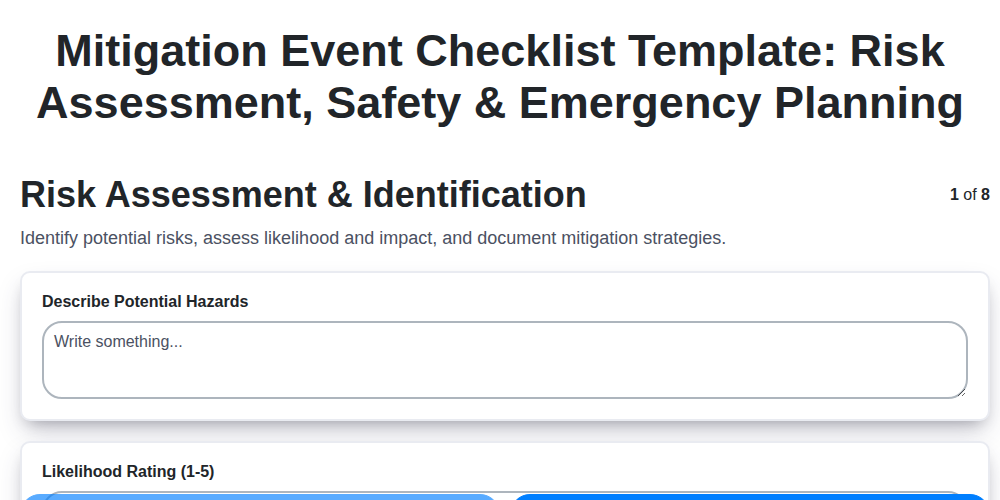
Event Safety Sorted: Your Free Mitigation Checklist Template
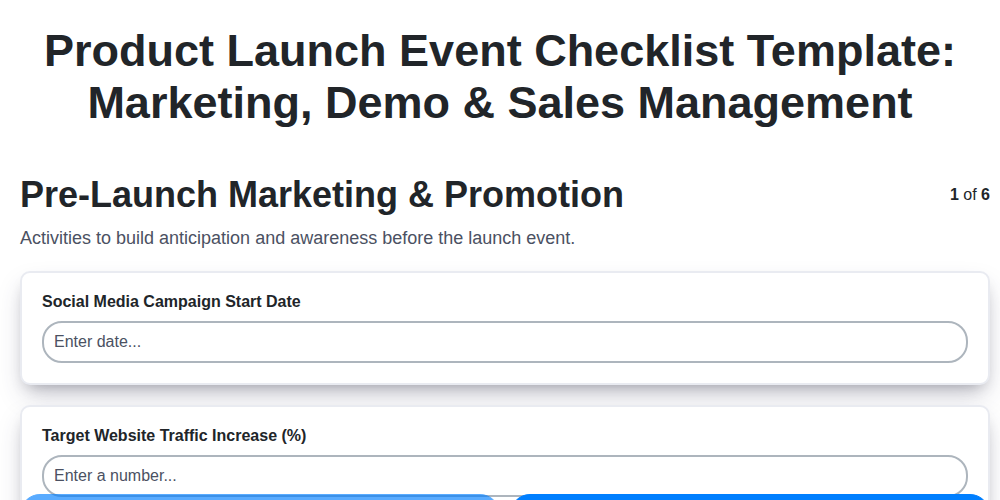
The Ultimate Product Launch Checklist Template: Your Guide to Marketing, Demos & Sales Success

The Ultimate Fundraising Event Checklist: Donations, Promotion & Volunteer Management
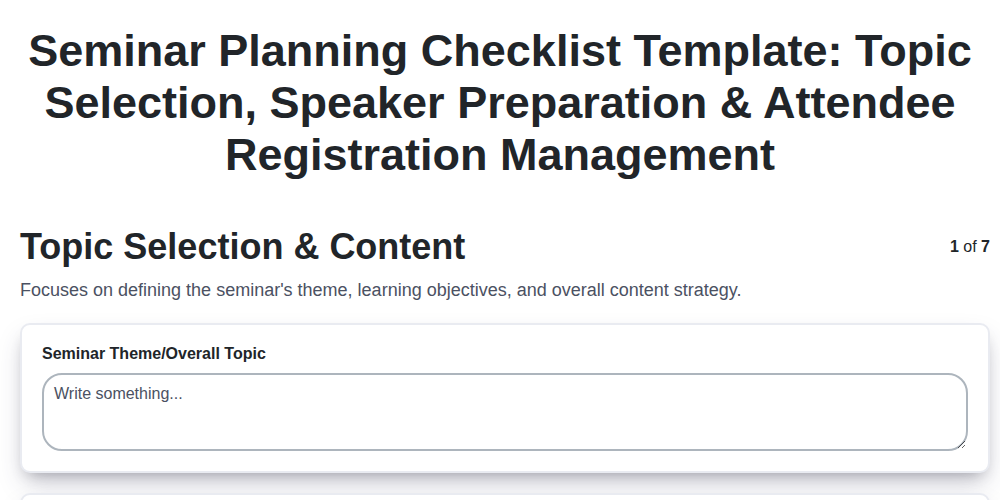
The Ultimate Seminar Planning Checklist: From Topic to Attendees
The Ultimate Promotional Event Checklist Template: Your Guide to Brand Activation & Social Buzz
Anniversary Party Checklist: Plan Your Perfect Celebration
Grand Opening Checklist Template: Your Guide to a Successful Launch
The Ultimate Virtual Event Planning Checklist Template
We can do it Together
Need help with
Checklists?
Have a question? We're here to help. Please submit your inquiry, and we'll respond promptly.