A Step-by-Step Guide to Event Program Agenda Development
Published: 06/18/2026 9:00 PM Updated: 06/19/2026 12:30 PM
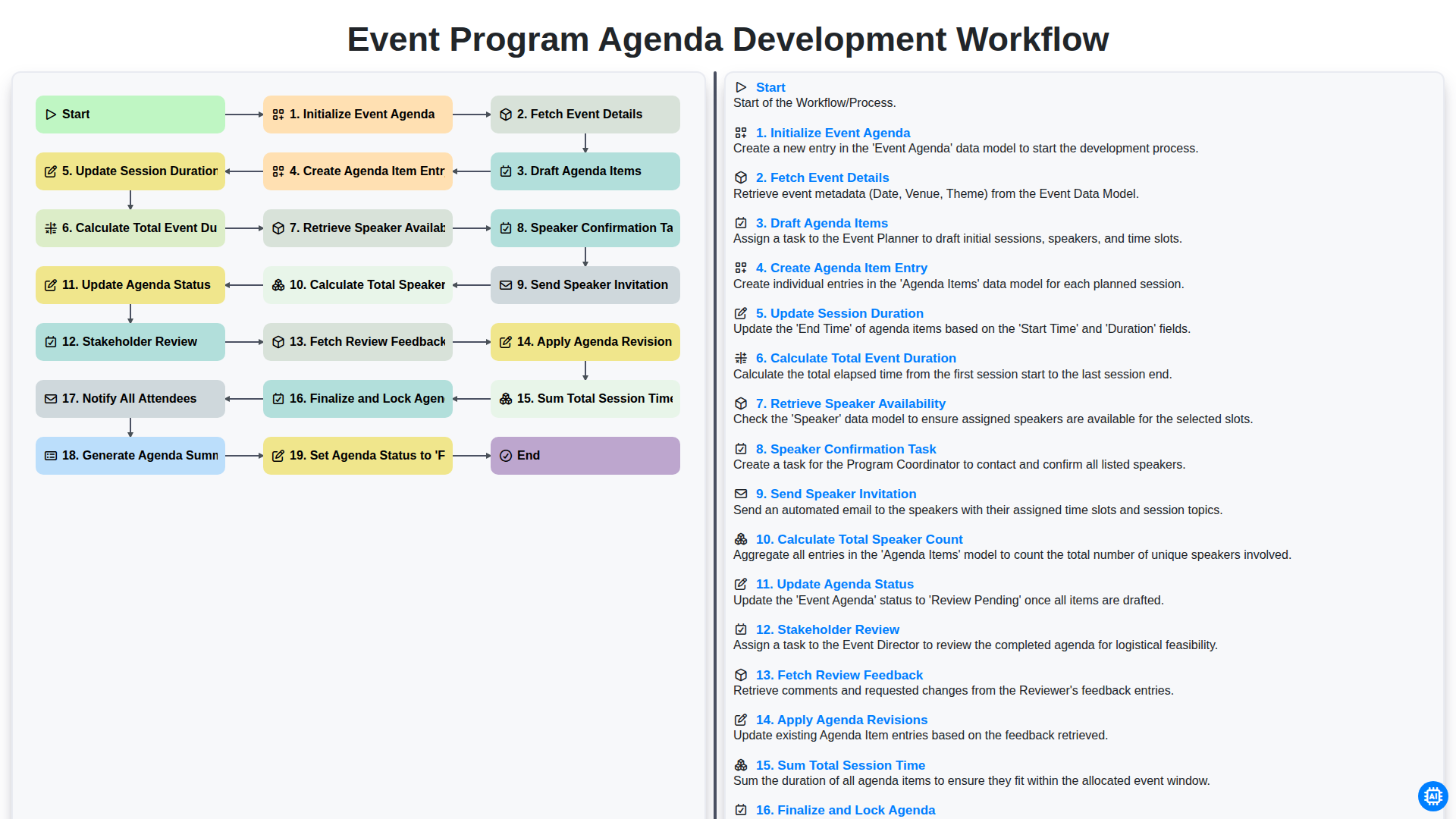
Table of Contents
- Phase 1: Laying the Foundation
- Phase 2: Building the Initial Draft
- Phase 3: Refining Session Logistics and Timing
- Phase 4: Speaker Management and Coordination
- Phase 5: Reviewing and Iterating with Stakeholders
- Phase 6: Finalization and Implementation
- Phase 7: Reporting and Distribution
- Resources & Links
TLDR: Streamline your event planning process with this comprehensive guide to the Event Program Agenda Development workflow. Learn how to automate everything from initial drafting and speaker coordination to final revisions and automated notifications, ensuring a seamless, error-free path from concept to a finalized, locked-in event schedule.
Phase 1: Laying the Foundation
The journey of creating a seamless event experience begins long before the doors open. The first phase of the Event Program Agenda Development Workflow is all about establishing a solid structural baseline. This stage is dedicated to transforming a vague concept into a concrete framework that serves as the single source of truth for your entire planning team.
The process begins by Initializing the Event Agenda, which sets the stage for all subsequent tasks. Once the project is live, the next critical move is to Fetch Event Details. By pulling essential data-such as event themes, objectives, and high-level timeframes-you ensure that every subsequent decision aligns with the core mission of the program.
With the foundational details in place, the focus shifts to content creation. During this stage, you will Draft Agenda Items and systematically Create Agenda Item Entries. At this point, the workflow moves from abstract ideas to tangible building blocks. As you populate the agenda, you must also Update Session Duration for each segment and Calculate Total Event Duration. This real-time calculation is vital; it allows you to identify gaps in the schedule or overlaps that could compromise the attendee experience. By managing these technicalities early, you prevent the logistical headaches that often plague late-stage planning.
Phase 2: Building the Initial Draft
Once the foundational event details are gathered, the focus shifts from planning to construction. This phase is where the abstract concept of your event begins to take a tangible shape through a structured, step-by-step drafting process.
The process begins by initializing the event agenda and fetching the essential event details to ensure all subsequent steps are grounded in the event's core parameters. With this context in place, you can begin to draft agenda items and create agenda item entries, effectively mapping out the backbone of your program.
As you populate the schedule, precision is key. You will need to update session durations and continuously calculate the total event duration to ensure your program fits within your allocated time slot. Simultaneously, a critical layer of logistics must be managed: you will retrieve speaker availability and initiate the speaker confirmation task. This involves sending speaker invitations and calculating the total speaker count to ensure your talent roster is complete.
As the draft evolves, you must regularly update the agenda status to keep all organizers informed. This phase concludes when the draft is robust enough to move into the scrutiny of your stakeholders, ensuring that the structural integrity of the program is sound before the formal review begins.
Phase 3: Refining Session Logistics and Timing
Once the initial structure of the agenda is drafted, the focus shifts from conceptualization to the precise calibration of the event's schedule. This phase is critical, as it involves moving beyond simple titles to the granular management of time and human resources.
The process begins with the meticulous task of updating session durations and calculating the total event duration. Precision here is vital; even small discrepancies in individual session lengths can lead to significant scheduling conflicts or unexpected gaps in the program. Alongside time management, we transition into resource coordination by retrieving speaker availability and initiating the speaker confirmation task. This stage requires a proactive approach, including sending speaker invitations and calculating the total speaker count to ensure all necessary expertise is represented and accounted for.
As the logistics stabilize, the workflow moves into a period of verification. We update the agenda status to reflect its progression and move into the stakeholder review stage. This is a collaborative loop where we fetch review feedback and apply agenda revisions based on expert input. To ensure the final product is cohesive, we perform a final sum of total session time to verify that the entire program fits within the allocated venue or broadcast window. The phase concludes with the finalization and locking of the agenda, ensuring a single source of truth is established before we notify all attendees, generate the agenda summary report, and officially set the agenda status to 'Finalized'.
Phase 4: Speaker Management and Coordination
Once the core structure of your agenda is drafted, the focus shifts from structural planning to the critical human element: managing your presenters. In this phase, the workflow transitions from logistical drafting to active coordination to ensure your subject matter experts are aligned with your timeline.
The process begins with the crucial step of retrieving speaker availability to ensure your preferred experts can actually commit to the scheduled slots. Once availability is verified, a formal speaker confirmation task is triggered, followed by the official sending of speaker invitations. This stage is not just about communication, but about data synchronization; as responses roll in, the workflow automatically calculates the total speaker count, providing real-time visibility into your program's scale. This loop ensures that your resource planning stays accurate as your roster of talent grows.
Phase 5: Reviewing and Iterating with Stakeholders
Once the draft agenda is populated with sessions, speakers, and durations, the workflow transitions from creation to refinement. This phase is critical to ensure that the program aligns with the event's strategic objectives and meets the expectations of key decision-makers.
The process begins with a formal Stakeholder Review, where the proposed agenda is presented to organizers, sponsors, or committee members. This step is not merely a formality; it is an opportunity to identify gaps in the program or potential scheduling conflicts. During this stage, the workflow triggers a Fetch Review Feedback task, centralizing all comments, critiques, and suggested changes into a single accessible location.
Iteration is a core component of this phase. Based on the gathered feedback, the workflow moves into Apply Agenda Revisions, where session timings, speaker assignments, or topic priorities are adjusted to address the stakeholders' concerns. This iterative loop continues until the content is polished and approved.
To ensure mathematical and logical consistency during these changes, the system performs a Sum Total Session Time calculation. This ensures that any additions or deletions of sessions do not result in an overextended schedule or unexpected dead air. Once the stakeholders are satisfied and the timing is verified, the workflow moves to the final stage: Finalize and Lock Agenda. This action prevents further unauthorized edits and serves as the transition point into the distribution phase.
Phase 6: Finalization and Implementation
Once the agenda has undergone rigorous stakeholder review and all necessary revisions have been applied, the workflow enters its most critical stage: Finalization and Implementation. This phase is about transitioning from a working draft to a definitive, locked document that serves as the single source of truth for all participants.
The process begins with a final audit to Sum Total Session Time, ensuring that the sequence of events remains cohesive and that no scheduling conflicts have been introduced during the revision process. Once the timing is verified, the next step is to Finalize and Lock Agenda. This action is crucial as it prevents any further unauthorized changes, ensuring that the version being distributed is the definitive version.
With the content secured, the workflow moves into the communication phase. We Notify All Attendees, ensuring that speakers, staff, and guests receive the most up-to-date information simultaneously to avoid confusion. To provide a high-level overview for quick reference, the system will Generate Agenda Summary Report, a condensed version of the schedule that is easy to digest for quick logistics checks.
Finally, the cycle concludes by performing the Set Agenda Status to 'Finalized' action. This-status update officially closes the development loop, signaling to the entire project team that the planning phase is complete and the operational phase can begin.
Phase 7: Reporting and Distribution
Once the agenda has been finalized and locked, the workflow moves into its final, critical stage: transitioning from planning to communication. The goal here is to ensure that every stakeholder, speaker, and attendee has a clear, accurate, and professional overview of the upcoming event.
This phase begins with the Generation of the Agenda Summary Report. This automated step compiles all the processed data-including session titles, speaker details, and precise timings-into a polished, easy-to-read format. This report serves as the single source of truth for the event, eliminating any ambiguity regarding the schedule.
With the report generated, the workflow triggers the Notification of All Attendees. This automated broadcast ensures that information is disseminated instantly and simultaneously, reducing the risk of manual error or delayed updates. Finally, the process concludes by programmatically Setting the Agenda Status to 'Finalized' within your management system. This action closes the editing loop, prevents further unauthorized changes, and officially transitions the event from the Development phase to the Live phase.
Resources & Links
- Eventbrite Resource Center: Comprehensive guides on event planning, managing attendee expectations, and organizing large-scale event logistics.
- Cvent Event Management Insights: Expert industry insights on optimizing event workflows, managing speaker communications, and professional agenda scaling.
- Association for Talent Development (ATD): Best practices for designing educational programs, managing instructional content, and session timing for professional workshops.
- Project Management Institute (PMI): Frameworks for managing complex workflows, stakeholder review processes, and task finalization strategies.
- HubSpot Marketing Blog: Tools and strategies for post-event communication, attendee notification automation, and follow-up reporting.
- Asana Workflow Templates: Practical templates for tracking task dependencies, speaker confirmations, and iterative revision cycles.
Found this Article helpful?
Comments
There are no comments yet. Be the first to add one!
Event Planning Management Solution Demo
Plan flawless events with ease! ChecklistGuro streamlines event planning - from vendor management to budget tracking & guest communication. Stay organized, reduce stress, & deliver unforgettable experiences. Manage it all with our Work OS.
Related Articles
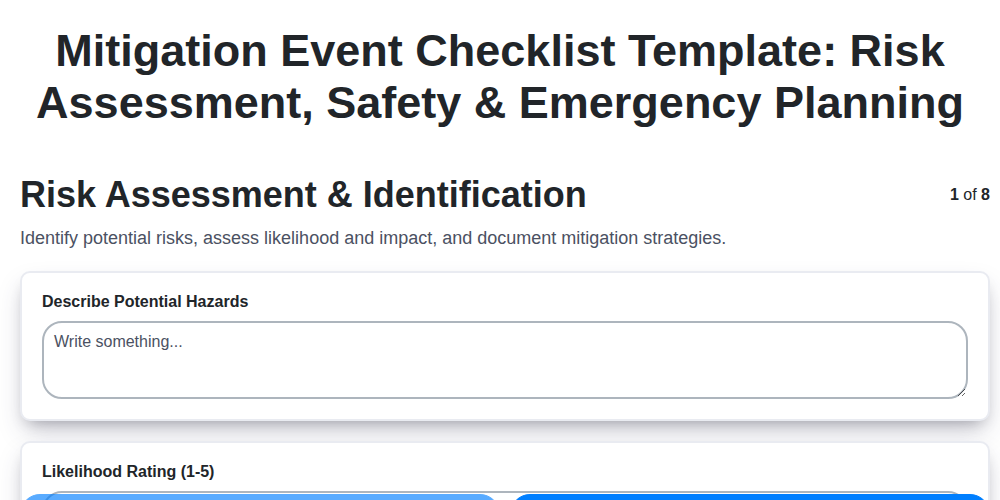
Event Safety Sorted: Your Free Mitigation Checklist Template
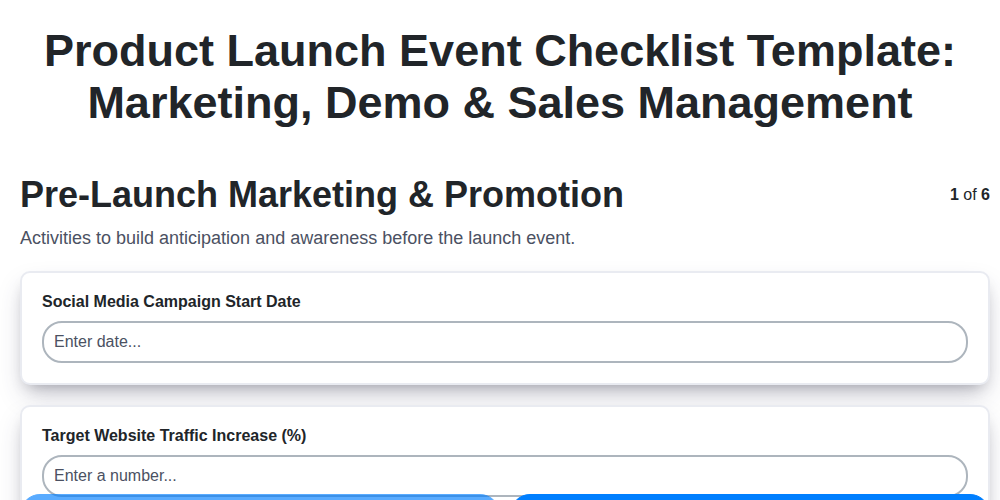
The Ultimate Product Launch Checklist Template: Your Guide to Marketing, Demos & Sales Success

The Ultimate Fundraising Event Checklist: Donations, Promotion & Volunteer Management
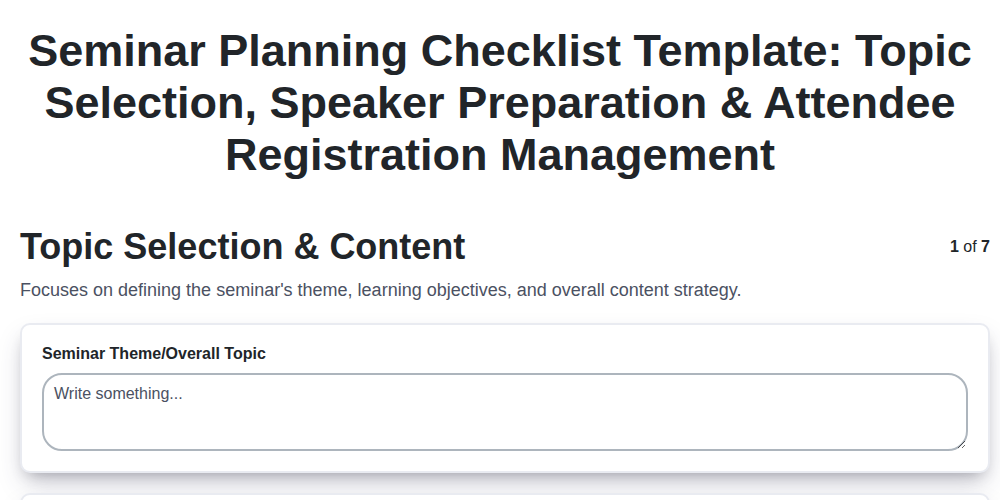
The Ultimate Seminar Planning Checklist: From Topic to Attendees
The Ultimate Promotional Event Checklist Template: Your Guide to Brand Activation & Social Buzz
Anniversary Party Checklist: Plan Your Perfect Celebration
Grand Opening Checklist Template: Your Guide to a Successful Launch
The Ultimate Virtual Event Planning Checklist Template
We can do it Together
Need help with
Checklists?
Have a question? We're here to help. Please submit your inquiry, and we'll respond promptly.