The Ultimate Farm Equipment Maintenance Checklist: Keep Your Machines Running Strong
Published: 11/22/2025 Updated: 07/02/2026
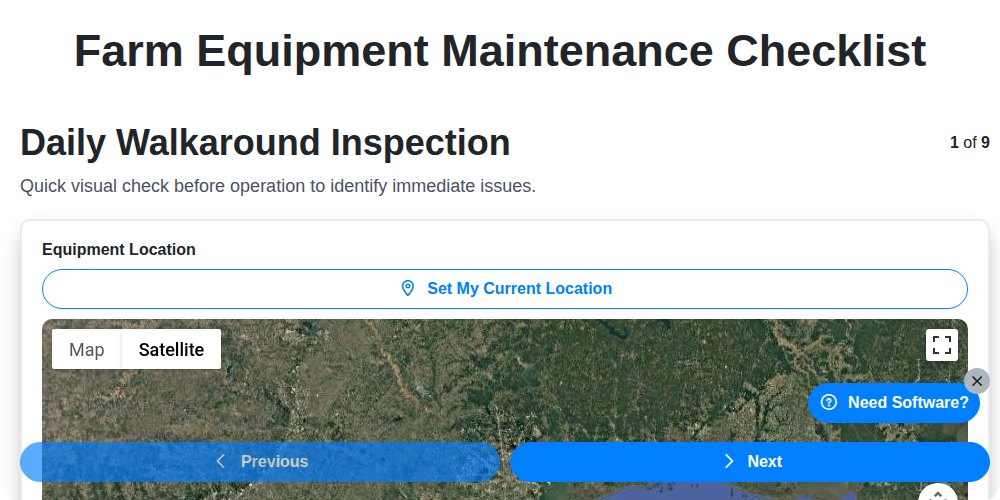
Table of Contents
- Introduction: Why Farm Equipment Maintenance Matters
- Daily Walkaround Inspection: Your First Line of Defense
- Engine Maintenance: The Heart of Your Machine
- Hydraulic System Checks: Power and Precision
- Tire and Wheel Inspection: Maintaining Traction
- Implement/Attachment Inspection: Ensuring Performance
- Safety Equipment Verification: Prioritizing Your Well-being
- Lubrication Points: Keeping Things Moving Smoothly
- Fluid Level Checks: Top Off and Protect
- Filter Inspection & Replacement: Cleanliness is Key
- Electrical System Checks: Lights, Wiring, and Connections
- Belts and Hoses: Inspect for Wear and Cracks
- Regular Maintenance Schedule: A Timeline for Success
- Conclusion: Maximizing Uptime and Minimizing Downtime
- Resources & Links
TLDR: Prevent breakdowns and extend the life of your farm equipment with this comprehensive maintenance checklist! It covers everything from daily walkarounds to filter replacements, ensuring your machines are ready to tackle any job. Download the template and stay ahead of potential issues - saving you time, money, and frustration.
Introduction: Why Farm Equipment Maintenance Matters
Running a successful farm relies on reliable equipment. A breakdown in the middle of planting or harvesting can mean lost time, reduced yields, and significant financial losses. Think of your tractors, combines, planters, and other machinery as the backbone of your operation - and just like any backbone, they need consistent care to remain strong and functional.
This isn't just about preventing catastrophic failures, though that's certainly a crucial benefit. Regular farm equipment maintenance also contributes to increased efficiency, extends the lifespan of your investments, and helps you operate safely. Properly maintained machinery consumes fuel more effectively, reducing operational costs and minimizing your environmental impact. Ignoring maintenance needs can lead to expensive repairs down the line, and even compromise the safety of yourself and your team.
This checklist is designed to be a practical guide, covering essential maintenance tasks to keep your farm equipment running smoothly and efficiently, season after season. Let's keep those fields producing!
Daily Walkaround Inspection: Your First Line of Defense
A daily walkaround inspection is the simplest, yet most crucial, step in farm equipment maintenance. It's your first line of defense against breakdowns and costly repairs. Don't skip it! This isn't just a quick glance; it's a deliberate and systematic check.
Here's what to look for:
- Exterior Damage: Look for cracks, dents, leaks, or any other visible damage to the machine's body or frame.
- Fluid Leaks: Pay close attention to the ground beneath the machine. Any signs of leaking oil, coolant, or hydraulic fluid require immediate investigation.
- Hoses and Belts: Check hoses for cracks, bulges, or wear. Inspect belts for fraying, glazing, or looseness.
- Lights & Signals: Ensure all lights (headlights, taillights, turn signals) and hazard lights are functioning correctly.
- Guards & Shields: Verify that all safety guards and shields are in place and securely fastened. Missing guards are a serious hazard.
- Loose Components: Listen for any unusual noises and feel for any loose components while the machine is idling (if applicable and safe to do so).
Regular daily walkarounds are a small investment of time that can save you significant trouble later.
Engine Maintenance: The Heart of Your Machine
Your farm equipment's engine is its powerhouse, and consistent maintenance is crucial for reliable performance and a long lifespan. Neglecting engine care can lead to costly repairs and downtime during critical seasons. Here's a breakdown of essential engine maintenance tasks:
1. Regular Oil and Filter Changes: This is the cornerstone of engine health. Follow your equipment's manual for recommended oil types and change intervals. Don't skimp on quality - use the right oil for your engine's specific needs.
2. Coolant System Checks: Ensure proper coolant levels and condition. Look for leaks, corrosion, and sediment buildup. Flush and replace coolant as recommended to prevent overheating and damage.
3. Air Filter Inspection & Cleaning/Replacement: A clogged air filter restricts airflow to the engine, reducing power and efficiency. Regularly inspect and clean or replace the filter based on operating conditions (dusty environments require more frequent attention).
4. Spark Plug Inspection (Gas Engines): Check spark plugs for wear, fouling, and proper gap. Replace worn plugs to ensure efficient combustion and reliable starting.
5. Fuel System Checks: Look for fuel leaks and sediment buildup. Consider using a fuel stabilizer, especially during storage, to prevent fuel degradation.
6. Monitor Engine Performance: Listen for unusual noises, and pay attention to any changes in engine speed or power. These can be early warning signs of potential problems.
Pro Tip: Keep detailed records of all engine maintenance performed. This helps track service intervals and can be valuable if you need to troubleshoot issues later.
Hydraulic System Checks: Power and Precision
Your farm equipment's hydraulic system is the lifeblood, providing the power for lifting, digging, and countless other vital functions. Neglecting it can lead to costly downtime and repairs. Here's a breakdown of what to check:
1. Visual Inspection: Start with a thorough visual inspection. Look for leaks - even small drips can indicate a bigger problem. Pay close attention to hose connections, fittings, cylinders, and the pump. Look for cracks, abrasions, or signs of corrosion.
2. Fluid Level Check: Consistent fluid pressure is key. Regularly check the hydraulic reservoir fluid level against the dipstick (if equipped) or sight glass. Low fluid levels often point to leaks, but can also indicate internal component wear. Top up with the manufacturer's recommended hydraulic fluid only.
3. Hose and Line Condition: Hydraulic hoses and lines are subjected to significant pressure and potential damage. Check for kinks, cracks, bulges, or signs of wear. Replace any damaged hoses immediately.
4. Cylinder Checks: Inspect hydraulic cylinders for leaks around the rod and at the connections. Look for signs of cylinder damage, such as dents or scored cylinders. Slowly operate the cylinder and watch for smooth, consistent movement. Any hesitation or jerking can indicate internal issues.
5. Pressure Testing (Advanced): For more in-depth troubleshooting, consider having a professional perform a pressure test. This involves measuring the system's operating pressure to identify leaks or weakened components. This is best left to a qualified mechanic.
6. Listen for Unusual Noises: Pay attention to any unusual noises coming from the hydraulic system. Whining, groaning, or hissing sounds can indicate air in the system or component failure.
Important Note: Always consult your equipment's operator's manual for specific hydraulic system maintenance recommendations and fluid specifications.
Tire and Wheel Inspection: Maintaining Traction
Your farm equipment's tires are its foundation - literally. Proper tire and wheel maintenance directly impacts traction, fuel efficiency, and overall machine stability. Ignoring them can lead to costly repairs and even dangerous situations in the field. Here's what to look for during your inspection:
Visual Inspection: Start with a thorough visual check of all tires. Look for:
- Tread Depth: Insufficient tread depth significantly reduces traction, especially in wet or muddy conditions. Use a tread depth gauge to measure and compare readings across all tires. Consult your equipment manual for recommended minimum tread depth.
- Sidewall Damage: Check for cuts, abrasions, bulges, or cracks. Sidewall damage is a serious concern and often indicates internal tire degradation.
- Uneven Wear: Uneven wear patterns can signal alignment issues, improper inflation, or even a problem with the machine's suspension. Note the location and extent of the unevenness.
- Embedded Objects: Carefully remove any stones, sticks, or other debris embedded in the tire tread.
Inflation Pressure: Incorrect tire pressure is a common issue. Use an accurate tire pressure gauge to check and adjust pressure according to the manufacturer's recommendations (found in your equipment manual or on a sticker on the machine). Underinflation leads to excessive heat buildup, damage, and poor performance; overinflation reduces traction and increases wear.
Wheel Inspection: Don't neglect the wheels themselves. Look for:
- Cracks or Damage: Examine wheels for cracks, bends, or other structural damage.
- Lug Nut Tightness: Check and torque lug nuts to the manufacturer's specified value. Loose lug nuts can be incredibly dangerous.
- Rim Corrosion: Check for rust or corrosion, especially on older wheels.
Regular tire and wheel inspections are a vital part of preventative maintenance. Addressing issues early can save you time, money, and prevent potentially hazardous situations in the field.
Implement/Attachment Inspection: Ensuring Performance
Your implements and attachments are the workhorses of your farm, and their performance directly impacts your productivity. Regular inspection is crucial to prevent breakdowns and ensure efficient operation.
Start with a visual check: look for cracks, wear, or damage to the implement's frame, tines, blades, or other critical components. Pay close attention to welds - these are often weak points. Check for any signs of excessive wear or bending.
Next, examine the mounting points on both the implement and the tractor. Ensure pins are in good condition, properly lubricated, and securely fastened. Replace any worn or damaged pins. Check the locking mechanisms and ensure they are functioning correctly.
For tillage equipment, inspect the depth adjustment mechanisms and gauge wheels. Make sure they are working freely and providing accurate depth control. With planters and seeders, verify row spacing and seed delivery systems are accurate.
Finally, if you use PTO-driven implements, meticulously inspect the PTO shaft for wear, damage, and proper lubrication. Ensure the PTO shaft guard is in place and secure. Neglecting this step can lead to serious injury.
Regular implement inspections, alongside proper maintenance, will maximize their lifespan and ensure your farming operations run smoothly.
Safety Equipment Verification: Prioritizing Your Well-being
Your safety, and the safety of those around you, should always be the top priority when operating farm equipment. Regular verification of your safety equipment isn't just a good practice; it's essential. This goes beyond simply having the equipment; it's about ensuring it's functional and properly maintained.
Here's what you should check:
- ROPS (Roll-Over Protective Structure): Ensure your tractor or other equipment with a ROPS is securely fastened and in good condition. Look for any cracks, welds, or signs of damage. Remember, a compromised ROPS offers little protection.
- Seatbelts: If your equipment is equipped with a seatbelt, make sure it's in working order and always worn during operation. A properly fastened seatbelt significantly reduces the risk of injury in an overturn.
- Lights & Signals: Check all lights (headlights, taillights, brake lights, turn signals) and hazard warning lights for functionality. Visibility is critical, especially during dawn, dusk, or in adverse weather conditions.
- Mirrors: Clean and adjust all mirrors to ensure a clear view of your surroundings. Replace any cracked or damaged mirrors immediately.
- Backup Alarms/Beacons: Confirm that your backup alarm or beacon is working correctly, alerting those around you when reversing.
- Fire Extinguisher: Verify the fire extinguisher is present, charged, and readily accessible. Familiarize yourself with its operation.
- Personal Protective Equipment (PPE): While not directly on the equipment, remember to always wear appropriate PPE, including safety glasses, hearing protection, and sturdy footwear.
Taking a few extra minutes to verify these safety features can make a world of difference. Don't compromise on safety - it's an investment in your well-being.
Lubrication Points: Keeping Things Moving Smoothly
Proper lubrication is the lifeblood of your farm equipment. Neglecting this crucial aspect can lead to premature wear, costly repairs, and downtime during peak seasons. This section outlines the key lubrication points you should be regularly checking and servicing.
Engine: Consult your engine's owner's manual for specific recommendations. Typically, this includes checking and topping off oil levels daily, and changing the oil and filter according to the manufacturer's schedule (often based on operating hours). Don't forget the breather elements!
Transmission & Gearboxes: These components endure immense stress. Regularly check and top off transmission fluid, and follow the recommended service intervals for complete fluid changes. Grease gearbox housings as needed, often weekly or monthly depending on usage.
Hydraulic System: Grease all fittings on hydraulic cylinders, hoses, and fittings. Pay particular attention to the linkage between implements and the tractor. A small amount of grease here prevents binding and excessive wear.
Driveline: Grease driveline U-joints and slip yokes according to the manufacturer's recommendations. This is vital for smooth power transfer and prevents damage.
PTO Shaft: Keep the PTO shaft well-lubricated. Use the grease fitting (if equipped) and clean away any accumulated dirt or debris.
Implement/Attachment Bearings: Each implement or attachment will have its own lubrication points. Refer to their respective manuals for specific instructions and frequency. Common points include bearings on rotary cutters, plows, and planters.
General Grease Points: Remember to check and grease other areas like kingpins, steering linkages, and pivot points on the tractor itself. A quick visual inspection for grease fittings and applying a shot of grease can go a long way.
Important Note: Always use the correct type of grease and oil as specified in your equipment's manual. Mixing different types of lubricants can damage your equipment.
Fluid Level Checks: Top Off and Protect
Regularly checking and topping off fluid levels is a surprisingly simple yet incredibly vital part of farm equipment maintenance. Neglecting this can lead to expensive repairs and downtime. Here's what you need to check:
- Engine Oil: This is the lifeblood of your engine. Check the dipstick regularly (ideally before each use) and add oil as needed, using the manufacturer's recommended type.
- Coolant: Low coolant levels can lead to overheating and serious engine damage. Check the reservoir level and top off as needed. Be sure to use the correct type of coolant.
- Hydraulic Fluid: Essential for powering implements and attachments, low hydraulic fluid means reduced performance and potential damage to hydraulic components. Check the reservoir and add as needed.
- Transmission Fluid: This lubricates the transmission and is critical for smooth operation. Consult your owner's manual for the proper checking procedure, as some transmissions are sealed.
- Power Steering Fluid: (If applicable) Ensure proper steering function by checking and topping off the power steering fluid reservoir.
- Brake Fluid: Vital for safety. Check the brake fluid reservoir and replenish as needed.
Pro Tip: Keep a log of fluid levels and any additions made. This can help you identify leaks or unusual consumption patterns, allowing you to address potential problems before they become major issues.
Filter Inspection & Replacement: Cleanliness is Key
Filters are the unsung heroes of your farm equipment. They tirelessly work to protect vital components from dirt, debris, and contaminants, extending their lifespan and ensuring optimal performance. Neglecting filter maintenance is a shortcut to expensive repairs and reduced efficiency.
Here's a breakdown of essential filter checks and replacement intervals:
What to Inspect:
- Air Filter: Visually inspect for dirt, dust, and blockages. A dirty air filter restricts airflow, impacting engine power and fuel economy.
- Fuel Filter: Check for water or sediment buildup. Contaminated fuel can damage the fuel pump and injectors.
- Hydraulic Filters: Look for signs of leakage or discoloration. Contaminated hydraulic fluid can damage hydraulic cylinders and valves.
- Oil Filter: Inspect for leaks and general condition. A clogged oil filter reduces oil flow, leading to engine wear.
Replacement Intervals (These are guidelines - always consult your equipment's operator's manual for specific recommendations):
- Air Filter: Every 100-250 hours of operation, or more frequently in dusty conditions.
- Fuel Filter: Every 200-500 hours, or annually.
- Hydraulic Filters: Every 500-1000 hours, or annually.
- Oil Filter: With every oil change, typically every 100-250 hours.
Important Considerations:
- Always consult your operator's manual: Specific replacement intervals vary by equipment and manufacturer.
- Use the correct filter: Using the wrong filter can damage your equipment.
- Proper Disposal: Dispose of used filters responsibly, as they contain harmful contaminants.
Regular filter inspection and replacement is a simple task that delivers significant returns in terms of equipment longevity and performance. Don't skip it!
Electrical System Checks: Lights, Wiring, and Connections
Your farm equipment relies heavily on its electrical system for everything from powering headlights and safety lights to running complex hydraulic pumps and sensors. A faulty electrical system can lead to breakdowns, safety hazards, and costly repairs. Regularly checking these components is crucial for reliable operation.
1. Lights: Start by testing all lights - headlights, taillights, brake lights, turn signals, and any work lights. Ensure they're bright, functioning properly, and free from cracks or damage to the lenses. Replace any burned-out bulbs immediately.
2. Wiring Inspection: Visually inspect all exposed wiring harnesses for signs of damage, fraying, cracking, or rodent damage. Pay close attention to areas where wires run along the frame or are exposed to the elements. Look for corroded wires, especially around terminals.
3. Connector Checks: Disconnect and reconnect all major electrical connectors (battery terminals, starter solenoid, light harnesses, implement connectors). Clean any corrosion with a wire brush or electrical contact cleaner. Ensure connectors are securely fastened and latched. Loose connections are a major cause of electrical issues.
4. Battery Condition: While you're checking connectors, assess the battery terminals for corrosion. Clean them thoroughly. Check the battery's voltage with a multimeter - a healthy battery should read around 12.6 volts when the engine is off.
5. Starter Motor & Solenoid: Listen for any unusual noises when starting the engine. A struggling starter can indicate a problem with the starter motor or solenoid.
6. Harness Routing: Ensure all wiring harnesses are properly routed and secured, preventing them from rubbing against moving parts or becoming tangled. Use zip ties or clips to keep them in place.
Regularly addressing these electrical checks will help prevent unexpected breakdowns and keep your farm equipment running smoothly and safely.
Belts and Hoses: Inspect for Wear and Cracks
Belts and hoses are often overlooked but are critical for efficient and reliable operation. Heat, friction, and exposure to the elements take their toll, leading to cracking, fraying, and eventual failure. Begin by visually inspecting all belts - V-belts, serpentine belts, and ribbed belts - for signs of wear like cracks, glazing (a shiny surface), fraying, or missing chunks. Pay close attention to the inside of the belt where wear is often hidden. For hoses, check for similar damage: cracks, bulges, leaks, or signs of hardening. Gently squeeze hoses to feel for softness and brittleness. Replace any belts or hoses showing significant wear - don't wait for them to fail mid-field! A preventative replacement is far cheaper than dealing with a breakdown during peak season. Remember to consult your equipment's manual for recommended replacement intervals.
Regular Maintenance Schedule: A Timeline for Success
Maintaining your farm equipment isn't a one-time event; it's an ongoing process that ensures peak performance, extends equipment lifespan, and prevents costly breakdowns. Here's a tiered maintenance schedule to guide you, broken down by frequency:
Daily (Before Each Use):
- Daily Walkaround Inspection: A quick visual check for anything obviously amiss - leaks, damage, loose connections. This is your first line of defense!
- Safety Equipment Verification: Ensure lights, horns, mirrors, and any safety guards are functional. A few seconds here can prevent accidents.
Weekly (or Every 25-50 Hours of Use):
- Fluid Level Checks: Monitor engine oil, coolant, hydraulic fluid, and transmission fluid. Top off as needed, and investigate any consistent loss.
- Lubrication Points: Grease all fittings on moving parts according to the manufacturer's recommendations.
- Tire and Wheel Inspection: Check tire pressure, look for signs of wear or damage, and inspect wheel lug nuts for tightness.
Monthly (or Every 100-200 Hours of Use):
- Implement/Attachment Inspection: Thoroughly inspect any implements or attachments for wear, damage, or loose bolts.
- Hydraulic System Checks: Look for leaks, check hydraulic fluid condition, and perform a simple function test.
Annually (or Every 250-500 Hours of Use):
- Engine Maintenance: This might include spark plug replacement, valve adjustments (if applicable), and a general engine health assessment. Consult your owner's manual for specific intervals.
- Filter Inspection & Replacement: Replace air filters, fuel filters, and hydraulic filters. Cleanliness is key to efficient operation.
- Complete Walkaround Inspection: A more detailed inspection than the daily check, including undercarriage examination and visual checks of all components.
Important Note: These are general guidelines. Always consult your equipment's owner's manual for specific maintenance recommendations and intervals tailored to your models. Keeping detailed maintenance records is also crucial for tracking service and identifying potential problems early.
Conclusion: Maximizing Uptime and Minimizing Downtime
Regular farm equipment maintenance isn't just about keeping things running; it's about protecting your investment and ensuring productivity. By consistently following this checklist - from the quick daily walkaround to the more in-depth filter replacements - you're proactively identifying and addressing potential issues before they become major breakdowns. This translates directly into maximized uptime, reduced repair costs, and ultimately, a more efficient and profitable farming operation. Don't view this checklist as a chore, but as a valuable tool for long-term success. A few minutes invested each day can save you hours, or even days, of costly downtime later on. Remember, preventative maintenance is the key to a thriving farm.
Resources & Links
- Case IH - Maintenance & Service: Case IH offers extensive maintenance resources, parts information, and service support for their equipment. Their website features guides and videos for preventative maintenance.
- John Deere - Support & Maintenance: John Deere's website has a comprehensive section dedicated to maintenance, including operator manuals, troubleshooting guides, and parts catalogs. They also offer diagnostic tools information.
- New Holland - Service & Support: New Holland provides maintenance resources, operator manuals, and parts information for their equipment. You can find information on recommended maintenance schedules and best practices.
- Kubota - Support & Service: Kubota offers resources for maintaining your equipment, including operator manuals, parts information, and service tips. Look for their dealer locator to find local support.
- Deere Learning: John Deere's online learning platform provides training courses and resources on equipment operation and maintenance. Many are free or offer introductory materials.
- Tractor Supply Co.: While primarily a retailer, Tractor Supply offers a wide range of maintenance products like lubricants, filters, and tools. Their website provides product information and guides on choosing the right supplies.
- Farm & Fleet: Farm & Fleet is another retailer offering a broad selection of farm equipment parts and supplies. Their website has articles and guides related to equipment maintenance.
- AG Direct: AG Direct is an online retailer specializing in farm equipment parts. Their website offers a vast catalog and helpful resources for identifying the right parts for maintenance.
- MachineryLink: MachineryLink is a marketplace for used farm equipment, but often contains helpful information about equipment specifications and common maintenance needs from listed items.
- AgWeb: AgWeb provides agriculture-related news, market information, and technical articles. Search their site for maintenance tips and equipment troubleshooting guides.
- Agriculture.com: Agriculture.com delivers news, information, and resources for farmers. Look for articles and guides related to farm equipment maintenance and repair.
- YouTube - Farm Equipment Maintenance Channels: Search YouTube for channels dedicated to farm equipment maintenance. Numerous creators share tutorials, tips, and demonstrations for various brands and models. (Search terms like 'John Deere maintenance,' 'tractor repair,' etc.)
Frequently Asked Questions
What is the purpose of a farm equipment maintenance checklist?
A maintenance checklist helps you systematically track and complete necessary tasks to keep your farm equipment running efficiently, prevent breakdowns, extend its lifespan, and minimize costly repairs. It ensures you don't overlook crucial maintenance items.
Why is preventative maintenance better than reactive maintenance?
Preventative maintenance, following a checklist, addresses potential issues *before* they become major problems, avoiding costly downtime, expensive repairs, and potential crop loss. Reactive maintenance (fixing things *after* they break) is generally more expensive and disruptive.
What types of equipment should be included in a farm equipment maintenance checklist?
Your checklist should include all machinery used on your farm, such as tractors, combines, planters, sprayers, balers, mowers, and any attached implements. Tailor it to the specific equipment you own.
How often should I perform checks on my farm equipment?
The frequency depends on the equipment's usage, manufacturer recommendations, and environmental conditions. A good starting point is daily/weekly visual checks, monthly deeper inspections, and annual comprehensive servicing. Refer to your owner's manuals for specific intervals.
What are some common maintenance tasks to include on a checklist?
Common tasks include checking fluid levels (oil, coolant, hydraulic fluid, fuel), inspecting tires (pressure, tread), greasing fittings, cleaning air filters, checking belts and hoses for wear, lubricating chains, and checking lights and electrical systems.
Where can I find information on maintenance schedules for my specific equipment?
Refer to the owner's manuals provided by the equipment manufacturers. These manuals often contain detailed maintenance schedules and recommended procedures. You can also visit the manufacturer's website for additional resources and guides.
Are there any specific safety precautions I should take when performing maintenance?
Always disconnect the battery before working on electrical components. Use jack stands when working underneath equipment. Wear appropriate personal protective equipment (PPE) like gloves, eye protection, and hearing protection. Consult safety manuals and follow manufacturer guidelines.
Can I create my own custom checklist, or do I need to use a pre-made one?
You can absolutely create your own custom checklist! Start with a template and adjust it to suit your specific equipment and needs. Pre-made checklists can be a great starting point, but customizing them is always best.
How can I keep track of completed maintenance tasks?
Use a notebook, spreadsheet, or a farm management software program to record the date and details of each maintenance task performed. This helps you stay organized and track maintenance history.
What should I do if I find a problem that I'm not comfortable addressing?
If you're unsure about how to handle a repair or maintenance issue, consult a qualified mechanic or contact the equipment manufacturer for assistance. Don't attempt repairs beyond your skillset.
Comments
There are no comments yet. Be the first to add one!
Farm Management Solution Demo
Grow your farm smarter & more efficiently! ChecklistGuro streamlines crop planning, task management, & resource tracking. Maximize yields, reduce waste, & improve profitability. Manage it all with our Work OS.
Related Articles
Unlock Higher Yields: Your Precision Agriculture Checklist Template
The Ultimate Farm Safety Inspection Report Checklist Template
Irrigation System Checklist: Farm Water Management & Crop Yield Optimization

Livestock Health & Welfare Checklist: Your Farm Animal Care & Biosecurity Template
Crop Insurance Policy Review Checklist: A Farmer's Guide
Water Discharge Permit Compliance Checklist Template
The Ultimate GPS & Precision Farming Calibration Checklist Template
Mapping the Threat: A Checklist for Proactive Pest & Disease Pressure Management
Need help with
Farm Management?
Have a question? We're here to help. Please submit your inquiry, and we'll respond promptly.