Farm Financial Management Checklist: Your Guide to Success
Published: 11/22/2025 Updated: 07/02/2026
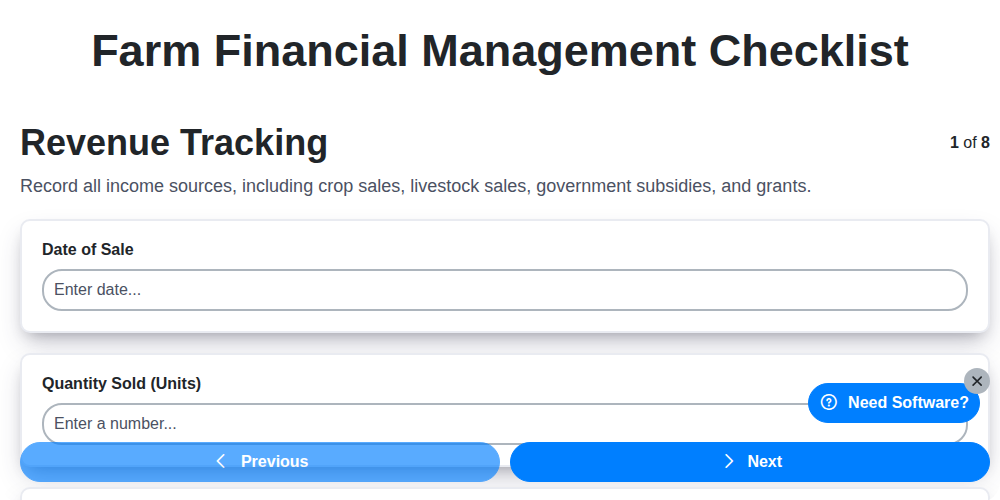
Table of Contents
- Farm Financial Management Checklist: Your Guide to Success
- Why a Farm Financial Management Checklist Matters
- 1. Revenue Tracking: Knowing Where Your Money Comes From
- 2. Expense Monitoring: Keeping a Close Eye on Outgoings
- 3. Budget Variance Analysis: Identifying and Addressing Differences
- 4. Cash Flow Management: Ensuring You Have Enough on Hand
- 5. Loan and Debt Management: Staying on Top of Your Obligations
- 6. Tax Compliance: Minimizing Risks and Maximizing Benefits
- 7. Record Keeping and Documentation: Building a Solid Foundation
- 8. Profitability Analysis: Understanding Your Farm's Performance
- 9. Using Technology to Streamline Your Financial Management
- 10. Seeking Professional Help: When to Consult an Expert
- 11. Reviewing and Updating Your Checklist Regularly
- Resources & Links
TLDR: Feeling overwhelmed by farm finances? This checklist is your roadmap! It breaks down key areas like tracking income, managing expenses, understanding your budget, handling debt, and staying tax-compliant. Use it to get a clear picture of your farm's financial health, identify areas for improvement, and ultimately, boost your profitability.
Farm Financial Management Checklist: Your Guide to Success
Running a successful farm goes far beyond planting and harvesting. Solid financial management is the bedrock of a thriving agricultural operation. Many farmers find themselves overwhelmed by the complexities of finances, but a systematic approach - a checklist - can make all the difference. Here's a breakdown of key areas you should be tracking and managing regularly.
Revenue Tracking
- Record all income sources: This includes crop sales, livestock sales, government subsidies, grants, and any other revenue streams.
- Track sales by product/commodity: This provides valuable insight into which areas are most profitable.
- Analyze pricing trends: Understand how market fluctuations impact your revenue.
- Regularly reconcile sales records with bank deposits.
Expense Monitoring
- Categorize expenses: Separate fixed costs (rent, insurance) from variable costs (fertilizer, seed).
- Track all purchases: Keep detailed records of everything you buy, including suppliers and prices.
- Implement an approval process for large expenditures.
- Review vendor contracts regularly to ensure you're getting the best deals.
Budget Variance Analysis
- Compare actual income and expenses to your budget: Identify areas where you're over or under budget.
- Investigate significant variances: Understand why there are differences and determine corrective actions.
- Adjust future budgets based on performance analysis.
- Review budget assumptions regularly (e.g., crop yields, commodity prices).
Cash Flow Management
- Project cash inflows and outflows: Anticipate periods of surplus and deficit.
- Maintain sufficient working capital: Ensure you have enough cash on hand to cover short-term obligations.
- Optimize payment terms with suppliers and customers.
- Consider lines of credit or other financing options to bridge cash flow gaps.
Loan and Debt Management
- Track all loan balances, interest rates, and payment schedules.
- Regularly assess your debt-to-asset ratio.
- Explore opportunities to refinance at lower interest rates.
- Adhere to loan covenants and reporting requirements.
Tax Compliance
- Stay informed about relevant tax laws and regulations.
- Maintain accurate records for tax preparation.
- Take advantage of available agricultural tax deductions and credits.
- Consult with a qualified tax professional.
Record Keeping and Documentation
- Establish a centralized system for storing financial records (physical and/or digital).
- Organize records by year, category, and vendor.
- Back up data regularly.
- Ensure records are easily accessible for audits and analysis.
Profitability Analysis
- Calculate key profitability metrics: Gross profit, net profit, return on assets, return on equity.
- Analyze profitability by product/commodity and enterprise.
- Identify areas for improvement in efficiency and cost reduction.
- Benchmark your performance against industry averages.
Why a Farm Financial Management Checklist Matters
Running a farm is more than just planting and harvesting; it's a complex business demanding careful financial management. Without a solid system in place, it's easy to lose track of where your money is coming from and going, leading to stress, missed opportunities, and even financial instability. A farm financial management checklist isn't just a nice-to-have; it's your roadmap to success.
Think of it as preventative medicine for your farm's finances. Regularly reviewing these key areas-revenue, expenses, cash flow, debt, taxes, and profitability-helps you identify potential problems before they become crises. It allows for proactive adjustments to your strategies, ensuring you're operating efficiently and maximizing your returns. A checklist provides a framework for consistency, reduces the risk of errors, and frees up your time to focus on what you do best: farming. Ultimately, it's about building a resilient and sustainable farm business for the long term.
1. Revenue Tracking: Knowing Where Your Money Comes From
Understanding exactly where your farm's income originates is the foundation of sound financial management. Don't just know that you're making money; know what you're making it from and which enterprises are contributing the most.
Begin by meticulously tracking all revenue streams. This includes crop sales, livestock sales, government payments, grants, diversification income (like agritourism or farm-to-table events), and any other sources of funds.
Here's how to approach it:
- Categorize Revenue: Break down income by crop type (corn, soybeans, wheat, etc.), livestock type (beef cattle, dairy cows, poultry), and any diversified income streams. This granular view helps you identify your most profitable areas.
- Record Every Sale: Implement a system (spreadsheet, accounting software, or even a detailed notebook) to record all sales, including date, quantity, price, customer (if applicable), and method of payment.
- Analyze Trends: Regularly (monthly or quarterly) analyze your revenue data to identify trends. Are sales of a particular crop declining? Is agritourism exceeding expectations?
- Price Analysis: Track the prices you receive for your products. This allows you to understand market fluctuations and make informed decisions about pricing strategies.
- Contract Review: If you sell under contract, keep careful records of contract terms, delivery dates, and payment schedules.
By consistently tracking and analyzing your revenue, you're armed with valuable insights to optimize your production, marketing, and pricing strategies for maximum profitability.
2. Expense Monitoring: Keeping a Close Eye on Outgoings
Controlling expenses is just as critical as boosting revenue on a farm. It's easy for costs to creep up, especially with fluctuating input prices and the demands of maintaining equipment and infrastructure. A robust expense monitoring system isn't just about knowing what you're spending, but why and whether those expenses are truly necessary.
Here's how to effectively monitor your farm's outgoings:
- Categorize Everything: Don't just track "expenses." Break them down into detailed categories: fertilizer, fuel, seeds, labor, repairs, insurance, utilities, marketing, etc. The more granular your categories, the better insight you'll have.
- Implement a Tracking System: Utilize farm management software, spreadsheets, or even a dedicated notebook to meticulously record every expense. Ensure everyone involved in purchasing - from you to hired hands - is following the same system.
- Regular Reconciliation: Regularly (weekly or monthly) compare your recorded expenses to bank statements and credit card bills. This helps catch errors, identify unauthorized spending, and ensure accuracy.
- Review Vendor Contracts: Periodically review contracts with suppliers and service providers. Are you getting the best possible prices? Explore alternatives if necessary.
- Consider Energy Efficiency: Farm operations are often energy-intensive. Look for ways to reduce energy consumption through upgrades, better practices, and exploring renewable options.
- Analyze Spending Patterns: Identify areas where spending is consistently high or unusual. Investigate the root causes and explore ways to optimize spending in those categories.
- Distinguish Between Fixed and Variable Costs: Understanding the difference between costs that remain relatively constant (fixed) and those that fluctuate with production levels (variable) allows for more informed decision-making.
Consistent and diligent expense monitoring provides the data needed to make smart financial choices and protect your farm's profitability.
3. Budget Variance Analysis: Identifying and Addressing Differences
Budget variance analysis is a crucial step in farm financial management, acting as a reality check on your planning. It's not about blame; it's about understanding why your actual performance differs from what you initially projected.
Here's how to approach it:
- Regular Comparison: Compare your actual income and expenses against your budget on a regular basis - monthly is ideal, but at least quarterly.
- Calculate the Variance: For each line item in your budget, calculate the difference (variance) between your budgeted amount and the actual amount. A positive variance means you performed better than expected (e.g., higher revenue, lower expenses). A negative variance means you underperformed.
- Analyze Significant Variances: Don't obsess over every small difference. Focus on variances that are significant in dollar terms or percentage terms (e.g., a $5,000 or 10% variance).
- Investigate the Why: This is the most important step! Don't just note the difference; dig deeper. Did a change in market prices impact revenue? Did an unexpected equipment breakdown increase expenses? Was a new input more expensive than anticipated?
- Take Corrective Action: Once you understand the cause of the variance, develop a plan to address it. This might involve adjusting production practices, negotiating better input prices, or revising your budget for future periods.
- Document Your Findings: Record your analysis and any corrective actions taken. This creates a valuable historical record and helps you learn from past experiences.
A positive variance isn't always a cause for celebration - it might indicate overly conservative budgeting. A negative variance requires careful investigation and action, but it also presents a valuable opportunity to improve your farm's financial performance.
4. Cash Flow Management: Ensuring You Have Enough on Hand
Cash flow is the lifeblood of any farm. Profitability on paper doesn't matter if you don't have the cash to pay your bills. Many successful farms have folded due to poor cash flow management, even when they appeared profitable. This section isn't just about knowing how much money came in, but understanding when and when it goes out.
Here's what you need to focus on:
- Create a Cash Flow Forecast: Don't wait until you're in a bind. Regularly (at least monthly, ideally weekly) project your income and expenses. Include expected sales, crop yields, livestock sales, and all anticipated expenses like fertilizer, feed, fuel, and labor. Be realistic - overestimate expenses and underestimate income for a more conservative outlook.
- Identify Peak and Valley Periods: Farming inherently has seasonal highs and lows. Knowing these periods allows you to plan accordingly. Can you secure a short-term loan to cover lean months? Can you stagger expenses to smooth out the cash flow?
- Accelerate Receivables, Delay Payables (Strategically): Explore options for getting paid faster from buyers (e.g., offering discounts for early payment). Conversely, negotiate payment terms with suppliers when possible - but be sure to maintain good relationships and avoid late fees.
- Build a Cash Reserve: Aim to have a cash reserve equivalent to 3-6 months of operating expenses. This provides a cushion for unexpected events like equipment breakdowns, weather-related crop losses, or delayed payments.
- Regularly Review and Adjust: Compare your actual cash flow to your forecast. Identify discrepancies and adjust your projections and strategies accordingly. Don't be afraid to revisit your assumptions and make changes as needed.
5. Loan and Debt Management: Staying on Top of Your Obligations
Farm loans are often essential for growth and sustainability, but they also represent a significant ongoing responsibility. Effective loan and debt management isn't just about making payments on time; it's about proactively planning for the future and maximizing the benefits of your financing.
Here's what you need to be doing:
- Regularly Review Loan Agreements: Don't just file those documents away! Understand the terms, interest rates (fixed or variable), repayment schedules, and any covenants attached to your loans. Changes in market conditions or your farm's performance could trigger covenant breaches, so stay informed.
- Track Loan Balances & Interest Accrual: Keep a clear record of outstanding loan amounts, accrued interest, and payment history. Use a spreadsheet or accounting software to maintain accuracy.
- Assess Debt-to-Asset Ratio: This key ratio helps determine the overall financial health of your farm. A high ratio suggests you're heavily leveraged, potentially increasing risk. Consult with a financial advisor to determine a healthy target for your operation.
- Consider Refinancing Opportunities: Interest rates fluctuate. Explore refinancing options periodically to potentially lower your interest rates and improve your loan terms.
- Plan for Contingency: Build a buffer in your cash flow to handle unexpected expenses or temporary income dips that could impact your ability to meet loan obligations.
6. Tax Compliance: Minimizing Risks and Maximizing Benefits
Tax season can be a significant source of stress for farmers, but proactive tax compliance is about more than just avoiding penalties. It's about understanding your tax obligations, maximizing eligible deductions and credits, and ultimately, minimizing your tax burden.
Understanding Farm-Specific Tax Rules: Agriculture operates under unique tax regulations. Familiarize yourself with these, including depreciation schedules for farm assets, rules surrounding inventory management (grain, livestock), and allowable deductions for things like crop inputs, fuel, and repairs. Resources like the IRS's website (IRS.gov) and publications specifically targeted to farmers (like Publication 225 for Farmers and Ranchers) are invaluable.
Key Considerations:
- Estimated Taxes: Farmers often pay estimated taxes quarterly. Ensure accurate calculations to avoid underpayment penalties.
- Depreciation: Understanding and utilizing depreciation schedules for farm equipment, buildings, and livestock is critical for reducing taxable income.
- Inventory Management: Properly valuing and documenting inventory (grain, livestock) affects your cost of goods sold and overall profit.
- Conservation Practices: Many conservation practices qualify for tax credits or incentives. Explore programs available in your area.
- Record Keeping is Paramount: Accurate and complete records are the foundation of compliant tax filing. (See the Record Keeping and Documentation section for more details).
- Seek Professional Advice: A qualified farm accountant or tax advisor can help you navigate the complexities of agricultural taxation, identify opportunities for tax savings, and ensure compliance with ever-changing regulations.
Don't wait until the last minute. Start planning and gathering information now to make tax season less stressful and more beneficial for your farm.
7. Record Keeping and Documentation: Building a Solid Foundation
Think of your farm's records as the bedrock of your financial health. Without accurate and organized documentation, even the most insightful financial analysis is built on shaky ground. This isn't just about satisfying auditors; it's about empowering you with the information you need to make informed decisions.
What should you be documenting? Essentially, everything that impacts your farm's finances. This includes:
- Sales Records: Detailed invoices, receipts, and tracking of crop/livestock sales. Specify quantity, price, and date.
- Purchase Records: Receipts for all inputs - seeds, fertilizer, feed, fuel, repairs, etc.
- Labor Records: Hours worked, wages paid, and any associated payroll taxes.
- Equipment Maintenance Logs: Track repairs, servicing, and depreciation.
- Lease Agreements: For land, equipment, or buildings.
- Insurance Policies: Keep copies readily available.
- Contracts: With suppliers, buyers, and service providers.
- Bank Statements & Loan Documents: Essential for tracking debt and interest payments.
Going Digital vs. Staying Traditional: While spreadsheets and paper records have worked for generations, consider the benefits of farm management software or cloud-based solutions. These often automate many record-keeping tasks, improve accuracy, and allow for easy data sharing with advisors.
Regular Backups are Critical: Whether you're using paper or digital records, establish a consistent backup system to protect against loss due to fire, theft, or computer failure.
Pro Tip: Designate a specific, organized location (physical or digital) for all financial records, and stick to it!
8. Profitability Analysis: Understanding Your Farm's Performance
Profitability analysis goes beyond just knowing if you made a profit. It's about why you made it, and how you can improve it. This step involves digging deeper into your farm's financial statements - income statements, balance sheets, and cash flow statements - to understand the drivers of your performance.
Here's what you should be looking at:
- Gross Profit Margin: This shows how much profit you make after deducting the direct costs of production (like seed, fertilizer, feed, and labor directly involved in growing your crops or raising livestock). A declining gross profit margin signals rising input costs or declining yields that need attention.
- Net Profit Margin: This is the ultimate bottom line - your profit after all expenses are considered. It reflects the overall efficiency of your operation.
- Return on Assets (ROA): This metric tells you how efficiently you're using your farm's assets (land, equipment, livestock) to generate profit. A higher ROA is generally better.
- Break-Even Analysis: Calculate the point at which your revenue equals your expenses. Knowing your break-even point allows you to assess the viability of different crops, livestock, or farm practices.
- Benchmarking: Compare your profitability metrics to industry averages or successful farms of similar size and operation. This helps identify areas where you're lagging and opportunities for improvement.
Don't be afraid to seek professional help from an agricultural accountant or financial advisor. They can provide valuable insights and help you interpret your profitability data to make informed decisions. Regularly reviewing your profitability analysis will enable you to adjust your strategies, optimize your resources, and secure the long-term financial health of your farm.
9. Using Technology to Streamline Your Financial Management
Let's be honest: managing farm finances using spreadsheets and paper records is time-consuming and prone to errors. Thankfully, technology offers powerful solutions to simplify and automate many of the processes we've discussed.
Farm Management Software: Several excellent farm management software packages are available, many specifically designed for agricultural operations. These platforms often integrate modules for record keeping, budgeting, crop planning, and even livestock management. They can automate data entry, generate reports, and provide real-time insights into your farm's financial health. Examples include Agworld, FarmLogs, and Granular (though options vary by region and scale).
Cloud-Based Accounting Software: Platforms like QuickBooks Online, Xero, and FreshBooks offer significant advantages over desktop software. They allow for easy access from anywhere, automated bank feeds to streamline transaction recording, and collaborative access for advisors or family members.
Mobile Apps: Many accounting and farm management software have accompanying mobile apps. This allows you to track expenses, record transactions, and access vital information in the field, saving time and improving accuracy.
Data Visualization Tools: Once you have your financial data captured, using tools like Google Data Studio or Power BI can transform it into easy-to-understand dashboards, helping you quickly identify trends and areas for improvement.
Embrace Automation: Look for opportunities to automate tasks like invoice generation, recurring expense payments, and report generation. Automation not only saves time but also reduces the risk of human error.
While the initial setup and learning curve might seem daunting, the long-term benefits of embracing technology in your farm financial management are substantial, freeing you up to focus on what you do best: farming.
10. Seeking Professional Help: When to Consult an Expert
Even with diligent farm financial management, there are times when the complexities of agriculture and financial regulations necessitate outside expertise. Don't view seeking help as a sign of weakness; it's a proactive step towards protecting and growing your farm. Consider consulting a qualified professional - a Certified Public Accountant (CPA) specializing in agriculture, a farm financial consultant, or an agricultural lender - when:
- You're consistently struggling to understand your financial statements. If balance sheets, income statements, and cash flow statements feel like a foreign language, it's time for a translator.
- You're facing significant debt challenges. Expert advice can help you strategize about debt consolidation, refinancing, or negotiating with lenders.
- Tax laws and regulations are overwhelming. Agricultural tax codes can be intricate. A professional can ensure you're maximizing deductions and avoiding costly errors.
- You're planning major investments or expansions. Financial modeling and projections from an expert can help you assess risk and potential returns.
- You're experiencing periods of consistently low profitability. A consultant can help identify underlying issues and develop strategies for improvement.
Remember, the cost of preventative expert advice is often far less than the consequences of making uninformed decisions.
11. Reviewing and Updating Your Checklist Regularly
Your farm financial management checklist isn't a "set it and forget it" document. Just like your farm practices evolve with changing conditions, so too should your financial checklist. Market fluctuations, new regulations, changes in your operation (adding livestock, expanding acreage, etc.), and even simple lessons learned from past performance all necessitate review and updates.
Schedule regular reviews - quarterly is a good starting point - to assess the checklist's relevance and effectiveness. Are you tracking the right metrics? Are your budget assumptions still accurate? Have new tax laws impacted your compliance needs?
Don't be afraid to add new items, remove redundant ones, or refine existing steps. A living, breathing checklist that reflects your farm's current reality will be far more valuable than an outdated, static document. This proactive approach ensures your financial management remains a powerful tool for success.
Resources & Links
- USDA Farm Service Agency (FSA): The FSA provides farm loans, disaster assistance, and conservation programs. Their website is a vital resource for understanding government support and potential funding options available to farmers. Includes information on loan programs, disaster assistance, and risk management.
- Real Agriculture: Real Agriculture provides news, analysis, and practical advice for Canadian farmers, including articles and webinars on financial management, production techniques, and market trends. Many articles directly address financial health.
- Alberta Agriculture & Forestry: Provides resources, tools, and information specifically tailored for Alberta farmers, including financial planning guides, budget templates, and access to agricultural economists. Similar resources can be found for other states/provinces.
- Purdue University Agribusiness Program: Purdue's Agribusiness Program offers a wealth of research, publications, and educational resources focused on farm management, including financial management. Look for their webinars and downloadable guides.
- Agri-Management Gateway: A comprehensive portal with links to resources from various universities and organizations covering farm management topics, including detailed information on financial analysis, budgeting, and risk management.
- Farm Credit: Farm Credit is a nationwide network of lending institutions that provides financial services to agricultural producers. Their website provides valuable resources on financial planning, risk management, and farm business planning. They also frequently offer webinars and workshops.
- Risk and Insurance in Agriculture: Provides extensive information about managing risk in farming, including financial risk. Covers topics like crop insurance, revenue protection, and financial planning strategies. Great for understanding risk mitigation.
- QuickBooks: While a paid software, QuickBooks is a popular choice for farm financial record keeping. Explore their features, tutorials, and articles related to farm accounting and financial reporting. Many other accounting software options are available (Xero, FreshBooks).
- AgriSafe: AgriSafe provides training and resources on farm safety and compliance, which often includes aspects of financial responsibility and risk management. Useful for understanding legal and regulatory considerations.
- Internal Revenue Service (IRS): Essential for understanding farm tax regulations, deductions, and reporting requirements. Provides forms, publications, and guidance on compliance with federal tax laws.
- USDA National Agricultural Library - Agriculture and Economics: The NAL provides access to research, data, and information related to agricultural economics and farm management. Useful for staying informed about industry trends and best practices.
Frequently Asked Questions
What is farm financial management and why is it important?
Farm financial management involves planning, organizing, controlling, and evaluating your farm's financial resources to achieve profitability and sustainability. It's crucial for making informed decisions, managing risk, securing financing, and ensuring the long-term success of your operation.
Who is this checklist for?
This checklist is designed for all farm operators, regardless of size or experience level. It's helpful for those just starting out, as well as established farmers looking to improve their financial management practices.
How often should I review this checklist?
We recommend reviewing this checklist at least annually, but ideally more frequently (quarterly or even monthly) to stay on top of your farm's financial health.
What is a farm business plan and why is it part of the checklist?
A farm business plan is a roadmap for your farm, outlining your goals, strategies, and financial projections. It's essential for securing funding and guiding your decision-making, and therefore a key element of this checklist.
What is the difference between profit and cash flow?
Profit is the revenue remaining after deducting expenses, while cash flow represents the actual movement of cash in and out of your farm. A farm can be profitable but still face cash flow problems, highlighting the importance of managing both.
What is the importance of budgeting in farm financial management?
Budgeting allows you to predict income and expenses, identify potential shortfalls, and plan accordingly. It's a critical tool for controlling costs and maximizing profitability.
What is working capital and why should I monitor it?
Working capital is the difference between your farm's current assets (like cash, inventory) and current liabilities (like short-term debt). Monitoring working capital helps ensure you have enough funds to cover short-term obligations and manage day-to-day operations.
How can I use financial ratios to assess my farm's performance?
Financial ratios provide insights into your farm's liquidity, profitability, solvency, and efficiency. Regularly calculating and analyzing these ratios helps you identify areas for improvement and compare your performance to industry benchmarks.
Where can I find help if I'm struggling with farm financial management?
Many resources are available to help! Check with your local agricultural extension office, farm bureaus, USDA agencies (like the Farm Service Agency and Rural Development), and accounting professionals specializing in agriculture.
What should I do if I identify a problem area during my checklist review?
Don't ignore it! Take immediate action to address the issue. This might involve creating a corrective action plan, seeking expert advice, or making adjustments to your farm's operations.
Comments
There are no comments yet. Be the first to add one!
Farm Management Solution Demo
Grow your farm smarter & more efficiently! ChecklistGuro streamlines crop planning, task management, & resource tracking. Maximize yields, reduce waste, & improve profitability. Manage it all with our Work OS.
Related Articles
Unlock Higher Yields: Your Precision Agriculture Checklist Template
The Ultimate Farm Safety Inspection Report Checklist Template
Irrigation System Checklist: Farm Water Management & Crop Yield Optimization

Livestock Health & Welfare Checklist: Your Farm Animal Care & Biosecurity Template
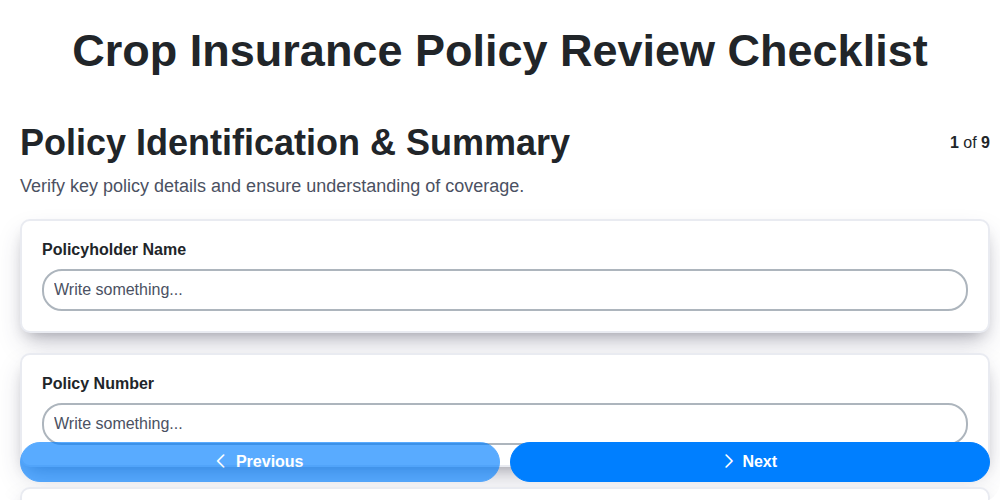
Crop Insurance Policy Review Checklist: A Farmer's Guide
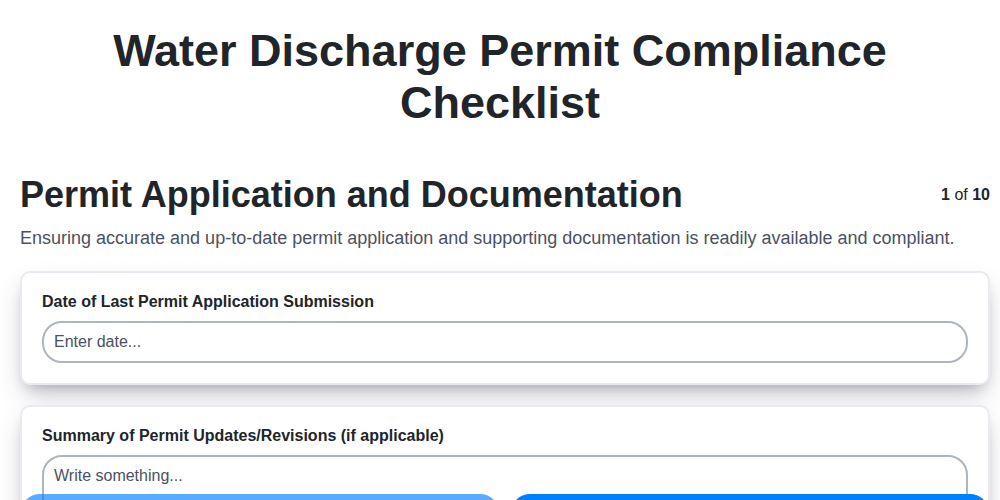
Water Discharge Permit Compliance Checklist Template
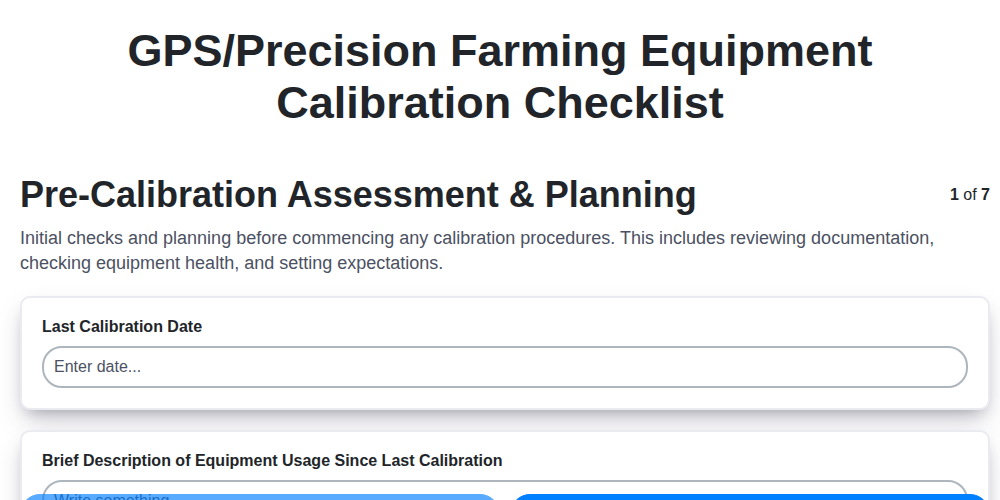
The Ultimate GPS & Precision Farming Calibration Checklist Template
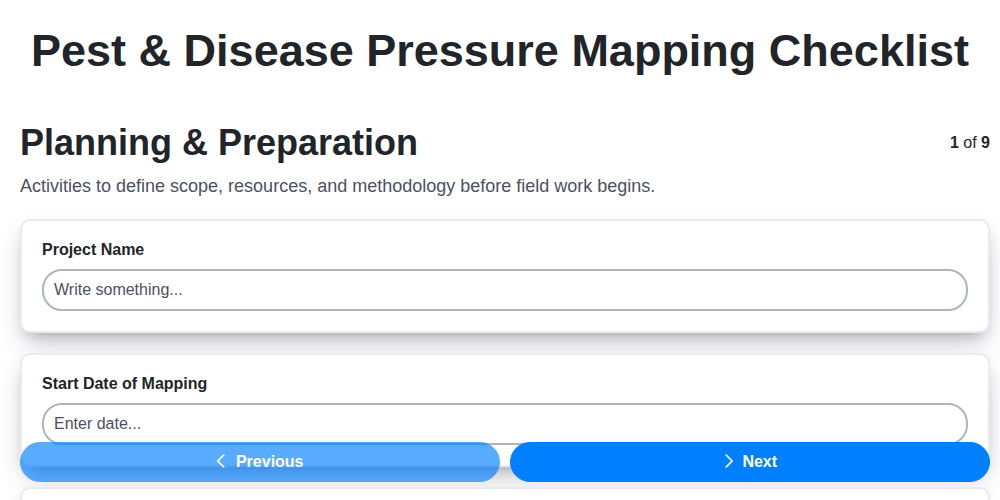
Mapping the Threat: A Checklist for Proactive Pest & Disease Pressure Management
Need help with
Farm Management?
Have a question? We're here to help. Please submit your inquiry, and we'll respond promptly.