The Ultimate Farm Management Task Checklist: Stay Organized & Maximize Yields
Published: 11/22/2025 Updated: 07/02/2026
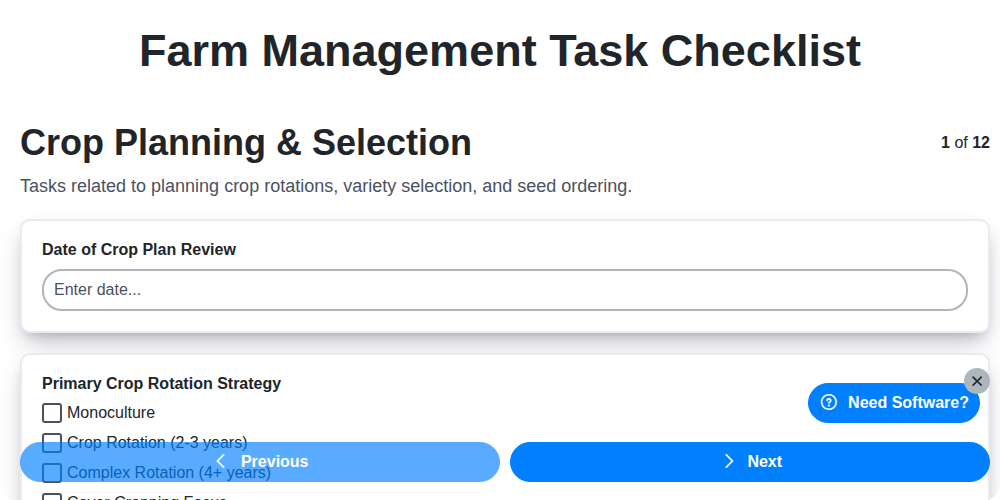
Table of Contents
- Introduction: Why a Farm Management Checklist is Essential
- 1. Crop Planning & Selection: Laying the Foundation
- 2. Soil Health & Fertility: The Core of Your Farm
- 3. Planting & Seeding: Getting Started Right
- 4. Irrigation Management: Water Wisely
- 5. Protecting Your Crops: Pest, Disease & Weed Control
- 6. Feeding Your Farm: Fertilizer Application
- 7. Harvesting & Storage: Preserving Your Bounty
- 8. Keeping Things Running: Equipment Maintenance
- 9. Tracking & Planning for the Future: Record Keeping & Financial Management
- Resources & Links
TLDR: Overwhelmed by farm tasks? This checklist template breaks down everything from crop planning to financial management, ensuring you don't miss a critical step. It's your one-stop guide to staying organized, boosting efficiency, and maximizing your farm's productivity - whether you're managing crops, livestock, or both!
Introduction: Why a Farm Management Checklist is Essential
Running a farm, whether it's a sprawling acreage or a smaller hobby operation, is a complex juggling act. There's a constant stream of tasks, deadlines, and variables - weather, market fluctuations, and more - that demand your attention. It's easy to feel overwhelmed, and even the most experienced farmers can find themselves missing crucial steps. That's where a comprehensive farm management checklist becomes your lifeline.
Think of it as your roadmap to a successful and sustainable farm. A well-structured checklist ensures nothing falls through the cracks, helping you maintain productivity, protect your investment, and ultimately, achieve your farm goals. It's not about adding more to your plate, but about organizing what's already there, so you can approach your work systematically and with confidence. This ultimately reduces stress, improves efficiency, and contributes to a healthier, more profitable farm.
1. Crop Planning & Selection: Laying the Foundation
Successful farm management starts long before you even touch a seed. Thoughtful crop planning and selection are the bedrock of a productive and profitable farm. This isn't just about what you like to grow; it's about aligning your choices with your resources, market demands, and long-term goals.
Here's what to consider:
- Market Research: What crops are in demand and fetch good prices in your region? Research local markets, processors, and potential direct-to-consumer opportunities. Don't forget to analyze trends - are there emerging markets you can capitalize on?
- Climate & Soil Suitability: Not all crops thrive everywhere. Carefully evaluate your local climate (temperature, rainfall, growing season length) and soil type. Utilize soil testing (see Soil Health & Fertility section) to understand limitations.
- Crop Rotation: Implement a crop rotation plan to improve soil health, reduce pest and disease pressure, and optimize nutrient utilization. Rotate between heavy feeders, light feeders, and cover crops.
- Variety Selection: Choose varieties that are well-adapted to your climate, disease-resistant, and offer desirable yields and quality. Consider factors like maturity date and size.
- Diversification vs. Specialization: Determine whether a diversified approach (growing a variety of crops) or specialization (focusing on a few key crops) aligns with your goals and resources. Diversification can mitigate risk, while specialization can lead to efficiency gains.
- Cover Crops: Integrate cover crops into your plan. They improve soil health, suppress weeds, and provide other benefits.
Thorough planning in this initial stage will significantly impact the success of your entire farming operation.
2. Soil Health & Fertility: The Core of Your Farm
Healthy soil is the foundation of a thriving farm. It's more than just dirt; it's a complex ecosystem teeming with life that directly impacts crop yields, plant health, and overall farm sustainability. Neglecting your soil is like trying to build a house on sand - it simply won't stand the test of time.
Here's a breakdown of key tasks to keep your soil healthy and fertile:
- Soil Testing: Conduct regular (every 1-3 years) soil tests to determine pH levels, nutrient deficiencies (Nitrogen, Phosphorus, Potassium, and micronutrients), and organic matter content. This provides a baseline for making informed decisions.
- Organic Matter Enhancement: Increase organic matter through practices like cover cropping, composting, and incorporating manure. Organic matter improves soil structure, water retention, and nutrient availability.
- Cover Cropping: Utilize cover crops to protect soil from erosion, suppress weeds, fix nitrogen, and add organic matter when incorporated. Choose species appropriate for your climate and cropping system.
- Reduced Tillage: Minimize tillage to preserve soil structure, reduce erosion, and protect beneficial soil organisms. Consider no-till or reduced-till methods where feasible.
- Composting & Manure Management: Properly compost organic waste (crop residue, animal manure) to create nutrient-rich soil amendments. Handle manure responsibly to prevent nutrient runoff and contamination.
- pH Management: Adjust soil pH based on test results to optimize nutrient availability for your crops. Lime can raise pH (making soil more alkaline), while sulfur can lower it (making it more acidic).
- Mycorrhizal Fungi Support: Consider practices that promote mycorrhizal fungi, which form symbiotic relationships with plant roots, enhancing nutrient and water uptake. Avoid excessive fungicide use, which can harm these beneficial fungi.
- Erosion Control: Implement erosion control measures, such as contour plowing, terracing, and windbreaks, to prevent topsoil loss.
3. Planting & Seeding: Getting Started Right
The planting and seeding phase is arguably the most critical for a successful harvest. It's where the potential for a bountiful yield is either nurtured or jeopardized. Here's a breakdown of key considerations to get you started on the right foot:
1. Seed Selection & Quality: Don't underestimate the importance of high-quality seeds! Source from reputable suppliers and consider factors like:
- Variety: Choose varieties suited to your climate, soil type, and market demand. Look for disease resistance and desirable traits.
- Certification: Opt for certified seeds to ensure purity and germination rates.
- Storage: Properly store seeds to maintain viability until planting time. Follow recommended temperature and humidity guidelines.
2. Seedbed Preparation: A well-prepared seedbed is crucial for germination and early root development.
- Soil Testing: (Refer back to your Soil Health & Fertility assessment!) Use your soil test results to amend the soil as needed.
- Tillage/No-Till: Choose a tillage method appropriate for your soil type and conservation goals. Consider no-till practices to preserve soil structure and moisture.
- Leveling: Ensure a level seedbed for even water distribution and uniform emergence.
- Compaction: Address any soil compaction issues before planting.
3. Planting Depth & Spacing: Follow recommended planting depths and spacing for each crop. These guidelines are often available from your local agricultural extension office or seed supplier. Incorrect depth can impact emergence, while improper spacing affects competition for resources.
4. Planting Time: Plant at the optimal time for your region and crop. This is influenced by factors like frost dates, soil temperatures, and daylight hours.
5. Planting Method: Consider the best planting method - hand planting, tractor-drawn planter, or air seeder - based on farm size, crop type, and available equipment.
Pro Tip: Keep a detailed record of your planting dates, varieties used, and planting methods. This information will be invaluable for future planning and adjustments.
4. Irrigation Management: Water Wisely
Water is life, especially on the farm. Effective irrigation isn't just about keeping plants alive; it's about optimizing yields, conserving resources, and reducing costs. A well-managed irrigation plan is a cornerstone of sustainable farm operations.
Assessment is Key: Start by understanding your water sources. Are you relying on rainfall, well water, surface water, or a combination? Knowing your limitations dictates your approach. Regularly assess soil moisture levels using simple tools like a soil moisture meter or even the squeeze test. Don't just water on a schedule; water when the plants need it.
System Efficiency: Evaluate your irrigation system. Drip irrigation delivers water directly to the root zone, minimizing water loss through evaporation. Sprinkler systems can be effective, but be mindful of wind drift and uneven distribution. Repair leaks promptly; even small drips can add up to significant water waste over time. Consider upgrades to more efficient systems as your budget allows.
Timing is Everything: Water deeply and less frequently, encouraging deep root growth. The best time to water is typically early morning, when temperatures are cooler and wind speeds are lower, reducing evaporation. Avoid watering during the heat of the day.
Crop-Specific Needs: Different crops have different water requirements. Research the specific needs of what you're growing and adjust your irrigation schedule accordingly. Group crops with similar water needs together to simplify management.
Monitoring and Adjustment: Keep an eye on your plants. Wilting leaves are a clear sign of water stress, but it's often better to catch problems before they become visible. Regularly monitor weather forecasts and adjust irrigation based on anticipated rainfall.
5. Protecting Your Crops: Pest, Disease & Weed Control
A healthy farm isn't just about good soil and adequate water; it's also about proactive protection against pests, diseases, and weeds. These threats can decimate yields and significantly impact profitability if left unchecked. Here's a breakdown of key strategies:
Pest Control: Regularly scout your crops for signs of insect infestations. Early detection is crucial! Consider integrated pest management (IPM) techniques - a holistic approach that combines preventative measures like crop rotation and introducing beneficial insects with targeted interventions when necessary. This minimizes pesticide use and promotes a balanced ecosystem. Keep records of pest sightings and control methods used.
Disease Management: Disease can be incredibly damaging, often spreading rapidly. Implement preventative measures such as using disease-resistant crop varieties, ensuring proper plant spacing for good air circulation, and maintaining healthy soil. Identify diseases early and utilize appropriate treatments (organic or conventional, depending on your farm's practices). Remember, sanitation - removing diseased plant material - is vital to prevent future outbreaks.
Weed Management: Weeds compete with your crops for water, nutrients, and sunlight. A combination of strategies is often most effective. These include:
- Prevention: Clean seeds, weed-free fields, and careful equipment hygiene.
- Mechanical Control: Hand weeding, hoeing, and cultivation.
- Biological Control: Utilizing natural enemies of weeds.
- Chemical Control (if applicable): Apply herbicides responsibly and according to label instructions, understanding potential impacts on the environment and other organisms.
Proactive Approach is Key: Regular monitoring, meticulous record keeping, and adapting your strategies based on observed conditions will be your best defense against these challenges.
6. Feeding Your Farm: Fertilizer Application
Maintaining healthy soil is paramount to a successful farm, and fertilizer application is a key component of that. But it's more than just throwing fertilizer on the ground. A thoughtful and strategic approach ensures optimal crop yields while minimizing environmental impact.
Understanding Your Soil's Needs: Before you even consider a specific fertilizer, a soil test is crucial. This analysis reveals the existing nutrient levels (nitrogen, phosphorus, potassium, and micronutrients) and pH, indicating deficiencies and imbalances. Don't guess - test! Local agricultural extension offices often offer affordable soil testing services.
Choosing the Right Fertilizer: Based on your soil test results, select a fertilizer that addresses the specific deficiencies. Options include:
- Organic Fertilizers: Manure, compost, bone meal, and fish emulsion are excellent choices for improving soil health and providing nutrients slowly.
- Synthetic Fertilizers: Offer concentrated nutrients and readily available for plants, but can have environmental impacts if overused.
- Blends & Custom Mixes: Consider custom blends tailored to your crop's specific needs and soil conditions.
Application Timing & Methods: Timing is everything. Different crops require nutrients at different growth stages. Follow recommended application rates and timing based on your crop's needs. Application methods include:
- Broadcasting: Spreading fertilizer evenly over the field surface.
- Banding: Placing fertilizer in a concentrated band near the seed row.
- Side-dressing: Applying fertilizer alongside growing plants.
- Foliar Feeding: Applying diluted fertilizer directly to plant leaves (primarily for micronutrient deficiencies).
Best Practices for Responsible Application:
- Follow Label Instructions: Always adhere to the manufacturer's recommended application rates and safety precautions.
- Consider Environmental Factors: Avoid fertilizing before heavy rainfall, which can lead to nutrient runoff.
- Calibrate Equipment: Ensure accurate application rates by regularly calibrating your fertilizer spreaders and applicators.
- Integrate with Other Practices: Combine fertilizer application with other soil-building practices like cover cropping and composting.
7. Harvesting & Storage: Preserving Your Bounty
Harvesting is the culmination of a season's hard work, but it's only the beginning of ensuring you have a supply of food or product to rely on. Improper harvesting or storage can lead to significant losses, impacting your profitability and sustainability.
Timing is Everything: Accurate crop planning and monitoring crop maturity are crucial. Harvest when produce is at its peak ripeness for optimal flavor, nutritional value, and shelf life. Use visual cues, firmness tests, and, if available, sugar content measurements to determine the ideal harvest time. Different varieties will have different maturity windows, so keep detailed notes.
Gentle Handling: Bruising and damage during harvesting drastically shorten storage life. Train harvest crews to handle produce carefully. Use appropriate tools - clean harvesting knives, gloves, and containers. Avoid dropping or tossing produce.
Post-Harvest Cooling: Rapid cooling immediately after harvest is vital, especially for warm-season crops. This slows down respiration and enzymatic activity, which contribute to spoilage. Options include:
- Hydrocooling: Immersing produce in chilled water.
- Forced-air cooling: Blowing cold air over the produce.
- Room cooling: Transferring produce to a refrigerated storage room quickly.
Storage Conditions: Proper storage creates an environment that prolongs shelf life. Key factors to control:
- Temperature: Different crops have different optimal storage temperatures. Research the requirements for each crop you grow.
- Humidity: Maintaining the correct humidity prevents wilting (too low) or decay (too high).
- Air Circulation: Adequate ventilation helps to remove ethylene (a ripening hormone) and prevent mold.
- Cleanliness: Storage facilities should be meticulously cleaned and sanitized regularly to minimize disease spread.
Storage Methods: Consider these options based on your needs and available resources:
- Refrigerated Storage: Best for extending the life of most produce.
- Root Cellars: Provide natural cooling and humidity for root vegetables and apples.
- Controlled Atmosphere Storage (CAS): More advanced technique to precisely control gas composition.
- Curing: Certain crops, like onions and potatoes, benefit from curing - a process of drying and hardening the skin to improve storage.
Record Keeping: Track harvest dates, yields, storage methods, and any losses observed. This data will inform future crop planning and storage practices.
8. Keeping Things Running: Equipment Maintenance
Farm equipment is a significant investment, and neglecting its upkeep is a surefire path to costly breakdowns and lost productivity. A proactive equipment maintenance plan is absolutely crucial for a smooth and efficient operation. This isn't just about fixing things after they break; it's about preventing issues in the first place.
Here's a breakdown of what a good equipment maintenance checklist should include:
- Regular Inspections: Conduct frequent visual inspections (weekly or bi-weekly during peak season) of all machinery. Look for leaks, cracks, unusual noises, and signs of wear and tear.
- Fluid Checks: Regularly check and top off engine oil, coolant, hydraulic fluid, transmission fluid, and fuel. Follow manufacturer's recommendations for fluid types and change intervals.
- Filter Replacement: Air, fuel, and hydraulic filters are vital for performance and longevity. Adhere strictly to the manufacturer's recommended replacement schedule.
- Lubrication: Grease fittings on critical components like bearings and joints. A well-lubricated machine runs smoother and lasts longer.
- Tire Care: Check tire pressure regularly, inspect for damage, and ensure proper inflation.
- Blade/Attachment Sharpening: Keep blades, augers, and other attachments sharp for efficient operation and reduced strain on equipment.
- Seasonal Storage: Proper winterization and storage are essential. Clean equipment thoroughly, drain fluids, lubricate components, and protect it from the elements.
- Record Keeping: Maintain a detailed log of all maintenance tasks performed, including dates, repairs, and parts used. This helps track equipment history and identify potential issues.
Don't forget: Consult your equipment manuals for specific maintenance schedules and procedures. Investing the time and resources in equipment maintenance now will pay dividends in the long run by minimizing downtime, extending equipment life, and reducing overall operating costs.
9. Tracking & Planning for the Future: Record Keeping & Financial Management
Running a farm isn't just about tending to crops or caring for livestock; it's a business. And like any successful business, meticulous record keeping and sound financial management are absolutely critical. Too often, these aspects get pushed to the back burner, especially during busy seasons, but neglecting them can lead to missed opportunities, financial hardship, and an inability to make informed decisions.
Why is Record Keeping So Important?
Detailed records provide a clear picture of your farm's performance. They allow you to:
- Analyze Performance: Track yields, input costs, and profitability by crop or livestock type. Identify what's working well and what needs improvement.
- Identify Trends: Spot patterns in weather, pest outbreaks, or market prices to proactively adjust your strategies.
- Meet Regulatory Requirements: Many farming activities are subject to regulations; accurate records are essential for compliance.
- Secure Financing: Banks and lenders require financial records to assess risk and approve loans.
- Simplify Tax Preparation: Organized records streamline the tax filing process, potentially minimizing errors and maximizing deductions.
What Should You Record?
- Input Costs: Seed, fertilizer, pesticides, irrigation expenses, feed costs, etc.
- Yields: Harvested quantities by field and variety.
- Sales: Prices received and quantities sold.
- Labor Costs: Hours worked and wages paid.
- Equipment Expenses: Fuel, repairs, maintenance.
- Weather Data: Rainfall, temperature, frost dates.
- Crop & Livestock Health Records: Planting dates, treatments, vaccinations.
- Financial Statements: Income statement, balance sheet, cash flow statement.
Financial Management: More Than Just Numbers
Beyond simply tracking expenses and income, good financial management involves:
- Budgeting: Planning income and expenses for the upcoming year.
- Cash Flow Analysis: Understanding the timing of income and expenses to avoid shortages.
- Risk Management: Identifying and mitigating potential financial risks (e.g., crop failure, market volatility).
- Profitability Analysis: Evaluating the financial performance of different crops or livestock enterprises.
Tools & Resources:
- Spreadsheets (Excel, Google Sheets): A simple and accessible starting point.
- Farm Management Software: Numerous programs offer more advanced features, integration, and reporting capabilities. (Research options based on your farm's needs and size.)
- Agricultural Consultants: Seek expert advice on financial planning and risk management.
Don't let record keeping and financial management become an afterthought. Integrate them into your farm's routine, and you'll be setting yourself up for long-term success.
Resources & Links
- USDA Economic Research Service (ERS): Provides comprehensive data and analysis on agricultural production, trade, and economics. Valuable for crop planning, market trends, and financial management insights. Explore their data sets and reports for understanding potential yields and market prices.
- USDA Natural Resources Conservation Service (NRCS): Offers resources on soil health, conservation practices, and nutrient management. Find guides on cover cropping, no-till farming, and soil testing for improving soil fertility and reducing erosion. Great for section 2.
- Sustainable Agriculture Research & Education (SARE): A fantastic resource for sustainable farming practices, including crop planning, pest management, and soil health. Offers publications, videos, and regional contacts for practical advice. Useful for almost all sections.
- eXtension: A network of Extension offices across the US. Provides access to a vast library of articles, videos, and webinars on a wide range of farm management topics, from planting techniques to financial planning. Highly relevant for all sections.
- AgriGuide: Provides information about crop calendars, planting dates, and regional farming practices. Useful for the Crop Planning and Planting sections. Helps determine optimal planting times based on location.
- Irrigation Association: Offers resources on irrigation techniques, water management, and best practices for efficient water use. Provides technical guidance for section 2.
- California Department of Food and Agriculture - Pest and Disease Information: While California-specific, this website provides detailed information about common pests, diseases, and weeds, along with control methods. A model for understanding how to manage crop protection (section 2).
- PrecisionAg: Focuses on the use of technology and data in agriculture. Provides information on precision planting, variable rate fertilization, and yield monitoring-crucial for maximizing yields (relevant to multiple sections).
- USDA Farm Service Agency (FSA): Provides farmers with access to financial assistance programs and risk management tools. Helpful for financial management and planning for the future (section 2).
- Farm Systems: Provides resources and support for farmers interested in sustainable and regenerative agriculture. Offers templates and guidance for record keeping and planning (particularly relevant for sections 2 & 2).
- John Deere: A leading manufacturer of agricultural equipment. Their website offers resources on equipment maintenance, operation, and best practices. Helpful for section 2.
- Tractor Supply Co.: While a retail store, their website contains useful articles and resources relating to farm equipment maintenance and basic agricultural practices. Supports section 2.
Frequently Asked Questions
What is farm management and why is it important?
Farm management encompasses all the activities involved in operating a farm effectively. It's crucial for maximizing yields, controlling costs, minimizing risks, and ensuring the long-term sustainability of your farm. It's more than just planting and harvesting; it's about strategic planning and efficient execution.
Who is this checklist for?
This checklist is designed for all farm owners and managers, regardless of farm size or type (crops, livestock, mixed farming). It's geared toward helping both experienced and newer farmers streamline their operations.
How often should I review and update this checklist?
We recommend reviewing this checklist at least quarterly, or more frequently during peak seasons. You should also update it as your farm practices evolve, new technologies are adopted, and regulations change.
This checklist seems long! Can I simplify it?
Absolutely. This is a comprehensive guide. Prioritize the tasks based on your farm's specific needs and stage. Start with the most critical items and gradually incorporate others as you gain capacity.
What's the difference between 'Daily', 'Weekly', 'Monthly', and 'Annual' tasks in the checklist?
'Daily' tasks are essential for immediate operations and ongoing monitoring (e.g., livestock feeding, irrigation checks). 'Weekly' tasks involve regular assessments and maintenance. 'Monthly' tasks are for more in-depth reviews and planning. 'Annual' tasks are long-term planning and major maintenance activities.
What does 'Record Keeping' entail in the checklist?
Record keeping involves meticulously documenting everything from planting dates and fertilizer applications to livestock health records and financial transactions. Accurate records are vital for tracking performance, identifying trends, and making informed decisions.
What tools or software can help me manage these tasks?
There's a wide range of farm management software available, from simple spreadsheets to sophisticated apps. Consider options that integrate with your existing systems and allow for easy data entry and reporting. Examples include FarmLogs, Agworld, and others. Paper-based systems are also viable, depending on your preference.
How does this checklist address regulatory compliance?
The checklist includes tasks related to permits, licenses, and environmental regulations. It's crucial to stay informed about all applicable laws and ensure your farm is operating in compliance. Consult with local agricultural agencies or legal professionals if you have questions.
Can I add custom tasks to this checklist?
Yes! This checklist is a starting point. Feel free to add tasks specific to your farm's unique crops, livestock, or challenges. The flexibility to customize it is key to making it truly valuable.
Where can I find resources for some of the more technical tasks listed?
The article includes links to relevant resources for specific tasks like soil testing and livestock health. Your local agricultural extension office is also a great source for expert advice and support.
Comments
There are no comments yet. Be the first to add one!
Farm Management Solution Demo
Grow your farm smarter & more efficiently! ChecklistGuro streamlines crop planning, task management, & resource tracking. Maximize yields, reduce waste, & improve profitability. Manage it all with our Work OS.
Related Articles
Unlock Higher Yields: Your Precision Agriculture Checklist Template
The Ultimate Farm Safety Inspection Report Checklist Template
Irrigation System Checklist: Farm Water Management & Crop Yield Optimization

Livestock Health & Welfare Checklist: Your Farm Animal Care & Biosecurity Template
Crop Insurance Policy Review Checklist: A Farmer's Guide
Water Discharge Permit Compliance Checklist Template
The Ultimate GPS & Precision Farming Calibration Checklist Template
Mapping the Threat: A Checklist for Proactive Pest & Disease Pressure Management
Need help with
Farm Management?
Have a question? We're here to help. Please submit your inquiry, and we'll respond promptly.