The Ultimate Farm Record Keeping Checklist: Stay Organized and Compliant
Published: 11/22/2025 Updated: 07/02/2026
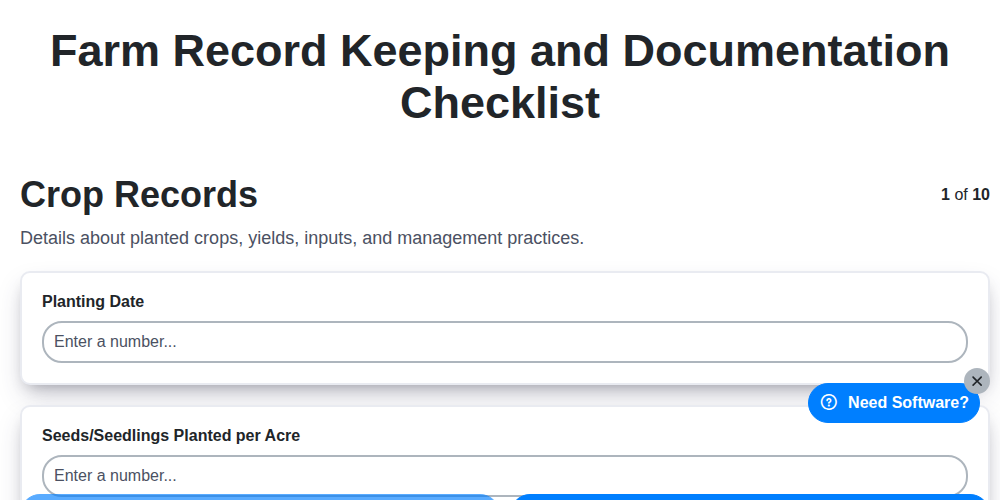
Table of Contents
- Why Farm Record Keeping Matters
- Crop Records: Planting to Harvest
- Livestock Records: Health, Growth & Production
- Financial Records: Tracking Income & Expenses
- Equipment Maintenance Logs: Keeping Things Running
- Input Inventory & Usage: Managing Resources
- Labor Records: Tracking Workforce
- Sales & Marketing Records: Understanding Your Market
- Regulatory Compliance: Meeting Legal Requirements
- Beyond the Basics: Weather, Insurance & Legal Documents
- Resources & Links
TLDR: Feeling overwhelmed by farm paperwork? This checklist is your quick guide to staying organized! It covers everything from crop and livestock data to finances, equipment, labor, and legal docs - ensuring you're compliant, efficient, and ready for audits or loan applications. Download the template and simplify your farm management!
Why Farm Record Keeping Matters
Running a farm, regardless of size, is a complex operation. It's more than just planting and harvesting; it's a juggling act of finances, regulations, and unpredictable factors like weather. Accurate and consistent record keeping isn't just a good idea - it's the backbone of a successful and sustainable farming business.
Think of it as your farm's memory. Without it, you're operating blind. Good records provide invaluable insights for informed decision-making. They allow you to analyze past performance, identify trends, and adapt your practices for improved efficiency and profitability.
Here's a glimpse of what solid records can unlock:
- Improved Decision Making: Understand which crops or livestock are most profitable, pinpoint areas of inefficiency, and optimize resource allocation.
- Financial Stability: Track income and expenses for accurate tax preparation, secure loans, and manage cash flow effectively.
- Risk Management: Identify potential problems early on, whether it's a pest outbreak, equipment failure, or regulatory changes.
- Regulatory Compliance: Easily demonstrate adherence to environmental regulations, food safety standards, and labor laws.
- Succession Planning: Provide a clear picture of the farm's operations for future generations or potential buyers.
Simply put, strong farm records aren't just about ticking boxes; they're about building a resilient and thriving agricultural enterprise.
Crop Records: Planting to Harvest
Detailed crop records are the bedrock of informed decision-making on your farm. They allow you to analyze past performance, identify trends, and ultimately improve yields and profitability. This section outlines what you should be documenting, from seed to sale.
Planning & Planting:
- Seed/Variety Selection: Record the specific seed or variety planted, source, and cost per unit. Include germination rates if tested.
- Planting Date: Accurate planting dates are crucial for tracking growing seasons and assessing timing impacts.
- Field Location: Clearly identify the field where the crop was planted - GPS coordinates are becoming increasingly valuable.
- Planting Method: Note the planting method used (e.g., broadcast, row planting, direct seeding).
- Planting Density: Record the number of seeds or plants per area (e.g., seeds/acre, plants/row).
- Soil Preparation: Document any soil amendments, fertilizer applications, or tillage practices.
Growing Season:
- Irrigation Records: Track irrigation dates, duration, and water source.
- Fertilizer Applications: Record dates, types, rates, and application methods of all fertilizers used.
- Pest & Disease Management: Document all pest and disease control measures, including dates, products used, and application rates. Include observations of pest pressure and disease incidence.
- Weed Control: Detail all weed control methods, including herbicides applied, dates, and rates.
- Crop Health Observations: Regularly note any unusual plant conditions, nutrient deficiencies, or signs of stress. Take photos to document observations.
Harvest & Post-Harvest:
- Harvest Date: Record the date(s) of harvest.
- Yield: Accurately measure and record the harvested yield per area (e.g., bushels/acre, tons/hectare).
- Harvest Method: Note the harvest method used (e.g., combine, hand-harvest).
- Storage Conditions: Document storage methods and any temperature/humidity control measures.
- Post-Harvest Treatments: Record any post-harvest treatments applied (e.g., drying, grading).
- Losses: Note any crop losses due to weather, pests, or other factors.
Livestock Records: Health, Growth & Production
Maintaining detailed livestock records is absolutely vital for the health, productivity, and overall success of your farm. These records go far beyond simply knowing what animals you own; they provide crucial insights into their performance and help you proactively address potential issues.
Here's a breakdown of what to include:
- Individual Animal Identification: Each animal should have a unique identifier - ear tag number, tattoo, or brand. This allows for precise tracking.
- Health Records: Document vaccinations, deworming, illnesses, treatments, and any veterinary visits. Include dates, dosages, and diagnosis. Digital records are excellent for this, allowing quick searches and sharing with vets.
- Breeding & Reproduction: Record breeding dates, sires used, calving/lambing/farrowing dates, litter sizes, and any complications during birthing.
- Growth & Weight Data: Regularly weigh and measure animals (especially meat animals) to monitor growth rates. This helps you identify underperforming animals or potential nutritional deficiencies.
- Feed Consumption: Track feed types and amounts given to each group or individual. This data is invaluable for optimizing feed efficiency and budgeting.
- Mortality Records: Carefully document any deaths, including the date, potential cause (if known), and disposal method. This helps identify potential disease outbreaks or management issues.
- Performance Data: For dairy farms, record milk production, butterfat, and protein content. For poultry, track egg production. Tailor this section to your specific livestock type.
Consistent and accurate livestock record-keeping empowers you to make informed decisions, improve animal welfare, and maximize your farm's profitability.
Financial Records: Tracking Income & Expenses
Managing farm finances effectively is crucial for long-term sustainability. This isn't just about knowing if you made a profit; it's about understanding where your money is coming from, where it's going, and identifying areas for potential savings or increased revenue.
Your financial records should be comprehensive and consistently maintained. Here's what to include:
- Income Records: Meticulously track all income sources. This includes sales of crops, livestock, value-added products, grants, subsidies, and any other revenue streams. Note the date, customer (if applicable), product/service sold, and amount received.
- Expense Records: Categorize expenses accurately. Common categories include: seeds, fertilizer, feed, veterinary care, fuel, repairs, utilities, marketing, labor, rent/mortgage, and insurance. Keep receipts and invoices for everything.
- Bank Statements & Credit Card Statements: Reconcile these regularly to ensure accuracy and identify any discrepancies.
- Loan Documents: Keep records of all loan agreements, interest rates, and repayment schedules.
- Tax Records: Maintain copies of all tax returns, including supporting documentation.
- Budgeting & Forecasting: While not a record per se, regularly compare your actual income and expenses against a budget to identify areas of concern or opportunity.
Consistent, organized financial record-keeping will provide valuable insights for making informed decisions, securing financing, and ensuring the financial health of your farm.
Equipment Maintenance Logs: Keeping Things Running
Your farm equipment is a significant investment, and breakdowns can be devastating to your productivity and profitability. Consistent equipment maintenance logs are the backbone of preventative care, helping you identify issues before they become major problems.
What to Include in Your Logs:
- Equipment Identification: Clearly identify each piece of equipment (make, model, serial number).
- Date & Hours/Mileage: Record the date and operating hours or mileage for each maintenance task.
- Maintenance Performed: Detail exactly what work was done (e.g., oil change, filter replacement, blade sharpening). Be specific!
- Parts Used: List all parts used, including part numbers and quantity. This helps with tracking costs and reordering.
- Mechanic/Technician: Note who performed the work - whether it's an in-house mechanic or an external service.
- Observations/Notes: Document any unusual noises, performance issues, or anything else noteworthy. These seemingly small details can be crucial for diagnosing future problems.
- Next Service Due: Schedule the next service date or estimated hours/mileage.
Why It Matters:
- Extends Equipment Lifespan: Regular maintenance prevents premature wear and tear.
- Reduces Downtime: Catching problems early minimizes costly breakdowns during critical planting or harvesting periods.
- Warranty Compliance: Many warranties require proof of regular maintenance.
- Accurate Record Keeping: Useful for depreciation calculations, insurance claims, and resale value.
Pro Tip: Consider using a digital log - spreadsheets or specialized farm management software - for easy organization and data analysis.
Input Inventory & Usage: Managing Resources
Effective farm record keeping isn't just about tracking profits and losses; it's about understanding where your money is going and optimizing your resource use. Input Inventory & Usage records are critical for this. This isn't just about knowing how much fertilizer you bought; it's about understanding how you used it, its effectiveness, and identifying potential waste.
Here's what you should be tracking:
- Detailed Inventory: Maintain records of all inputs - fertilizers (type, rate, application date), pesticides (type, concentration, application date, target pest), seeds (variety, quantity, source), soil amendments, animal feed (type, supplier, quantity), and any other supplies.
- Purchase Records: Keep all receipts and invoices for these inputs. This is crucial for accurate costing and potential tax deductions.
- Application/Usage Logs: Document exactly how much of each input was used, when, where, and for what purpose. Be specific - Fertilizer applied is not enough. 200 lbs of 10-10-10 fertilizer applied to cornfield A at a rate of 150 lbs/acre on 05/15/2024 is much better.
- Yield Analysis: Correlate input usage with crop yield or livestock performance. Did the increased fertilizer application actually result in higher yields? Analyzing this relationship helps identify optimal input levels and avoid unnecessary expenses.
- Storage & Security: Note storage locations and security measures for all inputs. This helps prevent loss or theft and ensures compliance with safety regulations.
- Waste & Spills: Document any spills, waste, or losses of inputs, along with the corrective actions taken.
- Supplier Information: Keep records of your suppliers, including contact information and pricing.
By meticulously tracking input inventory and usage, you gain valuable insights into your farm's efficiency and profitability, allowing for informed decisions that maximize resource utilization and minimize waste.
Labor Records: Tracking Workforce
Managing labor effectively is crucial for farm profitability and legal compliance. Detailed labor records provide valuable insights into efficiency, costs, and potential areas for improvement. Here's what you should be tracking:
- Employee Information: Maintain accurate records for each employee, including full name, address, social security number (or equivalent), contact information, and dates of employment.
- Hours Worked: Precisely track the number of hours each employee works daily and weekly. This is essential for calculating wages, overtime, and ensuring compliance with labor laws. Use timesheets, digital tracking systems, or other reliable methods.
- Wage Rates & Payment Information: Record hourly rates, salaries, and any applicable deductions (taxes, insurance, etc.). Keep detailed payroll records and ensure accurate and timely payments.
- Job Descriptions & Tasks: Outline the specific tasks and responsibilities assigned to each employee. This helps with performance evaluation, training needs assessment, and understanding workload distribution.
- Training Records: Document any training received by employees, including safety training, equipment operation, and specialized skills development.
- Worker's Compensation: Maintain records related to worker's compensation, including any claims and associated documentation.
- Contractor Information: If utilizing contractors, retain their contact information, contract details, and services provided.
- Overtime Calculations: Meticulously track overtime hours and associated costs to remain compliant with state and federal regulations.
- Leave Records: Keep track of vacation time, sick leave, and other types of leave taken by employees.
Accurate labor records not only help you manage your workforce efficiently but also provide crucial documentation in case of audits or legal inquiries.
Sales & Marketing Records: Understanding Your Market
Sales and marketing records are more than just receipts and invoices; they're a vital window into understanding your customer base and the effectiveness of your promotional efforts. Consistent tracking in this area allows you to refine your strategies, identify trends, and ultimately, increase profitability.
What should you be recording? Here's a breakdown:
- Sales Data: This is the foundation. Track sales volume by product/crop/livestock, date, customer (if applicable), and sales channel (farmers market, online store, wholesale, etc.). Note the price per unit sold.
- Customer Information: If you sell directly to consumers, collect (with their consent, adhering to privacy regulations!) contact information and any relevant demographics. This allows for targeted marketing and building customer loyalty.
- Marketing Campaign Tracking: Detail every marketing effort - social media ads, flyers, radio spots, events attended. Note the costs associated with each and, crucially, track the response. Did that Facebook ad generate sales? How many people attended the farm stand event after seeing your flyer?
- Pricing Strategies: Document any price adjustments and the reasoning behind them. Did a price increase impact sales?
- Competitor Analysis (Optional but Valuable): Briefly note competitor pricing or marketing tactics you observe. This provides context for your own strategies.
- Feedback & Reviews: Capture any customer feedback - both positive and negative. This informs product development and service improvements.
Regularly analyzing this information allows you to identify your most profitable products, understand which marketing channels are most effective, and adapt to changing market demands. Don't just record the numbers - interpret them!
Regulatory Compliance: Meeting Legal Requirements
Navigating the regulatory landscape can feel overwhelming for any farm, regardless of size. This section outlines key areas to ensure your farm remains compliant and avoids potential fines or legal issues.
Understanding Federal, State, and Local Regulations: Farm regulations vary significantly based on your location and the types of agricultural activities you conduct. Federal regulations often cover areas like food safety (FSMA), pesticide application, and environmental protection. State regulations may dictate labor laws, animal welfare standards, and nutrient management plans. Don't forget to check with your local county and municipality for zoning ordinances, building codes, and other relevant rules.
Key Areas to Document:
- Environmental Permits: Keep records of any permits related to water usage, discharge, or air emissions. Document permit renewal dates and any required reports.
- Pesticide & Fertilizer Applications: Meticulous records are crucial. Track product names, application rates, dates, and areas treated. This is often legally required and demonstrates responsible use.
- Manure Management Plans: If applicable, maintain detailed plans and records of manure storage, application, and disposal, ensuring compliance with nutrient management guidelines.
- Food Safety Plan (FSMA): If you process or sell food, keep records related to your food safety plan, including hazard analysis, preventive controls, and record-keeping procedures.
- Labor Records: Accurately document employee hours, wages, and any relevant training. This is vital for complying with labor laws and worker's compensation requirements.
- Animal Welfare: If you raise livestock, maintain records related to animal care, health, and handling practices, aligning with relevant animal welfare regulations.
- Organic Certification (if applicable): If your farm is certified organic, rigorously maintain all required records related to production practices, inputs, and traceability.
Resources & Staying Updated:
- USDA Website: A central hub for federal agricultural regulations and guidance.
- State Department of Agriculture: Your state's department is the primary resource for state-specific regulations.
- Local Extension Office: Often provides workshops and resources on regulatory compliance.
- Legal Counsel: Consider consulting with an attorney specializing in agricultural law for complex issues or to ensure your farm's practices align with current regulations.
Regularly review and update your documentation practices to reflect changes in regulations. Staying proactive and organized is key to maintaining compliance and protecting your farm's long-term success.
Beyond the Basics: Weather, Insurance & Legal Documents
While meticulously tracking crops, livestock, financials, and equipment is crucial, don't overlook the often-forgotten but equally important records related to weather, insurance, and legal matters. These areas provide invaluable insights for long-term planning, risk mitigation, and demonstrating due diligence.
Weather Data: Consistent recording of weather conditions - rainfall, temperature highs/lows, frost dates, sunlight hours - provides context for crop performance, livestock health, and resource management. This data helps identify trends, predict potential risks (droughts, floods, extreme temperatures), and adjust strategies accordingly. Simple daily notes or utilizing a weather station with automatic data logging are both effective options.
Insurance & Legal Documents: Farm insurance policies (crop, livestock, property, liability) are critical safeguards against unforeseen circumstances. Keep comprehensive records of all policies, renewal dates, coverage details, and claim history. Similarly, store all legal documents-leases, contracts, partnership agreements, wills-in a secure and accessible location. Documenting these details prevents headaches during claims processes or in the event of unforeseen legal issues. Regularly review these documents to ensure they still accurately reflect your farm's structure and risk profile.
Resources & Links
- USDA Natural Resources Conservation Service (NRCS): Provides resources on conservation practices and data collection, often vital for farm record keeping related to soil health, water management, and more. Offers tools and guidance relevant to environmental compliance.
- USDA Farm Service Agency (FSA): Offers programs and resources related to farm loans, disaster assistance, and commodity information. Record keeping is often necessary for eligibility and reporting.
- University of Minnesota Extension: Offers a wealth of agricultural information, often including guides and templates for farm record keeping, specific to Minnesota but with broadly applicable principles. Search for 'farm record keeping' on the site.
- Texas A&M AgriLife Extension: Similar to the University of Minnesota Extension, AgriLife Extension provides practical agricultural information and resources, with potential templates and advice on record keeping practices. Search for 'farm record keeping' on the site.
- USDA Agricultural Marketing Service (AMS): Provides standards, regulations, and market information relevant to agricultural sales and marketing, often requiring specific record keeping for organic certification or other labeling requirements.
- U.S. Small Business Administration (SBA): Offers resources and guidance for small business owners, including farmers, on financial management, accounting, and legal compliance - all interconnected with good record keeping.
- Farm Credit: Provides financing and financial services to agricultural producers. Strong financial records are essential for obtaining and maintaining loans and lines of credit.
- National Association of FarmDirect Marketers (NAFM): Resources for farmers selling directly to consumers, highlighting the record-keeping needs for tracking sales, customers, and product traceability.
- Electronic Code of Federal Regulations (eCFR): Official online version of the US Federal Regulations. Essential for understanding and meeting legal requirements related to agriculture and record keeping, particularly for specific commodities.
- Internal Revenue Service (IRS): Provides information and forms for tax filing, and thorough financial records are necessary for accurate reporting and potential audits.
- Organic Trade Association (OTA): Provides information and resources for organic producers, emphasizing record-keeping requirements for organic certification.
- Certified Naturally Grown (CNG): Provides an alternative organic certification program. Their record-keeping requirements are less formal than USDA Organic, but accurate records are still crucial.
- American Federation of Labor and Congress of Industrial Organizations (AFL-CIO): Offers guidance and regulations about labor practices and workforce, if farm employs workers. Accurate labor records are essential for legal compliance.
- Farmworker Justice: Resources regarding legal requirements and guidelines for labor practices, especially if employing workers.
Frequently Asked Questions
Why is farm record keeping so important?
Farm record keeping is crucial for managing finances, making informed decisions about your operation, ensuring compliance with regulations (like organic certification or food safety), and proving your farm's history for insurance or potential sales. It helps track profitability, identify areas for improvement, and provides a valuable historical record.
Can I use a simple spreadsheet for my farm records?
Yes, a spreadsheet is a great starting point for many farmers. It's relatively easy to learn and customize. Just be sure to have a clear and organized structure.
Comments
There are no comments yet. Be the first to add one!
Farm Management Solution Demo
Grow your farm smarter & more efficiently! ChecklistGuro streamlines crop planning, task management, & resource tracking. Maximize yields, reduce waste, & improve profitability. Manage it all with our Work OS.
Related Articles
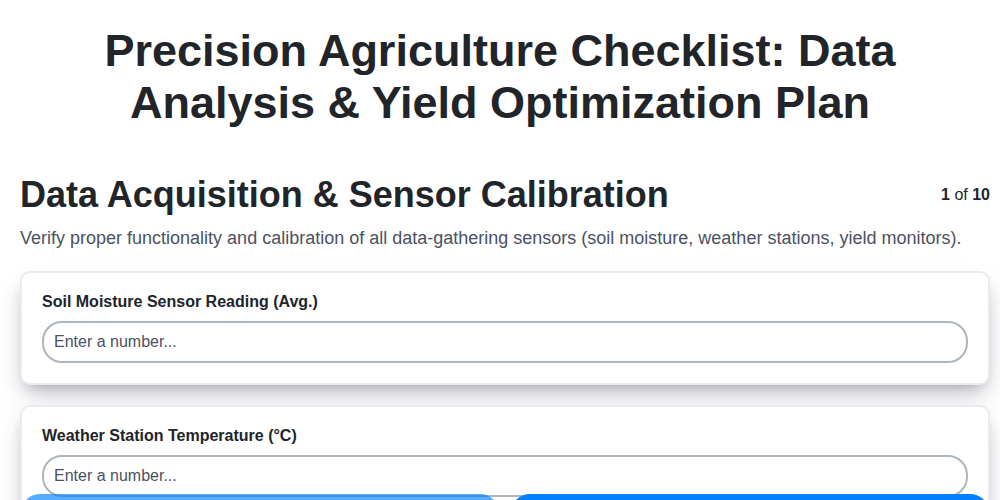
Unlock Higher Yields: Your Precision Agriculture Checklist Template
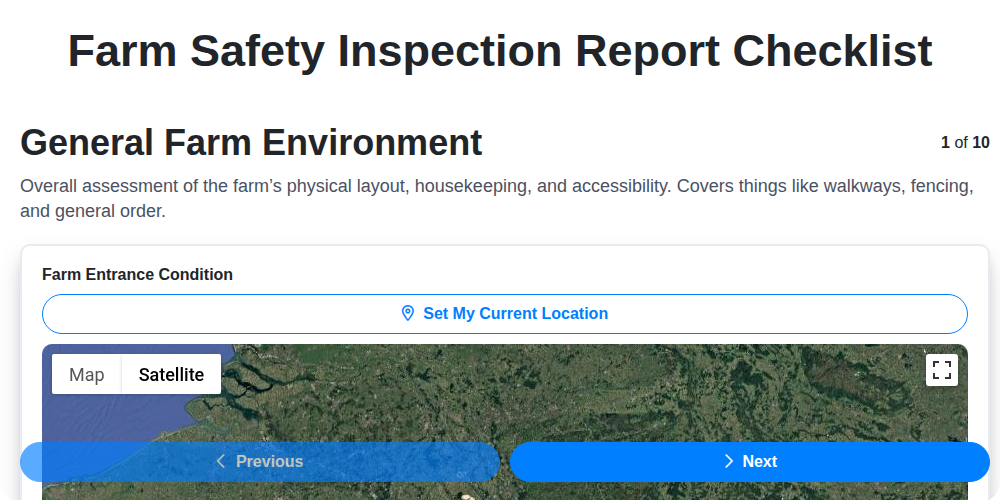
The Ultimate Farm Safety Inspection Report Checklist Template
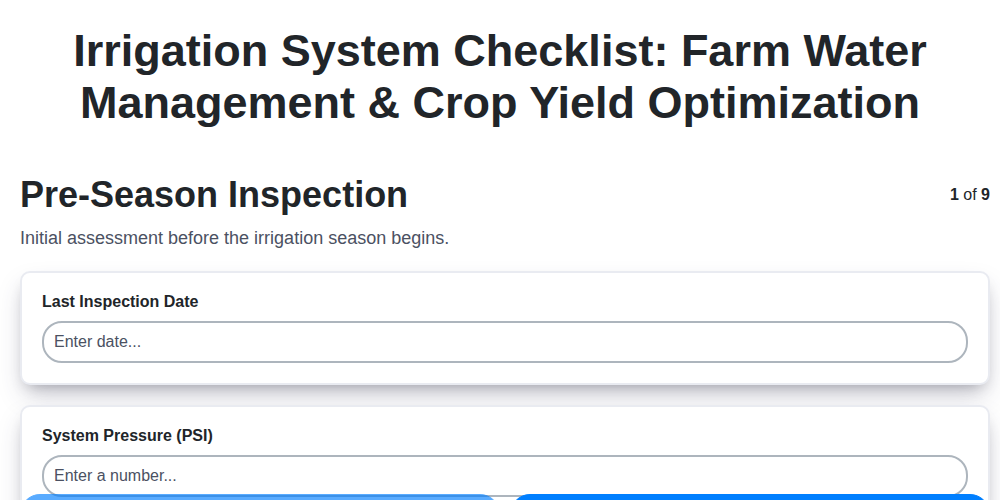
Irrigation System Checklist: Farm Water Management & Crop Yield Optimization

Livestock Health & Welfare Checklist: Your Farm Animal Care & Biosecurity Template
Crop Insurance Policy Review Checklist: A Farmer's Guide
Water Discharge Permit Compliance Checklist Template
The Ultimate GPS & Precision Farming Calibration Checklist Template
Mapping the Threat: A Checklist for Proactive Pest & Disease Pressure Management
Need help with
Farm Management?
Have a question? We're here to help. Please submit your inquiry, and we'll respond promptly.