Healthcare Disaster Recovery Checklist: Your Guide to Business Continuity & Resilience
Published: 11/28/2025 Updated: 07/02/2026
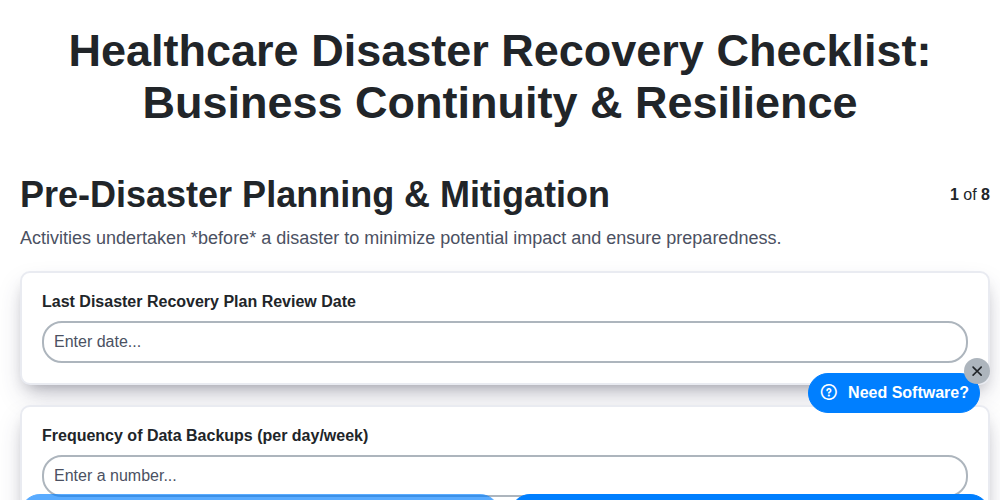
Table of Contents
- Introduction: Why Disaster Recovery is Critical in Healthcare
- 1. Pre-Disaster Planning & Mitigation: Building a Foundation of Resilience
- 2. Emergency Response Activation: Immediate Actions & Team Coordination
- 3. Data Backup & Recovery: Safeguarding Patient Information & Critical Systems
- 4. Communication & Notification: Keeping Stakeholders Informed
- 5. Facility Restoration & Operations: Returning to a Functional Space
- 6. Business Process Recovery: Prioritizing Essential Healthcare Services
- 7. Post-Disaster Evaluation & Improvement: Learning from Experience
- 8. Legal & Regulatory Compliance: Meeting Your Obligations
- 9. Staff Training & Awareness: Empowering Your Team
- 10. Testing & Maintenance: Regularly Validating Your Plan
- Resources & Links
TLDR: Facing a disaster? This checklist is your roadmap! It covers everything from pre-planning and data backup to restoring operations and legal compliance, ensuring your healthcare organization stays resilient and patient care continues, even when the unexpected happens.
Introduction: Why Disaster Recovery is Critical in Healthcare
Healthcare organizations face a unique and immense responsibility: providing uninterrupted care to patients, often in life-or-death situations. A natural disaster, cyberattack, power outage, or even a localized incident can severely disrupt operations, jeopardizing patient safety and potentially leading to devastating consequences. Beyond the immediate impact on patient care, disruptions can damage reputations, lead to financial losses, and trigger legal repercussions.
Disaster Recovery (DR) isn't just an IT concern; it's a fundamental element of business continuity for any healthcare provider. It's about proactively planning for the unexpected, ensuring critical systems and processes remain available, and rapidly restoring operations when disaster strikes. This isn't about if a disruption will happen - it's about how you'll respond and recover, minimizing impact and maintaining a commitment to patient well-being. A robust DR plan demonstrates a commitment to patient safety, regulatory compliance, and the long-term resilience of your organization.
1. Pre-Disaster Planning & Mitigation: Building a Foundation of Resilience
The best disaster recovery plan begins before disaster strikes. This phase isn't about reacting; it's about building resilience into your healthcare organization. Think of it as preventative medicine for your business.
Risk Assessment is Key: Start with a thorough risk assessment. Identify potential threats specific to your location and operations. This could include natural disasters (hurricanes, floods, earthquakes), cyberattacks, pandemics, utility failures, or even internal incidents. Document the potential impact of each risk - consider patient safety, data security, financial stability, and reputational damage.
Develop Mitigation Strategies: Based on your risk assessment, implement strategies to minimize the likelihood and potential impact of those risks. This might involve:
- Physical Security: Strengthening building infrastructure, implementing access control systems, and securing critical equipment.
- Cybersecurity: Robust firewalls, intrusion detection systems, multi-factor authentication, and employee training on phishing awareness.
- Redundancy: Establishing backup power systems (generators), redundant internet connections, and multiple data storage locations.
- Staff Training: Regularly training staff on emergency procedures, evacuation routes, and their specific roles in the disaster recovery plan.
- Vendor Management: Reviewing vendor contracts to ensure they have their own disaster recovery plans and can maintain service continuity.
- Insurance Coverage: Ensuring adequate insurance coverage for property damage, business interruption, and liability.
Regular Review and Updates: Don't let your planning become stagnant. Regularly review and update your risk assessment and mitigation strategies to account for changes in the threat landscape, organizational changes, and lessons learned from drills or actual events.
2. Emergency Response Activation: Immediate Actions & Team Coordination
When disaster strikes, swift and decisive action is paramount. This isn't the time for lengthy discussions; it's about executing a pre-defined plan and ensuring everyone knows their role. Here's a breakdown of the critical steps for Emergency Response Activation:
1. Declaration of Emergency: The designated Emergency Response Coordinator (ERC) initiates the formal declaration of an emergency based on predetermined triggers (e.g., flood warnings, earthquake detection, cyberattack confirmation). This triggers the activation of the Disaster Recovery Plan (DRP).
2. Assemble the Emergency Response Team (ERT): The ERC immediately convenes the ERT, ensuring all key personnel are notified and prepared to fulfill their assigned duties. This includes IT, Facilities, Communications, Security, and relevant clinical leadership. Utilize pre-established contact lists and notification systems.
3. Secure the Scene (If Applicable): Assess the immediate safety of the facility. If evacuation is necessary, execute the evacuation plan promptly and safely. Prioritize the well-being of patients and staff.
4. Initial Damage Assessment: Conduct a rapid assessment of the extent of the damage or disruption. This initial assessment doesn't need to be exhaustive but should provide a general understanding of the situation to inform subsequent actions. Designate a team for this purpose.
5. Activate Communication Channels: Implement pre-defined communication protocols. This includes internal communication with staff (e.g., two-way radios, emergency text alerts) and external communication with patients, families, and relevant stakeholders (e.g., media, regulatory bodies).
6. Establish a Command Center: Designate a central location as the Command Center - a physical or virtual space where the ERT can coordinate activities, monitor progress, and make decisions.
7. Regular Briefings: The ERC should conduct frequent briefings with the ERT, updating them on the situation's evolution and outlining next steps. Maintaining situational awareness is critical.
8. Documentation: Begin documenting all actions taken, decisions made, and communications exchanged. Accurate records are invaluable for post-disaster analysis and legal compliance.
Key Considerations:
- Pre-assigned Roles: Clearly defined roles within the ERT minimize confusion and ensure efficient response.
- Training & Drills: Regular drills are essential to ensure the ERT understands their responsibilities and the plan's effectiveness.
- Authority & Decision-Making: The ERC must have the authority to make rapid decisions based on the information available.
3. Data Backup & Recovery: Safeguarding Patient Information & Critical Systems
In healthcare, data isn't just information - it's patient lives. A disaster can cripple your ability to access Electronic Health Records (EHRs), lab results, medication lists, and critical operational data, leading to potentially devastating consequences. A robust data backup and recovery plan is therefore paramount for business continuity and resilience.
What's Included in a Healthcare-Specific Data Backup & Recovery Strategy?
- Regular, Automated Backups: Implement automated backups of all critical data, including EHRs, billing systems, financial records, and infrastructure configurations. Frequency should be determined by data criticality and Recovery Point Objective (RPO). Daily backups are generally recommended for patient data, with more frequent backups (hourly or even continuous) for frequently changing data.
- Offsite Storage: Don't keep your backups in the same physical location as your primary systems. Utilize a secure, offsite storage solution - this could be a cloud-based service, a secondary data center, or a combination of both.
- Multiple Backup Types: Consider a layered approach. This might include full backups (complete copy of data), incremental backups (only changes since the last backup), and differential backups (changes since the last full backup).
- Data Encryption: Encrypt data both in transit and at rest. This protects sensitive patient information from unauthorized access even if a backup is compromised.
- Regular Testing & Validation: Regularly test your backup and recovery procedures to ensure they work as expected. This isn's just about verifying backups exist; it's about confirming you can restore the data quickly and accurately. Simulate disaster scenarios to identify and rectify any weaknesses.
- Version Control: Maintain multiple versions of your data to enable restoration to a previous state if necessary due to data corruption or errors.
- Recovery Time Objective (RTO) & Recovery Point Objective (RPO): Define these crucial metrics. RTO represents the maximum acceptable downtime; RPO defines the maximum acceptable data loss. These objectives should drive your backup frequency and recovery procedures.
Beyond the Basics: Considerations for Healthcare
- HIPAA Compliance: Your backup and recovery plan must adhere to HIPAA regulations regarding data security and patient privacy.
- Specialized EHR Backup: Many EHR vendors offer specific backup and recovery solutions designed for their systems. Explore these options.
- Cloud Backup Considerations: If using cloud backup, choose a provider that is HIPAA compliant and offers robust security measures.
4. Communication & Notification: Keeping Stakeholders Informed
In a healthcare disaster, effective and timely communication isn't just important - it's vital for patient safety, regulatory compliance, and maintaining trust. A breakdown in communication can amplify chaos and hinder recovery efforts. This section outlines critical steps to ensure stakeholders are informed throughout the entire disaster lifecycle.
Before a Disaster:
- Develop a Communication Plan: This plan should clearly define roles and responsibilities for disseminating information. Identify primary and backup communicators.
- Stakeholder Identification: Create a comprehensive list of stakeholders: patients, families, staff (clinical and administrative), referring physicians, regulatory bodies (CMS, state health departments), media (if applicable), and community partners.
- Communication Channels: Establish multiple communication channels - phone, email, text messaging, website, social media, public address system - and test their functionality regularly. Don't rely on a single method.
- Template Messages: Prepare pre-approved, customizable templates for common disaster scenarios to expedite the communication process.
- Training: Train staff on the communication plan and their specific roles.
During a Disaster:
- Activate the Communication Plan: Immediately upon declaration of a disaster, activate the communication plan.
- Regular Updates: Provide frequent, accurate, and concise updates to all stakeholders. Transparency builds trust and reduces anxiety.
- Patient & Family Communication: Prioritize communication with patients and their families regarding care, location changes, and expected timelines. Designate a point of contact for inquiries.
- Staff Communication: Keep staff informed of the situation, instructions, and any operational changes. Address rumors and misinformation quickly.
- Media Management: If media coverage is anticipated or occurring, designate a spokesperson to control the narrative and avoid misinformation.
Post-Disaster:
- Continued Updates: Maintain communication, providing updates on restoration progress and any lingering impacts.
- Feedback Mechanisms: Implement a system for receiving feedback from stakeholders regarding the communication process. This allows for continuous improvement.
Remember: Consistent and clear communication minimizes panic, facilitates coordinated action, and supports a faster, more effective recovery.
5. Facility Restoration & Operations: Returning to a Functional Space
The immediate aftermath of a disaster often leaves facilities severely impacted - from minor damage to complete devastation. Facility restoration is a critical phase focused on safely and efficiently returning your physical workspace to operational status. This isn't just about patching things up; it's about verifying structural integrity, ensuring utilities are functioning correctly, and creating a safe environment for staff.
Here's what should be included in your facility restoration plan:
- Safety Assessments: Prioritize thorough safety inspections by qualified professionals. This includes structural engineers, electricians, and HVAC specialists to identify and mitigate hazards like unstable structures, electrical risks, and compromised ventilation.
- Damage Documentation: Meticulously document all damage with photos and videos for insurance claims and future reference.
- Utility Restoration: Coordinate with utility companies to restore power, water, gas, and telecommunications services, verifying functionality and safety upon reconnection.
- Decontamination & Remediation: Address any contamination from water, mold, or hazardous materials following established protocols.
- Essential Equipment Repair/Replacement: Focus on repairing or replacing critical infrastructure and equipment needed for essential business functions.
- Phased Re-entry: Implement a phased re-entry approach, starting with essential personnel and gradually expanding as areas are deemed safe and functional. Clearly communicate re-entry procedures and timelines.
- Temporary Workspace Solutions: If full restoration is not immediately possible, secure and equip temporary workspace solutions (e.g., rented space, remote work setups) to maintain business continuity.
Remember to continually reassess and adjust your facility restoration plan based on the evolving situation and any new information that arises.
6. Business Process Recovery: Prioritizing Essential Healthcare Services
In the chaos following a disaster, simply restoring systems isn't enough. You need a prioritized plan for recovering critical business processes. For a healthcare organization, this means ensuring patient care, medication management, and essential administrative functions resume as quickly and safely as possible.
Start by mapping your core business processes - everything from admitting patients and dispensing medications to processing claims and scheduling appointments. Categorize these processes as:
- Critical: Absolutely essential for immediate patient safety and legal compliance (e.g., emergency room operations, ICU support, pharmacy dispensing). These have the highest priority for recovery.
- Essential: Needed within a short timeframe to maintain essential services and prevent significant disruption (e.g., outpatient clinics, diagnostic imaging).
- Important: Necessary for long-term sustainability, but can be delayed without immediate impact (e.g., elective procedures, non-urgent administrative tasks).
Your recovery plan should detail specific steps to restore each process, including:
- Dependencies: Identify any systems, data, or personnel required for each process to function.
- Manual Workarounds: Develop and document manual procedures to bridge the gap until systems are fully restored. This might include paper-based charting or temporary staffing solutions.
- Prioritized Sequencing: Define the order in which processes should be restored, ensuring critical functions are online first.
- Resource Allocation: Determine staffing, equipment, and other resources needed for each process's recovery.
Regularly test your business process recovery plan through tabletop exercises and simulations. This helps identify weaknesses and ensures staff are familiar with their roles and responsibilities. Remember to revisit and update the plan based on changes in your organization's operations and the evolving threat landscape.
7. Post-Disaster Evaluation & Improvement: Learning from Experience
The immediate aftermath of a disaster is about survival and restoration. However, true resilience isn't just about bouncing back; it's about evolving and strengthening your healthcare organization for the future. The post-disaster phase demands a thorough and honest evaluation of your disaster recovery plan's performance.
This isn't a blame game; it's a learning opportunity. Gather a cross-functional team - representatives from IT, clinical staff, facilities, administration, and even key vendors - to conduct a comprehensive review. Consider these crucial questions:
- What worked well? Identify processes and procedures that performed as expected and contributed to a smooth recovery. Document these successes - they are best practices to reinforce.
- What didn't work? Be brutally honest about areas where the plan fell short. Was communication delayed? Were critical systems unavailable? Did staff struggle with assigned roles?
- Why did those failures occur? Dig deeper to understand the root causes. Was the plan inadequate? Was training insufficient? Were resources lacking?
- What lessons did we learn? Capture these insights - they are invaluable for future planning.
- How can we improve the plan and our overall preparedness? Translate those lessons into concrete action items.
Following the evaluation, prioritize updates to your Disaster Recovery Plan. This might include revising procedures, updating contact lists, retraining staff, acquiring new equipment, or strengthening vendor relationships. Crucially, schedule regular plan reviews - at least annually, or more frequently if significant changes occur within your organization or environment. Resilience isn't a one-time achievement; it's an ongoing commitment.
8. Legal & Regulatory Compliance: Meeting Your Obligations
Healthcare operates within a highly regulated environment, and disaster recovery planning is no exception. Failing to comply with laws and regulations following a disruptive event can lead to significant penalties, reputational damage, and even legal action. This section outlines key considerations to ensure your disaster recovery plan aligns with relevant mandates.
HIPAA Compliance: Protecting patient data (PHI) remains paramount. Your recovery plan must include detailed procedures for ensuring the confidentiality, integrity, and availability of PHI during and after a disaster. This includes backup procedures, access controls, and data encryption. Regular audits and risk assessments should specifically address HIPAA compliance in disaster scenarios.
State-Specific Regulations: Many states have their own data breach notification laws and specific requirements for healthcare provider disaster preparedness. Familiarize yourself with the regulations in each state where you operate and ensure your plan addresses them.
Emergency Management Laws: Understand any state or local emergency management laws that may apply, including reporting requirements and coordination procedures.
Business Associate Agreements (BAAs): If you utilize third-party vendors for data storage, processing, or recovery, your BAAs must include disaster recovery provisions that align with HIPAA and your organization's requirements. Verify these provisions are adequate and reviewed regularly.
Documentation is Key: Maintain meticulous records of all disaster recovery planning activities, including risk assessments, plan updates, training exercises, and compliance checks. This documentation will be crucial in demonstrating adherence to regulations during an audit or investigation.
Stay Updated: Laws and regulations are constantly evolving. Regularly review and update your disaster recovery plan to reflect changes in the legal landscape and ensure ongoing compliance. Consult with legal counsel specializing in healthcare compliance to navigate this complex area effectively.
9. Staff Training & Awareness: Empowering Your Team
Your disaster recovery plan is only as effective as the people who execute it. Comprehensive staff training and awareness programs are absolutely crucial for ensuring a swift and successful recovery. This isn't just about knowing what to do; it's about fostering a culture of preparedness.
Here's what a robust program should include:
- Regular Training Sessions: Conduct regular (at least annually, more frequently recommended) training sessions covering the disaster recovery plan, roles and responsibilities, and emergency procedures. These should be interactive and include scenario-based exercises.
- Role-Specific Training: Different staff members will have different responsibilities during a disaster. Tailor training to these specific roles. For example, IT staff require detailed recovery procedures, while clinical staff need evacuation protocols and patient safety guidelines.
- Tabletop Exercises: These simulated disaster scenarios allow staff to walk through procedures without the pressure of a real event, identifying gaps and refining the plan.
- Awareness Campaigns: Consistent reminders and communications (posters, newsletters, intranet updates) reinforce key preparedness messages.
- Phishing and Security Awareness: Training to identify and avoid phishing scams and other security threats is vital to prevent disasters from occurring in the first place.
- Documentation Accessibility: Ensure all staff knows where to find the disaster recovery plan and related documentation - both physically and digitally (with redundancy!).
- Feedback & Updates: Encourage staff to provide feedback on the plan and training. Incorporate this feedback to continuously improve the program.
Investing in staff training isn't just a compliance requirement; it's an investment in the resilience and survivability of your healthcare organization.
10. Testing & Maintenance: Regularly Validating Your Plan
A disaster recovery (DR) plan isn't a set it and forget it document. It's a living, breathing strategy that requires consistent validation and upkeep to remain effective. Without regular testing and maintenance, your plan can become outdated, inaccurate, and ultimately, fail when you need it most.
Why Testing & Maintenance Matters:
- Identifies Weaknesses: Tests expose gaps in your plan, highlighting areas where procedures are unclear, resources are lacking, or assumptions are incorrect.
- Ensures Personnel Proficiency: Regular drills familiarize your team with their roles and responsibilities, boosting confidence and minimizing errors during a real crisis.
- Verifies Technical Functionality: Testing validates the recovery of your systems, data, and applications, ensuring they function as expected.
- Reflects Changes: Business processes, technology, and personnel evolve. Testing ensures your DR plan adapts accordingly.
What to Include in Your Testing & Maintenance Schedule:
- Tabletop Exercises: Regularly conduct tabletop exercises to simulate disaster scenarios and discuss response procedures.
- Functional Testing: Test specific recovery processes, like data restoration or application failover.
- Full-Scale Drills: Conduct comprehensive drills involving all key personnel and systems (consider this less frequent, but critical).
- Plan Review: Review your DR plan at least annually, or more frequently if significant changes occur.
- Contact List Updates: Keep contact information for key personnel, vendors, and stakeholders current.
- Documentation Updates: Maintain accurate records of testing results, plan revisions, and lessons learned.
Frequency: The frequency of testing depends on the complexity of your organization and the criticality of its operations. Aim for annual full-scale drills, quarterly functional tests, and monthly tabletop exercises. Don't underestimate the power of continuous improvement - treat testing as an opportunity to refine your DR plan and strengthen your organization's resilience.
Resources & Links
- Centers for Disease Control and Prevention (CDC): Provides information and resources on public health preparedness, including disaster planning and response, specifically relevant to healthcare settings. Excellent for understanding potential hazards and best practices.
- U.S. Department of Health and Human Services (HHS): Offers resources, guidelines, and programs related to healthcare disaster preparedness and response, encompassing federal regulations and support initiatives.
- American Hospital Association (AHA): Provides resources and advocacy for hospitals and healthcare systems, including disaster preparedness guidance, best practices, and networking opportunities. Their website contains a wealth of information specifically for healthcare providers.
- Federal Emergency Management Agency (FEMA): A primary source for disaster preparedness information, training, and resources, applicable to various sectors including healthcare. Covers everything from individual preparedness to community-level resilience.
- National Institute of Standards and Technology (NIST): Provides standards and guidelines, particularly regarding cybersecurity and data protection - crucial components of healthcare disaster recovery, especially in safeguarding Electronic Health Records (EHRs).
- Healthcare Information and Management Systems Society (HIMSS): Focuses on healthcare IT and provides resources on disaster recovery and business continuity for healthcare organizations, including specific considerations for EHR systems.
- Healthcare Facility Management: Provides guidance and standards for healthcare facilities including disaster preparedness and mitigation.
- American Society for Health Care Engineering (ASHE): Dedicated to healthcare facility management, offering resources on facility resilience and disaster planning, including building design and maintenance best practices.
- Disaster Recovery Journal: Provides in-depth articles, case studies, and resources on disaster recovery and business continuity across various industries, with some focus on healthcare applications.
- Ready.gov: A website from FEMA providing information on how to prepare for emergencies, useful for individual healthcare workers and organizations to ensure everyone understands basic preparedness measures.
- Integrated Public Alert and Warning System (IPAWS): Information about alerting capabilities that can be vital for disseminating emergency warnings and instructions during a disaster.
- Cybersecurity and Infrastructure Security Agency (CISA): Addresses cybersecurity threats, which are increasingly linked to disaster scenarios. Provides resources for protecting healthcare systems and data.
- eHealthExchange: Provides information and resources for health information exchange (HIE) resilience and continuity during disasters, essential for maintaining care coordination.
Frequently Asked Questions
What is a Healthcare Disaster Recovery Plan and why is it important?
A Healthcare Disaster Recovery (DR) Plan is a documented process outlining how your organization will respond to and recover from disruptive events, like natural disasters, cyberattacks, or equipment failures. It's crucial because it ensures patient safety, protects data, maintains essential operations, and complies with regulations, preventing significant financial and reputational damage.
What are the key components of a Healthcare Disaster Recovery Checklist?
The checklist typically covers areas like risk assessment, data backup and recovery, system redundancy, communication plans, staff training, vendor management, facility preparedness, and regulatory compliance. It's about ensuring all critical functions can continue or be restored quickly.
What types of disasters should be considered when creating a DR plan?
Consider a wide range of potential disruptions: natural disasters (hurricanes, floods, earthquakes), cyberattacks (ransomware, data breaches), power outages, equipment failures, pandemics, and human error. Tailor your plan to address risks specific to your geographic location and operational dependencies.
How often should a Healthcare Disaster Recovery Plan be reviewed and updated?
A DR plan should be reviewed and updated at least annually, or more frequently after any significant changes to your IT infrastructure, operations, or regulatory requirements. Testing and feedback from drills should also trigger updates.
What is the difference between Disaster Recovery and Business Continuity?
Disaster Recovery (DR) focuses specifically on restoring IT systems and data. Business Continuity (BC) is broader, encompassing all essential business functions and ensuring they can continue operating during and after a disruptive event. DR is a subset of BC. BC aims to keep the *business* running; DR helps get the *technology* back online.
What role do backups play in disaster recovery?
Backups are absolutely critical. They provide the data necessary to restore systems and operations after a disaster. The plan should detail backup frequency, offsite storage, and testing procedures for data restoration. Consider different backup types (full, incremental, differential).
How can I ensure staff are prepared for a disaster?
Regular training and drills are essential. Staff should understand their roles and responsibilities, know how to activate the plan, and be familiar with communication protocols. Include simulations of different disaster scenarios.
What is the importance of vendor management in a DR plan?
Many healthcare organizations rely on third-party vendors. The DR plan should include agreements with vendors that outline their recovery capabilities and responsibilities, ensuring their services can be maintained or restored during a disaster.
How does regulatory compliance (e.g., HIPAA) factor into disaster recovery?
HIPAA mandates the protection of patient health information (PHI). Your DR plan must address HIPAA requirements for data security, confidentiality, and integrity during and after a disaster. Failure to comply can result in significant penalties.
What are some cost-effective strategies for small healthcare practices to implement a DR plan?
Prioritize critical systems, utilize cloud-based solutions for data backup and recovery, develop a basic communication plan, conduct simple tabletop exercises, and leverage free templates and resources available online. Focus on the most likely and impactful risks first.
Comments
There are no comments yet. Be the first to add one!
Healthcare Management Solution Demo
Streamlining healthcare operations and improving patient care? ChecklistGuro's Work OS platform simplifies everything from patient scheduling and billing to compliance and staff management. Enhance efficiency, reduce administrative burden, and focus on what matters most: your patients. Learn how ChecklistGuro can transform your healthcare organization!
Related Articles
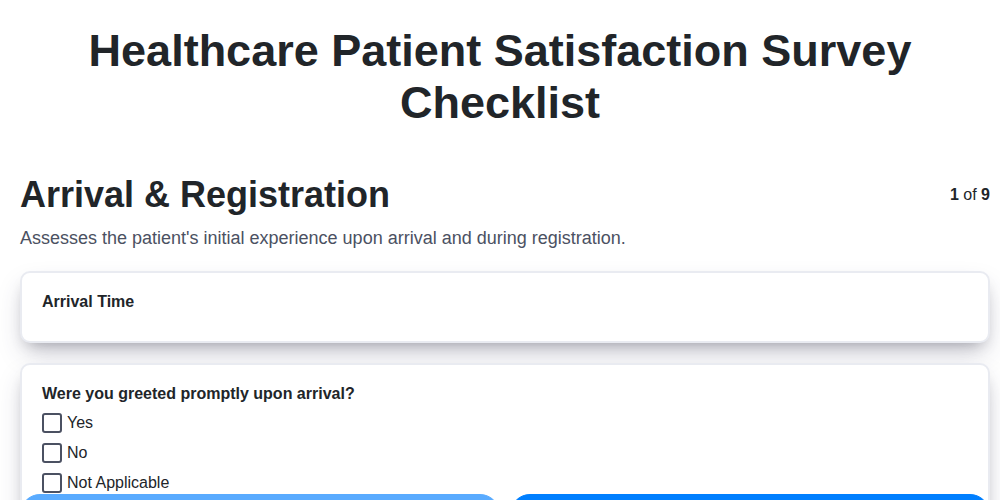
The Ultimate Healthcare Patient Satisfaction Survey Checklist Template
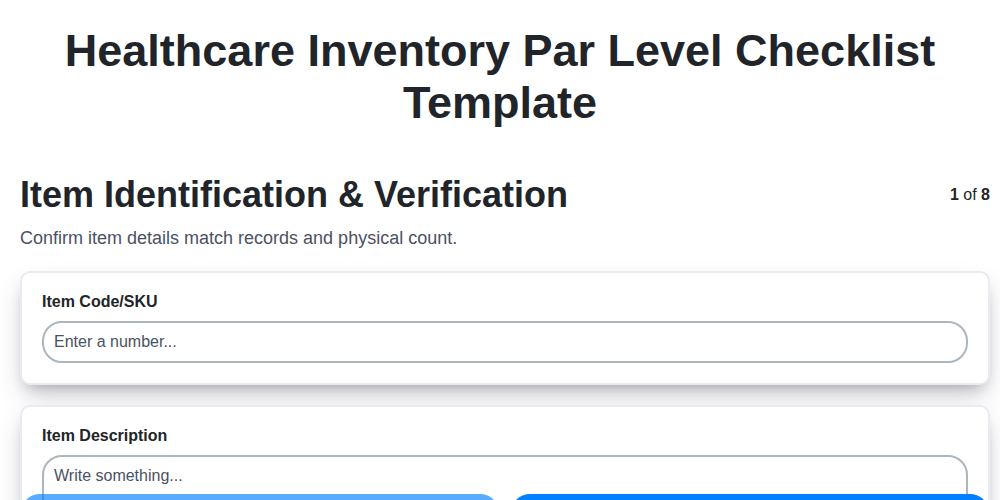
Mastering Healthcare Inventory: Your Par Level Checklist Template
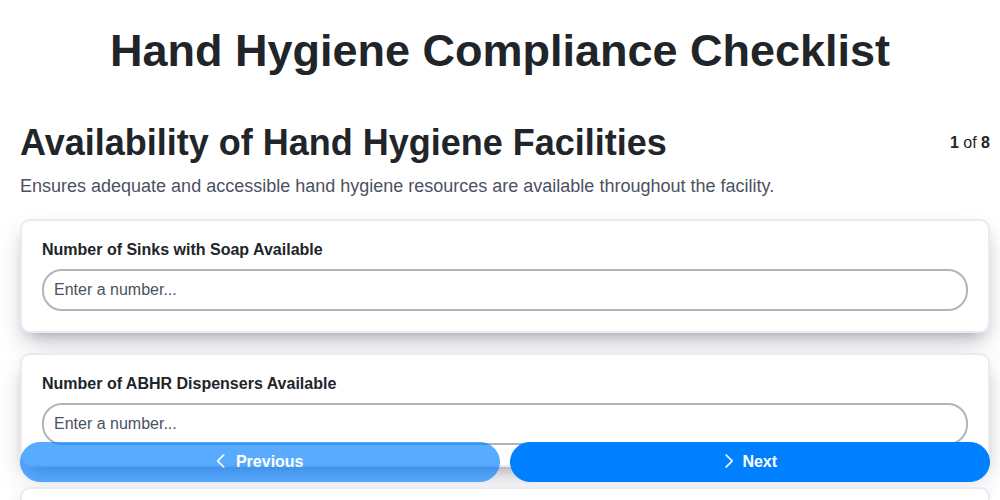
Mastering Hand Hygiene: Your Compliance Checklist Template
Protecting Patients: Your Fire Safety Checklist for Patient Areas
Your Ultimate Healthcare Construction Checklist Template
Mastering Hand Hygiene: Your Compliance Checklist Template
Your Radiology Equipment Maintenance Checklist Template

Your Ultimate Guide to Healthcare Waste Management: A Checklist Template
Need help with
Healthcare?
Have a question? We're here to help. Please submit your inquiry, and we'll respond promptly.