Healthcare Emergency Preparedness: Your Response & Recovery Checklist
Published: 11/28/2025 Updated: 07/02/2026
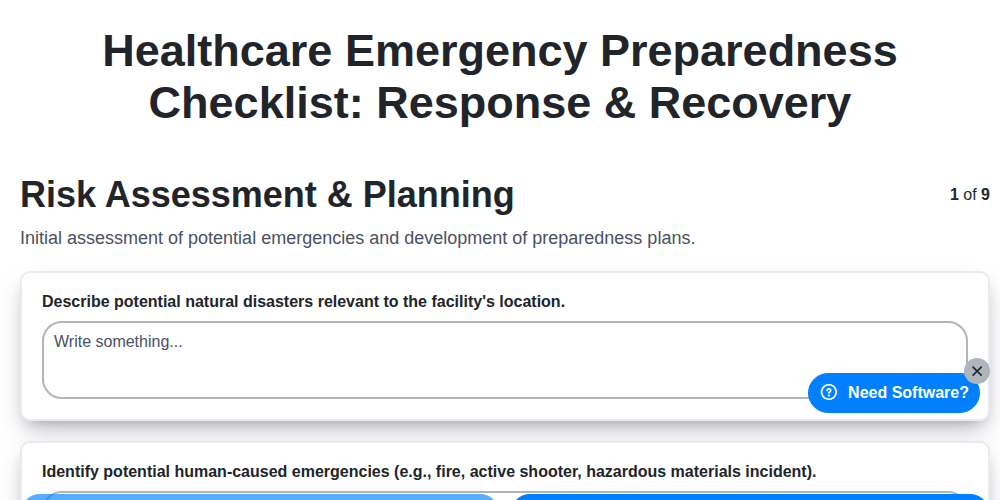
Table of Contents
- Introduction: Why Emergency Preparedness Matters
- 1. Risk Assessment & Planning: Identifying Potential Threats
- 2. Communication Protocols: Staying Connected During a Crisis
- 3. Staff Training & Roles: Ensuring Everyone Knows Their Responsibilities
- 4. Resource Management: Stockpiling and Prioritizing Essentials
- 5. Evacuation & Shelter-in-Place Procedures: Protecting Patients and Staff
- 6. Patient Safety & Care: Maintaining Quality of Care Under Pressure
- 7. Data Backup & IT Recovery: Safeguarding Critical Information
- 8. Facility Security & Access Control: Limiting Risks and Ensuring Safety
- 9. Post-Emergency Evaluation & Improvement: Learning and Adapting
- Resources & Links
TLDR: Facing a healthcare emergency? This checklist is your guide! It covers everything from assessing risks and training staff to ensuring patient safety and restoring IT systems. Use it to prep your facility for anything from natural disasters to security threats, so you can respond effectively and recover quickly.
Introduction: Why Emergency Preparedness Matters
Healthcare facilities face a unique and critical responsibility - the unwavering commitment to patient care, even in the face of unexpected emergencies. From natural disasters and severe weather events to active shooter situations and infrastructure failures, the potential for disruption is ever-present. A well-defined emergency preparedness plan isn't just a "nice to have"; it's a vital safeguard ensuring the safety of patients, staff, and visitors, and the continued delivery of essential medical services. Neglecting preparedness can lead to devastating consequences - compromised patient well-being, operational shutdowns, and long-term reputational damage. This checklist provides a framework for proactively addressing potential risks and developing robust response and recovery strategies, enabling your healthcare facility to navigate crises with confidence and resilience.
1. Risk Assessment & Planning: Identifying Potential Threats
Healthcare facilities face a unique and complex set of potential emergencies, ranging from natural disasters like hurricanes and floods to man-made incidents like active shooter situations or cyberattacks. A robust emergency preparedness plan starts with a thorough Risk Assessment & Planning phase. This isn't about assuming the worst; it's about realistically identifying potential threats based on your geographic location, facility type, patient population, and local vulnerabilities.
What Does a Risk Assessment Entail?
- Hazard Identification: Brainstorm a comprehensive list of potential hazards. Consider:
- Natural Disasters: Earthquakes, floods, hurricanes, tornadoes, wildfires, severe winter weather.
- Technological Hazards: Power outages, equipment failures, hazardous material spills.
- Human-Caused Hazards: Active shooter events, civil unrest, workplace violence, cyberattacks, infrastructure failures.
- Vulnerability Analysis: Determine how susceptible your facility is to each identified hazard. Consider building construction, proximity to hazardous areas, reliance on external utilities, and patient demographics (e.g., a pediatric facility has unique needs).
- Impact Assessment: Evaluate the potential impact of each hazard on patients, staff, operations, and the surrounding community. This includes potential injuries, fatalities, property damage, and disruption of care.
- Prioritization: Rank risks based on likelihood and potential impact. Focus your initial preparedness efforts on the highest priority risks.
- Plan Development: Based on the assessment, develop a written emergency preparedness plan that outlines specific actions to be taken before, during, and after an emergency. This plan should be regularly reviewed and updated.
Don't Forget Local Context: Collaborate with local emergency management agencies and participate in community-wide drills to understand regional risks and coordinate response efforts. A plan that works in one location might be completely inadequate in another.
2. Communication Protocols: Staying Connected During a Crisis
Effective communication is the backbone of any successful emergency response. When chaos descends, clear, consistent, and reliable communication can be the difference between a manageable situation and a full-blown crisis. This section outlines essential communication protocols for healthcare facilities.
Internal Communication:
- Designated Communication Channels: Establish primary and secondary communication channels for internal staff. Consider a combination of methods - radios, pagers, instant messaging platforms (with backup options if primary systems fail), and designated phone lines. Clearly define which channels are for critical updates versus general announcements.
- Chain of Command: Define a clear chain of command for disseminating information. This ensures updates flow consistently and prevents conflicting instructions.
- Regular Updates: Schedule regular (e.g., every 15-30 minutes) updates, even if there are no significant changes. Silence breeds anxiety and misinformation.
- Code Words/Phrases: Implement code words or phrases for specific emergency situations. This allows for discreet communication and alerts staff to the type of emergency.
- Backup Power for Communication Devices: Ensure crucial communication devices have backup power sources (batteries, generators).
External Communication:
- Designated Spokesperson: Identify and train a designated spokesperson for communicating with the media, patients' families, and the public.
- Family Communication Plan: Develop a plan for communicating with patients' families, including designated contact points, methods (phone calls, text messages, website updates), and strategies for managing inquiries. This plan must account for potential communication disruptions.
- Coordination with Emergency Services: Establish clear communication protocols with local emergency services (police, fire, EMS) - including frequencies, contact persons, and reporting procedures.
- Social Media Monitoring: Implement a system for monitoring social media channels for relevant information, rumors, and potential misinformation. Prepare responses to address common concerns.
- Website/App Updates: Utilize your facility's website or mobile app to provide timely updates to the public, including emergency status, contact information, and available resources.
Effective communication protocols require regular testing and updates to ensure their reliability and effectiveness during a real emergency.
3. Staff Training & Roles: Ensuring Everyone Knows Their Responsibilities
A robust emergency preparedness plan is only as effective as the people who execute it. That's why comprehensive staff training and clearly defined roles are absolutely critical. It's not enough to simply have a plan on paper; your team needs to know the plan and be confident in their ability to respond.
Beyond the Basics: Training shouldn't just cover the "what" of the emergency plan - it should focus on the "how." This means practical drills and simulations that replicate potential scenarios. Consider including:
- Role-Specific Training: Assign specific roles (e.g., Incident Commander, Communications Officer, Patient Triage Lead) and provide targeted training for each. This ensures individuals understand their unique responsibilities and have the skills to perform them effectively.
- Scenario-Based Drills: Regularly conduct drills simulating various emergencies (fire, severe weather, active threat). Rotate roles during these drills to ensure team members are versatile and can step in where needed.
- Refresher Courses: Emergency preparedness isn't a "one and done" activity. Implement regular refresher courses to reinforce knowledge and address any changes to procedures or technology.
- New Employee Orientation: Integrate emergency preparedness training into the onboarding process for all new staff members.
- Communication Skills: Train staff in clear and concise communication techniques for relaying information during stressful situations.
- Psychological First Aid: Consider training staff in psychological first aid to support colleagues and patients experiencing emotional distress.
Document Roles & Responsibilities: Clearly document each role's responsibilities, including contact information and reporting lines. Make these documents readily accessible to all staff.
Empowerment and Confidence: Well-trained and well-informed staff feel empowered and confident in their ability to respond effectively, leading to a more resilient healthcare facility and, most importantly, safer patients and personnel.
4. Resource Management: Stockpiling and Prioritizing Essentials
Effective emergency preparedness hinges on having the right resources readily available when needed. This isn't just about stockpiling; it's about strategic stockpiling and knowing how to prioritize use in a crisis.
What to Stockpile:
- Medical Supplies: Beyond standard inventory, consider surge capacity needs. This includes bandages, antiseptics, pain medication, oxygen, IV fluids, and potentially specialized equipment based on your facility's patient population and potential emergency scenarios.
- Food and Water: Ensure adequate non-perishable food and potable water for patients, staff, and potentially first responders. Account for dietary restrictions and special needs.
- Power Sources: Generators with sufficient fuel are critical for maintaining essential services. Test them regularly and have backup fuel sources. Battery-powered lighting and communication devices are also vital.
- Personal Protective Equipment (PPE): Sufficient quantities of masks, gloves, gowns, and eye protection are paramount for protecting staff and patients.
- Blankets and Warmth: Consider blankets, hand warmers, and other items to address potential environmental hazards (power outages leading to cold temperatures).
- Specialized Equipment: Identify any specialized equipment vital for your patient population (e.g., dialysis machines, ventilators) and ensure adequate backup power and supplies.
Prioritization is Key:
- Tiered System: Implement a tiered system for resource allocation. Tier 1 resources are for immediate life-saving interventions. Tier 2 resources address patient comfort and stabilization. Tier 3 are for non-urgent needs.
- Rationing Plans: Develop and communicate rationing plans for critical supplies, outlining who receives what and under what circumstances.
- Inventory Tracking: Maintain meticulous inventory tracking to monitor usage and identify potential shortages.
- Regular Audits: Conduct regular audits of your emergency supplies to ensure freshness, proper storage, and alignment with current needs.
- Communication: Establish clear communication channels to inform staff about resource availability and rationing protocols.
5. Evacuation & Shelter-in-Place Procedures: Protecting Patients and Staff
Healthcare facilities face a unique challenge during emergencies - the immediate and ongoing care of vulnerable patients. Developing robust evacuation and shelter-in-place procedures isn't just about safety; it's about maintaining care continuity.
Evacuation Procedures: Your plan should detail specific evacuation routes, designated assembly points, and clear criteria for when evacuation is necessary. Consider:
- Patient-Specific Needs: Patients with mobility issues, those on ventilators, or those requiring constant monitoring necessitate individualized evacuation plans. Designate personnel responsible for these patients.
- Staging Areas: Establish safe staging areas away from the building and potential hazards.
- Transportation: Account for necessary transportation, including stretchers, wheelchairs, and assistance for patients unable to move independently.
- Communication: Ensure continuous communication with patients and families during the evacuation process.
Shelter-in-Place Procedures: Not all emergencies require evacuation. Shelter-in-place protocols are crucial for events like severe weather, hazardous material releases, or active shooter situations. Your plan should define:
- Designated Shelter Areas: Identify interior rooms with minimal windows and sturdy construction.
- Supplies: Stock shelter areas with essential supplies like water, food, first aid kits, and blankets.
- Communication: Establish methods for staying informed during a shelter-in-place order.
- Patient Comfort & Care: Provide reassurance and essential care to patients experiencing anxiety or discomfort.
Integration & Drills: Both evacuation and shelter-in-place procedures must be integrated into your overall emergency preparedness plan and regularly practiced through drills. These drills should involve all staff and consider patients with diverse needs. Regularly review and update these procedures based on lessons learned from drills and real-world events.
6. Patient Safety & Care: Maintaining Quality of Care Under Pressure
An emergency situation demands unwavering commitment to patient safety and care. While rapid response and operational efficiency are crucial, they must not come at the expense of providing compassionate and effective care. This section of your emergency preparedness plan should detail specific actions to safeguard patients during and immediately following an event.
Key Considerations:
- Patient Identification & Tracking: Implement robust procedures for verifying patient identity and tracking their location during the emergency. This is paramount to prevent medication errors and ensure everyone receives the appropriate care. Consider using physical tags or electronic tracking systems where feasible.
- Continuity of Care: Develop protocols to maintain essential therapies and treatments. This includes medication administration, life support, dialysis, and other critical interventions. Prioritize patients requiring immediate attention based on a standardized triage system.
- Comfort & Emotional Support: Recognize the distress patients experience during emergencies. Provide reassurance, explanation of procedures, and address their concerns. Ensure adequate staffing for emotional support and pain management. Consider the needs of vulnerable populations (pediatric, geriatric, patients with disabilities).
- Infection Control: Reinforce stringent infection control practices. Emergency situations can increase the risk of transmission. Ensure adequate supplies of PPE and establish procedures for proper disposal.
- Documentation: Maintain meticulous records of patient status, treatment provided, and any deviations from standard procedures. Accurate documentation is vital for continuity of care and legal protection.
- Special Needs Considerations: Identify patients with special medical or psychological needs (e.g., patients with dementia, those on ventilators) and develop specific plans to address those needs during the emergency.
- Family Communication: Establish clear procedures for communicating with patient families, providing updates on their loved one's condition and whereabouts.
Prioritizing patient safety and care throughout the entire emergency preparedness process is not just a regulatory requirement; it's an ethical imperative.
7. Data Backup & IT Recovery: Safeguarding Critical Information
In a healthcare emergency, patient data and operational systems are vital. Loss or corruption of this information can severely hamper response and recovery efforts, impacting patient care and legal compliance. A robust data backup and IT recovery plan isn't just a good idea - it's essential.
Here's what your plan should include:
- Regular Data Backups: Implement automated backups of all critical data - Electronic Health Records (EHRs), billing systems, patient records, and operational databases. These should be performed frequently (daily or even more often depending on data sensitivity) and tested regularly to ensure data integrity.
- Offsite Storage: Don't store backups solely onsite. Securely store copies offsite, either in a physical location or through cloud-based services. This protects against damage or loss due to a localized emergency.
- Disaster Recovery Plan (DRP): Develop a detailed DRP outlining procedures for restoring IT systems in the event of an emergency. This should include steps for server recovery, application restoration, and data migration.
- IT Staff Training: Ensure your IT staff is thoroughly trained on the DRP and understands their roles in the recovery process. Conduct drills to practice the procedures.
- Prioritization: Identify and prioritize critical IT systems and applications for recovery. Focus on those essential for patient care and essential operations.
- Cybersecurity Integration: Ensure your IT recovery plan incorporates cybersecurity best practices, including protection against ransomware and other malicious attacks that can exacerbate an emergency situation.
- Testing & Updates: Regularly test your IT recovery plan (at least annually) to identify weaknesses and ensure it remains effective. Update the plan to reflect changes in technology, systems, and organizational processes.
8. Facility Security & Access Control: Limiting Risks and Ensuring Safety
A healthcare emergency can quickly overwhelm resources and compromise safety if facility security is inadequate. This section focuses on bolstering your facility's physical defenses and establishing clear access control protocols.
Pre-Emergency Measures:
- Perimeter Security: Regularly inspect fences, gates, and exterior doors. Ensure proper lighting illuminates vulnerable areas. Consider implementing security cameras with recording capabilities.
- Access Point Control: Limit access points and require authentication (e.g., keycards, biometric scans) for employees and authorized visitors. Regularly review and update access permissions.
- Visitor Management: Implement a robust visitor registration and tracking system. Verify identification and purpose of visits. Escort visitors as necessary.
- Security Personnel: Determine if security personnel are required and adequately trained for emergency scenarios. Clearly define their roles and responsibilities.
- Vulnerability Assessment: Conduct periodic security vulnerability assessments to identify weaknesses in physical security measures.
- Emergency Lockdown Procedures: Develop and practice lockdown procedures, including communication protocols and designated safe rooms.
During an Emergency:
- Immediate Lockdown: In the event of an active threat or impending danger, immediately initiate lockdown procedures.
- Access Restriction: Strictly control access to the facility. Prevent entry or exit except for essential personnel or emergency responders.
- Secure Areas: Identify and secure vulnerable areas within the facility, such as medication storage and sensitive records.
- Communication with Responders: Provide emergency responders with detailed information about facility layout, access points, and potential hazards.
By proactively addressing facility security and access control, you significantly reduce the risk of unauthorized entry, protect patients and staff, and enhance your overall emergency preparedness.
9. Post-Emergency Evaluation & Improvement: Learning and Adapting
The immediate aftermath of an emergency is critical for response and recovery, but it's equally vital to look forward. A thorough post-emergency evaluation isn't about assigning blame; it's about identifying what worked well, what didn't, and how to continuously improve your preparedness.
This phase should begin as soon as conditions allow. Start with a debriefing involving all relevant staff - from leadership and clinical teams to security and support personnel. Key questions to explore include:
- What were the strengths of our response? Recognize and reinforce successful strategies.
- What challenges did we encounter? Be honest about areas where the plan fell short.
- Were communication channels effective? Identify bottlenecks and gaps in information flow.
- Did staff understand their roles and responsibilities? Assess clarity and effectiveness of assignments.
- Did resources meet the needs of the situation? Did shortages or surpluses impact response?
- Were patient safety protocols followed? Review patient care records and staff observations.
- How could we have improved coordination with external agencies?
- What lessons can we apply to future preparedness efforts?
Document these findings meticulously. Translate insights into actionable improvements - updating the emergency plan, revising training programs, securing additional resources, or modifying procedures. Schedule regular plan review dates (at least annually, or more frequently following significant incidents) to ensure the plan remains current and relevant. Continuous improvement isn't a one-time event; it's an ongoing commitment to safeguarding your facility and the people it serves.
Resources & Links
- Centers for Disease Control and Prevention (CDC): The CDC provides comprehensive resources on public health emergencies, including planning, response, and recovery guidance. Focus on their Emergency Preparedness & Response section.
- Ready.gov: A U.S. government website offering resources for individuals, families, and organizations to prepare for all types of emergencies. Useful for understanding broad emergency preparedness principles applicable to healthcare settings.
- Federal Emergency Management Agency (FEMA): FEMA provides information and training on disaster preparedness, response, and recovery. Look for information on healthcare facility preparedness and business continuity planning.
- Agency for Healthcare Research and Quality (AHRQ): AHRQ offers research and tools related to healthcare safety and quality, including strategies for maintaining care during emergencies. Relevant for sections on patient safety and care.
- Occupational Safety and Health Administration (OSHA): OSHA provides guidance on workplace safety and health, which is critical for healthcare facility emergency preparedness, particularly concerning staff training and evacuation procedures.
- Healthcare.gov: While primarily focused on insurance, their resources and awareness campaigns about public health emergencies can be valuable background information for the introduction and overall context.
- The Joint Commission: This organization accredits and certifies healthcare organizations and provides standards related to emergency preparedness and continuity of operations. Relevant for all sections, particularly resource management, staff training, and evacuation procedures.
- National Institute of Standards and Technology (NIST): NIST focuses on cyber security and data protection, crucial for the Data Backup & IT Recovery section. They offer frameworks and best practices for safeguarding critical information.
- American Red Cross: The Red Cross provides disaster relief and preparedness resources. Their website offers information on shelter management, first aid, and volunteer support, which is relevant to evacuation and patient care sections.
- American Hospital Association (AHA): The AHA provides resources and advocacy for hospitals and healthcare systems. Their emergency preparedness section offers best practices and policy updates relevant to healthcare facilities.
- Assistant Secretary for Preparedness and Response (ASPR): ASPR within the Department of Health and Human Services leads national preparedness efforts. Their website provides information on various threat scenarios and response strategies.
- International Committee of the Red Cross (ICRC): While international in scope, the ICRC's expertise in maintaining healthcare services during armed conflict and other emergencies offers valuable insights on resource management and patient safety under extreme pressure. (Particularly section 6)
- Cybersecurity and Infrastructure Security Agency (CISA): CISA, part of DHS, offers cybersecurity best practices vital for the Data Backup & IT Recovery section. Their resources can help safeguard critical information systems and data from cyber threats during emergencies.
Frequently Asked Questions
What is healthcare emergency preparedness?
Healthcare emergency preparedness involves planning and taking actions to ensure healthcare facilities, staff, and patients are ready to respond to and recover from various emergencies, such as natural disasters, pandemics, or infrastructure failures. It's about minimizing disruption to care and ensuring continuity of operations.
Why is healthcare emergency preparedness important?
Healthcare facilities are critical resources during emergencies. Preparedness ensures they can continue providing essential services, protect patients and staff, and support the overall community response. Lack of preparedness can lead to overwhelmed facilities, increased morbidity and mortality, and long-term disruption to healthcare services.
What types of emergencies should healthcare facilities prepare for?
Facilities should prepare for a wide range of potential emergencies, including but not limited to: natural disasters (hurricanes, floods, earthquakes), pandemics, hazardous materials incidents, mass casualty events, cyberattacks, and power outages. A risk assessment is key to identify specific local threats.
What is a 'response' checklist in emergency preparedness?
The 'response' checklist focuses on immediate actions during an emergency. It covers things like activating emergency plans, securing the facility, communicating with staff and patients, initiating surge capacity measures, and prioritizing patient care. It's about what to do *during* the event.
What is a 'recovery' checklist in emergency preparedness?
The 'recovery' checklist outlines steps to restore normal operations after an emergency. This includes assessing damage, cleaning and sanitizing the facility, restoring utilities, replenishing supplies, addressing staff well-being, and evaluating the effectiveness of the emergency response.
Who should be involved in developing a healthcare emergency preparedness plan?
A multidisciplinary team is essential. This should include representatives from administration, clinical staff (doctors, nurses, therapists), facilities management, security, IT, communications, and infection control. Patient and community representatives may also be included.
How often should emergency preparedness plans be reviewed and updated?
Plans should be reviewed and updated at least annually, or more frequently if there are significant changes in the facility, community, or potential threats. After any emergency event, a post-incident review is crucial for improvement.
What resources are available to help healthcare facilities develop emergency preparedness plans?
Numerous resources are available, including the U.S. Department of Health and Human Services (HHS), the Centers for Disease Control and Prevention (CDC), the Federal Emergency Management Agency (FEMA), state and local health departments, and professional healthcare organizations.
How can healthcare facilities ensure staff are adequately trained in emergency preparedness?
Regular training exercises, tabletop simulations, and functional drills are vital. Training should cover emergency plans, roles and responsibilities, communication protocols, and essential skills like CPR, first aid, and infection control. Refresher training should be provided periodically.
What is surge capacity and how does it relate to emergency preparedness?
Surge capacity refers to a healthcare facility's ability to rapidly increase the volume of patients it can care for during an emergency. Preparedness plans should outline strategies for increasing bed availability, staffing levels, and resource allocation to handle a surge in patient demand.
Comments
There are no comments yet. Be the first to add one!
Healthcare Management Solution Demo
Streamlining healthcare operations and improving patient care? ChecklistGuro's Work OS platform simplifies everything from patient scheduling and billing to compliance and staff management. Enhance efficiency, reduce administrative burden, and focus on what matters most: your patients. Learn how ChecklistGuro can transform your healthcare organization!
Related Articles
The Ultimate Healthcare Patient Satisfaction Survey Checklist Template
Mastering Healthcare Inventory: Your Par Level Checklist Template
Mastering Hand Hygiene: Your Compliance Checklist Template
Protecting Patients: Your Fire Safety Checklist for Patient Areas
Your Ultimate Healthcare Construction Checklist Template
Mastering Hand Hygiene: Your Compliance Checklist Template
Your Radiology Equipment Maintenance Checklist Template

Your Ultimate Guide to Healthcare Waste Management: A Checklist Template
Need help with
Healthcare?
Have a question? We're here to help. Please submit your inquiry, and we'll respond promptly.