How to improve your Energy Management
Published: 12/05/2025 Updated: 07/02/2026
Table of Contents
- What is Energy Management in a Business?
- Why is Business Energy Management Important?
- Common Signs of Low Business Energy
- Identifying Your Energy Drains: A Checklist Approach
- The Components of a Business Energy Management Checklist
- Process Efficiency: Streamlining Workflows
- Communication & Collaboration: Fostering Connection
- Employee Well-being: Prioritizing Your Team
- Technology & Automation: Working Smarter
- Data Analysis: Tracking Your Progress
- Creating a Sustainable Energy Management System
- Integrating Energy Management with Your Business Software
- ChecklistGuro: Supporting Your Energy Management Journey
- Key Takeaways: Reclaiming Your Business Energy
- Resources & Links
TLDR: Feeling drained and overwhelmed? This checklist helps you pinpoint energy drains in your business (from inefficient processes to poor communication) and offers actionable steps to optimize them. Think of it as a roadmap for boosting productivity, reducing stress, and ultimately, improving your bottom line - all while finding the right software to support your streamlined processes.
What is Energy Management in a Business?
Energy management in a business isn't just about conserving electricity and lowering utility bills (though that's certainly a component!). It's a holistic approach to understanding and optimizing all the resources - human, financial, technological - that power your operations. Think of it as maximizing output while minimizing waste and burnout.
For business owners and managers, this means recognizing where energy is being lost. Are your employees feeling overworked and unmotivated? Are processes unnecessarily complex and time-consuming? Is technology being underutilized or, conversely, creating more work? Are you constantly reacting to crises instead of proactively planning?
Poor energy management manifests in several ways: decreased productivity, increased employee turnover, higher operational costs, missed deadlines, and a general sense of being constantly behind. Conversely, effective energy management fosters a culture of efficiency, empowers employees, improves profitability, and allows you to focus on strategic growth. It's about creating a sustainable and thriving business, not just surviving. It's about understanding your business's lifecycle and ensuring it's fueled for long-term success.
Why is Business Energy Management Important?
Beyond the obvious environmental benefits, effective energy management is a critical component of a thriving, sustainable business. It's about more than just lowering your electricity bill - although that's certainly a welcome bonus! Think of it as a holistic approach to resource optimization.
Poor energy management can manifest in several detrimental ways: increased operational costs, reduced profitability, wasted resources (both material and human), and even a negative impact on your company's reputation. In today's increasingly eco-conscious market, consumers are actively seeking out businesses committed to sustainability. Demonstrating this commitment can significantly enhance your brand image and attract environmentally aware customers.
Furthermore, a well-managed business is a more efficient business. By identifying and eliminating energy inefficiencies, you free up resources - time, money, and personnel - that can be redirected to strategic initiatives, innovation, and growth. This directly impacts your business's competitiveness and long-term viability. Finally, proactive energy management can help you anticipate and comply with evolving regulatory requirements, avoiding potential fines and maintaining a license to operate.
Common Signs of Low Business Energy
Here are some tell-tale signs your business is running on fumes. Recognizing these is the first step towards revitalization.
- Declining Productivity: Are tasks taking longer than usual? Is output consistently lower than previously achieved? This isn't always about a lack of effort; it can be a symptom of underlying energy depletion.
- Increased Employee Turnover: High turnover rates are rarely just about salary. A draining work environment contributes significantly. Employees leave when they feel exhausted and undervalued.
- Missed Deadlines & Project Delays: Consistent failure to meet deadlines isn't solely about poor planning. It can point to a lack of focus and a sense of being overwhelmed.
- Communication Breakdowns: Poor communication, misunderstandings, and a lack of collaboration often stem from a team feeling disconnected and lacking the energy to proactively connect.
- Reduced Innovation & Creativity: A stagnant business with a lack of new ideas is often suffering from low energy. Creative thinking thrives in environments where people feel inspired and have the mental space to brainstorm.
- Negative Morale & Increased Conflict: A pessimistic atmosphere and frequent disagreements are clear indicators that something is amiss. Low energy fuels negativity and diminishes problem-solving abilities.
- Procrastination & Avoidance: Team members consistently putting off important tasks, or avoiding difficult conversations, suggests a lack of motivation and a sense of overwhelm.
These aren't isolated issues. They're often interconnected symptoms of a business experiencing a drain in its overall energy.
Identifying Your Energy Drains: A Checklist Approach
Before you can effectively manage your energy, you need to identify where it's leaking. Think of this as a business energy audit. We're not talking about kilowatt-hours here, but about the mental, emotional, and even time-related energy expended by you and your team.
This checklist isn't about assigning blame; it's about uncovering areas for improvement. Be honest with yourself - and encourage your team to do the same - when assessing each point. Use a simple rating scale (e.g., 1-5, with 1 being 'significant drain' and 5 being 'minimal impact').
Here's a breakdown of common energy drains, structured to prompt thoughtful evaluation:
Process-Related Drains:
- Redundant Tasks: Are there tasks being done multiple times, unnecessarily duplicating effort?
- Lack of Standardization: Are processes inconsistent across different teams or individuals?
- Manual Data Entry: How much time is spent manually entering data that could be automated?
- Poor Workflow Design: Are workflows unnecessarily complex or inefficient?
- Lack of Automation: Are there opportunities to automate repetitive tasks?
Communication & Collaboration Drains:
- Unclear Roles & Responsibilities: Do team members understand their roles and what's expected of them?
- Too Many Meetings: Are meetings productive, or are they time-wasters?
- Ineffective Communication Channels: Are you using the right tools for the job (email, instant messaging, project management software)?
- Lack of Transparency: Are important decisions and information shared openly with the team?
- Conflict & Tension: Are there unresolved conflicts affecting team morale and productivity?
Decision-Making & Planning Drains:
- Analysis Paralysis: Are decisions delayed due to excessive analysis?
- Lack of Clear Goals: Are objectives and priorities clearly defined?
- Poor Prioritization: Are tasks being prioritized effectively?
- Micromanagement: Is excessive oversight hindering team autonomy and motivation?
- Lack of Delegation: Are responsibilities being delegated appropriately?
Technology & Tools Drains:
- Outdated Software: Are you using outdated or inefficient software?
- Integration Issues: Are different systems failing to integrate effectively?
- Lack of Training: Do team members have the training needed to use software effectively?
- Software Bloat: Is the software you use too complex or feature-rich for your needs?
After completing this section, categorize your biggest drains - the areas with the lowest scores. These are your starting points for improvement.
The Components of a Business Energy Management Checklist
Here's a breakdown of the key areas your energy management checklist should cover:
1. Process Efficiency: This isn't just about electricity usage (though that's important!). It's about how your workflows are structured. Are there bottlenecks? Redundant tasks? Unnecessary approvals? This section should identify inefficiencies that consume both time and energy - human energy, that is! Consider questions like: How many steps are involved in fulfilling a common customer request?, Are there overlapping responsibilities between team members?, and How much time is wasted on correcting errors?.
2. Resource Allocation: Are you using your resources - both human and technological - effectively? Are the right people doing the right tasks? Are your software tools properly utilized and integrated? This checklist section helps you assess whether you're maximizing output with minimal input. Look at things like employee skill sets versus job requirements, software adoption rates, and potential for automation.
3. Communication & Collaboration: Poor communication drains energy. Constant clarification, missed deadlines, and frustrated team members are all symptoms of a broken communication system. This component examines your internal and external communication channels, looking for areas of improvement. Are meetings productive? Is information readily accessible? Are roles and responsibilities clearly defined?
4. Employee Wellbeing: Burnout is a major energy drain. A checklist section dedicated to employee wellbeing should focus on factors like workload balance, opportunities for growth, recognition, and work-life integration. This isn's just about being "nice"; it's about retaining valuable employees and fostering a productive, motivated workforce.
5. Technology & Automation: Outdated software or manual processes can be significant energy drains. This segment evaluates your current tech stack and identifies opportunities for automation and integration. Are you leveraging software solutions to streamline tasks and reduce manual effort? Do you have a plan for upgrading or replacing outdated systems?
6. Data Analysis & Reporting: Without data, you're just guessing. This part focuses on tracking key performance indicators (KPIs) related to your energy management efforts. What metrics will you monitor to measure progress and identify areas for further improvement? Examples include task completion times, employee satisfaction scores, and overall productivity gains.
Process Efficiency: Streamlining Workflows
Energy management isn't just about individual well-being; it's profoundly linked to process efficiency. Inefficient workflows are notorious energy vampires. Think about it: constant re-work, unclear responsibilities leading to duplicated efforts, or excessive approvals - these all drain the energy of your team and slow down your business.
A checklist can be your secret weapon here. By breaking down complex processes into manageable steps, you can identify bottlenecks and areas ripe for optimization. For example, a sales process checklist can highlight where deals are stalling, allowing you to refine your approach and provide better support to your sales team. Similarly, a project management checklist can ensure all tasks are completed on time and within budget, minimizing stress and maximizing output.
Consider these questions when analyzing your processes through a checklist lens:
- Are there unnecessary steps? Can any tasks be eliminated or combined?
- Are responsibilities clear? Do individuals know exactly what they need to do and who is accountable?
- Are there approval bottlenecks? Can approvals be automated or delegated?
- Is there redundant data entry? Can data be captured once and used across multiple systems?
By meticulously reviewing each step with a checklist, you're not just identifying problems; you're laying the foundation for a more streamlined and energy-efficient operation. This, in turn, frees up valuable time and mental space for everyone on your team.
Communication & Collaboration: Fostering Connection
Miscommunication and a lack of collaboration are energy vampires in any business. They lead to rework, frustration, and wasted time - resources you can't afford to lose. Think about how often a simple misunderstanding delays a project or requires a lengthy back-and-forth just to clarify expectations.
Our checklist helps you analyze your current communication workflows. We'll examine areas like:
- Meeting effectiveness: Are meetings productive or time-wasting exercises? Do they have clear agendas and actionable outcomes?
- Information flow: Is information readily accessible to those who need it? Are crucial updates disseminated efficiently?
- Team alignment: Are teams working in silos, or are they collaborating effectively toward shared goals?
- Feedback mechanisms: Do you have systems in place for providing and receiving feedback constructively?
- Tool usage: Are you leveraging collaboration tools effectively, or are they adding complexity without enhancing communication?
By systematically reviewing these areas, you can identify bottlenecks, implement improvements, and cultivate a more connected, productive, and energized team. Consider evaluating your existing software-does it facilitate seamless communication and collaboration, or is it hindering progress?
Employee Well-being: Prioritizing Your Team
Your business thrives on the dedication and effort of your employees. Burnout isn't just a buzzword; it's a costly reality that impacts productivity, morale, and ultimately, your bottom line. Energy management isn't just about optimizing workflows; it's inextricably linked to employee well-being.
Consider this: consistently pushing your team to operate at peak performance without addressing their underlying energy levels is unsustainable. It's like driving a car with the accelerator floored and the gas tank empty.
Implementing energy management practices that prioritize your team's well-being - such as encouraging breaks, promoting flexible work arrangements, fostering open communication, and providing opportunities for professional development - isn't just nice to have. It's a strategic investment that yields significant returns. A well-rested, engaged, and supported team is a more productive and innovative team.
This checklist encourages you to assess how your current practices impact your team's energy levels. Are you providing them with the resources and support they need to thrive? Are you fostering a culture that values work-life balance? Regularly evaluating these aspects and making adjustments will cultivate a healthier, more resilient, and ultimately, more successful workplace.
Technology & Automation: Working Smarter
Many energy drains aren't about physical exertion; they're about wasted time and mental fatigue caused by repetitive, manual tasks. This is where technology and automation become invaluable allies. Think about data entry, report generation, or even basic task assignments. These are often prime candidates for automation.
Consider implementing tools that can:
- Automate repetitive workflows: Business process management (BPM) software, like ChecklistGuro, excels at this. You can build checklists and workflows that automatically trigger actions, send notifications, and update records - freeing up your team to focus on more strategic initiatives.
- Centralize information: Scattered data leads to wasted time searching and increased risk of errors. A centralized system provides a single source of truth, reducing confusion and boosting efficiency.
- Provide real-time visibility: Dashboards and reporting tools offer instant insight into key metrics, allowing you to identify bottlenecks and areas for improvement.
- Streamline communication: Automated notifications and collaboration tools ensure everyone is on the same page, minimizing misunderstandings and delays.
Investing in the right technology isn't about replacing people; it's about empowering them to work smarter, not harder. It's about freeing up their energy for the tasks that truly require their expertise and creativity.
Data Analysis: Tracking Your Progress
Simply creating an energy management checklist isn't enough; you need to use it and, crucially, analyze the results. Think of it like setting a business goal - you wouldn't just set it and forget it, would you? The same applies to your energy management.
Regularly reviewing your checklist data - whether it's weekly, bi-weekly, or monthly - is key to identifying trends and making informed adjustments. Start by looking for patterns. Are certain areas consistently flagged as energy drains? Are certain team members frequently overwhelmed? This isn't about blame; it's about understanding where your systems are struggling.
Consider visualizing your data. A simple spreadsheet can work wonders, but if you're using more sophisticated business management software (like ChecklistGuro, of course!), leverage its reporting capabilities. Charts and graphs make it much easier to spot trends that might be hidden in a long list of numbers.
Look beyond the immediate scores. Are your efforts actually leading to improvements? For example, if you're trying to reduce meeting times, is the average meeting duration actually decreasing? If not, why? What adjustments need to be made to your approach?
Finally, don't be afraid to revisit your checklist itself. As your business evolves, so too should your energy management strategies. Regularly assess whether the checklist still accurately reflects your biggest energy drains and update it accordingly. This ongoing refinement ensures it remains a valuable tool for sustained improvement.
Creating a Sustainable Energy Management System
A truly effective energy management system isn't a one-off project; it's a continuous cycle of assessment, action, and refinement. To build something sustainable, consider these key elements:
- Define Clear Objectives: What are you hoping to achieve? Reduced costs? Improved employee wellbeing? Environmental responsibility? Specific, measurable goals provide direction and allow you to track progress.
- Assign Responsibility: Designate a team or individual accountable for energy management. This ensures consistent effort and ownership.
- Regular Audits: Don't just implement a plan and forget about it. Conduct regular energy audits (at least annually) to identify new areas for improvement and assess the effectiveness of existing strategies. Use checklists for consistency!
- Employee Engagement: Energy management isn't just the responsibility of management. Empower your employees to contribute ideas and participate in initiatives. Training and awareness programs can be highly effective.
- Data Tracking & Analysis: Implement systems to track energy consumption data. This provides valuable insights into trends and allows you to identify areas where adjustments are needed. Software solutions (like those ChecklistGuro helps you find!) can automate this process.
- Continuous Improvement: Treat energy management as an ongoing journey, not a destination. Regularly review your processes, gather feedback, and adapt your strategies based on results.
Integrating Energy Management with Your Business Software
While a detailed energy management checklist like the one we've provided is a fantastic starting point, truly optimizing your business energy requires integrating these practices with your software solutions. Think beyond just the checklist itself; consider how your CRM, project management tools, communication platforms, and even your accounting software can be leveraged to support energy management.
For example:
- Project Management Software: Utilize features like task prioritization, dependency mapping, and resource allocation to prevent bottlenecks and reduce wasted time. Regularly review project timelines and identify areas where processes can be streamlined.
- Communication Platforms: Minimize unnecessary meetings and emails. Encourage asynchronous communication where appropriate. Implement clear communication protocols to avoid misunderstandings and rework.
- CRM Systems: Analyze customer interactions to identify patterns of frustration or inefficiency. This data can inform process improvements that enhance both customer and employee energy levels.
- BPM Software (like ChecklistGuro): This is where the power truly comes to life. By automating recurring tasks, standardizing workflows, and providing a centralized platform for checklists and processes, BPM software eliminates much of the mental load associated with daily operations. Imagine having your energy management checklist embedded within your operational workflows, automatically triggering reviews and adjustments based on performance data.
The ideal solution isn't just about ticking boxes; it's about building a system that anticipates your needs, supports your goals, and ultimately, empowers your team to work smarter, not harder. Choosing software that aligns with your energy management principles will amplify your efforts and create a more sustainable and productive business.
ChecklistGuro: Supporting Your Energy Management Journey
ChecklistGuro isn't just about the checklists themselves; it's about building a system. Our platform allows you to create, customize, and consistently apply these energy management checklists across your team. Imagine having a central repository where every department can track and improve their energy levels and process efficiency - all visible and reportable.
Here's how ChecklistGuro directly supports your journey:
- Customizable Checklists: Tailor the provided energy management checklists to your specific business needs and industry nuances. Add, remove, or modify steps to ensure relevance.
- Team Collaboration: Assign checklists to team members, track progress, and foster accountability. Real-time updates ensure everyone's on the same page.
- Reporting & Analytics: Gain valuable insights into your energy management performance. Identify recurring issues, measure improvement, and track ROI.
- Process Integration: Connect your energy management checklists to other key processes within your business, creating a holistic view of your operations. For example, link improvements in process efficiency directly to project completion rates.
- Software Integration (Future): We're actively developing integrations with popular business software to streamline your workflow even further.
Ultimately, ChecklistGuro empowers you to move beyond sporadic assessments and towards a continuous improvement culture around energy management, freeing up valuable time and resources to focus on what truly matters: growing your business.
Key Takeaways: Reclaiming Your Business Energy
Here's a recap of what you've learned and how you can start making a tangible difference in your business's energy levels:
- Identify Energy Drains: Regularly use the checklist to pinpoint areas where energy is being wasted - whether it's repetitive tasks, unclear roles, or excessive meetings. Don't just look for the big, obvious issues; the small, persistent drains can be just as damaging.
- Prioritize and Delegate: Once you've identified the drains, prioritize them based on impact and ease of resolution. Delegate tasks that can be handled by others, freeing up your time and mental bandwidth for strategic initiatives.
- Automate Repetitive Tasks: Look for opportunities to automate routine processes. Even small automation steps can significantly reduce manual effort and create more time.
- Communicate Clearly & Frequently: Miscommunication is a huge energy drain. Implement clear communication channels and encourage open dialogue within your team.
- Embrace Technology (Strategically): As you streamline processes, consider how software can further enhance efficiency. Look for solutions that align with your specific needs - whether it's project management, task automation, or customer relationship management. (ChecklistGuro can be a starting point for streamlining your business workflows!)
- Regularly Review and Adapt: Energy management isn't a one-time fix. Make the checklist a recurring part of your business review process to continuously identify and address emerging energy drains.
Resources & Links
- U.S. Energy Information Administration (EIA): A primary source for energy data, analysis, and insights. Provides valuable information on energy consumption trends, costs, and technologies relevant to businesses.
- U.S. Environmental Protection Agency (EPA) - Green Building: Offers resources and guidance on energy-efficient building design and operation, which is fundamental to many business energy management strategies. Includes information on LEED certification and other green building standards.
- American National Standards Institute (ANSI): ANSI develops and coordinates voluntary consensus standards for various industries, including energy management. Relevant standards like ISO 50001 can provide a framework for establishing an energy management system.
- ISO 50001: Energy Management Systems: Provides the international standard for energy management systems. Explains the principles and framework for establishing, implementing, maintaining, and improving an energy management system.
- American Society of Heating, Refrigerating and Air-Conditioning Engineers (ASHRAE): Provides standards, guidelines, and training related to HVAC systems, which are often significant energy consumers in businesses. Helps optimize building energy performance.
- The Zebra - Business Energy Management Basics: A good introduction to key concepts and practices. Covers various aspects like audits, consumption reduction, and financial benefits.
- Smart Buildings Council: Provides resources and insights into smart building technologies and practices, many of which are crucial for optimizing energy consumption and management.
- Energy Vision: Provides insights and analysis on sustainable energy solutions and strategies for businesses, focusing on renewable energy integration and carbon reduction.
- Microsoft Sustainability: While promoting Microsoft's own initiatives, it offers general information on integrating sustainability and energy management into business operations. Relevant for exploring digital tools.
- Salesforce Sustainability: Provides examples of how businesses can integrate sustainability into their operations, often involving data tracking and optimization-elements relevant to energy management.
- ChecklistGuro: A platform specifically designed to help businesses create and manage checklists, which is directly aligned with the article's focus on checklists for energy management.
- LinkedIn: A professional networking platform where you can find groups, discussions, and experts focused on energy management in business. Search for relevant keywords and connect with professionals.
- Energy Central: A community and online platform for energy professionals. Provides insights, discussions, and resources related to energy efficiency and management in various industries.
Frequently Asked Questions
Are there any government incentives or rebates available for energy-efficient upgrades?
Yes, many governments and utility companies offer incentives, rebates, and tax credits for energy-efficient upgrades. Check your local government and utility websites for details.
Comments
There are no comments yet. Be the first to add one!
Energy Management Solution Demo
Managing operations, safety, and compliance in the energy sector is critical. ChecklistGuro's Work OS platform streamlines your workflow from exploration and production to distribution and maintenance. Enhance safety, improve efficiency, and ensure regulatory adherence. Discover how ChecklistGuro can transform your energy business!
Related Articles
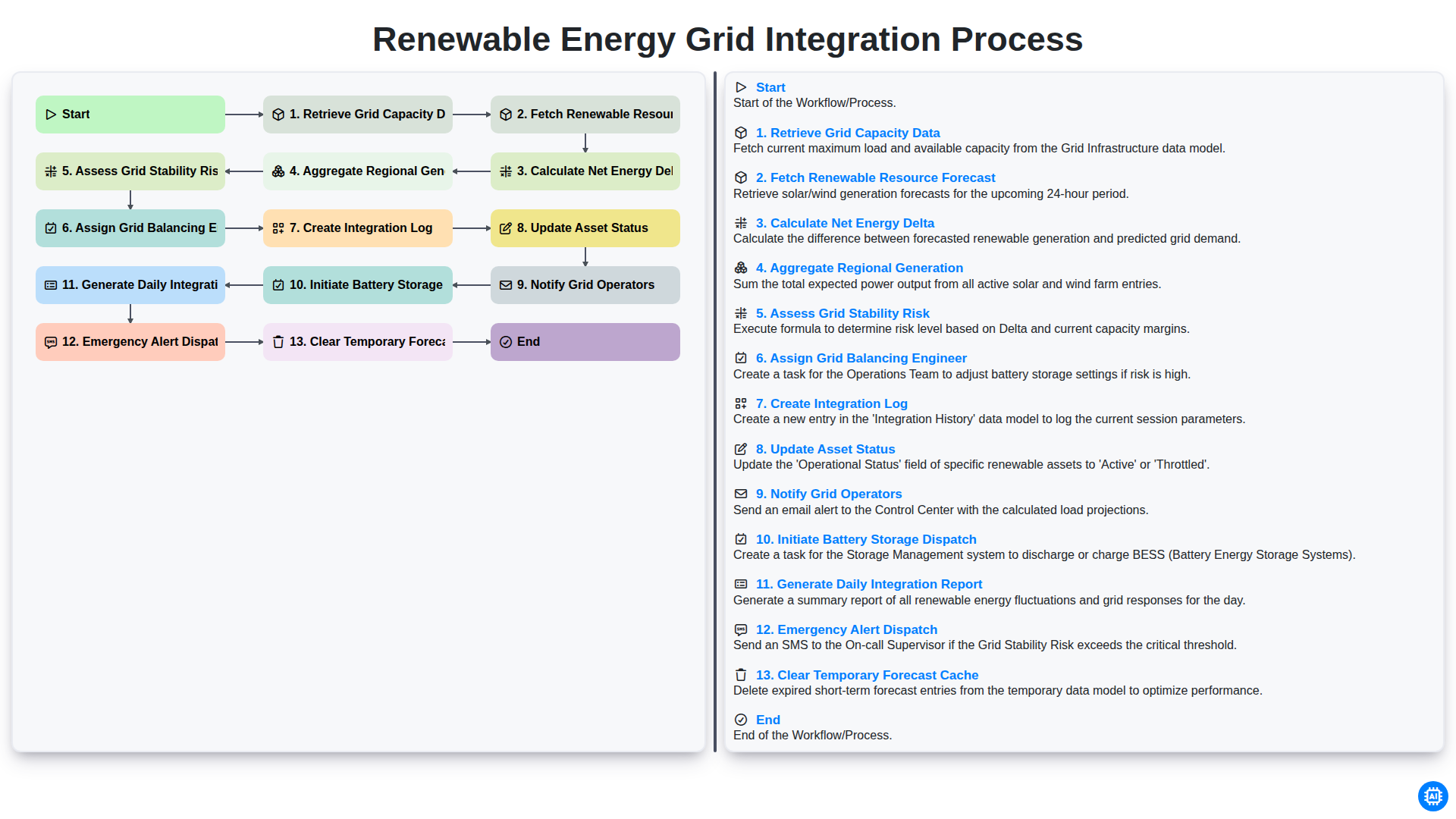
Renewable Energy Grid Integration Process: A Step-by-Step Workflow Template
Excel vs ChecklistGuro in Energy Management
Energy Audit Reporting Compliance: Your Checklist for Success
Ace Your Energy Audit: A Compliance Checklist Template You Can Use
Paper vs ChecklistGuro in Energy Management
Your Ultimate Energy Efficiency Audit Checklist Template
Stay Compliant: Your Energy Metering Compliance Checklist Template
How to Improve your Energy Management with AI in 2026?
Need help with
Checklists?
Have a question? We're here to help. Please submit your inquiry, and we'll respond promptly.