Energy Audit Reporting Compliance: Your Checklist for Success
Published: 12/05/2025 Updated: 07/02/2026
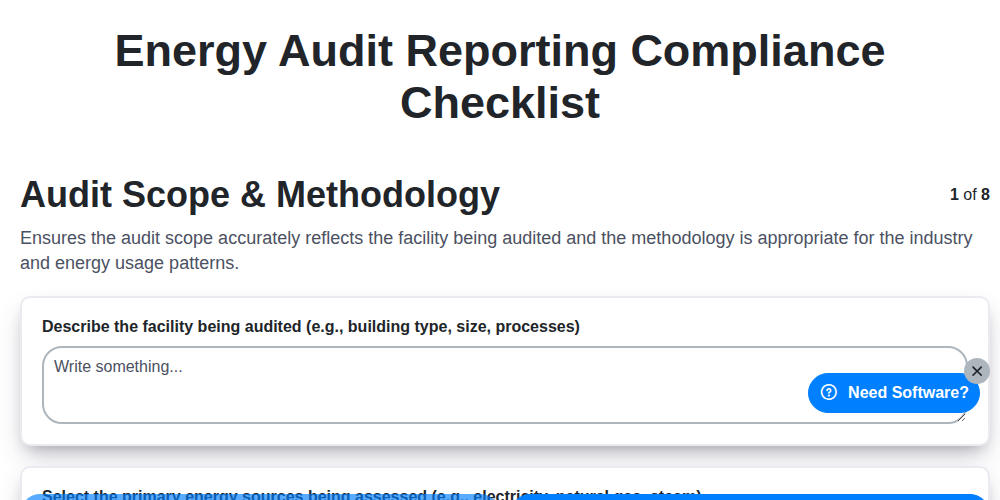
Table of Contents
- Introduction: Why Energy Audit Reporting Compliance Matters
- 1. Audit Scope & Methodology: Defining the Boundaries
- 2. Data Collection & Verification: Ensuring Accuracy
- 3. Analysis & Findings Documentation: Demonstrating Due Diligence
- 4. Recommendations & Action Plan: Charting a Path to Improvement
- 5. Reporting Format & Content: Clarity and Completeness
- 6. Review & Approval Process: Multiple Eyes, Higher Quality
- 7. Record Retention & Accessibility: Maintaining a Traceable History
- 8. Regulatory Compliance: Navigating Legal Requirements
- 9. Common Pitfalls to Avoid
- 10. Utilizing Technology for Enhanced Compliance
- 11. Training and Personnel Responsibilities
- 12. Continuous Improvement: Beyond the Initial Audit
- Conclusion: Staying Ahead of the Curve
- Resources & Links
TLDR: Feeling overwhelmed by energy audit reporting? This checklist breaks down the process into 8 key areas - from defining the audit to ensuring compliance - so you can confidently deliver accurate, compliant reports and avoid costly penalties. It's your shortcut to energy audit reporting success!
Introduction: Why Energy Audit Reporting Compliance Matters
An energy audit is more than just a snapshot of your building's energy usage; it's a critical step towards sustainability, cost savings, and regulatory adherence. However, the true value of an energy audit is unlocked when the findings are accurately reported and acted upon. Energy audit reporting compliance isn't just about ticking boxes - it's about establishing a verifiable, transparent, and actionable record of your energy performance.
Non-compliance can lead to a cascade of negative consequences. These range from missed opportunities for energy efficiency improvements and inflated operating costs to potential penalties, reputational damage, and even difficulty securing financing or participating in incentive programs. This checklist and accompanying guide will help ensure your energy audit reporting is accurate, comprehensive, and meets all necessary requirements, ultimately contributing to a more sustainable and profitable future for your organization. Let's dive into the key elements that ensure a compliant and valuable energy audit reporting process.
1. Audit Scope & Methodology: Defining the Boundaries
A successful energy audit hinges on clearly defining its scope and methodology upfront. This isn't just about stating what you will cover, but equally important, what you won't. Ambiguity here can lead to wasted time, inaccurate results, and ultimately, a compliance failure.
Your documentation should explicitly detail:
- Geographic Boundaries: Which facilities, buildings, or areas are included in the audit?
- Systems & Equipment: Specify the equipment and energy systems covered (HVAC, lighting, motors, processes, etc.). Be precise - listing lighting isn't enough; specify interior, exterior, production area, etc.
- Time Period: What historical data is considered? What is the baseline year?
- Methodology Selection: Explain why the chosen methodology (e.g., ASHRAE Level 1, Level 2, or Level 3) is appropriate for the facility and objectives. This includes describing the tools and techniques used (e.g., walk-through assessments, utility bill analysis, data logging).
- Assumptions & Limitations: Acknowledge any assumptions made during the scoping process and any limitations that might impact the audit's findings. (e.g., lack of access to certain areas, unavailability of historical data).
A well-defined scope and methodology provides a solid foundation for the entire audit process and ensures everyone understands expectations.
2. Data Collection & Verification: Ensuring Accuracy
The integrity of your energy audit report hinges on the quality of the data collected. This isn't just about gathering numbers; it's about ensuring those numbers are accurate, representative, and traceable. A flawed dataset leads to flawed recommendations and potentially costly, ineffective upgrades.
Here's what's critical for robust data collection and verification:
- Clearly Defined Measurement Points: Document precisely where and how measurements were taken. Use consistent labeling and avoid ambiguity.
- Calibration Records: Maintain records proving measurement equipment is properly calibrated and within acceptable tolerances. This builds confidence in the data's reliability.
- Multiple Readings & Averaging: Avoid relying on single readings. Take multiple measurements and calculate averages to minimize the impact of transient fluctuations.
- Representative Sampling: For large facilities, take samples from various zones and operational periods to accurately reflect overall energy consumption.
- Verification of Utility Bills & Energy Data: Cross-reference meter readings with utility bills and building management system data to identify discrepancies. Investigate any inconsistencies.
- Witness & Sign-Off: Ideally, have a second qualified individual witness data collection, especially for critical measurements. Their sign-off demonstrates a shared understanding of the process and results.
- Documentation of Anomalies: If any unusual observations or data points are encountered during collection, meticulously document them and the potential reasons behind them. Don't ignore outliers; investigate them.
- Data Validation Checks: Implement automated or manual data validation checks to identify and correct errors during data entry and processing.
Proper data collection and verification aren't just about following procedures; they're about establishing a foundation of trust and reliability for the entire energy audit process.
3. Analysis & Findings Documentation: Demonstrating Due Diligence
This section is the heart of your energy audit - it's where raw data transforms into actionable insights. Simply collecting data isn't enough; you need to clearly articulate what the data means and why it matters. A robust analysis & findings documentation demonstrates due diligence and builds credibility with stakeholders.
Here's what a strong documentation of analysis & findings should include:
- Detailed Methodology Explanation: Briefly reiterate the analytical methods used. For example, Energy consumption data was normalized using weather data (HDD/CDD) and adjusted for occupancy fluctuations. Transparency here shows the rigor of your approach.
- Clear Presentation of Findings: Use visuals! Charts, graphs, and tables are far more impactful than dense paragraphs of numbers. Clearly label all axes and data points. Highlight key findings - the biggest opportunities for savings.
- Benchmarking and Comparisons: Whenever possible, compare your findings to industry benchmarks, past performance data, or similar facilities. This contextualizes the results and emphasizes their significance.
- Quantification of Impacts: Don't just state a problem; quantify it. Instead of Lighting is inefficient, say Current lighting consumes 15,000 kWh annually, costing $1,800 at current rates.
- Identification of Root Causes: Go beyond surface-level observations. Explain why the inefficiencies exist. Was it aging equipment, operational practices, or design flaws?
- Uncertainty Assessment: Acknowledge any limitations or uncertainties in the data or analysis. This demonstrates intellectual honesty and prevents misunderstandings. For example, Occupancy data relies on building management system estimates, which may have a +/- 10% margin of error.
- Logical Flow and Narrative: Structure your findings logically, telling a clear story of the facility's energy performance.
By meticulously documenting your analysis and findings, you not only fulfill reporting requirements but also provide a solid foundation for implementing effective energy-saving measures.
4. Recommendations & Action Plan: Charting a Path to Improvement
The analysis and findings from your energy audit are valuable, but their true worth lies in the actions taken as a direct result. This section of your audit report shouldn't just highlight problems; it should provide a clear, actionable roadmap for improvement.
More than Just Suggestions: Recommendations aren't just nice-to-haves. They need to be actionable and directly linked to the findings. For each finding, provide at least one specific recommendation.
The Action Plan Structure: Your action plan should include the following for each recommendation:
- Action Item: A concise description of the task to be completed. (e.g., Replace T12 fluorescent lights with LED fixtures in Zone A.)
- Priority: Assign a priority level (e.g., High, Medium, Low). High-priority items are those offering the quickest payback, greatest energy savings, or addressing immediate safety concerns.
- Responsible Party: Clearly identify the individual or department responsible for implementing the action. Ownership is key to ensuring tasks get done.
- Estimated Cost: Provide a rough estimate of the cost associated with each action. This helps with budgeting and prioritization.
- Estimated Savings: Quantify the expected energy savings (e.g., kWh, cost) and potential environmental benefits (e.g., reduced carbon emissions).
- Timeline: Provide a realistic timeline for completion. Break down larger projects into smaller, manageable steps with individual deadlines.
- Metrics for Success: Define how you're going to measure the effectiveness of the implemented recommendation. This allows you to track progress and ensure the action achieved the desired outcome.
Example:
| Finding | Recommendation | Priority | Responsible Party | Estimated Cost | Estimated Savings (Annual) | Timeline | Metrics for Success |
|---|---|---|---|---|---|---|---|
| High HVAC system inefficiency | Install programmable thermostats in all offices | High | Facilities Management | $1,500 | 5,000 kWh ($500) | 4 weeks | Reduction in HVAC energy consumption by 15% |
Beyond the Report: The action plan shouldn't live solely within the report. Make it accessible to all stakeholders, and schedule regular follow-up meetings to track progress, address roadblocks, and celebrate successes. This demonstrates a commitment to continuous improvement and ensures the energy audit's findings translate into tangible results.
5. Reporting Format & Content: Clarity and Completeness
A well-structured and comprehensive report is the culmination of a successful energy audit. Don't let all that hard work be undermined by a report that's difficult to understand or missing crucial information. Here's what to focus on:
- Executive Summary: This is critical. It should be concise (no more than a few pages), highlighting key findings, recommendations, potential savings, and return on investment. It's often the only section decision-makers will read, so make it impactful.
- Standardized Templates: Using a pre-defined template ensures consistency and ease of comparison across audits and over time. This also simplifies the review process.
- Visualizations: Charts, graphs, and images speak volumes. Present data in a visually appealing and easily digestible format. Show trends, compare energy consumption periods, and illustrate potential savings.
- Clear Language: Avoid technical jargon where possible. If technical terms are necessary, define them clearly. Your audience may not be energy experts.
- Detailed Data Tables: While visualizations are great, supporting them with detailed data tables allows readers to delve deeper into the specifics. Ensure these tables are clearly labeled and organized.
- Supporting Documentation: Include appendices with raw data, calculation methodologies, equipment specifications, and other supporting documentation for transparency and verification.
- Consistent Units: Be meticulous about units of measurement (kWh, therms, dollars, etc.). Inconsistency can lead to misinterpretations and incorrect decisions.
- Define Assumptions: Clearly state any assumptions made during the audit, as these can influence findings and recommendations.
6. Review & Approval Process: Multiple Eyes, Higher Quality
An energy audit report isn't a solo effort; it's a critical document impacting operational efficiency and potentially impacting regulatory standing. Therefore, a robust review and approval process is paramount. This isn't just about catching typos - it's about ensuring accuracy, completeness, and alignment with your organization's goals.
Here's what a comprehensive review and approval process should include:
- Clearly Defined Roles: Assign specific individuals or teams with clearly defined responsibilities. This might include a technical reviewer (to assess methodology and findings), a financial reviewer (to evaluate ROI calculations), and a management representative for final sign-off.
- Phased Reviews: Implement a multi-stage review process. The initial review should focus on technical accuracy and completeness. Subsequent reviews can address clarity, feasibility, and alignment with business objectives.
- Checklist Alignment: Ensure the reviewers understand and utilize the original audit checklist to verify all areas were addressed and findings are consistent with data collection.
- Documentation of Feedback: Maintain a documented record of all review comments, revisions, and approvals. This demonstrates due diligence and provides a clear audit trail.
- Management Sign-Off: Final approval should come from a designated manager or executive with the authority to commit resources to implementing the recommendations.
- Version Control: Implement a system for tracking report versions to prevent confusion and ensure everyone is working with the most current document.
By implementing a rigorous review and approval process, you enhance the credibility of your energy audit report and significantly increase the likelihood of successful implementation and tangible energy-saving results.
7. Record Retention & Accessibility: Maintaining a Traceable History
Energy audit reports aren't just about the current state; they represent a valuable historical record demonstrating your commitment to energy efficiency and regulatory compliance. Robust record retention and accessibility are critical for demonstrating due diligence, supporting future audits, and facilitating continuous improvement.
Here's what you need to consider:
- Establish a Retention Schedule: Define how long each component of your energy audit report must be kept. This should align with regulatory requirements (often several years) and your organization's internal policies. Consider keeping raw data, calculations, and correspondence alongside the final report.
- Secure Storage: Utilize a secure and organized system for storing these records. This could be a digital document management system, physical filing cabinets, or a combination of both. Digital storage is generally preferred for ease of access and backup capabilities.
- Access Control: Implement access controls to ensure only authorized personnel can view and modify audit records. This protects data integrity and confidentiality.
- Version Control: Use a version control system for your reports, clearly labeling revisions and dates. This prevents confusion and allows you to track changes over time.
- Metadata Tagging: Add relevant metadata (keywords, project names, dates, responsible parties) to digital documents to make searching and retrieval significantly easier.
- Disaster Recovery: Have a disaster recovery plan in place to protect your records from loss due to fire, flood, or other unforeseen events. Backups are essential.
- Regular Review: Periodically review your record retention policy to ensure it remains compliant and meets your evolving needs.
8. Regulatory Compliance: Navigating Legal Requirements
Energy audits aren't just about identifying savings; they're often tied to specific regulatory mandates. Depending on your industry, location, and the scale of your facility, you might be subject to federal, state, or even local regulations concerning energy efficiency and reporting.
This section is crucial. Failing to comply can lead to penalties, fines, and reputational damage. Here's what you need to consider:
- Identify Applicable Regulations: Start by pinpointing the laws and standards that apply to your energy audit. Common examples include building codes (like ASHRAE 90.1), utility incentive programs with specific reporting requirements, and sector-specific regulations (e.g., for manufacturing plants, hospitals, or government buildings).
- Understand Reporting Thresholds: Many regulations have thresholds. Knowing when your audit needs to be formally reported is vital.
- Reporting Deadlines & Formats: Adhere strictly to deadlines and required formats. Some regulations necessitate specific reporting templates or electronic submission portals.
- Documentation is Key: Keep meticulous records demonstrating how your audit process met the regulatory requirements. This includes documenting your understanding of the rules and how your methodology aligns with them.
- Stay Updated: Regulations change! Regularly review updates to energy-related laws and standards to ensure ongoing compliance. Subscribe to relevant industry alerts and participate in professional development to stay informed.
- Consult with Experts: When in doubt, seek guidance from legal counsel or energy compliance specialists to ensure you're meeting all obligations.
Proper regulatory compliance ensures your energy audit isn't just beneficial for your bottom line, but also for maintaining legal standing and demonstrating responsible environmental stewardship.
9. Common Pitfalls to Avoid
Even with a robust Energy Audit Reporting Compliance Checklist in place, mistakes can happen. Here are some common pitfalls to watch out for that can derail your audit and reporting process:
- Insufficient Baseline Data: Failing to accurately establish a baseline for energy consumption is a significant error. This baseline is crucial for measuring improvement and demonstrating compliance. Ensure you have a complete and reliable historical energy use profile.
- Ignoring Hidden Energy Users: Many audits focus on obvious energy consumers (lighting, HVAC). Don't overlook less visible users like pumps, compressed air systems, or data center infrastructure.
- Lack of Stakeholder Buy-in: An audit is only as effective as the people who implement its recommendations. Ensure buy-in from facility managers, operations staff, and executive leadership from the outset.
- Overly Complex Methodology: A convoluted audit methodology can lead to confusion, errors, and difficulty in replicating the process. Keep it clear, concise, and documented.
- Data Collection Errors: Simple mistakes during data collection - incorrect readings, miscalculations - can skew results and lead to inaccurate conclusions. Implement data validation checks and double-check all figures.
- Recommendations that Aren't Actionable: Providing generic or impractical recommendations won't lead to real change. Ensure recommendations are specific, measurable, achievable, relevant, and time-bound (SMART).
- Neglecting to Track Implementation: A great audit is useless if its recommendations aren't implemented. Establish a system to track progress and hold responsible parties accountable.
- Failing to Update the Audit Regularly: Energy usage patterns and equipment change over time. Audits aren't one-and-done; schedule regular updates to maintain accuracy and identify new opportunities.
- Assuming Compliance is Enough: Simply meeting regulatory minimums isn't always sufficient. Continuously strive for greater energy efficiency and seek opportunities to outperform standards.
10. Utilizing Technology for Enhanced Compliance
Energy audit reporting compliance can feel overwhelming, especially as regulations evolve and data volumes increase. Thankfully, technology offers powerful solutions to streamline the process and minimize errors. Several software platforms are specifically designed for energy audits, offering features like automated data collection, pre-populated reporting templates, and built-in regulatory checks.
Consider these technological avenues:
- Data Logging & Monitoring Systems: Integrate your audit with real-time data from building management systems (BMS) and smart meters. This reduces manual data entry and provides a more accurate baseline.
- Audit-Specific Software: Dedicated energy audit software can automate many compliance tasks, from scope definition to report generation, and often includes regulatory updates.
- Cloud-Based Platforms: Cloud storage enhances accessibility and collaboration, enabling team members to contribute and review documents easily, regardless of location.
- Data Analytics Tools: Leverage data analytics tools to identify patterns, anomalies, and potential compliance gaps that might be missed with manual review.
- Digital Signature Integration: Implement digital signature capabilities for secure and auditable report approvals.
Embracing technology not only simplifies compliance but also demonstrates a proactive commitment to energy efficiency and regulatory adherence.
11. Training and Personnel Responsibilities
A successful energy audit reporting process hinges not only on robust procedures but also on a well-trained and accountable team. This section outlines the necessary training and clearly defines personnel responsibilities to ensure consistent, accurate, and compliant reporting.
Training Requirements: All personnel involved in conducting energy audits, data collection, analysis, and report generation must undergo relevant training. This includes:
- Energy Audit Fundamentals: Understanding energy systems, measurement techniques, and common energy-saving opportunities.
- Reporting Standards & Procedures: Familiarization with the company's specific energy audit reporting standards, this checklist, and relevant regulatory guidelines.
- Data Collection & Verification: Training on proper data collection methodologies, including meter operation, data logging, and quality control measures.
- Software Proficiency: Training on any software used for data analysis, modeling, or report generation.
- Ongoing Updates: Periodic refresher training and updates on changes to regulations, best practices, or internal procedures.
Personnel Responsibilities:
- Energy Audit Lead: Responsible for overall audit planning, execution, and reporting, ensuring adherence to this checklist and regulatory requirements. They oversee the team and provide guidance.
- Data Collectors: Responsible for accurately gathering energy consumption data and verifying its completeness and accuracy.
- Analyst/Modeler: Responsible for analyzing collected data, developing energy models, and identifying energy-saving opportunities. They must validate assumptions and clearly document their methodology.
- Report Writer: Responsible for compiling analysis and recommendations into a clear, concise, and compliant report.
- Reviewer/Approver: (Designated Management Representative) Responsible for thoroughly reviewing the report for accuracy, completeness, and adherence to all applicable standards.
12. Continuous Improvement: Beyond the Initial Audit
An energy audit isn't a one-and-done exercise. It's the launchpad for a continuous improvement journey. The initial report provides a baseline and identifies opportunities, but maintaining energy efficiency requires ongoing vigilance and adaptation.
Here's how to keep the momentum going:
- Regularly Review Key Metrics: Track energy consumption, utility bills, and the performance of implemented recommendations. Deviations from expected outcomes should trigger further investigation.
- Periodic Re-evaluation: Schedule mini-audits or assessments every 1-3 years to reassess energy performance and identify any new areas for improvement. Technology evolves, operational changes occur, and building conditions shift.
- Employee Engagement: Foster a culture of energy awareness. Encourage employees to report anomalies, suggest improvements, and participate in energy-saving initiatives.
- Stay Updated on Technology: Research new energy-efficient technologies and practices. What was cutting-edge five years ago might be standard now, and new innovations are constantly emerging.
- Feedback Loop: Establish a formal process for employees and stakeholders to provide feedback on the effectiveness of energy-saving measures.
- Update the Energy Management Plan: Integrate findings from ongoing assessments into your overall energy management plan.
Continuous improvement isn't just about saving money; it's about sustainability, resilience, and creating a more efficient and responsible operation.
Conclusion: Staying Ahead of the Curve
Ultimately, navigating energy audit reporting compliance isn't just about ticking boxes - it's about demonstrating a commitment to efficiency, sustainability, and responsible business practices. This checklist provides a solid framework, but remember that ongoing diligence and adaptation are key. Regulations evolve, technologies advance, and best practices shift. Regularly revisit and update your processes to ensure continued compliance and maximize the value of your energy audits. By proactively embracing these steps, you're not just meeting requirements; you're positioning your organization for long-term energy savings, a stronger reputation, and a more sustainable future.
Resources & Links
- Energy Star: U.S. EPA's Energy Star program provides guidelines, resources, and certifications related to energy efficiency, which can be valuable context for energy audit reporting compliance. They have best practices and benchmarks.
- ASHRAE (American Society of Heating, Refrigerating and Air-Conditioning Engineers): ASHRAE standards are frequently referenced in energy audits, particularly for building systems. Their resources provide technical expertise and benchmarks for energy performance.
- IECC (International Energy Conservation Code): The IECC sets minimum energy efficiency standards for buildings. Familiarize yourself with the current versions applicable to your region to ensure audit compliance.
- ANSI (American National Standards Institute): ANSI coordinates the development of standards, many of which are relevant to energy audits and related systems. Look for standards referenced in your local regulations.
- NIST (National Institute of Standards and Technology): NIST provides measurement science and technical expertise that supports energy efficiency and benchmarking. Their reports can offer valuable insights.
- Energy Star Buildings: This section of the Energy Star website focuses on building energy performance and provides resources for benchmarking and improving energy efficiency.
- Building Science Corporation: Building Science Corporation provides technical expertise and training on building envelope performance and energy efficiency. Useful for understanding data collection methodology.
- Building Performance Institute (BPI): BPI provides training and certification for energy auditors and provides resources on energy efficiency best practices.
- ISO (International Organization for Standardization): ISO standards, particularly those related to energy management systems (e.g., ISO 50001), offer a framework for establishing and maintaining a systematic approach to energy efficiency.
- Formstack: While it's a general form builder, Formstack (and similar tools like Jotform, SurveyMonkey) can be very helpful for standardizing data collection, audit checklists, and report generation - key for maintaining consistency and compliance.
- Smartsheet: Similar to Smartsheet, it's a project management/spreadsheet software that could be utilized to organize data and report on findings and compliance.
- BarChart Energy Management Software: Example of specialized software solutions for energy auditing and compliance. Explore options to automate reporting and manage data effectively.
- U.S. Department of Labor (DOL): The DOL provides information on worker safety and training, which might be relevant for personnel involved in energy audits, especially those working with equipment.
- EPA Energy Sector Regulations: A direct link to EPA resources and regulations specifically related to the energy sector, ensuring your audit practices align with federal requirements.
Frequently Asked Questions
What penalties can I face for non-compliance with energy audit reporting?
Penalties vary widely, but can include fines, legal action, loss of incentives, and reputational damage. The severity depends on the specific violation and jurisdiction.
Comments
There are no comments yet. Be the first to add one!
Energy Management Solution Demo
Managing operations, safety, and compliance in the energy sector is critical. ChecklistGuro's Work OS platform streamlines your workflow from exploration and production to distribution and maintenance. Enhance safety, improve efficiency, and ensure regulatory adherence. Discover how ChecklistGuro can transform your energy business!
Related Articles
Hydropower Dam Safety: Your Inspection Checklist Template Guide
Unlock Savings: Your Complete Energy Efficiency Audit Checklist
Your Ultimate Energy Efficiency Audit Checklist Template
Power Through: Your Essential Energy Grid Outage Support Checklist
Oil & Gas Well Safety Inspection Checklist: Ensuring a Secure Operation
HVAC System Maintenance Checklist: Building Climate Control & Energy Savings
Renewable Energy Project Checklist Template
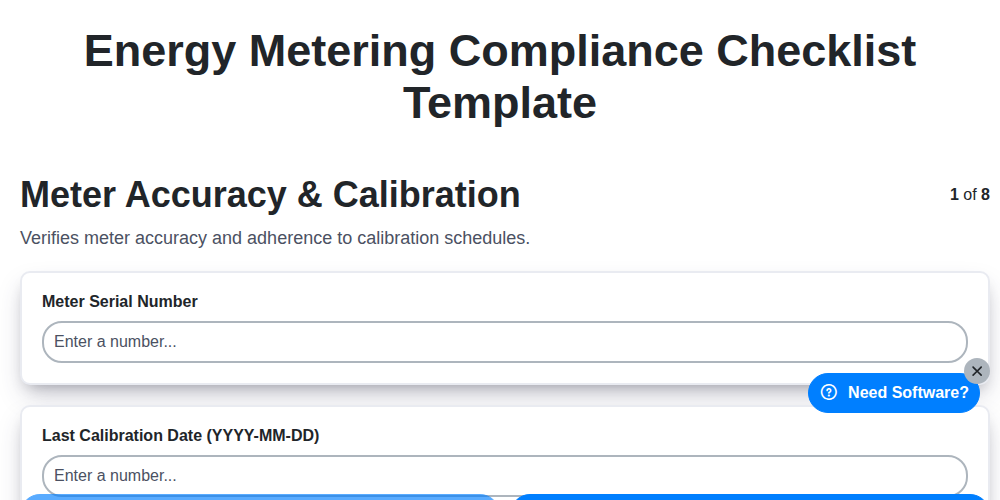
Stay Compliant: Your Energy Metering Compliance Checklist Template
Need help with
Energy?
Have a question? We're here to help. Please submit your inquiry, and we'll respond promptly.