Ace Your Energy Audit: A Compliance Checklist Template You Can Use
Published: 12/05/2025 Updated: 07/02/2026
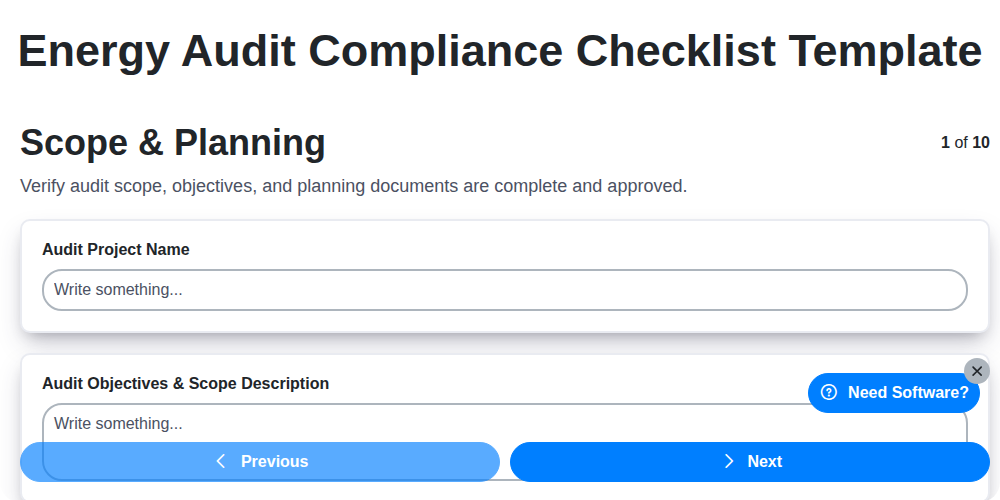
Table of Contents
- Introduction: Why Energy Audit Compliance Matters
- 1. Scope & Planning: Defining Your Audit Boundaries
- 2. Team & Responsibilities: Assembling Your Audit Crew
- 3. Data Collection & Analysis: Gathering the Numbers
- 4. Building Systems Assessment: Examining the Infrastructure
- 5. Equipment Inventory & Performance: Tracking Your Assets
- 6. Establishing an Energy Consumption Baseline: Knowing Your Starting Point
- 7. Navigating Regulatory Compliance: Meeting the Standards
- 8. Crafting Actionable Recommendations: Suggesting Improvements
- 9. Reporting Your Findings: Communicating the Results
- 10. Documentation & Record Keeping: Maintaining a Paper Trail
- 11. Implementation: Putting the Plan into Action
- 12. Follow-Up & Verification: Ensuring Continued Success
- Conclusion: Sustaining Energy Efficiency
- Resources & Links
TLDR: Feeling overwhelmed by energy audits? This checklist template breaks down the entire process - from planning to follow-up - into manageable steps, ensuring you cover everything needed for compliance and uncover opportunities for energy savings. It's your shortcut to a successful and compliant energy audit!
Introduction: Why Energy Audit Compliance Matters
An energy audit isn't just about finding ways to save money; it's about ensuring your building operates efficiently, sustainably, and in accordance with relevant regulations. Compliance with energy audit guidelines and standards isn't optional-it often dictates eligibility for incentives, grants, and tax credits, and can be critical for maintaining operational permits. Beyond the financial benefits, a compliant energy audit demonstrates a commitment to environmental responsibility and can significantly enhance your organization's reputation. This checklist template provides a structured approach to ensure your energy audit not only identifies opportunities for improvement but also adheres to all necessary protocols, setting you up for a successful and impactful energy-saving journey. Failing to comply can lead to wasted effort, missed opportunities, and potential penalties, making a diligent, checklist-driven approach invaluable.
1. Scope & Planning: Defining Your Audit Boundaries
Before diving into the nitty-gritty of your energy audit, clearly defining the scope and planning is absolutely critical. This initial step sets the foundation for a successful and compliant audit. What areas of your facility will be included? Will it cover the entire building, a specific wing, or just certain systems?
Consider factors like building type, age, and operational hours when determining the scope. A sprawling industrial facility will require a different approach than a small office building. Document the boundaries you're setting - be explicit about what is and isn't included. This prevents misunderstandings later and ensures a focused, efficient audit process.
Furthermore, establish clear objectives for the audit. Are you aiming for cost savings, regulatory compliance, sustainability goals, or a combination? Having well-defined objectives will help prioritize areas of focus and measure the audit's success. Finally, create a preliminary timeline and budget - these will guide the entire process and keep things on track.
2. Team & Responsibilities: Assembling Your Audit Crew
A successful energy audit isn't a solo effort. It requires a team with diverse expertise and clearly defined roles. Who comprises that team will depend on the size and complexity of your facility, but here's a breakdown of key roles and their responsibilities:
- Energy Audit Leader/Project Manager: This person is the central point of contact, responsible for overall project planning, coordination, and ensuring the audit stays on track and within budget. They're the driver, keeping everyone aligned with the goals.
- Energy Auditor(s): Certified energy auditors possess the technical expertise to perform assessments, analyze data, and identify energy-saving opportunities. They conduct the on-site inspections and perform the detailed analyses.
- Building Engineer/Facilities Manager: This individual provides crucial insider knowledge of the building's systems, operations, and history. They can answer questions about equipment age, maintenance records, and past energy-saving initiatives.
- Operations Personnel: Including maintenance staff, supervisors, and anyone directly involved in running building systems. Their practical experience is invaluable for understanding real-world operational challenges and validating potential solutions.
- Data Analyst (Optional): For large or complex facilities, a dedicated data analyst can help organize, analyze, and interpret the vast amounts of data collected during the audit.
- Management Representative: A key stakeholder from management who champions the audit and secures resources for implementation of recommended changes. Their buy-in is essential for success.
Clearly defining roles and responsibilities upfront, and assigning accountability for each task, will foster collaboration and ensure a smoother, more efficient energy audit process. Don't be afraid to adjust team composition based on your specific needs.
3. Data Collection & Analysis: Gathering the Numbers
This phase is where the real detective work begins. A comprehensive energy audit isn't just about identifying potential issues; it's about quantifying them with solid data. Here's how to approach data collection and analysis effectively:
1. Meter Data Acquisition: Start with the big picture. Gather utility bills (electricity, gas, water, steam) for at least the past 12 months - ideally longer. Don't just look at totals; analyze peak demand, time-of-use rates, and any unusual spikes. Submetering, if available, provides even more granular data on specific areas or equipment.
2. Building Characteristics: Document essential building information. This includes square footage, occupancy patterns (number of occupants, hours of operation), building age, construction type, insulation levels (if known), window types, and building orientation. These factors heavily influence energy performance.
3. Equipment Data Sheets: Collect specifications and performance data for major equipment like HVAC systems, lighting, pumps, fans, and compressors. Look for nameplate data (kW, horsepower, voltage, amperage) and original efficiency ratings. If available, gather maintenance records to understand equipment operating history.
4. Site Measurements: Conduct on-site measurements to verify data and uncover discrepancies. Use tools like:
- Power meters: To measure energy consumption of individual pieces of equipment.
- Light meters: To assess lighting levels.
- Thermal imaging cameras: To identify heat loss or gain areas.
- Data loggers: To record temperature, humidity, and other environmental conditions over time.
5. Data Analysis Techniques: Once you've gathered the data, it's time to analyze it. This might involve:
- Energy Use Intensity (EUI) Calculation: Divide total energy consumption by building square footage to benchmark performance against similar buildings.
- Regression Analysis: Identify correlations between energy consumption and factors like temperature or occupancy.
- Trend Analysis: Examine historical data to identify patterns and potential areas for improvement.
- Benchmarking: Compare your building's energy performance to industry standards or best practices.
Proper data collection and analysis are the foundation of a successful energy audit, providing the evidence needed to support your recommendations and demonstrate the potential for energy savings.
4. Building Systems Assessment: Examining the Infrastructure
A thorough energy audit goes beyond just looking at equipment; it delves into the health and efficiency of your entire building's systems. This phase focuses on a detailed assessment of critical infrastructure, including HVAC (Heating, Ventilation, and Air Conditioning), lighting, building envelope (roof, walls, windows), and electrical distribution.
HVAC Systems: We're looking for leaks, inefficiencies in ductwork, improper sizing, and control issues. This involves evaluating the condition of chillers, boilers, air handlers, and other key components. Performance metrics like SEER (Seasonal Energy Efficiency Ratio) and EER (Energy Efficiency Ratio) are critical.
Lighting Systems: Assessment focuses on fixture types, control systems (occupancy sensors, daylight harvesting), and overall lighting levels. We'll evaluate whether lighting aligns with code requirements and whether upgrades to more efficient LEDs are feasible.
Building Envelope: The building envelope acts as a barrier against the elements. We're looking for air leaks, insulation deficiencies, and the condition of windows and doors. Thermal imaging (infrared scans) is often used to identify areas of heat loss or gain. Roof condition and reflectivity are also considered, as they significantly impact cooling loads.
Electrical Distribution: This includes assessing the condition of transformers, switchgear, and power distribution systems. We'll analyze power quality, identify potential losses, and ensure systems are operating safely and efficiently.
The data gathered in this assessment forms a foundation for identifying areas of improvement and calculating potential energy savings. It's not just about what is, but understanding why a system is performing as it is.
5. Equipment Inventory & Performance: Tracking Your Assets
A thorough energy audit isn't just about identifying inefficiencies; it's about understanding what is consuming energy and how effectively. This section focuses on creating a detailed inventory of your equipment and assessing its performance.
Start by compiling a complete list of all major energy-consuming equipment within the scope of your audit. This includes (but isn't limited to): HVAC systems (chillers, boilers, air handlers, pumps), lighting fixtures, motors, compressors, IT equipment, and industrial processes. For each piece of equipment, document the following:
- Make and Model: Essential for accessing technical specifications and performance data.
- Age & Installation Date: Older equipment is generally less efficient.
- Operating Hours: How often is it running?
- Rated Capacity & Actual Performance: Compare the equipment's stated capabilities with its real-world output. Use meters, sensors, or existing utility bills to gauge actual performance.
- Maintenance Records: Review maintenance logs to identify potential issues affecting efficiency.
- Condition Assessment: Note any visible signs of wear and tear, unusual noises, or performance degradation.
Analyzing this data allows you to pinpoint specific equipment contributing significantly to energy consumption and prioritize upgrades or maintenance efforts. For instance, a chiller running significantly below its rated efficiency suggests potential issues like refrigerant leaks or fouling. A lighting system with outdated fixtures might be a prime candidate for LED upgrades.
6. Establishing an Energy Consumption Baseline: Knowing Your Starting Point
Before you can effectively reduce energy consumption and demonstrate compliance, you need to know where you stand today. Establishing a robust energy consumption baseline is the critical first step. This isn't just about looking at last month's electricity bill; it's about creating a comprehensive picture of your energy usage over a defined period - typically a year, but sometimes longer for facilities with seasonal fluctuations.
What goes into a good baseline?
- Data Collection: Gather historical energy data for all relevant fuels and utilities - electricity, natural gas, propane, steam, water, etc. This data should span at least 12 months, and ideally longer.
- Normalization: Raw energy data alone isn't always enough. You need to normalize this data to account for changes in factors like production levels, occupancy rates, weather conditions, and operating hours. For example, if your manufacturing output increased significantly last year, a simple comparison of energy usage would be misleading.
- Benchmarking: Compare your building's performance against industry benchmarks or similar buildings to identify potential areas for improvement.
- Data Validation: Ensure the accuracy and reliability of your data. Are there any gaps or anomalies that need to be investigated?
- Documentation: Meticulously document all data sources, normalization methods, and calculations used to establish the baseline. This transparency is vital for compliance and future comparisons.
A well-defined energy consumption baseline provides a concrete starting point against which to measure the effectiveness of your energy-saving initiatives and demonstrates a clear progression toward regulatory compliance.
7. Navigating Regulatory Compliance: Meeting the Standards
Energy audits aren't just about identifying savings; they often have a regulatory component. Depending on your industry, location, and building type, you might be subject to state, local, or even federal mandates. This section outlines how to ensure your energy audit aligns with those requirements.
Understanding Applicable Regulations: The first step is to thoroughly research and identify all relevant regulations. This could include things like building codes, efficiency standards for equipment (like HVAC or lighting), or mandatory reporting requirements. Resources like the EPA's ENERGY STAR program, state energy offices, and local building departments are excellent starting points.
Documenting Compliance Efforts: As you conduct the audit, meticulously document how your findings and recommendations address these regulatory mandates. This isn't just about ticking boxes; it's about demonstrating a proactive approach to compliance. Note specific code sections addressed by suggested upgrades, and quantify how these improvements will contribute to meeting those standards.
Staying Updated: Regulations are constantly evolving. Establish a system for staying abreast of changes. This could involve subscribing to industry newsletters, attending webinars, or designating someone on your team to monitor regulatory updates. Periodic reviews of your audit process and documentation are crucial to ensure continued compliance.
Third-Party Verification (Where Required): Some regulations mandate third-party verification of energy audits. Ensure your chosen auditor is qualified and accredited to perform these verifications. Be prepared to share your audit documentation and findings with the verifying entity.
Ultimately, successful regulatory compliance isn't just about avoiding penalties; it's about demonstrating a commitment to energy efficiency and sustainability, which can enhance your reputation and attract customers and investors.
8. Crafting Actionable Recommendations: Suggesting Improvements
The heart of any successful energy audit lies in the recommendations. Simply identifying issues isn't enough; you need to provide clear, concise, and actionable steps for improvement. This section moves beyond observations and focuses on solutions.
Here's how to craft recommendations that resonate and drive real change:
- Prioritize by Impact and Feasibility: Don't overwhelm stakeholders. Rank recommendations based on potential energy savings (high, medium, low) and implementation cost (easy, moderate, difficult). The "low-hanging fruit" - high-impact, low-cost solutions - should be at the top.
- Be Specific and Measurable: Vague suggestions like improve lighting are useless. Instead, provide details: Replace 100W incandescent bulbs with 15W LED bulbs in office area A, estimated savings: 600 kWh/year. Include anticipated costs and return on investment (ROI) wherever possible.
- Categorize Recommendations: Group suggestions logically - for example, by building system (HVAC, lighting, building envelope), by department, or by cost category. This makes it easier for decision-makers to understand and allocate resources.
- Consider Behavioral Changes: Energy efficiency isn't just about technology. Include recommendations that address operational practices and occupant behavior, like optimizing equipment scheduling or implementing a 'lights out' policy.
- Explain the 'Why': Don't just state what to do; briefly explain why it's necessary. This helps secure buy-in and ensures long-term adherence. For example, Reducing HVAC setpoints by 2 degrees can significantly lower energy consumption without impacting comfort.
- Include Multiple Options: Present different approaches where feasible. This allows stakeholders to choose the solution that best aligns with their budget and priorities. For example, Consider retrofitting existing windows with low-e film or replacing them entirely.
- Address Potential Challenges: Acknowledge any potential roadblocks to implementation and offer solutions or mitigation strategies.
By delivering actionable, well-reasoned recommendations, you transform your energy audit from a diagnostic exercise into a roadmap for lasting energy savings.
9. Reporting Your Findings: Communicating the Results
The energy audit isn't complete until you clearly and effectively communicate your findings. A comprehensive report is crucial for securing buy-in from stakeholders, justifying investments, and tracking progress. Here's what a strong reporting section should include:
- Executive Summary: This is your "hook." Keep it concise (1-2 pages max) and highlight key findings, cost-saving opportunities, and projected ROI. It's often the only section decision-makers will read.
- Detailed Findings: Expand on the executive summary with specific observations from each area assessed, including data tables, graphs, and photographic evidence. Clearly explain why these findings matter.
- Prioritized Recommendations: Present your recommendations in a clear, prioritized order, based on factors like potential savings, payback period, and ease of implementation. Include estimated costs for each recommendation.
- Regulatory Compliance Status: Explicitly state whether the building meets current energy regulations and highlight any areas needing attention.
- Energy Consumption Baseline: Reiterate the baseline energy consumption data and its significance for tracking future improvements.
- Appendices: Include detailed data, calculations, equipment specifications, and supporting documentation.
Remember to tailor your report's language and level of detail to your audience. A technical audience will appreciate more granular data, while executive summaries should focus on the big picture benefits.
10. Documentation & Record Keeping: Maintaining a Paper Trail
An energy audit isn't a one-and-done event. Its long-term success hinges on meticulous documentation and record-keeping. This isn't just about satisfying regulatory bodies; it's crucial for tracking progress, demonstrating ROI, and informing future energy efficiency initiatives.
Here's what you need to document throughout the entire energy audit process:
- Audit Scope & Planning Documents: Keep records of initial objectives, building parameters, and limitations.
- Team Records: Log contact information, roles, and responsibilities of everyone involved.
- Data Collection Raw Data: Preserve original data sheets, meter readings, utility bills, and any data collected in the field. This provides a verifiable source for analysis.
- Assessment Findings: Detail observations, measurements, calculations, and any unusual findings during the building systems and equipment assessments.
- Equipment Inventory Data: Maintain a comprehensive inventory of all assessed equipment, including model numbers, serial numbers, performance data, and dates of inspection.
- Energy Consumption Baseline Calculations: Clearly document the methodology used to establish the baseline, along with all input data and calculated results.
- Regulatory Compliance Records: Keep copies of relevant regulations, interpretations, and documentation demonstrating adherence.
- Recommendations & Supporting Calculations: Detail all recommendations for improvement, along with the calculations demonstrating the potential energy and cost savings.
- Implementation Tracking: Document which recommendations were implemented, timelines, costs, and any challenges encountered.
- Post-Implementation Performance Data: Record energy consumption data after implementation to measure the effectiveness of changes. Compare this to the baseline to demonstrate achieved savings.
Best Practices:
- Digital Storage: Prioritize digital storage with secure backups.
- Version Control: Implement version control for all documents to track changes.
- Clear Naming Conventions: Use consistent and descriptive naming conventions for all files.
- Accessibility: Ensure documentation is accessible to authorized personnel.
Maintaining this paper trail-or rather, digital trail-is an investment in the continued success of your energy efficiency program.
11. Implementation: Putting the Plan into Action
The energy audit report is fantastic - full of insightful findings and actionable recommendations. But it's just a document until it's acted upon. This 'Implementation' phase is where the real energy savings begin.
This isn't a 'set it and forget it' scenario. Successful implementation requires a structured approach and ongoing accountability. Here's what needs to happen:
- Prioritize Recommendations: Not every recommendation can be implemented immediately. Rank them based on ROI (Return on Investment), impact on energy savings, cost, and feasibility. Focus on quick wins first - those low-cost, high-impact projects that build momentum and demonstrate the value of the audit.
- Develop an Action Plan: Translate prioritized recommendations into concrete tasks. This includes defining timelines, assigning responsibilities, and securing necessary budget approvals. Use project management tools to track progress and ensure accountability.
- Secure Funding & Resources: Many recommendations require capital investment. Proactively secure funding and allocate the necessary personnel and equipment.
- Communicate with Stakeholders: Keep everyone informed - building occupants, management, and relevant departments. Explain the changes, address concerns, and solicit buy-in.
- Execute Changes: Implement the recommended changes according to the action plan. This could include installing new equipment, adjusting building controls, or updating operational procedures.
- Training & Awareness: Provide training to staff on new systems or procedures. Reinforce the importance of energy conservation and encourage ongoing participation.
- Regular Monitoring: Continuously monitor energy consumption after implementation to track progress and identify any unexpected issues.
This is a critical phase; a well-executed implementation strategy will translate the audit's potential into tangible energy savings and a more sustainable future for your facility.
12. Follow-Up & Verification: Ensuring Continued Success
An energy audit isn't a one-and-done project. The real value comes from consistent follow-up and verification to ensure the implemented recommendations are delivering the anticipated results and maintaining compliance. This phase is critical for realizing the full potential of your energy audit investment.
Here's what this follow-up should entail:
- Track Key Performance Indicators (KPIs): Regularly monitor energy consumption (electricity, gas, water) and associated costs against your established baseline. Look for trends and identify any deviations from projected savings.
- Performance Verification: Conduct periodic inspections (e.g., quarterly or annually) to verify the continued functionality and efficiency of implemented measures. This could include checking lighting controls, equipment settings, and building envelope performance.
- Employee Feedback: Solicit feedback from employees regarding comfort levels, any operational challenges, and observed changes in energy usage patterns. They often have valuable insights.
- Review Maintenance Schedules: Ensure that any new or modified equipment has appropriate maintenance schedules in place and that these are being followed diligently.
- Re-evaluate Recommendations: As technology evolves and building usage changes, revisit the original recommendations. Some measures might need adjusting or updating for optimal performance.
- Compliance Reviews: Periodically review your energy audit documentation and implementation records to ensure ongoing compliance with relevant regulations and standards.
- Documentation Updates: Keep all records updated to reflect any adjustments or improvements made during the follow-up period.
By proactively engaging in this follow-up and verification phase, you'll solidify the benefits of your energy audit, maximize your return on investment, and foster a culture of continuous energy efficiency improvement.
Conclusion: Sustaining Energy Efficiency
Achieving energy audit compliance isn's a one-and-done activity. It's the beginning of a continuous improvement journey. Regularly revisiting your checklist, updating it to reflect changes in your facility, technology, and regulations, is crucial. Don't let the meticulous work put in during the initial audit fade - schedule periodic reviews, perhaps annually or bi-annually, to ensure ongoing adherence and identify new opportunities for optimization. This proactive approach not only safeguards your compliance but also fosters a culture of energy awareness within your organization, ultimately contributing to long-term sustainability and reduced operational costs. Remember, the true value of an energy audit lies in its continued application and adaptation.
Resources & Links
- U.S. Department of Energy (DOE): The DOE provides a wealth of information on energy audits, energy efficiency technologies, and building performance. Look for resources on building science, best practices, and financial incentives. Particularly useful for understanding federal regulations and funding opportunities.
- U.S. Environmental Protection Agency (EPA): The EPA offers resources and tools related to energy efficiency, focusing on environmental benefits and sustainability. Check out their ENERGY STAR program for valuable data and benchmarking information.
- ASHRAE (American Society of Heating, Refrigerating and Air-Conditioning Engineers): ASHRAE develops standards and guidelines for building design, construction, and operation. Their standards (like ASHRAE Standard 180 for building energy audits) are often referenced in compliance checklists. Very important for technical details of building systems.
- IGCC (Illuminating Engineering Society): If your audit involves significant lighting assessment, the IES provides resources and standards for lighting design and energy efficiency in lighting systems. Important for lighting data gathering and efficiency recommendations.
- ANSI (American National Standards Institute): ANSI accredits organizations that develop consensus standards, including those relevant to energy audits. Useful to verify the credibility and reliability of standards used in your audit.
- British Energy Efficiency Survey (BEES): While UK-focused, BEES provides excellent methodology and data collection insights applicable worldwide. Useful for refining data gathering techniques, even if your specific regulatory environment differs. (Good for understanding survey design and data quality).
- Building Science Corporation: Building Science Corporation provides in-depth resources on building science principles, including moisture control, thermal performance, and building diagnostics. Valuable for understanding the 'why' behind energy efficiency recommendations.
- Portia Energy: Provides software solutions and resources for energy management and auditing. While they offer commercial products, their website features valuable articles and guides on energy audits and reporting.
- NIST (National Institute of Standards and Technology): NIST provides measurement science and engineering standards, some of which apply to energy auditing tools and equipment. Important for ensuring accuracy and reliability of data collection.
- ISO (International Organization for Standardization): ISO develops international standards for quality management, environmental management, and energy management. ISO 50001 is the standard for energy management systems and a good framework to build audit processes around. Useful for businesses seeking international recognition of their energy management efforts.
- Thermo Fisher Scientific: Thermo Fisher offers a range of testing and measurement equipment suitable for energy audits, including infrared cameras and data loggers. While a vendor, their website features information on application of these tools for building diagnostics.
- Fluke Corporation: Fluke provides test equipment for electrical and mechanical systems. Helpful for understanding the tools needed to evaluate building systems. Their website has resources on using test equipment correctly.
Frequently Asked Questions
What is an energy audit and why do I need one?
An energy audit is a comprehensive assessment of your building's energy usage. It identifies areas where energy is being wasted and recommends improvements. You may need one for compliance with building codes, to qualify for energy efficiency incentives, or to reduce your energy bills and environmental impact.
What's included in this compliance checklist template?
The checklist covers key areas of an energy audit, including building envelope, HVAC systems, lighting, electrical systems, water heating, and operational practices. It includes items related to documentation, measurements, and potential energy conservation measures (ECMs).
Who should use this checklist?
This checklist is designed for building owners, facility managers, energy auditors, and contractors involved in conducting energy audits. It's a useful tool for anyone needing to ensure an audit meets regulatory requirements or best practices.
Is this checklist legally binding?
This checklist is a guide and template. It is not legally binding itself. It serves as a framework to ensure you address the necessary components of an energy audit based on your specific regulatory requirements. Consult with your local authorities or a qualified energy professional to confirm compliance.
Can I customize this checklist?
Absolutely! This checklist is designed to be a starting point. Feel free to add, remove, or modify items to reflect the specifics of your building, industry, and regulatory landscape. Consider adding specifics on equipment models, measurement units, and relevant local codes.
What kind of documentation should I collect before starting an energy audit?
Gather utility bills (at least 12 months' worth), equipment specifications and maintenance records, building plans or drawings, occupancy schedules, and any existing energy efficiency reports. Having this information will streamline the audit process and improve accuracy.
What is an ECM (Energy Conservation Measure)?
An ECM is a specific action or improvement that reduces energy consumption in a building. Examples include installing LED lighting, improving insulation, or upgrading HVAC equipment. The checklist includes space for noting potential ECMs identified during the audit.
How do I use the 'Measurement' columns in the checklist?
The 'Measurement' columns are intended for recording data collected during the audit. This might include temperature readings, lighting levels, equipment performance metrics, or energy usage values. Accurate measurements are crucial for a reliable assessment.
Where can I find resources to help me understand energy efficiency terminology?
Many resources are available online, including the Department of Energy (DOE) website (energy.gov), the Environmental Protection Agency (EPA) website (epa.gov), and various industry organizations. These sites offer definitions, guides, and case studies related to energy efficiency.
Comments
There are no comments yet. Be the first to add one!
Energy Management Solution Demo
Managing operations, safety, and compliance in the energy sector is critical. ChecklistGuro's Work OS platform streamlines your workflow from exploration and production to distribution and maintenance. Enhance safety, improve efficiency, and ensure regulatory adherence. Discover how ChecklistGuro can transform your energy business!
Related Articles
Stay Compliant: Your Energy Metering Compliance Checklist Template
Unlock Savings: Your Complete Energy Efficiency Audit Checklist
Your Ultimate Energy Efficiency Audit Checklist Template
Power Through: Your Essential Energy Grid Outage Support Checklist
Oil & Gas Well Safety Inspection Checklist: Ensuring a Secure Operation
HVAC System Maintenance Checklist: Building Climate Control & Energy Savings
Renewable Energy Project Checklist Template
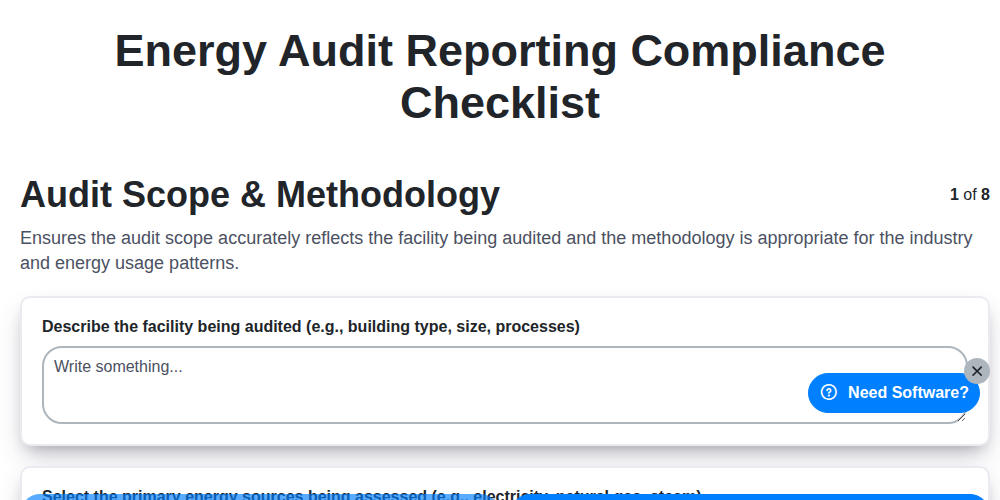
Energy Audit Reporting Compliance: Your Checklist for Success
Need help with
Energy?
Have a question? We're here to help. Please submit your inquiry, and we'll respond promptly.